
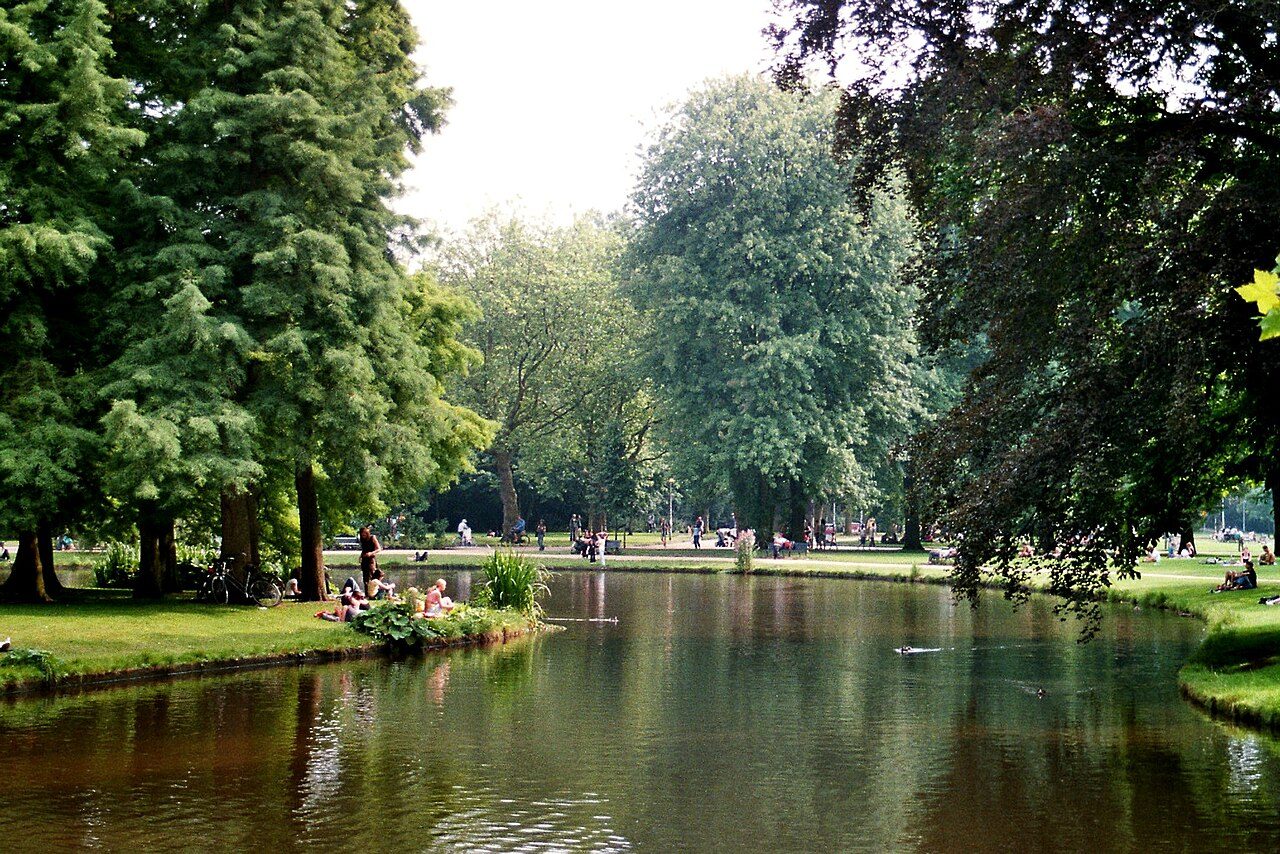
Vondelpark
Amsterdam's green stretch for a slow walk, with ponds, a rose garden, outdoor art and summer performances.
Looking up places…
On DiscoverAround now
Cities and towns worldwide
Not in the list? Type the name and ask us to add it.
The landmarks of the city worth seeing at least once: what each one is, how it rates on Google and TripAdvisor, and how to walk them as your own free tour.
Amsterdam's green stretch for a slow walk, with ponds, a rose garden, outdoor art and summer performances.
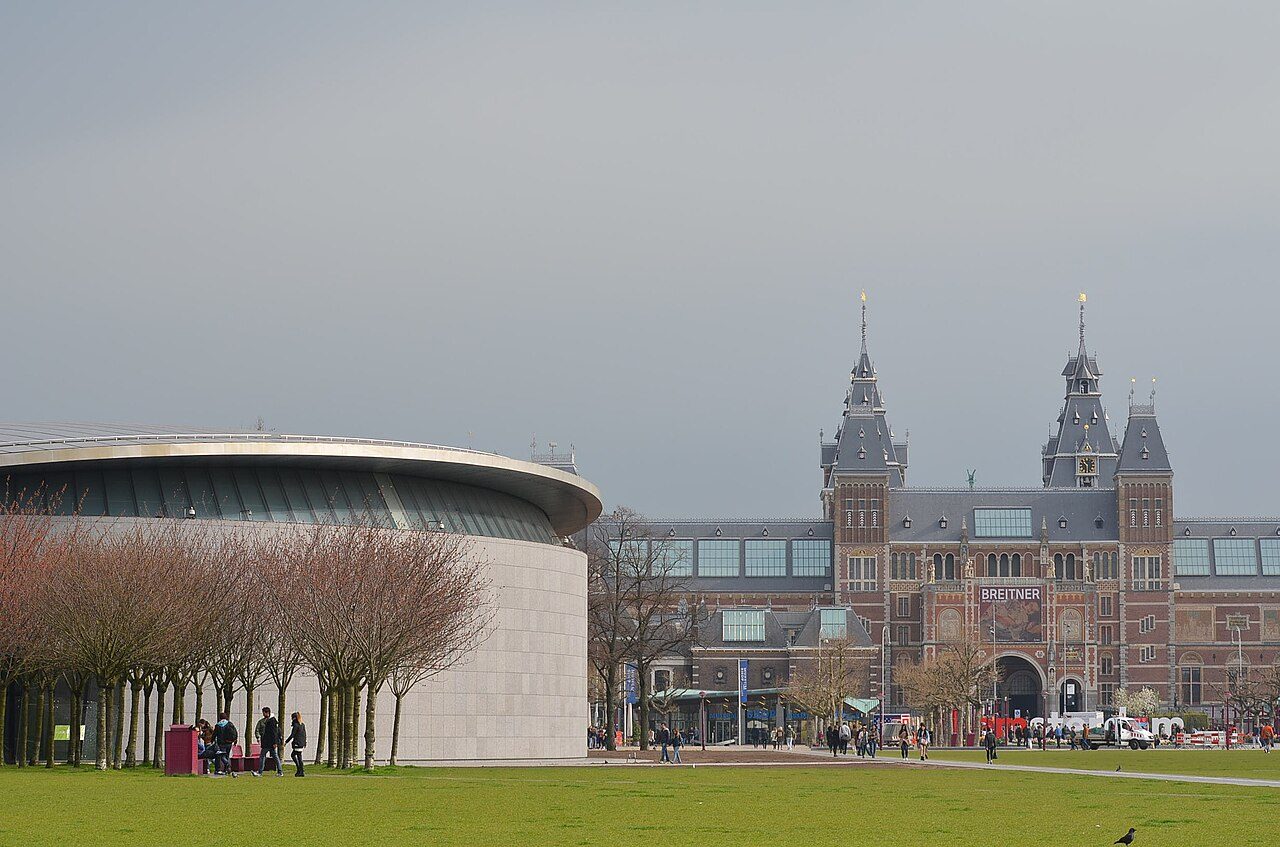
The big lawn between the Rijksmuseum, Van Gogh Museum and Concertgebouw.
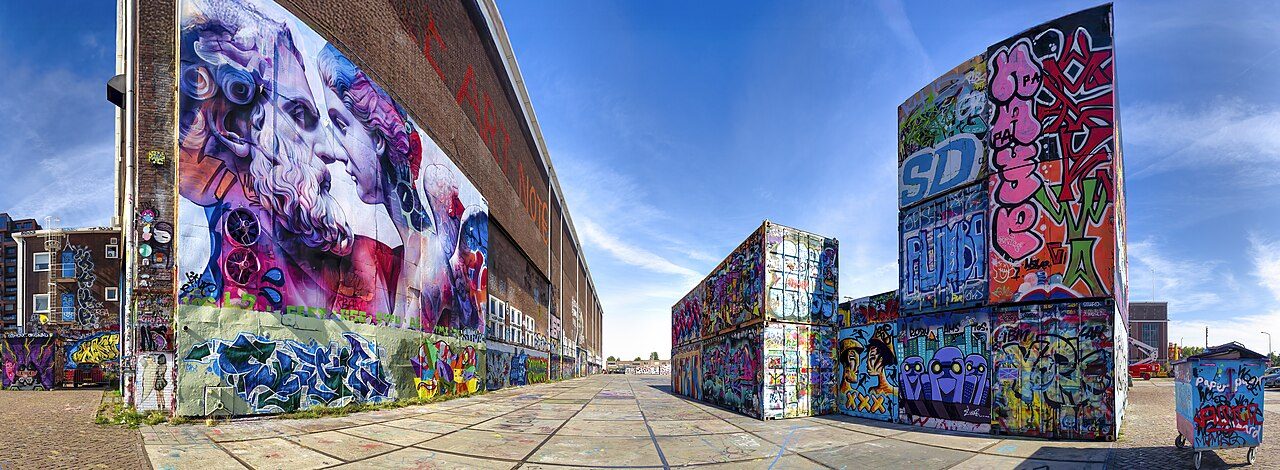
A former shipyard in Noord covered in street art, reached by the free ferry.
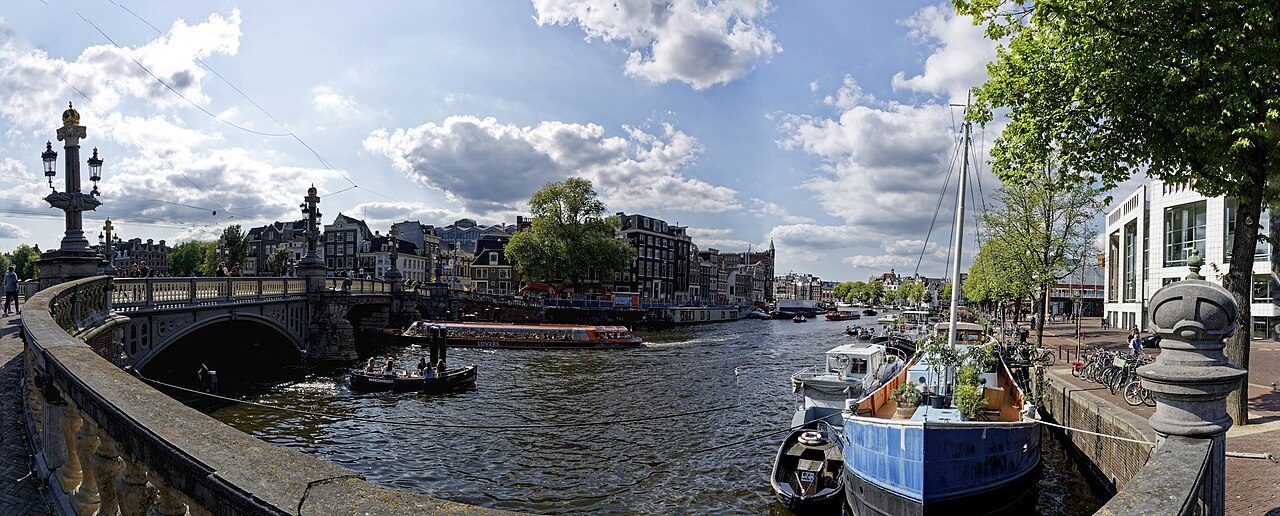
The city's oldest flea market, next to the Stopera.
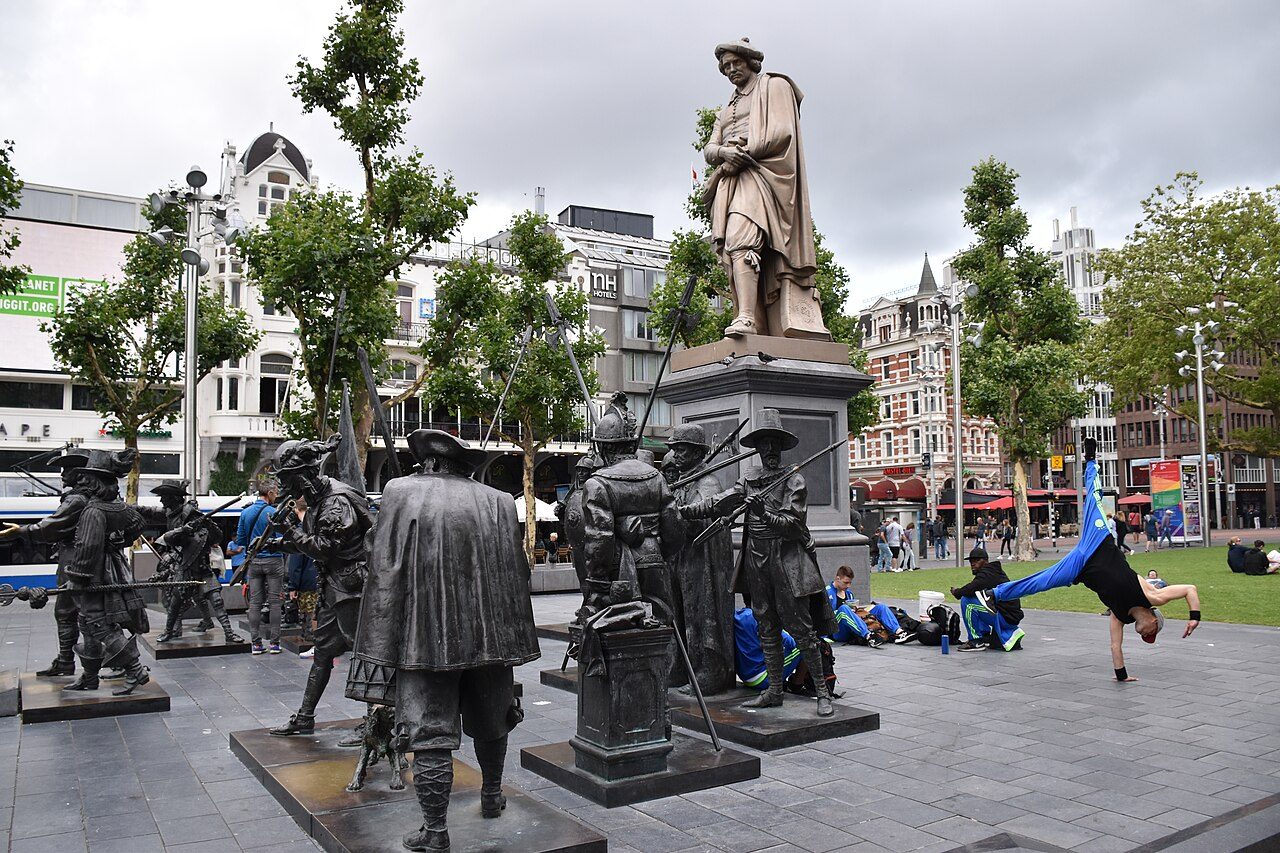
A lively Amsterdam square centred on Louis Royer’s cast-iron Rembrandt statue. The Night Watch bronzes shown in older photos were removed in 2020.
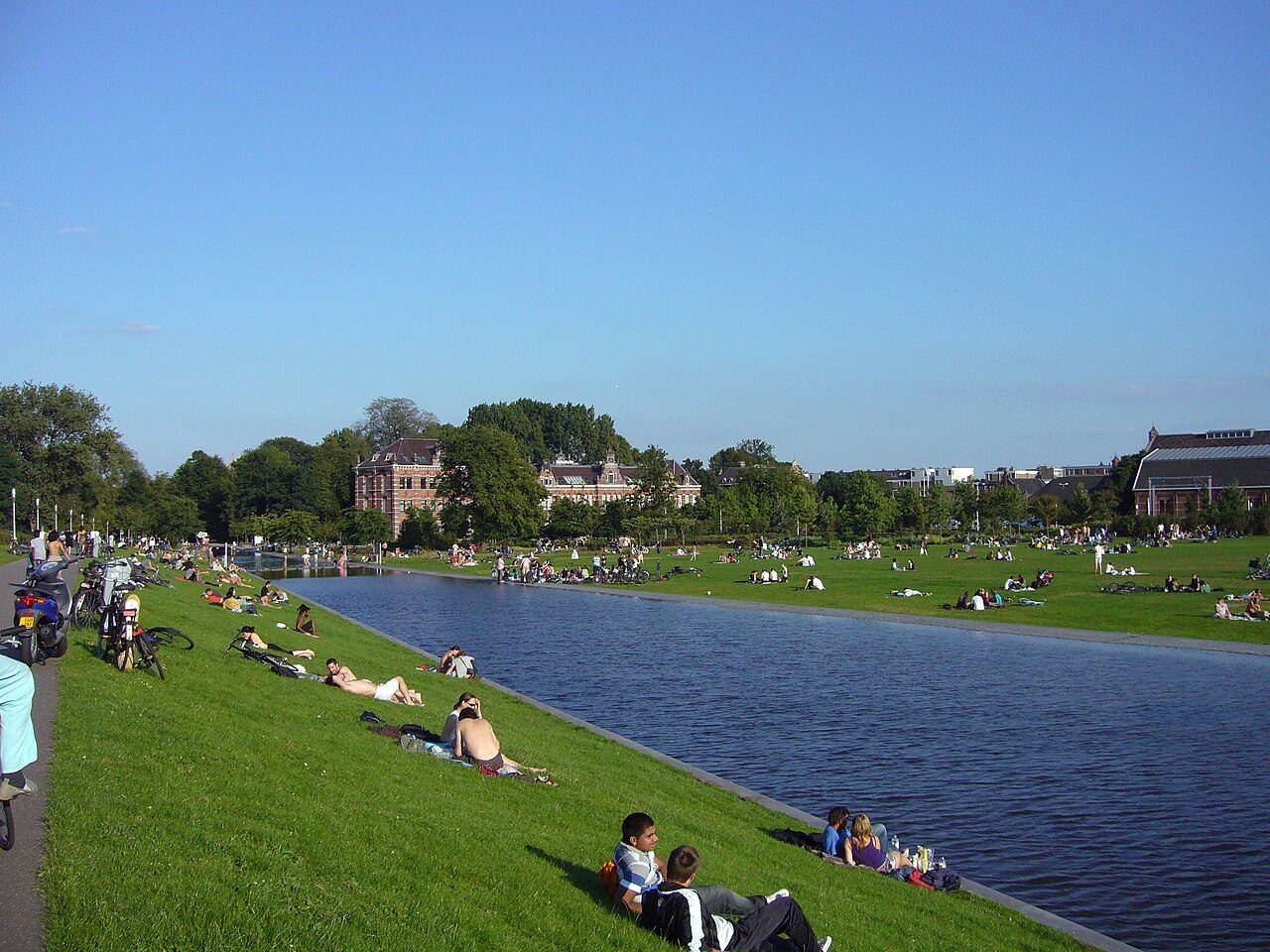
Green lawns meet the red-brick halls of a former gasworks, now home to art, film, cafés and events.
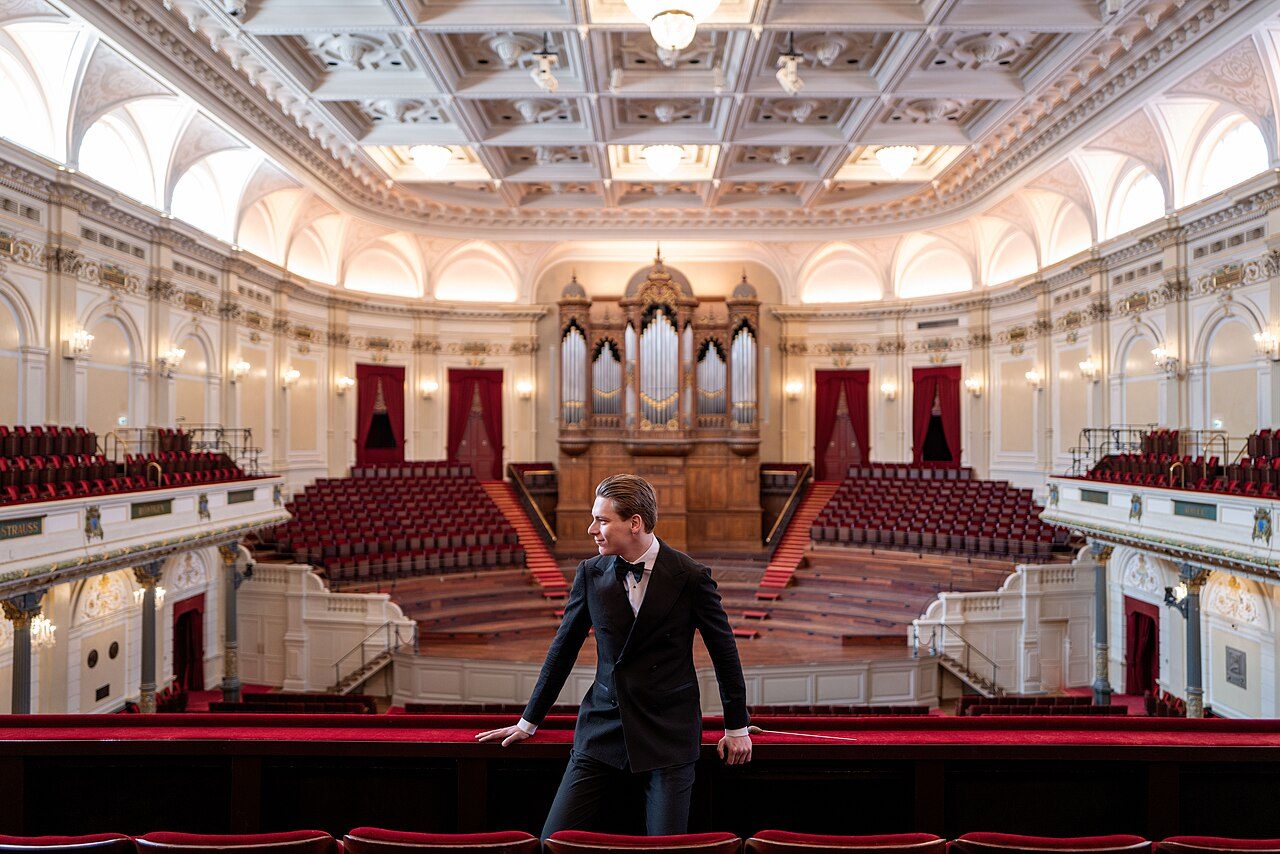
Free 30-minute lunchtime concerts on Wednesdays from September to June, in one of the world's best halls.
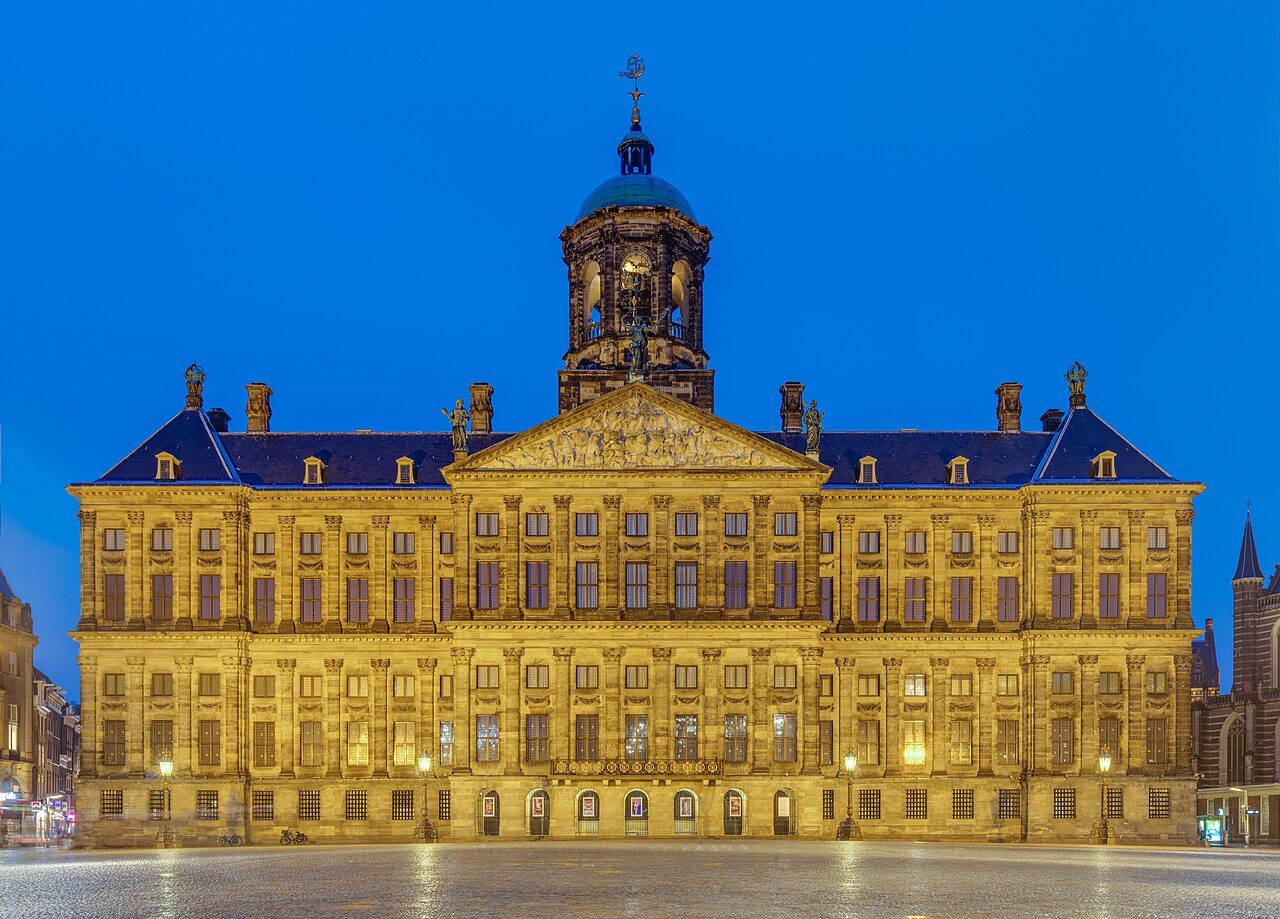
The 17th-century city hall on Dam Square that became a royal palace; the citizens' hall inside is open to visit.
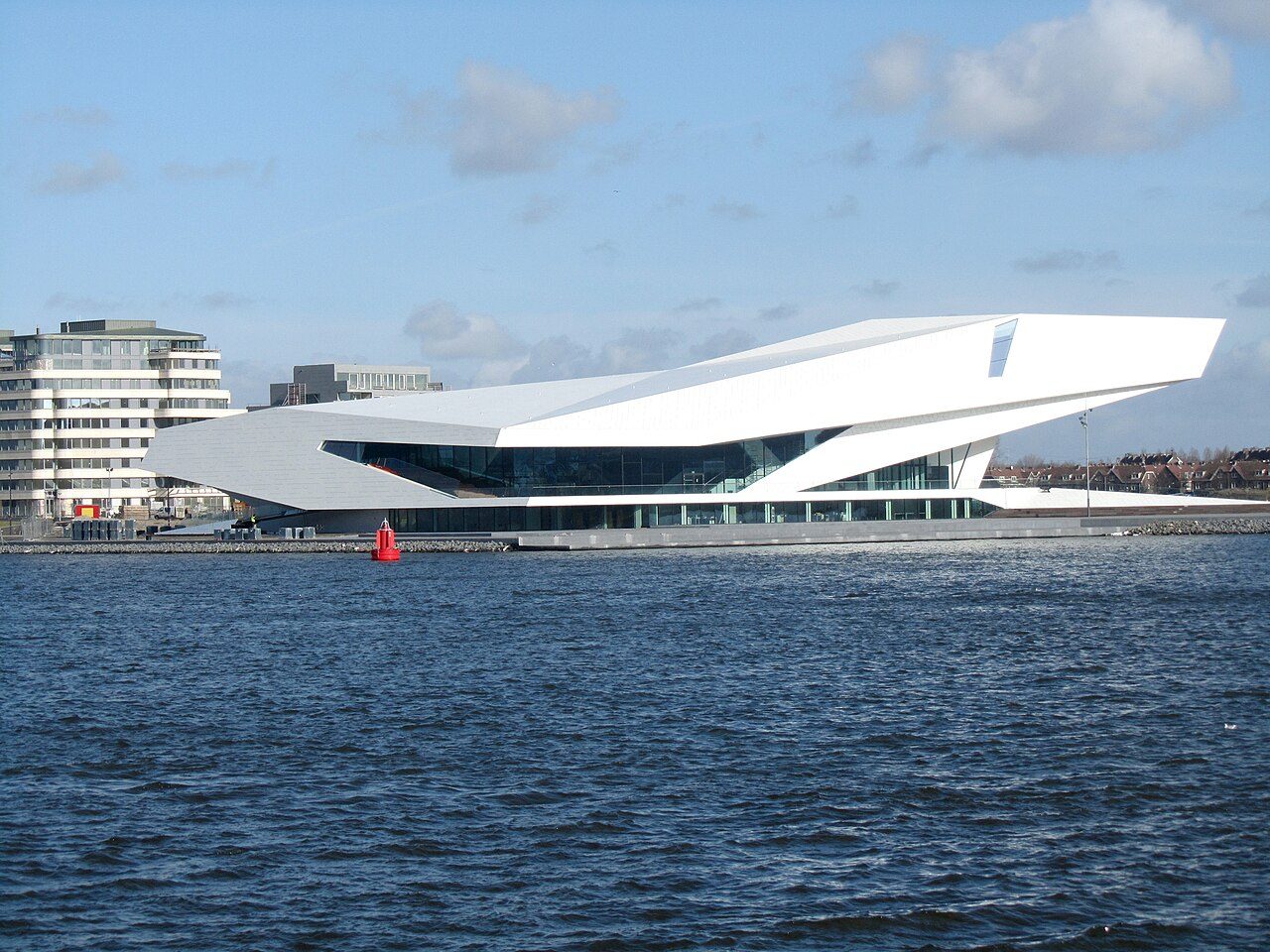
The white futuristic building across the IJ; the lobby, terrace and basement exhibition area are free.
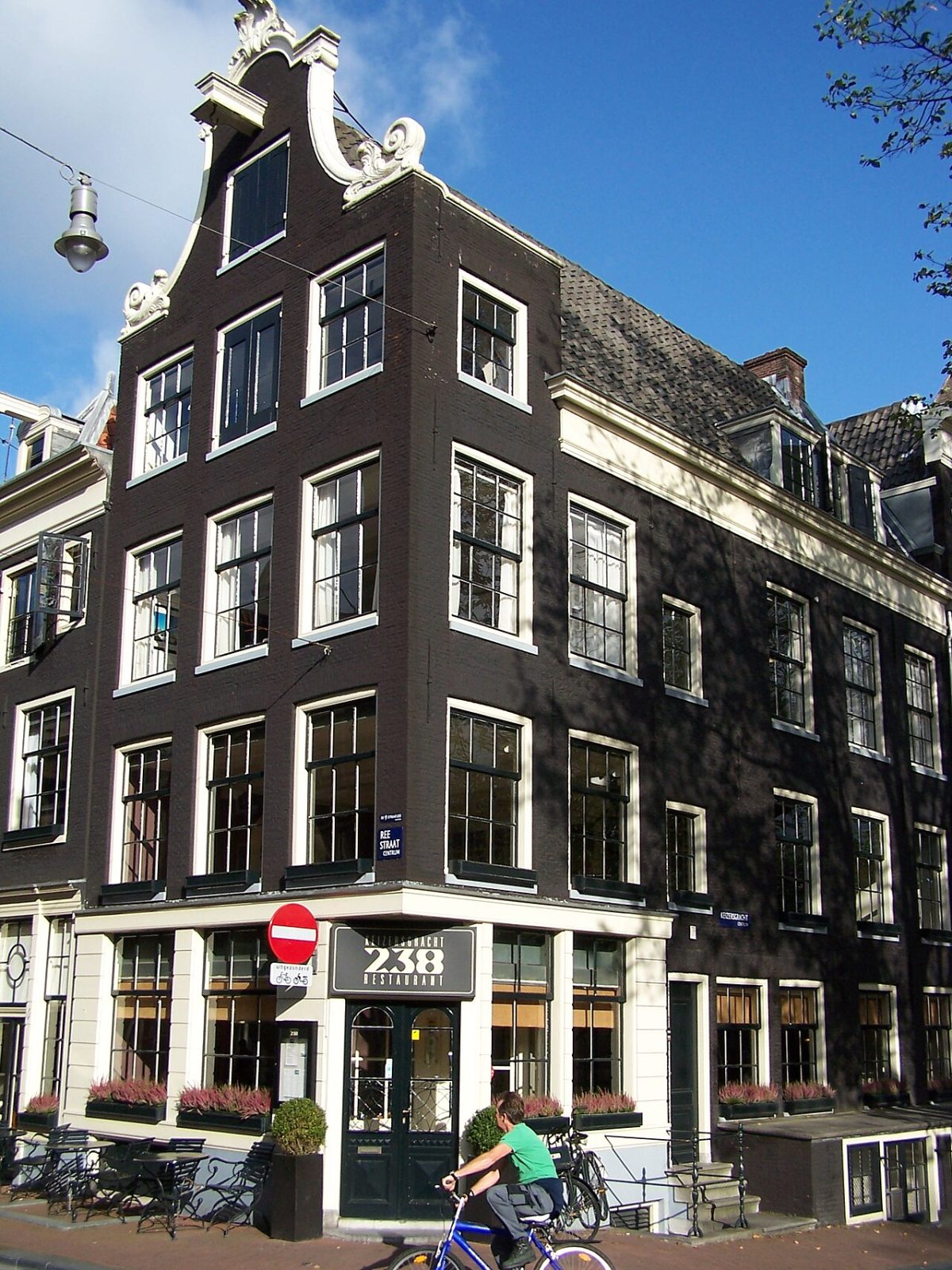
Nine small streets crossing the main canals, full of independent shops and cafés.
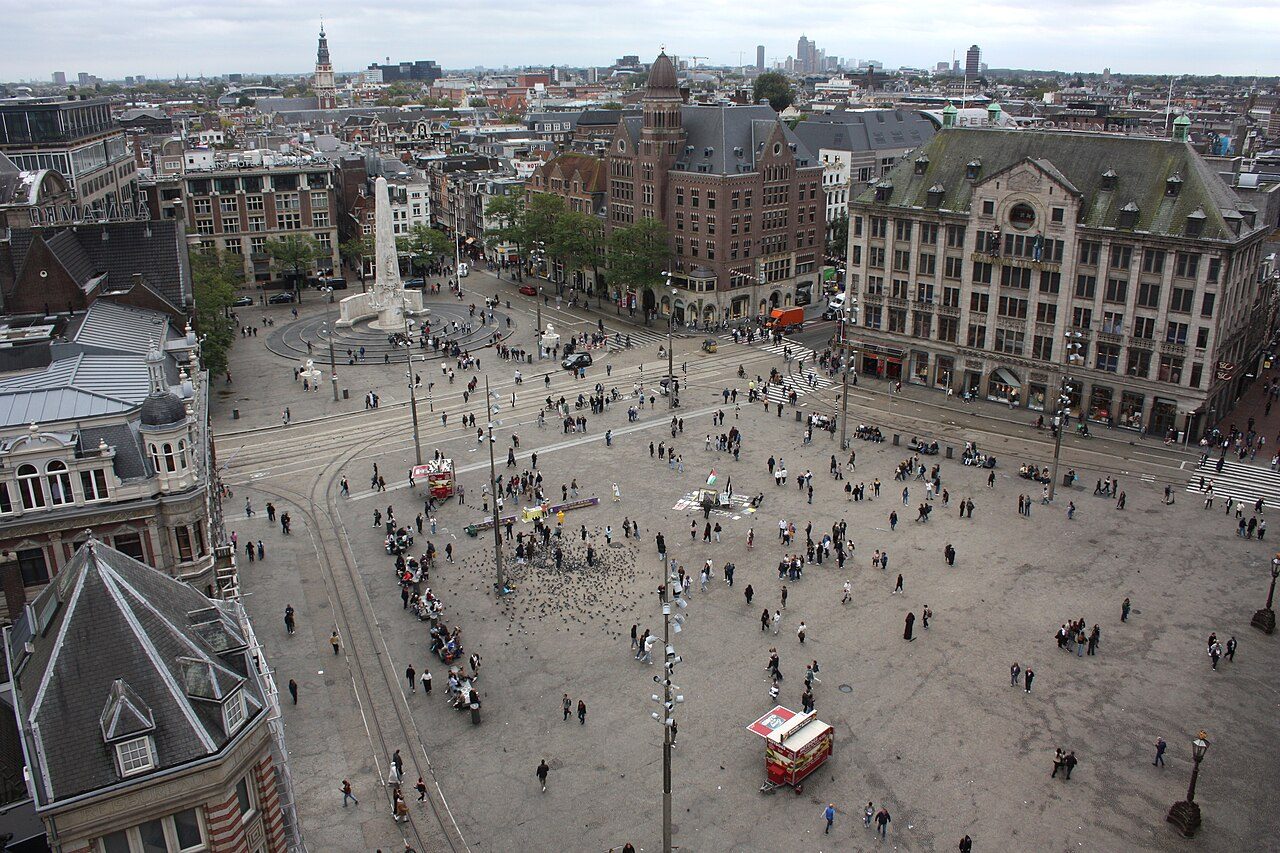
The square where Amsterdam began: Royal Palace, Nieuwe Kerk and the National Monument.
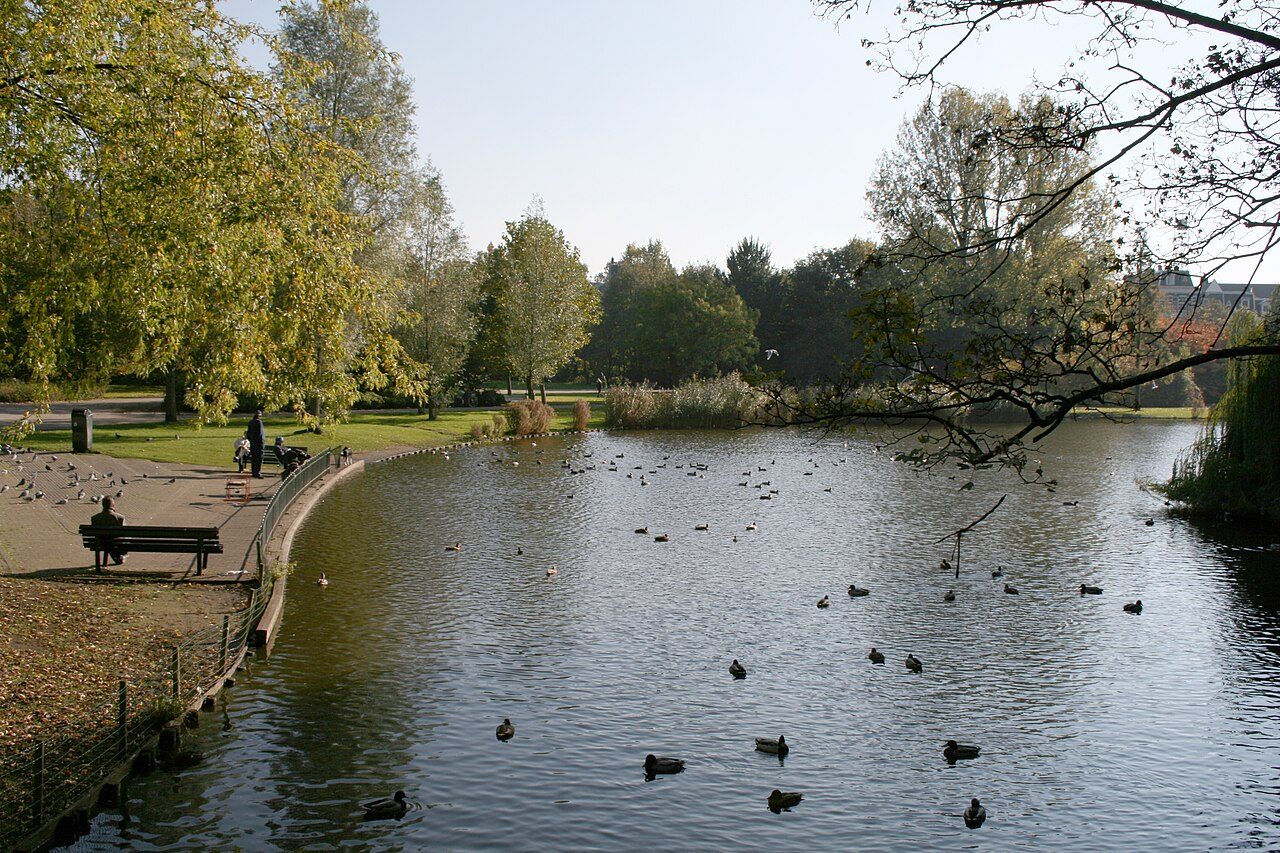
Follow a pond once planned for skaters, then pause at Oosterpark’s monuments and broad lawns.
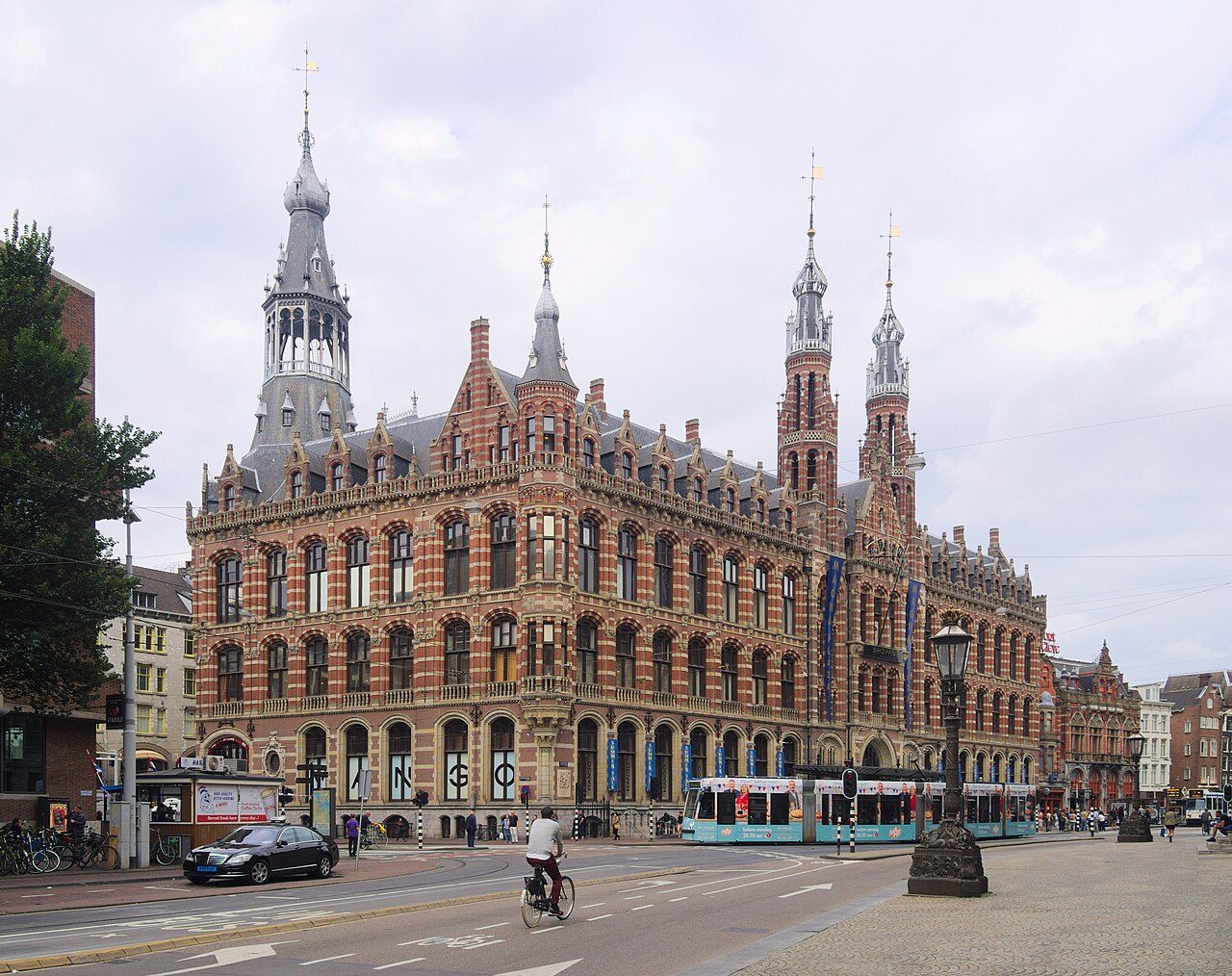
The former main post office behind the palace, a neo-Gothic shopping hall.
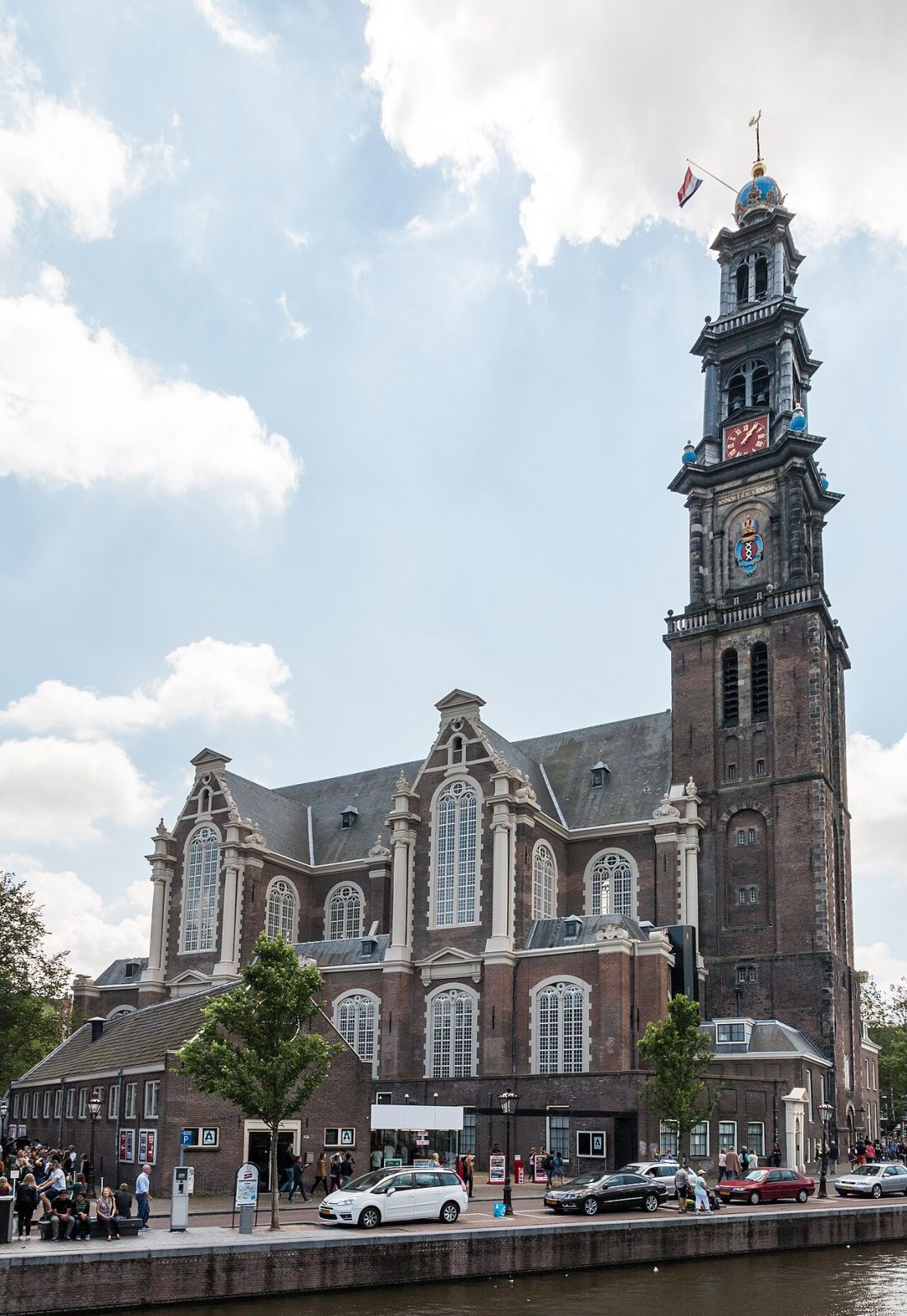
A living 17th-century church beneath Amsterdam’s tallest church tower, with Rembrandt’s memorial and bells that shaped Anne Frank’s days.
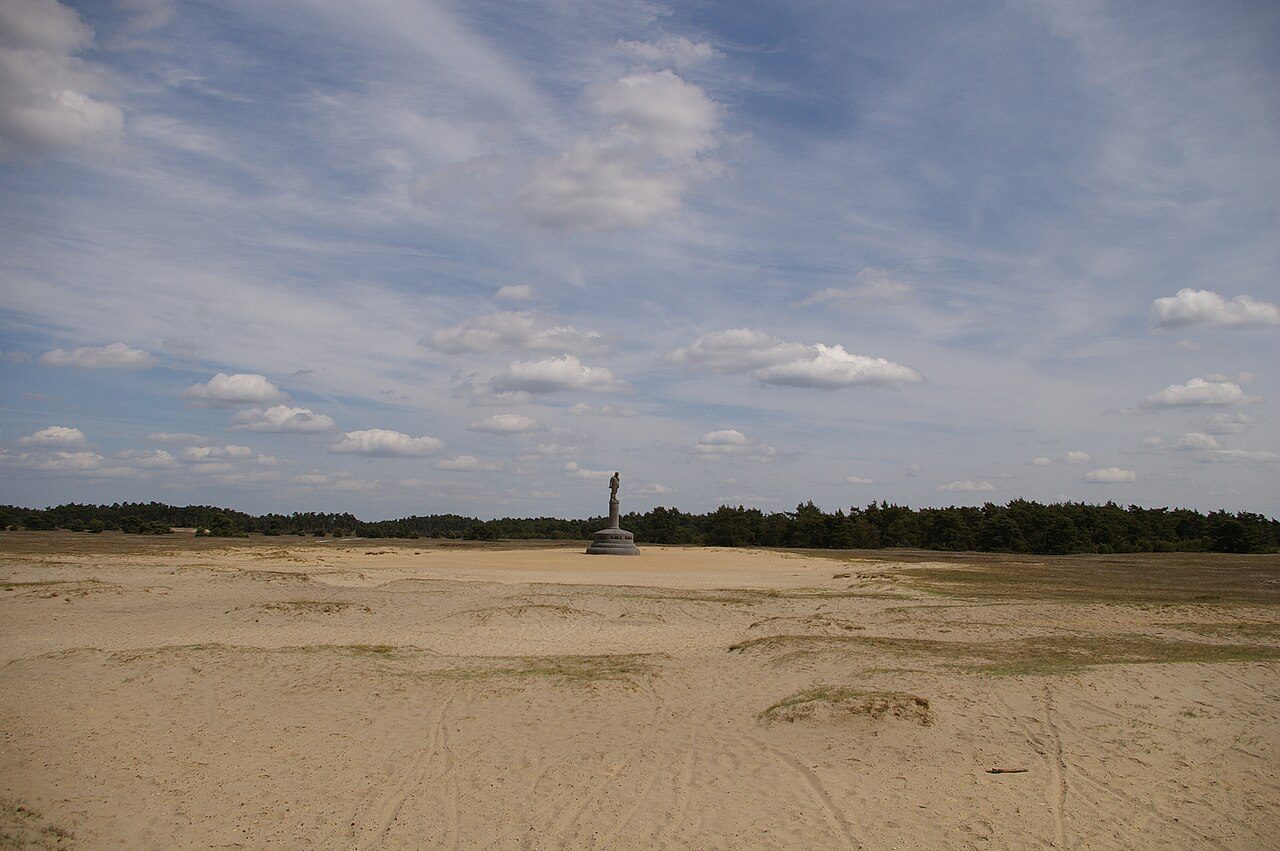
A national park north of Arnhem where shared white bicycles and walking routes lead through heathland, sand dunes and woodland, home to red deer, roe deer and wild boar.
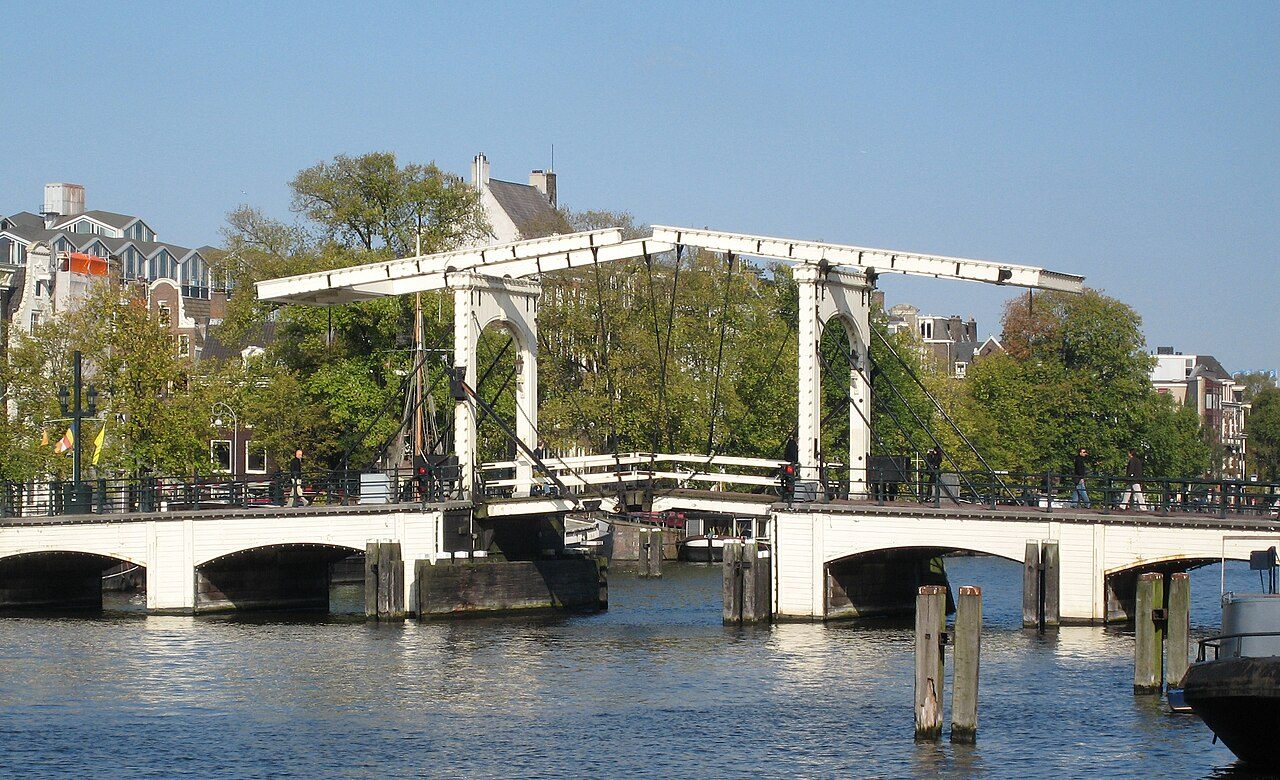
A white double drawbridge over the Amstel, kept in its familiar style after a fierce city debate in the 1930s.
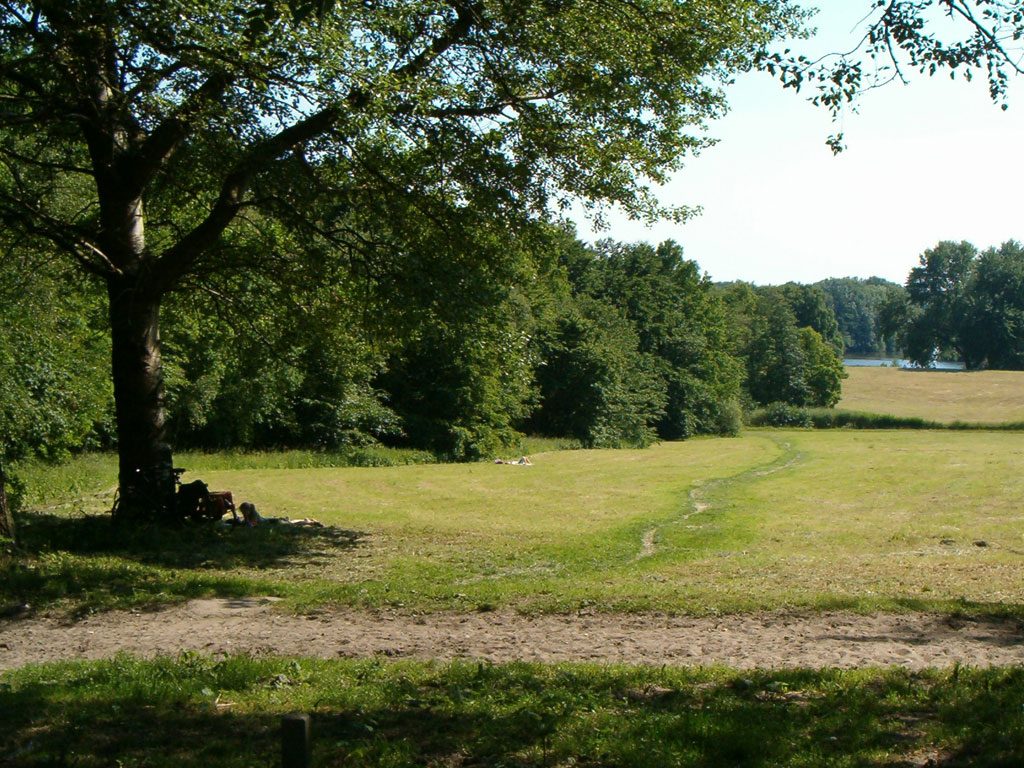
A vast designed forest for walks, cycling and rowing, with a cherry grove that briefly blooms each spring.
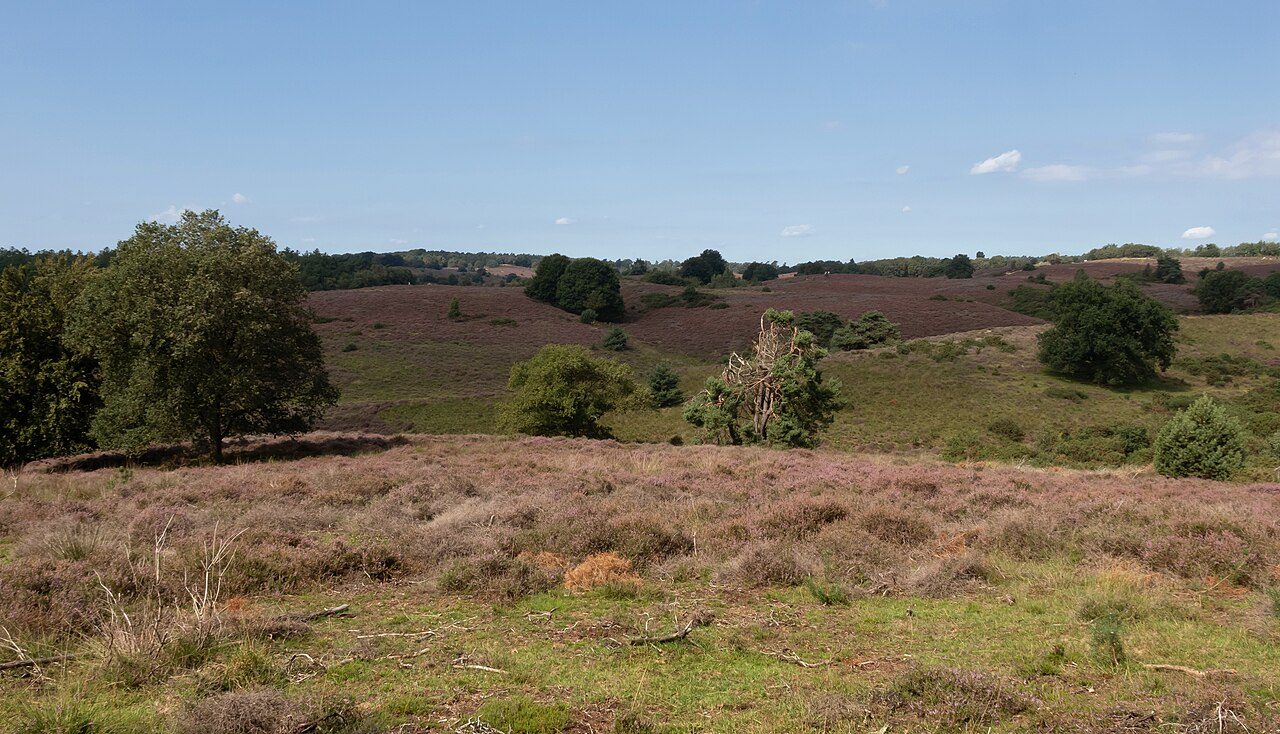
A viewpoint over the rolling heathland of Veluwezoom National Park, marked by a commemorative stone bench, with views across the IJssel valley and, on clear days, towards Germany.
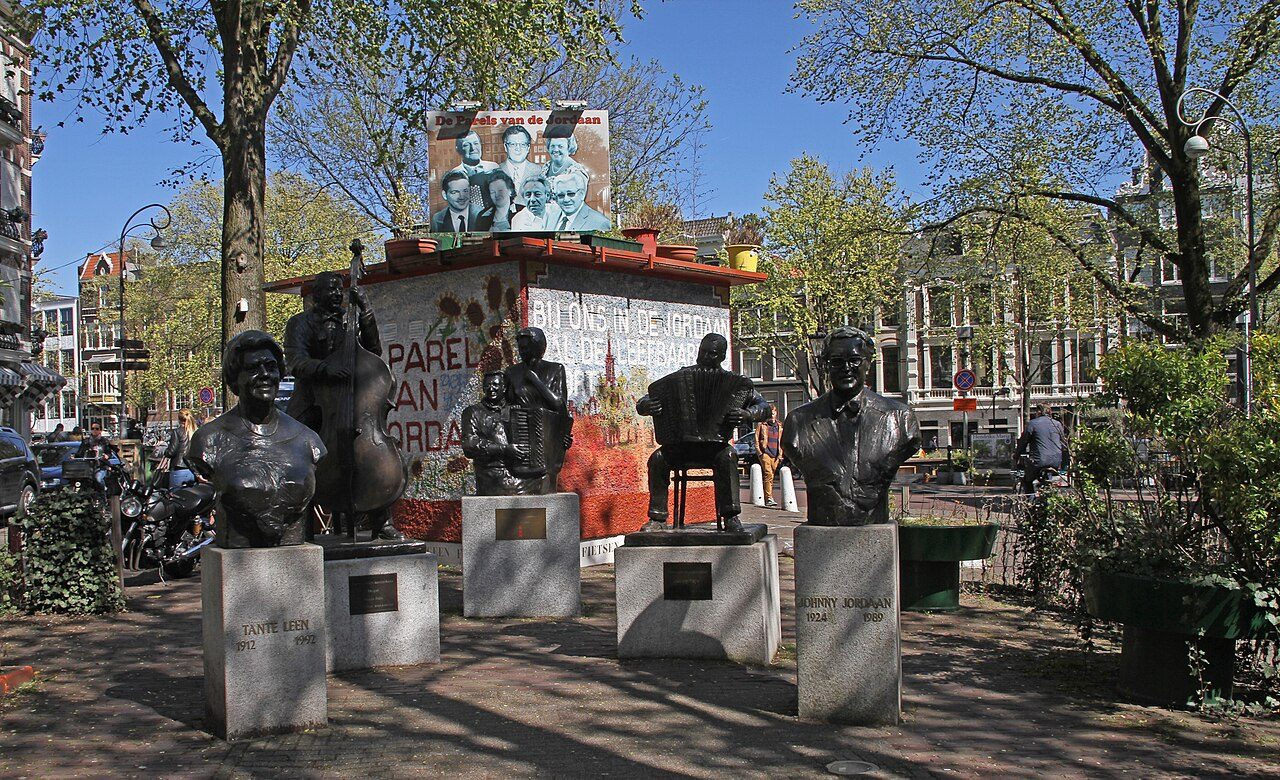
The old workers' quarter turned prettiest neighbourhood: canals, hofjes and brown cafés.
The city archive in a striking 1920s bank building, with a free treasure-room exhibition.
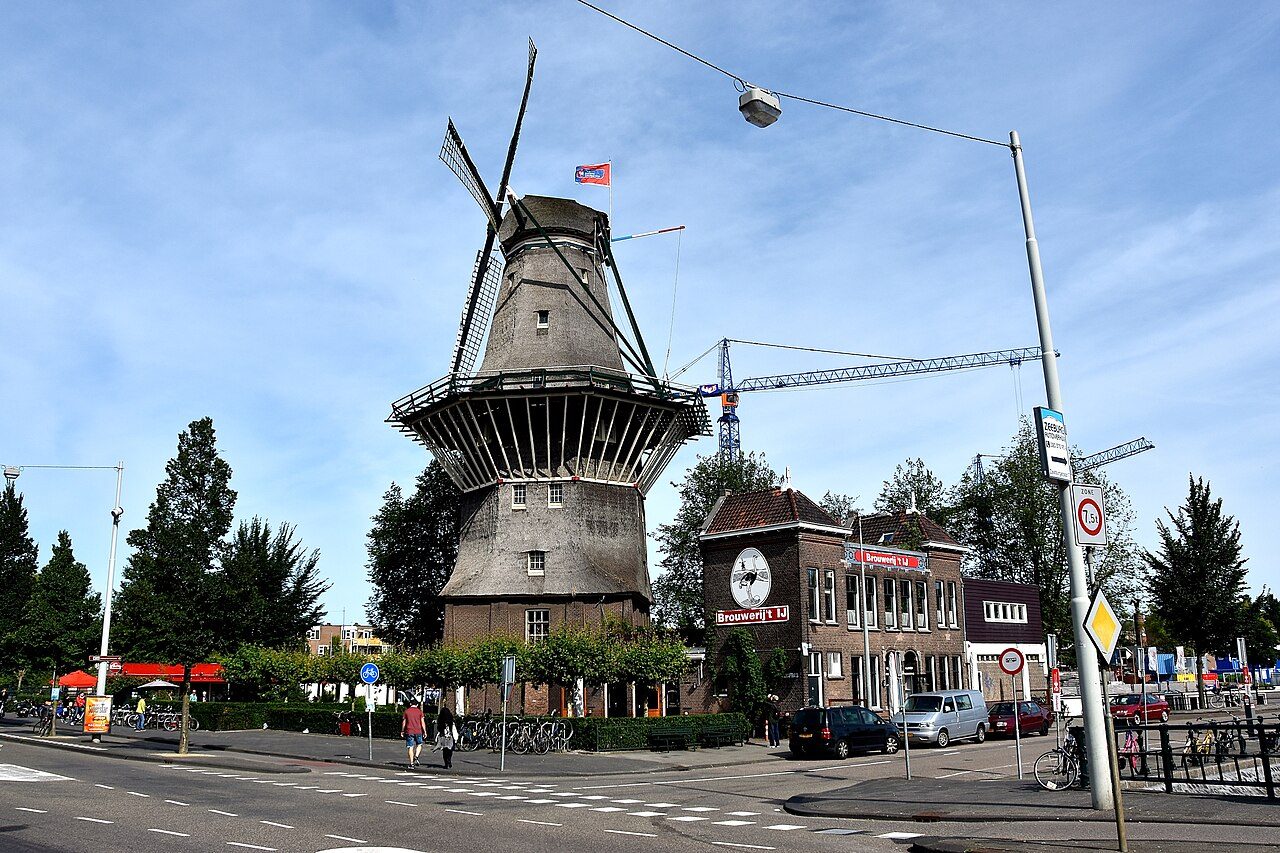
Amsterdam's tallest wooden windmill has a storm story, a miller family and a waterside view beside Brouwerij 't IJ.
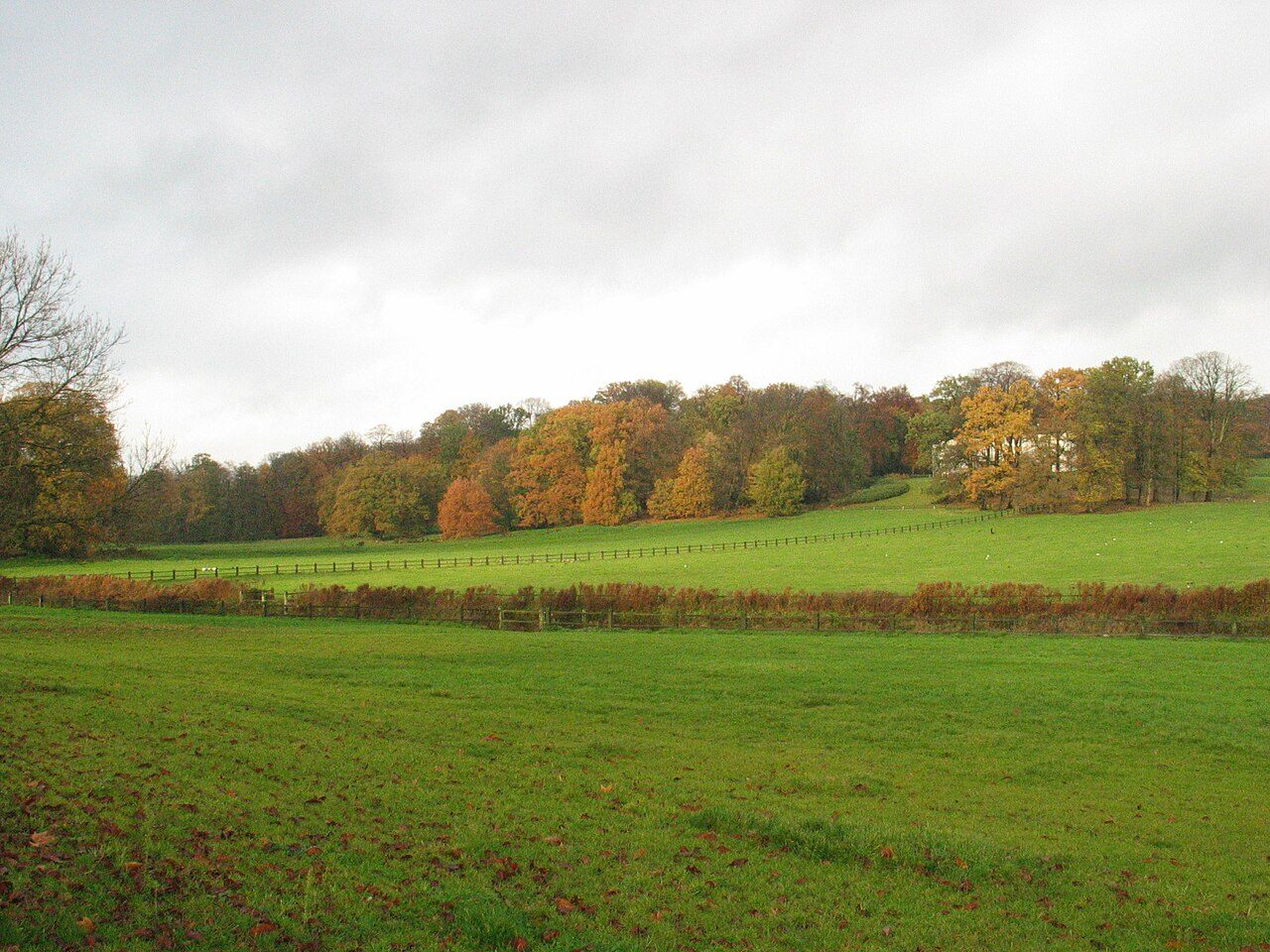
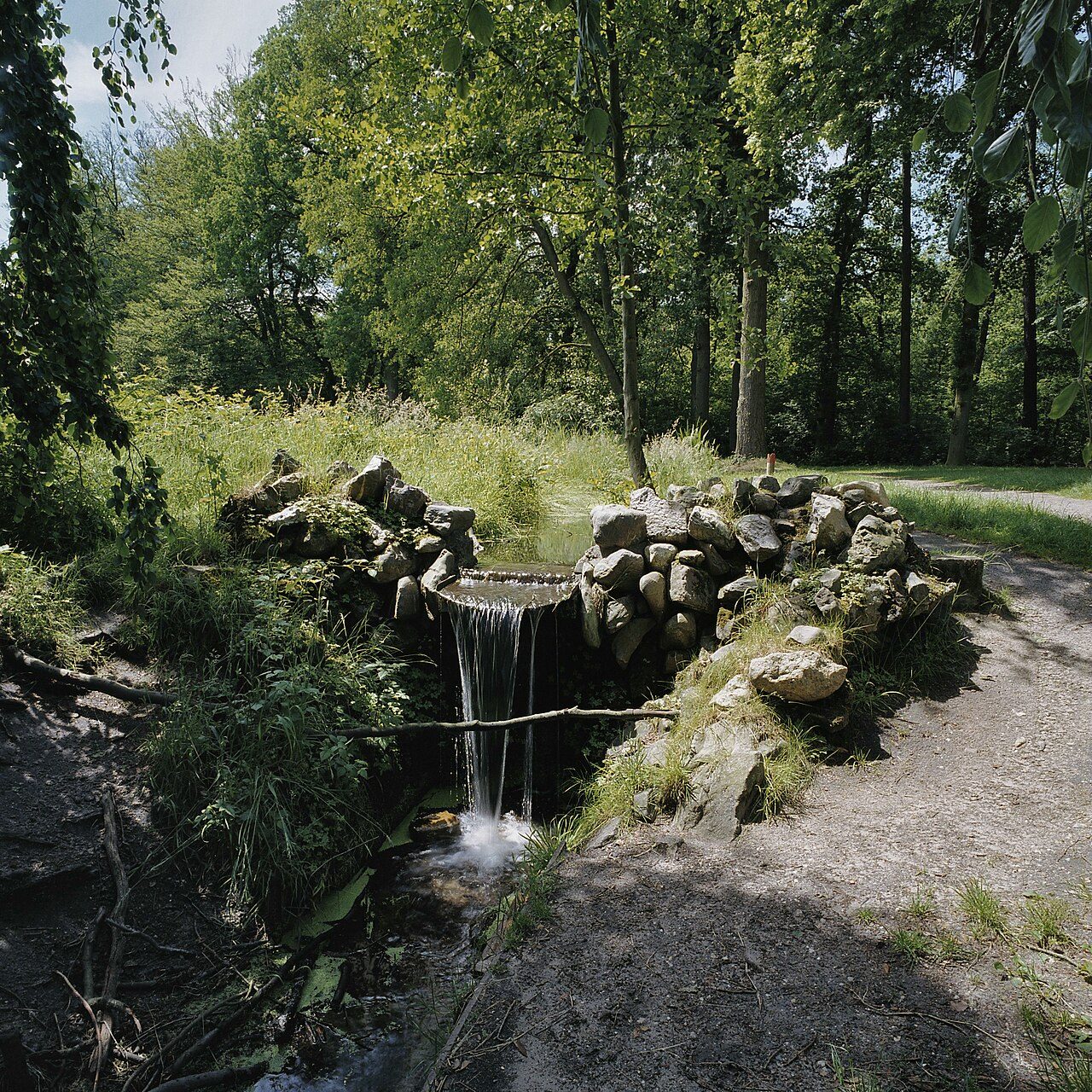
A park in Arnhem with open meadows, wooded slopes and a watermill, where a grotto beneath the waterfall lets you cross the stream and look out through the falling water.
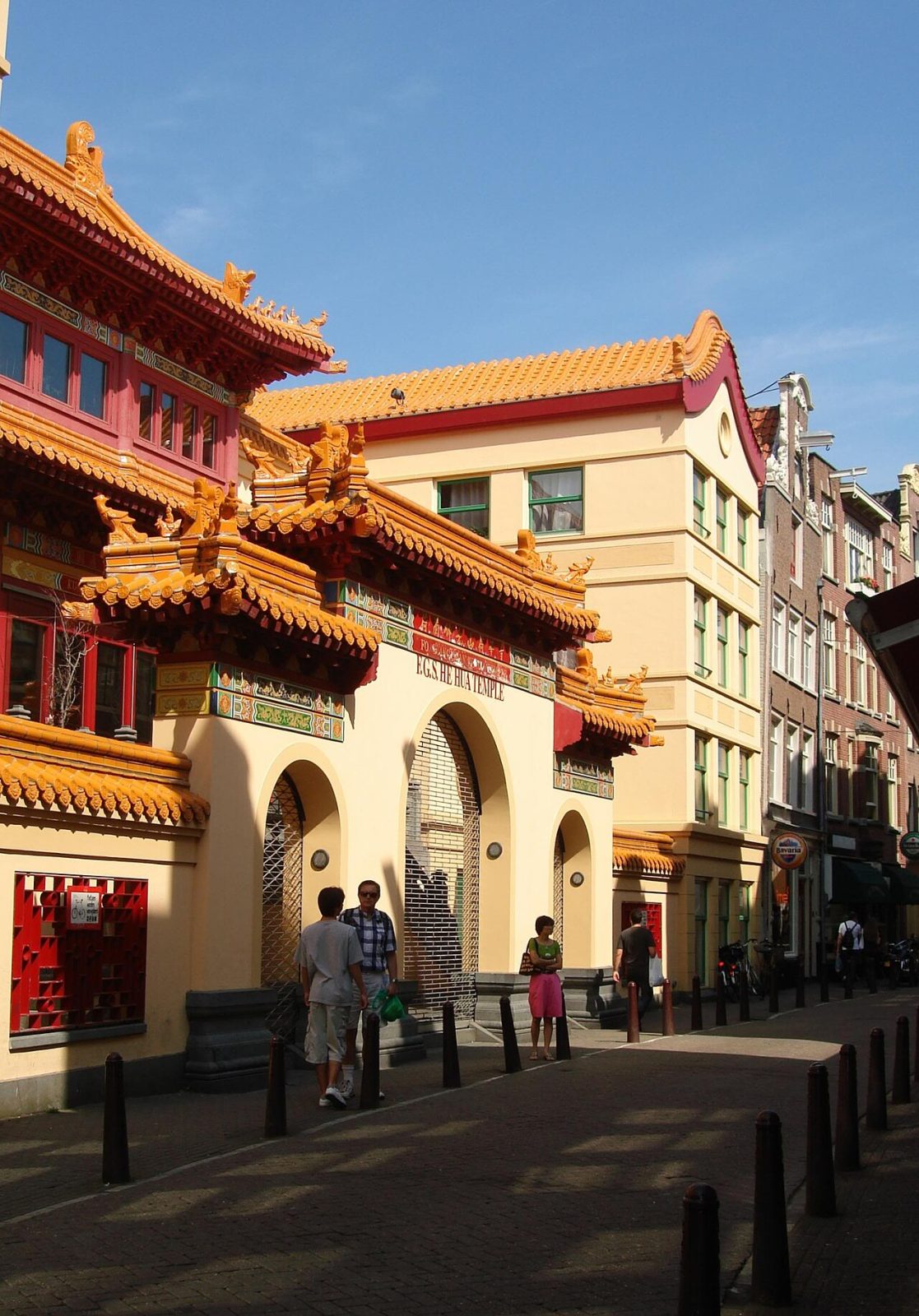
Follow the Zeedijk from old sailors' lodgings to Chinese shops and the He Hua Buddhist temple near Nieuwmarkt.
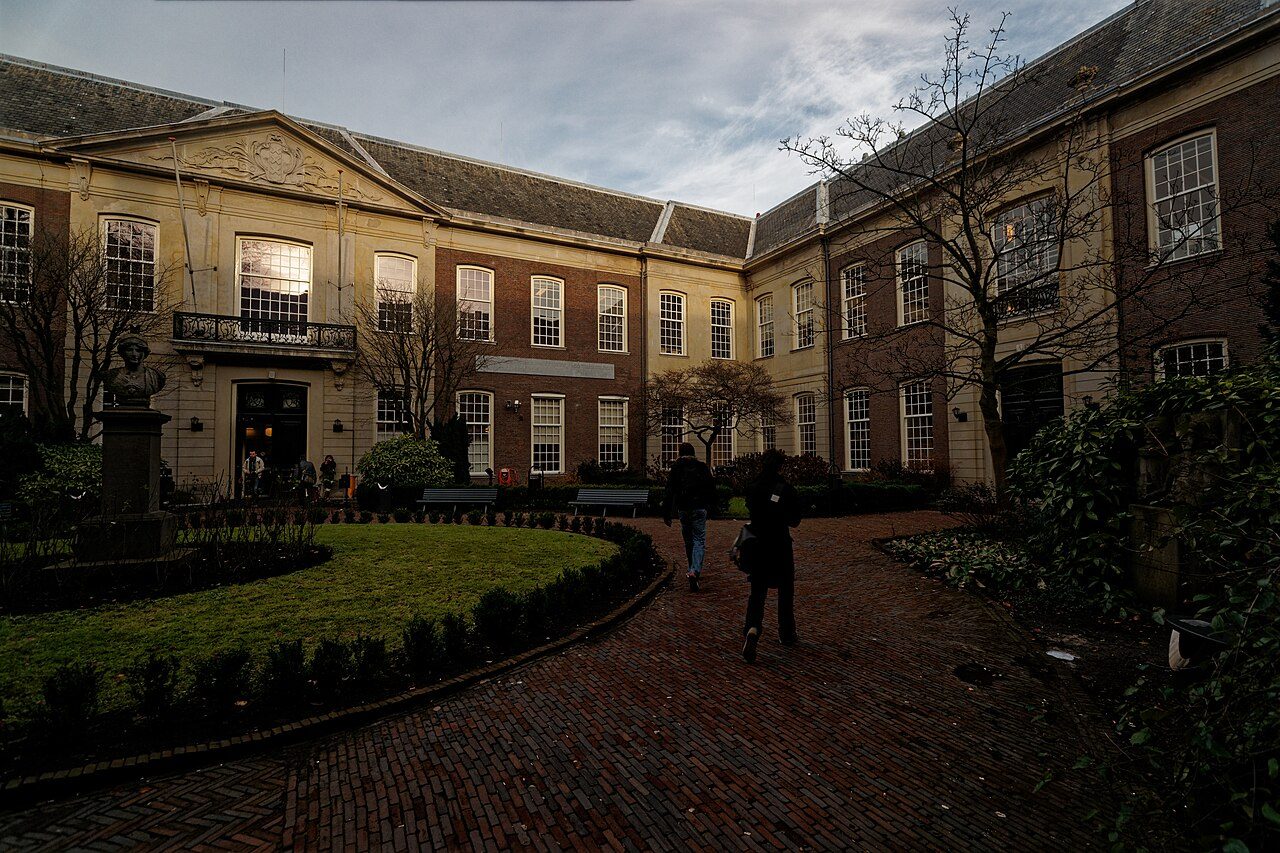
Browse second-hand books in a covered university passage whose stalls became a book market in the 1870s.
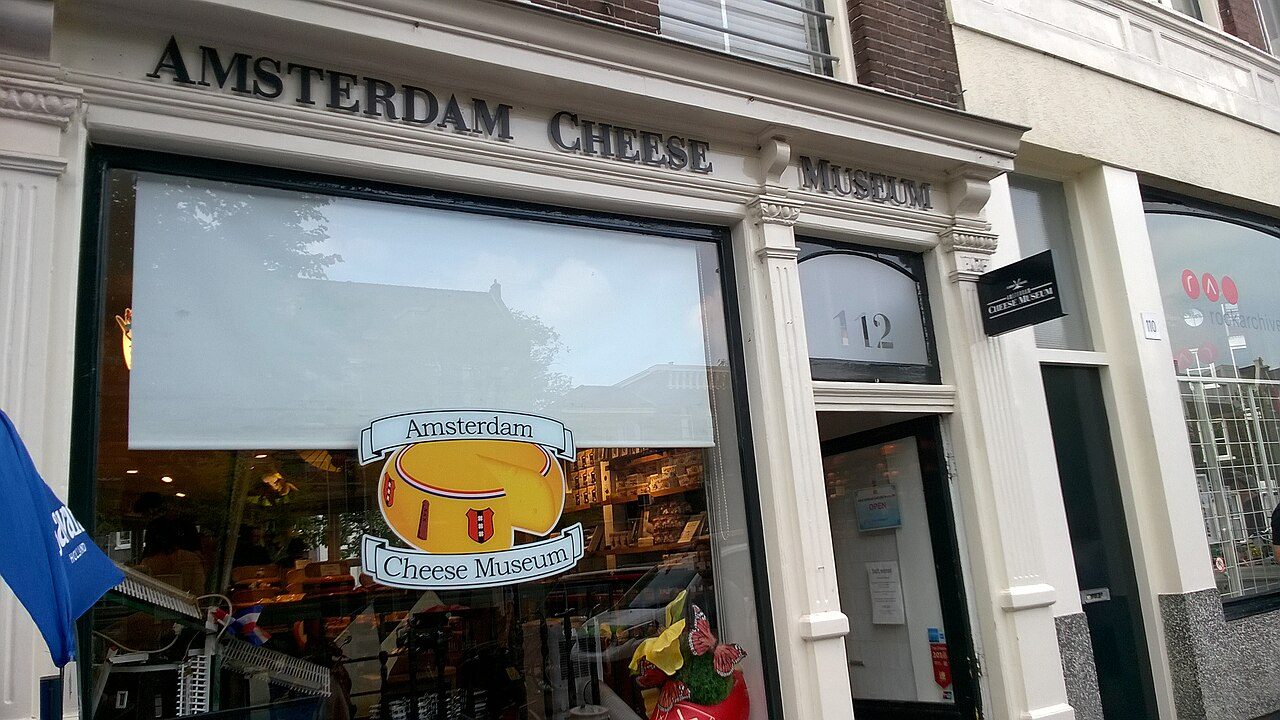
Free cheese tasting and a small museum on the Prinsengracht, opposite the Anne Frank House area.
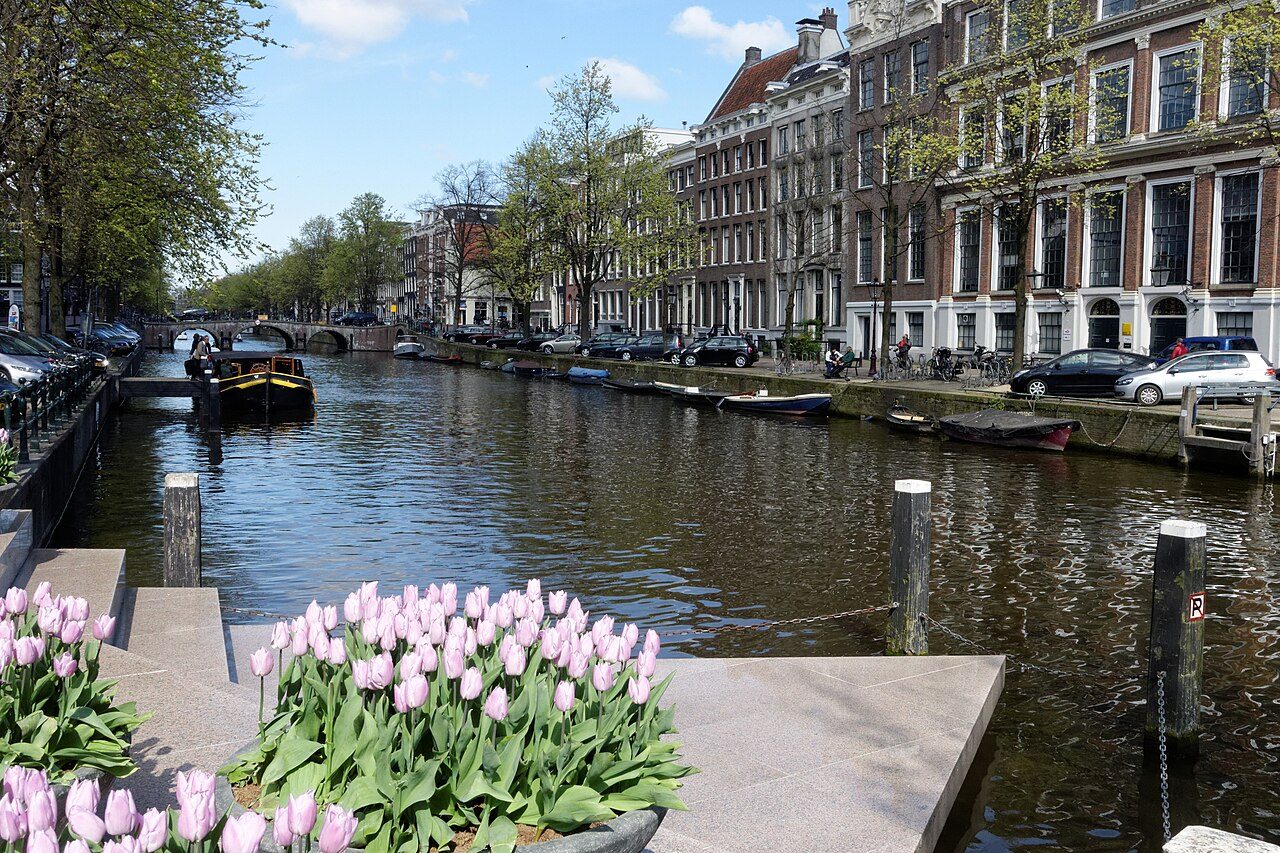
Three pink granite triangles by the Westerkerk, the world's first memorial to persecuted gay people.
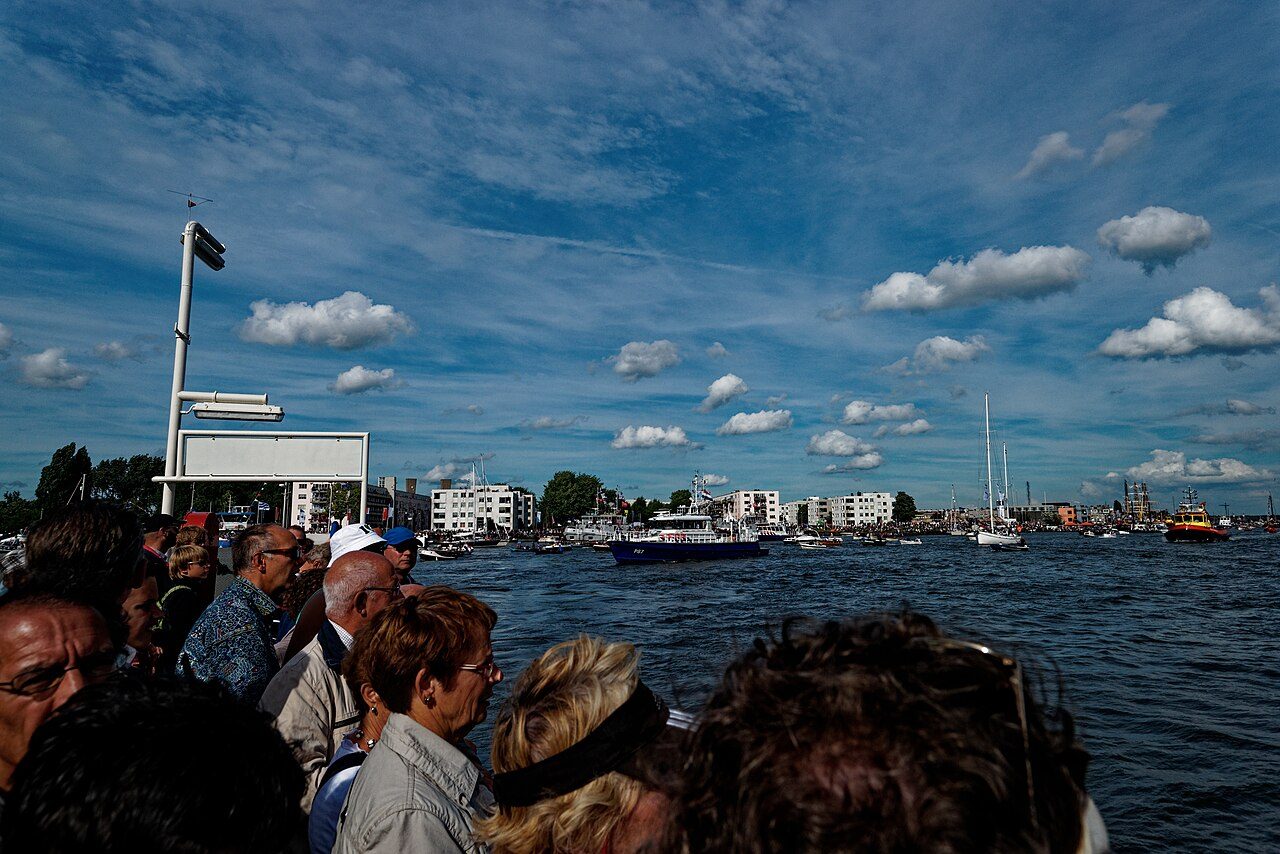
Ride the IJ ferry from behind Centraal Station to Buiksloterweg for a quick water-level view of Amsterdam and a doorway into Noord.
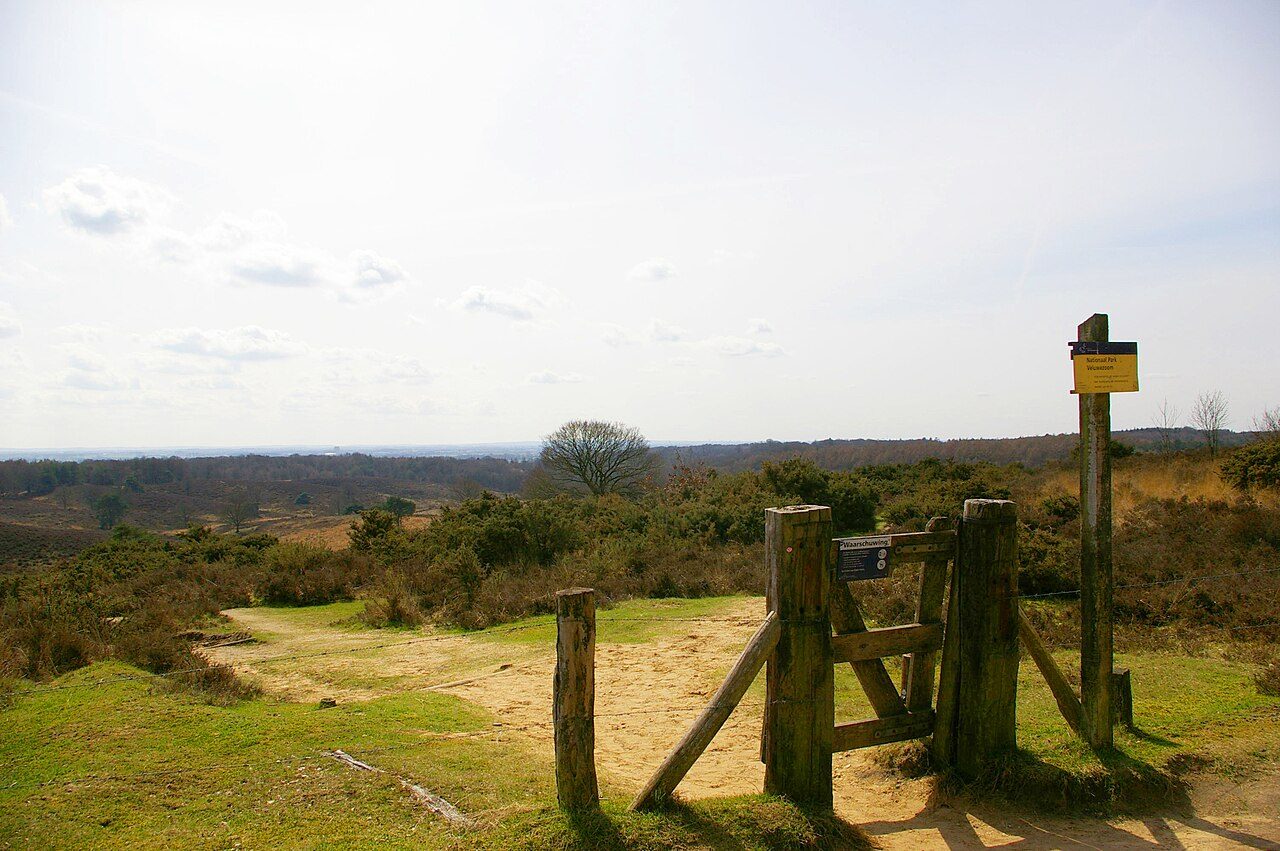
A national park east of Arnhem, with rolling heath, open views from the Posbank and woodland paths for quieter walks.
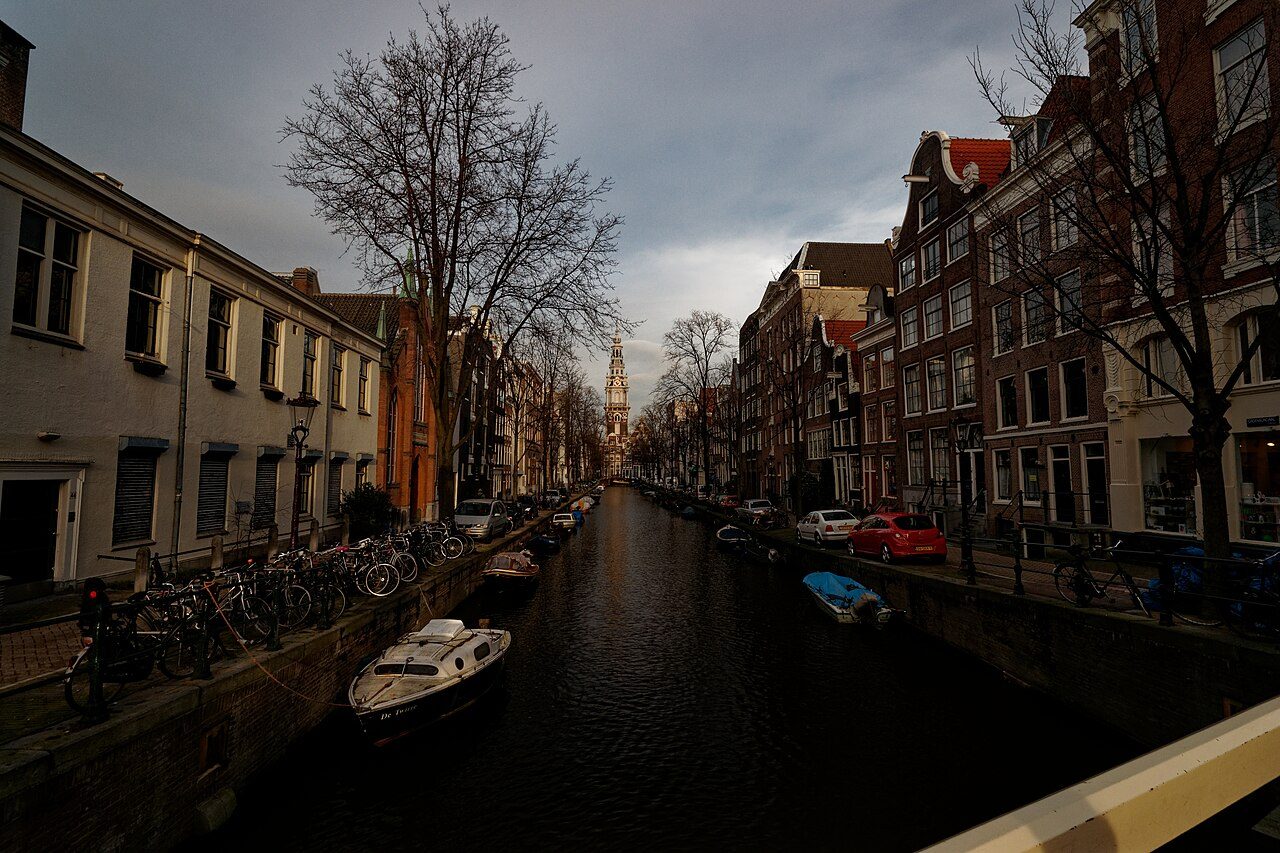
The first Protestant church of Amsterdam, painted by Monet; the skull gate to its graveyard is around the corner.
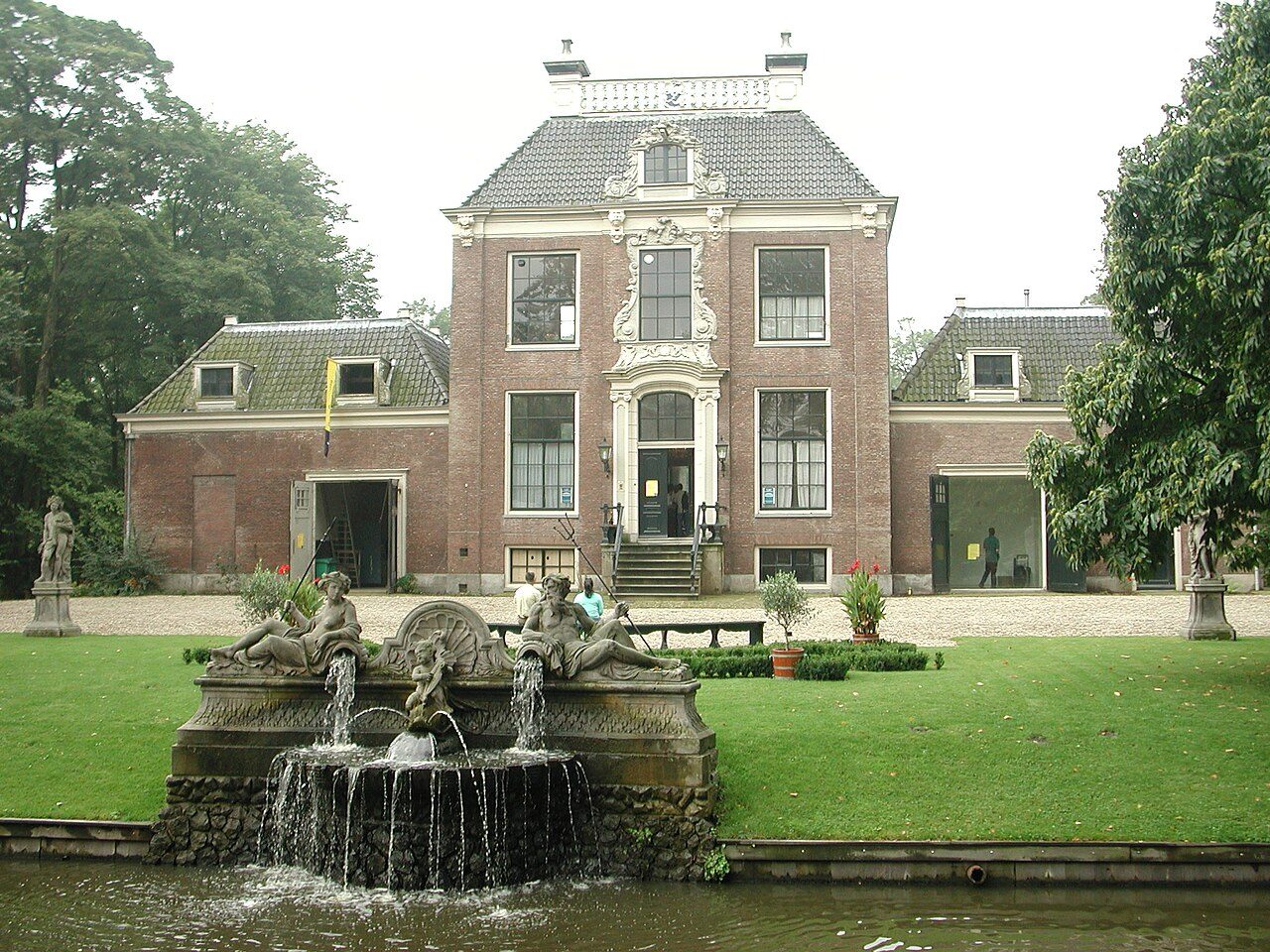
A country house, formal garden, old nursery grounds and a tiny island folly make this Watergraafsmeer park a walk through changing Amsterdam.
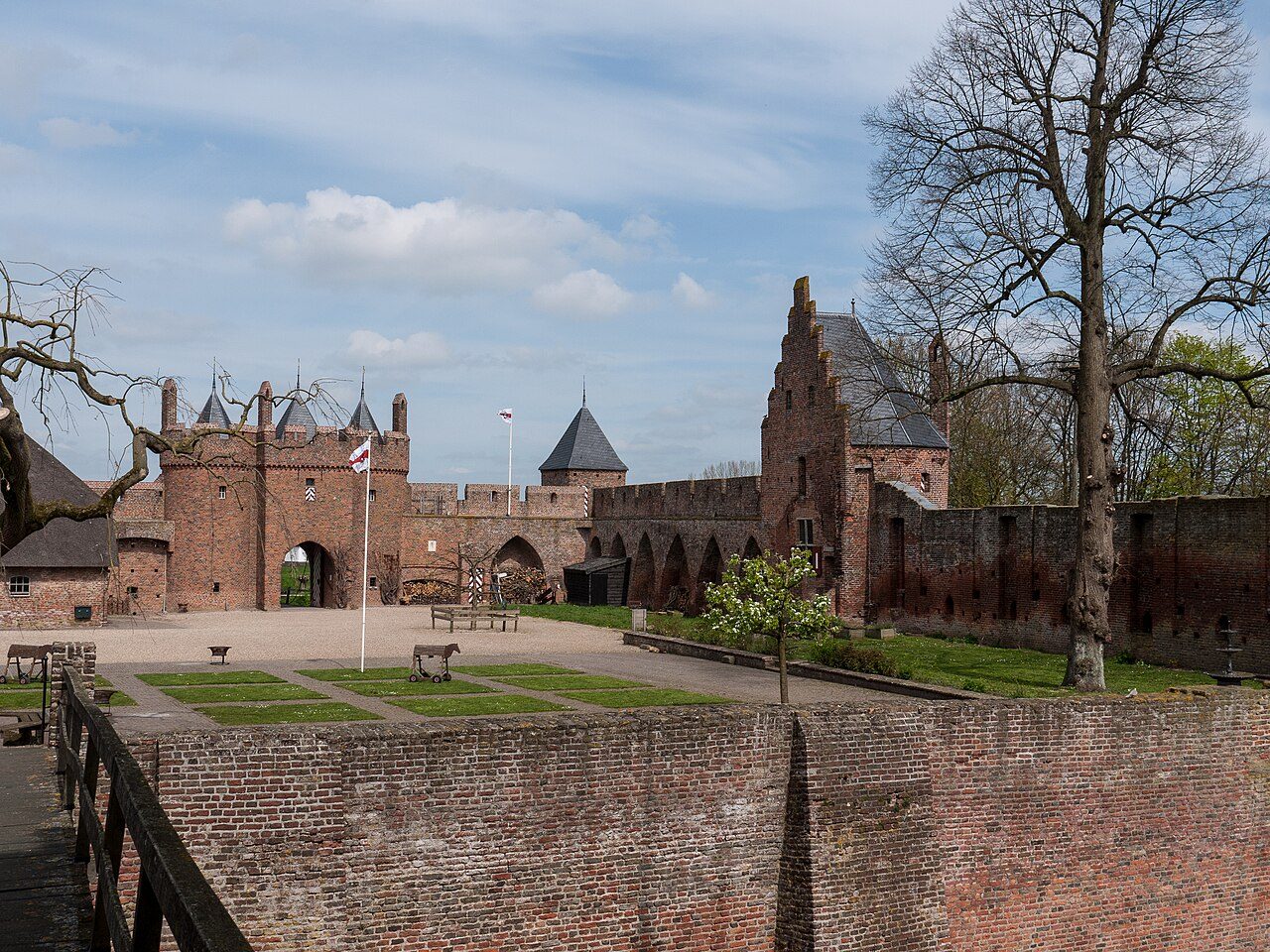
A rebuilt medieval castle near Doornenburg village, with a moat, the Netherlands’ largest outer bailey and a chapel that survived the wartime bombing.
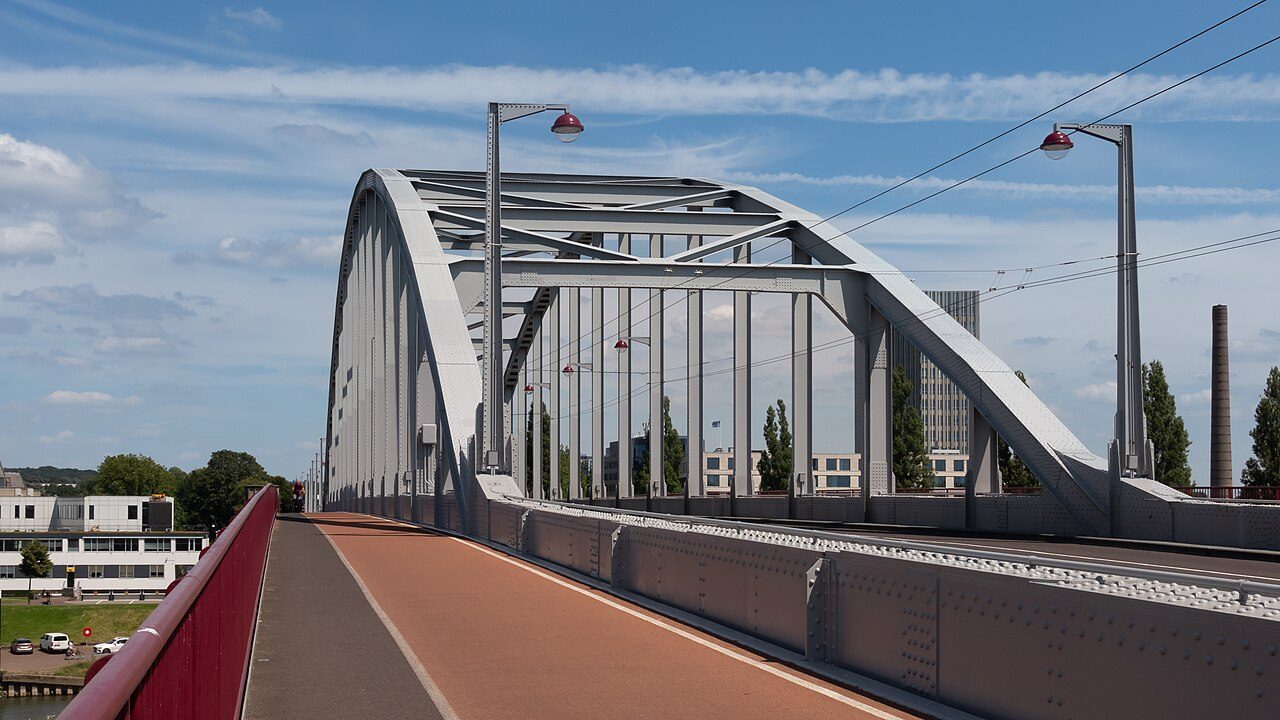
A rebuilt steel-arch bridge over the Lower Rhine, with a pedestrian path and a memorial plaque where John Frost’s men held the northern end for roughly four days in 1944.
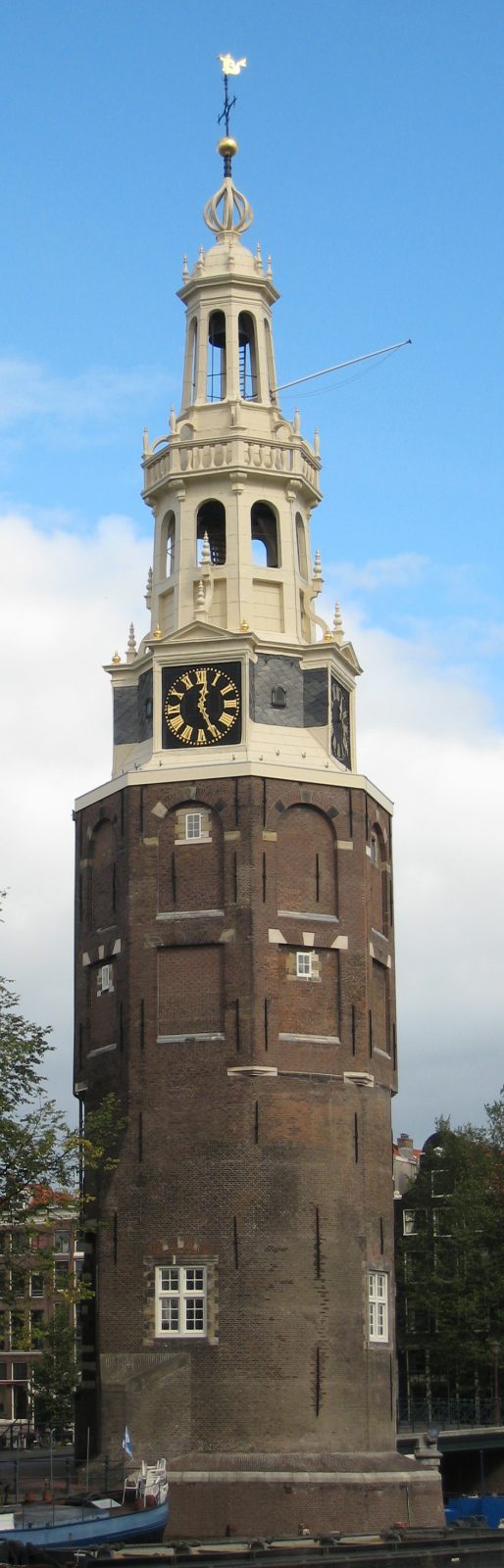
The leaning tower on the Oudeschans that Rembrandt drew.
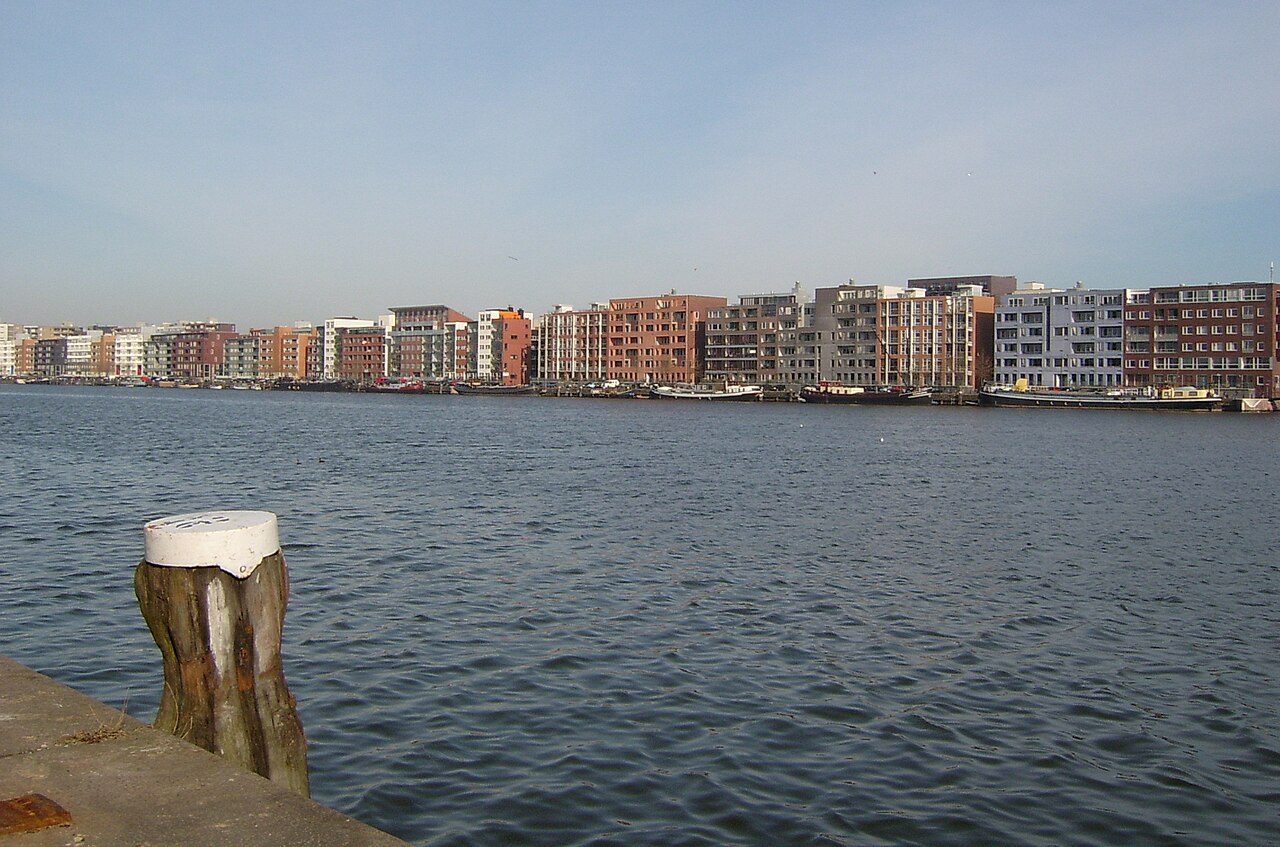
Modern canal houses on the old docks and the red snake-like bridge to Borneo-Sporenburg.
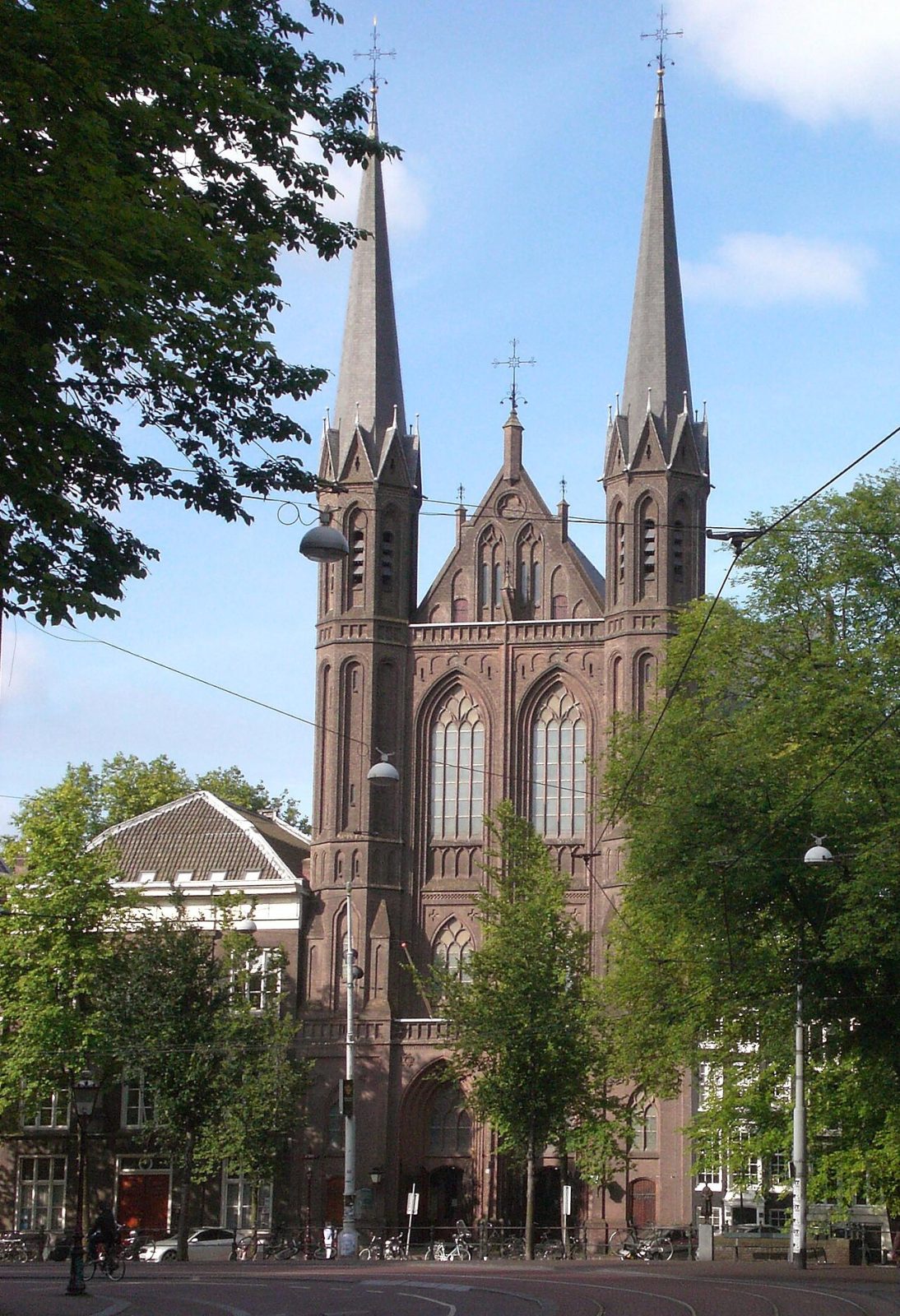
Step from the Singel into a soaring neo-Gothic church where art from an older hidden chapel still survives.
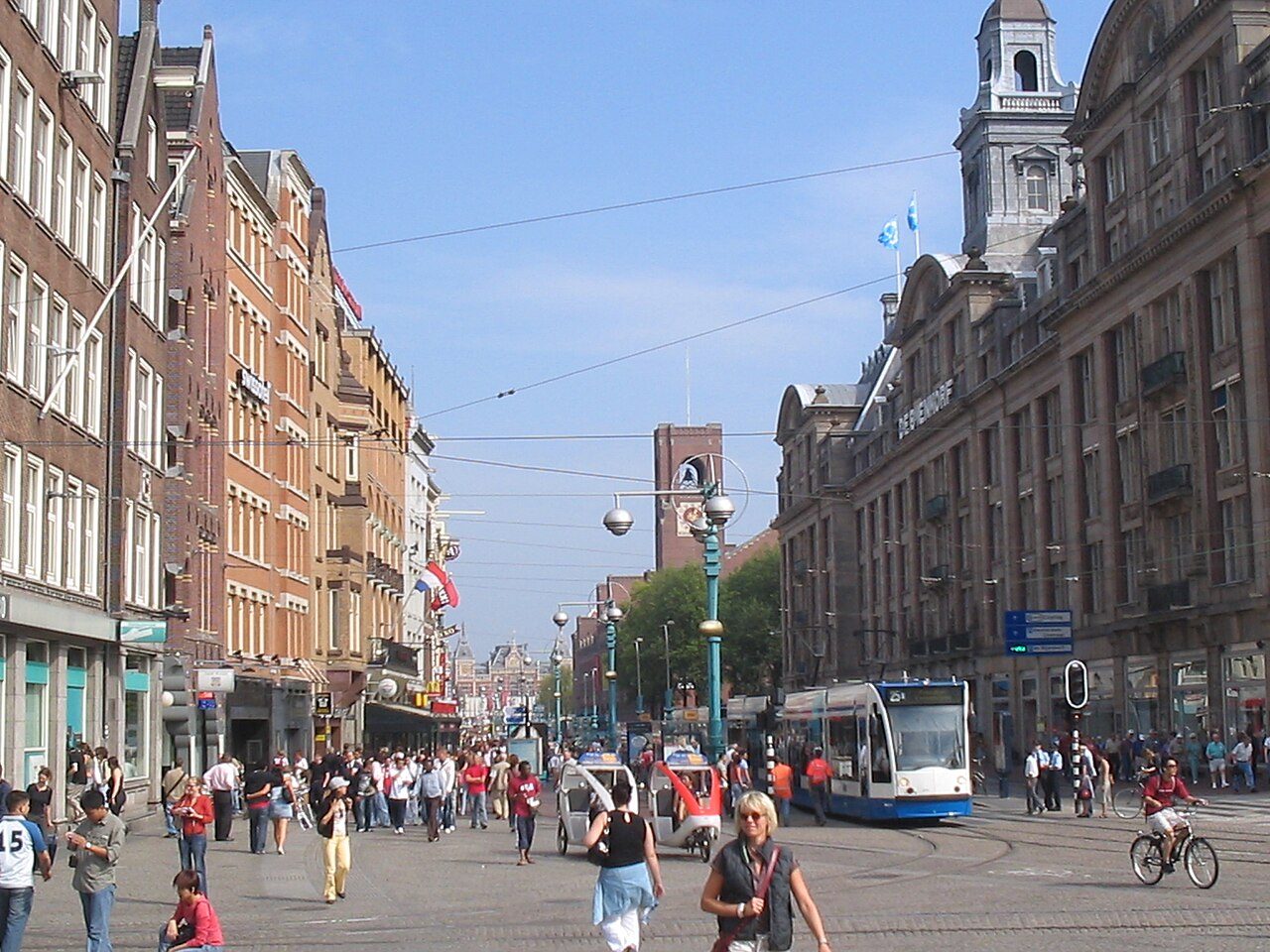
The row of leaning canal houses on the Damrak water, the classic first photo out of Centraal Station.
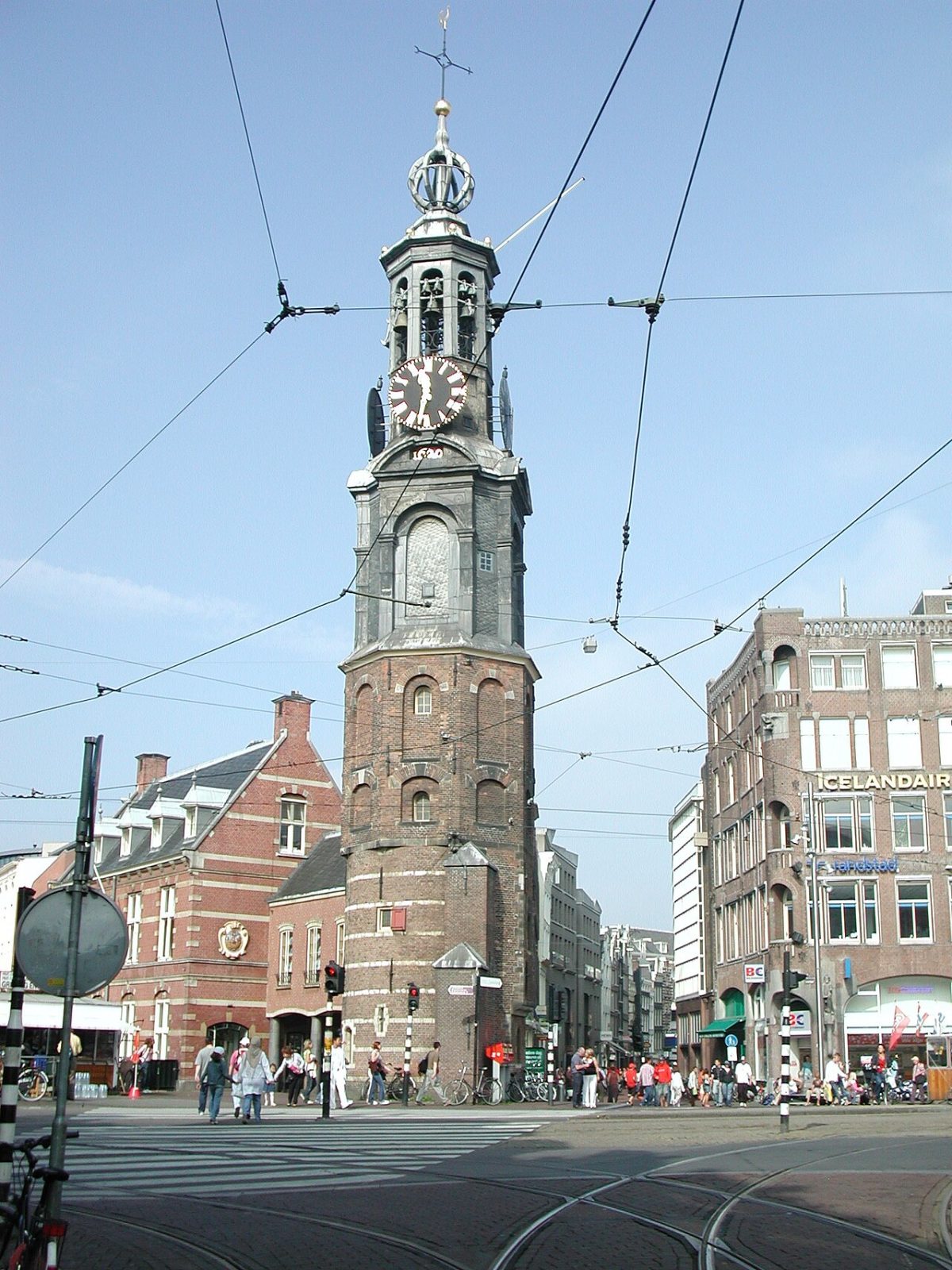
The tower where Amsterdam minted its own coins in 1672, by the flower market.
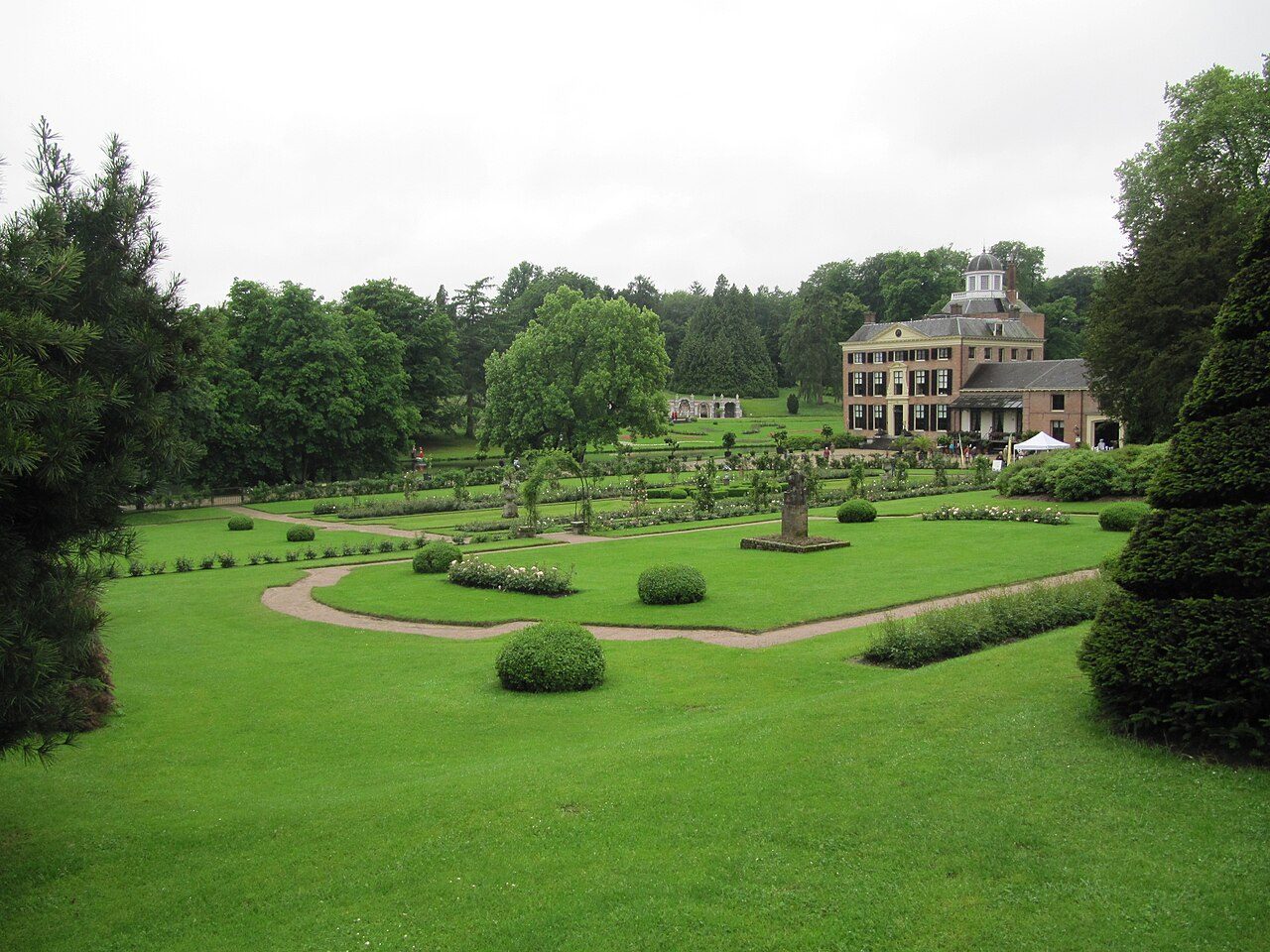
A wooded castle and garden estate near Arnhem, with shell galleries, playful water jets and a thick castle tower. A chain bridge lies farther into the park.
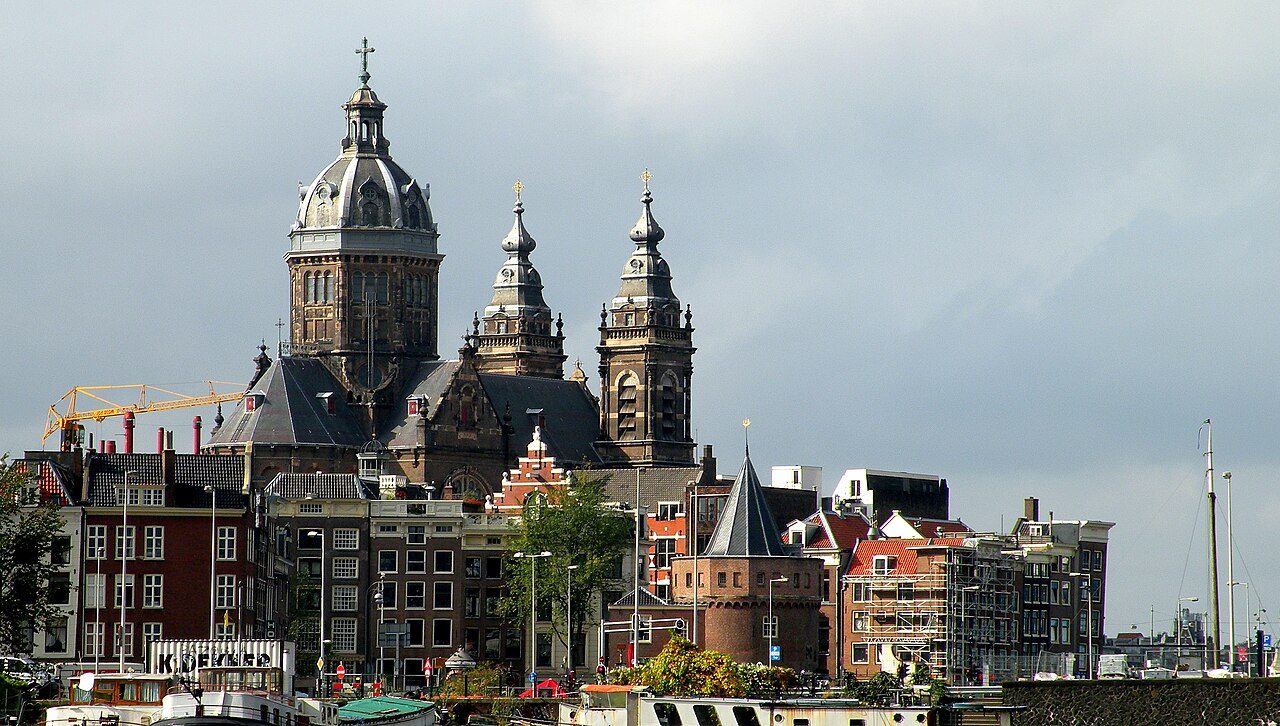
The big domed basilica opposite Centraal Station, free to walk into.
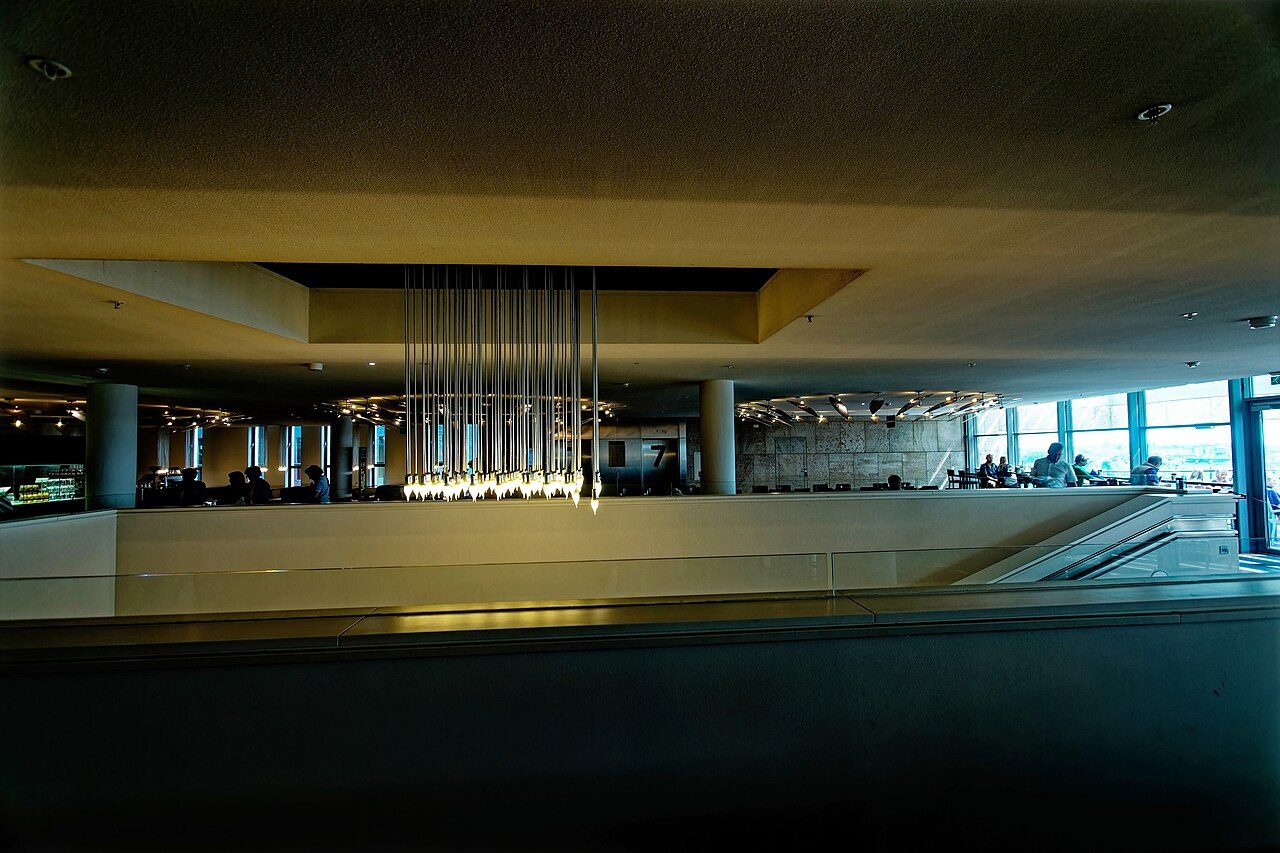
The central library: free to walk in, with one of the best free views from the top floor.
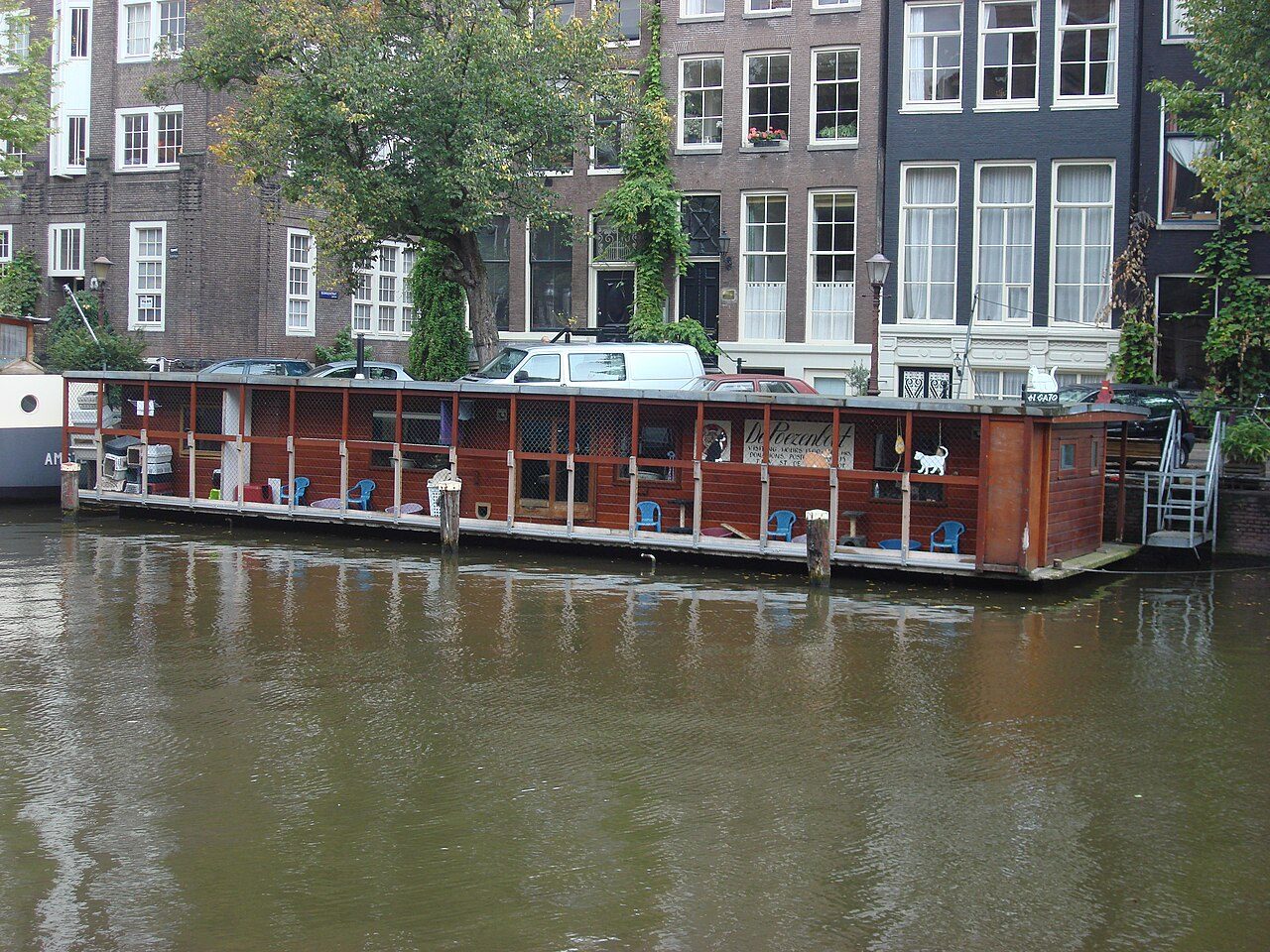
A houseboat on the Singel that is a shelter for stray cats; visits are free, donations welcome.
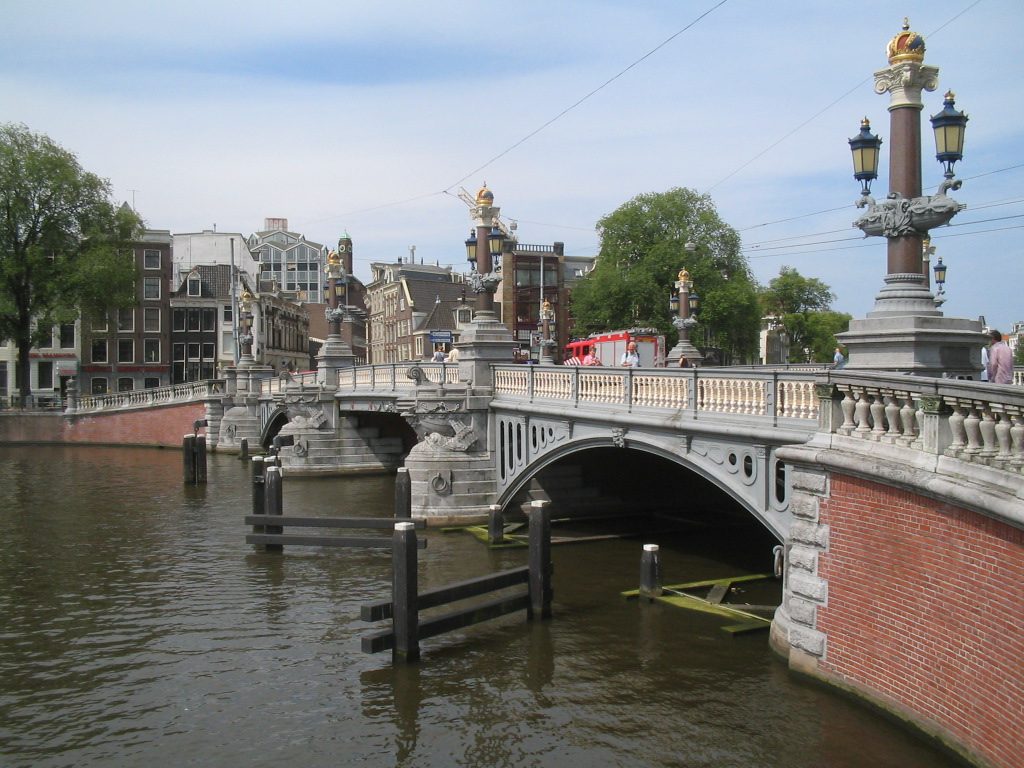
The ornate stone bridge over the Amstel, modelled on the Pont Alexandre III in Paris.
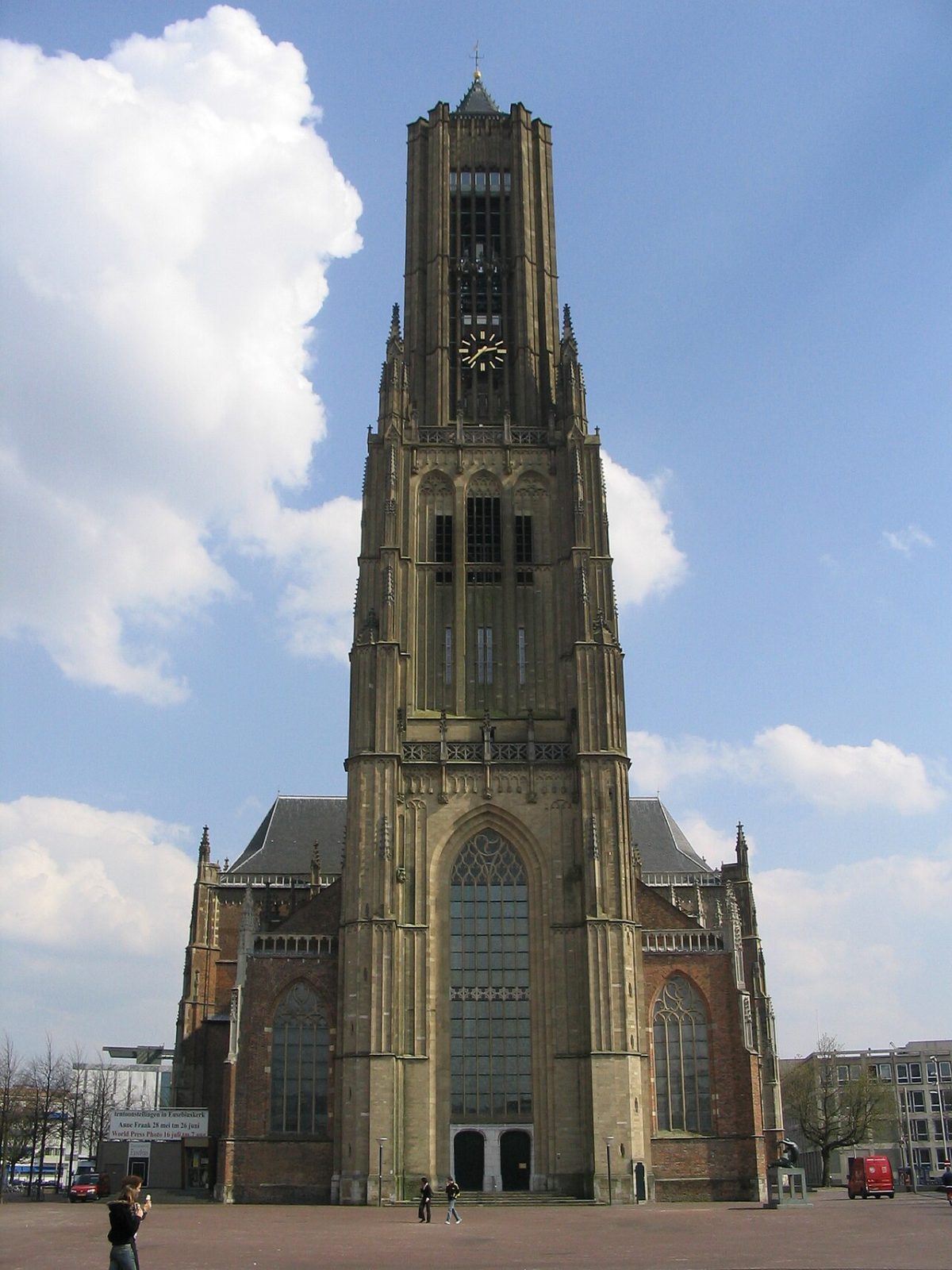
Arnhem’s largest church, rebuilt after the war, with ducal tombs, a dimly lit crypt and a tower lift to glass balconies overlooking the city and the Rhine.
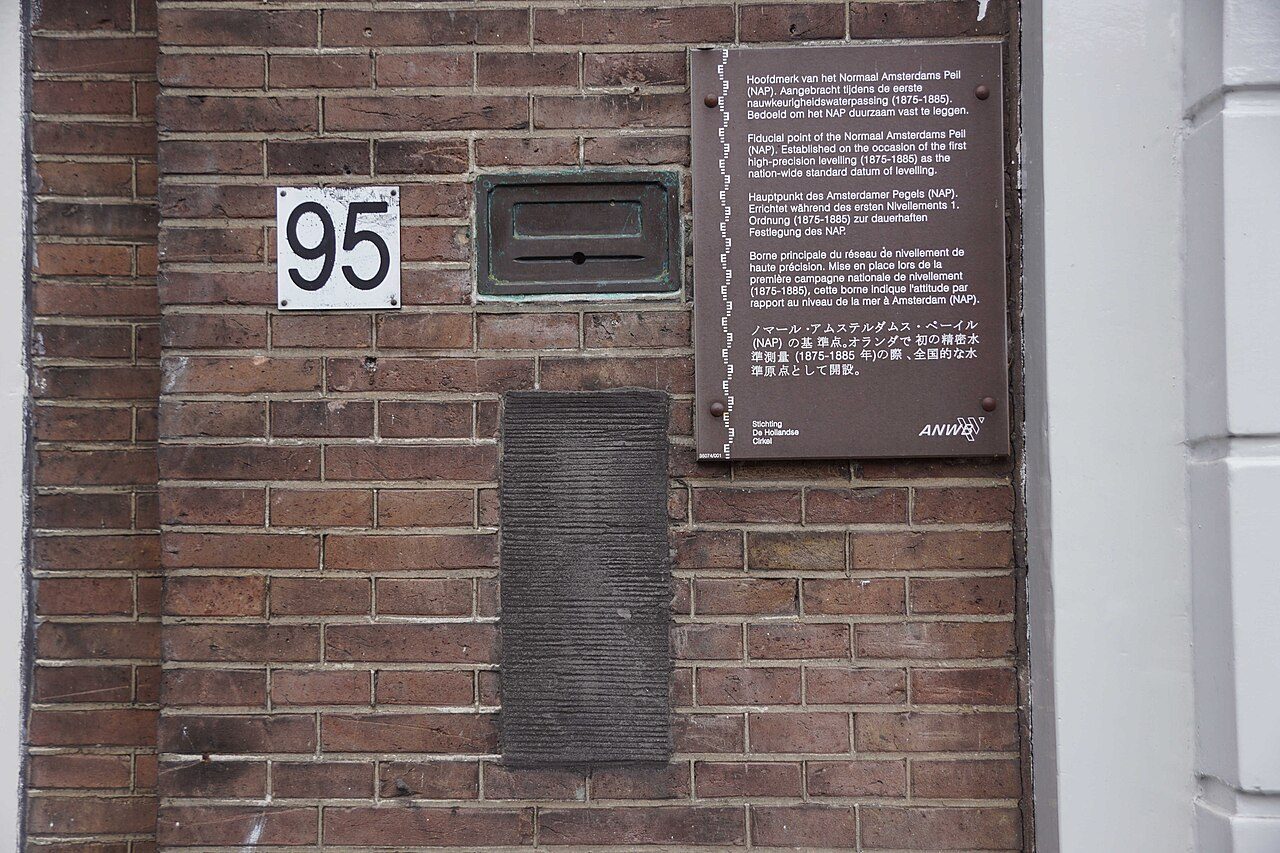
In the Stopera passage: the zero point all European heights are measured from, with water columns showing flood levels.
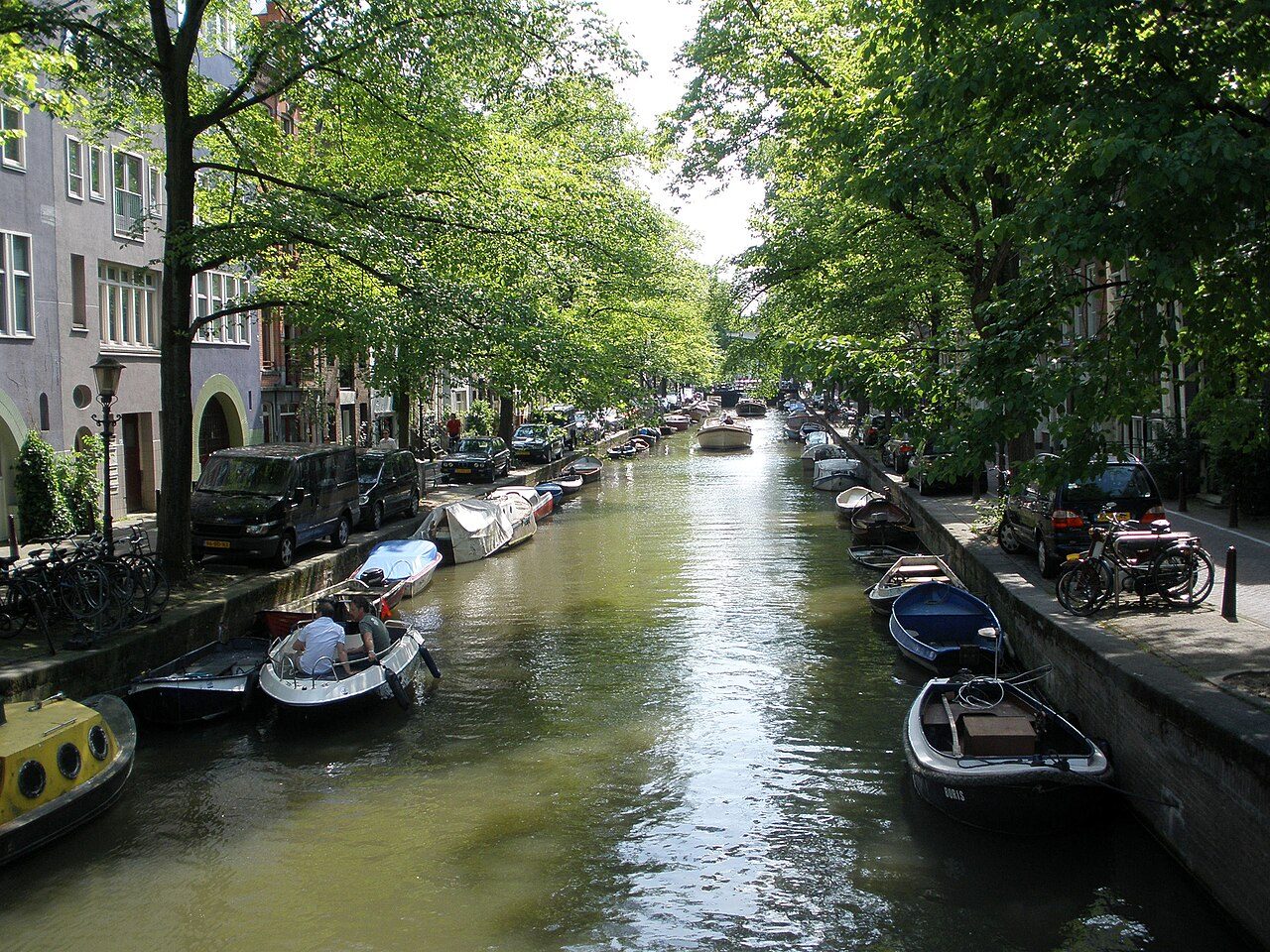
The quiet canal Monet painted, with the Zuiderkerk tower at the end.
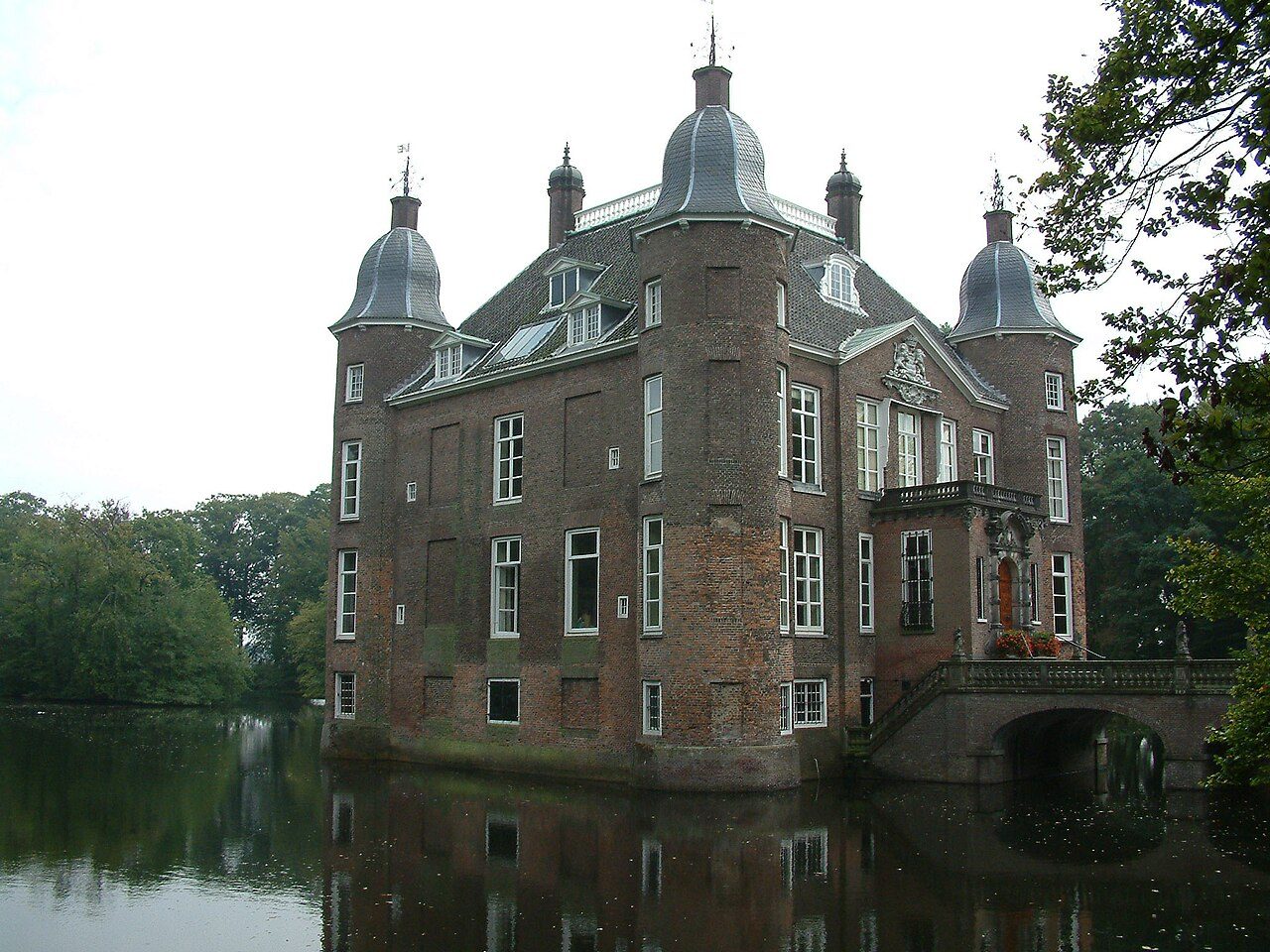
A castle in the quiet woods at Velp, with a moat, ponds and a weathered stone bearing four coats of arms to spot from the castle bridge.
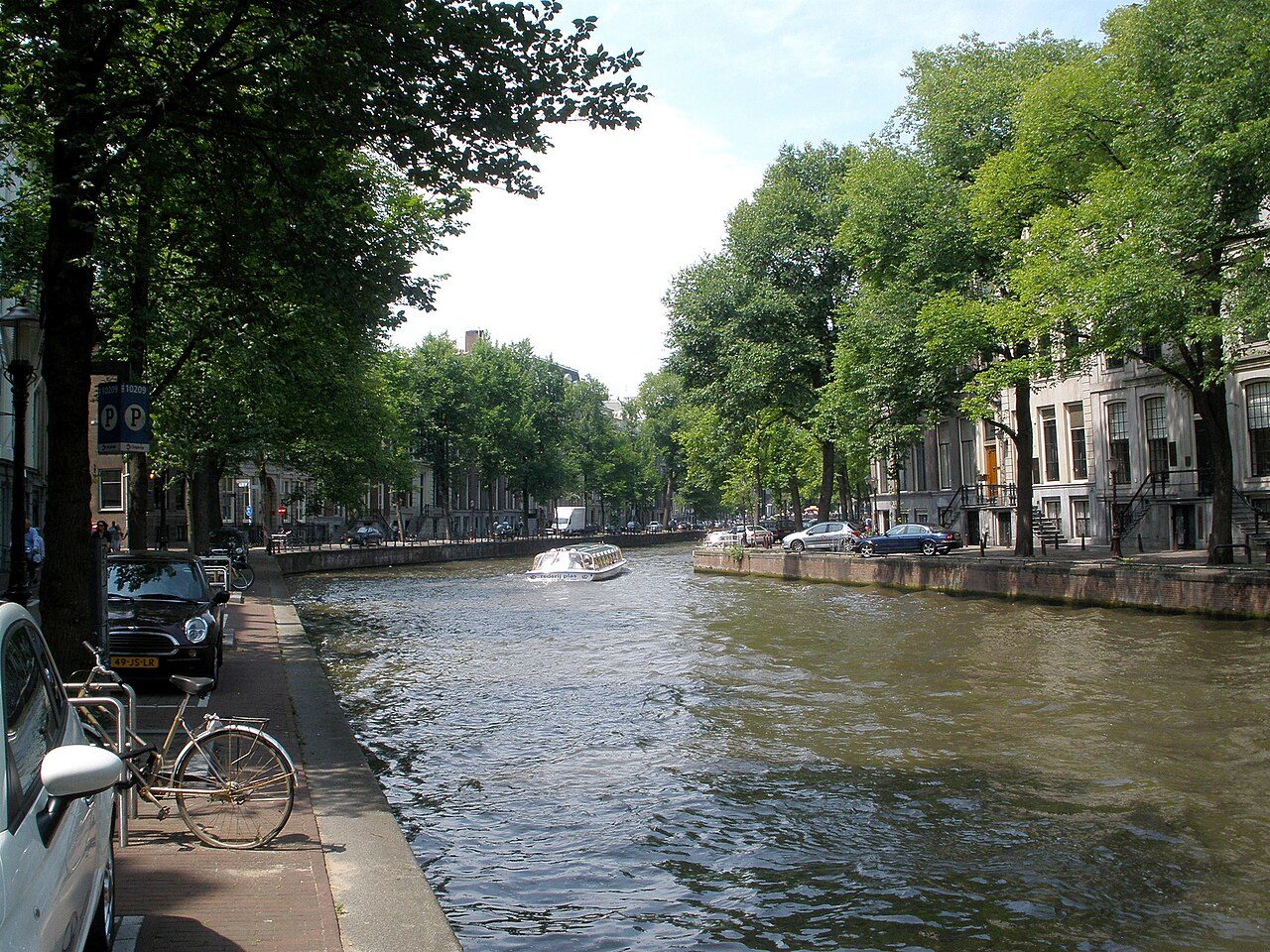
The widest, grandest stretch of the Herengracht, where the richest merchants built double-wide mansions.
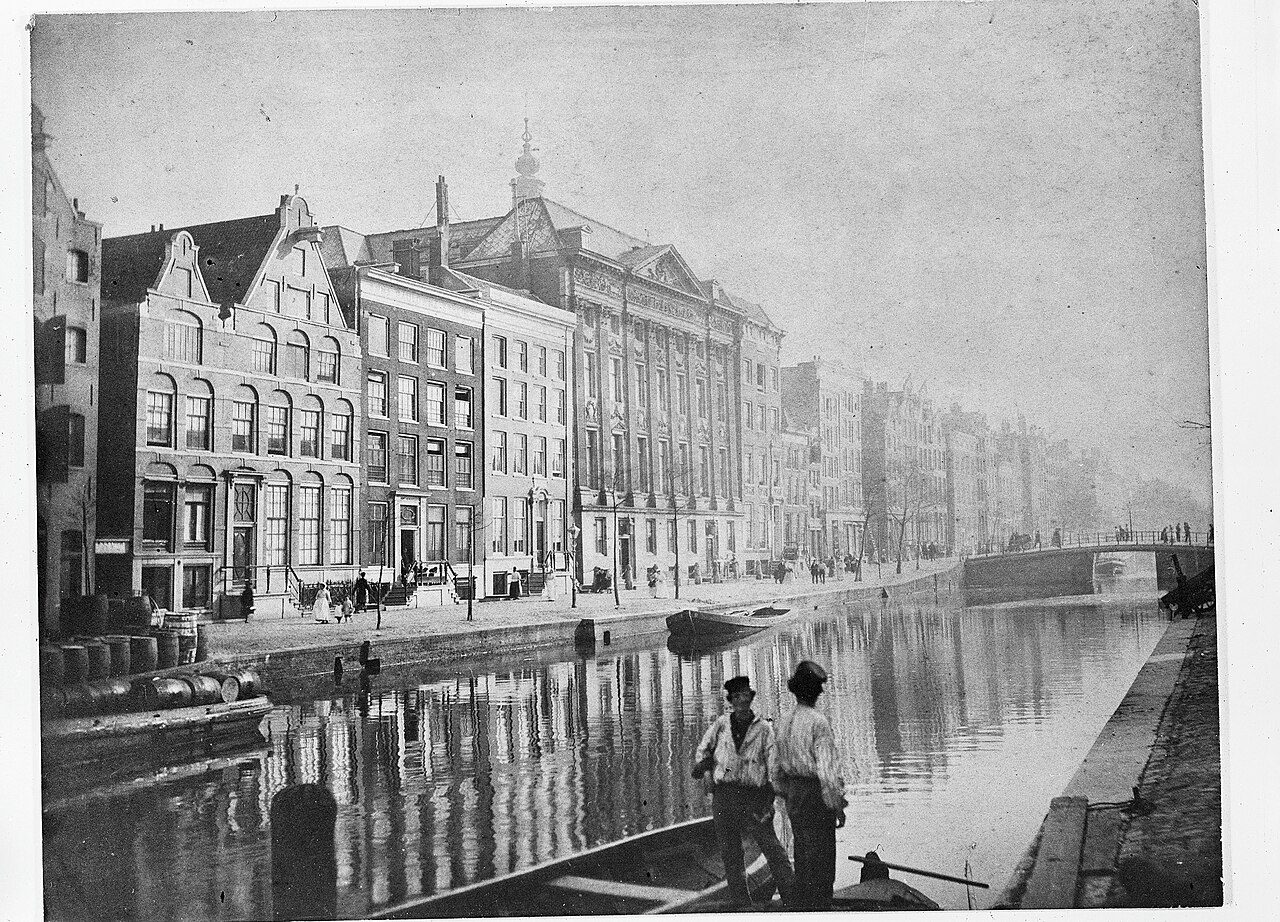
The widest canal house of the Golden Age, built for two brothers who traded in guns and cannon.
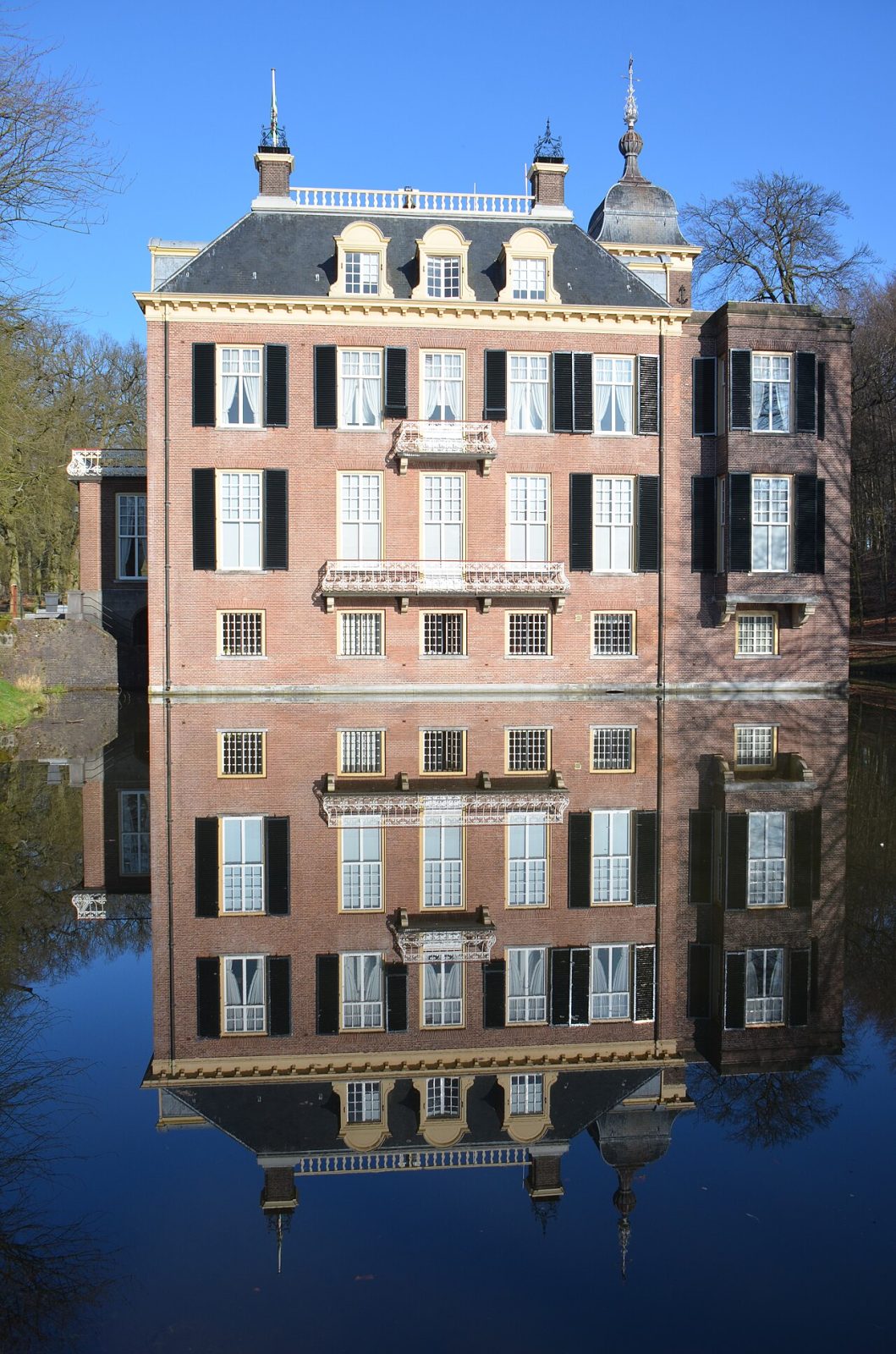
An 18th-century country house in Arnhem’s Park Zypendaal, with a museum displaying Brantsen family portraits and pieces from the original furnishings.
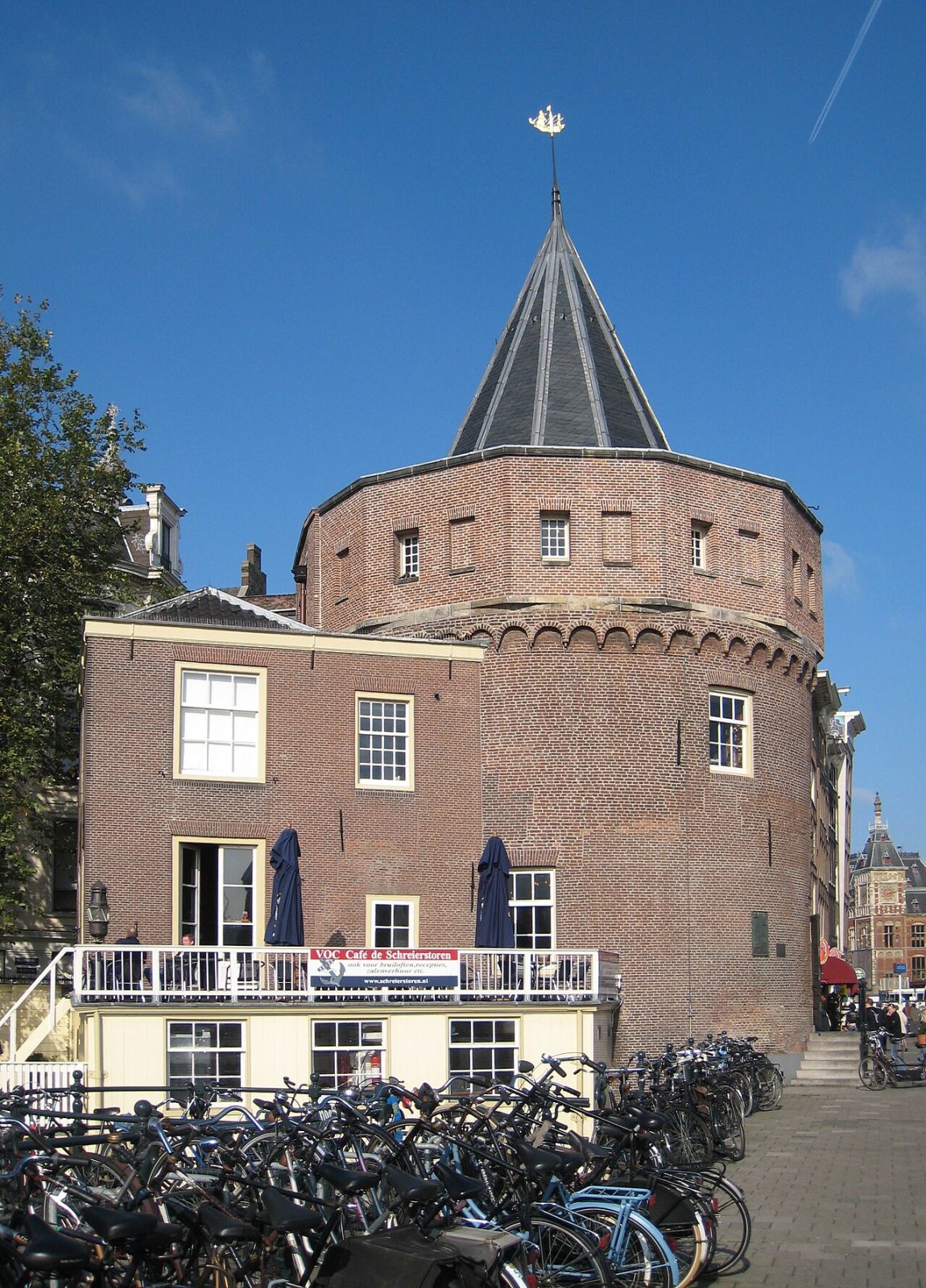
The 1480s harbour tower where, legend says, sailors' wives wept as the ships left; Henry Hudson sailed from here.
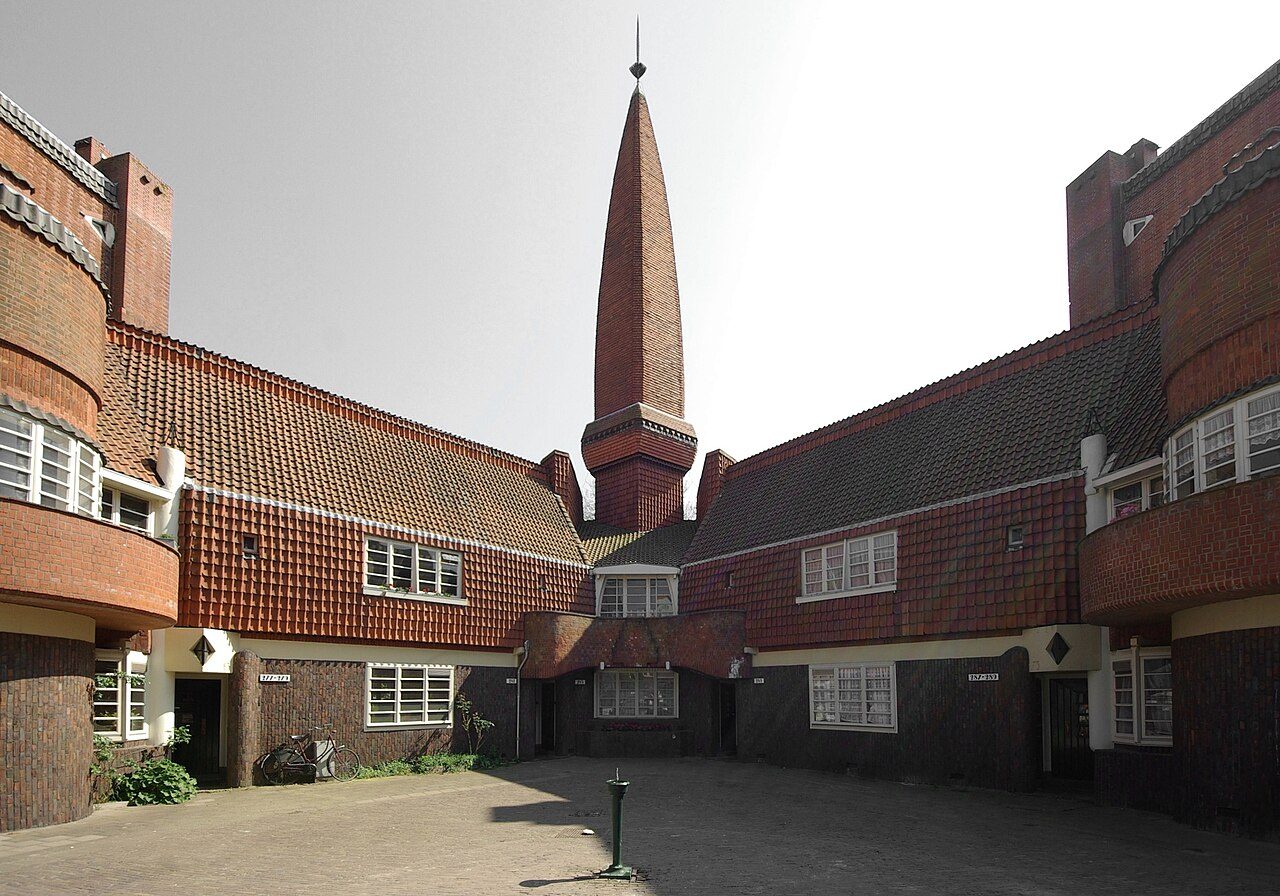
The brick 'ship' of social housing, the showpiece of the Amsterdam School; the outside is free to see.
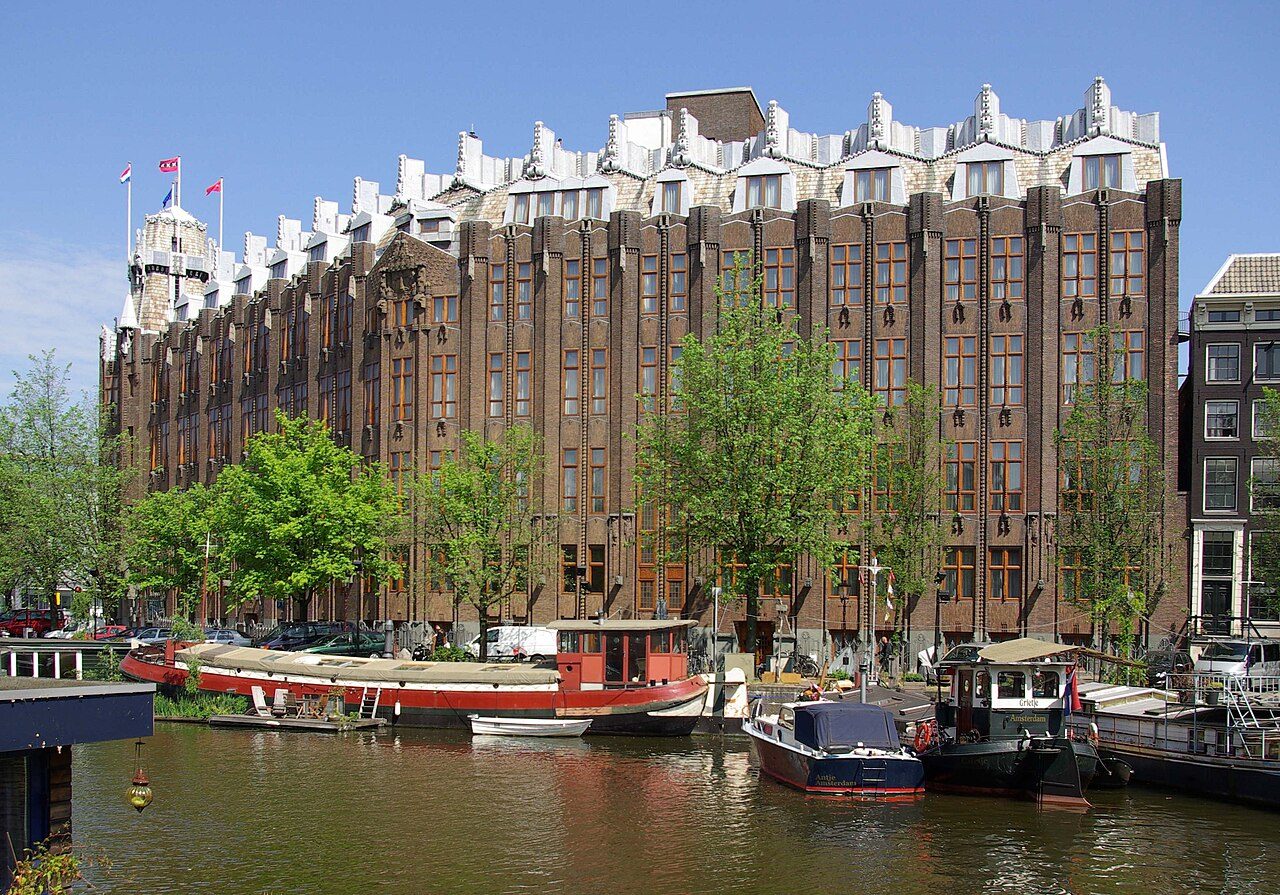
The 1916 shipping house, a sea-themed Amsterdam School masterpiece, now a hotel; the lobby can be visited.
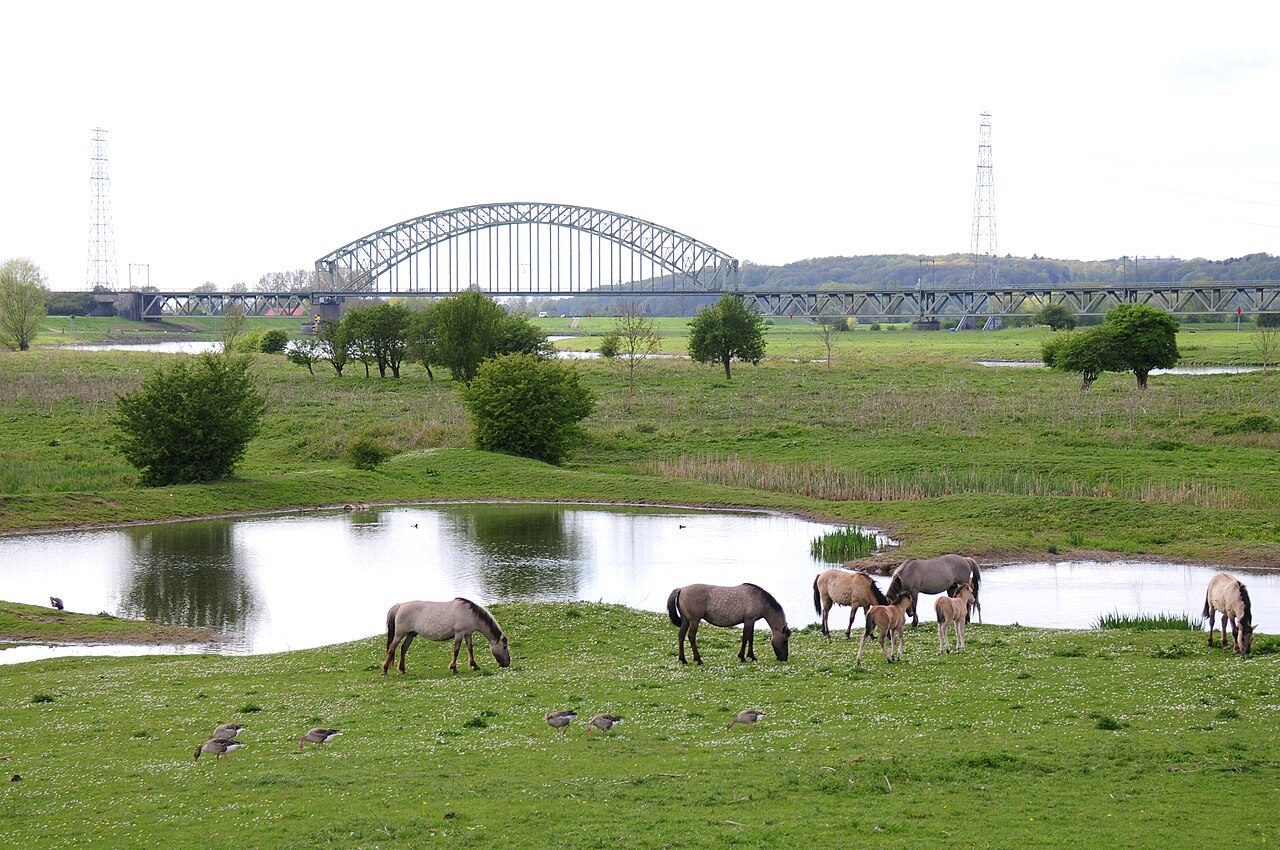
An open floodplain park in Arnhem, with Konik horses and Galloway cattle grazing year-round among meadows and willows, and views across the Nederrijn towards the city skyline.
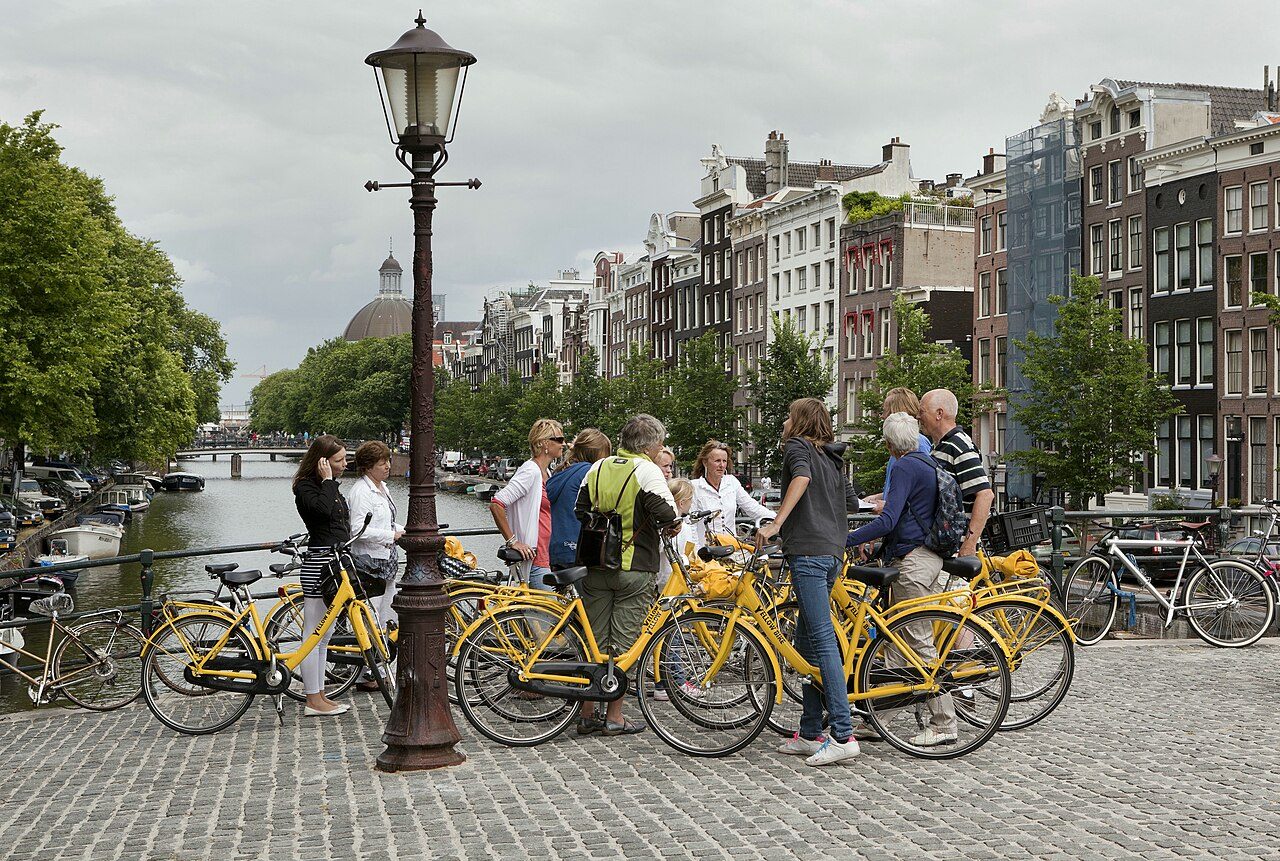
The widest bridge in Amsterdam, with old jail cells hidden inside it and a Multatuli statue on top.
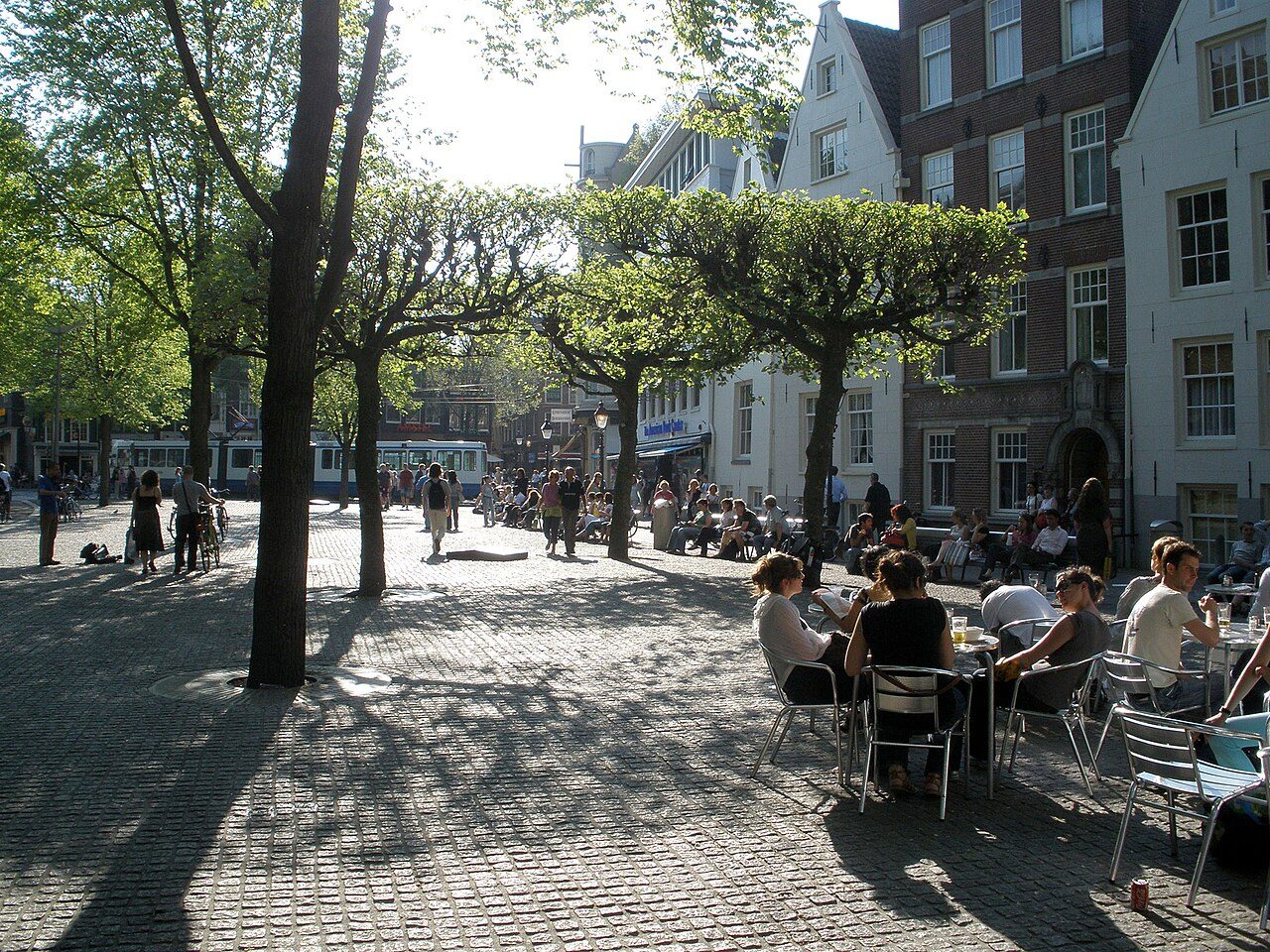
The little street-urchin statue where the 1960s Provo happenings started; book market on Fridays.
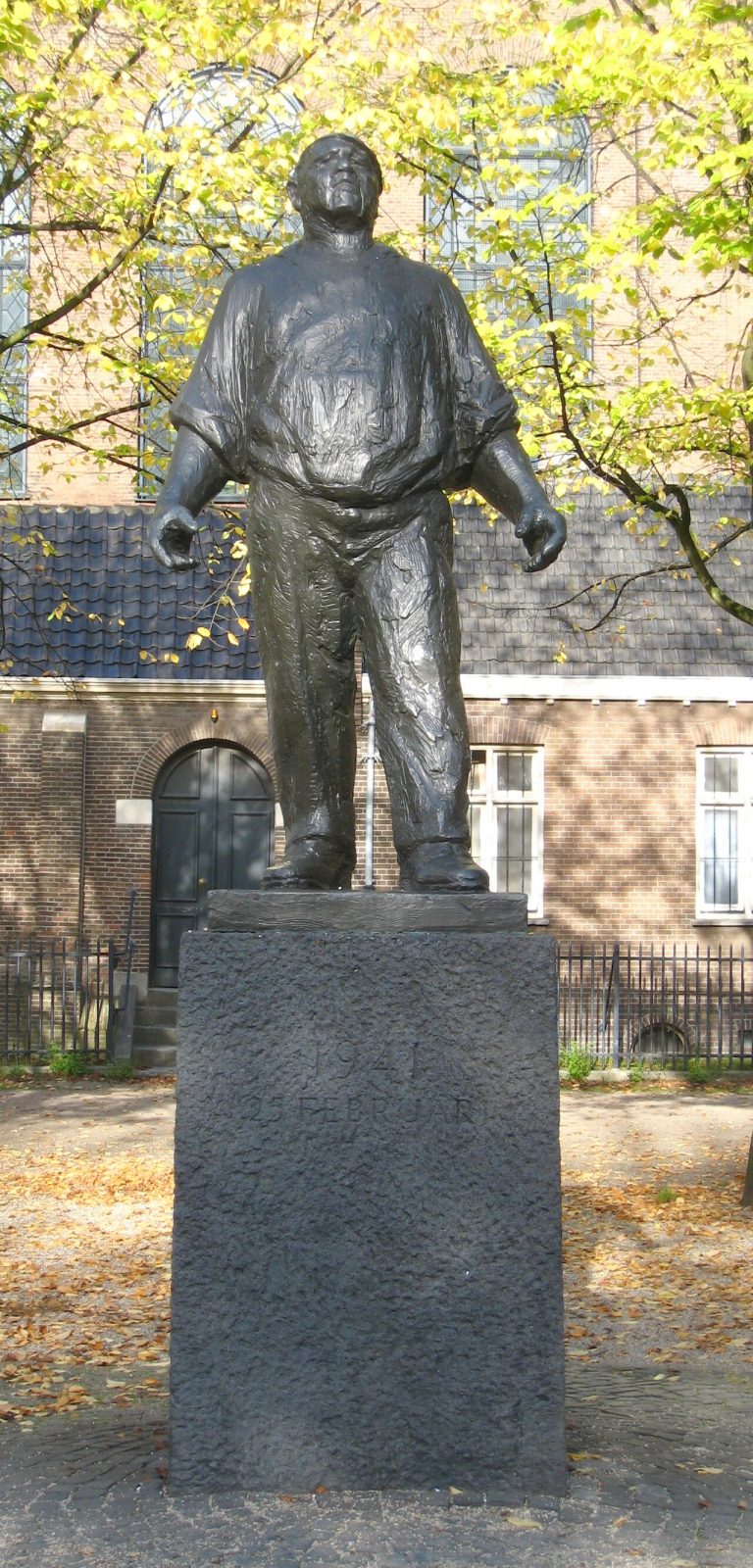
The statue for the February Strike of 1941, when Amsterdam stopped work to protest the deportation of Jews.
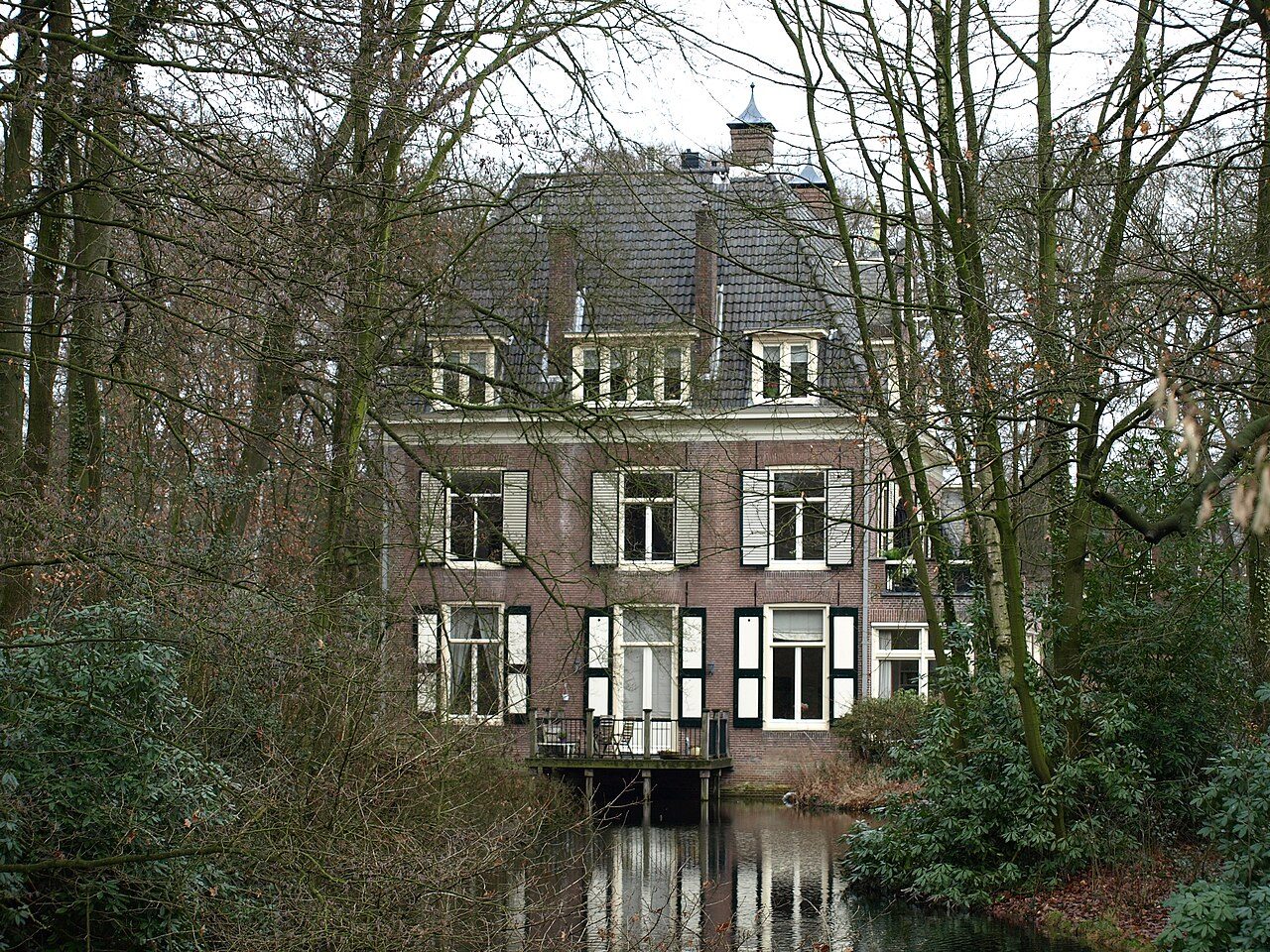
A former estate park in east Arnhem, with streams, waterfalls and ponds to stroll past, and an old house and surrounding garden to walk around.
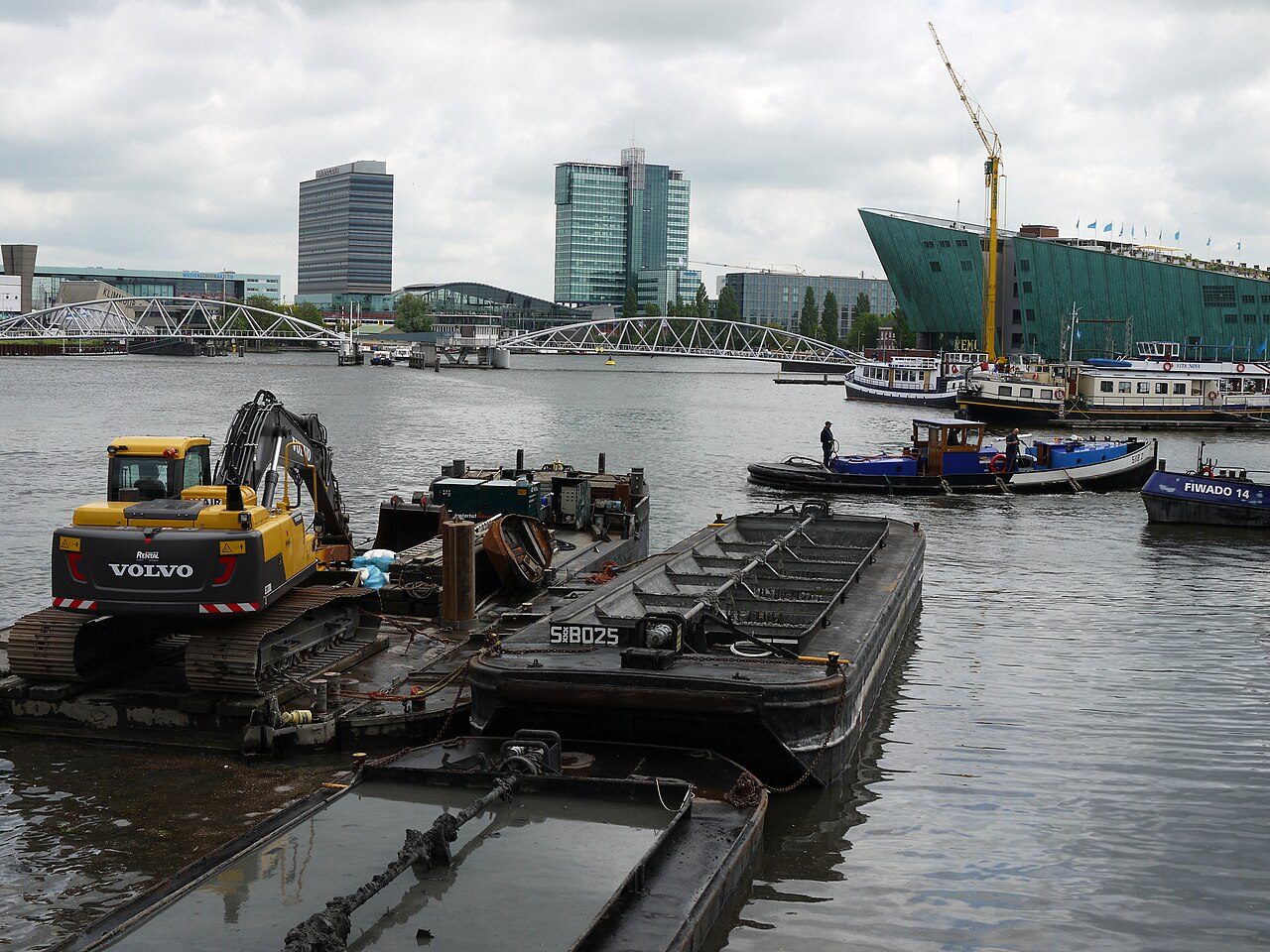
The sloping roof of the NEMO science museum is a free public square with a view over the old harbour.
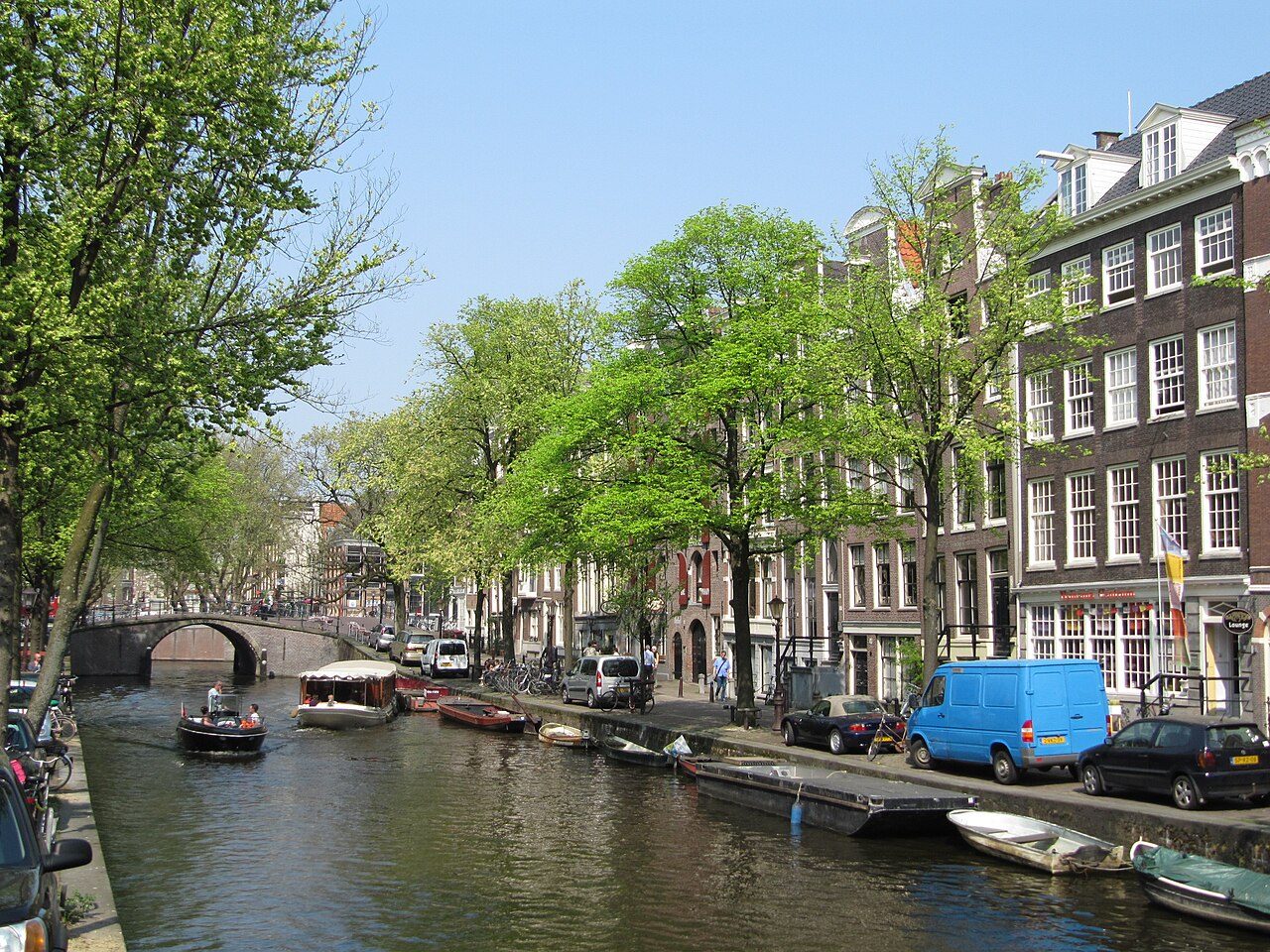
Stand on the right bridge and you see seven arched bridges in a row.
Mari Andriessen's small statue of Anne Frank beside the Westerkerk, a few doors from the Secret Annex.
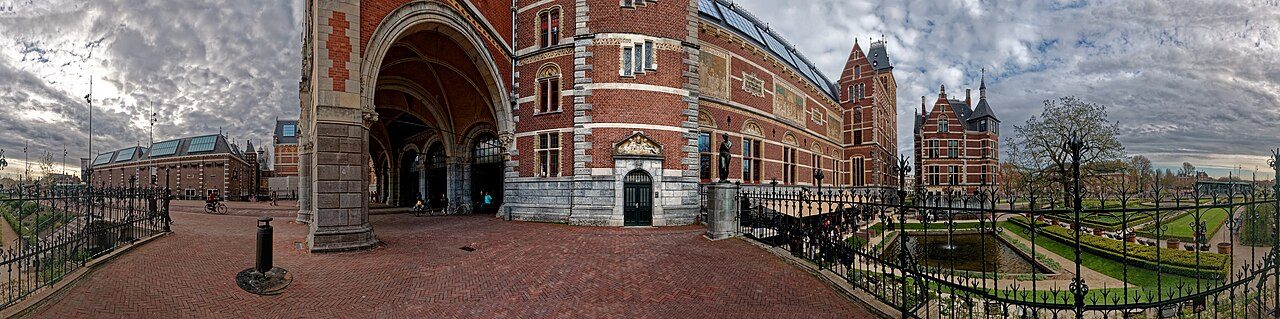
The museum gardens and the cycle tunnel under the Rijksmuseum, where street musicians play: both free.
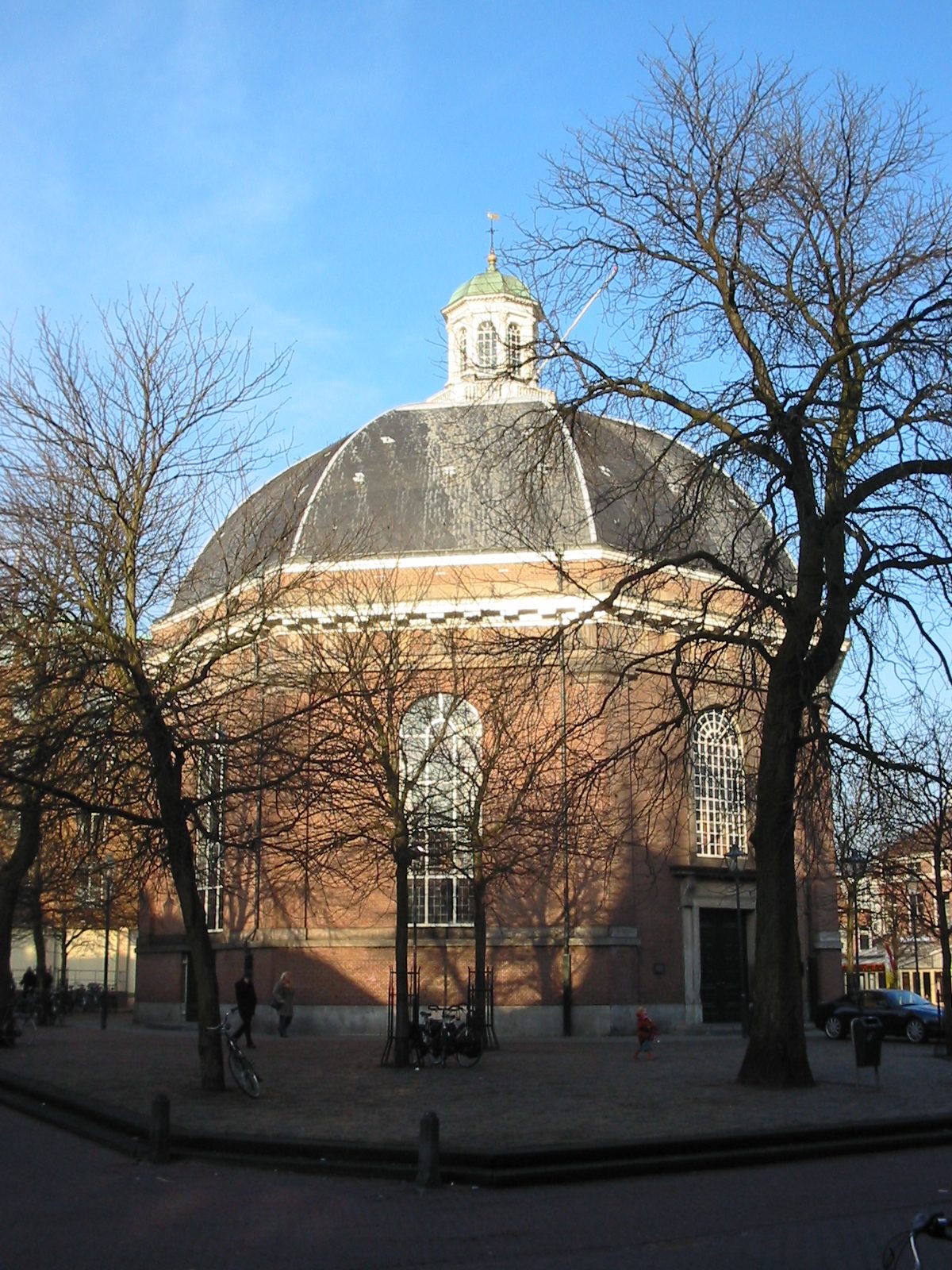
An eight-sided church on Arnhem’s Jansplein, with columns and galleries beneath its dome and an organ case adorned with King David and trumpet-playing angels.
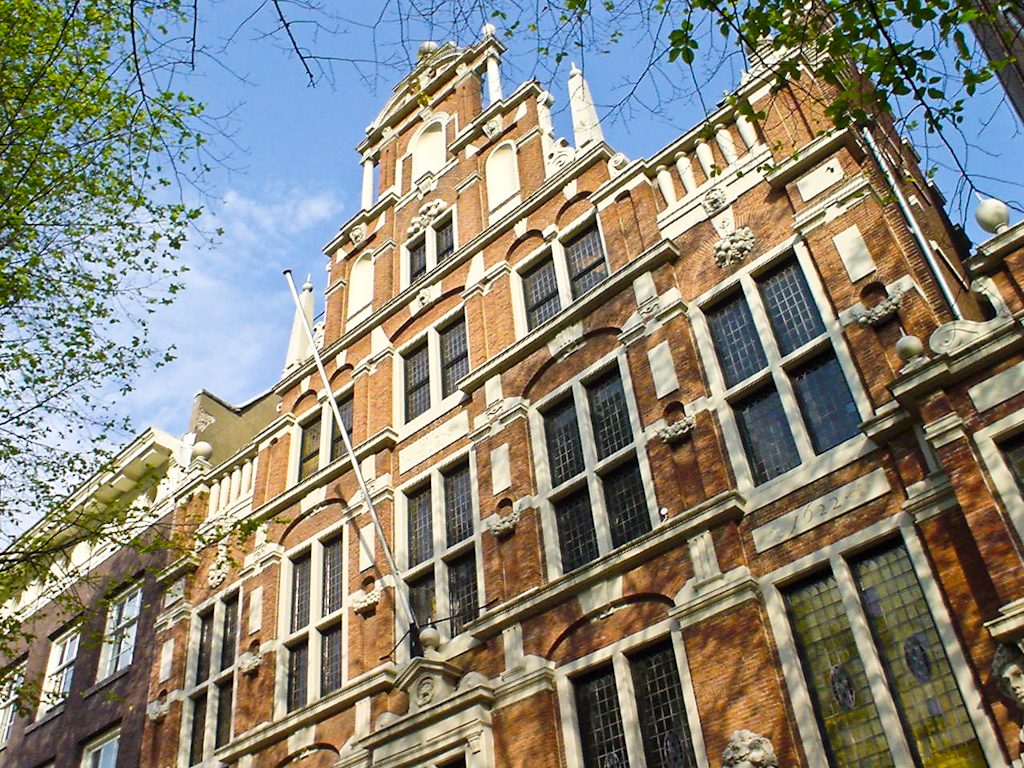
A 1622 canal house with six stone heads on the facade, and a story about a maid and six burglars.
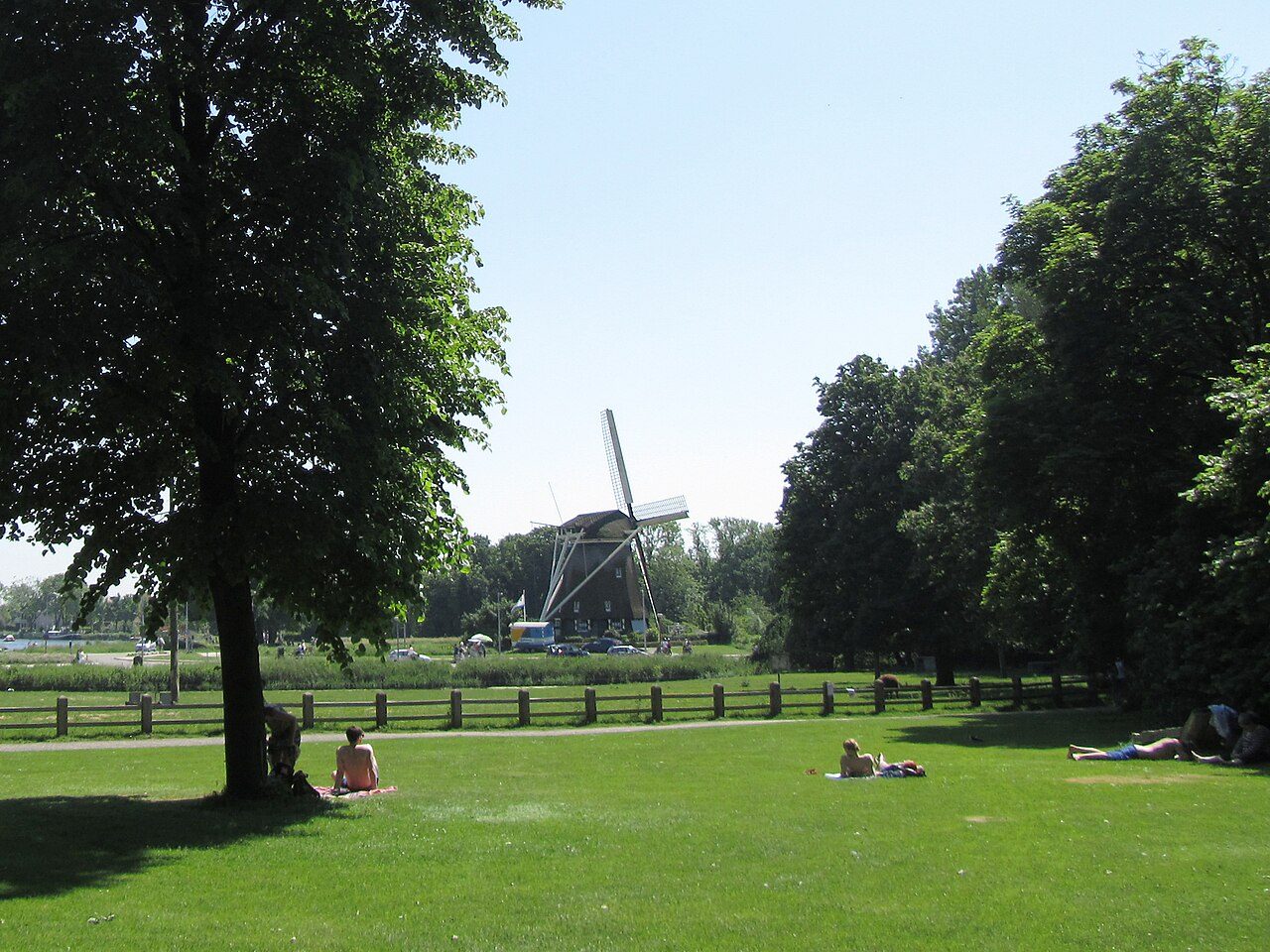
The windmill on the Amstel that Rembrandt drew, with his statue beside it.
An estate on Arnhem’s northwestern edge, with walks from formal garden terraces into woods, past ponds, heath and eleven prehistoric burial mounds.
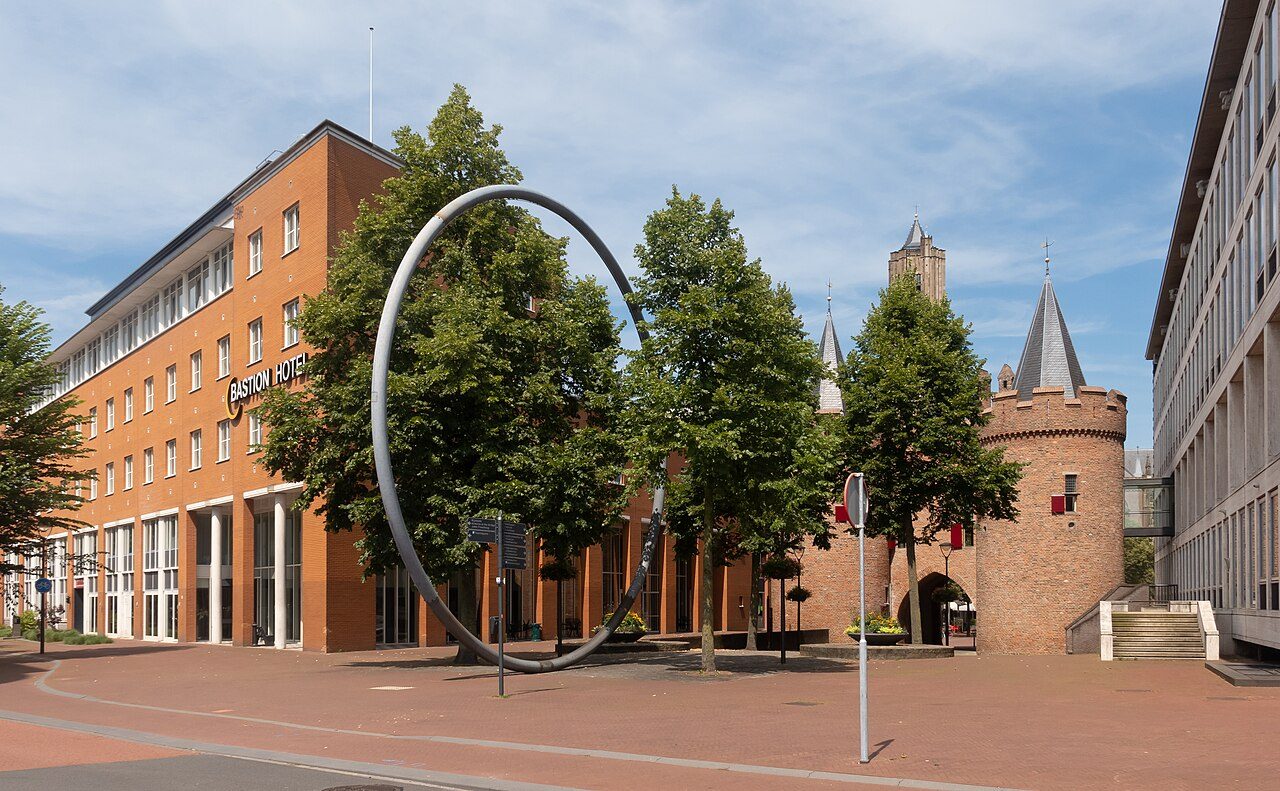
A medieval city gate in Arnhem with a Renaissance façade from 1642 and circles in the paving tracing its vanished defences.
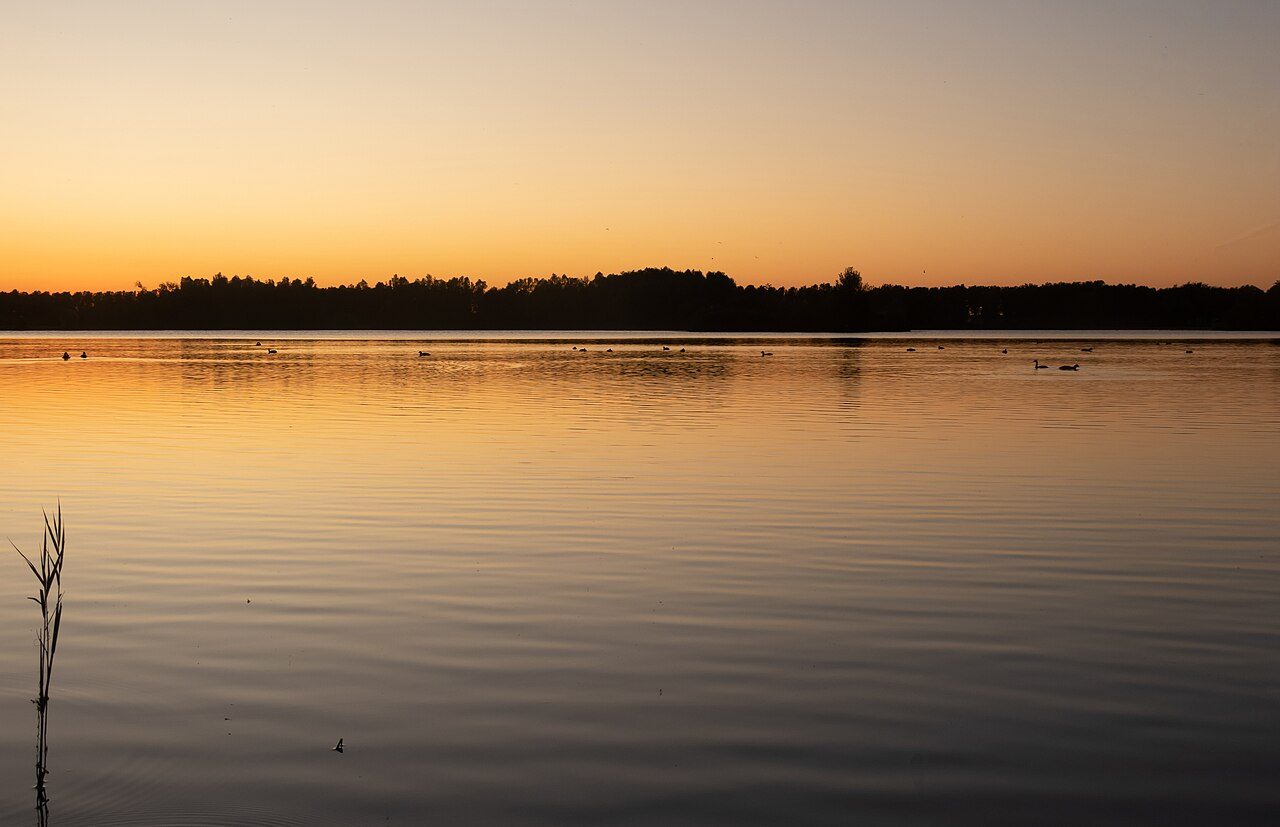
Two lakes south of Arnhem, with sandy beaches for summer swimming and quieter shores for walks in cooler months. Broad water and flat surroundings give the recreation area its open views.
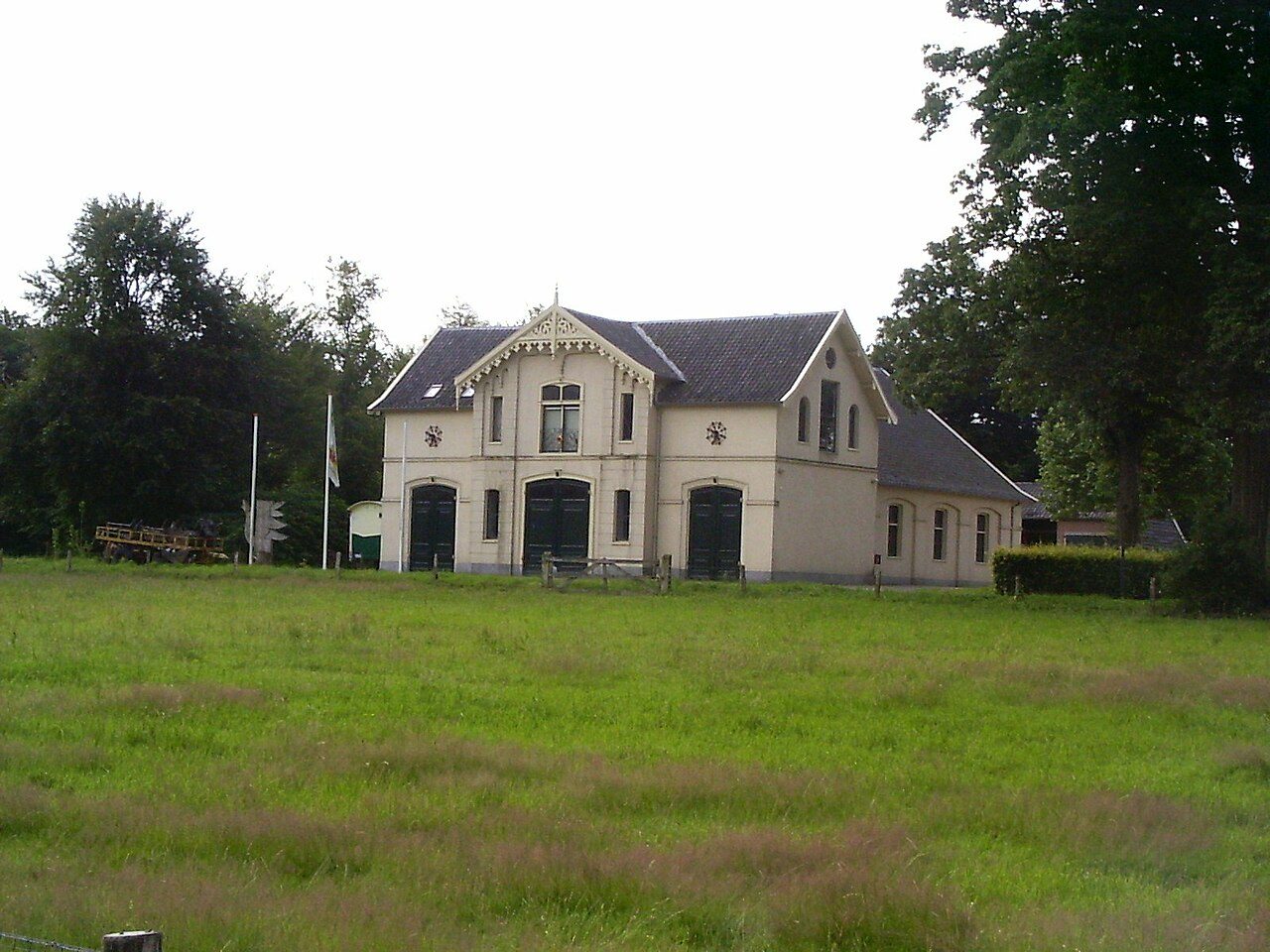
An estate of woods, meadows and farmland between Arnhem and Oosterbeek, with surviving entrance columns, a coach house and an artificial hill enclosed by a beech hedge.
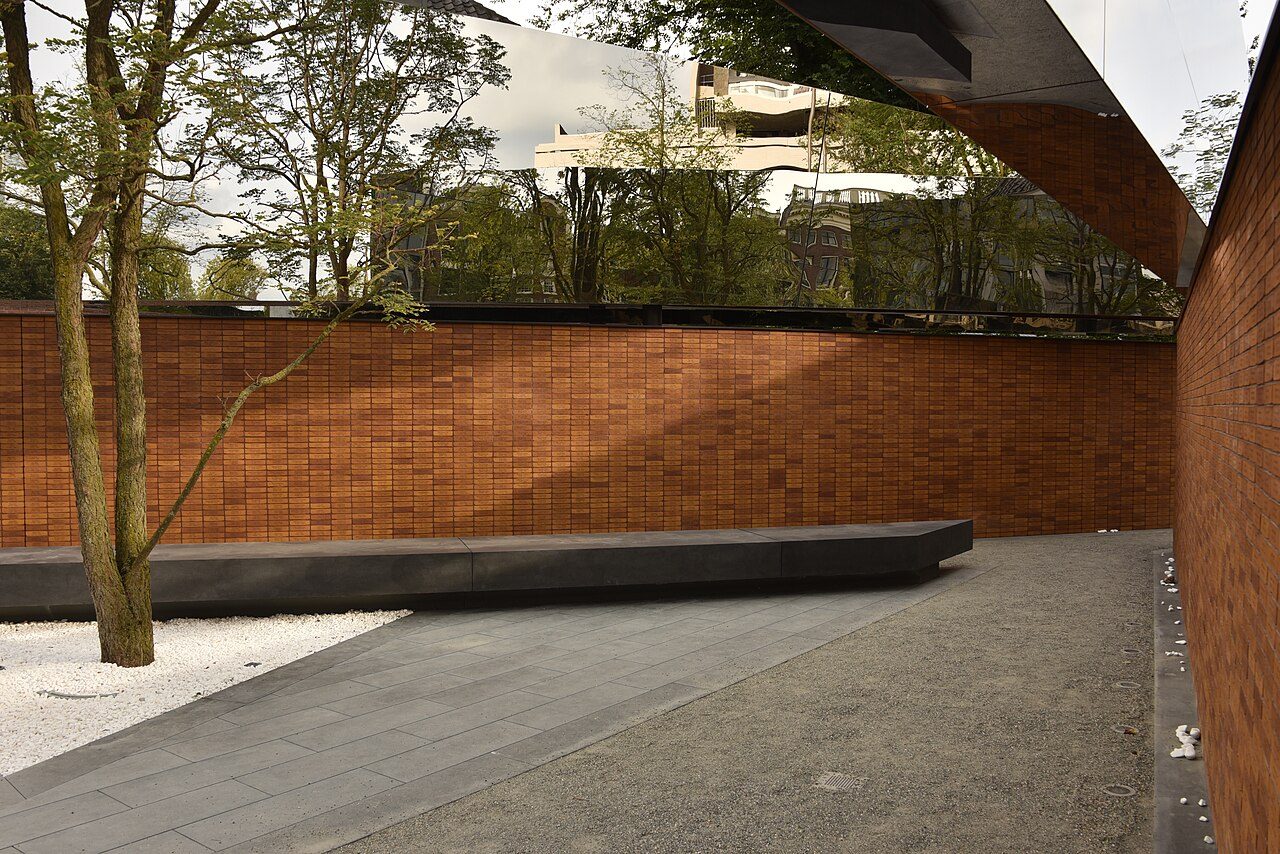
Daniel Libeskind's maze of 102,000 bricks, one for every Dutch Jew, Sinto and Roma murdered.
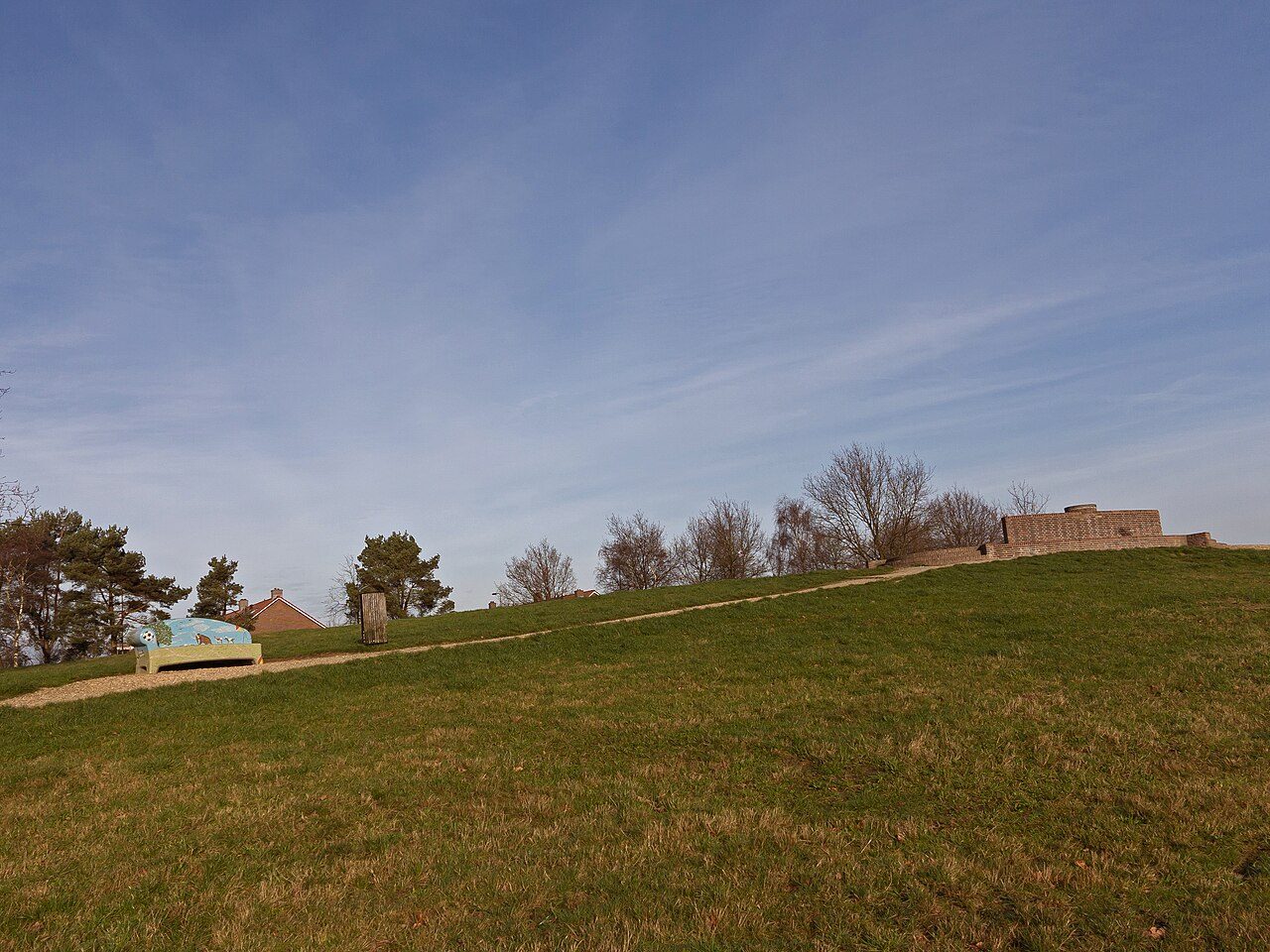
A grassy hillside park in northern Arnhem, with open skies and views towards the IJssel. A curved masonry bench at the top offers a seat to take in the panorama.
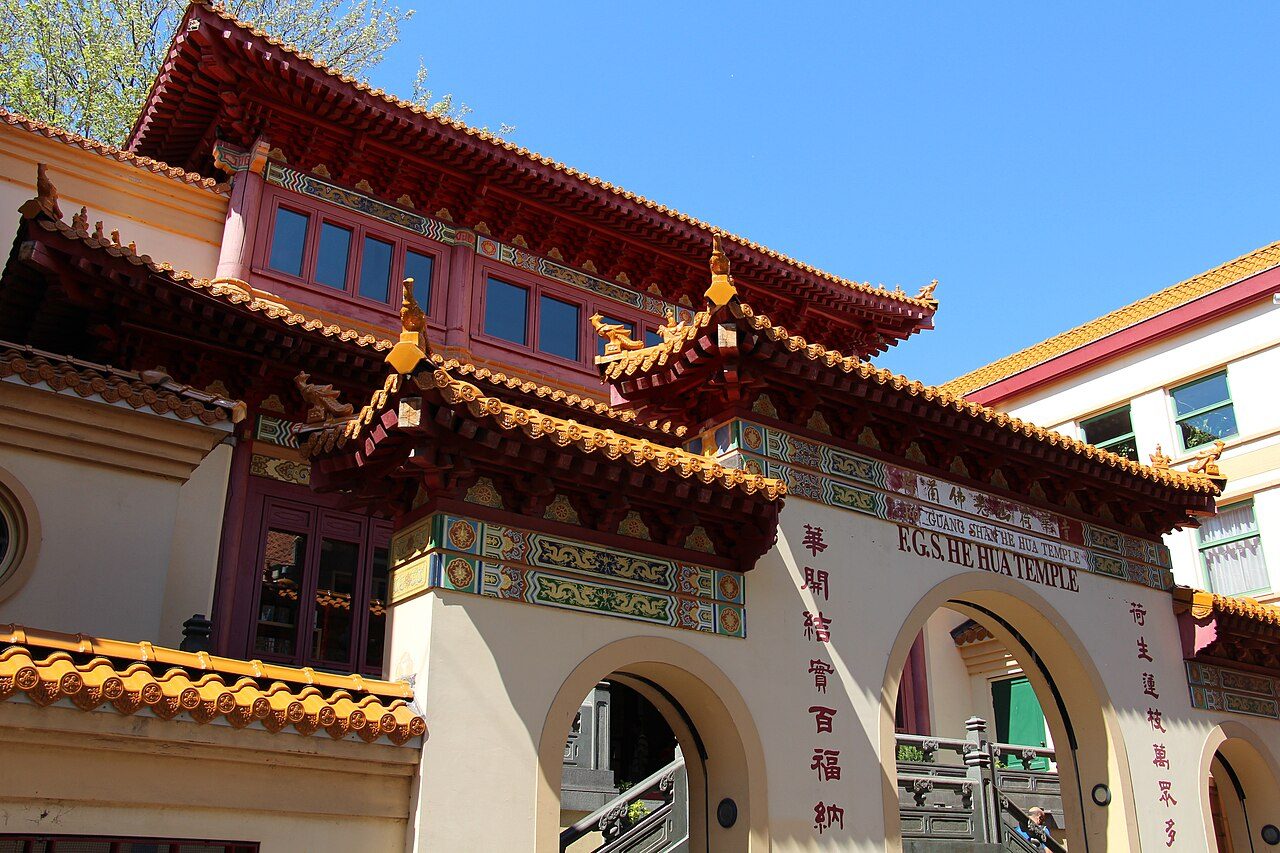
Europe's largest palace-style Buddhist temple, squeezed between canal houses; free to enter.
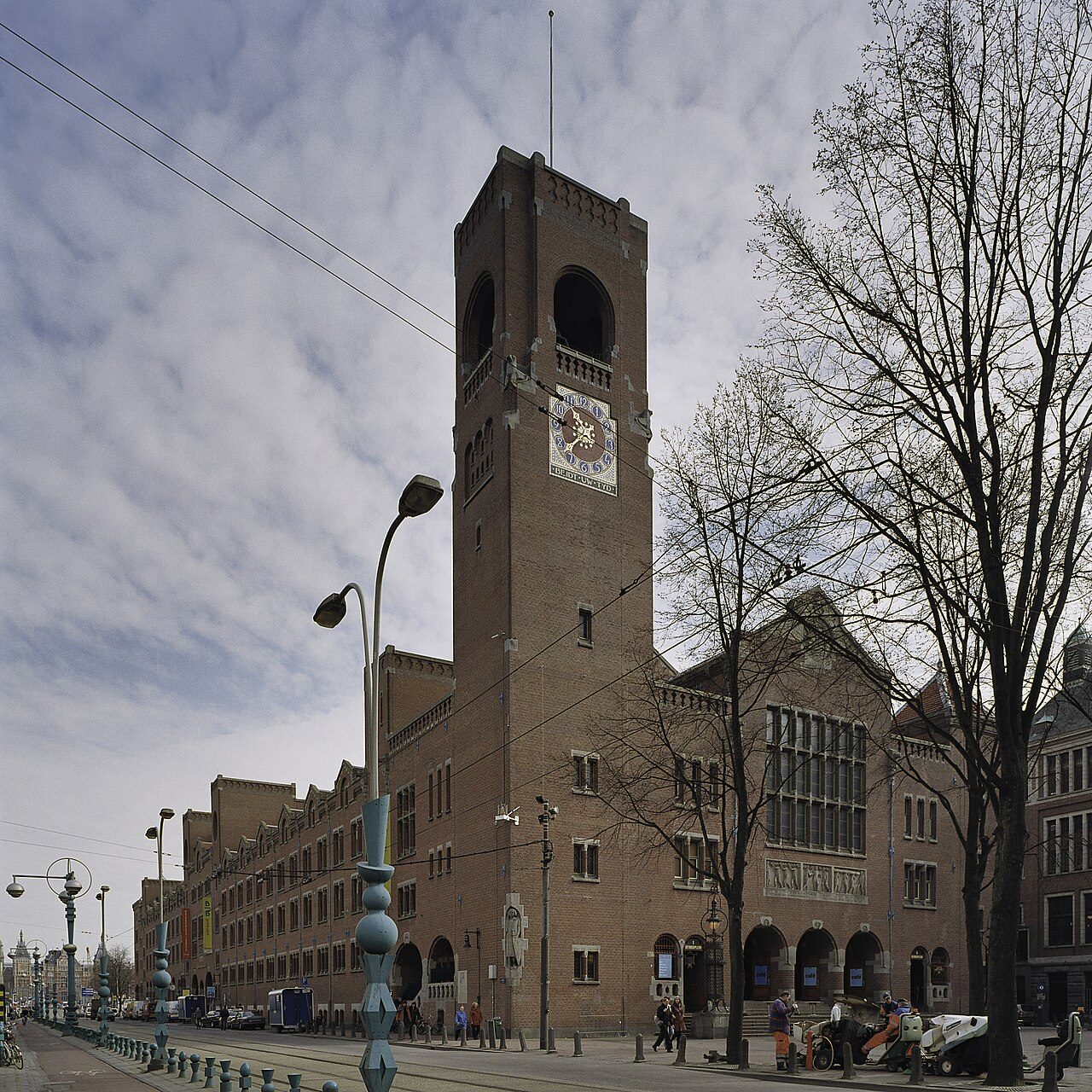
The old stock exchange on the Damrak that started modern Dutch architecture.
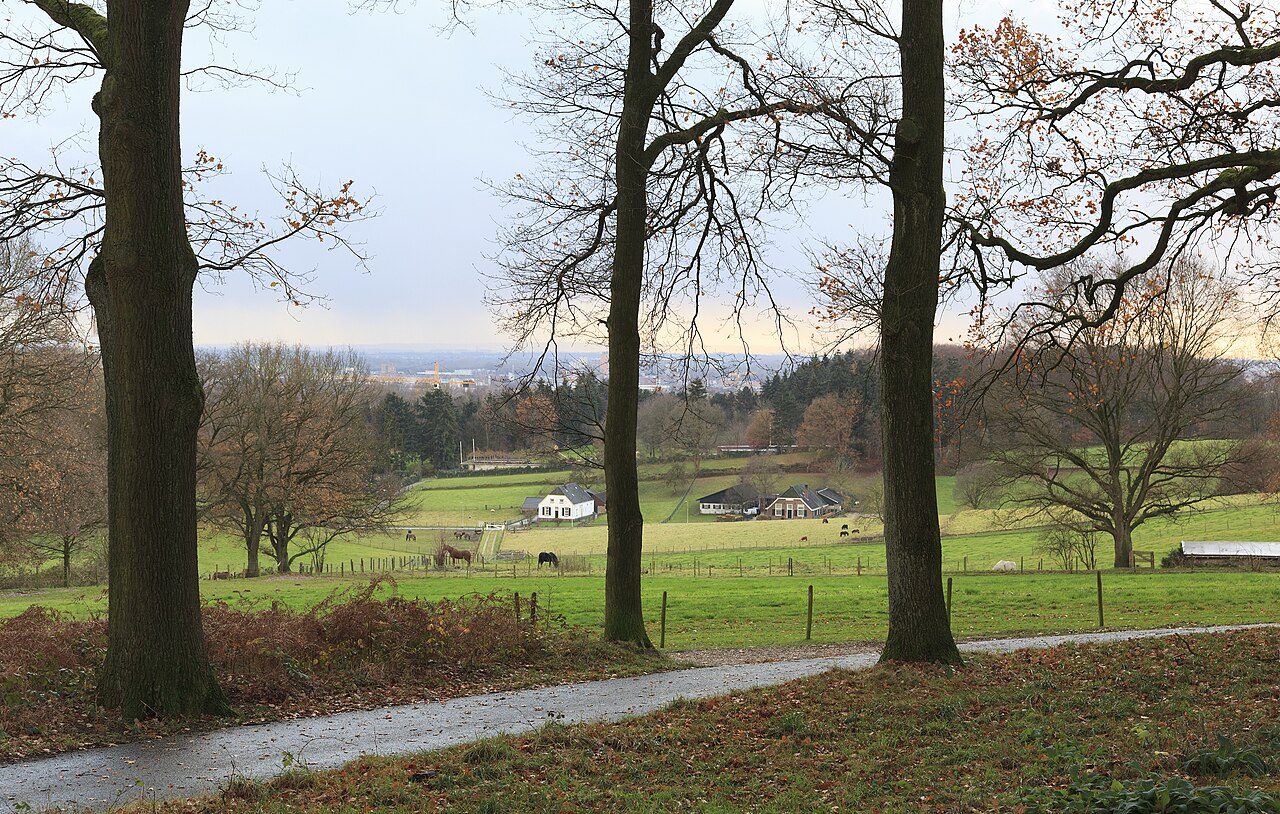
Arnhem’s first city park has wooded slopes and open grassland, with climbing paths, views between the trees and a restored Baroque garden.
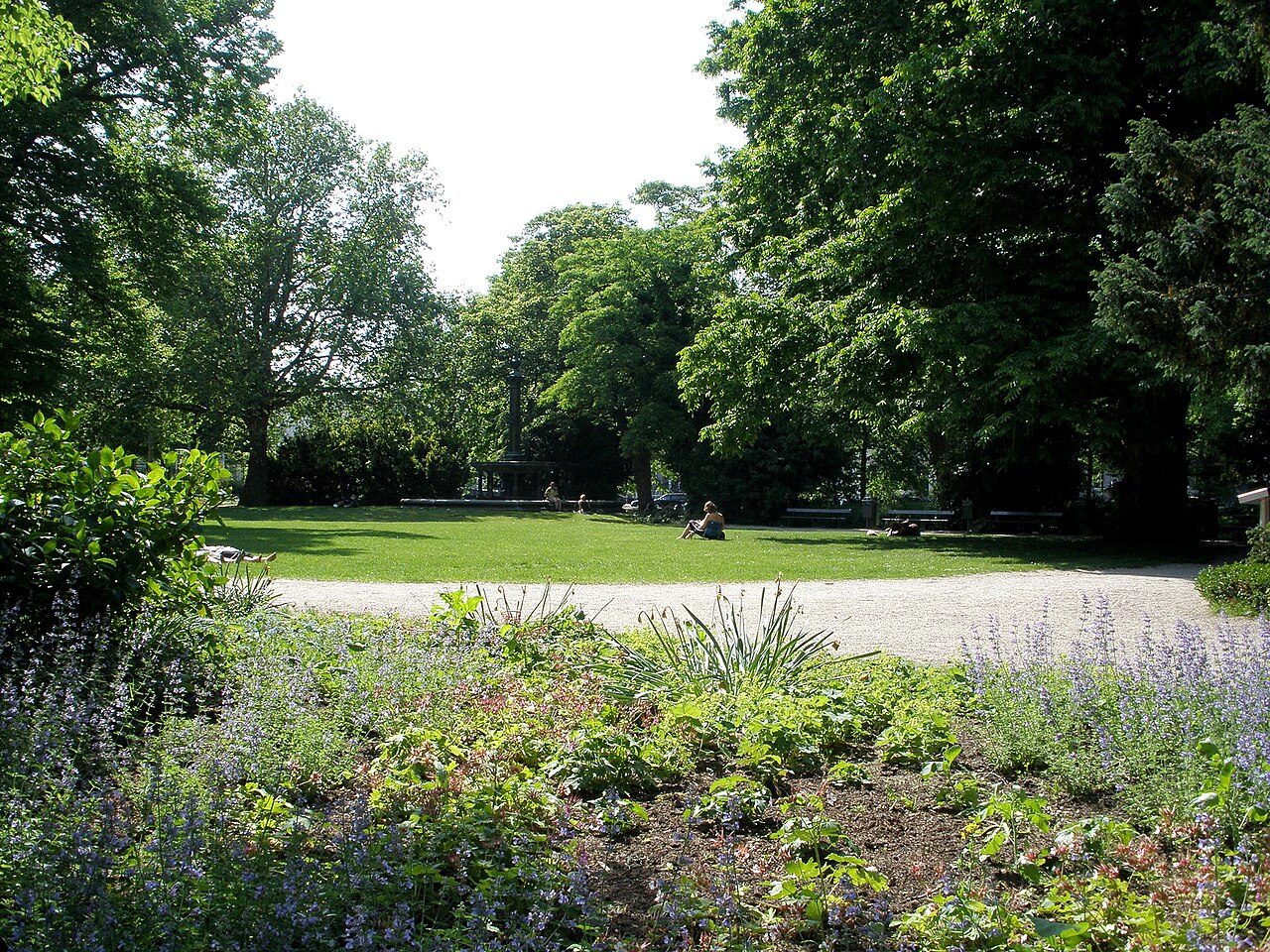
Jan Wolkers' broken mirrors that reflect a sky that will never be whole again.
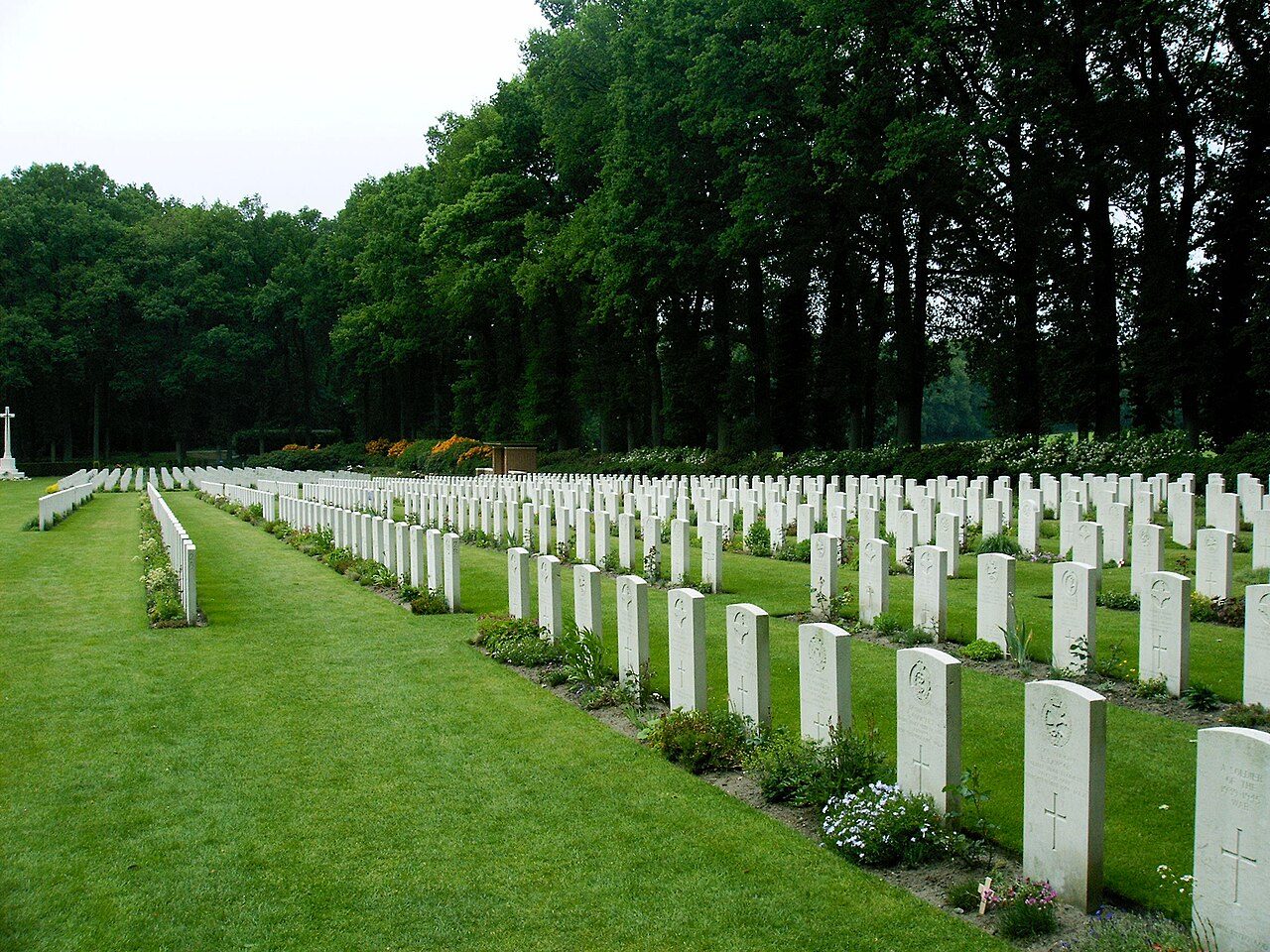
A war cemetery with graves of Allied servicemen killed in the Battle of Arnhem and during the liberation, where generations of local children have laid flowers to keep their names remembered.
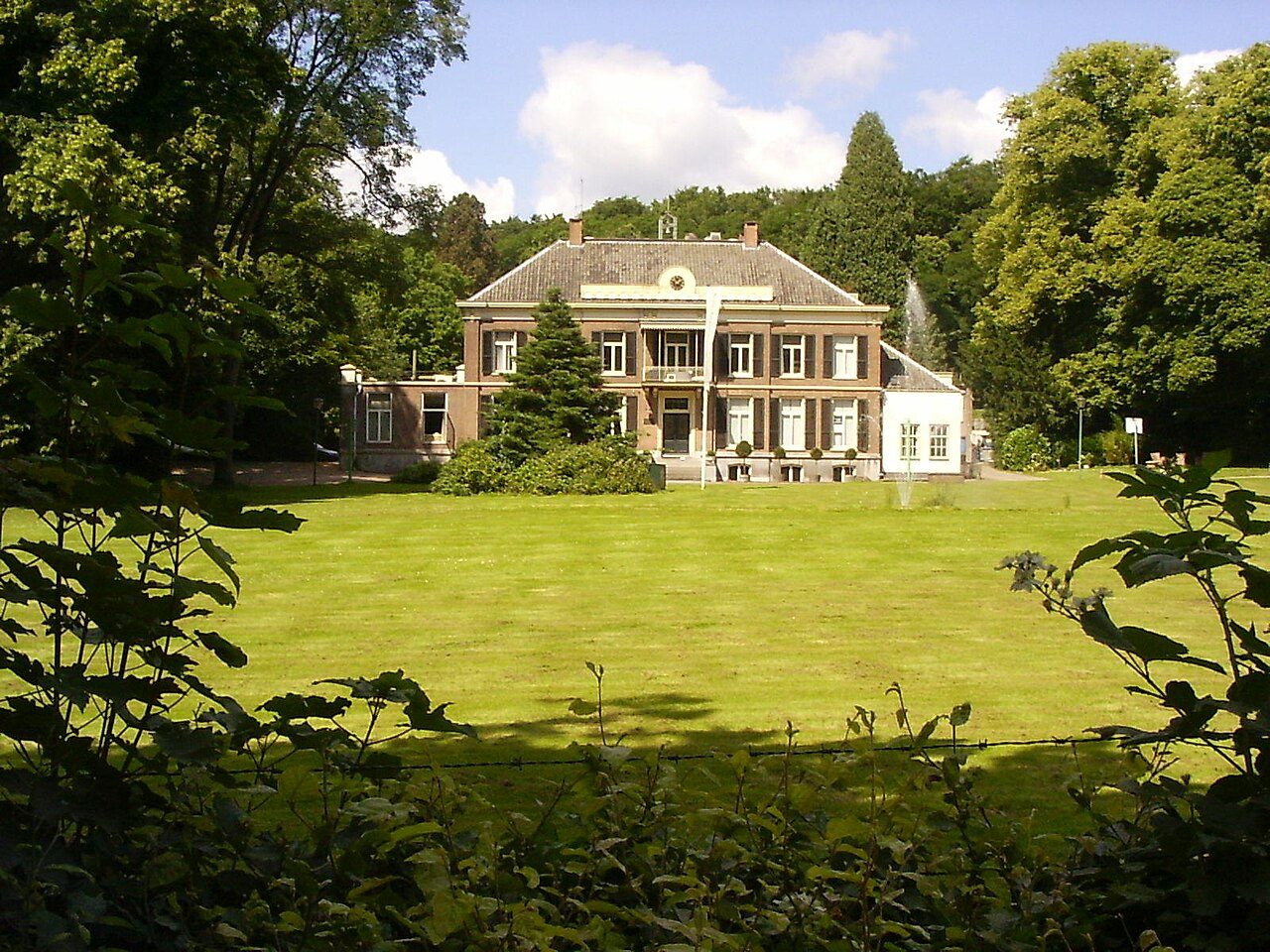
A hilly estate park between Arnhem and Oosterbeek, with wooded slopes, open fields and a stream through the valley. The Groene Bedstee leads beneath a tunnel of clipped beeches planted in 1856.
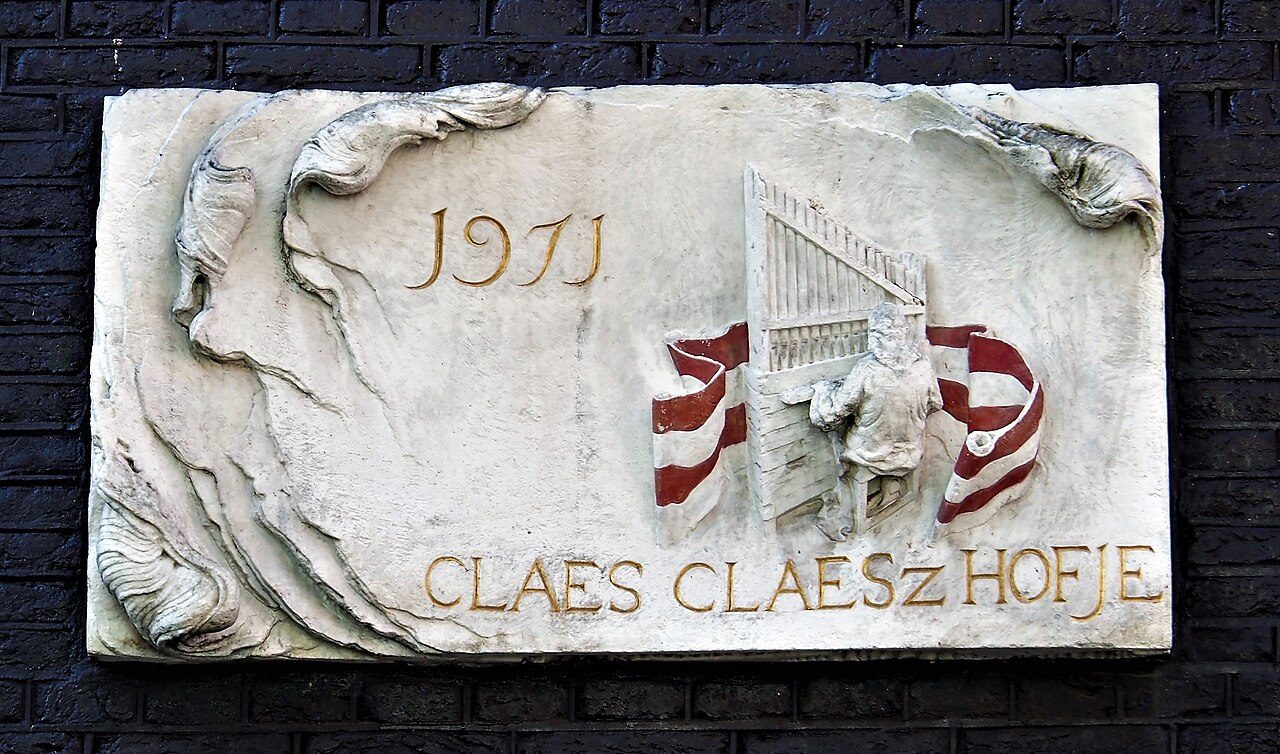
A cluster of small courtyards in the Jordaan, now student housing, quietly open in the day.
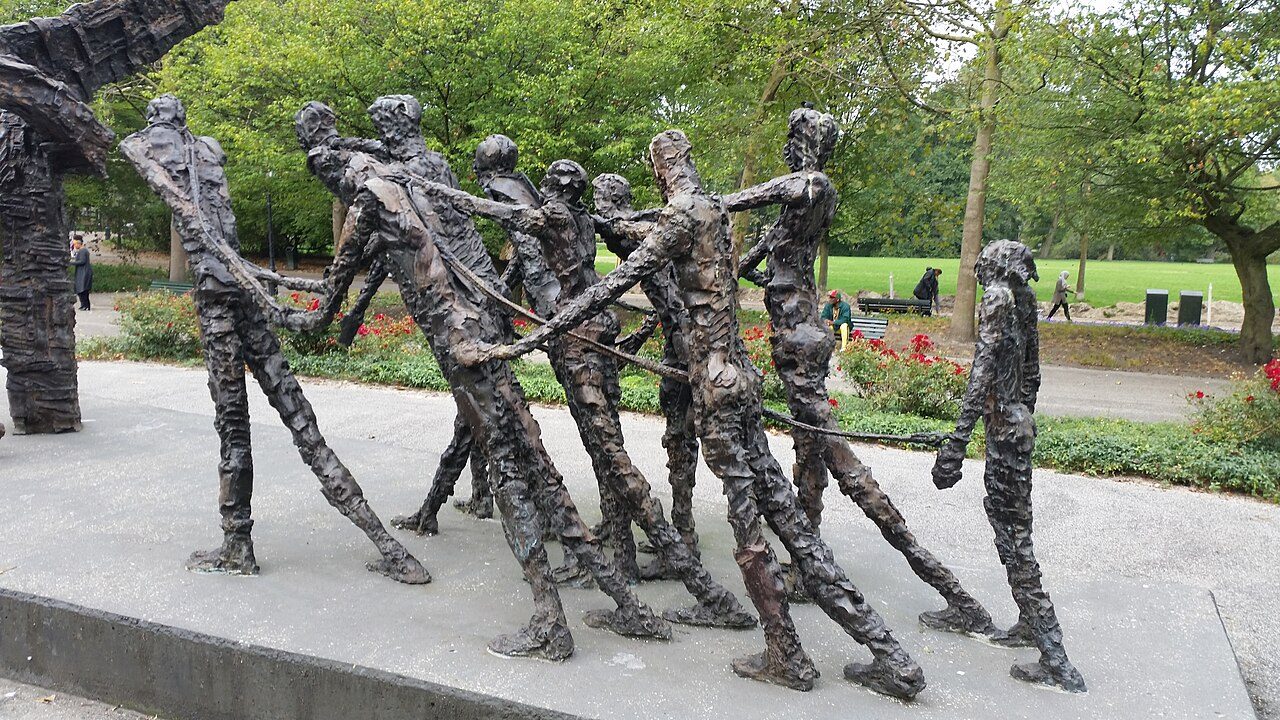
The monument in the Oosterpark for the abolition of slavery, centre of Keti Koti on 1 July.
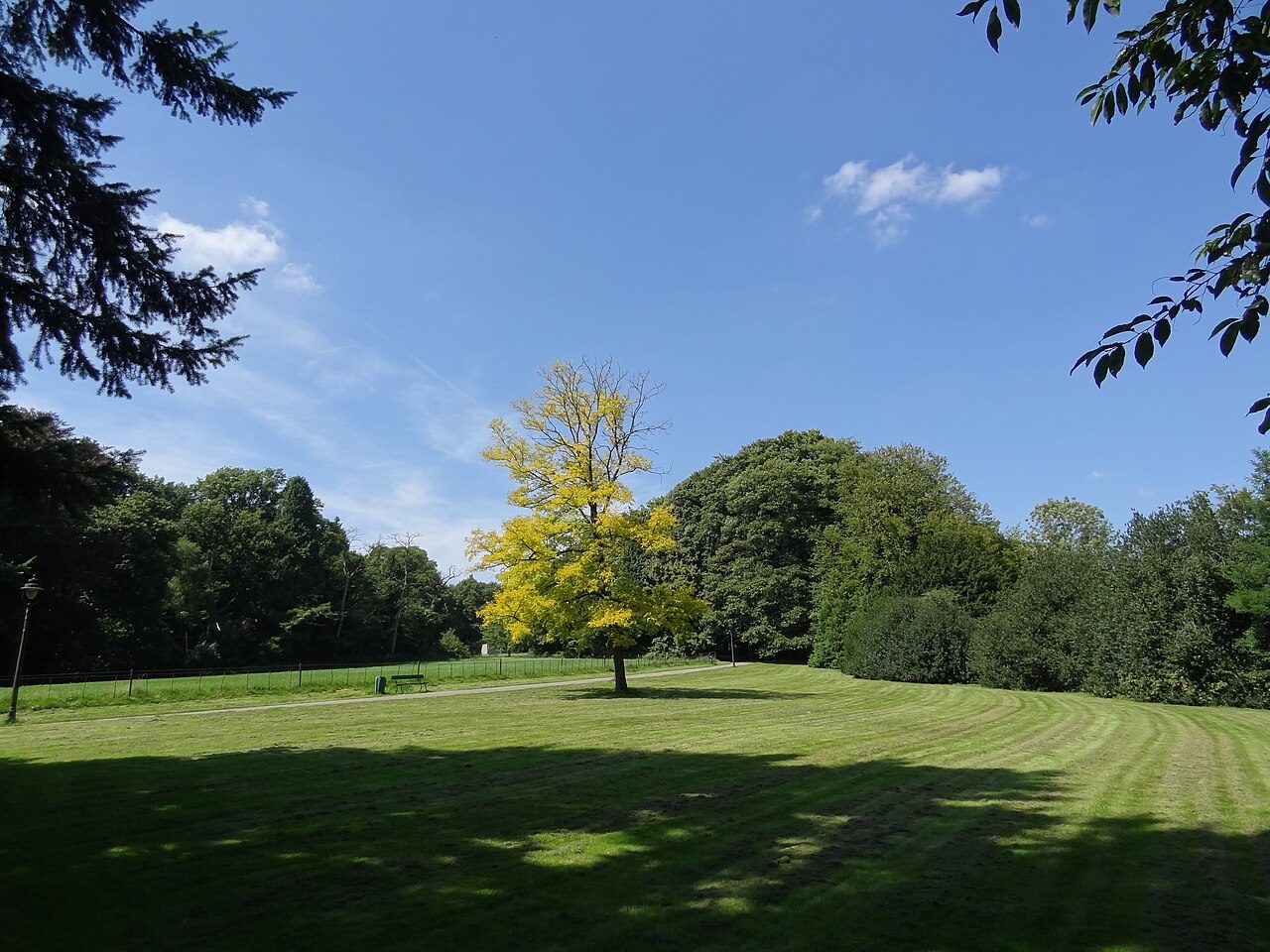
A wooded former country estate in northern Arnhem, with centuries-old sweet chestnuts, a Swiss chalet and a small statue of Paulus the Woodgnome among the trees.
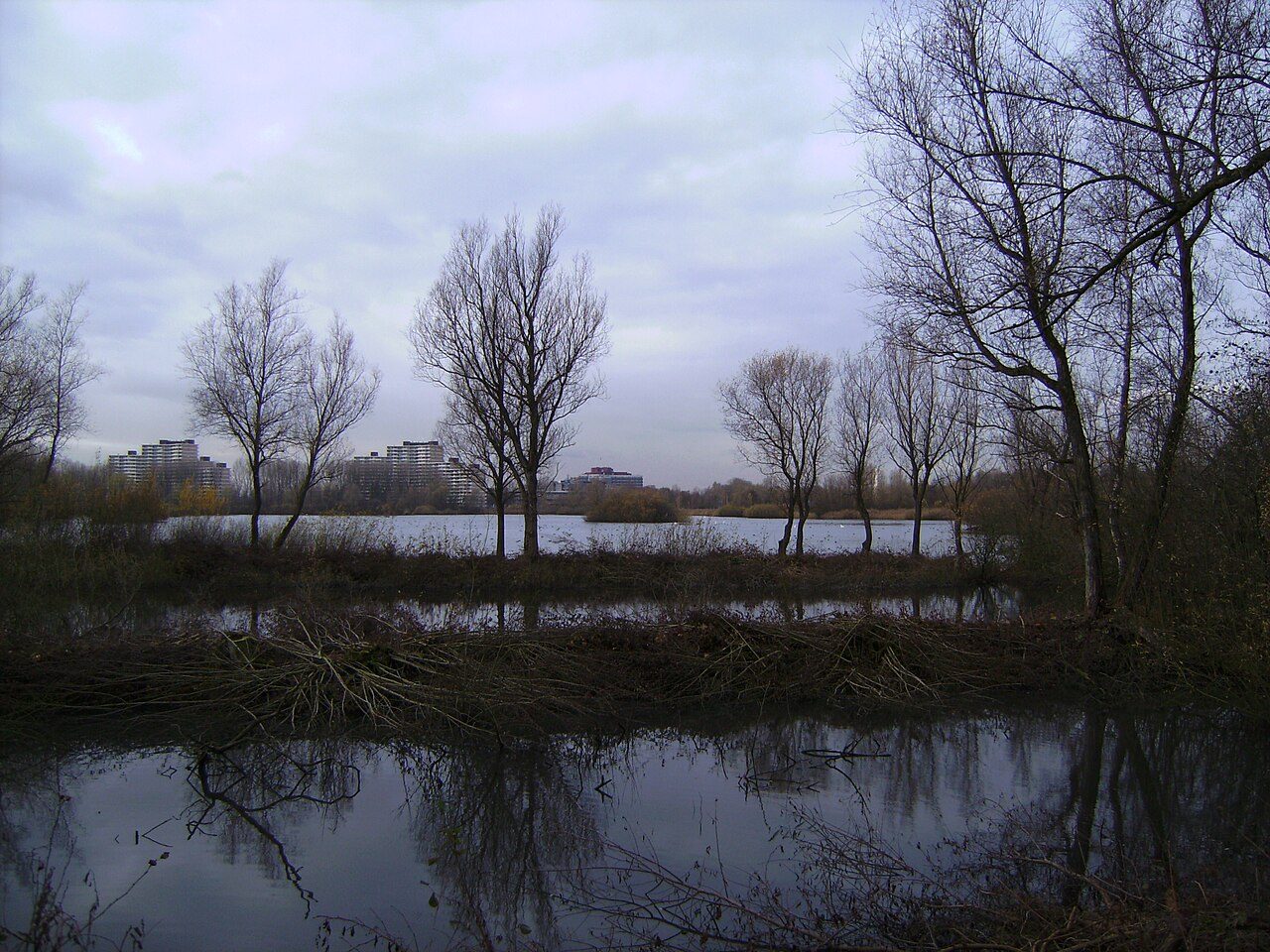
A lakeside park in Arnhem-Zuid, with open lawns, walks by the water, an 18-hole disc-golf course and Marius van Beek’s granite Gate of the Sun.
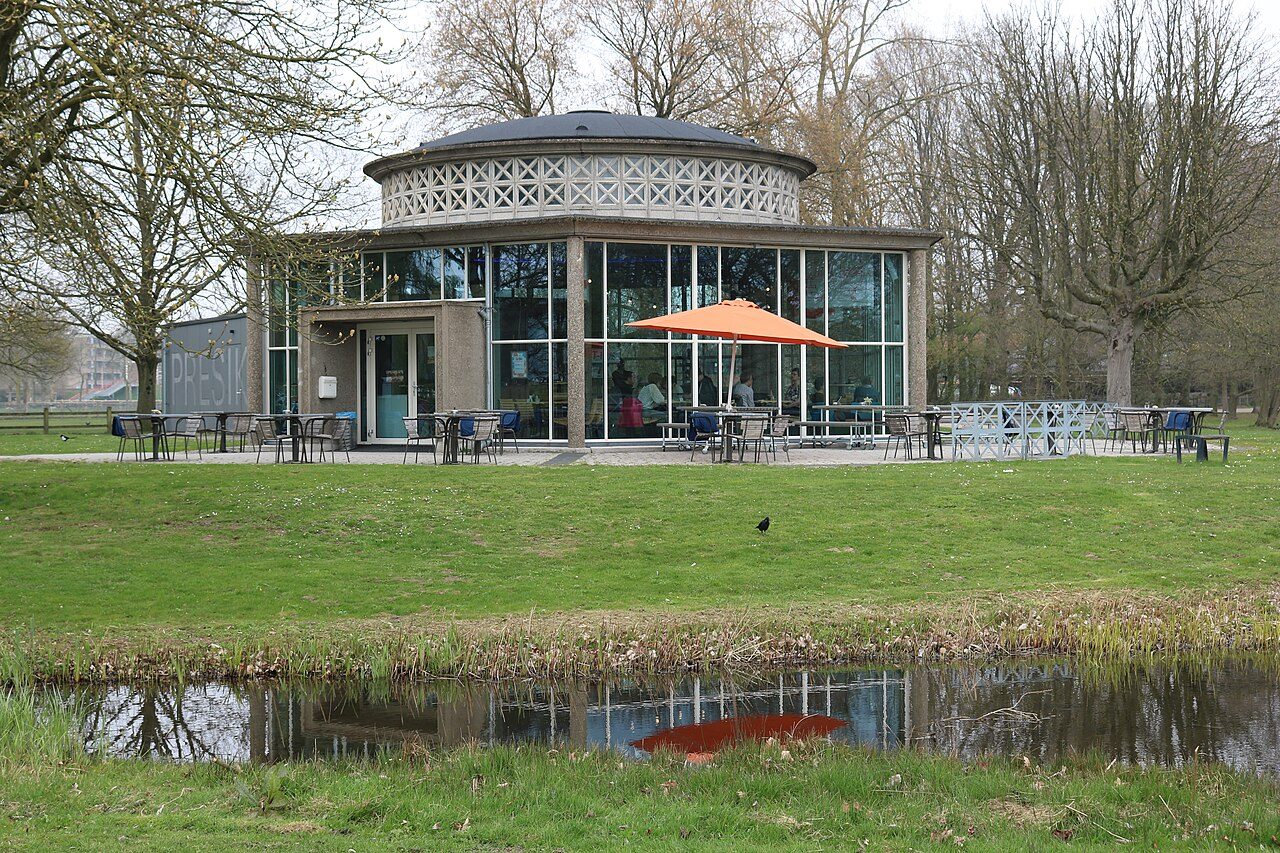
A neighbourhood park with water, picnic spots and a city farm, plus the T-Huis café in the rebuilt entrance pavilion of Arnhem’s old railway station.
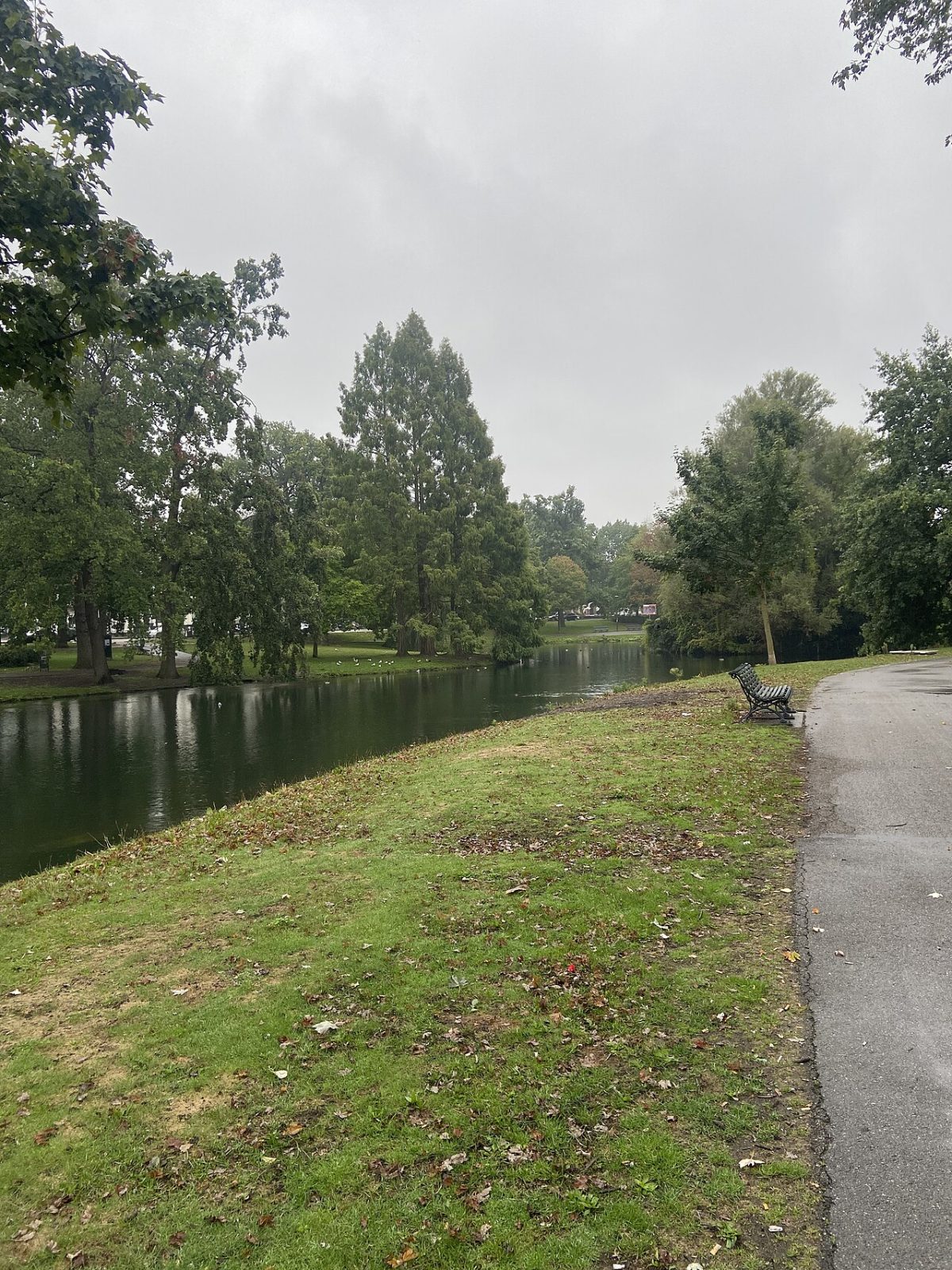
A waterside park beside Arnhem’s Musis Sacrum, where a circuit takes in the Lauwersgracht, a bell in the water, a nineteenth-century poplar and a statue of Pluto with a two-headed Cerberus.
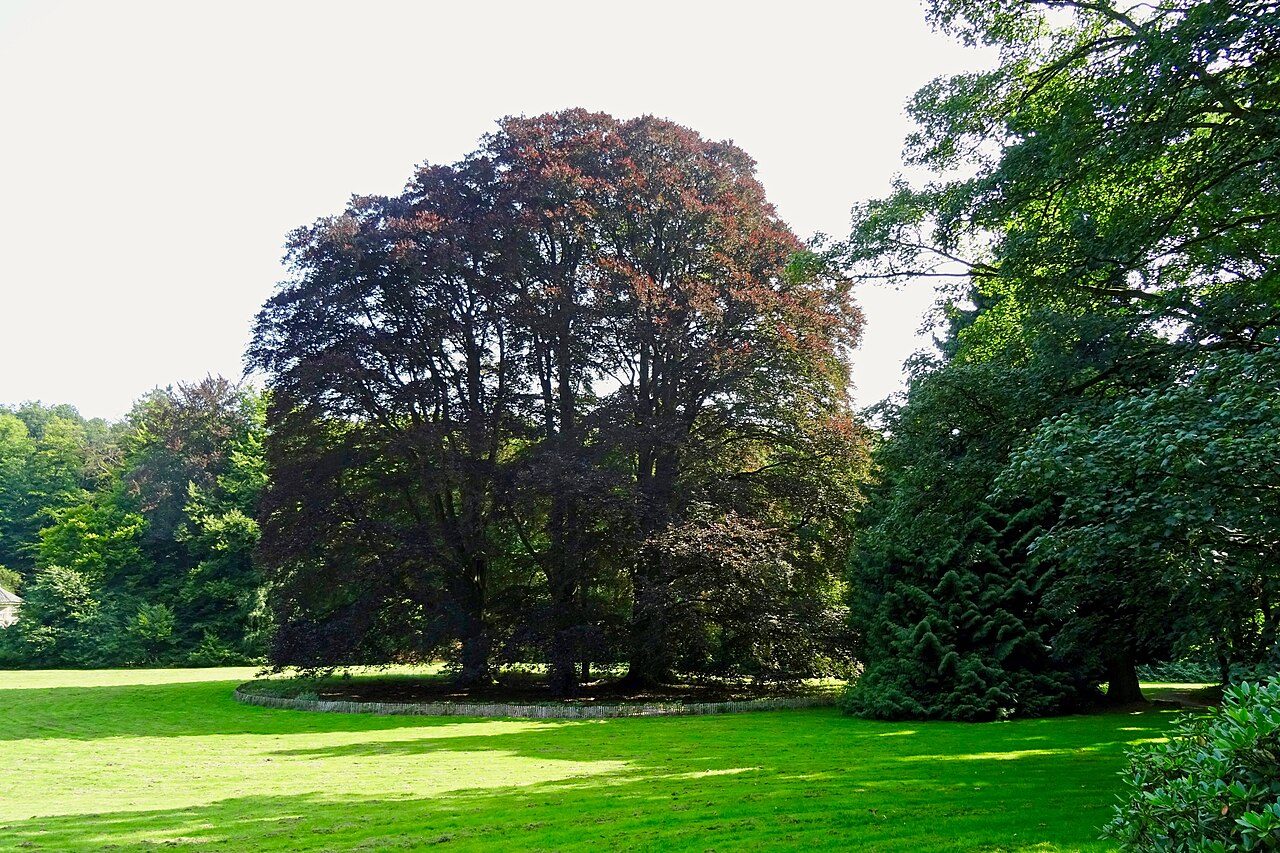
A wooded, rolling estate in northern Arnhem, with quiet paths following the Sint-Jansbeek past ponds and a country house. Marble Greek gods stand between the mirror ponds, with views across the water towards the house.
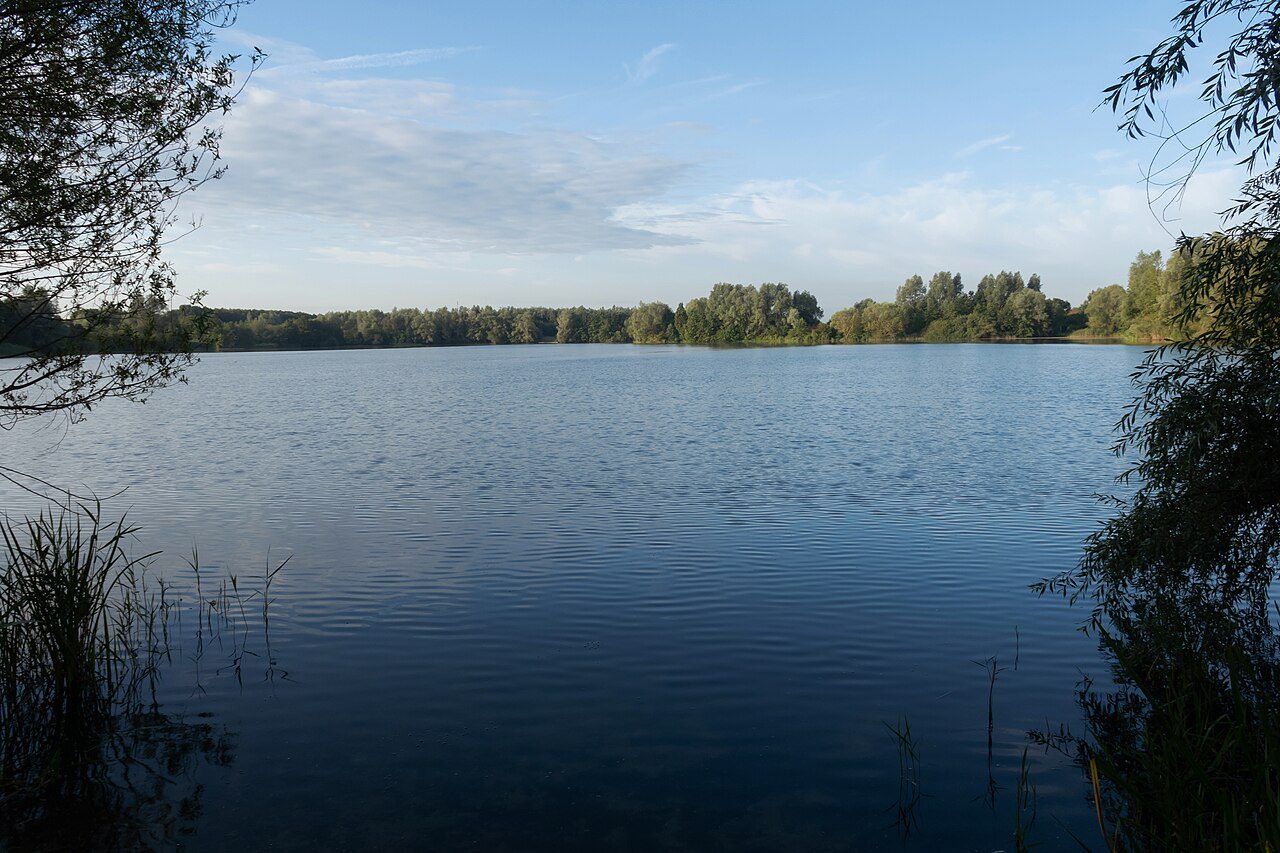
A large park between Arnhem and Nijmegen for walks along the Linge and through orchards, including a collection of more than 300 dwarf apple trees.
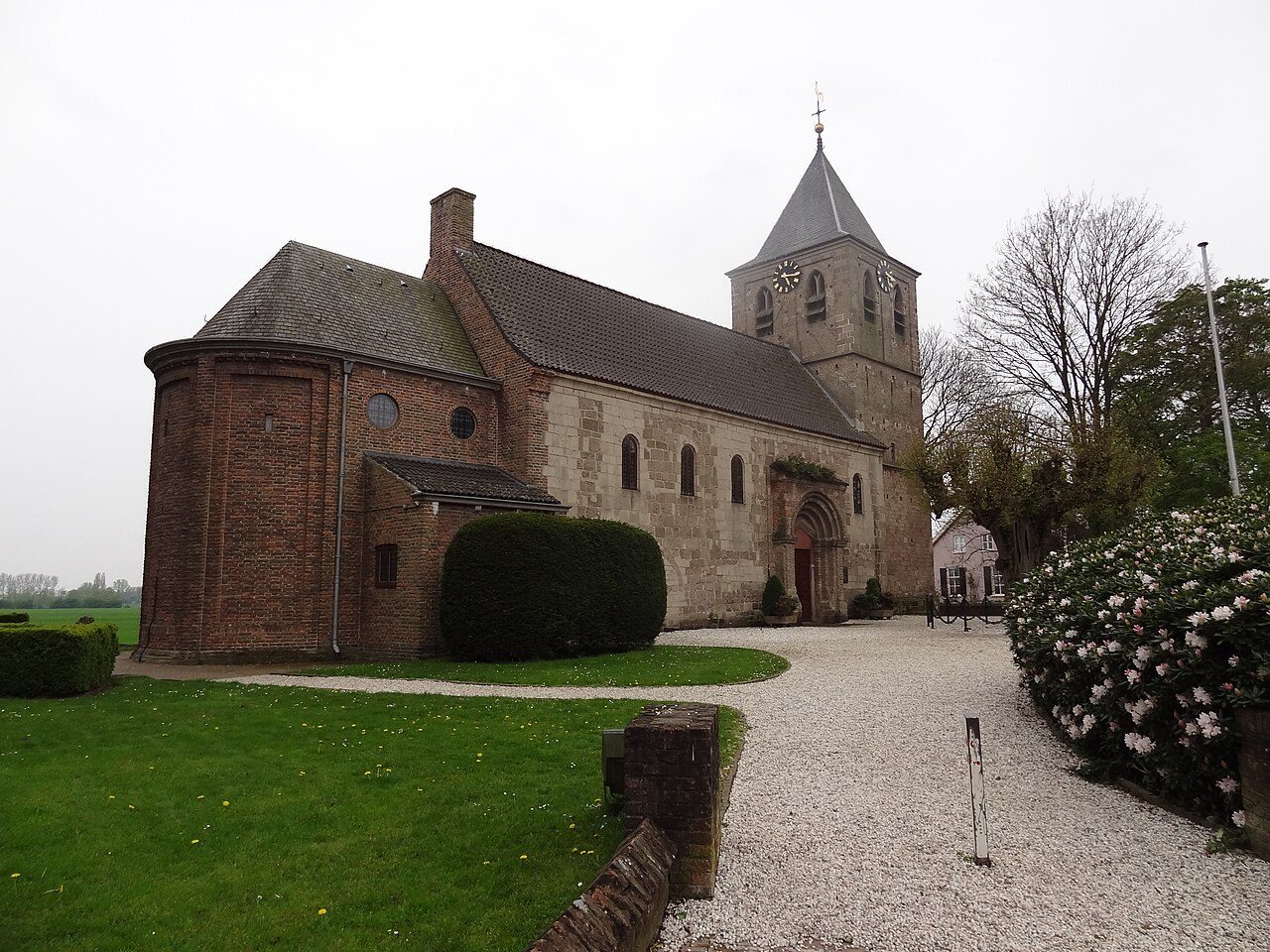
A medieval church with 10th-century origins, a parachute-shaped baptismal font and a cross rescued from wartime rubble. It served as a dressing station during the Battle of Arnhem in 1944.
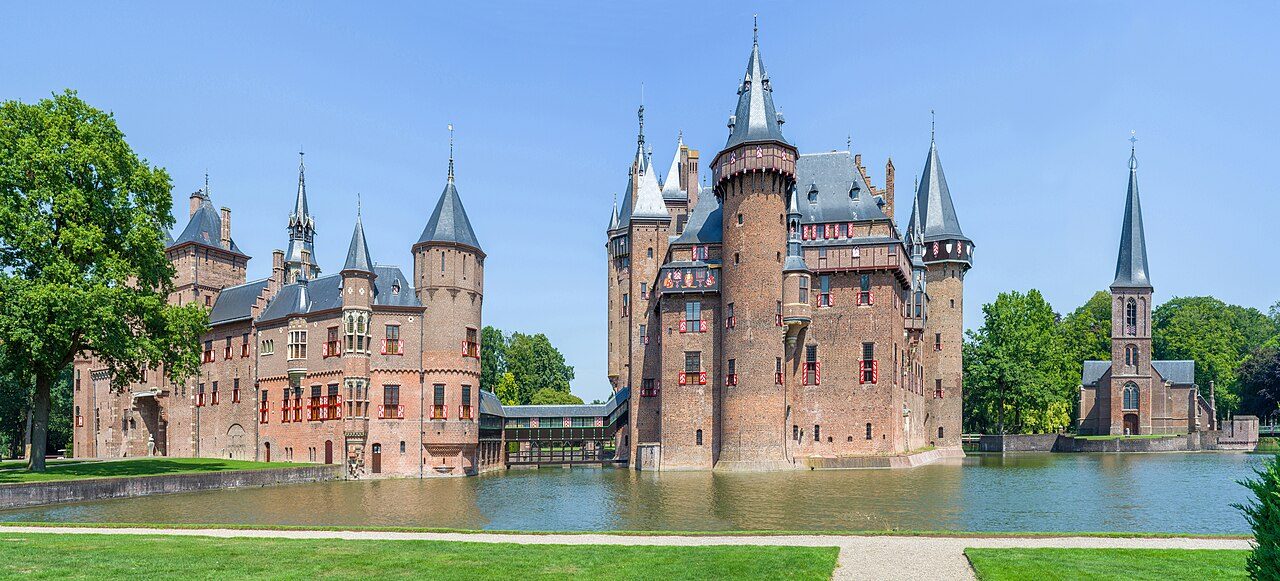
Kasteel de Haar in Haarzuilens is the Netherlands’ largest castle, with towers, richly decorated rooms and a landscaped park.
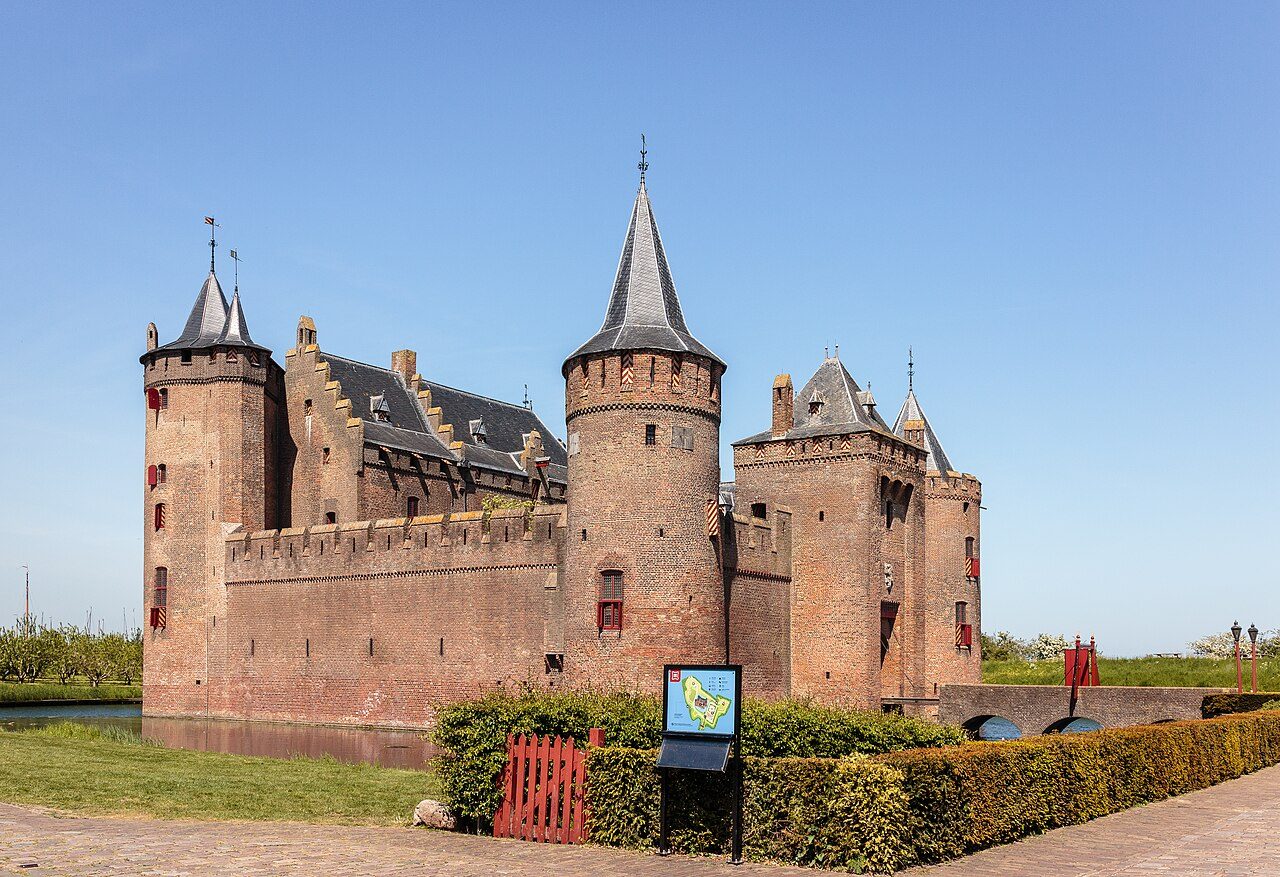
A medieval moated castle with four round towers, 17th-century rooms and gardens that recall P.C. Hooft’s summer gatherings.
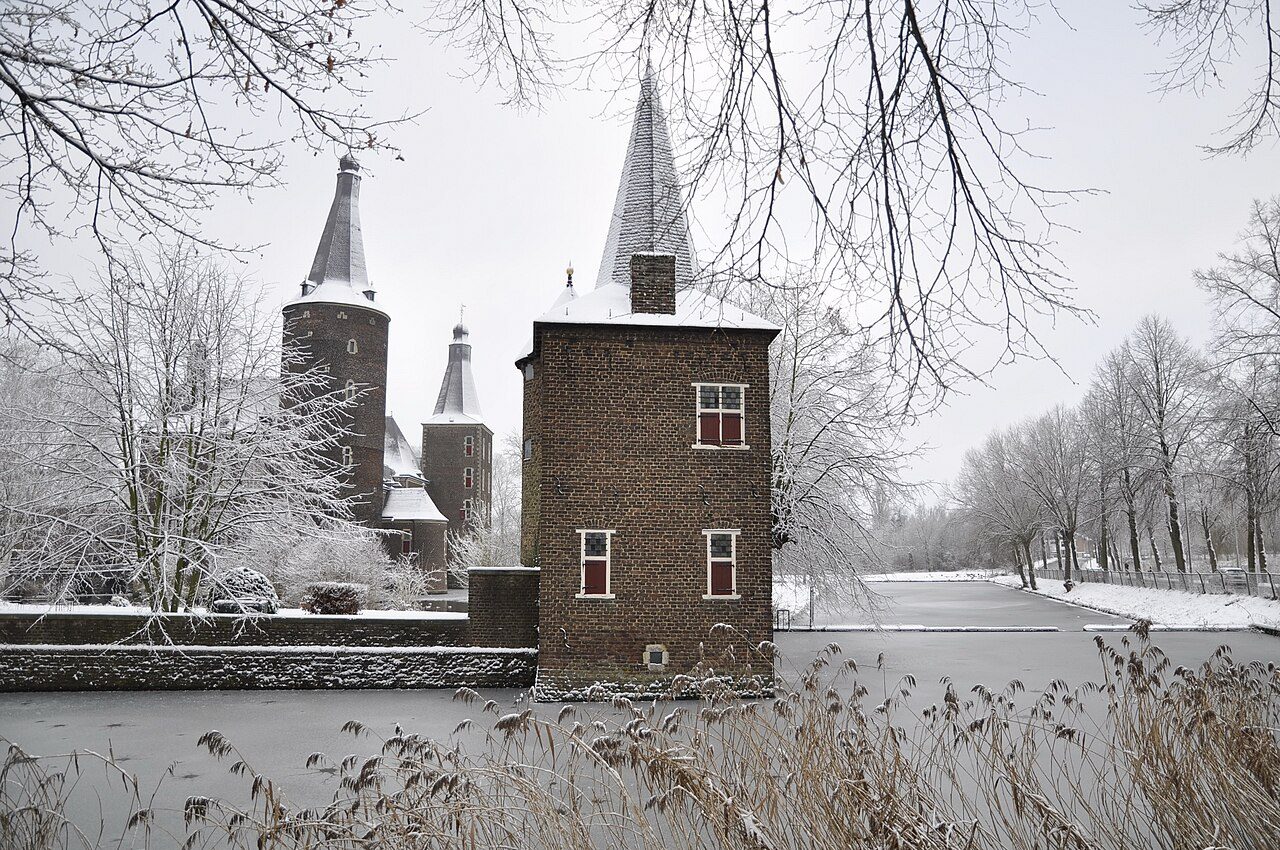
A moated castle with towers, courtyards and 67 rooms. Its medieval stronghold and aristocratic interiors span centuries of building and rebuilding.
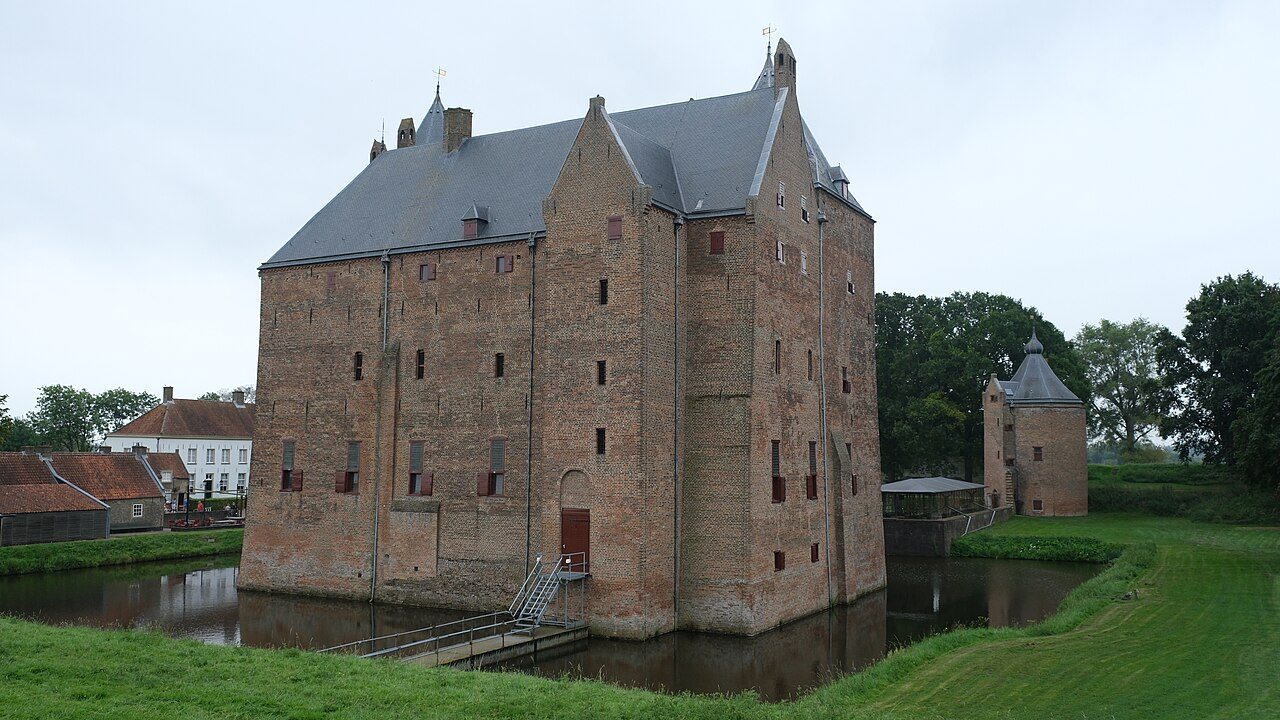
A moated castle and former state prison beside the Waal and the Afgedamde Maas, with towers, earthworks and stories of escape.
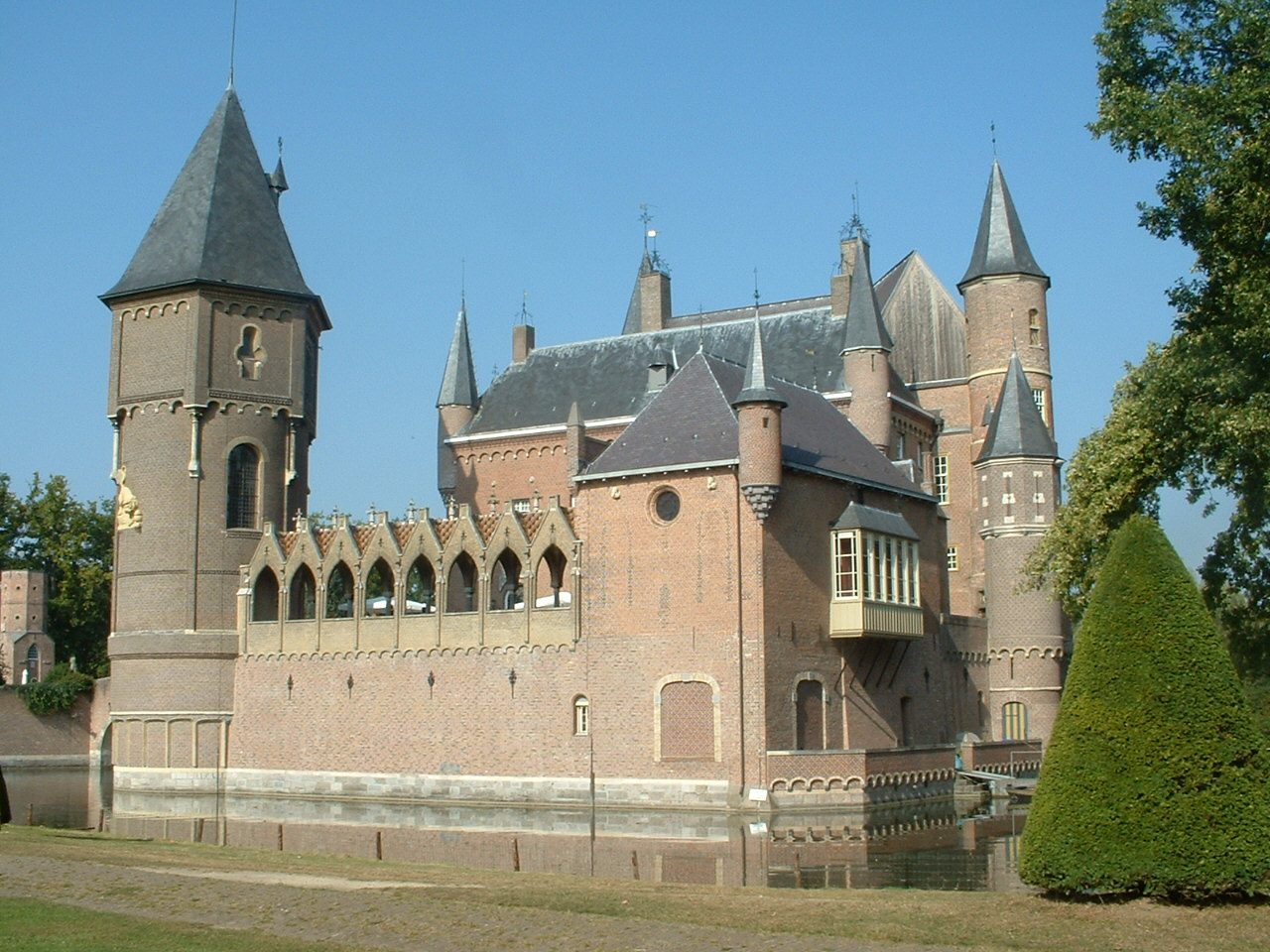
A moated castle near Heeswijk, with towers, water and museum rooms shaped by nineteenth-century collectors. Its interiors hold carved wood, paintings and reused objects.
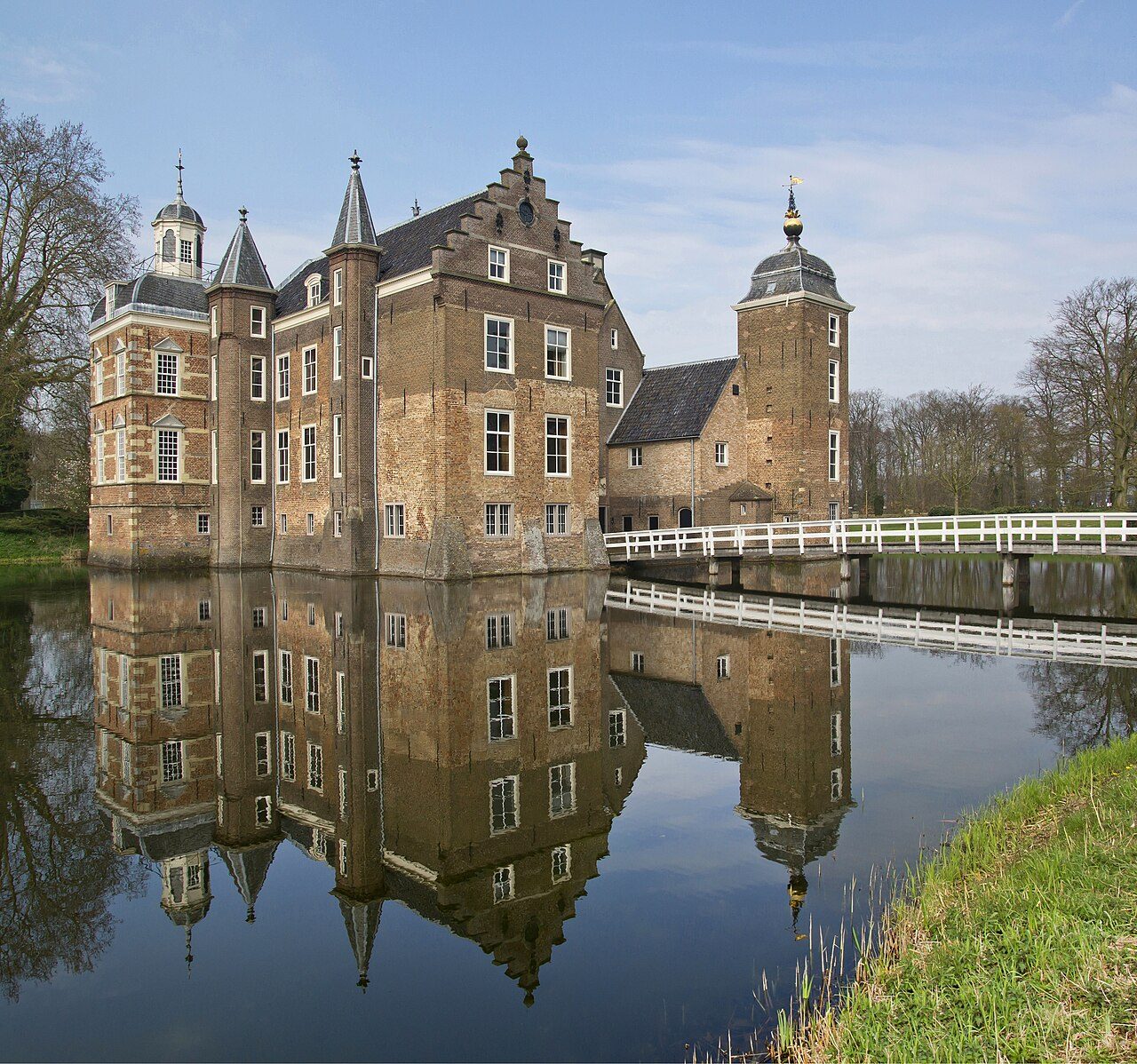
A castle museum in Berkelland, Gelderland, with a clock that once told local people they were almost home.
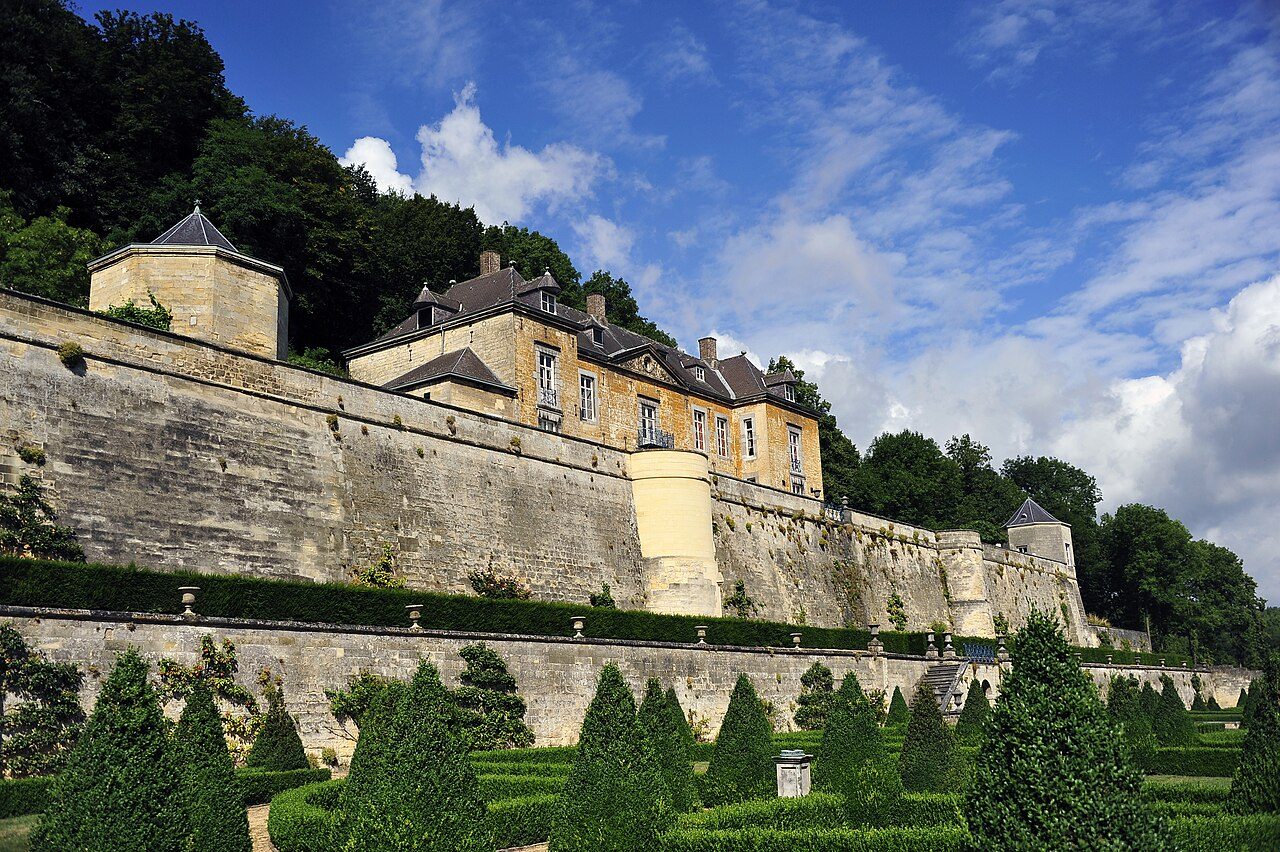
The Netherlands’ only terraced castle, with ochre-painted walls, formal gardens and views towards the Sint-Pietersberg. Former quarry passages serve as wine cellars.
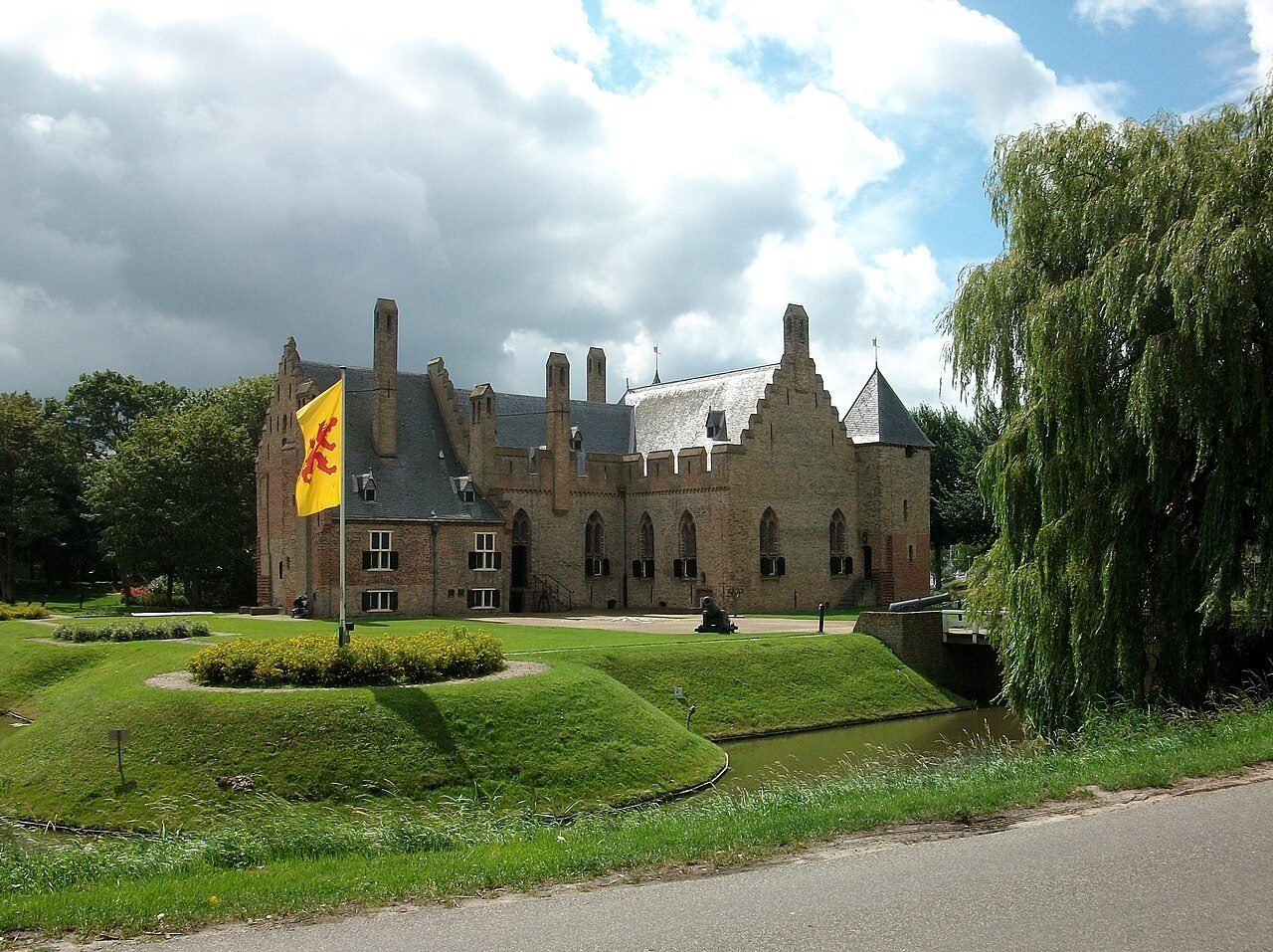
A medieval castle beside Medemblik’s harbour, with surviving towers, residential rooms and a Knights’ Hall whose beamed ceiling was reinstated.
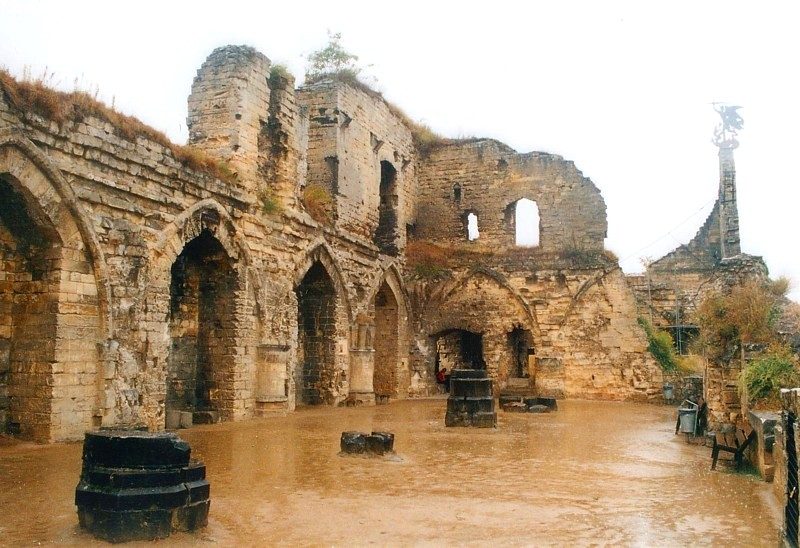
A ruined hilltop castle above the Geul valley, with defensive walls, fragments of living quarters and passages beneath the hill.
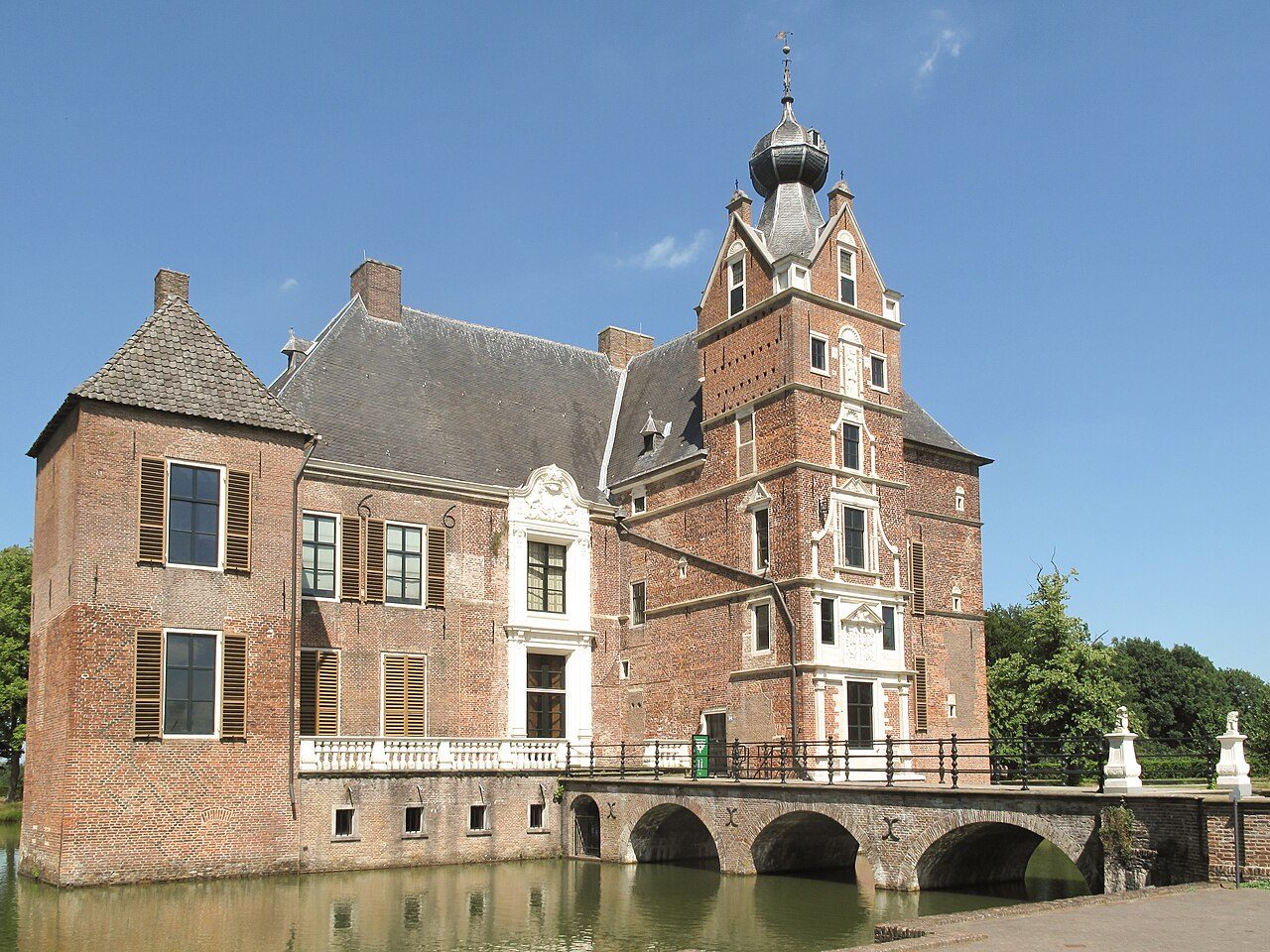
A castle in Epe, Gelderland, with a seated Maarten van Rossem outside and a portrait whose journey home took roughly 150 years.
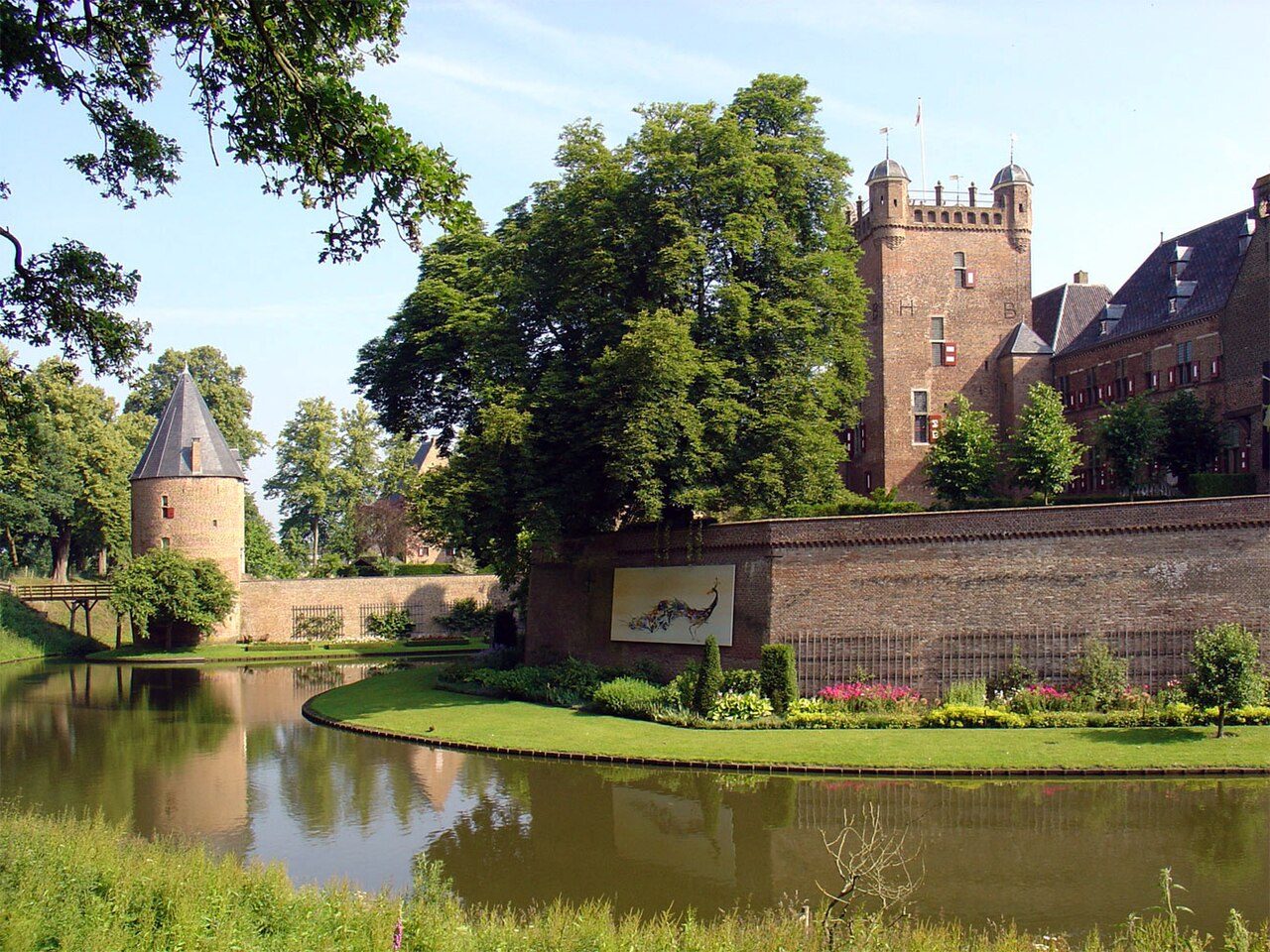
Huis Bergh is the Netherlands’ largest moated castle and the ancestral seat of the counts of Bergh. Allow time for both the building and the early Italian art inside.
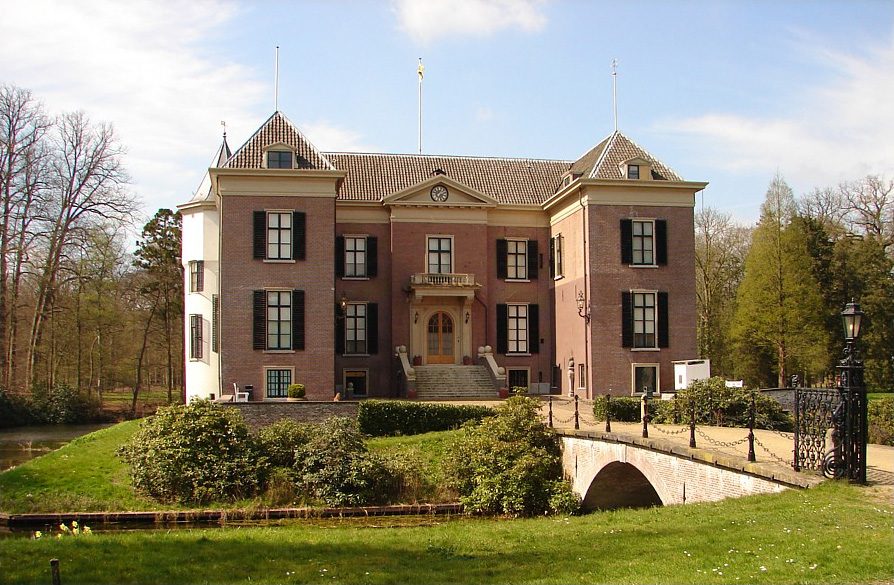
A manor house and national museum with rooms still largely furnished as they were when Germany’s last emperor lived here, and a wooded park with his mausoleum.
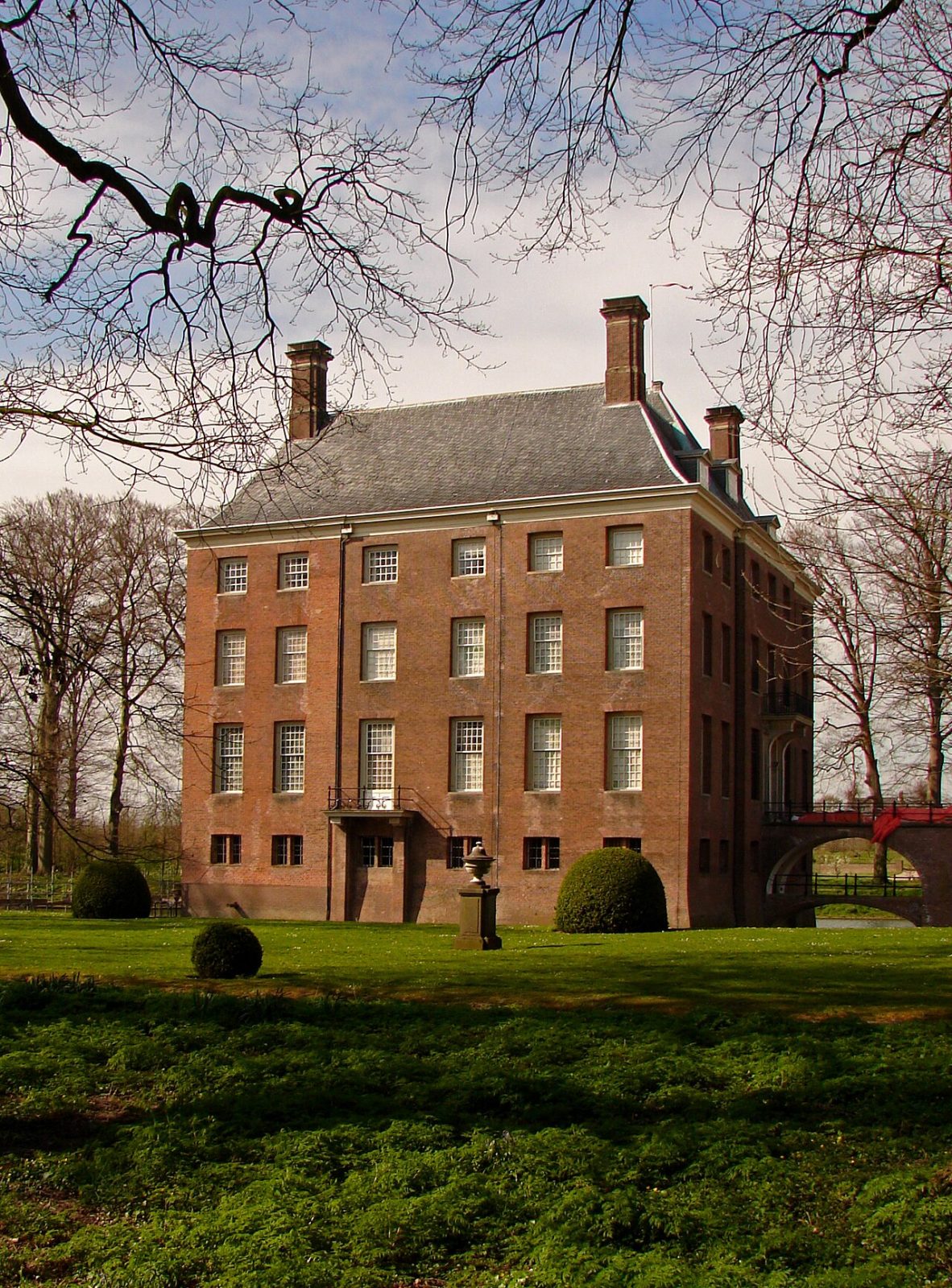
A country house beside Amerongen village, with family portraits, gardens and the desk where Wilhelm II signed his abdication.
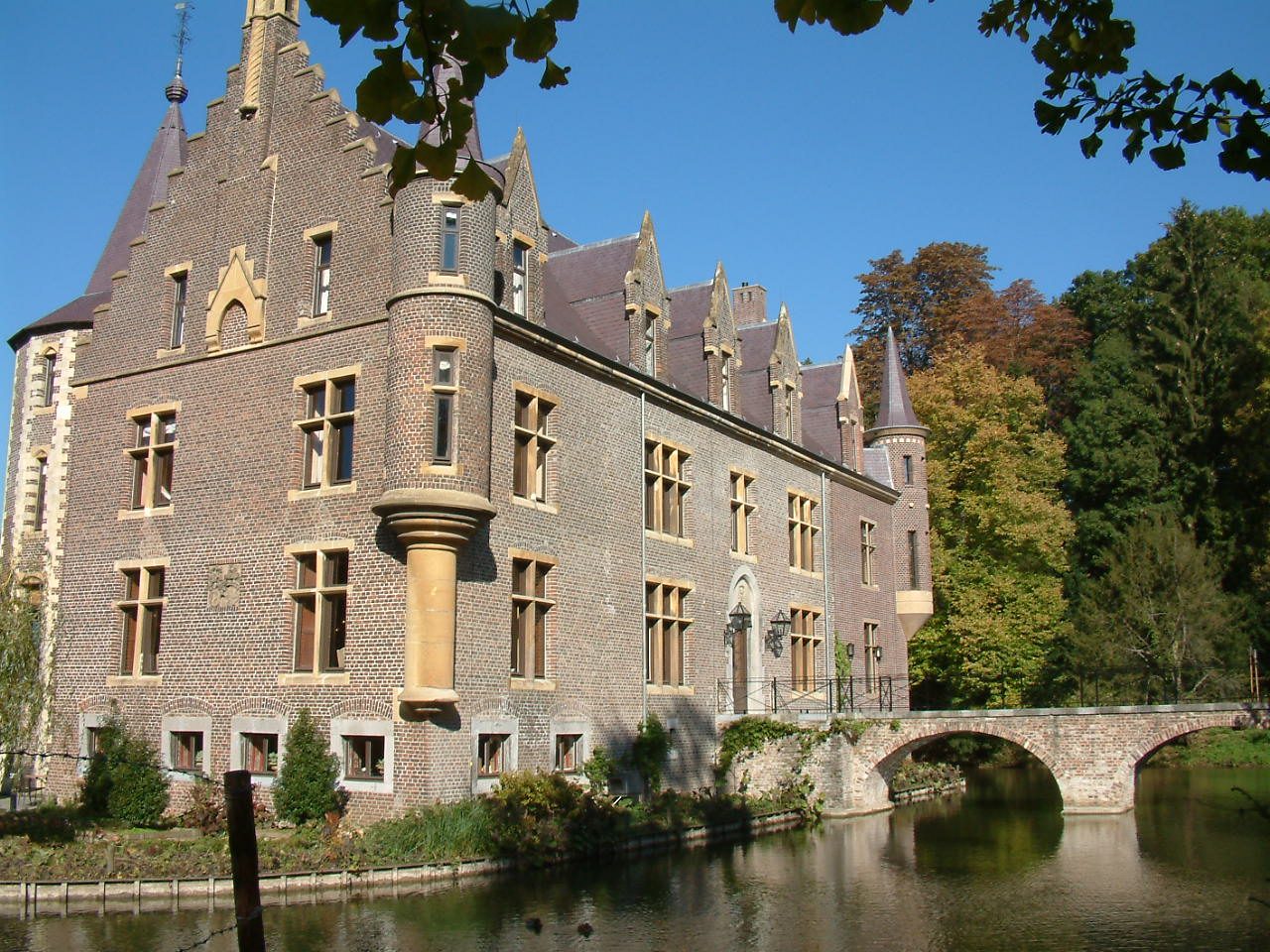
A castle in Heerlen with stories of rebuilding, wartime soldiers and local children. Its surrounding landscape brought thousands of people onto the streets.
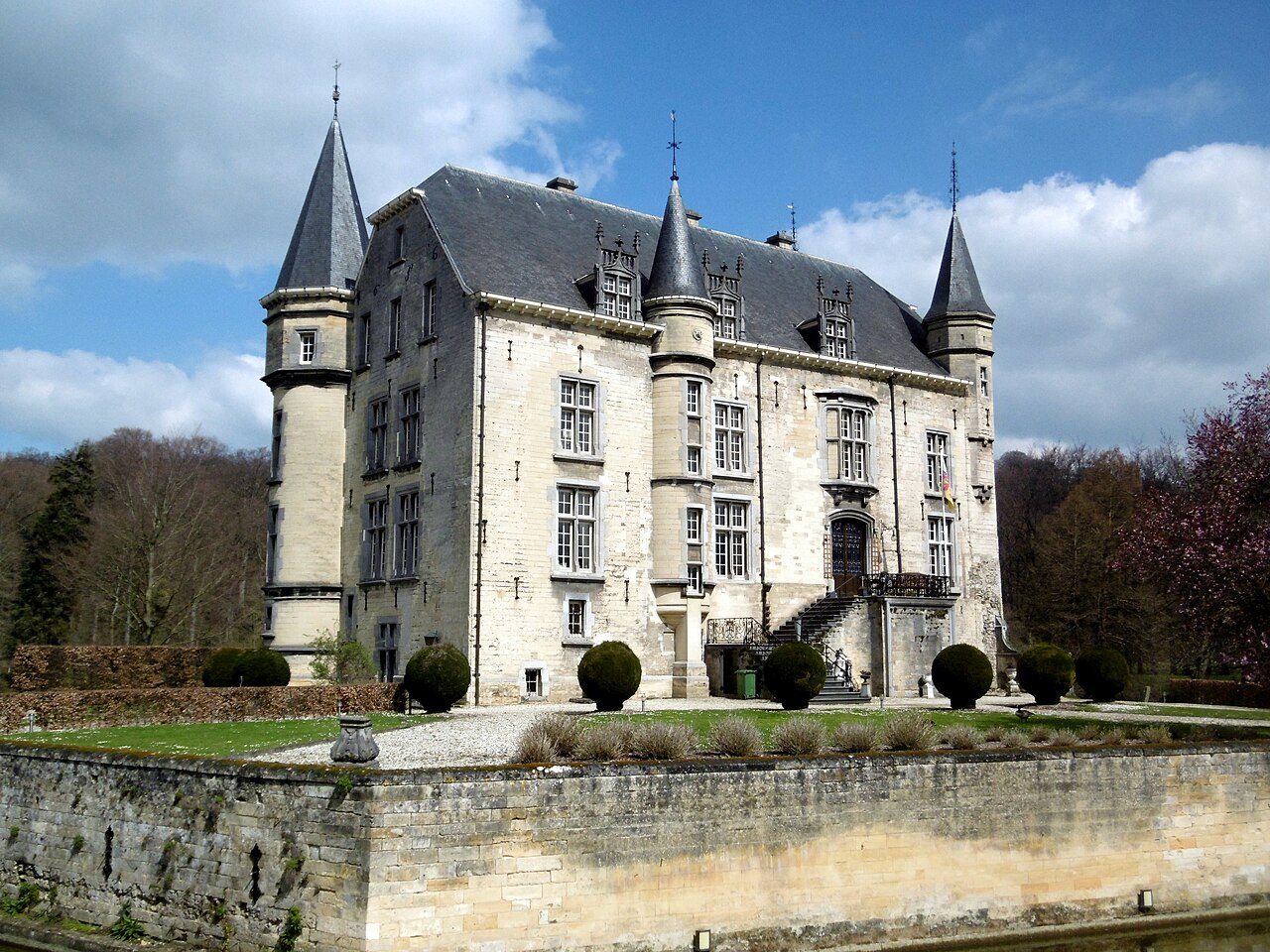
A moated marlstone castle in Oud-Valkenburg, with pale stone, towers and a watermill. Come for the exterior and the surrounding landscape.
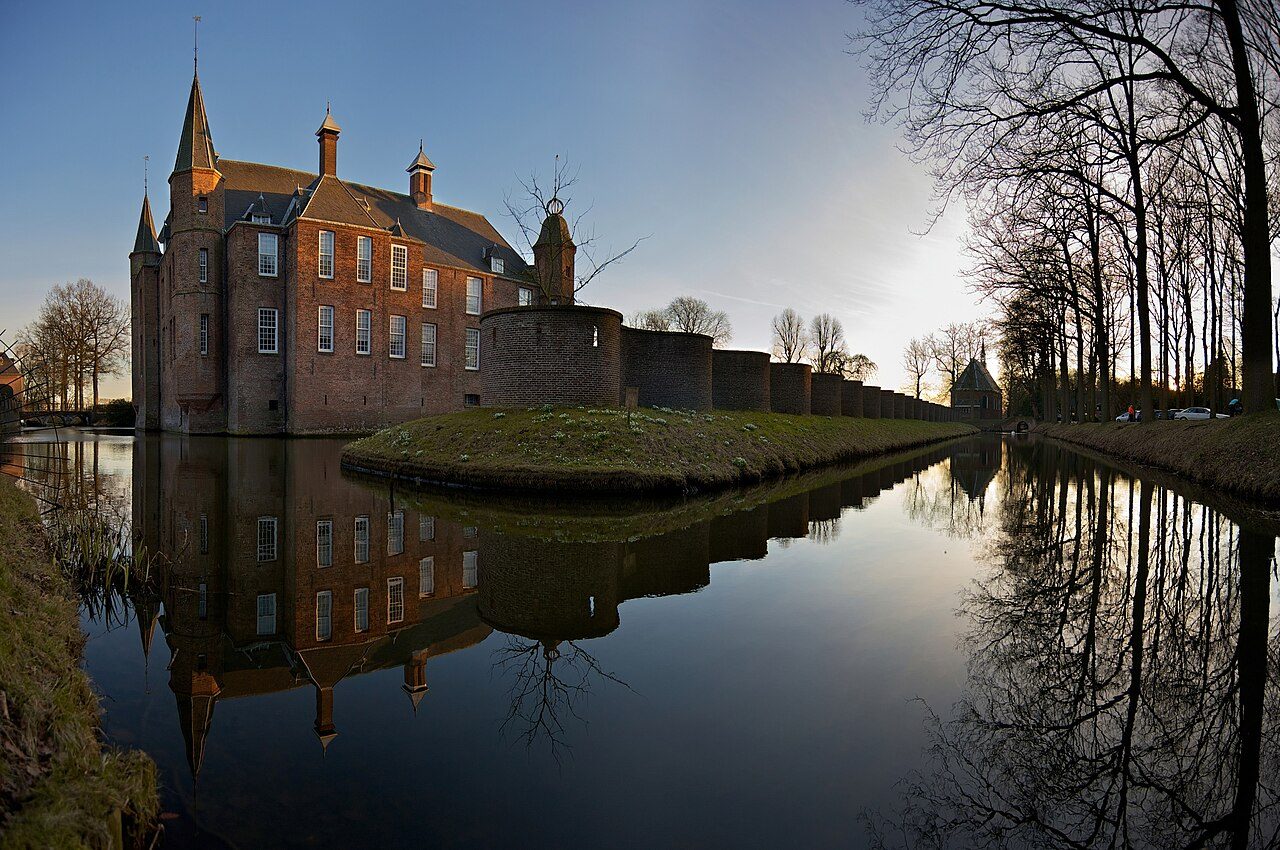
A castle museum near Utrecht with furnished rooms, family possessions and a garden enclosed by a curving brick wall. Once home to the writer Belle van Zuylen.
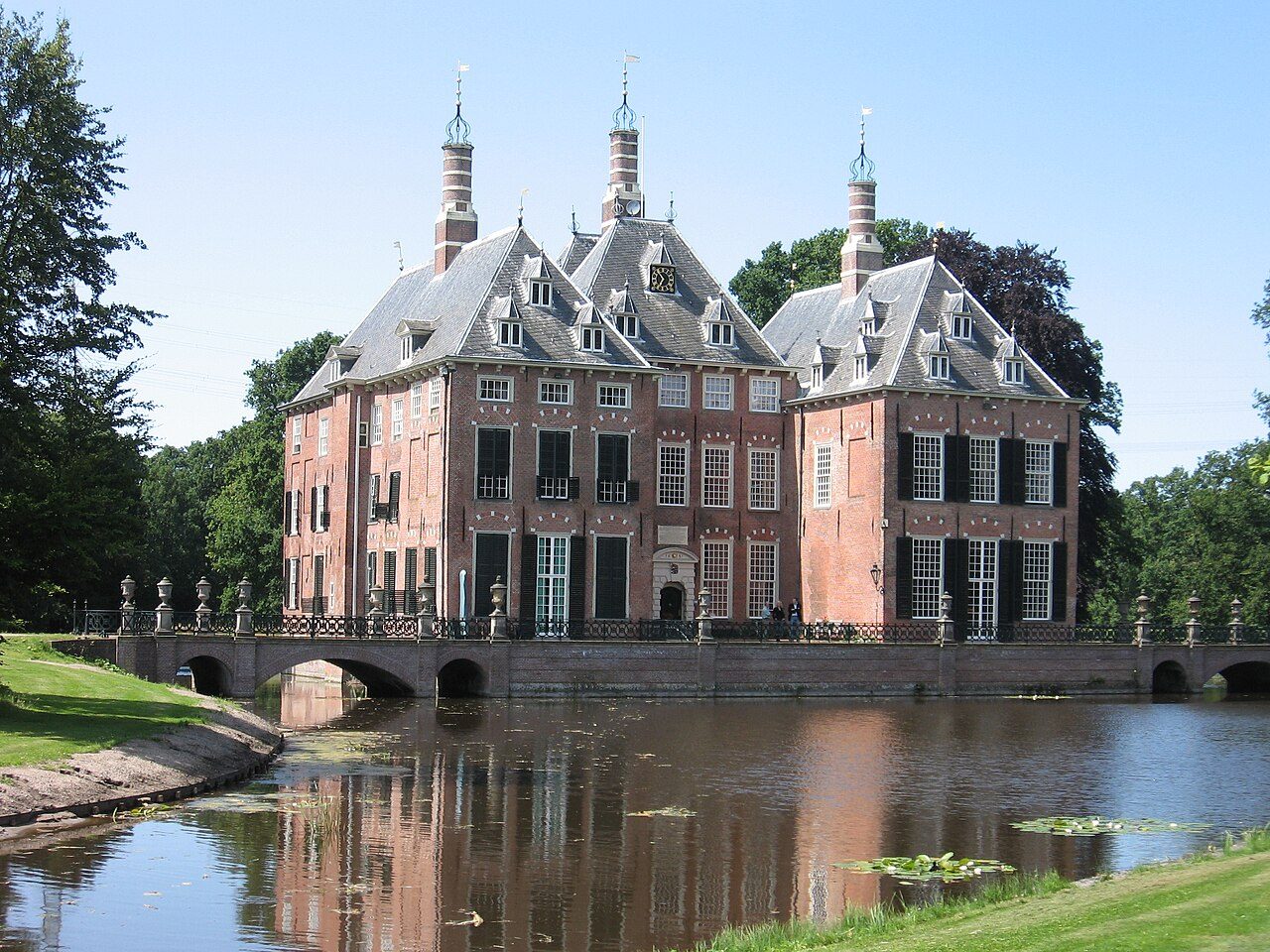
A moated country house with family portraits inside and a landscape park around it. Water and open views frame the house.
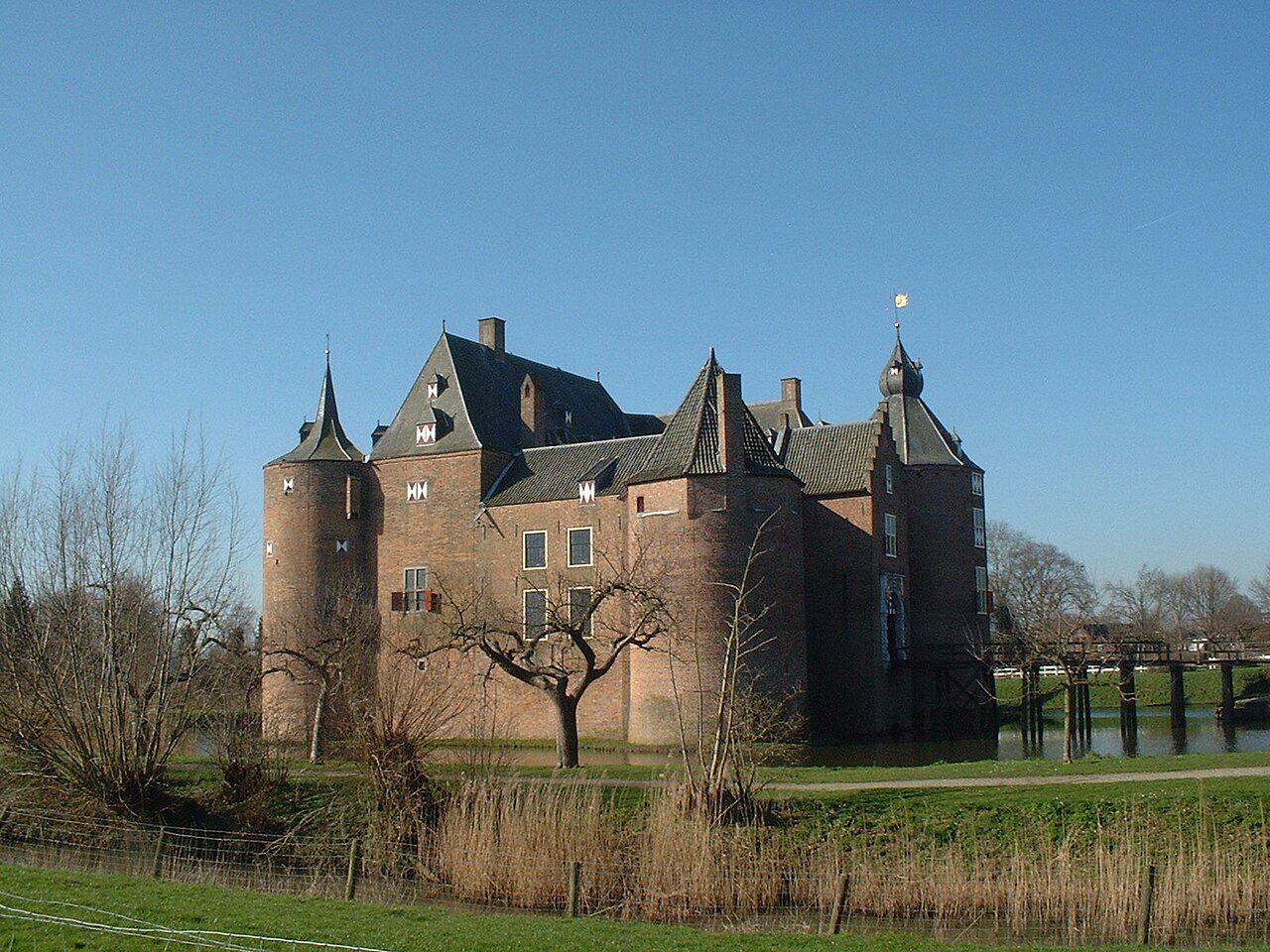
A medieval moated castle with four corner towers, a brewing oven beneath the cellar floor and moat finds that bring centuries of daily life into view.
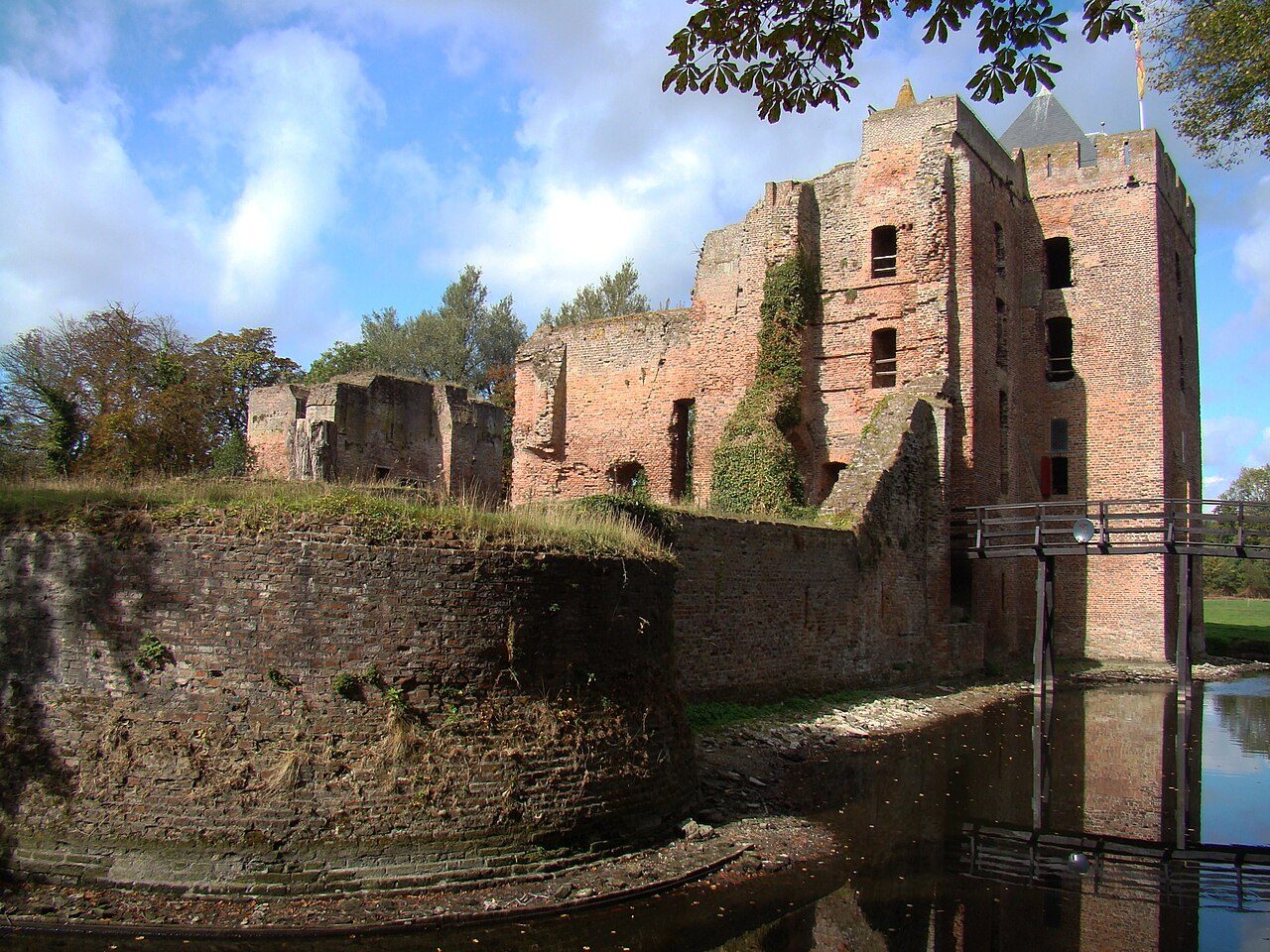
A medieval castle ruin at Santpoort-Zuid, with broken walls, a keep you can climb and a fallen wall still visible in the moat.
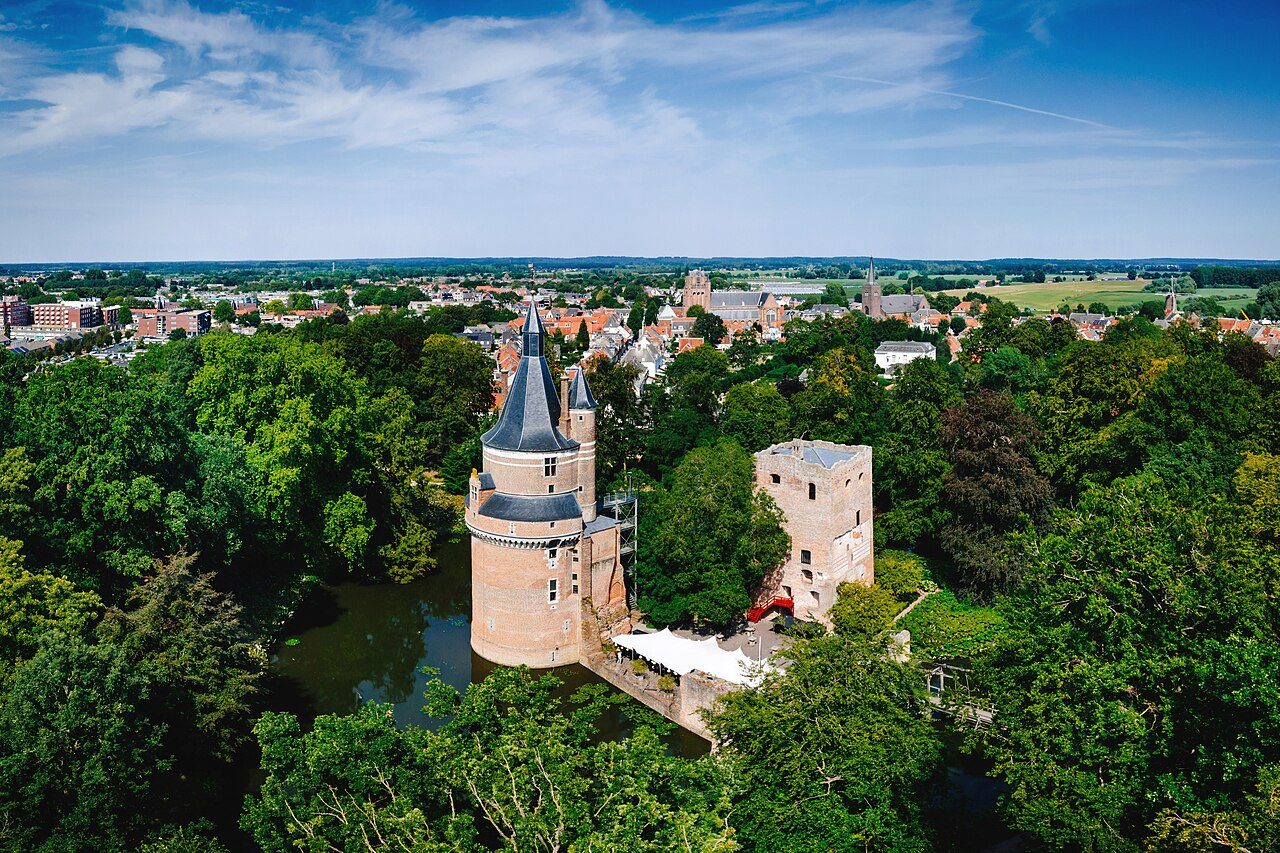
A medieval castle in Wijk bij Duurstede, with two surviving towers, low walls and a moat. Its surviving outlines show how much larger the castle once was.
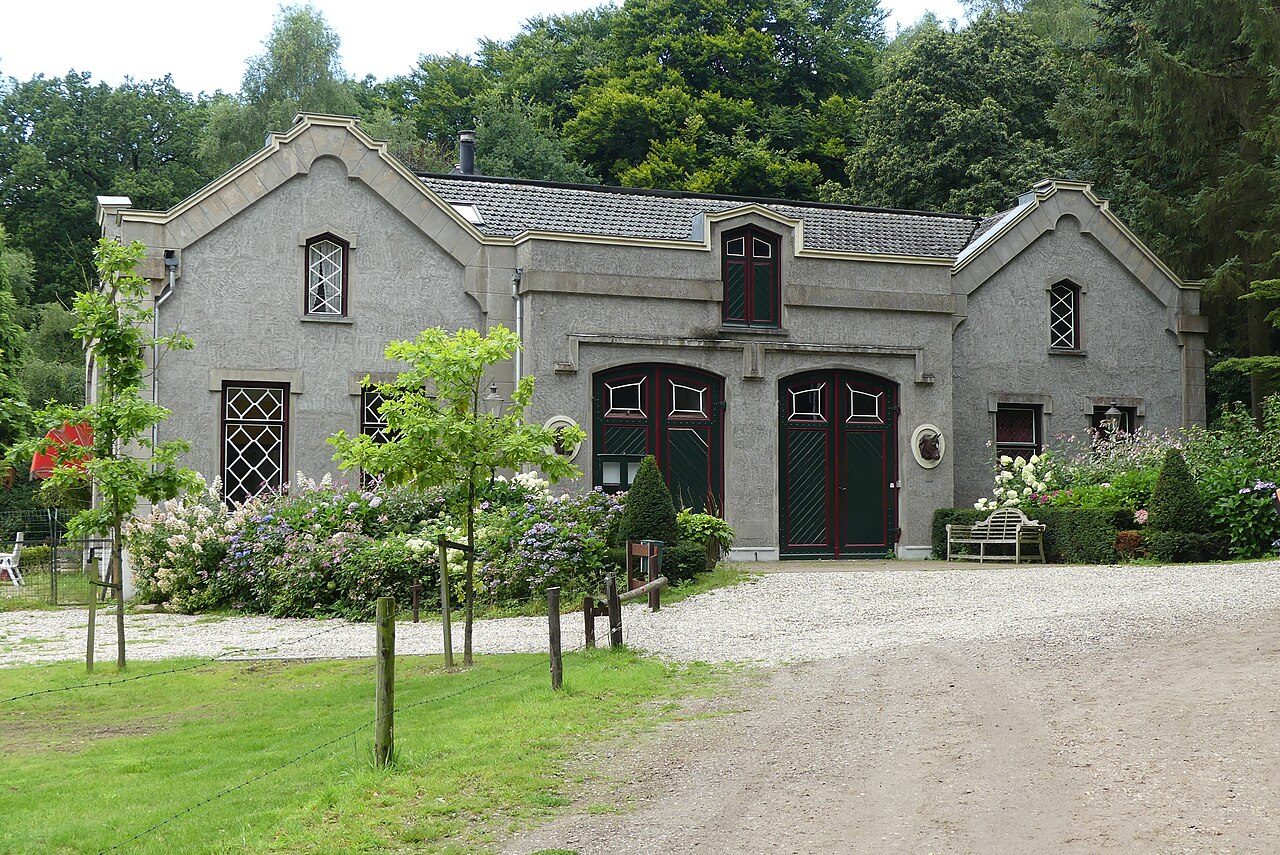
A hilly country estate near Rheden, with walks through woodland and farmland, the Rheden sheep flock and a wooden Norwegian house among its surviving estate buildings.
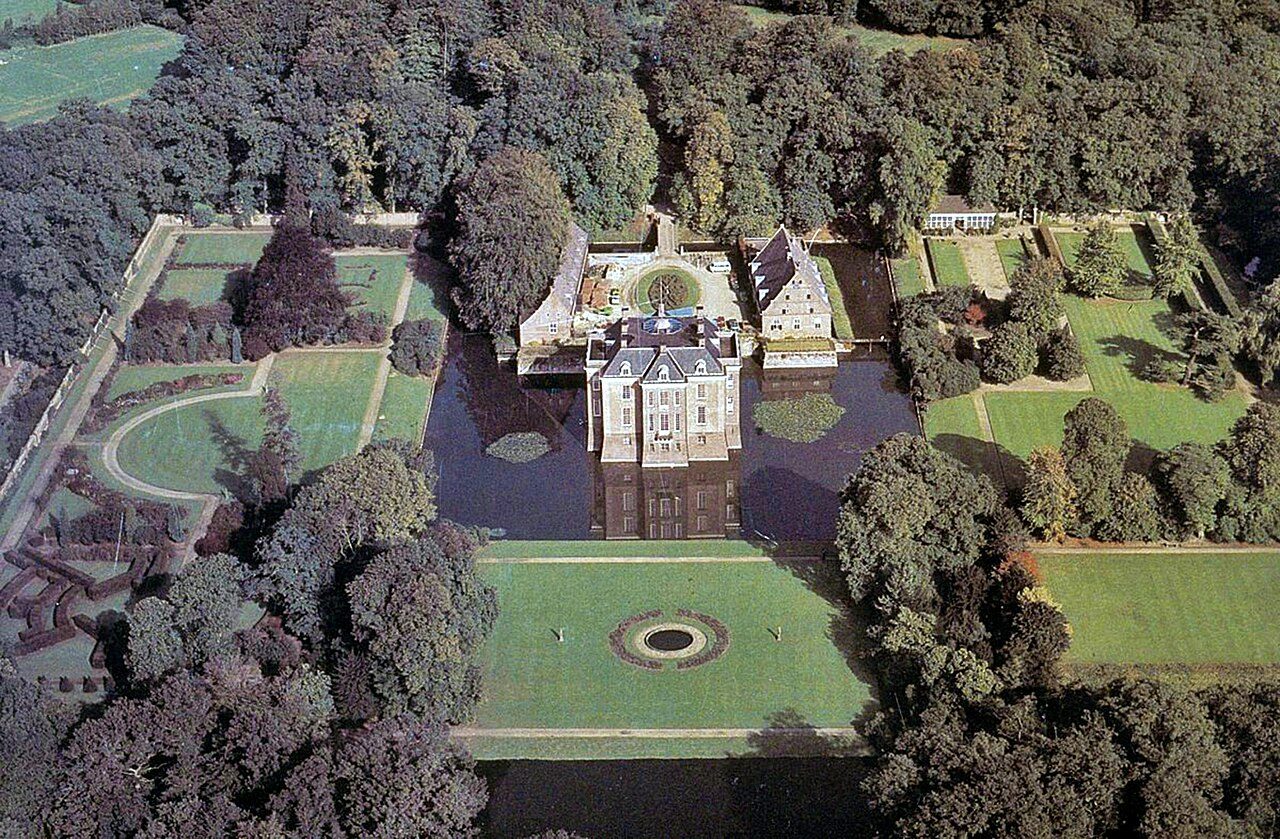
A moated castle in De Steeg with formal gardens and tree-lined avenues. Its dramatic open staircase turns family achievement into something you physically walk through.
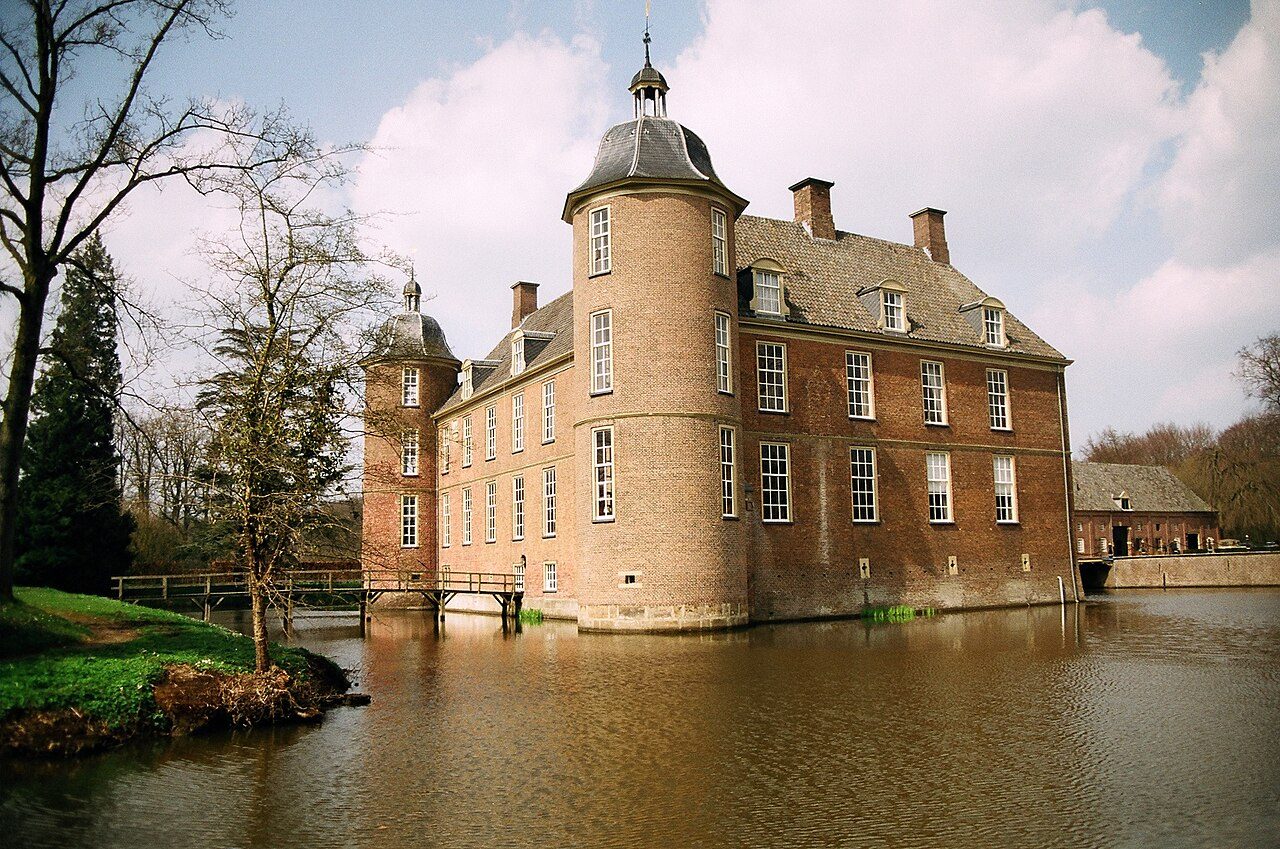
A castle and estate east of Doetinchem, with rooms painted in memory of a young wife and centuries-old avenues following a trapezoid-shaped plan.
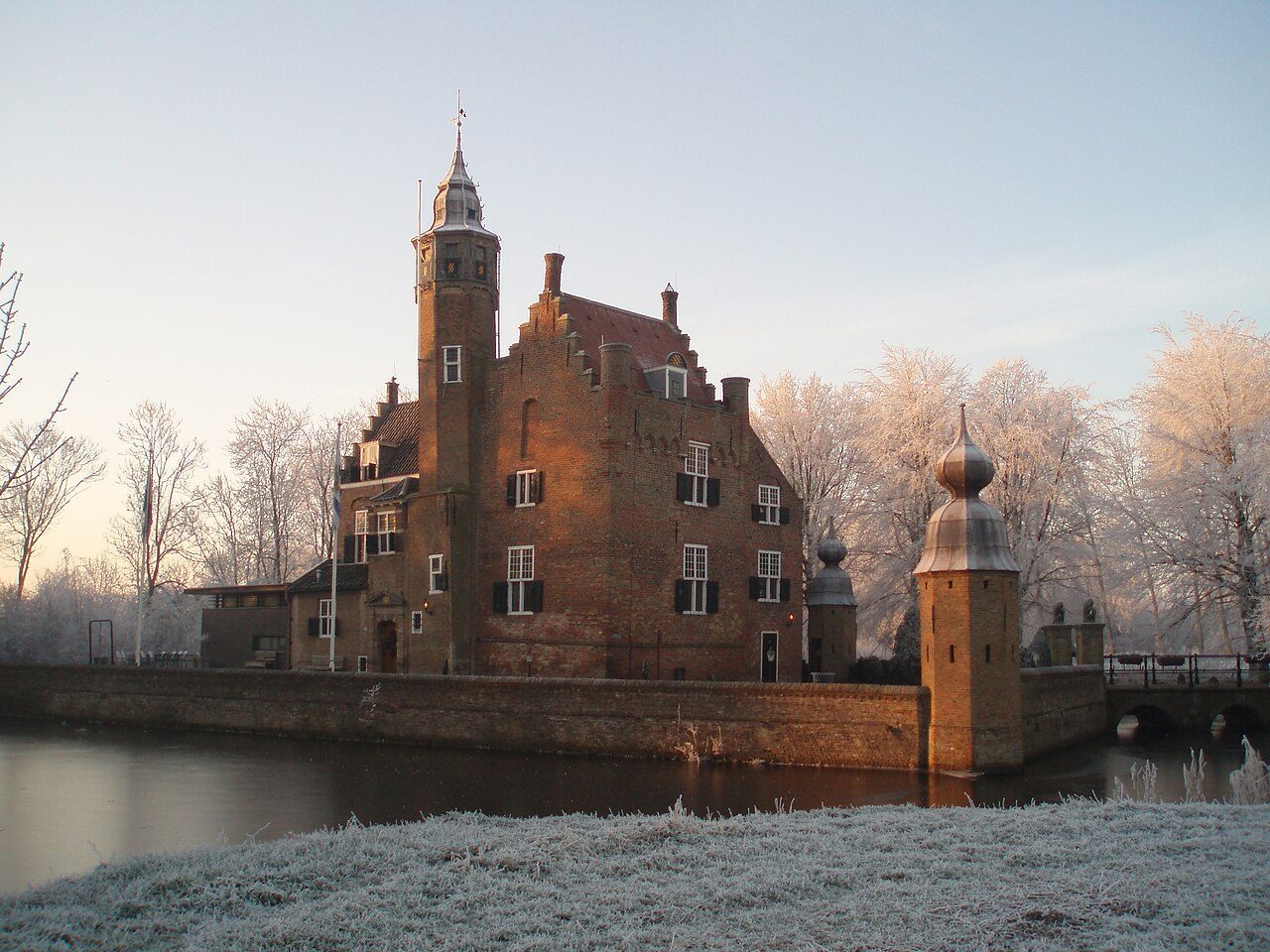
A moated brick castle in Renesse, with a square main building shaped by repeated rebuilding. Come for the exterior and the view across the moat.
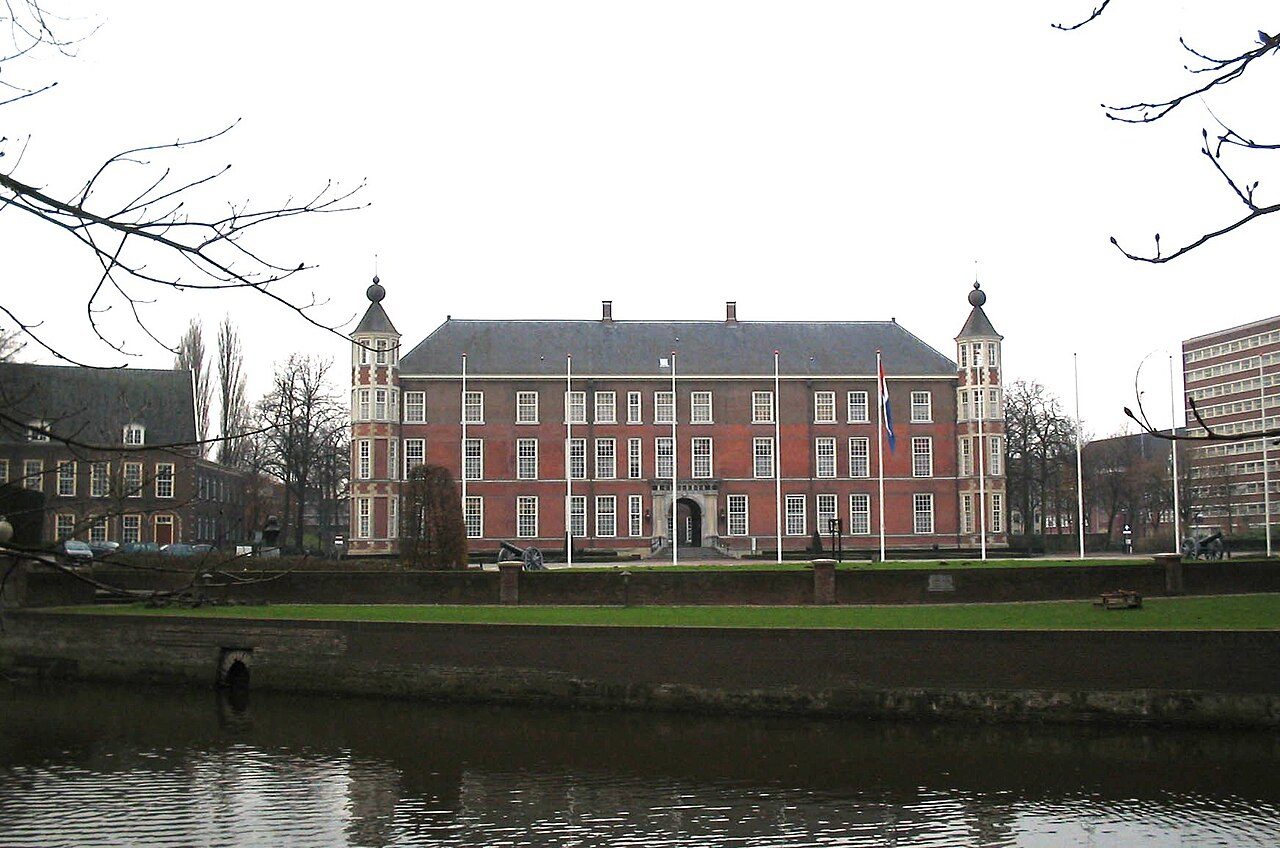
Kasteel van Breda is a former Nassau residence that now houses the Royal Military Academy. Its waterside towers and arched water gate recall the old fortifications.
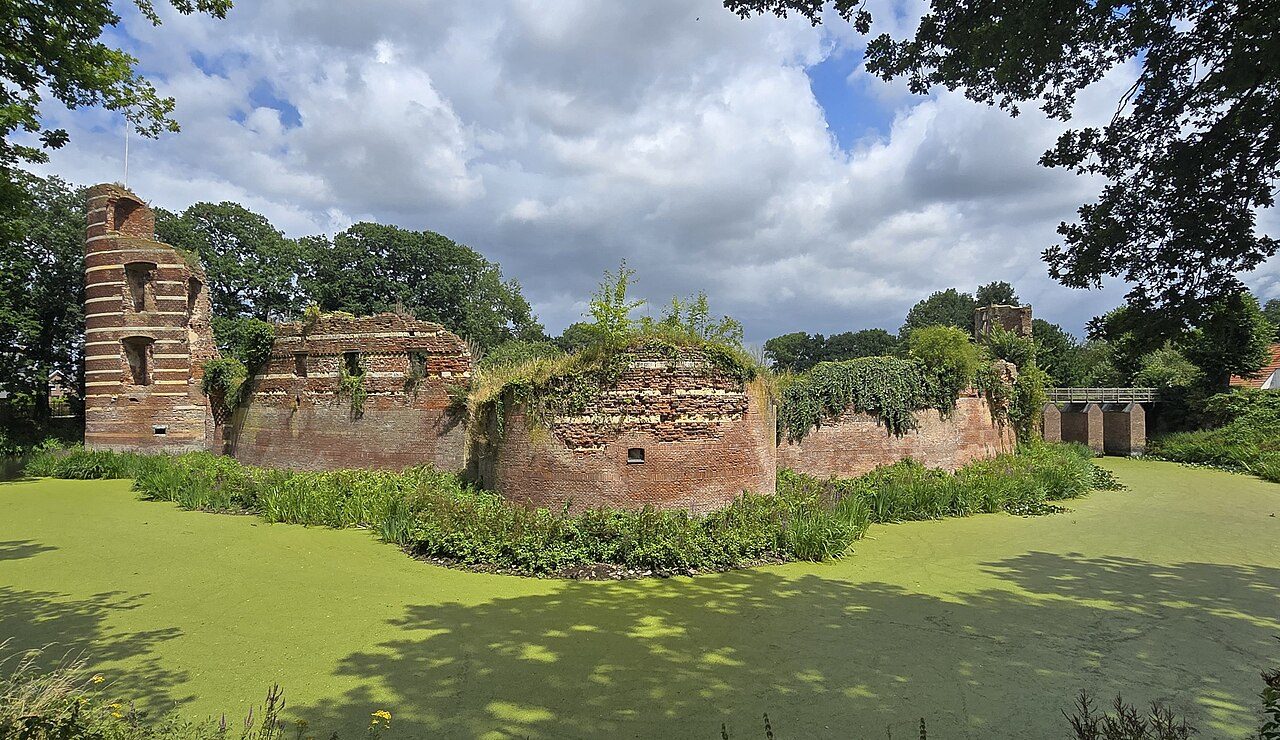
Kasteel Batenburg is a castle ruin on a mound just north of Batenburg. Its surviving masonry and raised position recall a residence and stronghold.
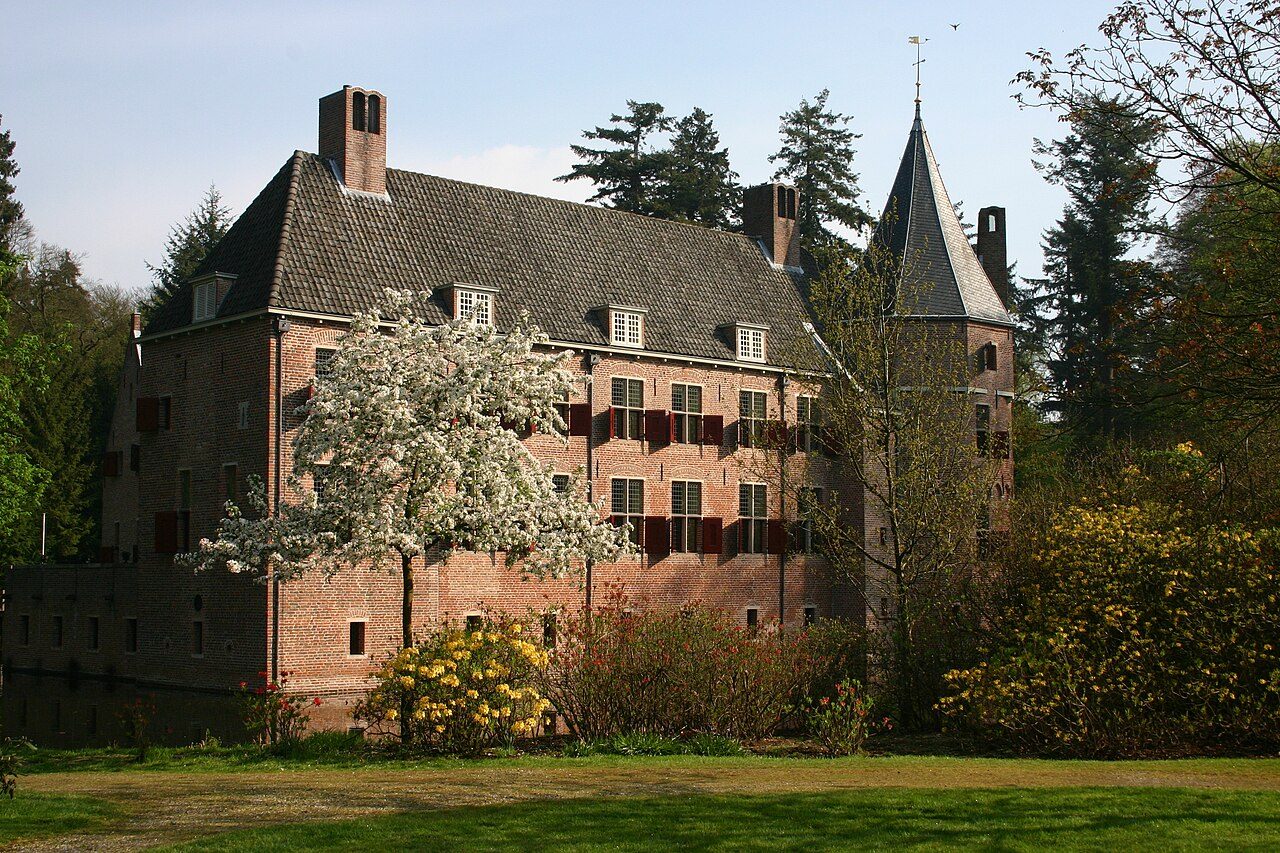
A 15th-century brick hunting lodge surrounded by a moat, with a garden accessible in April and May, a beech maze and a statue pond.
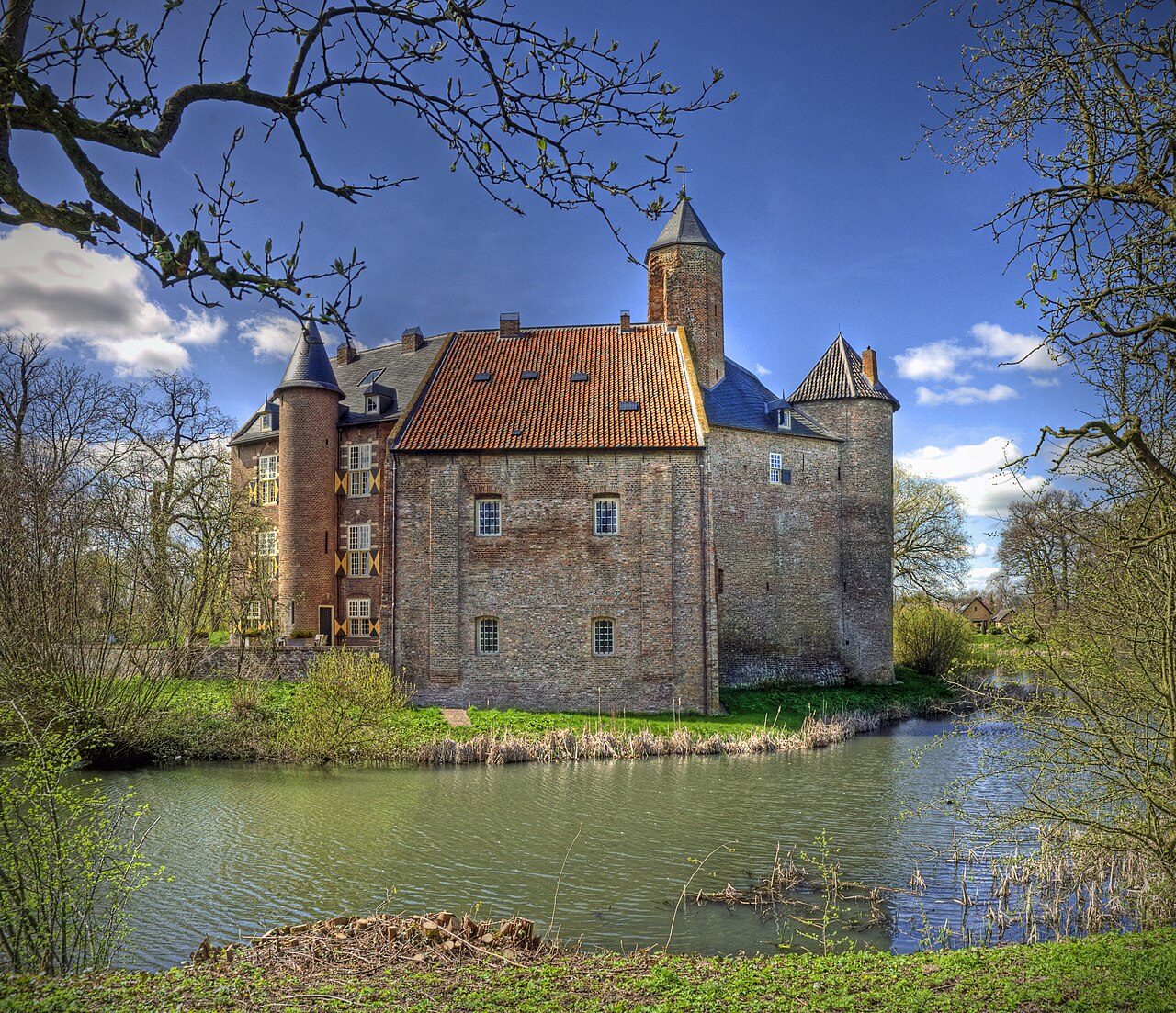
A medieval castle in Waardenburg, with a surviving 14th-century keep and an incomplete outline shaped by destruction and repair.
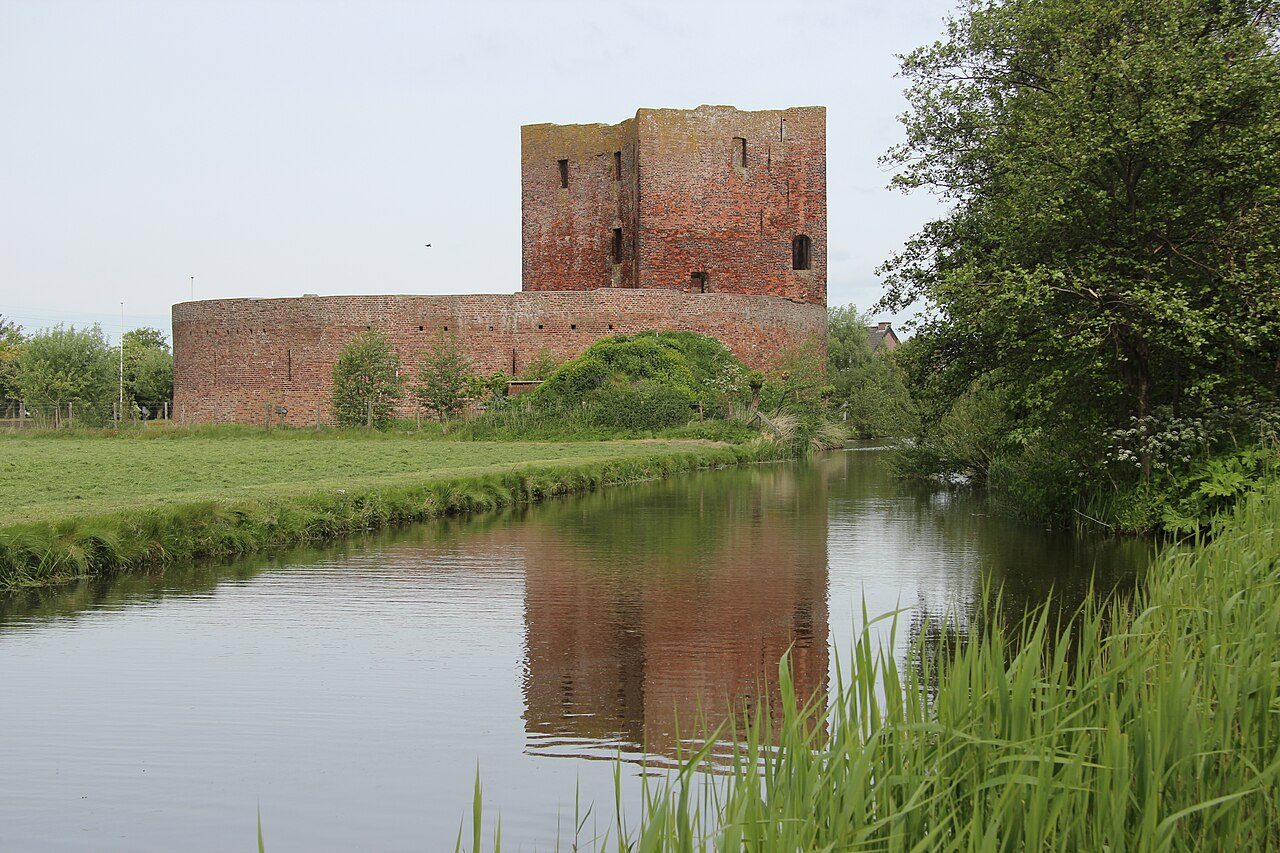
A moated medieval castle ruin with a circular wall and keep, where Countess Jacoba of Bavaria lived and died.
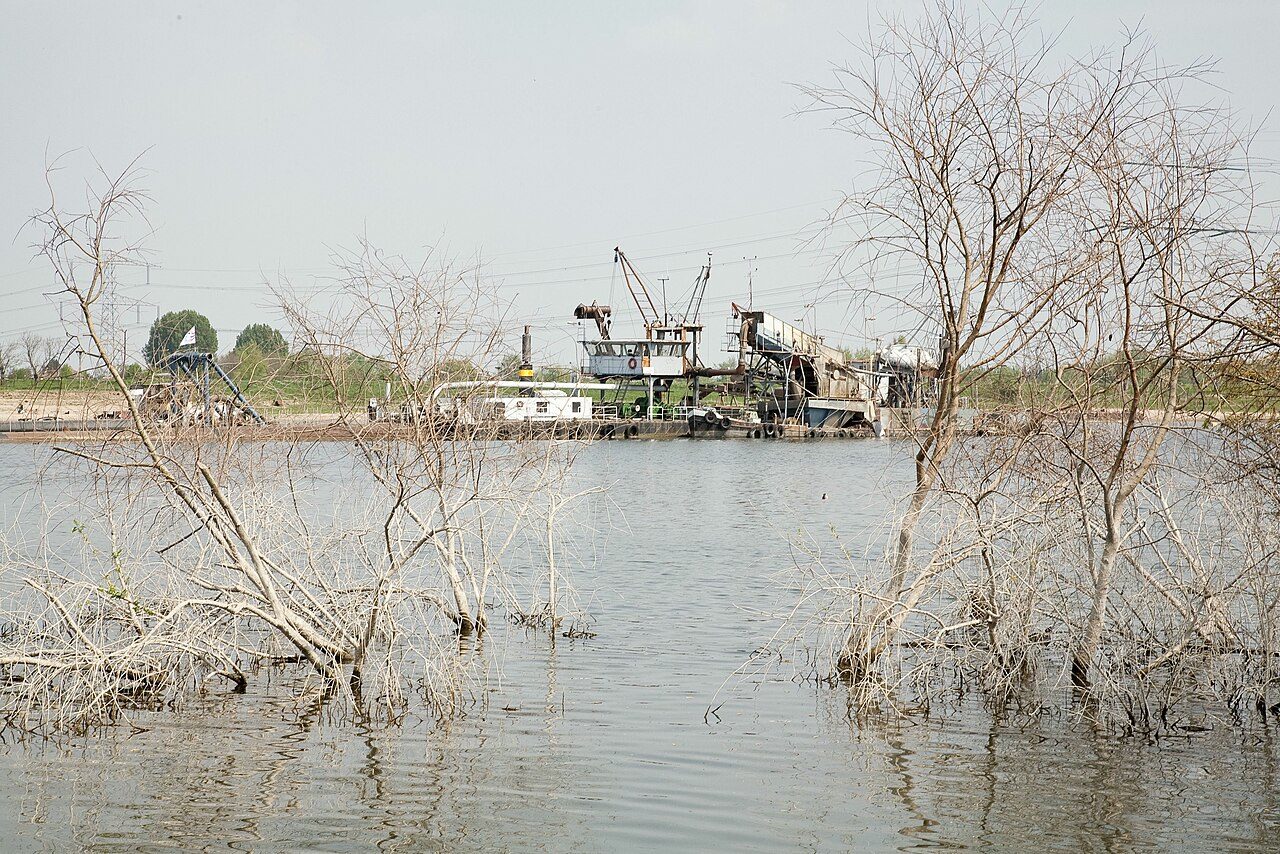
A floodplain nature reserve east of Arnhem, with views from the brooch-shaped Panorama Fibula lookout and a medieval manor, Huis Loowaard.
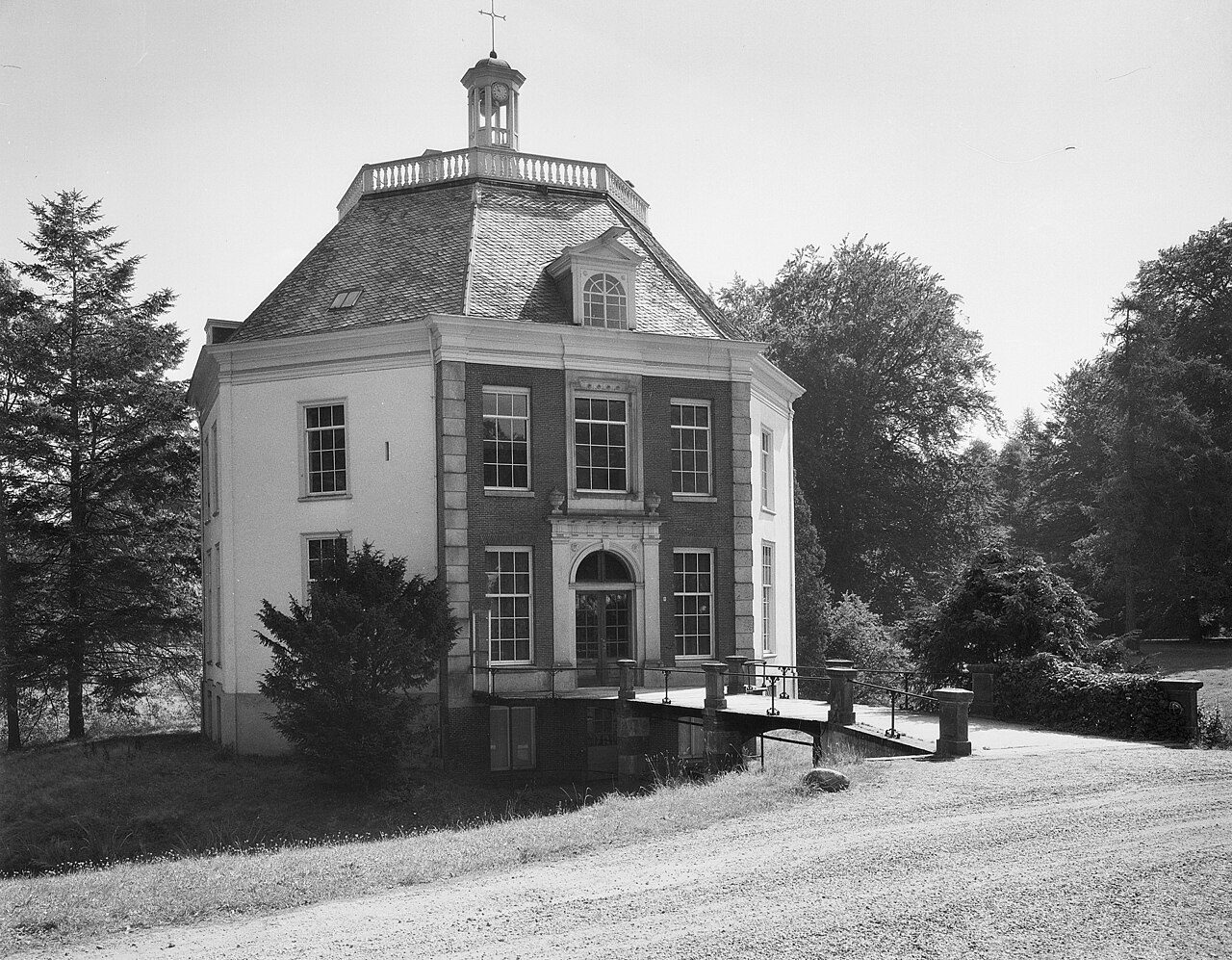
Princess Beatrix’s private, octagonal castle in Lage Vuursche, surrounded by a moat. Come for the setting and its connection with the village.
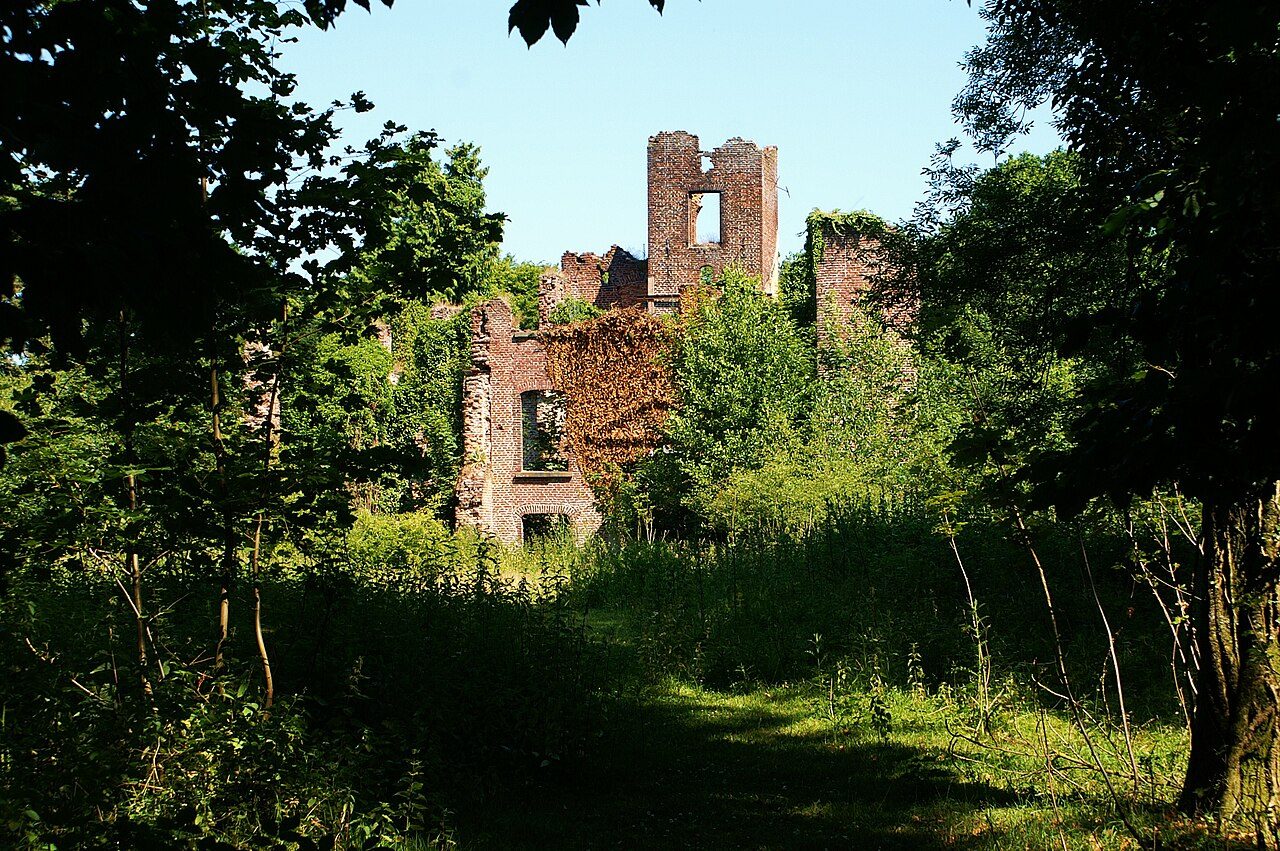
A moated castle ruin in northern Limburg, with a doorway dated 1688 and surviving fragments of a hall wing around a courtyard.
No spots match these filters.