
CASTLE
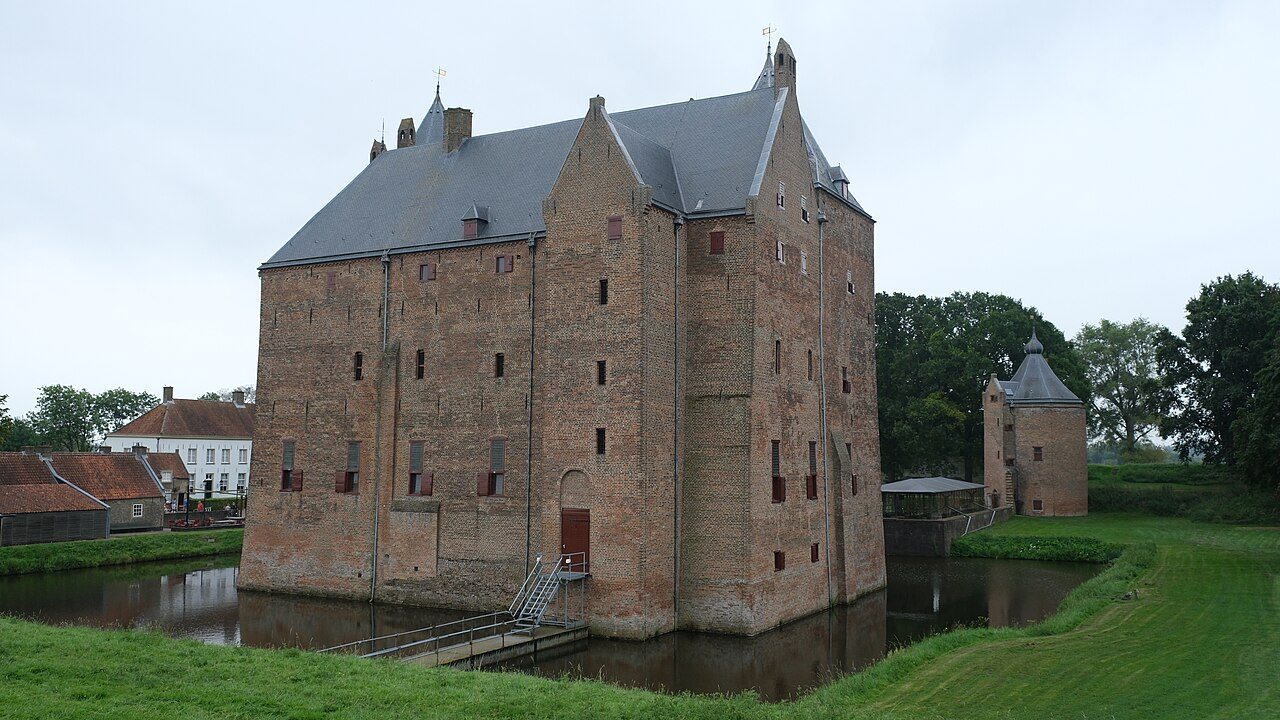
Slot Loevestein
A moated castle and former state prison beside the Waal and the Afgedamde Maas, with towers, earthworks and stories of escape.
A castle with a way out
Slot Loevestein is a moated castle and former state prison beside the Waal and the Afgedamde Maas. Its best-known prisoner left inside a book chest. On 22 March 1621, Hugo de Groot escaped after his wife Maria and their maid Elsje devised the plan. Guards had become used to the chest travelling in and out with books and had stopped checking it so often. A familiar delivery became his way out after two years of imprisonment.
The castle stands at the western tip of Munnikenland, northwest of Poederoijen. Today it is a museum, but the surrounding rivers and floodplain still explain its position better than any map. This was a place from which to control movement, collect money and keep people confined.
River tolls and gunpowder
Around 1360, the knight Dirc Loef van Horne used an illegal river toll to help finance the expansion of Loevestein into a castle. When the count of Holland discovered the toll, Dirc lost the castle. The rivers that make the setting so appealing to a visitor were also a source of income and conflict.
In 1570, Herman de Ruijter entered disguised as a monk and seized Loevestein. Troops sent to support him were delayed by frost. When the castle was recaptured, he died in a fire he had set with gunpowder. It is a much harsher story than the disguise alone suggests.
Loevestein later acquired modern defences and became part of the Old and then the New Dutch Waterline. Its military role ended in 1951. Within Gelderland’s castle landscape, which also includes Kasteel Ammersoyen in Maasdriel and Kasteel Waardenburg in Neerijnen, Loevestein is both a medieval residence and a fortified compound.
Life inside the prison
Hugo de Groot was not the only prisoner to find a way out. In 1627, the imprisoned minister Arnoldus Geesteranus married Suzanna van Oostdijk here. They lived in a castle kitchen for four years. In 1631, he escaped with six other ministers. Their years in that kitchen give the prison a domestic dimension: confinement could contain a marriage and a household as well as locked doors.
Another prisoner, Simon van Halewijn, spent his time making fishing nets for local fishermen. In April 1696, he escaped through a hole beneath his bed. It led into the chapel below, from which he reached the castle exit. Keep these different routes in mind as you look at the building: a chest carried through the gates, a shared escape by ministers, and a hole connecting one floor to another.
Read the defences
Outside, take time to distinguish the castle from the later fort around it. The castle has a hall block, two corner towers and a gate tower, enclosed by its own moat. The wider fort has two moats and five bastions, with several buildings inside. Look from the broad earthworks towards the tighter cluster of towers to understand those different layers.
Water remains more than a defensive feature. Loevestein stands in an unprotected floodplain, and high water can cover its only access road. The surrounding landscape supports a wide variety of plants and animals. From the fort, look back across that open ground: the same rivers that gave Loevestein its power can still cut it off.
Things to know
- Approach via Schouwendijk from Poederoijen.
- Check access conditions before travelling during high water.
- Seasonal pedestrian and cycle ferries connect with Gorinchem and Woudrichem; check current services.
- Allow time for the outer fortifications as well as the castle.
- Opening hours and prices can change. Check the official website before you go. Official website
What people say
Related spots
More things to do in Gelderland ›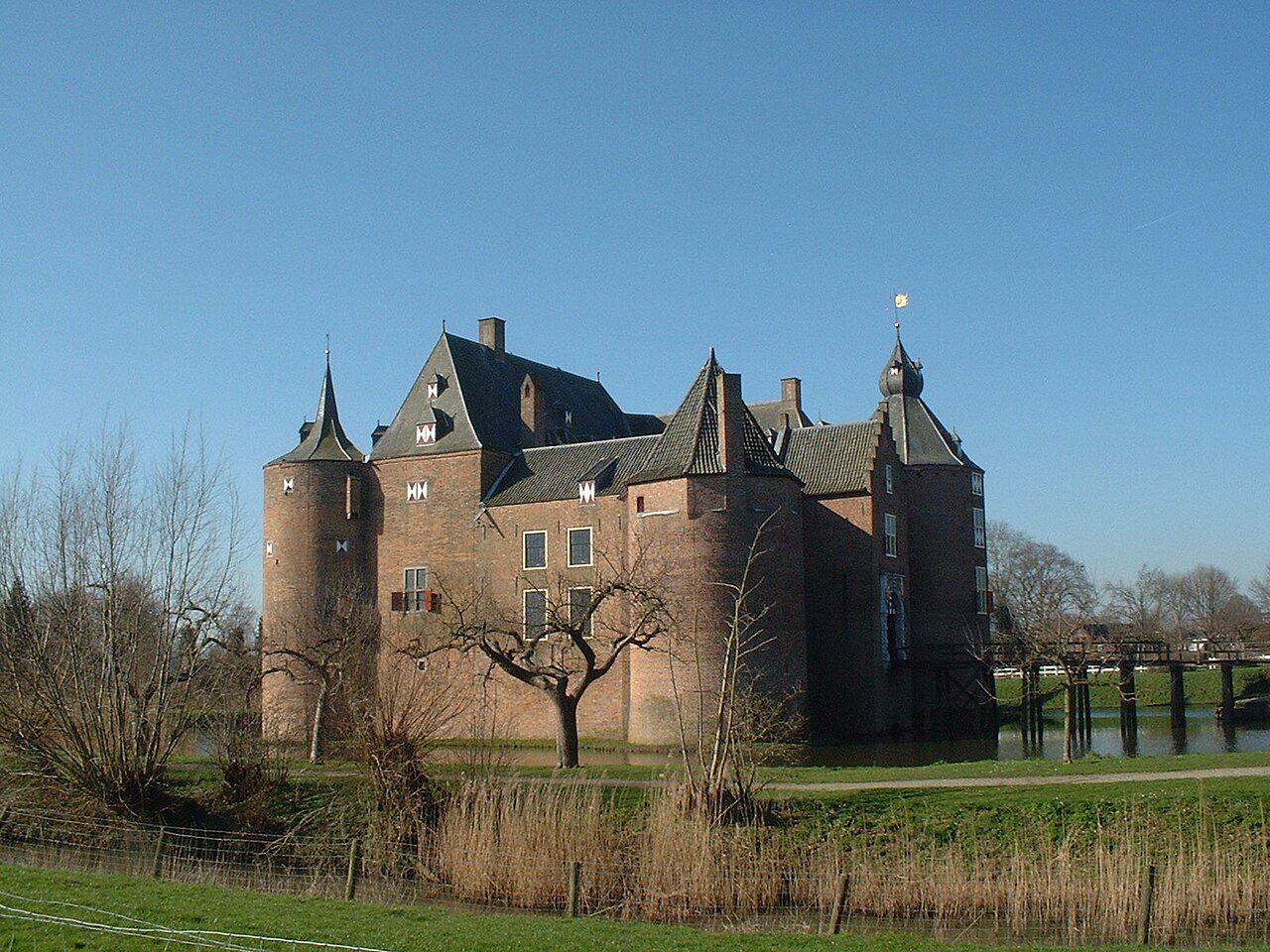
Kasteel Ammersoyen
A medieval moated castle with four corner towers, a brewing oven beneath the cellar floor and moat finds that bring centuries of daily life into view.
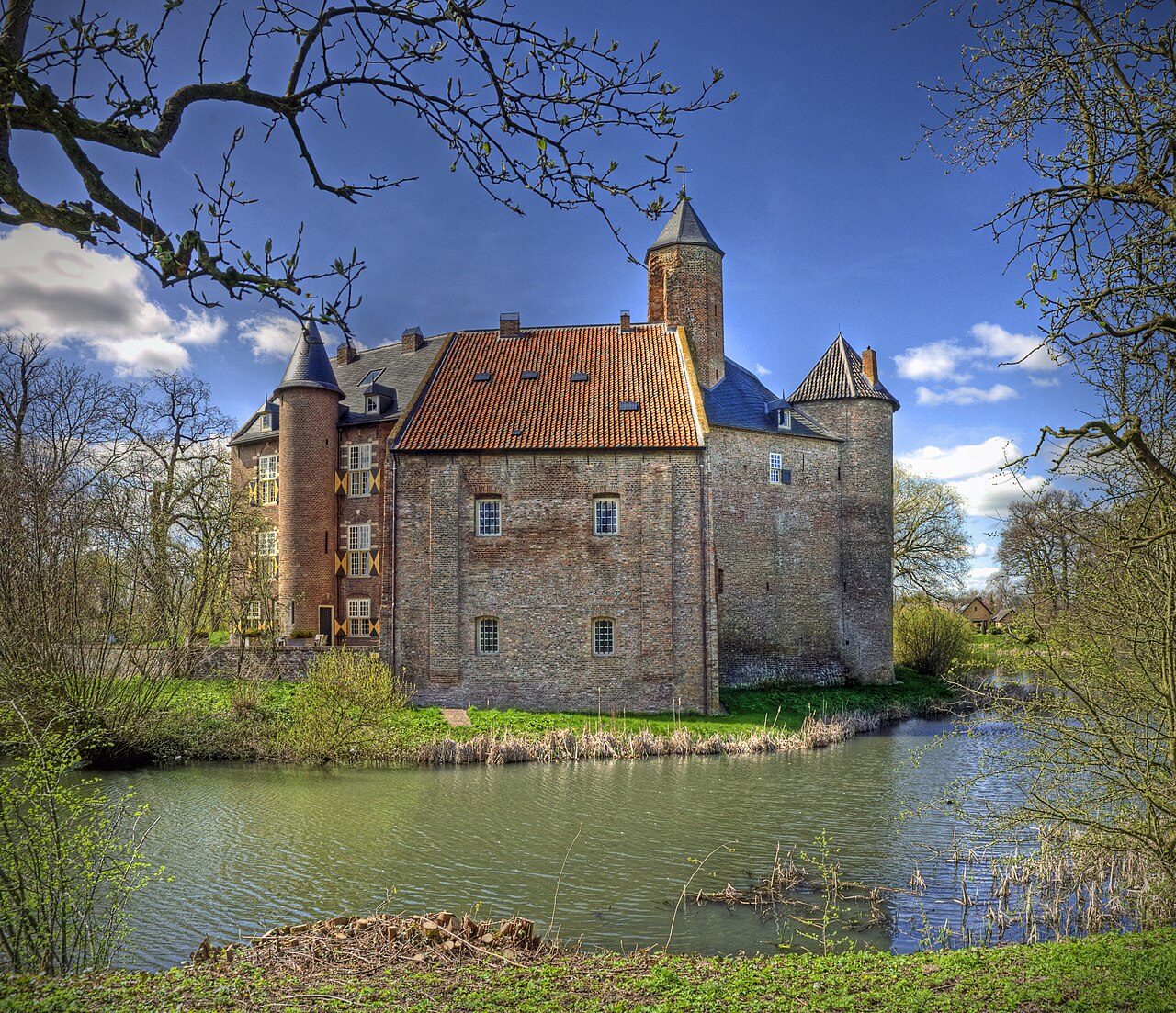
Kasteel Waardenburg
A medieval castle in Waardenburg, with a surviving 14th-century keep and an incomplete outline shaped by destruction and repair.
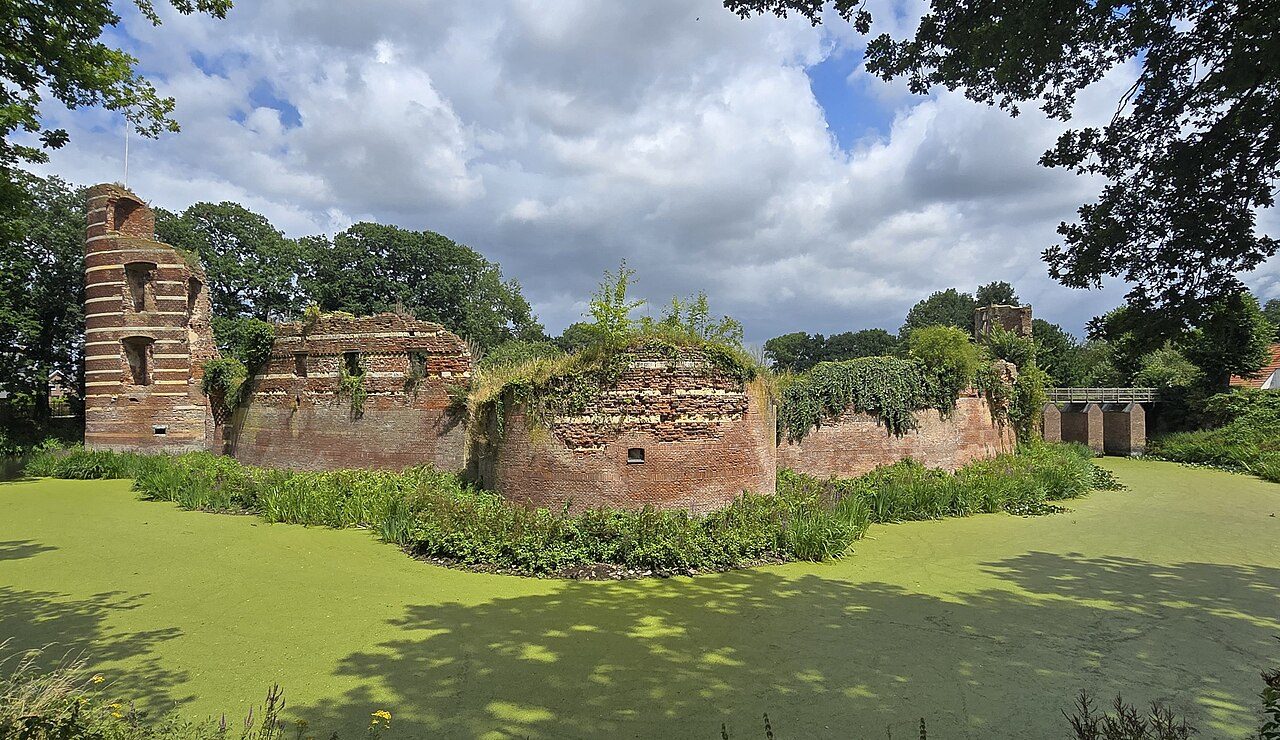
Kasteel Batenburg
Kasteel Batenburg is a castle ruin on a mound just north of Batenburg. Its surviving masonry and raised position recall a residence and stronghold.
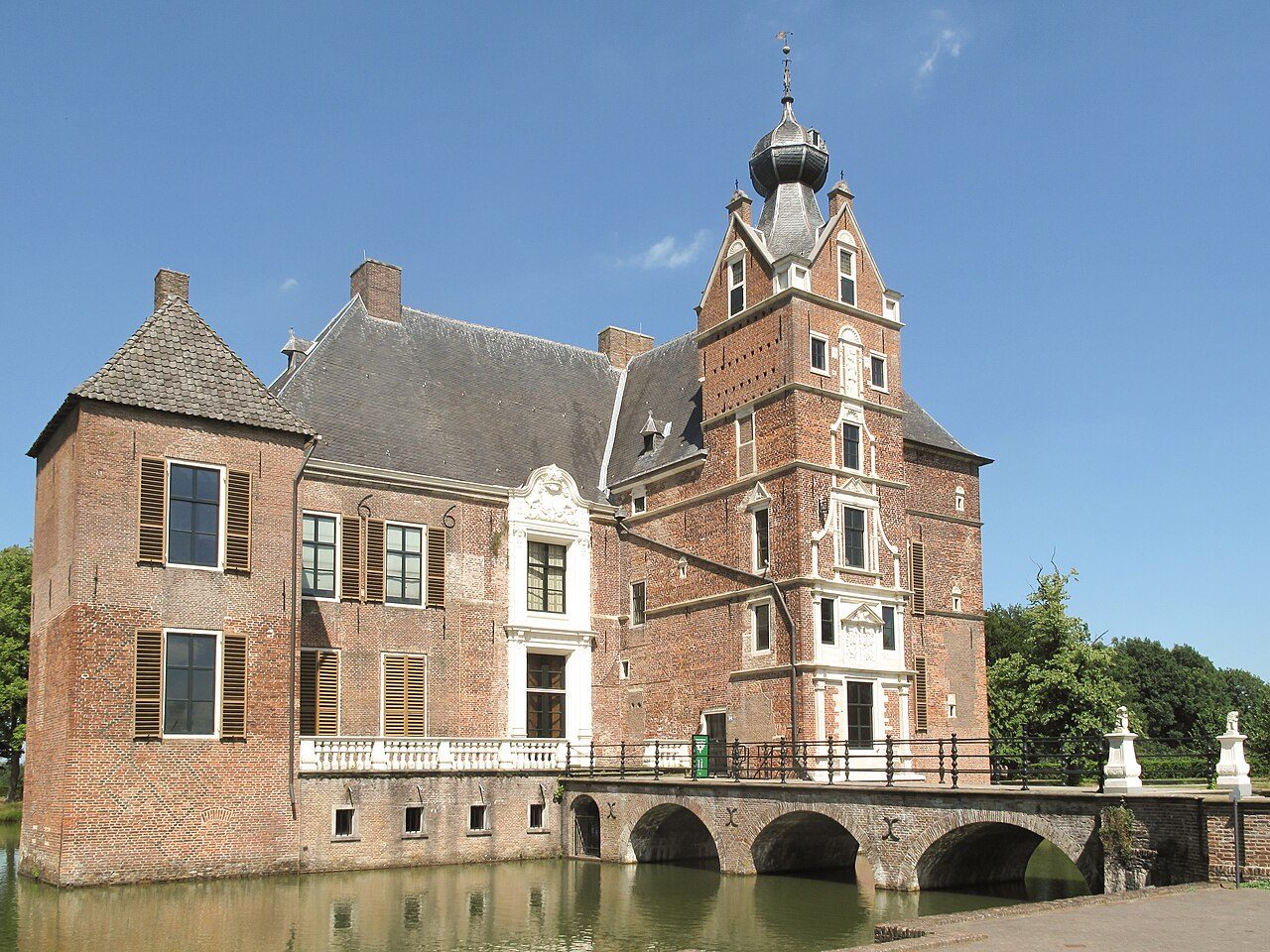
Kasteel De Cannenburgh
A castle in Epe, Gelderland, with a seated Maarten van Rossem outside and a portrait whose journey home took roughly 150 years.
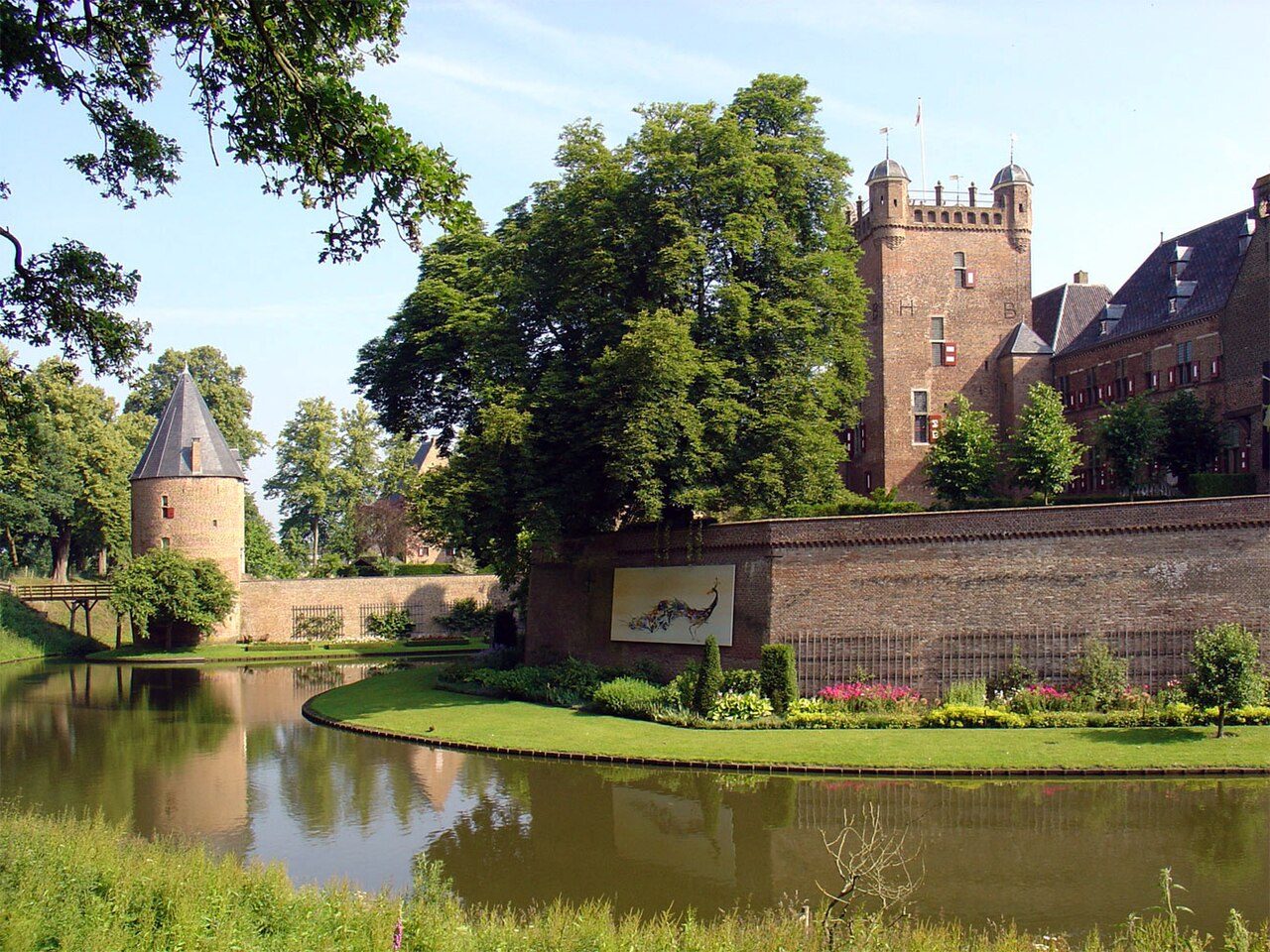
kasteel Huis Bergh
Huis Bergh is the Netherlands’ largest moated castle and the ancestral seat of the counts of Bergh. Allow time for both the building and the early Italian art inside.
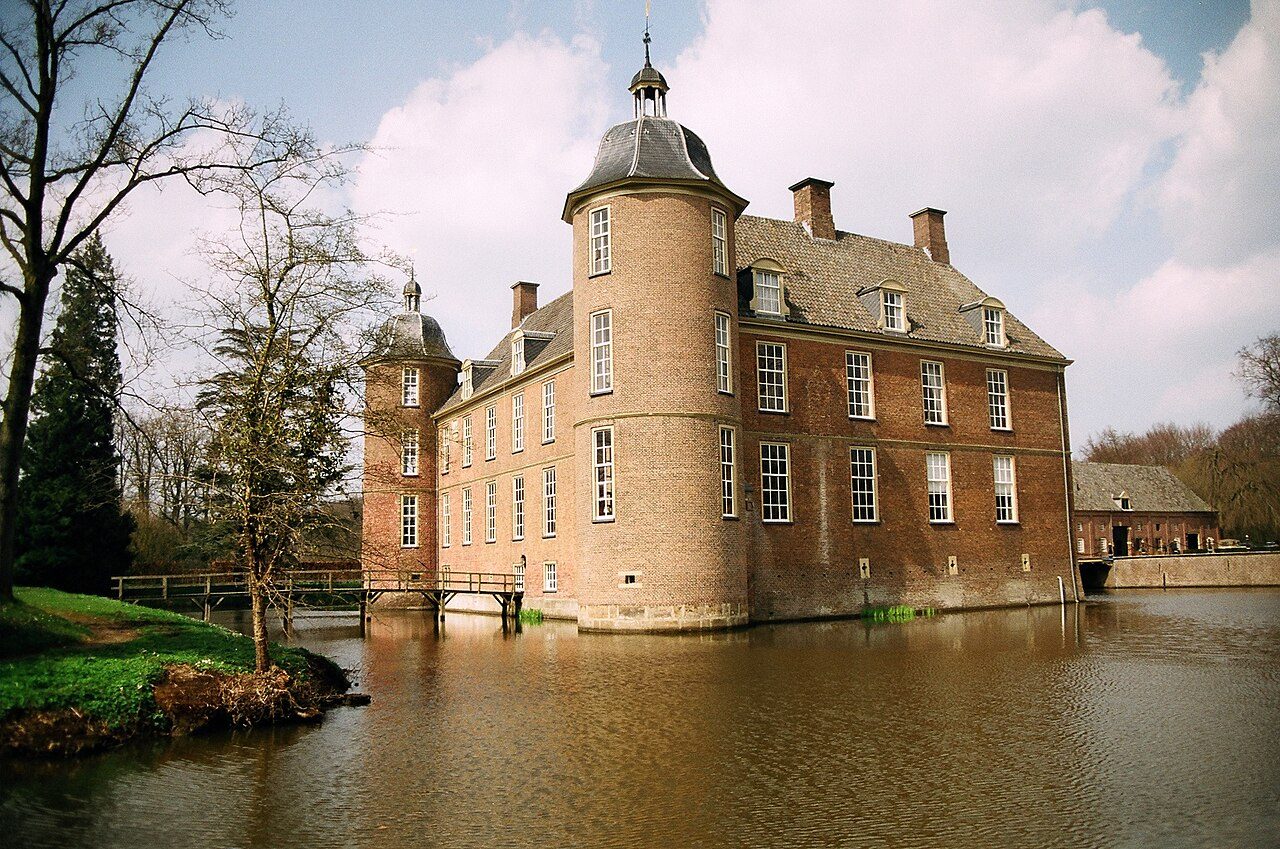
Slangenburg
A castle and estate east of Doetinchem, with rooms painted in memory of a young wife and centuries-old avenues following a trapezoid-shaped plan.