
CASTLE
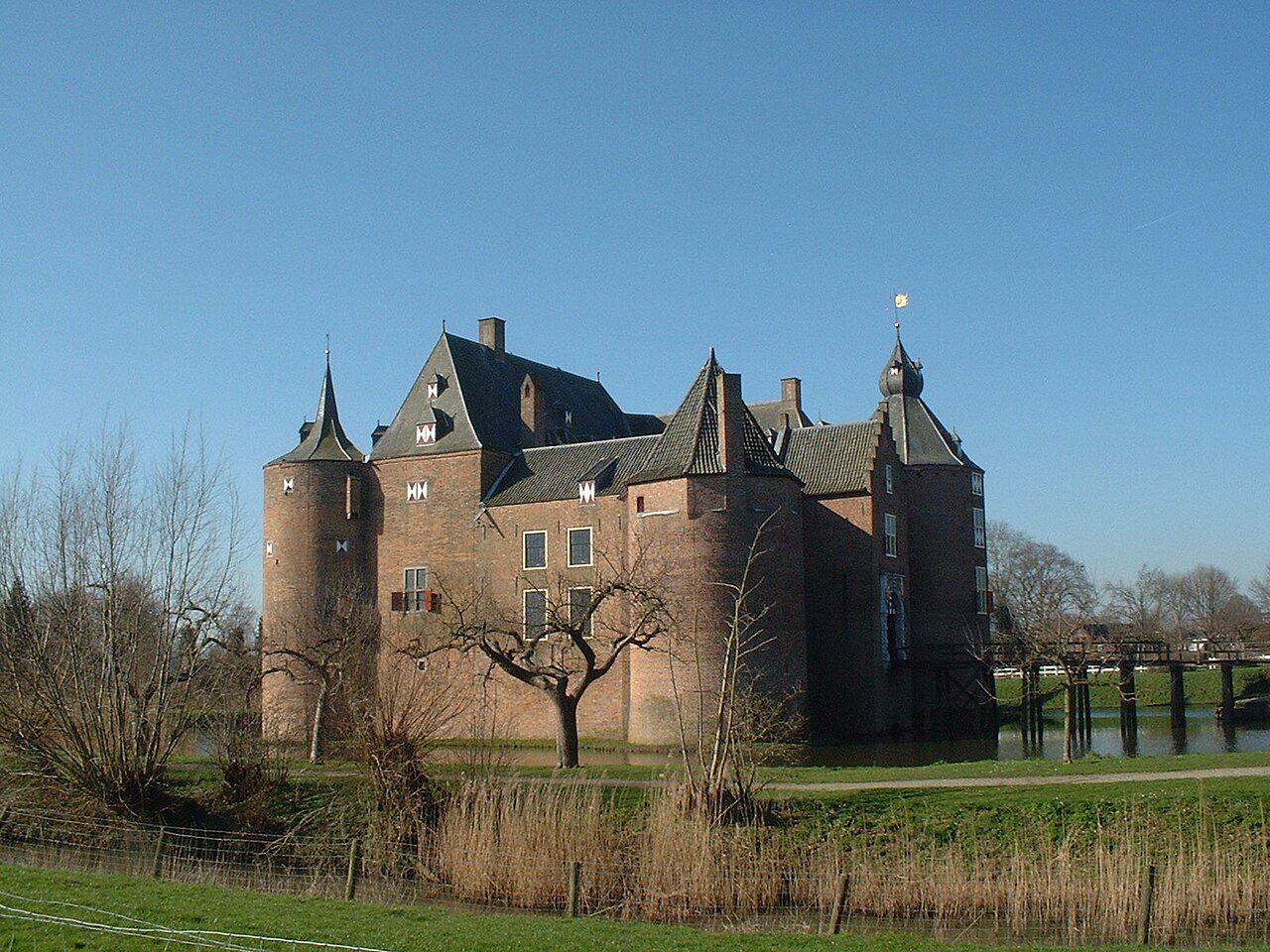
Kasteel Ammersoyen
A medieval moated castle with four corner towers, a brewing oven beneath the cellar floor and moat finds that bring centuries of daily life into view.
A castle with a moat full of history
Kasteel Ammersoyen stands at the northern edge of Ammerzoden, a medieval moated castle with four corner towers. Its moat has preserved more than the building’s defences. Around 1893, the Poor Clare sisters filled it in to make room for a chapel. That buried centuries of discarded belongings beneath a protective layer of earth. When restorers excavated it, they found objects used by generations of castle residents, including a green wine bottle bearing the Van Arkel family arms. The bottle is now among the objects displayed inside.
These finds make Ammersoyen more than a place to look at thick walls. Pottery, glass, metalwork and objects connected with children’s games bring cooking, drinking and family life into the picture. Much was recovered in fragments, but some objects survived whole.
Read the defences
If you are comparing Ammersoyen with Kasteel Waardenburg or Slot Loevestein, start with its unusually unified design. Unlike many medieval castles enlarged over successive building campaigns, Ammersoyen was built as a whole. Its square plan and four corner towers remain clearly legible. The present castle is securely documented in 1354, though its origins are earlier.
Pause before crossing the bridge. The water separates the main castle from its surroundings, while the towers cover the corners of the square. The castle originally stood in or beside the Maas, before the river changed course in 1354.
Strong walls did not make it invulnerable. According to a story set around 1445, Johan van Culenborch retook the occupied castle through a trick. He concealed men in a horse mill and sent a messenger to the gate with a letter. As the gatekeeper received it, the hidden men forced their way inside. It is a reported tale rather than a certainty, but the entrance gives you a concrete place to picture it.
Fire and rebuilding
In 1590, a severe fire killed the castle’s lord, George van Arkel. A later legend blamed an escape plan involving his daughter and her lover, on the eve of her entry into a convent. The fire and George’s death are historical; the lovers’ role belongs to the legend.
His widow could afford only partial repairs. Full rebuilding followed after the Eighty Years’ War, with façade stones dated 1648 and 1667 marking that work. Thomas Walraven van Arkel restored the medieval outline while adapting the interior for seventeenth-century comfort.
War badly damaged Ammersoyen again in 1944–1945. Restoration began in 1959 and lasted sixteen years. Look for wall stairs, arrow slits and fireplaces: surviving traces helped restorers recover the medieval arrangement. In 1976, Prince Claus symbolically lit the fireplace in the Knights’ Hall after the restoration.
Beer beneath the cellar
The cellar holds another piece of working castle life. A brewing oven was found beneath its floor in 1962, covered over, then excavated again in 2021. Its brickwork still showed the circular outline where a brewing kettle once stood. The oven is now part of the castle presentation.
Outside, look beside the start of the bridge for the unusually large medlar. Its flower appears in the arms of the counts of Gelre. In the first half of May, its brief flowering adds a small, living detail to all that brick and water.
Things to know
- Head to the northern edge of Ammerzoden, in the Bommelerwaard.
- Allow 1 to 2 hours for the rooms and moat finds.
- Look for the brewing oven in the cellar presentation.
- In early May, check the medlar beside the bridge for flowers.
- Opening hours and prices can change. Check the official website before you go. Official website
What people say
Related spots
More things to do in Gelderland ›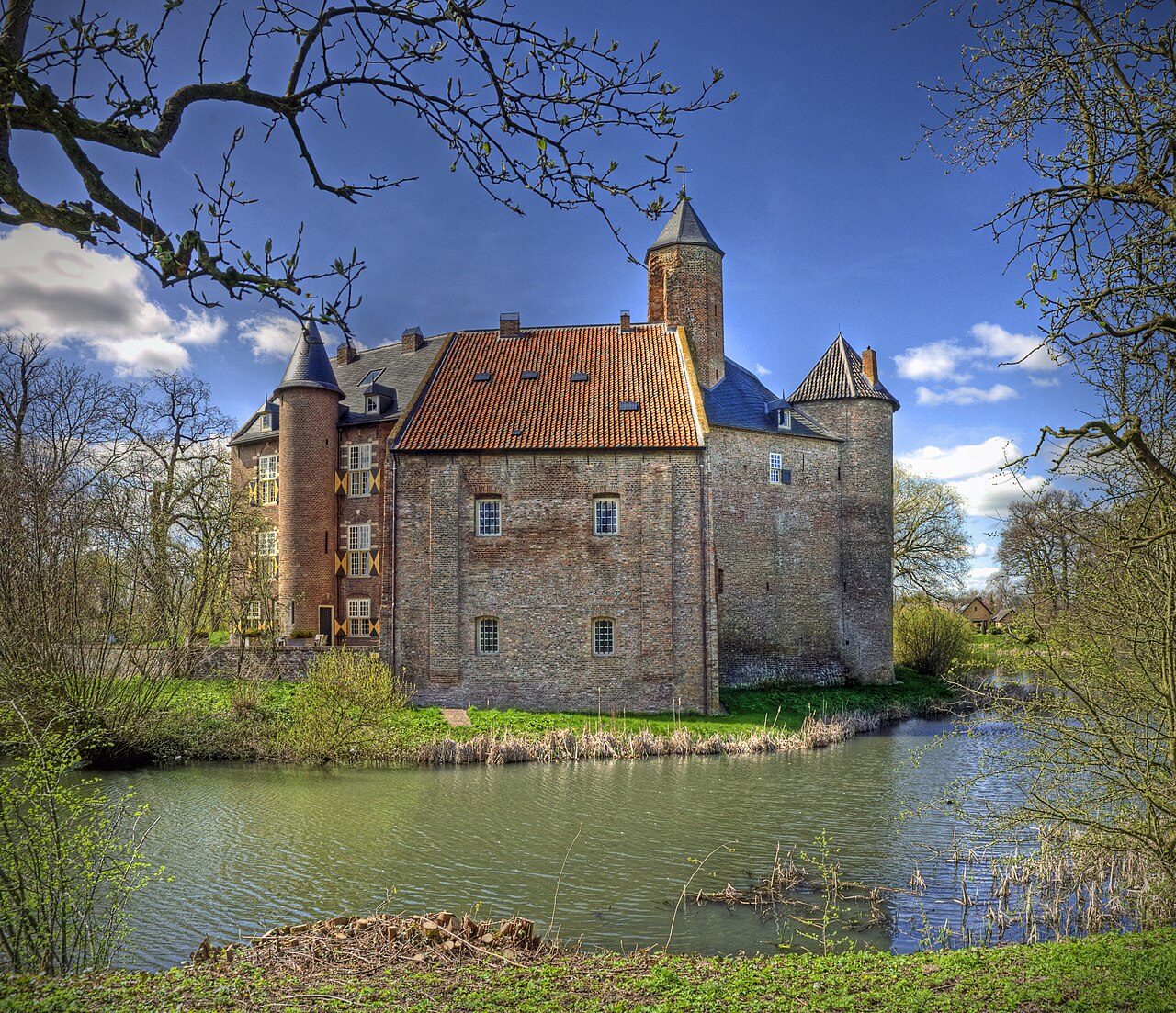
Kasteel Waardenburg
A medieval castle in Waardenburg, with a surviving 14th-century keep and an incomplete outline shaped by destruction and repair.
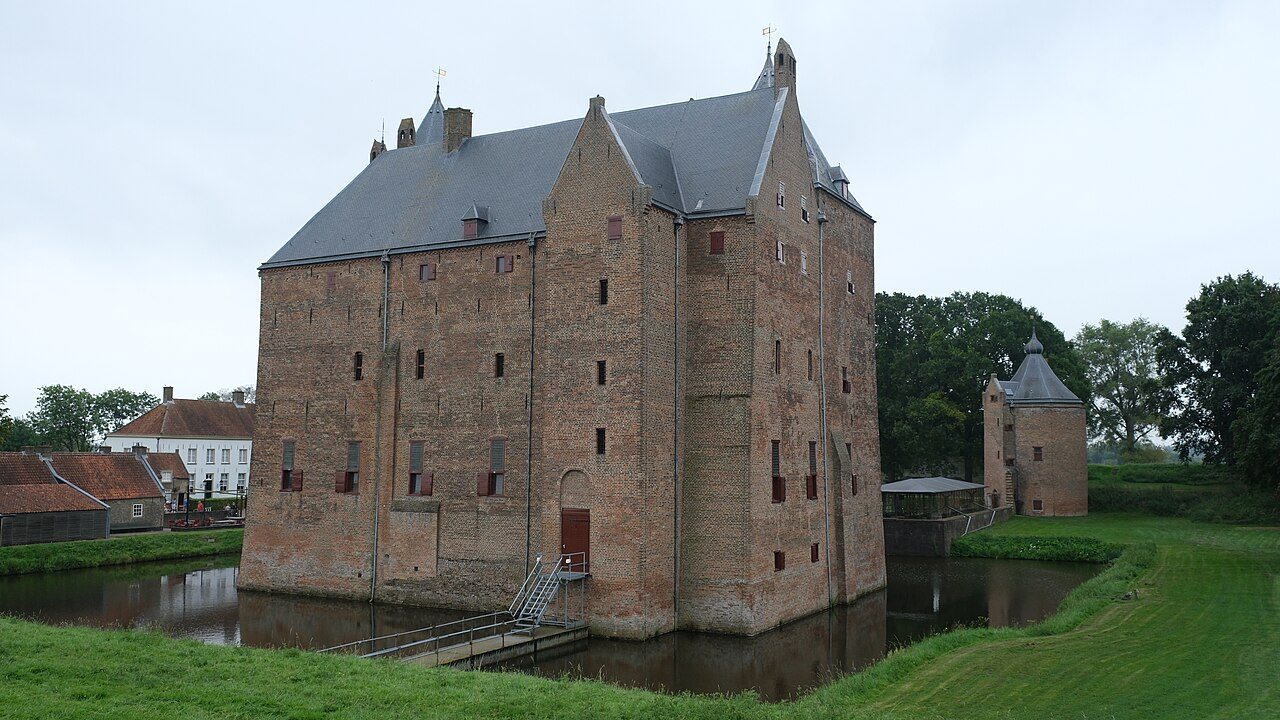
Slot Loevestein
A moated castle and former state prison beside the Waal and the Afgedamde Maas, with towers, earthworks and stories of escape.
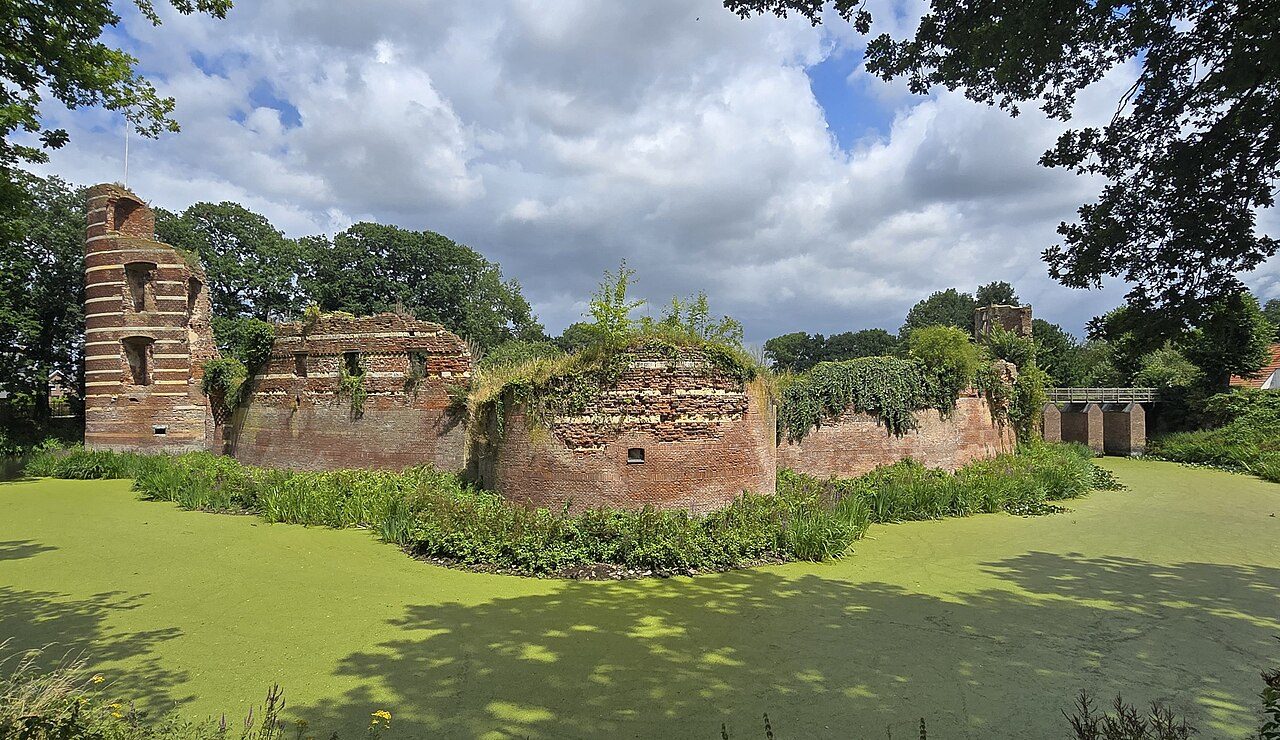
Kasteel Batenburg
Kasteel Batenburg is a castle ruin on a mound just north of Batenburg. Its surviving masonry and raised position recall a residence and stronghold.
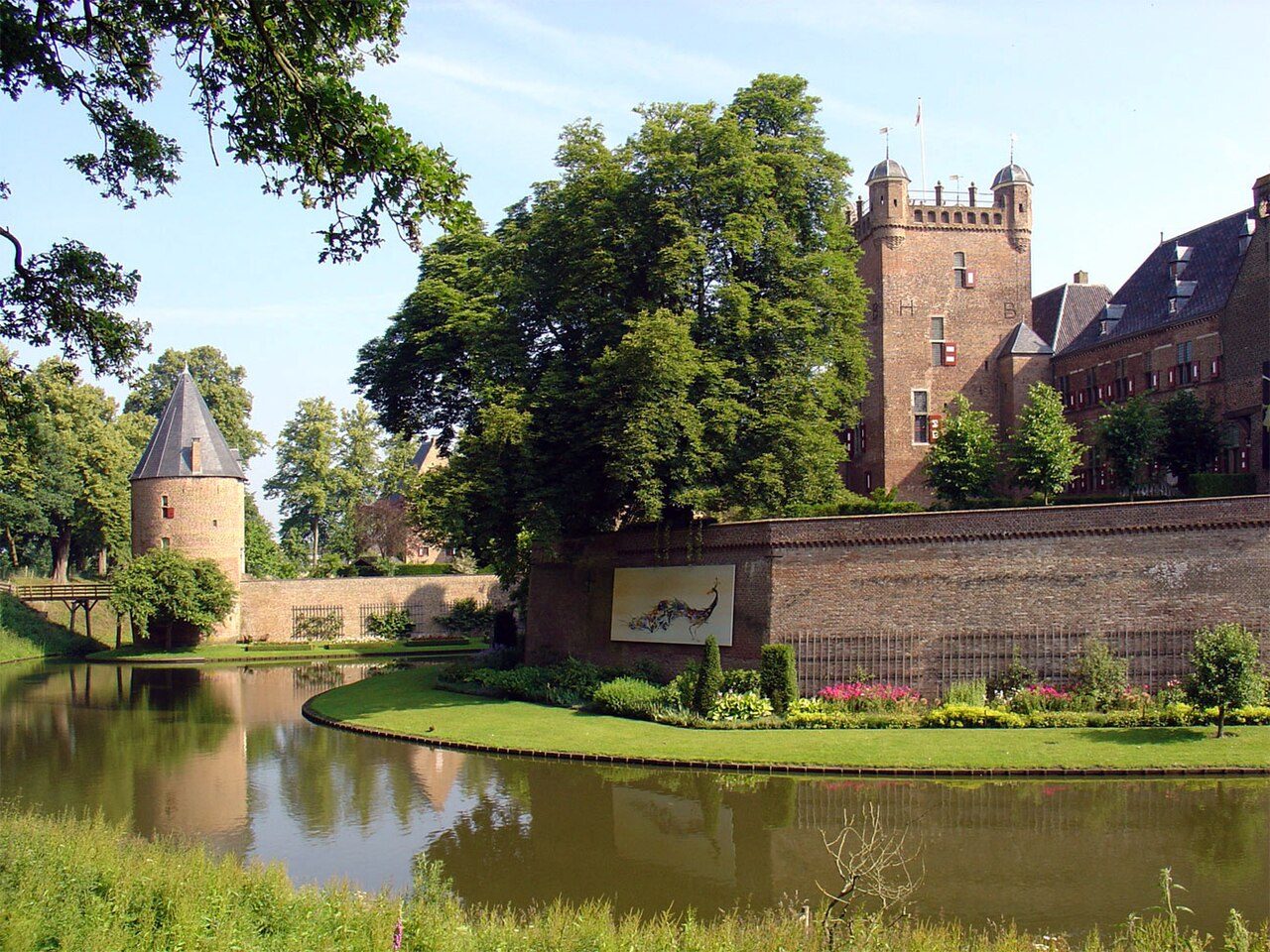
kasteel Huis Bergh
Huis Bergh is the Netherlands’ largest moated castle and the ancestral seat of the counts of Bergh. Allow time for both the building and the early Italian art inside.
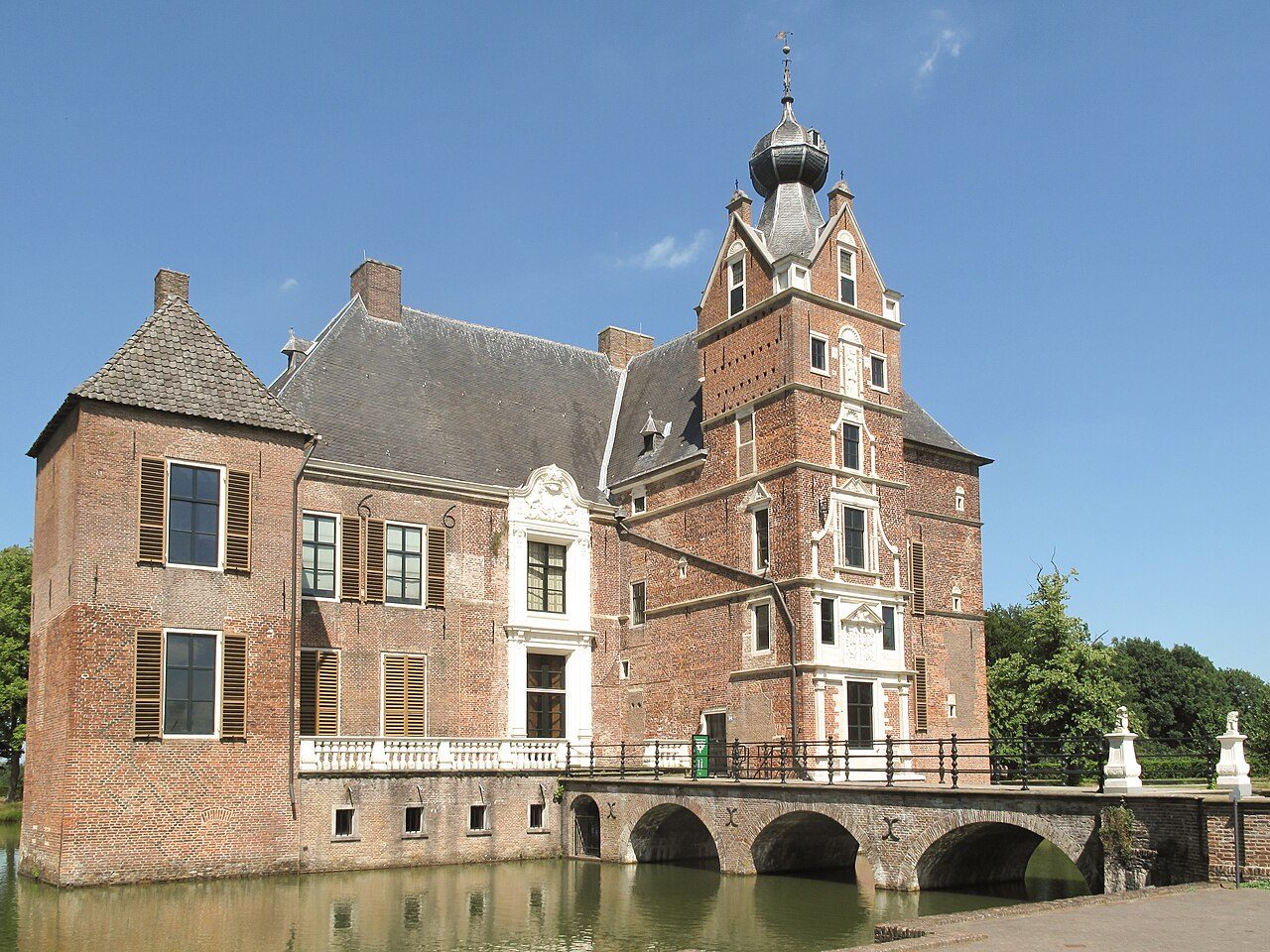
Kasteel De Cannenburgh
A castle in Epe, Gelderland, with a seated Maarten van Rossem outside and a portrait whose journey home took roughly 150 years.
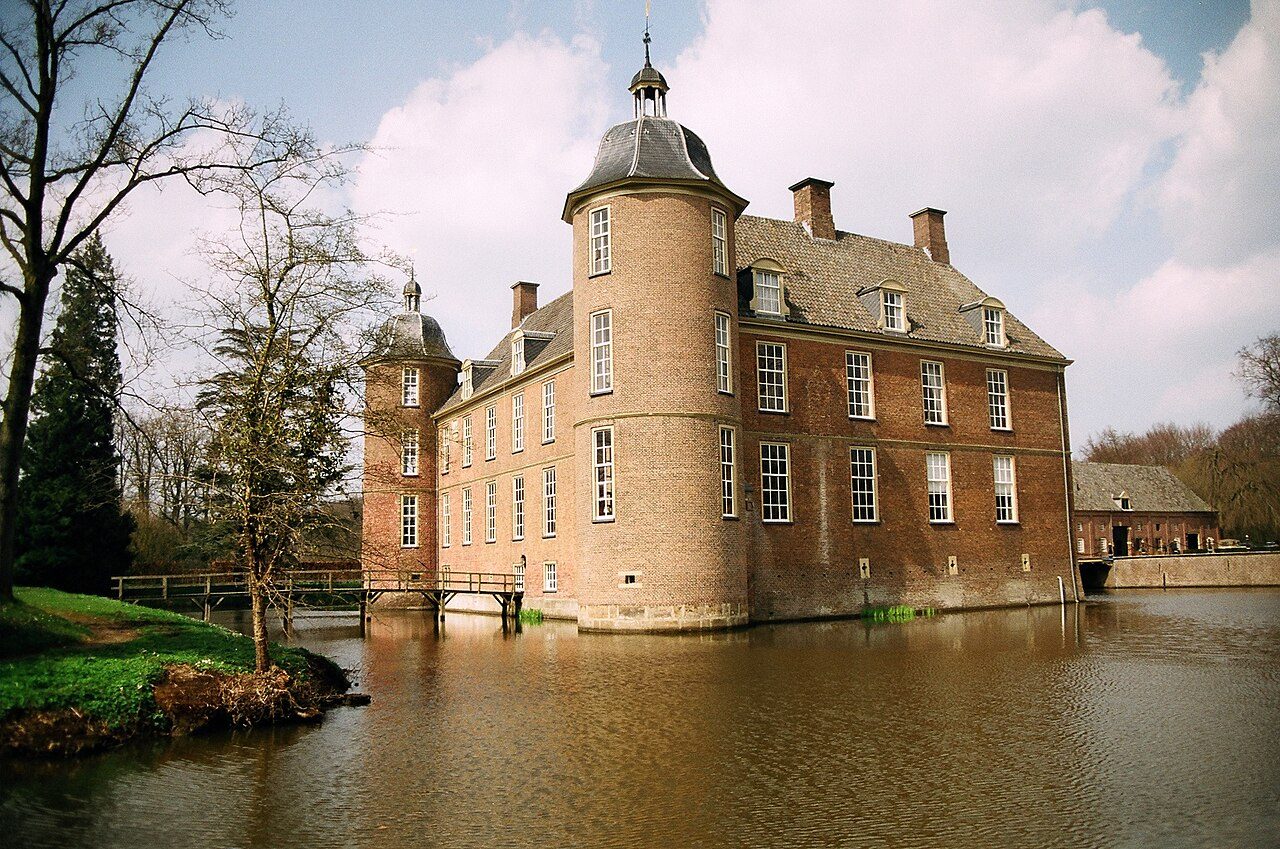
Slangenburg
A castle and estate east of Doetinchem, with rooms painted in memory of a young wife and centuries-old avenues following a trapezoid-shaped plan.