
CASTLE
kasteel Huis Bergh
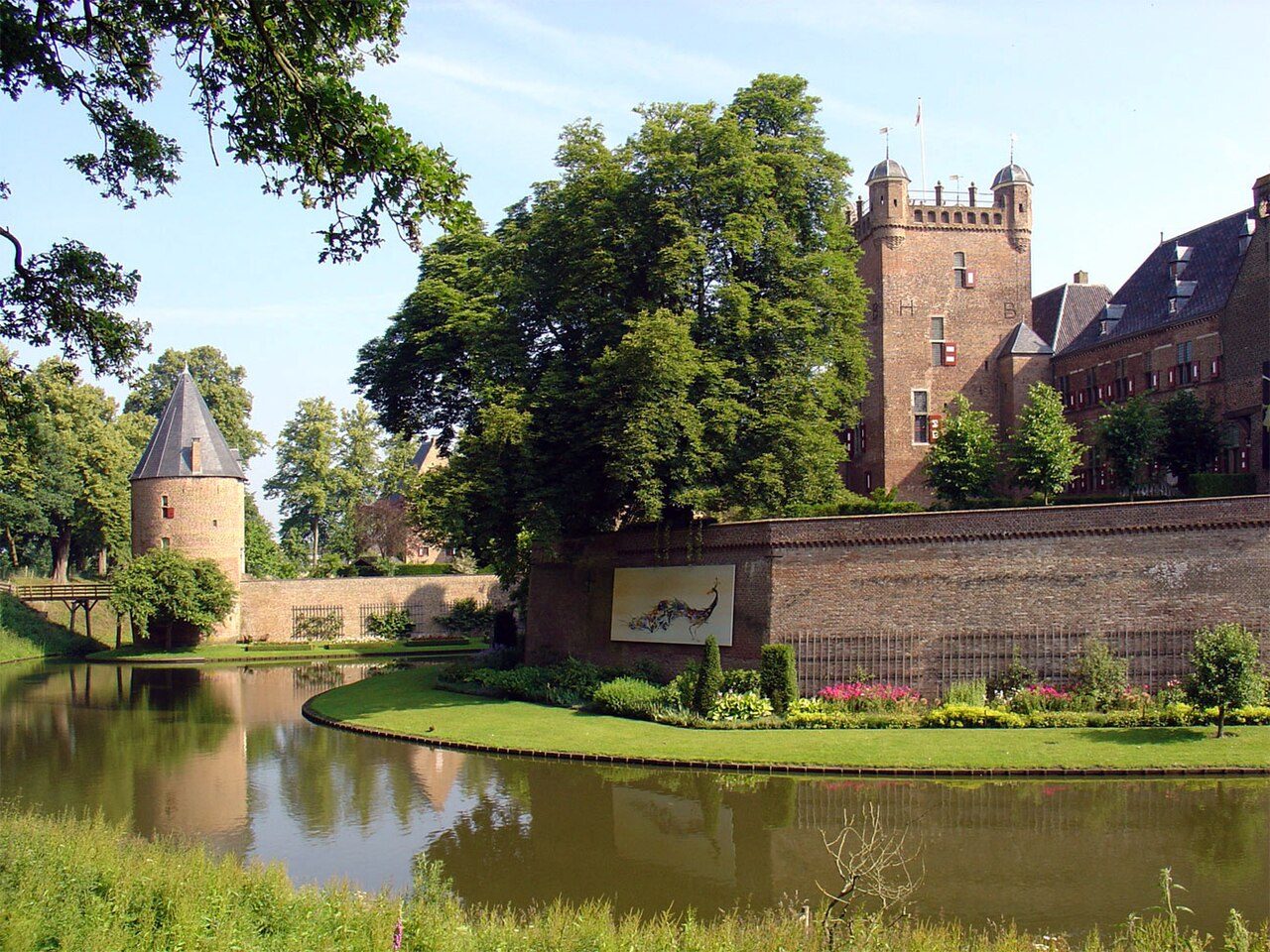
Huis Bergh is the Netherlands’ largest moated castle and the ancestral seat of the counts of Bergh. Allow time for both the building and the early Italian art inside.
A castle rescued by its neighbours
When fire swept through Huis Bergh in 1939, local residents rushed to save its art treasures. Its owner, the textile industrialist Jan Herman van Heek, began rebuilding that same year. By autumn 1941, the work was complete. That rescue is worth remembering as you approach the moat: the castle and its collection survived together because people acted quickly.
Huis Bergh stands in ’s-Heerenberg, in the Gelderland municipality of Montferland. It is the Netherlands’ largest moated castle and the ancestral seat of the counts of Bergh. On a Gelderland castle map, it sits alongside places such as Slangenburg in Doetinchem and Kasteel Huize Ruurlo in Berkelland. Here, allow time for both the building and the early Italian art inside.
Read the walls, then the portraits
The castle’s building history reaches back to around 1100. Parts of the present house date from the 14th, 15th and 17th centuries. It suffered during the early years of the Eighty Years’ War, then burned out in 1735. Gerrit Ravenschot of Zutphen rebuilt it, completing the work in 1746. As you look across the water, think of a house repeatedly repaired and reshaped, rather than a single untouched medieval building.
Van Heek bought Huis Bergh in 1912 to preserve it as a monument. Afterwards, he found a bundle of damaged paintings rolled up in the archive tower. He had them restored. They proved to be portraits of Burgundian and Habsburg figures connected with Huis Bergh, bringing faces back into the castle’s family history.
Look for the portrait gallery in the staircase. Art historian Henk van Os reorganised the collection in the early 21st century, separating Italian and northern European works so visitors could see them more clearly. The Italian Room and the Throne Room reward a slower look. The collection also includes medieval manuscripts, sculpture, coins and medals.
Coins with a doubtful reputation
One painting introduces a less flattering part of the counts’ history. It shows Clemens van Eembrugge with his fellow mint workers. Van Eembrugge served Count Willem IV as mintmaster in 1577, but was dismissed after less than a year. The Bergh mint had a reputation for producing coins containing too little precious metal. This is not simply a group portrait of craftsmen: it belongs to a story about authority, money and unreliable currency.
Coin-making returned in a ceremonial form in 2026. King Willem-Alexander struck a commemorative coin here with mintmaster Anton Frauenfelder. At the end of his visit, the king walked over the St. Antonius guild’s flag, spread across the courtyard cobbles as a traditional tribute. Pause in the courtyard and picture that unusual closing gesture.
The owner speaks again
During the restoration completed in 2026, workers found a record of Jan Herman van Heek’s speeches in an attic. His portrait now moves and speaks to visitors, using his recorded voice and artificial intelligence. It gives the man responsible for preserving Huis Bergh a presence beyond the usual painted likeness.
Outside, the garden offers another layer of restoration. In 2016 it was returned to its 1727 layout. Give the moat, walls and garden a little attention before leaving: they tell the same story as the rooms, of an old place repeatedly cared for and put back together.
Things to know
- Head to Huis Bergh in the town of ’s-Heerenberg.
- Allow time for the art collection as well as the exterior.
- Choose daylight for a good look across the moat.
- Keep an eye out for the mint workers’ painting and the speaking portrait.
- Opening hours and prices can change. Check the official website before you go. Official website
What people say
Related spots
More things to do in Gelderland ›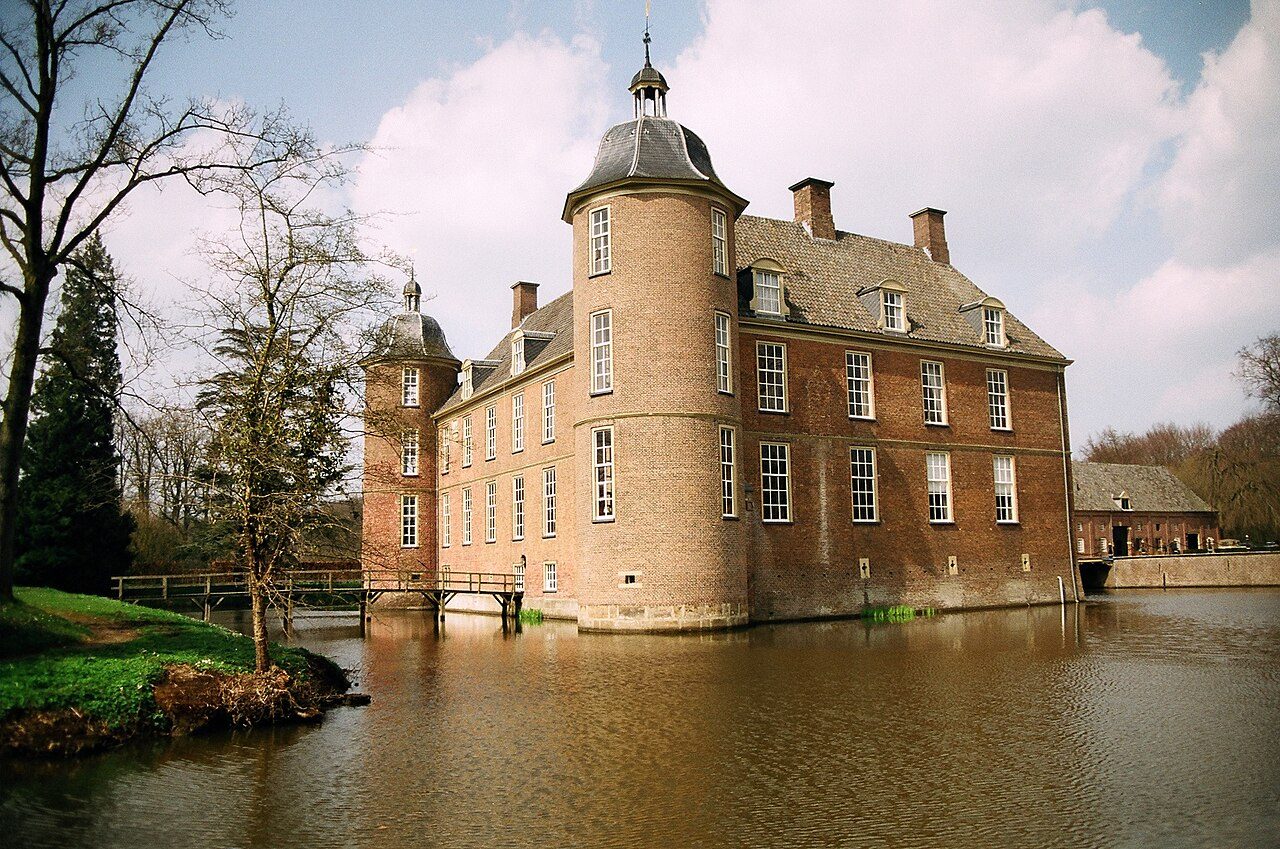
Slangenburg
A castle and estate east of Doetinchem, with rooms painted in memory of a young wife and centuries-old avenues following a trapezoid-shaped plan.
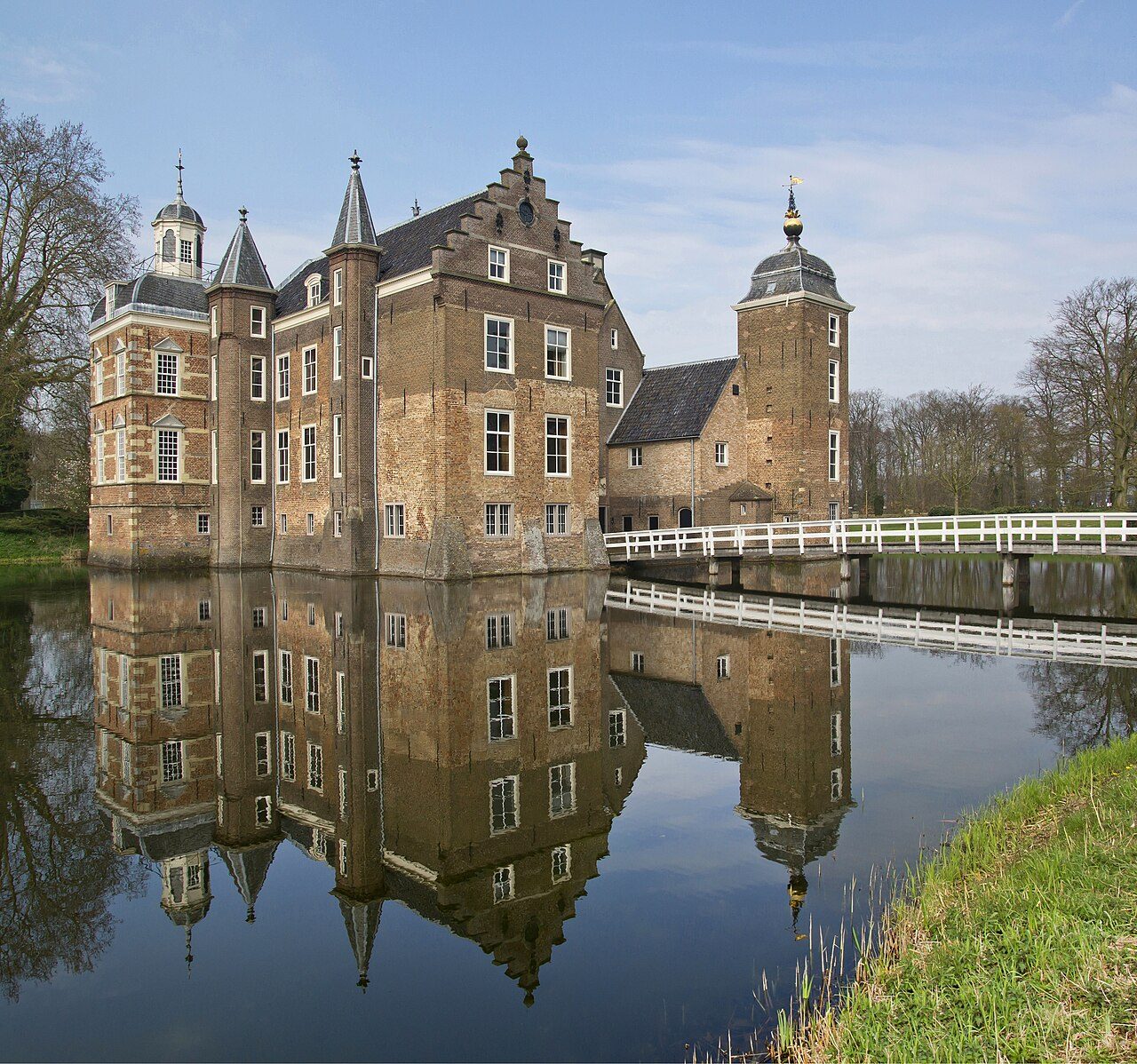
Kasteel Huize Ruurlo
A castle museum in Berkelland, Gelderland, with a clock that once told local people they were almost home.
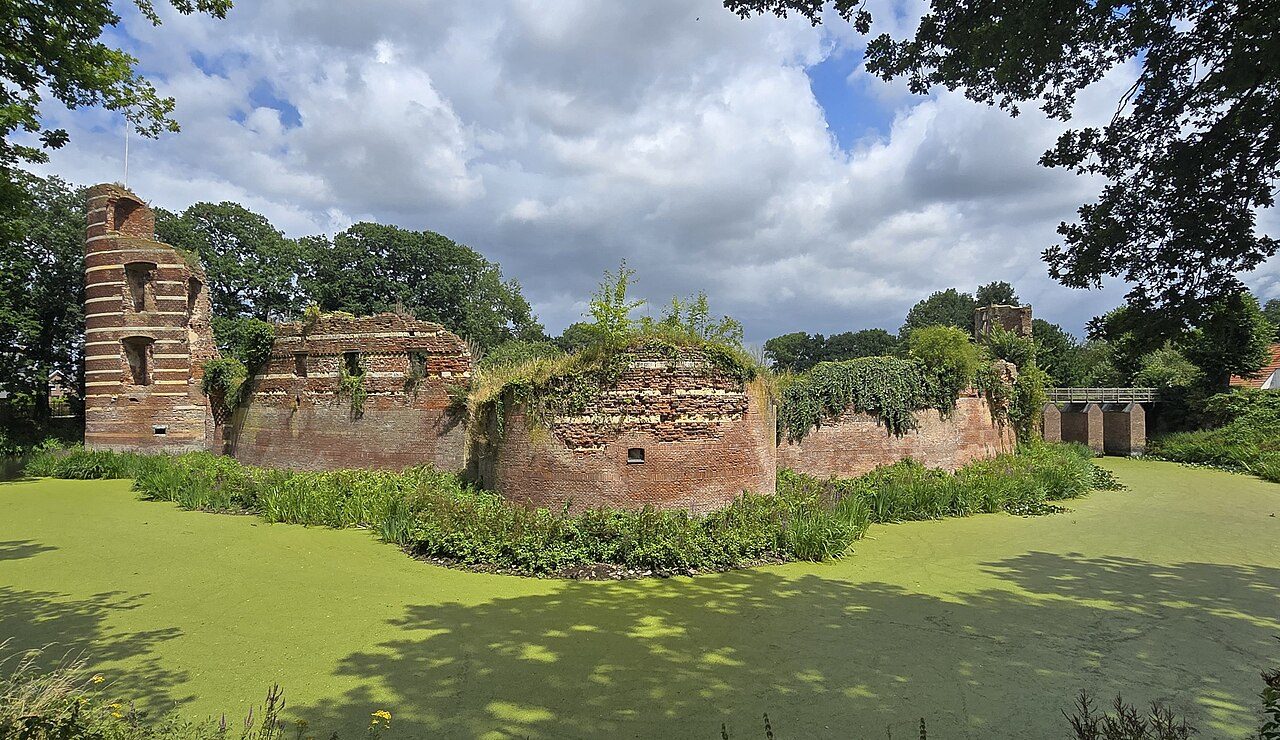
Kasteel Batenburg
Kasteel Batenburg is a castle ruin on a mound just north of Batenburg. Its surviving masonry and raised position recall a residence and stronghold.
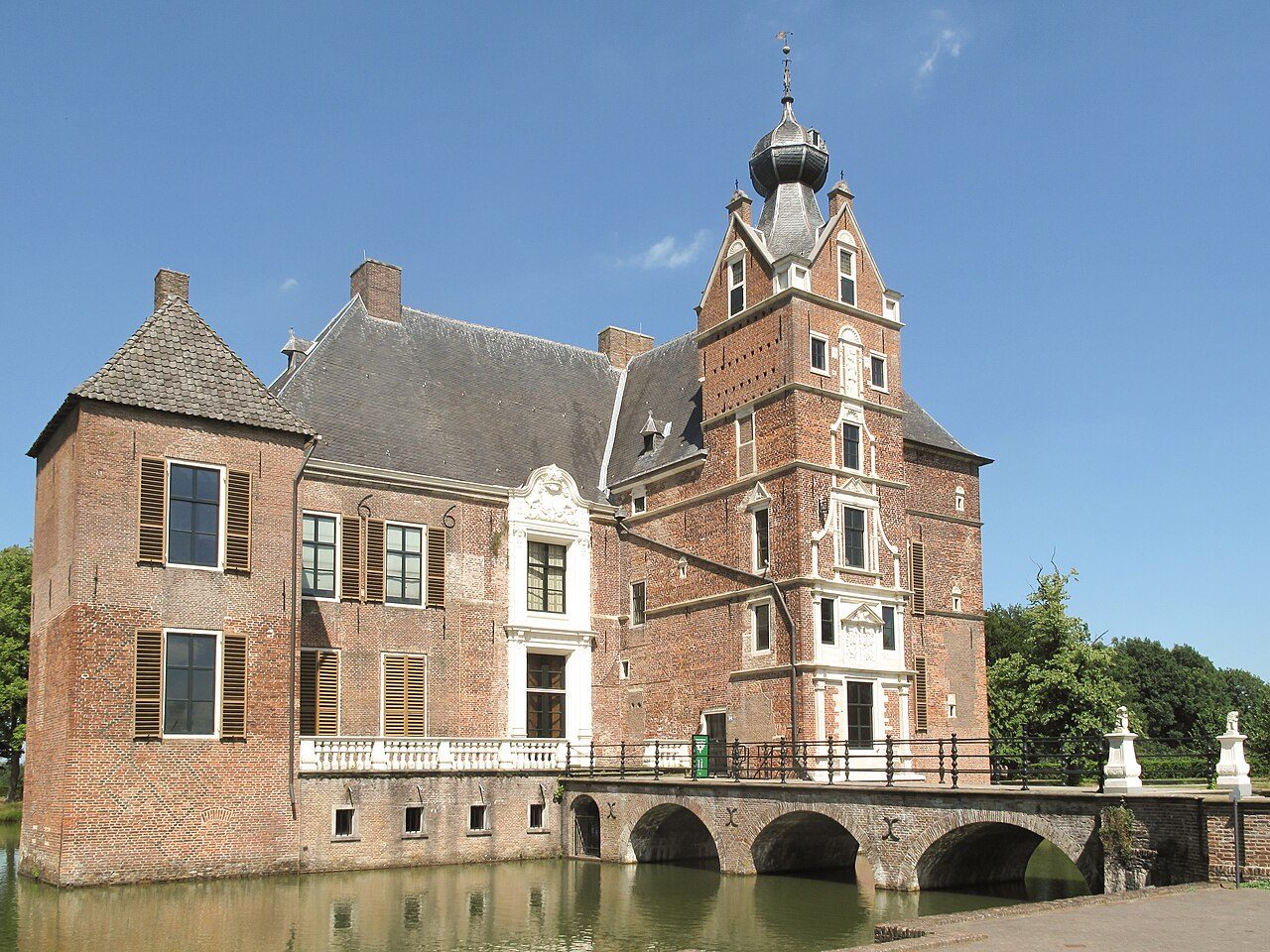
Kasteel De Cannenburgh
A castle in Epe, Gelderland, with a seated Maarten van Rossem outside and a portrait whose journey home took roughly 150 years.
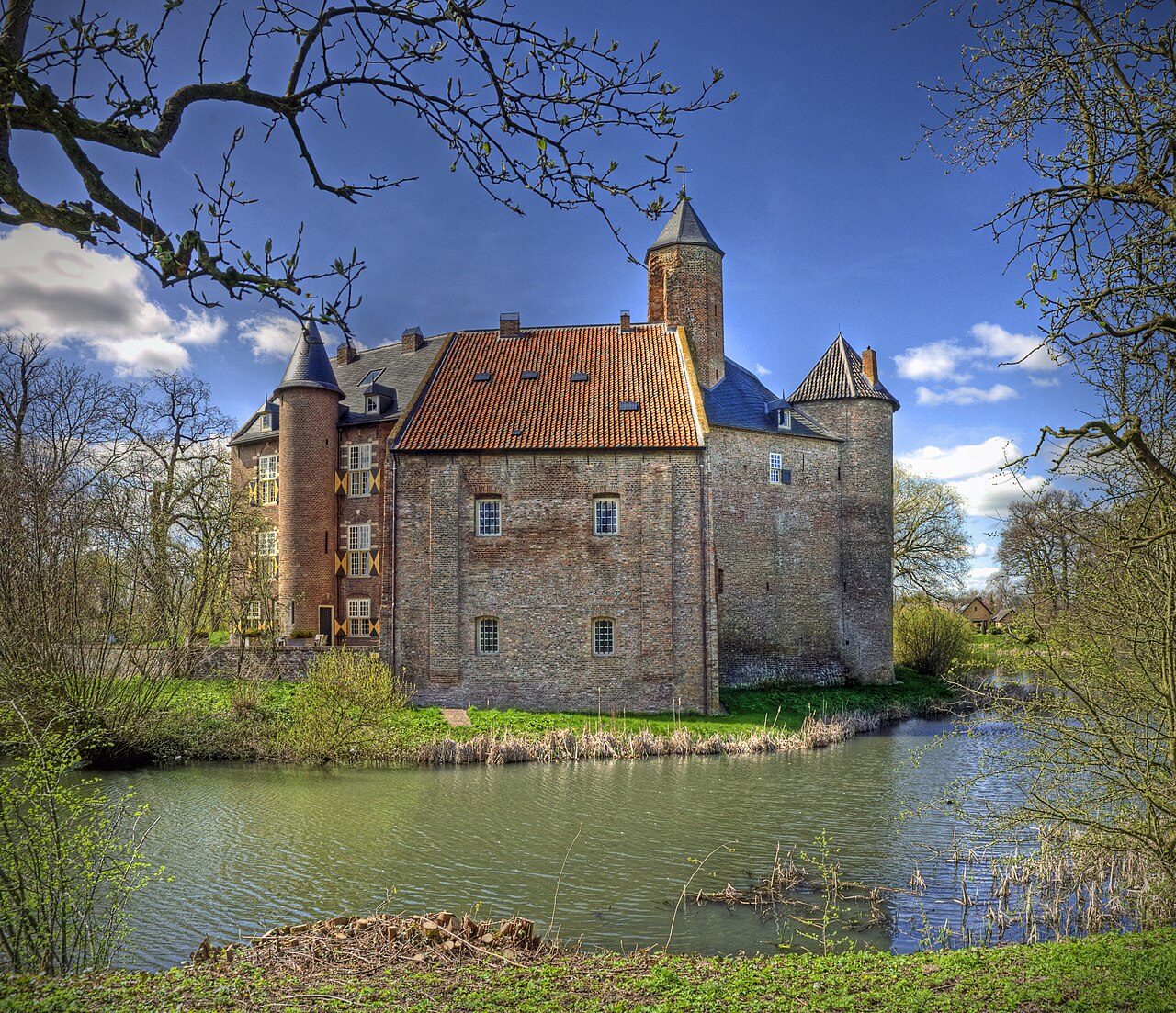
Kasteel Waardenburg
A medieval castle in Waardenburg, with a surviving 14th-century keep and an incomplete outline shaped by destruction and repair.
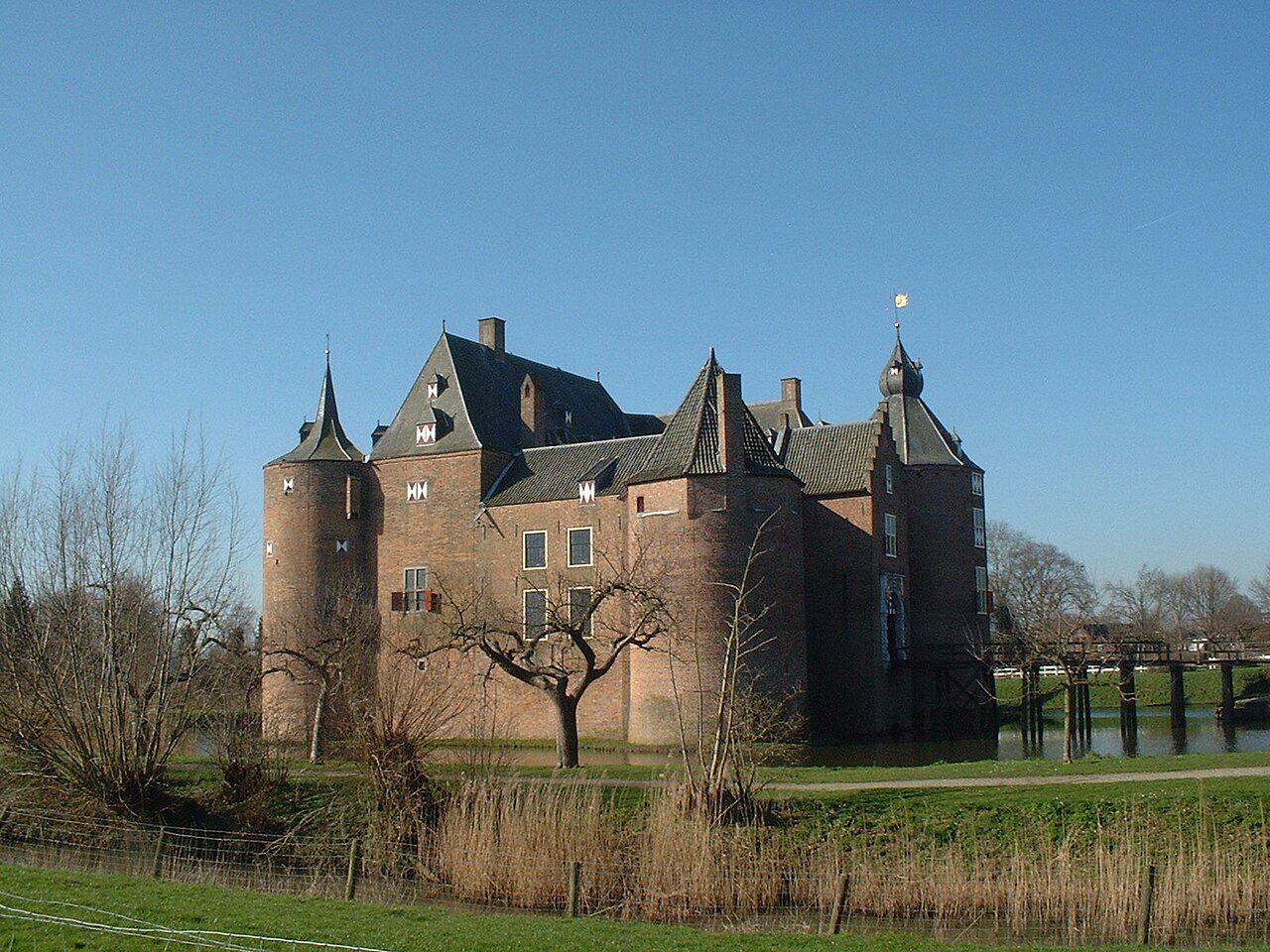
Kasteel Ammersoyen
A medieval moated castle with four corner towers, a brewing oven beneath the cellar floor and moat finds that bring centuries of daily life into view.