
CASTLE
Kasteel Batenburg
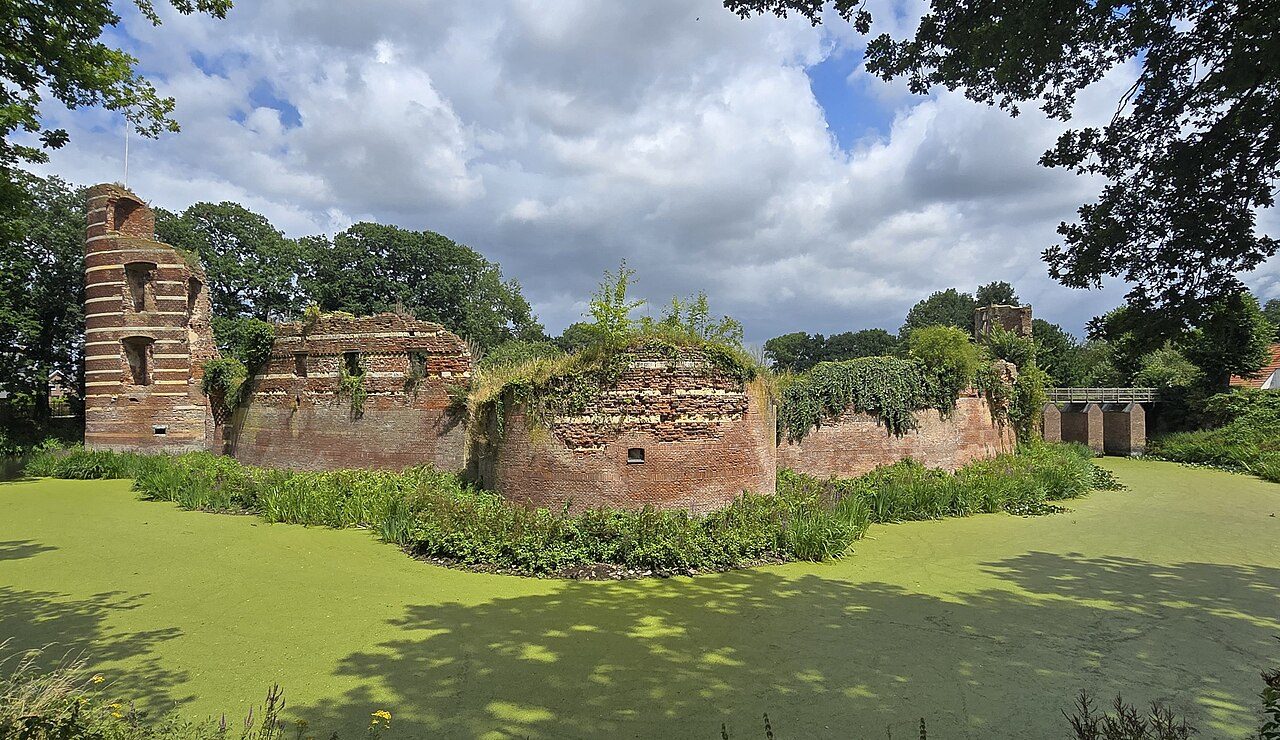
Kasteel Batenburg is a castle ruin on a mound just north of Batenburg. Its surviving masonry and raised position recall a residence and stronghold.
A castle undone by fire
Kasteel Batenburg is a castle ruin on a mound just north of Batenburg, in the municipality of Wijchen. Its destruction in 1794 was more specific than a battlefield defeat. Hessian troops had used the castle as a hospital. After they left, French émigrés were quartered here. On 26 October, six Frenchmen deliberately set it alight. Local people later took building materials from the ruins.
That sequence helps explain what you have come to see: the remains of a residence and stronghold, rather than a complete castle. Start by noticing its raised position. The mound, known as a motte, still gives the site a physical presence above its surroundings.
A stronghold and a negotiating table
The lords of Batenburg appear in written records around 1080. Their power owed much to their estates and castle on the border between Brabant and Guelders. Marriage later brought Batenburg into the Bronckhorst family, and the castle suffered repeatedly in regional conflicts.
It also served a less destructive purpose. In 1459, delegations from Gelderland’s cities and nobility gathered in the town and castle. After weeks of negotiations, they produced the Peace of Batenburg, an attempt to settle the succession conflict between Arnold of Guelders and his son Adolf. Picture the castle not just as a defensive position, but as somewhere people came to bargain over the region’s future.
On a map of Gelderland’s castles, you can place Batenburg alongside Kasteel Waardenburg in Neerijnen and Kasteel Ammersoyen in Maasdriel. Batenburg’s particular story is one of border power, repeated damage and eventual destruction.
A doubtful date and a miraculous spring
Some of its oldest stories need a little caution. In 2024, Wijchens Weekblad Wegwijs retold a claim that a stone above the gateway dated the castle’s foundation to AD 327, on the remains of a Roman temple. The newspaper noted that this had not been independently confirmed. Another recorded version gives 527 and names the temple as that of Mars Victor. Neither should be treated as an established foundation date.
Water has its own place in the castle’s legends. A story retold in De Apostelbode in 2025 says the Lady of Wychen prayed for prisoners held beneath the castle. A spring appeared in their dungeon. Her cruel husband, the lord of Batenburg, was so astonished that he released them. Another tradition describes supposedly fever-curing spring water sold by the bucket by the gatekeepers. These are stories attached to the site, not evidence of miraculous cures.
Look for the scale of the stronghold
Two replica cannons on the dike, at opposite ends of Batenburg, give a concrete connection to its defences. They copy a castle cannon commissioned in 1667 by Adriaan van Horne, a general of artillery who fought the English under Michiel de Ruyter.
At the ruin itself, take time to look at the relationship between the surviving masonry and the mound beneath it. Keep the different layers of its history separate: the medieval stronghold, the place of negotiation, the later artillery defences and the fire of 1794. The remains belong to all of them.
Things to know
- Head for the northern side of Batenburg, in the municipality of Wijchen.
- Allow about half an hour to look closely at the ruin and its setting.
- Wear comfortable walking shoes for viewing the site on foot.
- The replica cannons stand on the dike at opposite ends of town, not together at the ruin.
- Opening hours and prices can change. Check the official website before you go. Official website
What people say
Related spots
More things to do in Gelderland ›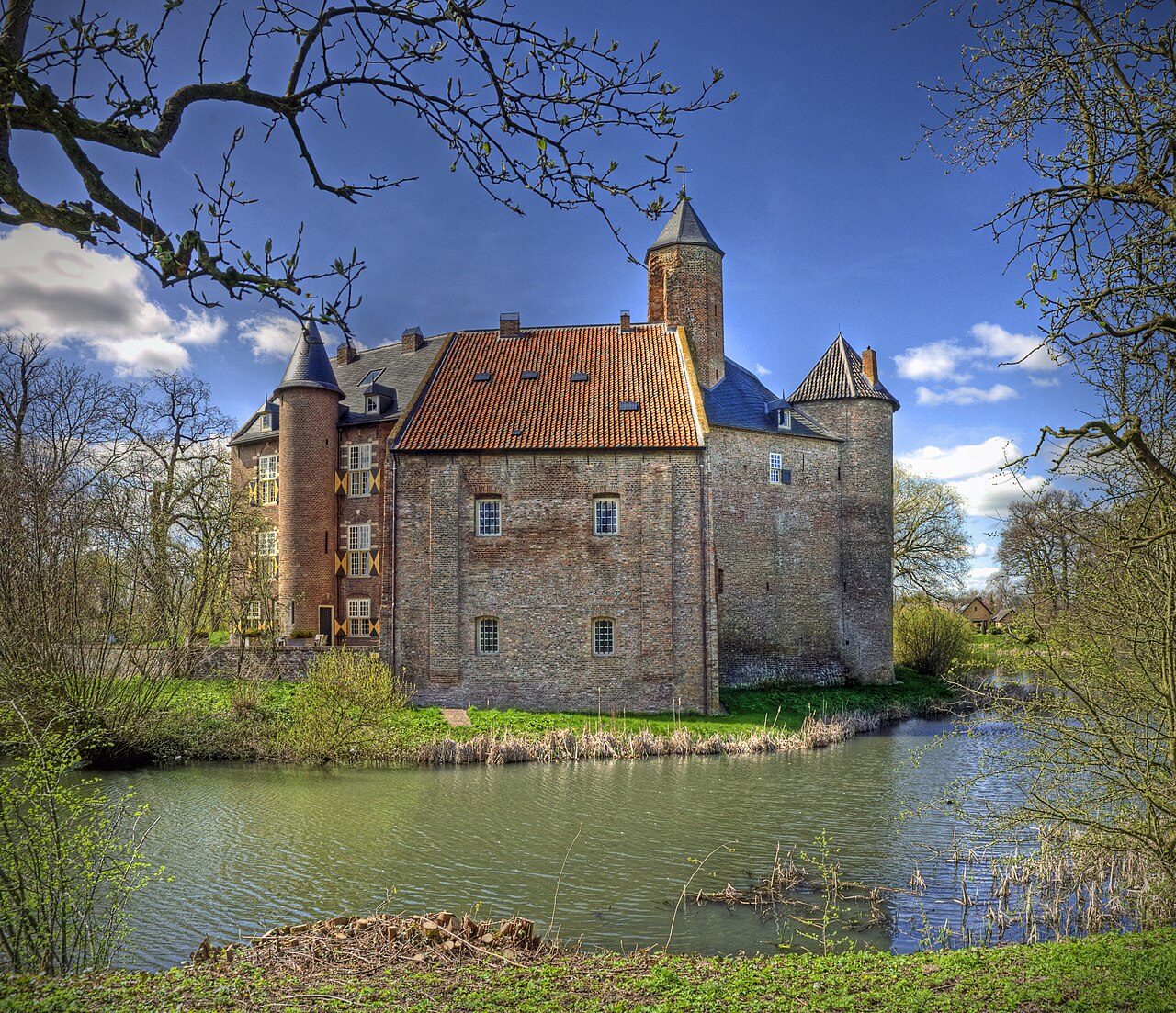
Kasteel Waardenburg
A medieval castle in Waardenburg, with a surviving 14th-century keep and an incomplete outline shaped by destruction and repair.
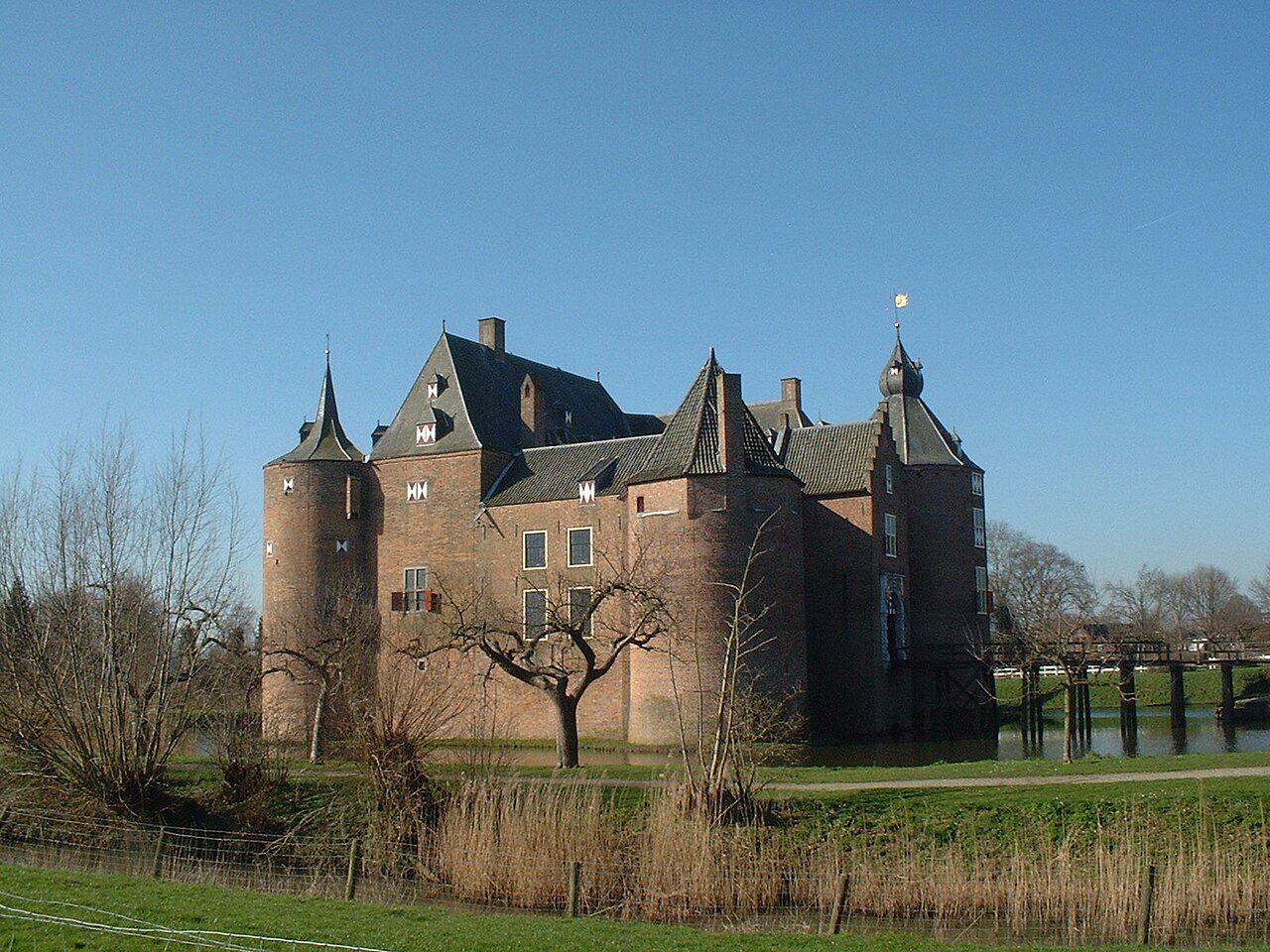
Kasteel Ammersoyen
A medieval moated castle with four corner towers, a brewing oven beneath the cellar floor and moat finds that bring centuries of daily life into view.
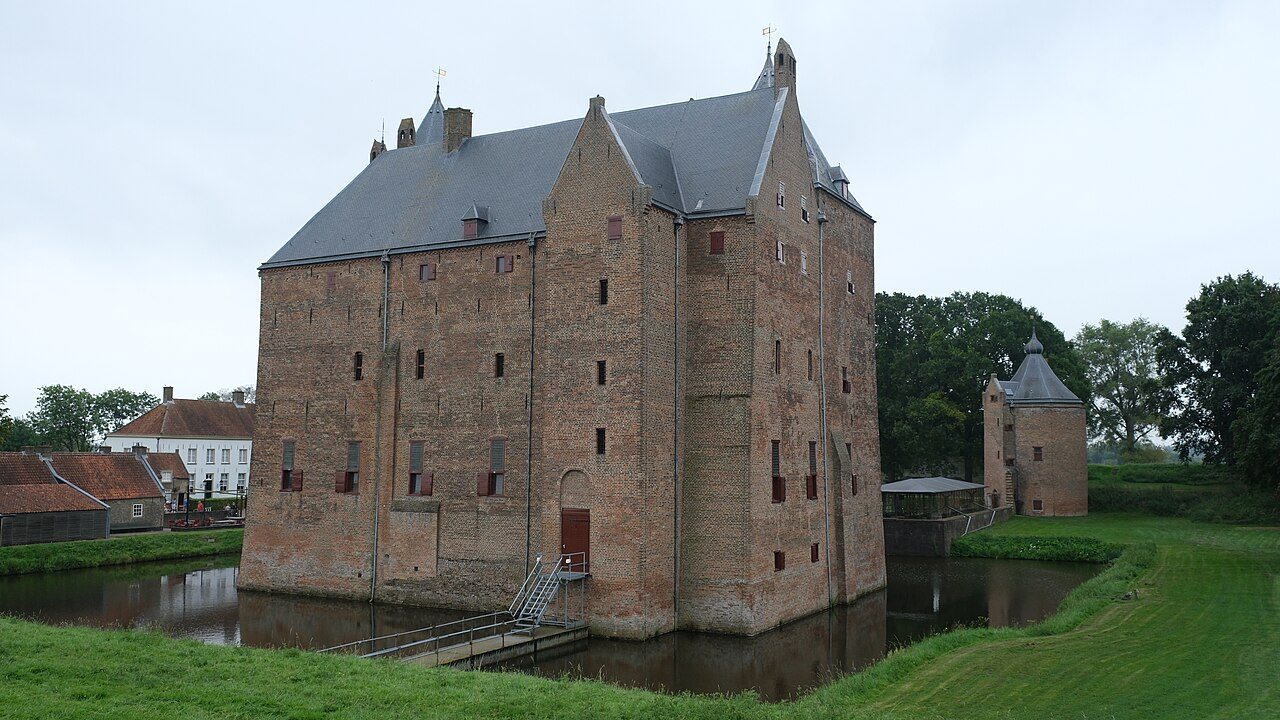
Slot Loevestein
A moated castle and former state prison beside the Waal and the Afgedamde Maas, with towers, earthworks and stories of escape.
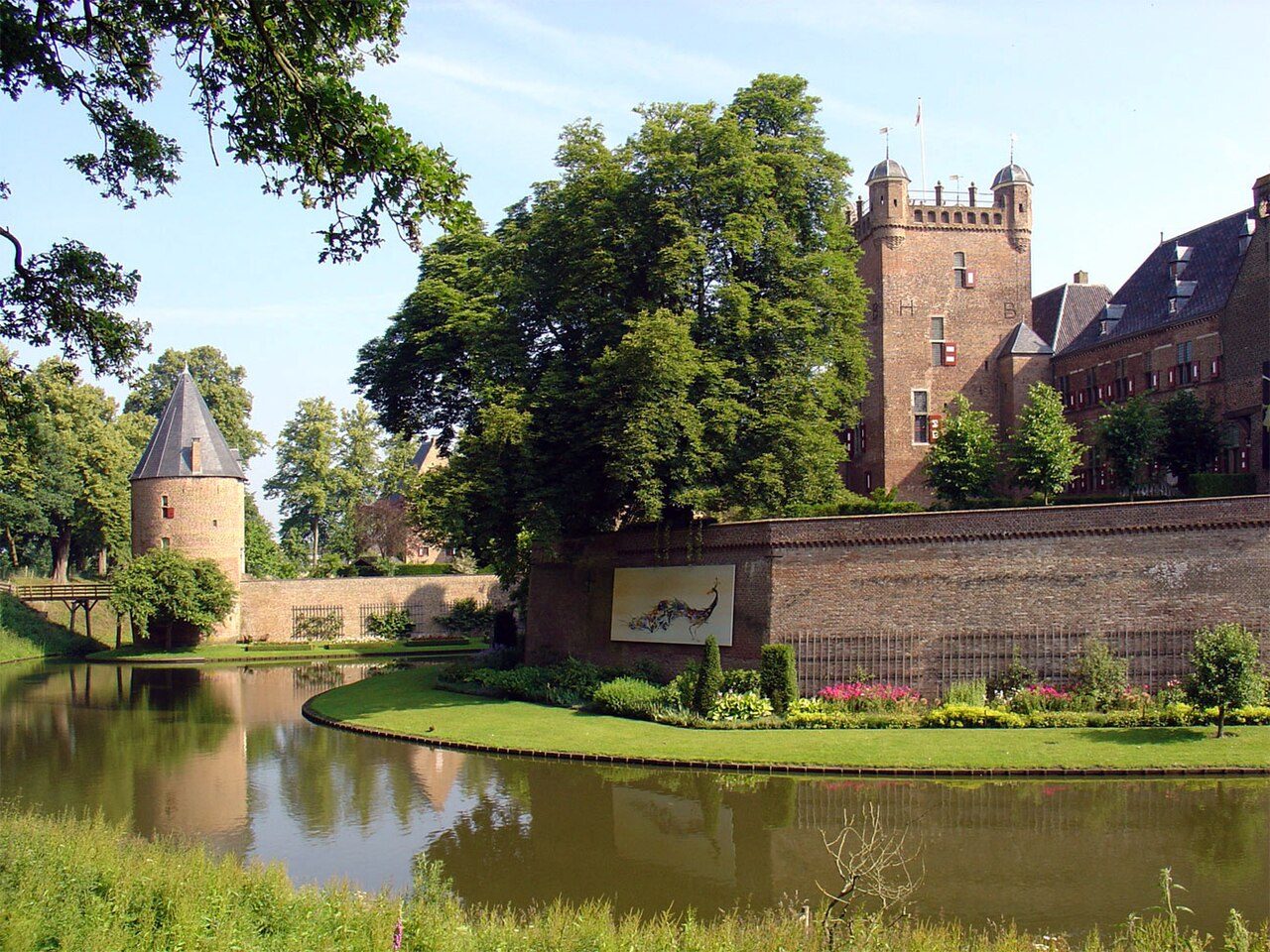
kasteel Huis Bergh
Huis Bergh is the Netherlands’ largest moated castle and the ancestral seat of the counts of Bergh. Allow time for both the building and the early Italian art inside.
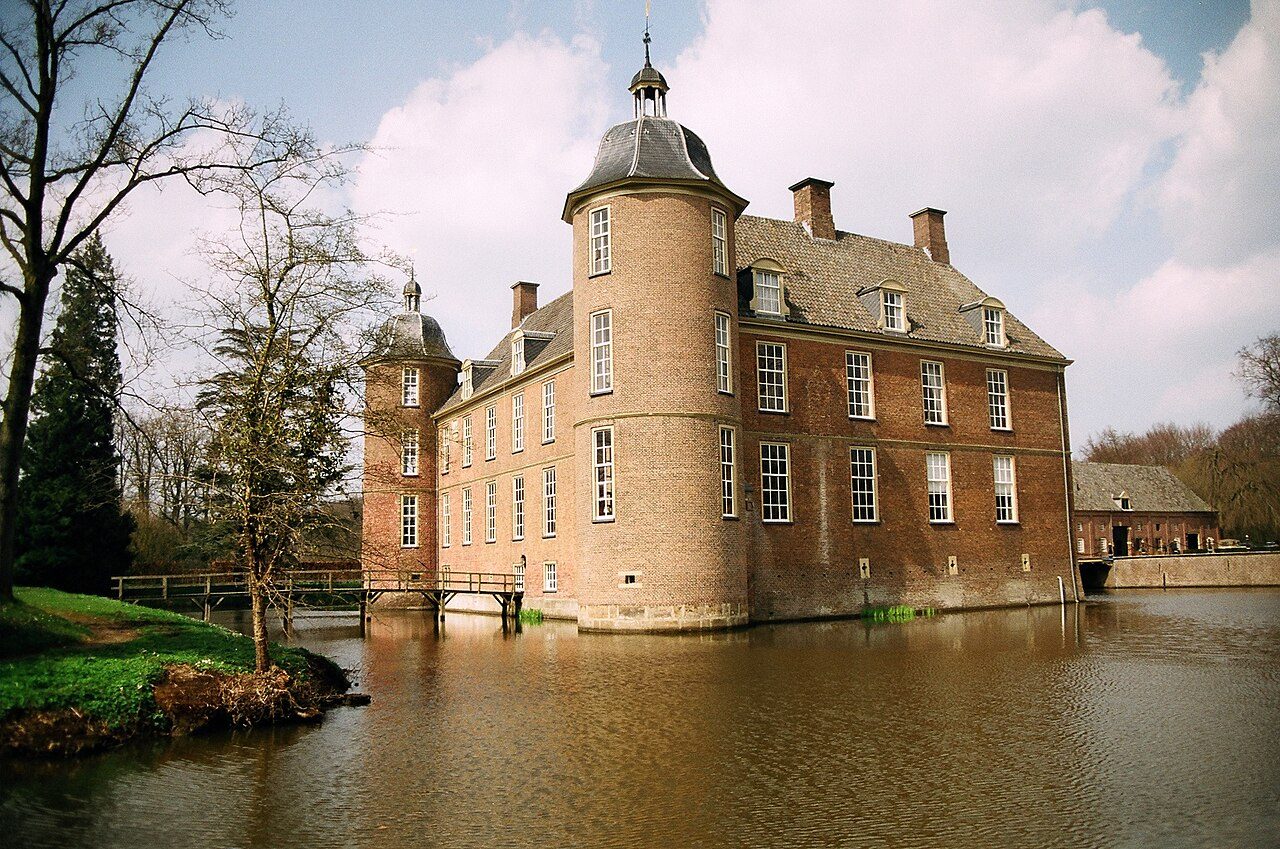
Slangenburg
A castle and estate east of Doetinchem, with rooms painted in memory of a young wife and centuries-old avenues following a trapezoid-shaped plan.
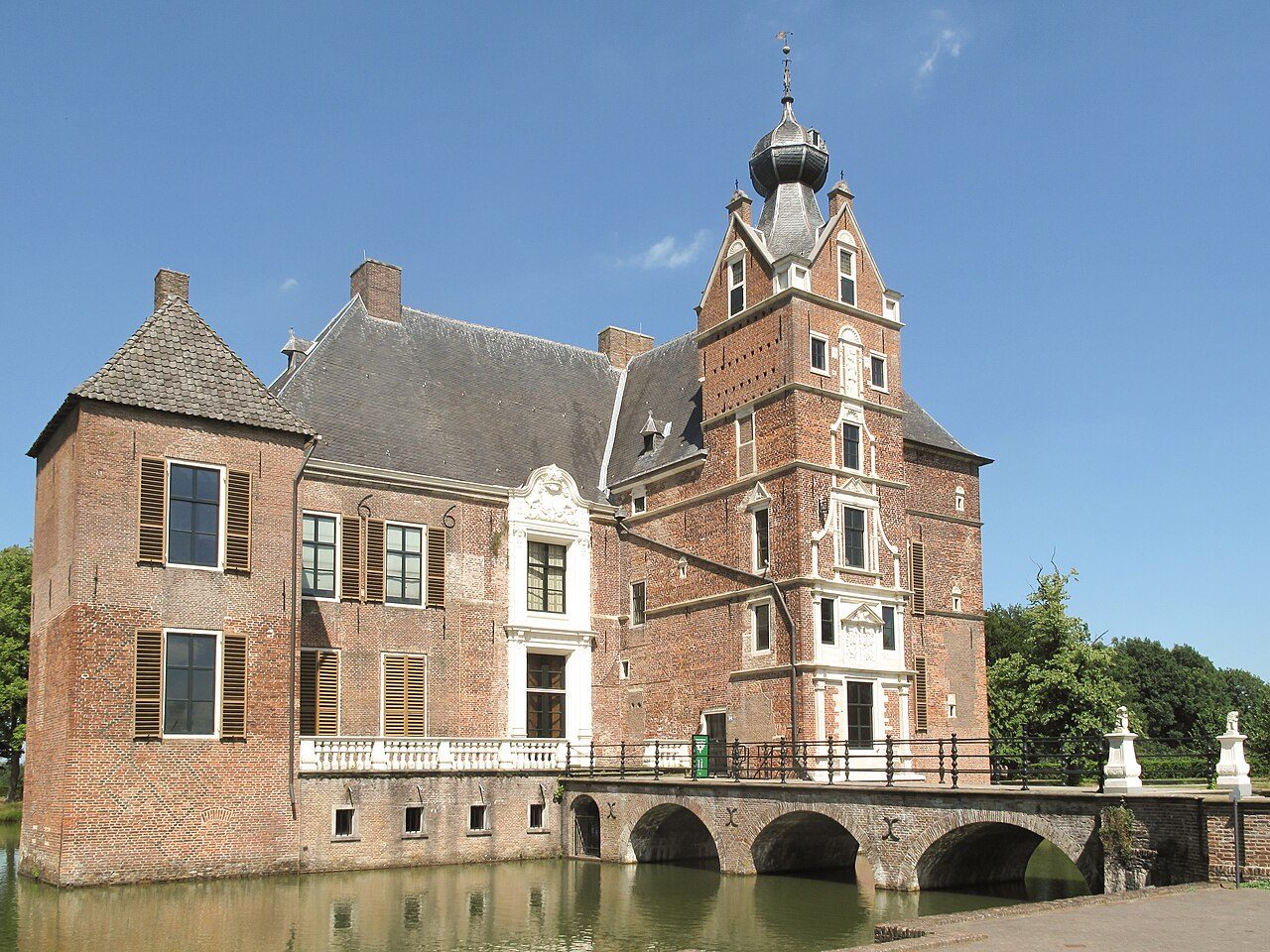
Kasteel De Cannenburgh
A castle in Epe, Gelderland, with a seated Maarten van Rossem outside and a portrait whose journey home took roughly 150 years.