
CASTLE
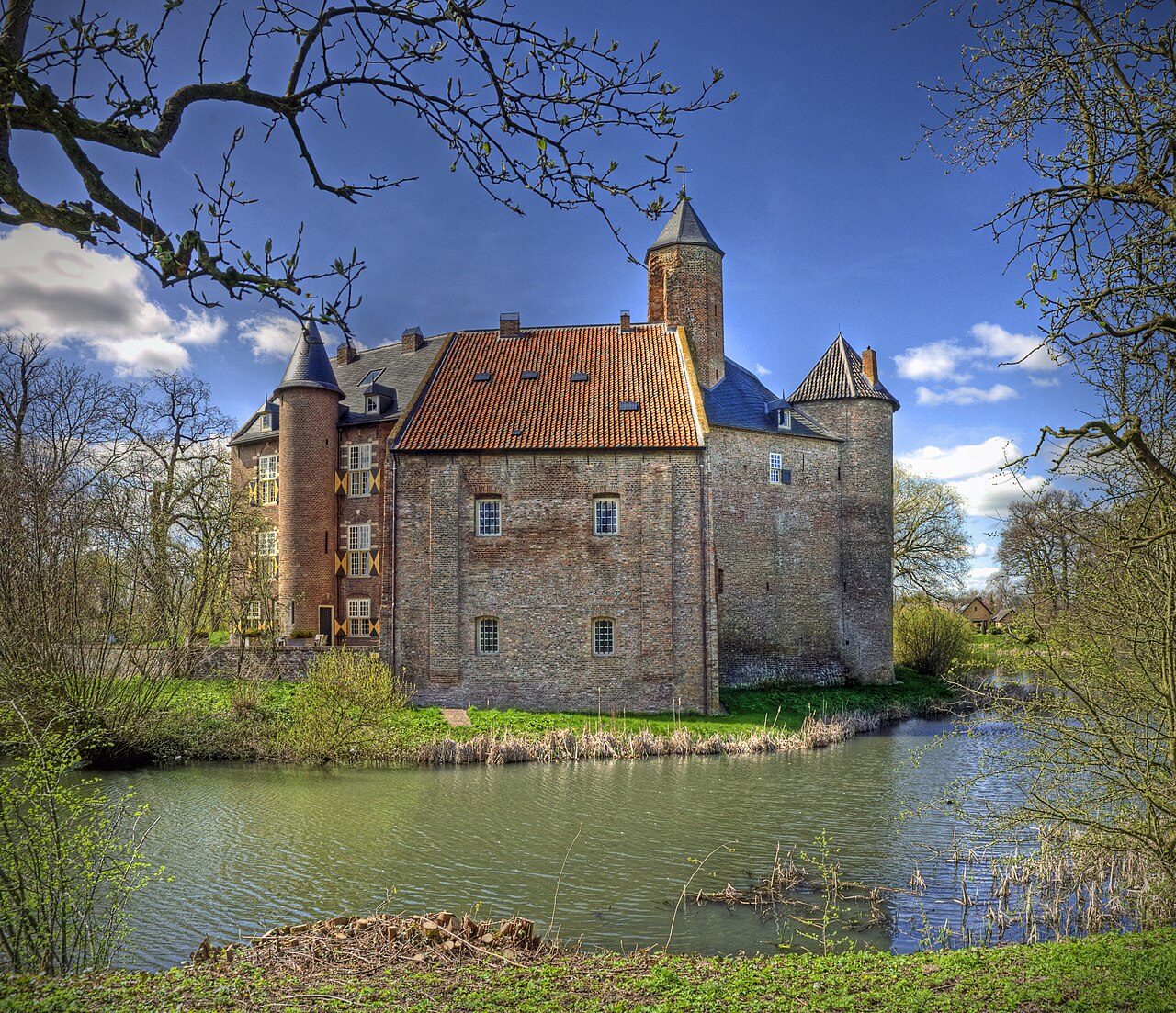
Kasteel Waardenburg
A medieval castle in Waardenburg, with a surviving 14th-century keep and an incomplete outline shaped by destruction and repair.
A castle with room for ghosts
Kasteel Waardenburg is a medieval castle in Waardenburg, in Gelderland’s West Betuwe municipality. Its surviving 14th-century keep and irregular outline reward a slow look from outside. In 1972, resident Adriaan van Goelst Meijer asked future restorers to protect more than its old masonry. The bats, lizards and ghosts belonged there too, he said, and should not be driven away.
If your Gelderland castle itinerary includes Kasteel Ammersoyen or Slot Loevestein, give Waardenburg its own place in the story. Here, you are looking at roughly half the original castle. Destruction and repair explain the shape that survives.
A dated beginning, a broken circle
The castle’s foundation has an unusually precise date: 5 August 1265. Count Otto II of Gelre granted Rudolf de Cock the villages of Hiern, Neerijnen and Opijnen in exchange for his property at Rhenoy. Hiern was the old name of Waardenburg. Rudolf received permission to build a home, but its cost could not exceed 300 Leuven pounds.
His descendants enlarged it. In 1355, Johan de Cock added a great square keep, a curtain wall and a moat around the castle and forecourt. Together they formed a large circular stronghold. Look for the square keep: originally four storeys high, it now stands one storey lower beneath a single-sloping roof.
The missing fabric has a violent explanation. In 1574, Catharina van Gelre supported the Spanish side and refused to surrender. Soldiers led by Dirk van Haaften captured her castle on 19 April. Cannon fire and flames ruined its southern side. The defenders’ 4,000 reinforcements arrived one day too late. The castle never regained its full size.
Faust and the tower window
Waardenburg also has its own Doctor Faust legend, recorded in 1842. Faust signed a pact in blood with the devil, whom he called Joost. In return, Joost served him for seven years. When the term ended, the servant collected his payment: he dragged Faust through a tower window. Stains on the wall were said to be Faust’s blood.
That is folklore, not an account of a documented death. But it gives the towers another layer of meaning. A later discovery sounds almost as theatrical. By 1978, former mayor A. van Goelst Meijer had found a secret passage behind an old enclosed bed while working on the castle.
Repairs and traces of war
The ruined castle was made habitable again in 1627. Restoration in 1895 added a small tower on the east side. During the Second World War, bombing of the nearby Bommelse Bridge damaged the building. It was declared uninhabitable in 1957, before extensive restoration secured its future.
The war also left a less expected trace. After it ended in 1945, five satirical drawings associated with the Dutch Internal Forces were made at the castle. A 2024 heritage report records that one remained visible on a wall. This is an interior survival, not something to expect from an exterior visit. Outside, concentrate on the lowered keep, the added turret and the incomplete outline: the castle’s history is still legible in its shape.
Things to know
- Head for Waardenburg in West Betuwe; Neerijnen is a separate village.
- Allow about half an hour for a careful exterior look.
- Use daylight to pick out the keep and changing roofline.
- The surviving wartime drawing is inside, not an exterior feature.
- Opening hours and prices can change. Check the official website before you go. Official website
What people say
Related spots
More things to do in Gelderland ›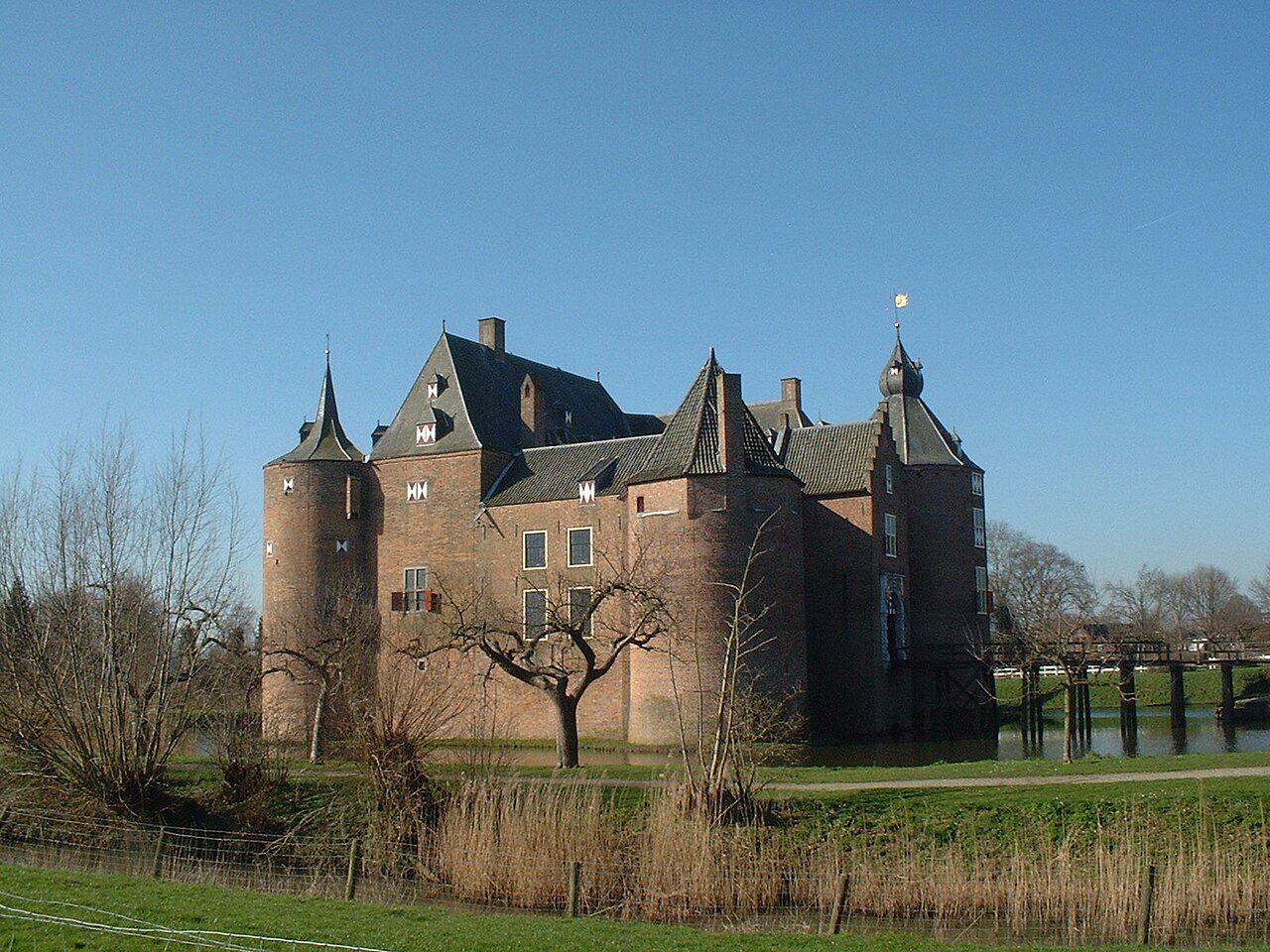
Kasteel Ammersoyen
A medieval moated castle with four corner towers, a brewing oven beneath the cellar floor and moat finds that bring centuries of daily life into view.
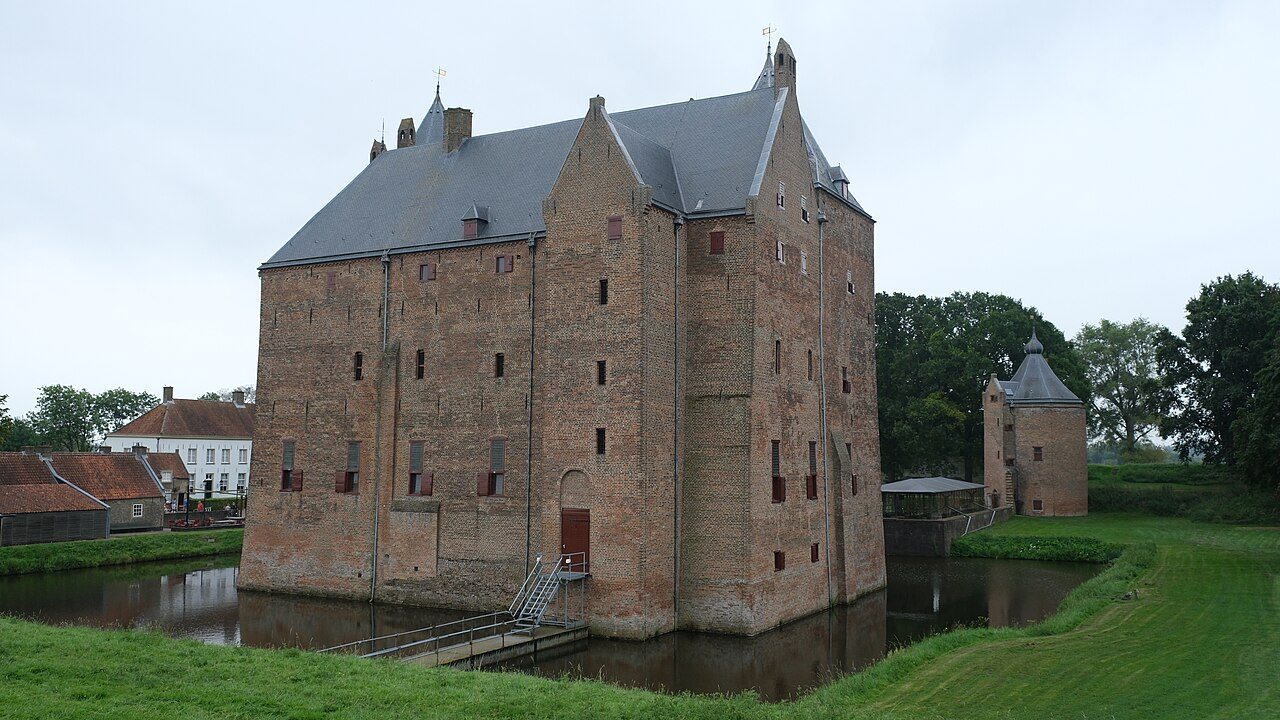
Slot Loevestein
A moated castle and former state prison beside the Waal and the Afgedamde Maas, with towers, earthworks and stories of escape.
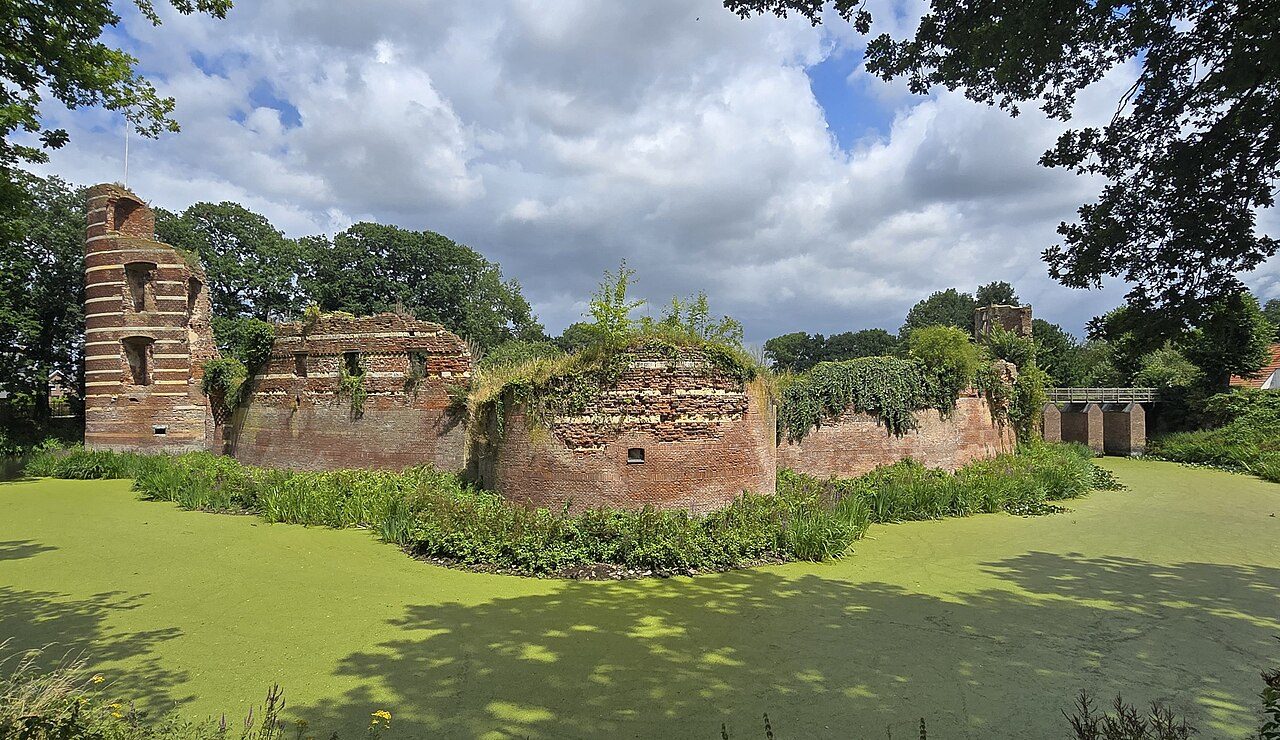
Kasteel Batenburg
Kasteel Batenburg is a castle ruin on a mound just north of Batenburg. Its surviving masonry and raised position recall a residence and stronghold.
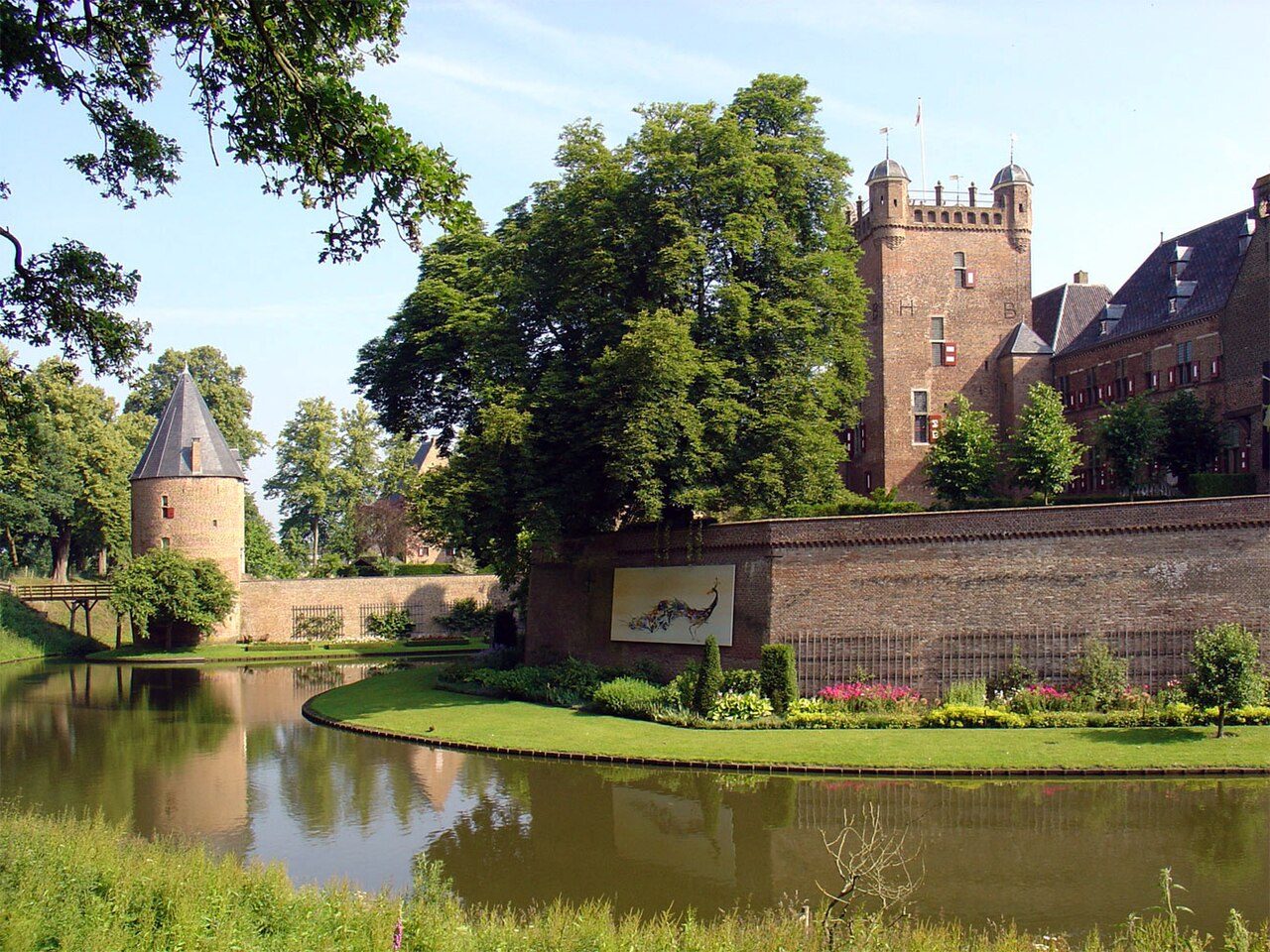
kasteel Huis Bergh
Huis Bergh is the Netherlands’ largest moated castle and the ancestral seat of the counts of Bergh. Allow time for both the building and the early Italian art inside.
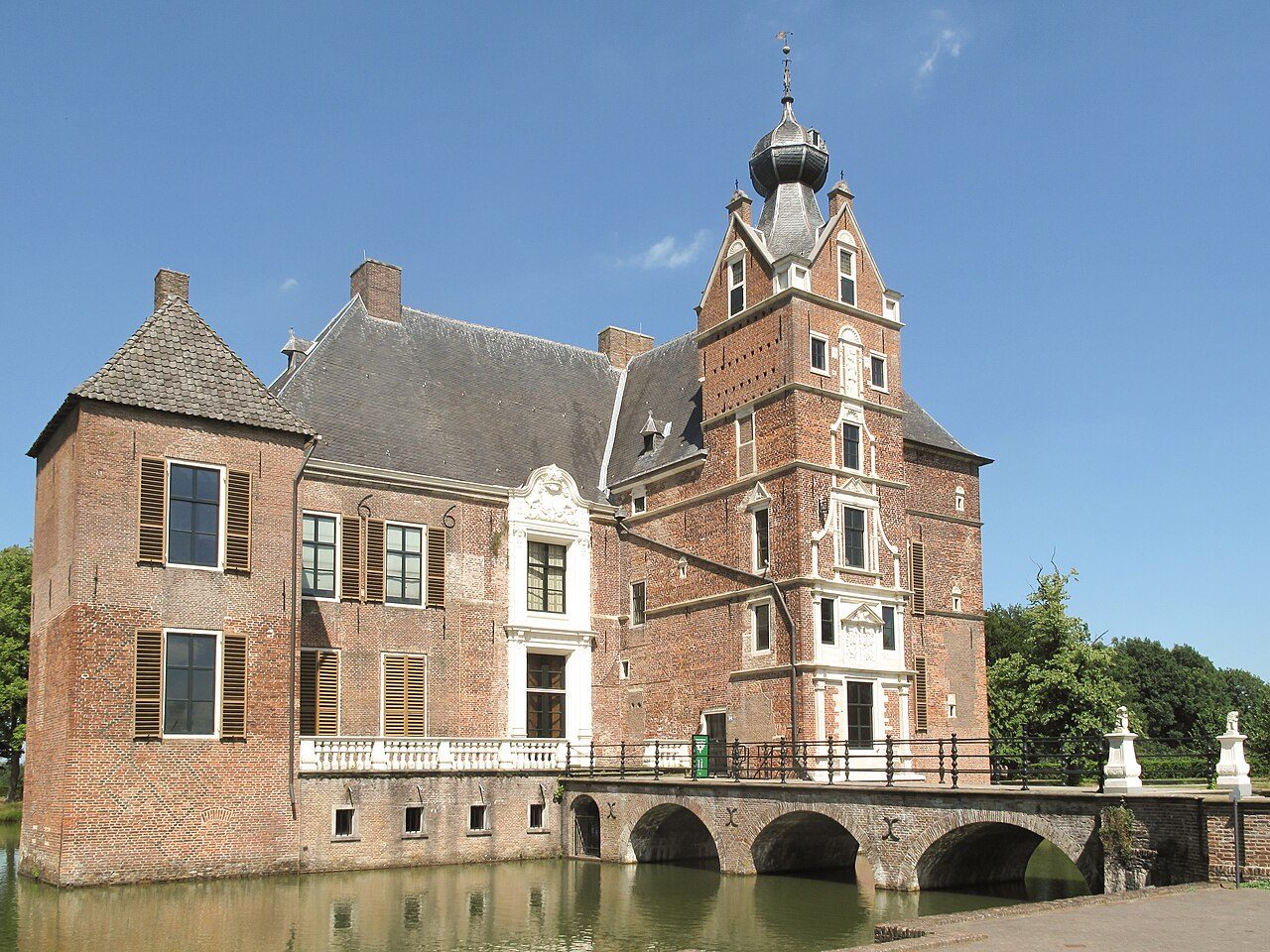
Kasteel De Cannenburgh
A castle in Epe, Gelderland, with a seated Maarten van Rossem outside and a portrait whose journey home took roughly 150 years.
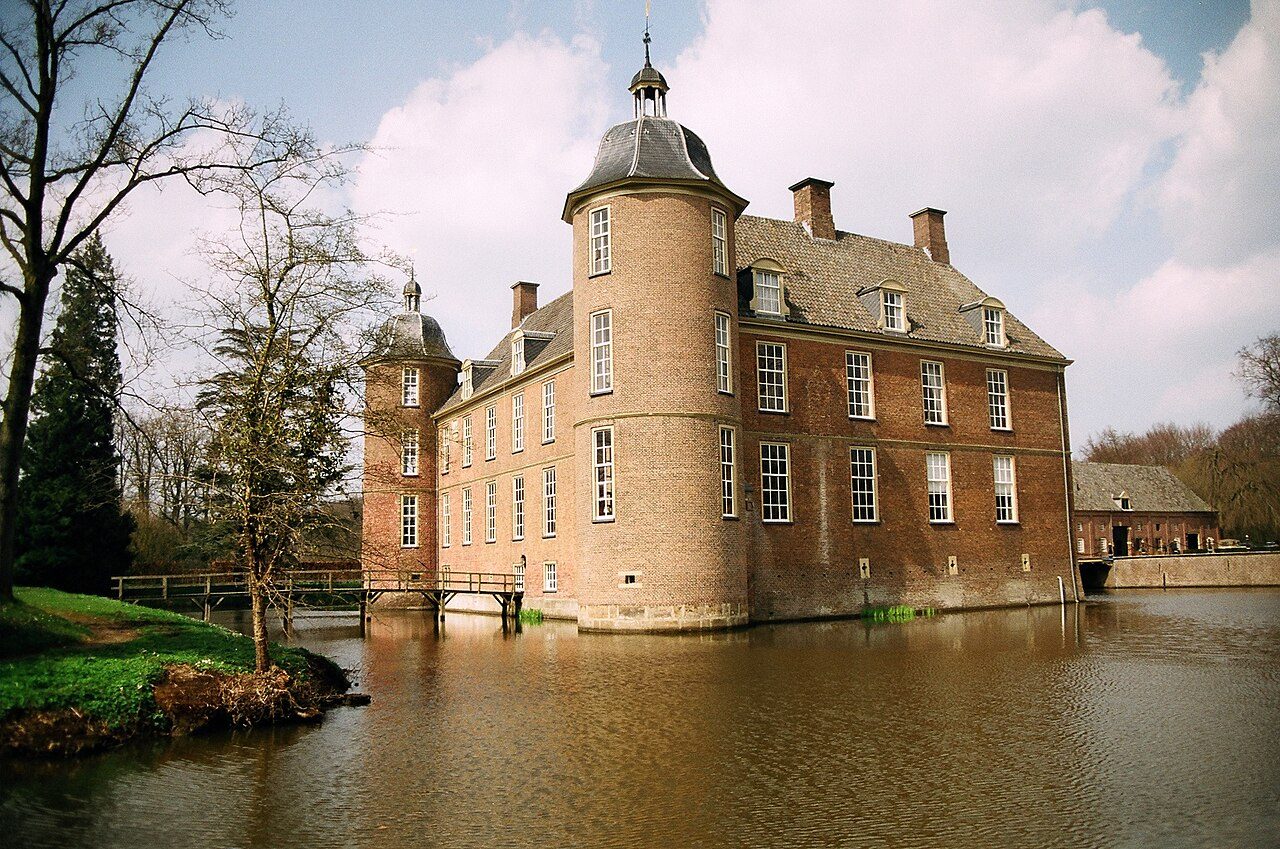
Slangenburg
A castle and estate east of Doetinchem, with rooms painted in memory of a young wife and centuries-old avenues following a trapezoid-shaped plan.