
CASTLE
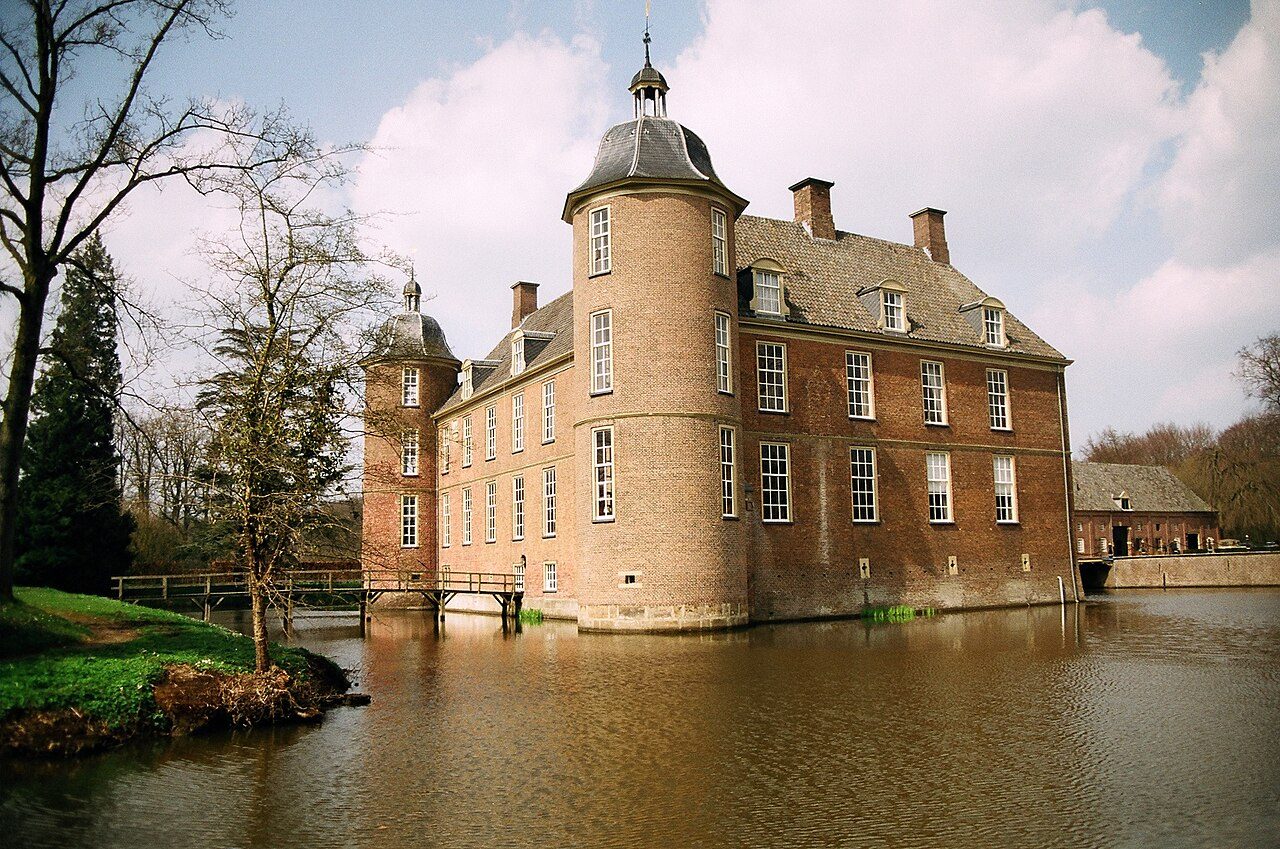
Slangenburg
A castle and estate east of Doetinchem, with rooms painted in memory of a young wife and centuries-old avenues following a trapezoid-shaped plan.
A castle shaped by remembrance
Slangenburg is a castle and estate east of Doetinchem, with rooms painted in memory of a young wife. After Dorothea Petronella van Steenbergen died around 1666, her husband, General Frederik Johan van Baer, commissioned Gerard Hoet to cover the castle with paintings in her memory. The mythological scenes still decorate its rooms. They give you something specific to look for: a grand interior shaped by personal loss.
Like Huis Bergh and Huize Ruurlo, Slangenburg belongs to Gelderland's landscape of castles. Here, allow time for both the house and its estate. The grounds cover almost 600 hectares between Doetinchem and Westendorp. Their centuries-old avenues follow an unusual trapezoid-shaped plan, worth tracing on a map before you walk.
Look closely at the paint and clock
Slangenburg first appears in records in 1354, as the property of Maes, also called Thomas, van Baer. The Dutch States army destroyed it in 1585. Rebuilding had to wait until the Twelve Years' Truce, and Frederik Johan van Baer later remodelled it as his home in the 17th century.
Not everything you see inside was made for its present position. During restoration in the 1980s, workers removing old paint uncovered a woman's portrait on the upper panel of a door to a tower room. The early-17th-century painting did not fit the panel, suggesting that the material had been reused. The portrait was left visible. Look for that awkward fit as well as the face.
The hall's longcase clock has another story of possible copying. In 2026, curator Yuri van der Linden reported finding a clock in the Louvre with the same Father Time figure. He concluded that Slangenburg's clock appears to copy the Paris example, probably in the 19th century. It is a useful reminder that an old interior can contain objects from several different periods.
The Passmann family's loss
The German Passmann family bought Slangenburg in 1895 and became its last private owners. In 1901, Gertrud Passmann died of food poisoning after eating oysters in Amsterdam. Her father Arnold designed a family cemetery at Slangenburg. Gertrud was reburied there in 1904, and Arnold was laid beside her in 1919.
That family burial place is distinct from the municipal Slangenburg cemetery adjoining the estate. Keep the distinction in mind if you are looking for the Passmann history rather than simply following signs bearing the estate's name.
After the Second World War, German property in the Netherlands was confiscated, bringing the castle and buildings within the outer moat into Dutch state ownership. In 2016, they passed to Monumentenbezit.
A truck, a pig and two chickens
In October 1945, ten Benedictine monks arrived from Oosterhout to live in the castle. They brought a truck, a pig and two chickens. They later built Sint-Willibrordsabdij on the estate, using rubble from Arnhem and Doetinchem for its access road.
The abbey remains part of Slangenburg's landscape, and its chapel is accessible to the public. Staatsbosbeheer manages the estate. Outside, pay attention to the old avenue pattern rather than treating the grounds as a backdrop to the house. The paintings, family burial place and abbey each belong to a different chapter of the same estate.
Things to know
- Head east from Doetinchem towards the estate between Doetinchem and Westendorp.
- Wear comfortable walking shoes for the estate avenues.
- Bring a map to make sense of the trapezoid-shaped avenue network.
- The Pieterpad's Zelhem–Braamt stage passes Slangenburg.
- Inside, look for the tower-room door portrait and the hall clock.
- Opening hours and prices can change. Check the official website before you go. Official website
What people say
Related spots
More things to do in Gelderland ›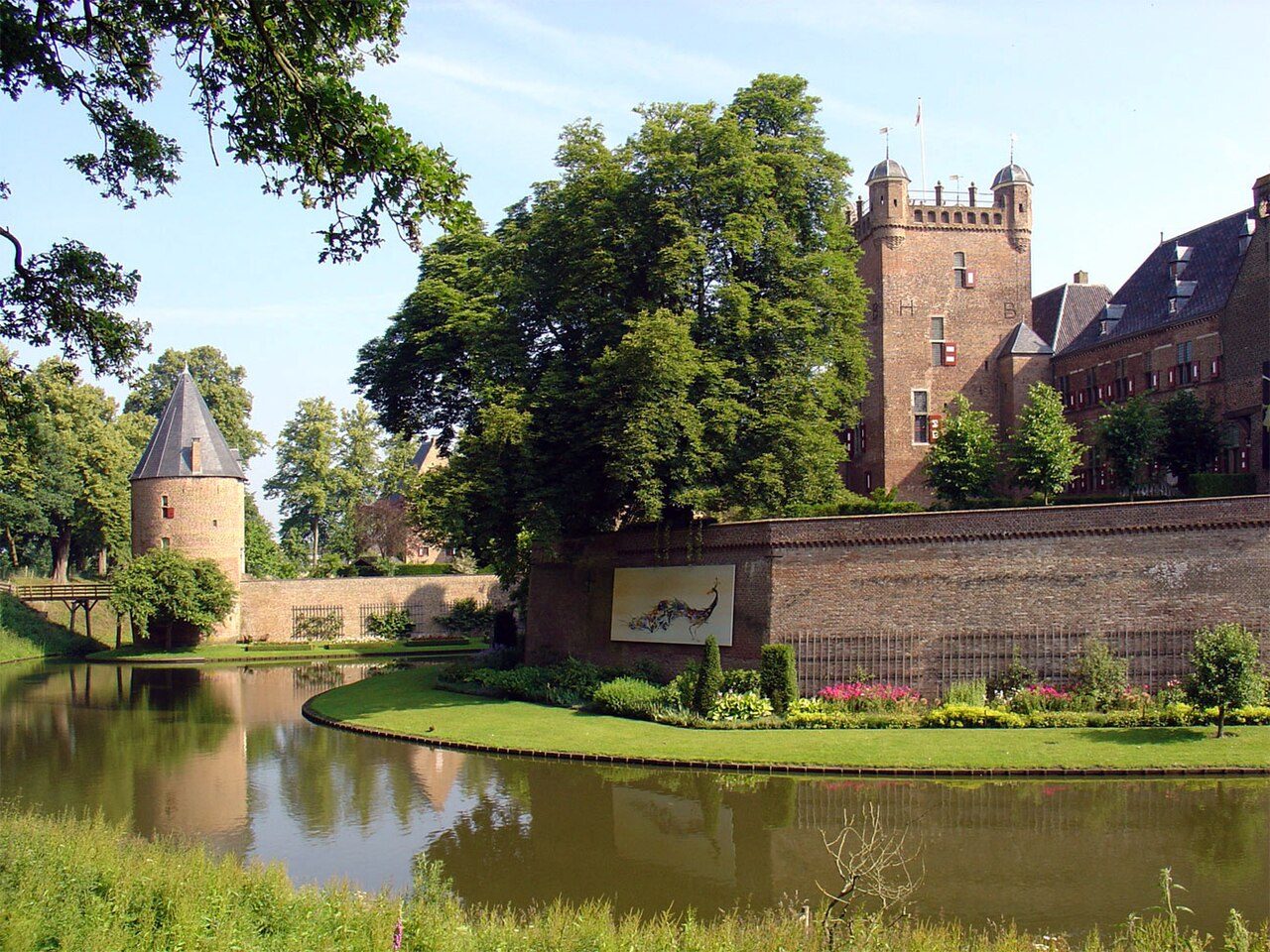
kasteel Huis Bergh
Huis Bergh is the Netherlands’ largest moated castle and the ancestral seat of the counts of Bergh. Allow time for both the building and the early Italian art inside.
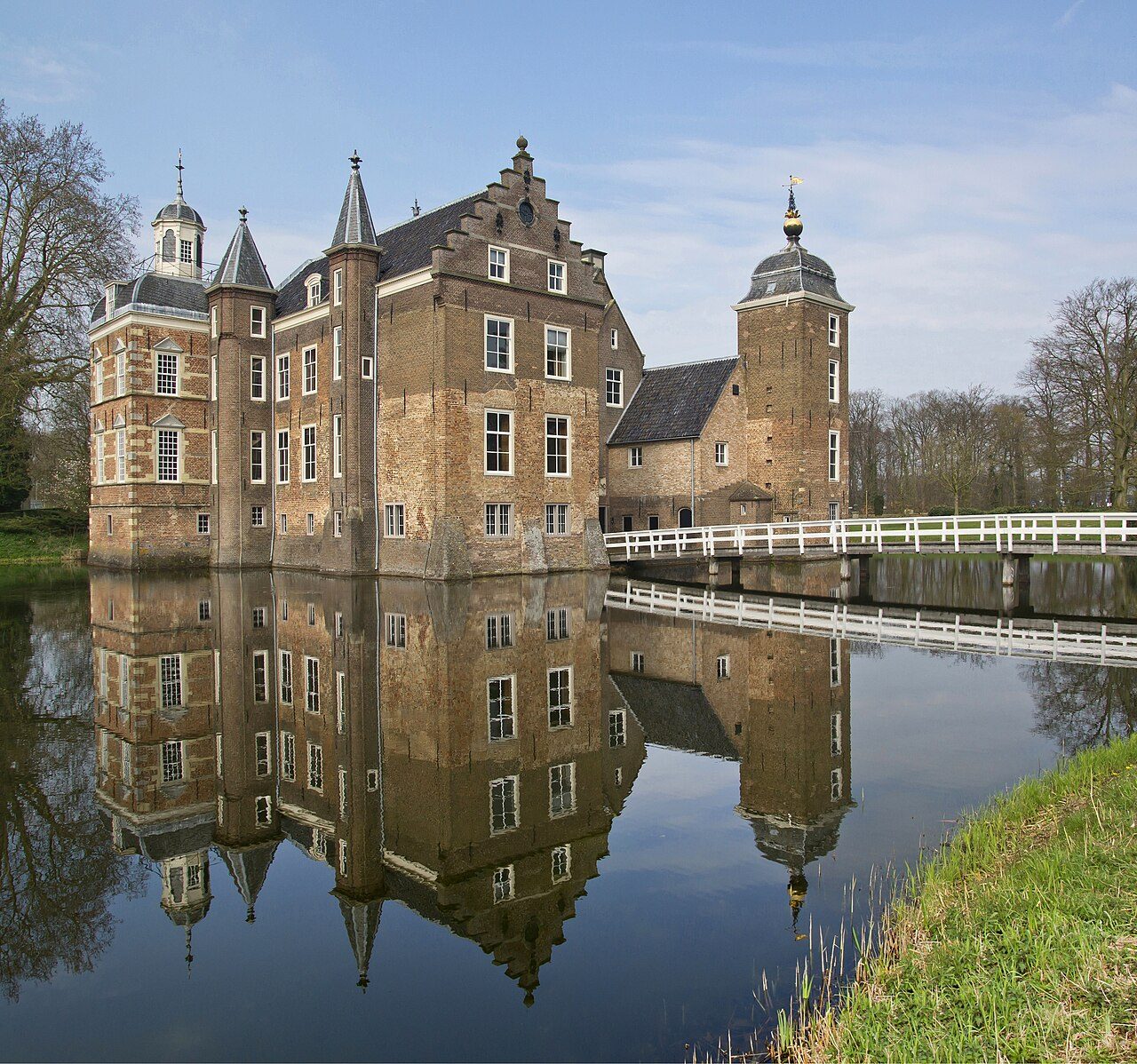
Kasteel Huize Ruurlo
A castle museum in Berkelland, Gelderland, with a clock that once told local people they were almost home.
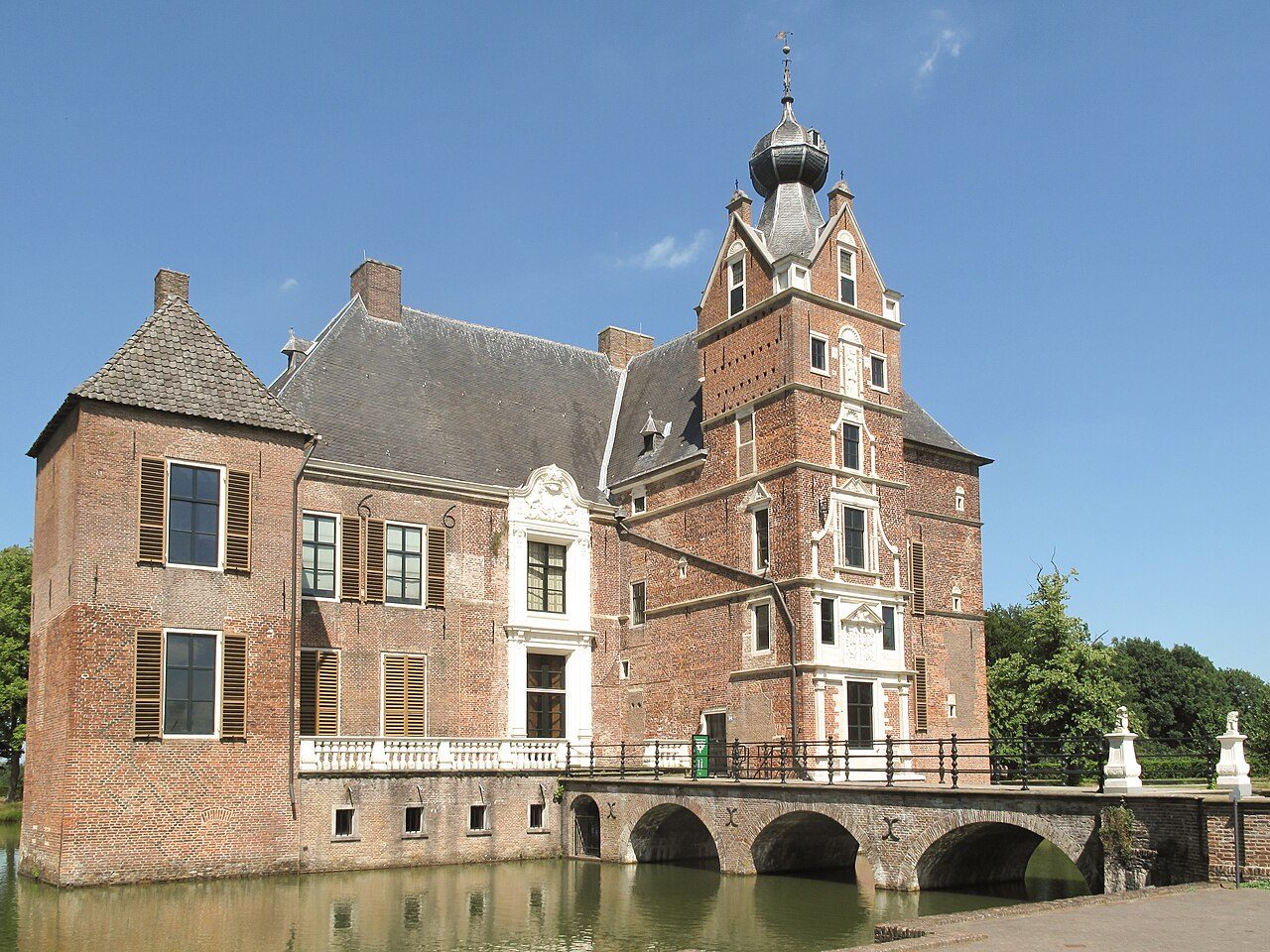
Kasteel De Cannenburgh
A castle in Epe, Gelderland, with a seated Maarten van Rossem outside and a portrait whose journey home took roughly 150 years.
Kasteel Batenburg
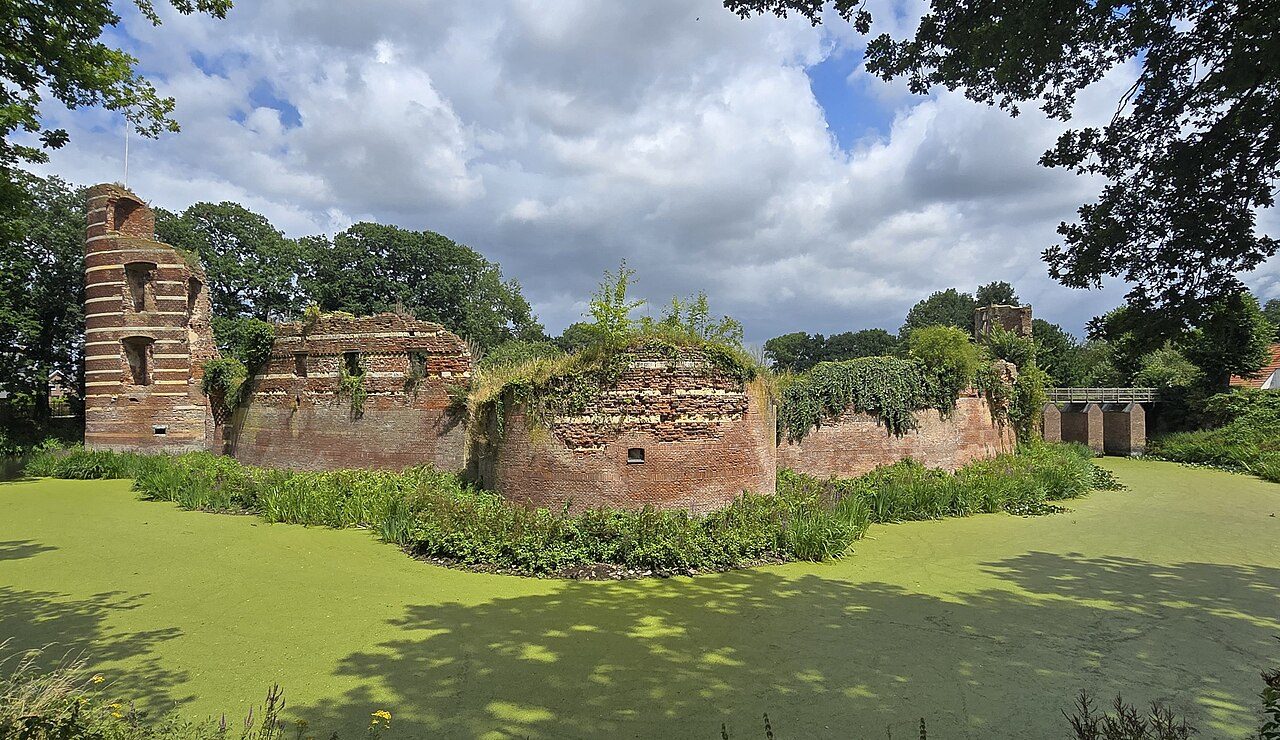
Kasteel Batenburg is a castle ruin on a mound just north of Batenburg. Its surviving masonry and raised position recall a residence and stronghold.
Kasteel Waardenburg
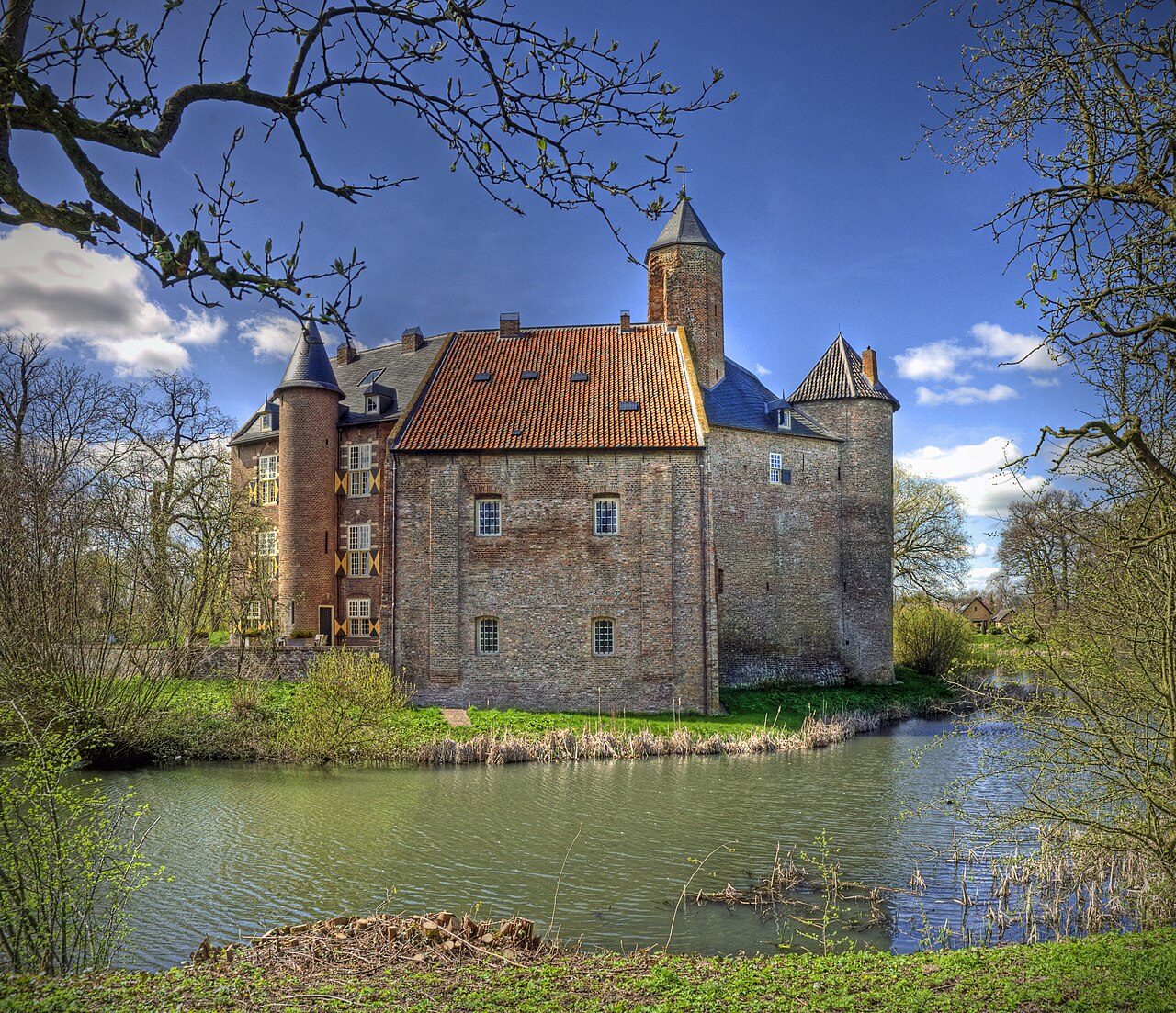
A medieval castle in Waardenburg, with a surviving 14th-century keep and an incomplete outline shaped by destruction and repair.
Kasteel Ammersoyen
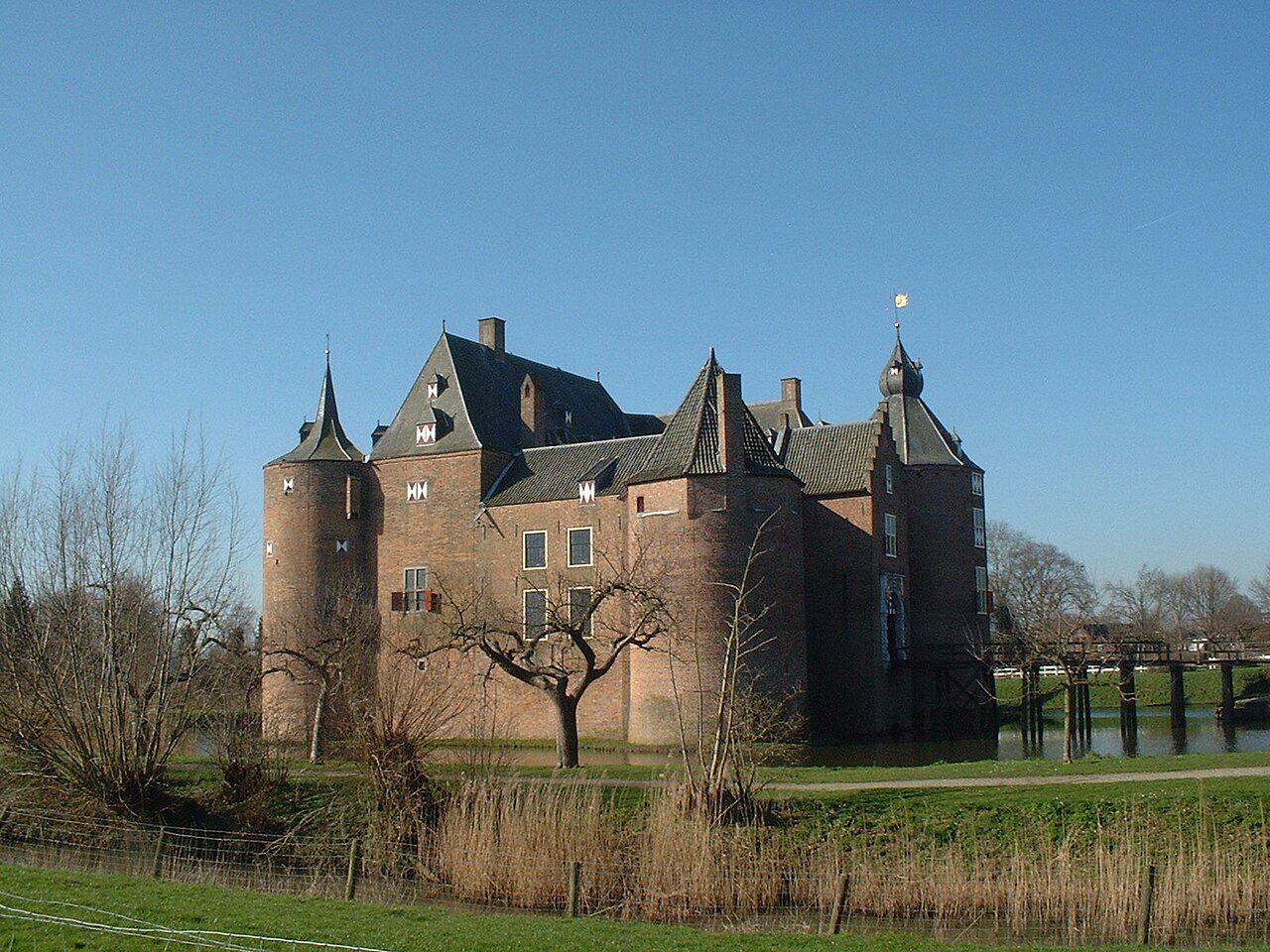
A medieval moated castle with four corner towers, a brewing oven beneath the cellar floor and moat finds that bring centuries of daily life into view.