
CASTLE
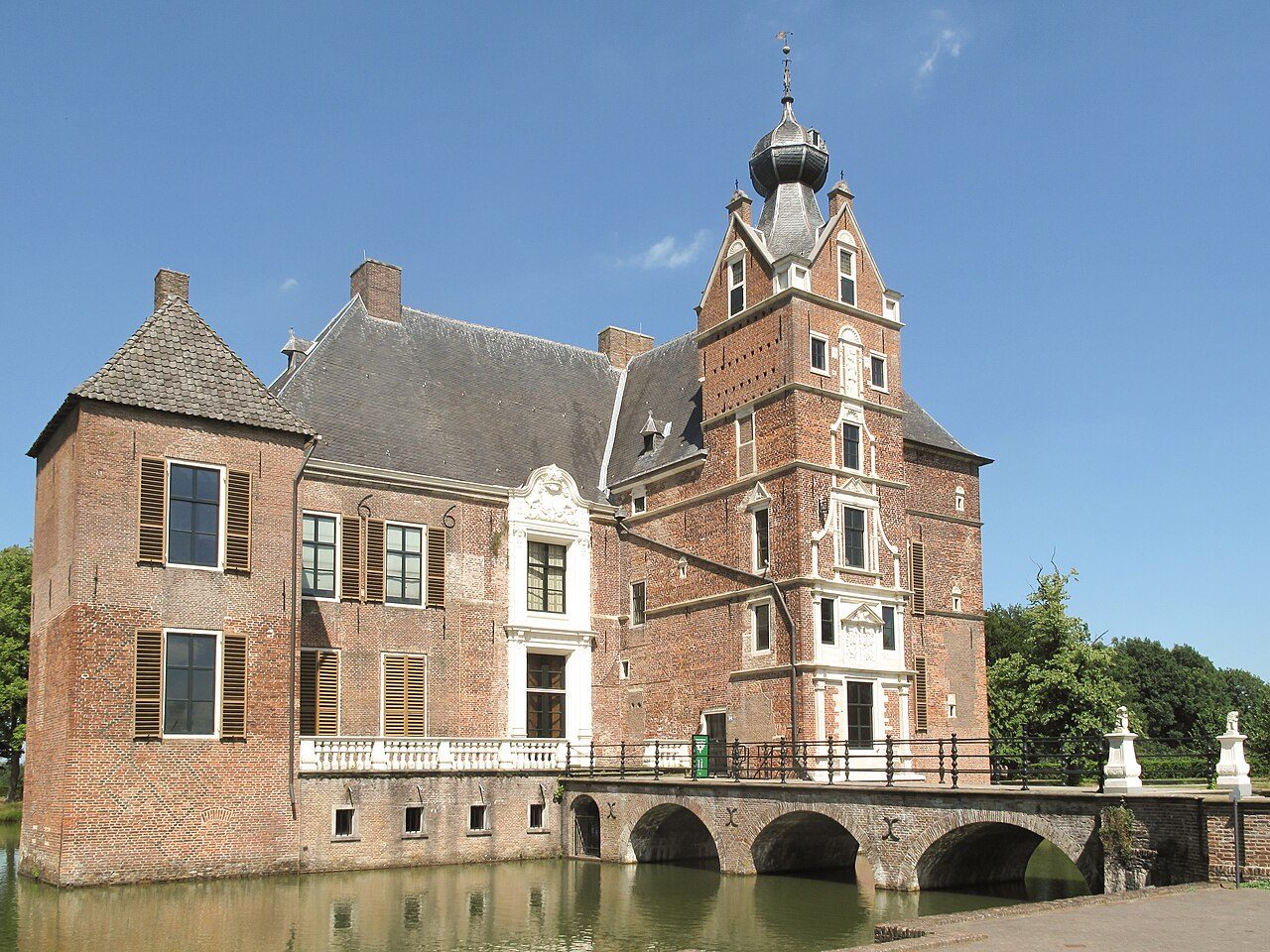
Kasteel De Cannenburgh
A castle in Epe, Gelderland, with a seated Maarten van Rossem outside and a portrait whose journey home took roughly 150 years.
A knight without his horse
Kasteel De Cannenburgh is a castle in Epe, Gelderland, with a seated Maarten van Rossem outside and a portrait whose journey home took roughly 150 years. Start with the sculpture. In the late 1980s, sculptor Greet Grottendieck turned down a commission for a conventional mounted knight. Instead, she made Maarten sitting down, his helmet in his lap. Look beneath the bench: its feet are horse hooves, her nod to the horse she left out.
Like Kasteel Huize Ruurlo and Slangenburg, De Cannenburgh is part of Gelderland's landscape of castles. What makes this one worth a closer look is the unusually personal record of people here: a child's Christmas, a wartime performance and a young sitter identified centuries later.
Christmas in the armoury
In 1932, Richard Cleve invited the castle employees and their neighbours to a Christmas party in the armoury. Among the children was eight-year-old Joop Labberton, whose recollection preserved the evening in small, precise details.
There was a candlelit Christmas tree, topped with angels that turned in the rising heat. The children had chocolate milk and presents. Keep that image in mind as you think about the castle's rooms. An armoury sounds like a place defined by weapons; Labberton remembered it as the setting for a party shared by employees, neighbours and children. The moving angels are the detail that brings his account closest.
A stage for public events
The castle also hosted a much darker gathering. In 1941, during the German occupation, a journalists' camp took place here as part of an effort to influence the Dutch press. After a propaganda film, singer Koos Speenhoff performed on the bridge and forecourt.
When you stand at those outdoor spaces, remember that they served as a stage as well as an approach to the castle. The setting belonged to a deliberate attempt to shape what journalists would report.
A very different public occasion brought Queen Beatrix here on 1 May 1998. She attended a reception at the castle before opening an archaeological walking route nearby. At a burial mound along that route, she placed the final three pieces of turf herself. The castle reception was the formal beginning; the turf-laying was her hands-on part in completing the route.
A face brought home
Inside, look for the portrait of Elbert van Isendoorn à Blois, painted in 1615 when he was fourteen. It returned to De Cannenburgh in 2026 after roughly 150 years away.
Researchers connected the painting to the castle by matching its coats of arms and inscription with an auction description from 1879. Those details were evidence, not simply decoration. They allowed a named young sitter and a painting separated from its former home to be brought together again.
Give the inscription and heraldry some attention before concentrating on Elbert's face. The picture records him at fourteen; the marks around him explain how, centuries later, researchers recognised where his portrait belonged.
Things to know
- Locate the castle in Epe, Gelderland, before setting out.
- Allow time for both the outdoor sculpture and the interior.
- Look beneath Maarten van Rossem's bench for the horse-hoof feet.
- Inside, look for Elbert's portrait and its identifying inscription.
- Opening hours and prices can change. Check the official website before you go. Official website
What people say
Related spots
More things to do in Gelderland ›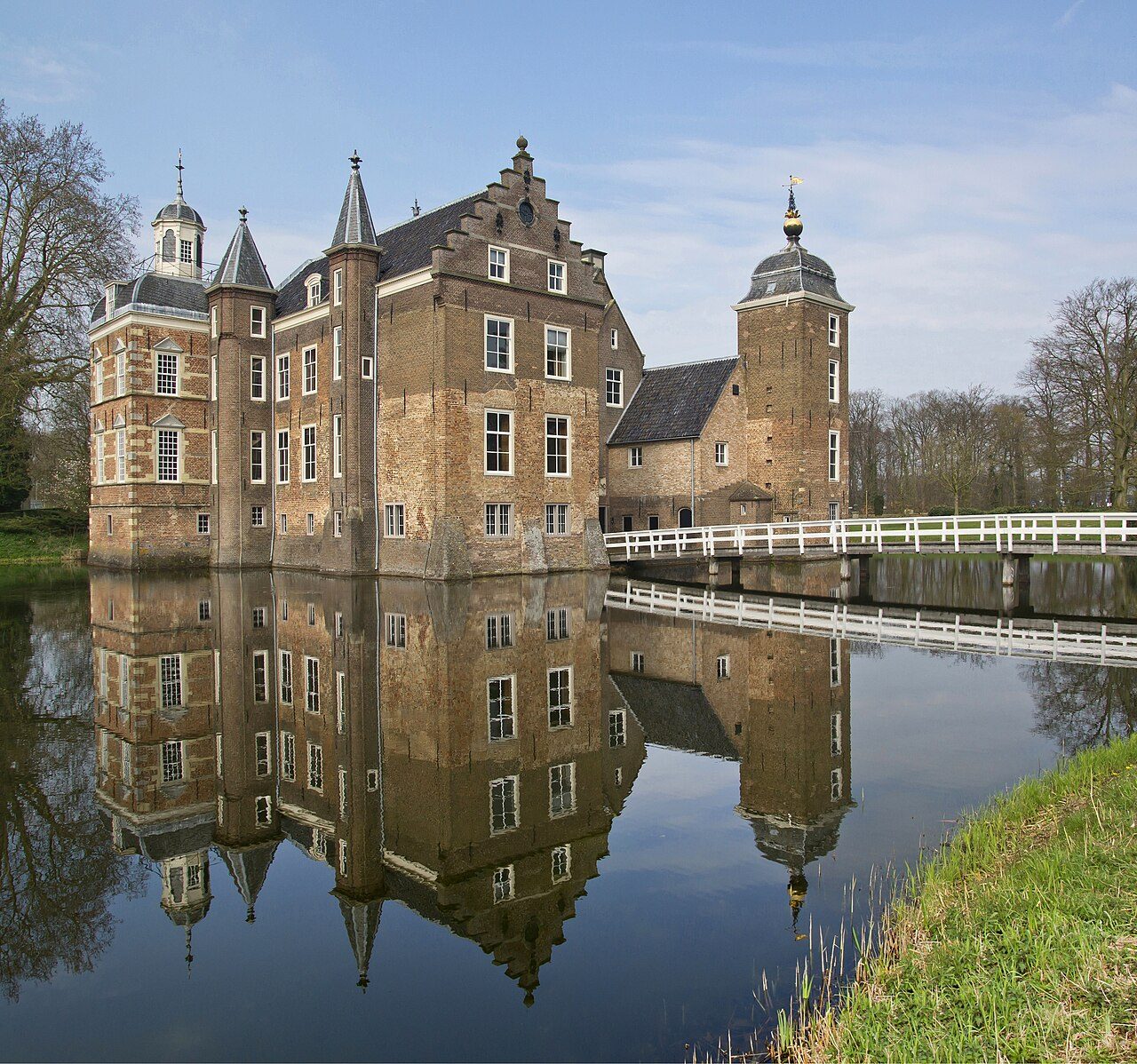
Kasteel Huize Ruurlo
A castle museum in Berkelland, Gelderland, with a clock that once told local people they were almost home.
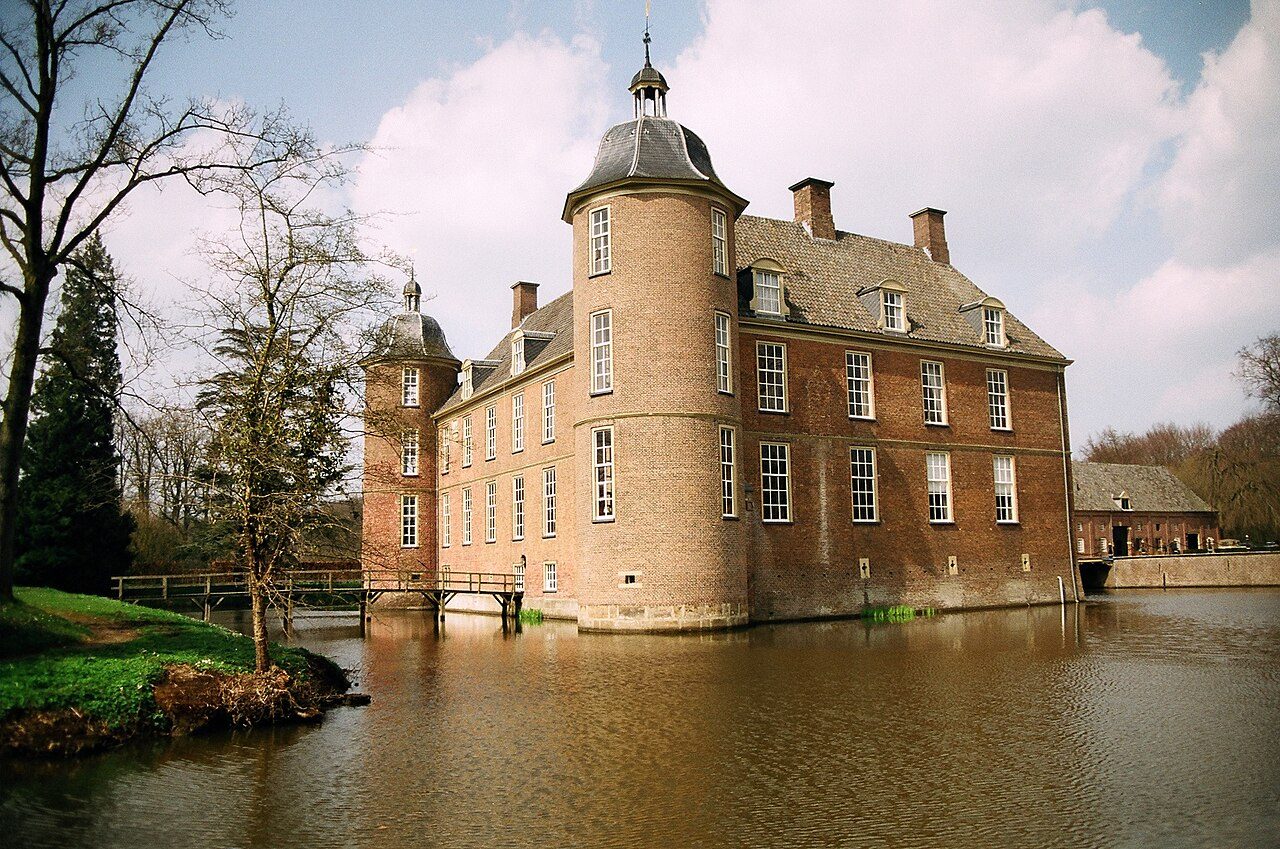
Slangenburg
A castle and estate east of Doetinchem, with rooms painted in memory of a young wife and centuries-old avenues following a trapezoid-shaped plan.
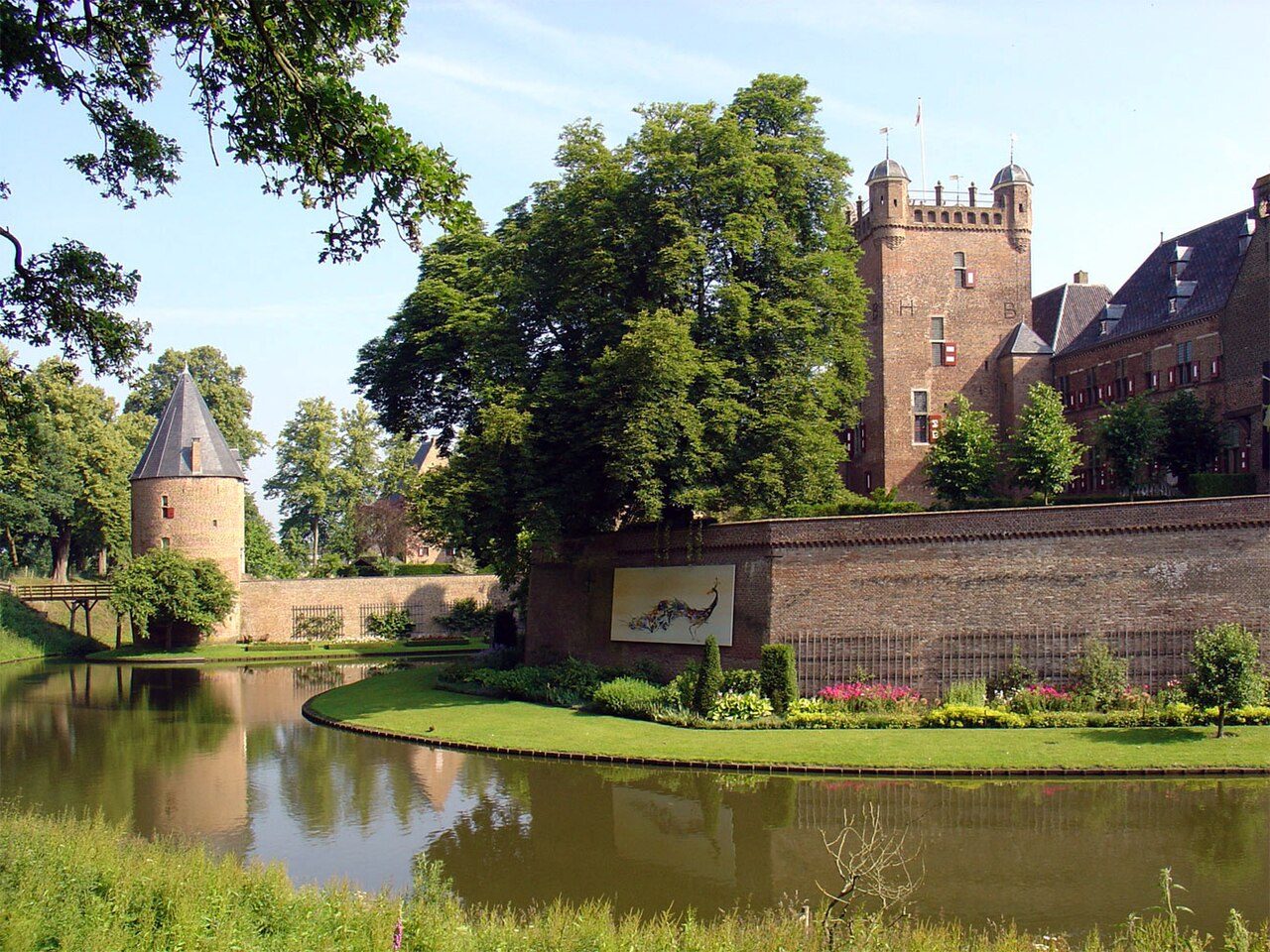
kasteel Huis Bergh
Huis Bergh is the Netherlands’ largest moated castle and the ancestral seat of the counts of Bergh. Allow time for both the building and the early Italian art inside.
Kasteel Batenburg
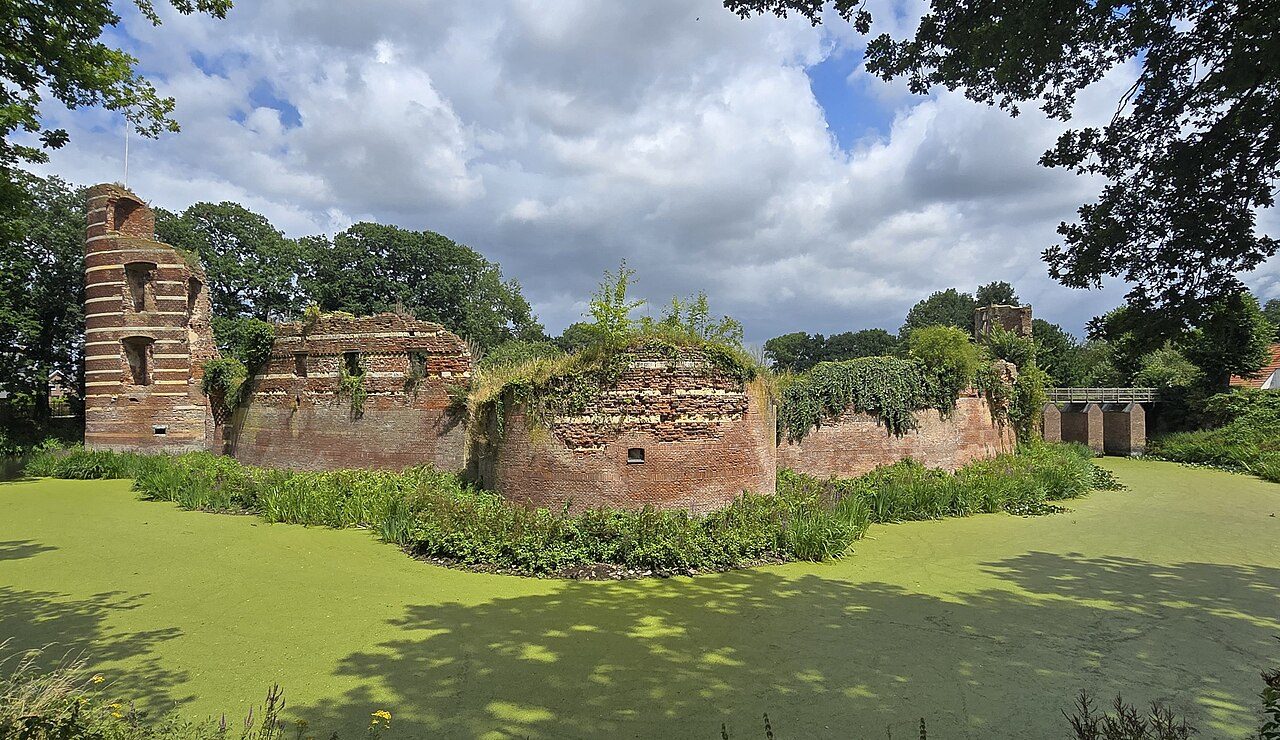
Kasteel Batenburg is a castle ruin on a mound just north of Batenburg. Its surviving masonry and raised position recall a residence and stronghold.
Kasteel Waardenburg
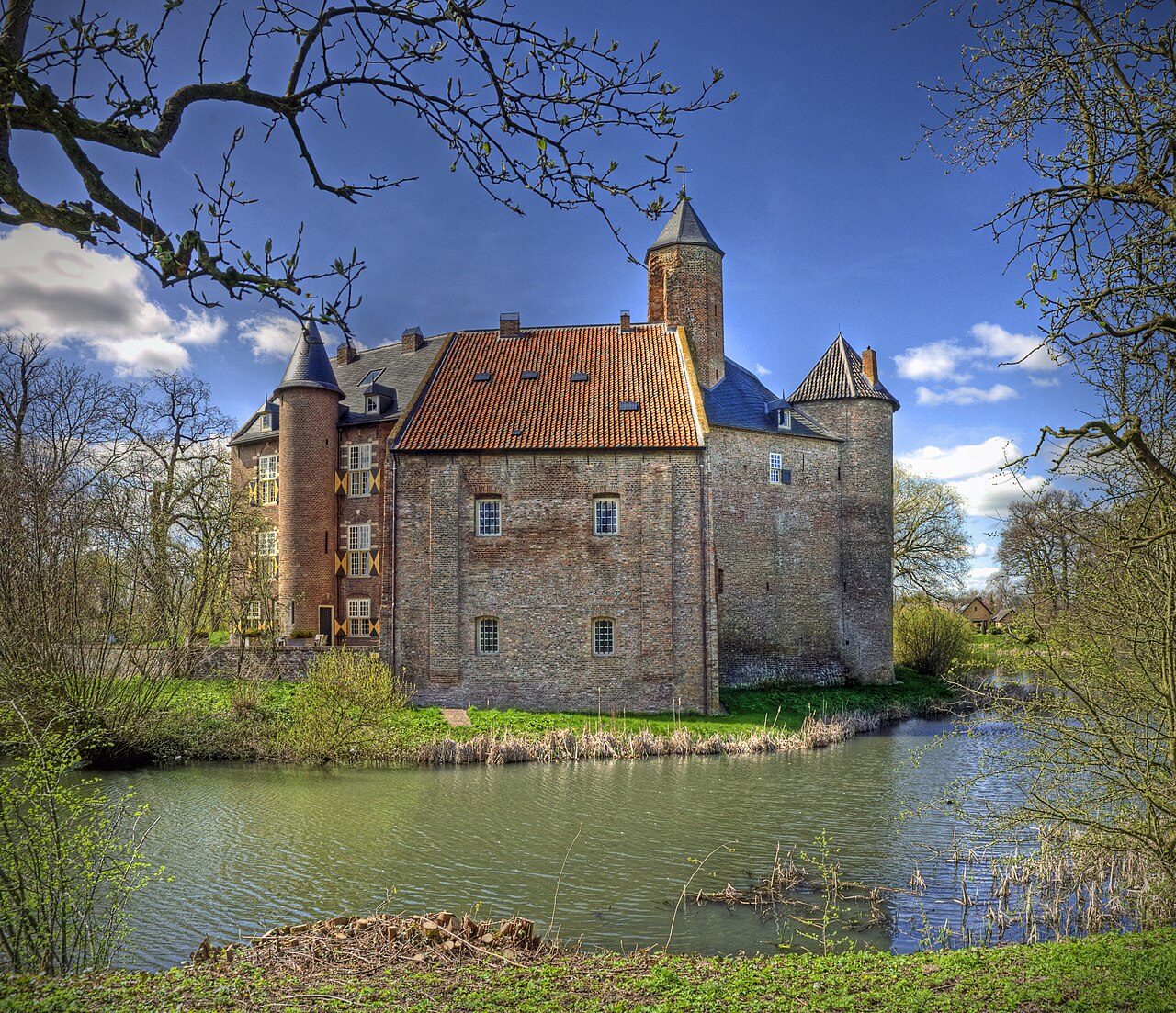
A medieval castle in Waardenburg, with a surviving 14th-century keep and an incomplete outline shaped by destruction and repair.
Kasteel Ammersoyen
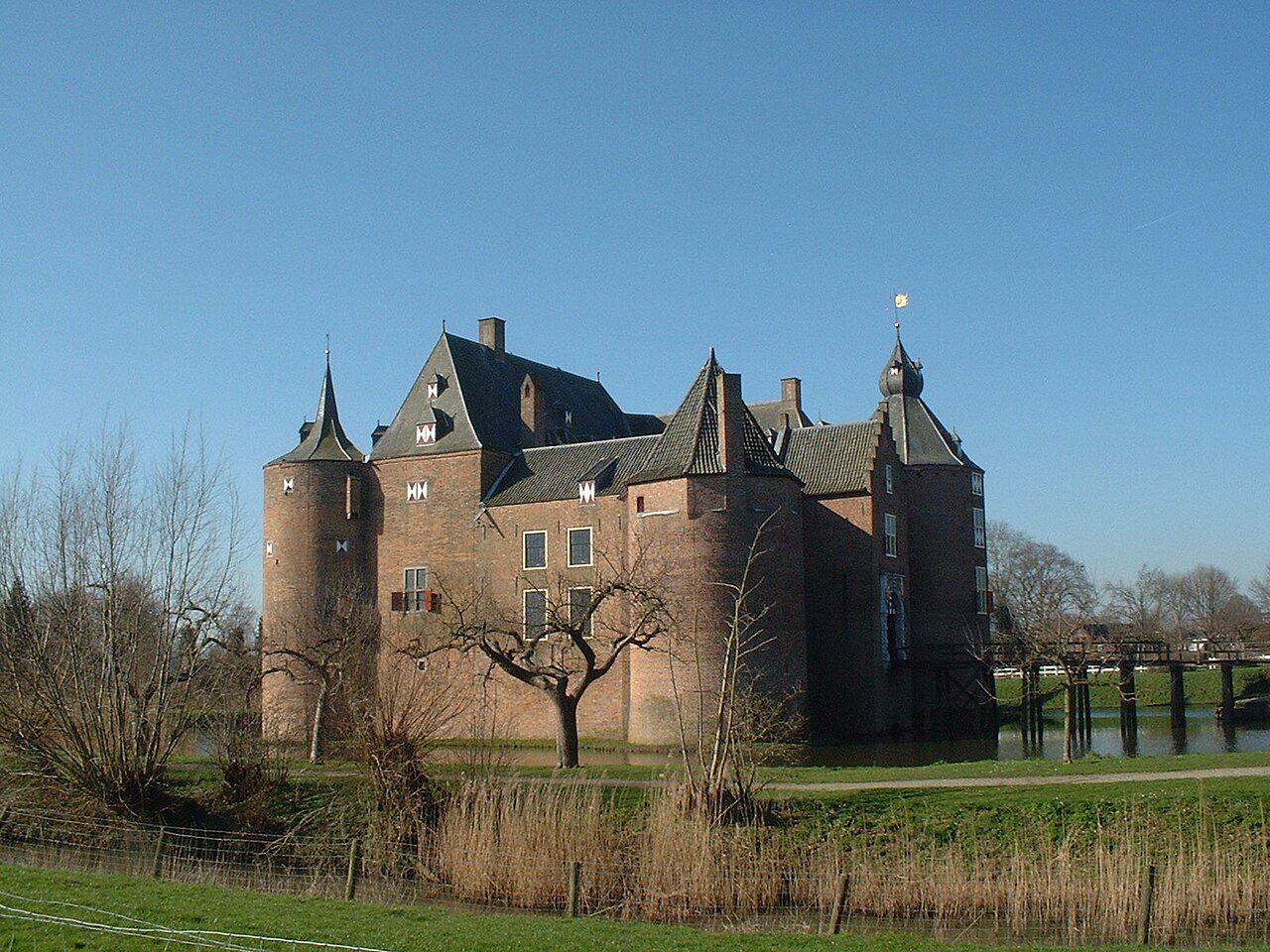
A medieval moated castle with four corner towers, a brewing oven beneath the cellar floor and moat finds that bring centuries of daily life into view.