
LANDMARK
Royal Palace Amsterdam
The 17th-century city hall on Dam Square that became a royal palace; the citizens' hall inside is open to visit.
A town hall that outgrew its job
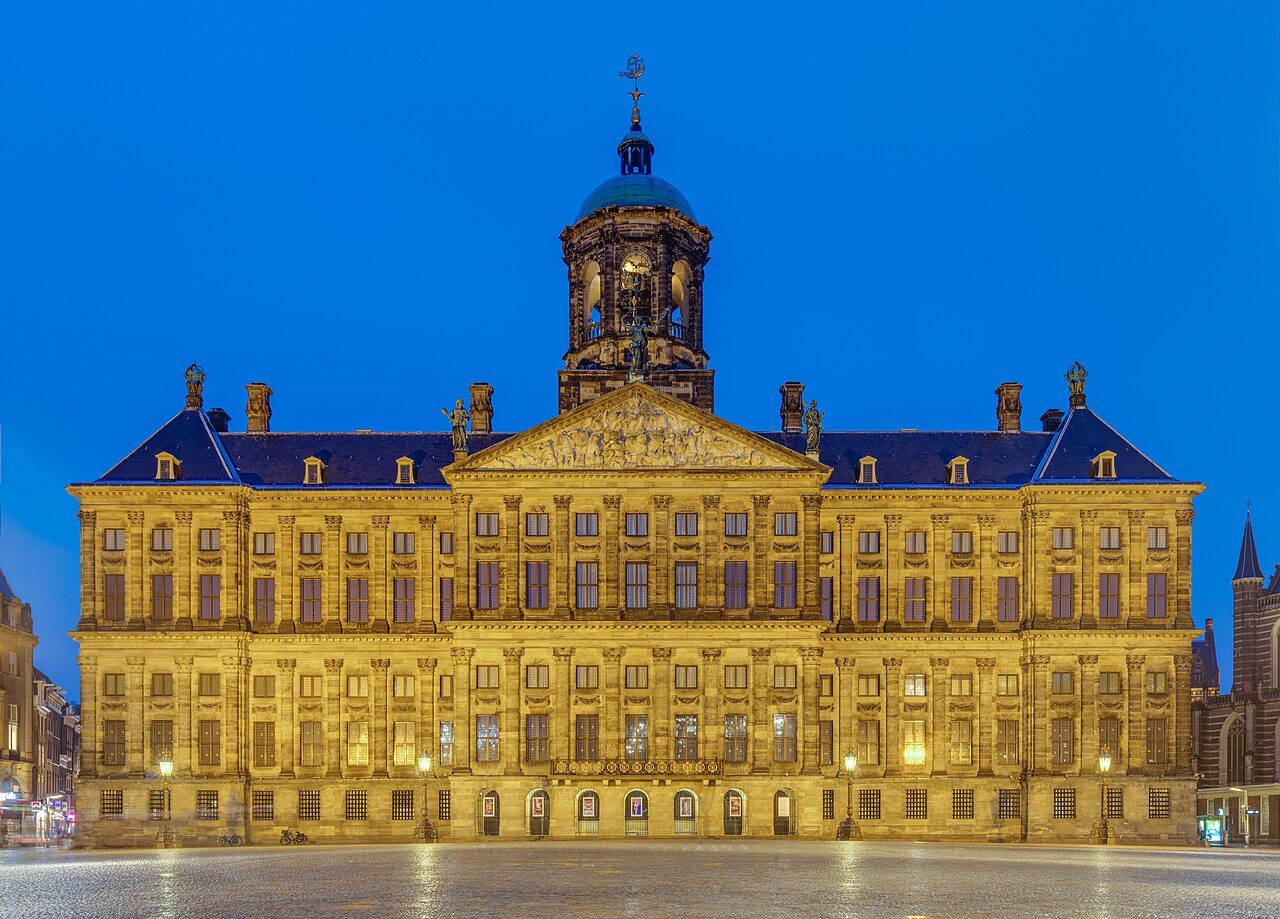
The Royal Palace stands on the west side of Dam Square. It was built as the city hall, and you can still see that in its size. It is a wide, heavy block of pale stone, made to show that Amsterdam was one of the richest cities in the Western world.
The Dam is where the city began. A dam was built across the Amstel here in the 13th century, and the settlement took its name from it: Dam in the Amstel. Four centuries later the merchants of the Golden Age chose this spot for the building that would speak for them.
Stone on wet ground
The architect was Jacob van Campen. Work began in 1648, the year the Eighty Years' War with Spain ended, and the hall was in use by 1655. Amsterdam sits on soft, wet ground, so the whole building rests on thousands of wooden piles driven deep underneath. The figure usually given is 13,659.
In 1808 the building changed role. Louis Napoleon, brother of the French emperor and king of Holland, took the city hall as his palace. When the French left, it stayed with the Dutch state and kept the name. The king does not live here. The palace is used for state occasions and receptions.
Reading the outside
Stand in the middle of the square and look up at the front. The sculpture in the pediment was made by Artus Quellinus. It is crowded with figures, and its message is that the seas and the world's trade flow towards Amsterdam. More statues stand along the roofline. A small ship sits on the cupola as a weathervane, a quiet nod to the harbour that paid for everything.
The walls are darker and plainer than you might expect, and that is partly the point. The city wanted to look serious and solid. Walk along the side facade too and notice how few windows are decorated. The show is all in the sculpture.
Inside: the Citizens' Hall
The room to head for is the Citizens' Hall, the Burgerzaal. It is a huge marble space, built as the grand public hall of the city government. In the floor are inlaid maps of the world and the night sky, so visitors once walked across the known universe on their way to petition the city's rulers. Look down before you look up.
Then look at the walls and ceilings. The marble carving and the allegorical figures tell stories of justice, wisdom and the city's good fortune. Notice the carved reliefs around the room. They are very well made and easy to walk past while you stare at the floor.
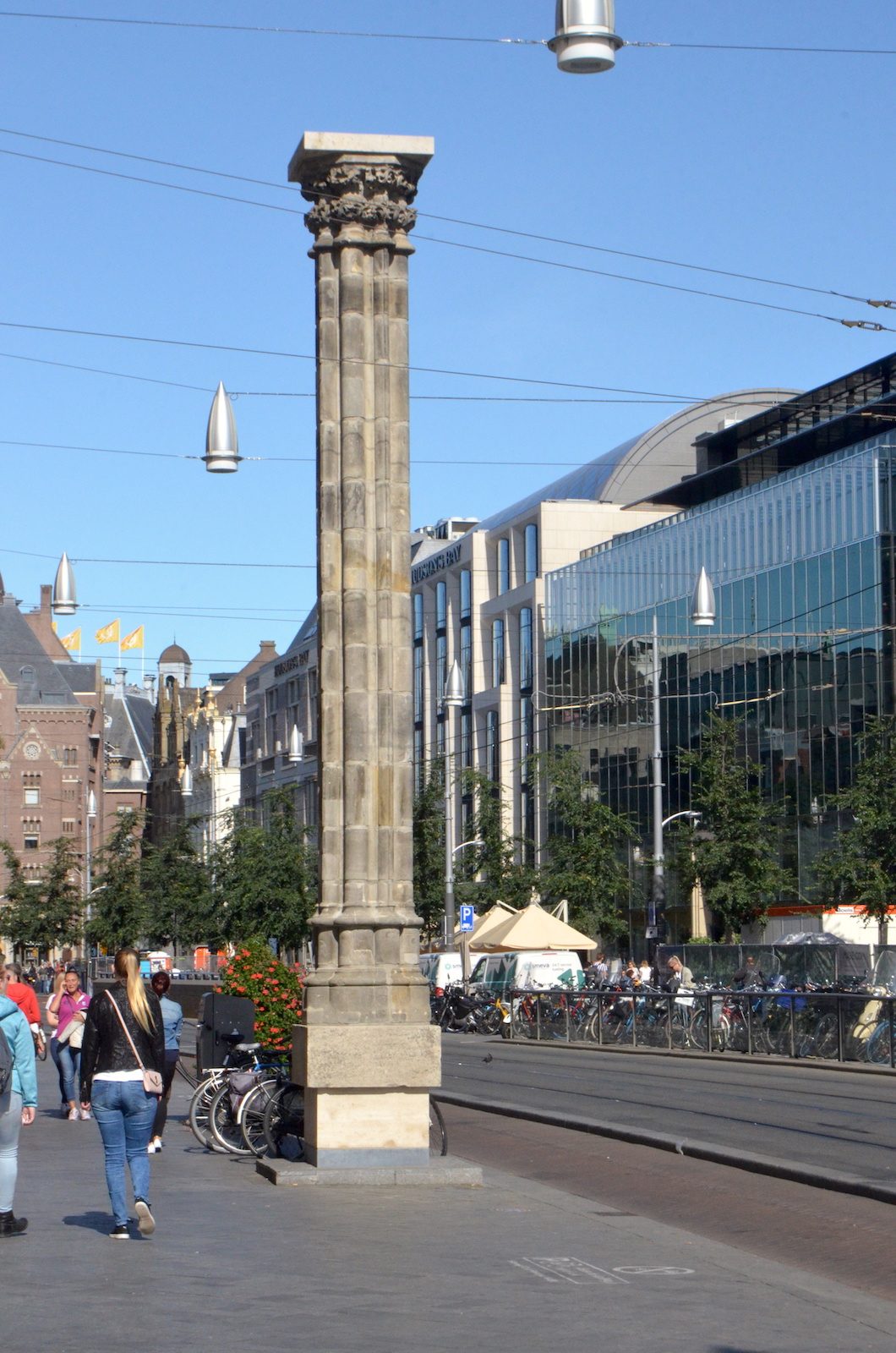
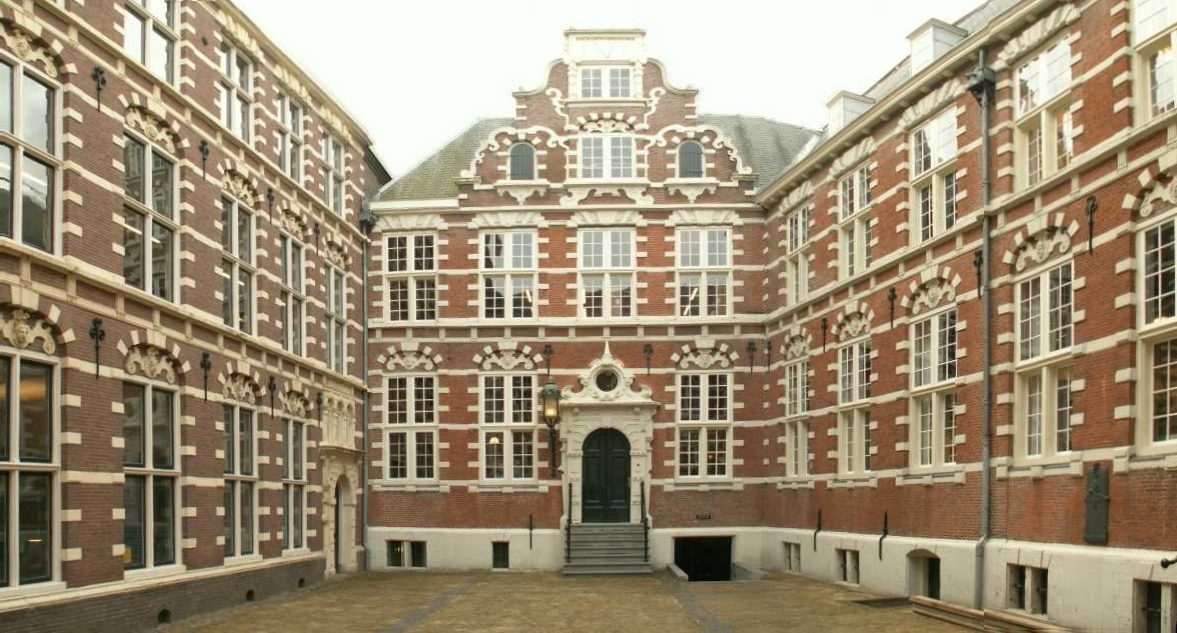
The palace also tells you something about the city's confidence. Just beside it is the Nieuwe Kerk, where Dutch monarchs are crowned, so the square holds both the seat of the old city and the setting of the modern monarchy. The Dutch East India Company, whose trade made this wealth, ran its business from the Oost-Indisch Huis, a short walk away. And a column on the Rokin, the Mirakelkolom, goes back to a far older Amsterdam of pilgrims, long before this stone town hall was imagined.
Before you go
- Dam Square is in the middle of the old centre. It is a short walk from Centraal Station, and the tram and metro stops nearby are signposted.
- The outside of the palace and the square are free to look at at any time. Early morning is the quietest.
- Check the official palace website before you plan your day for tickets and any closures.
- Wear comfortable shoes. The floors inside are stone, and the square is paved.
- Look at the marble floor map of the Citizens' Hall first, before you look at the walls.
What people say
Related spots
More things to do in Amsterdam ›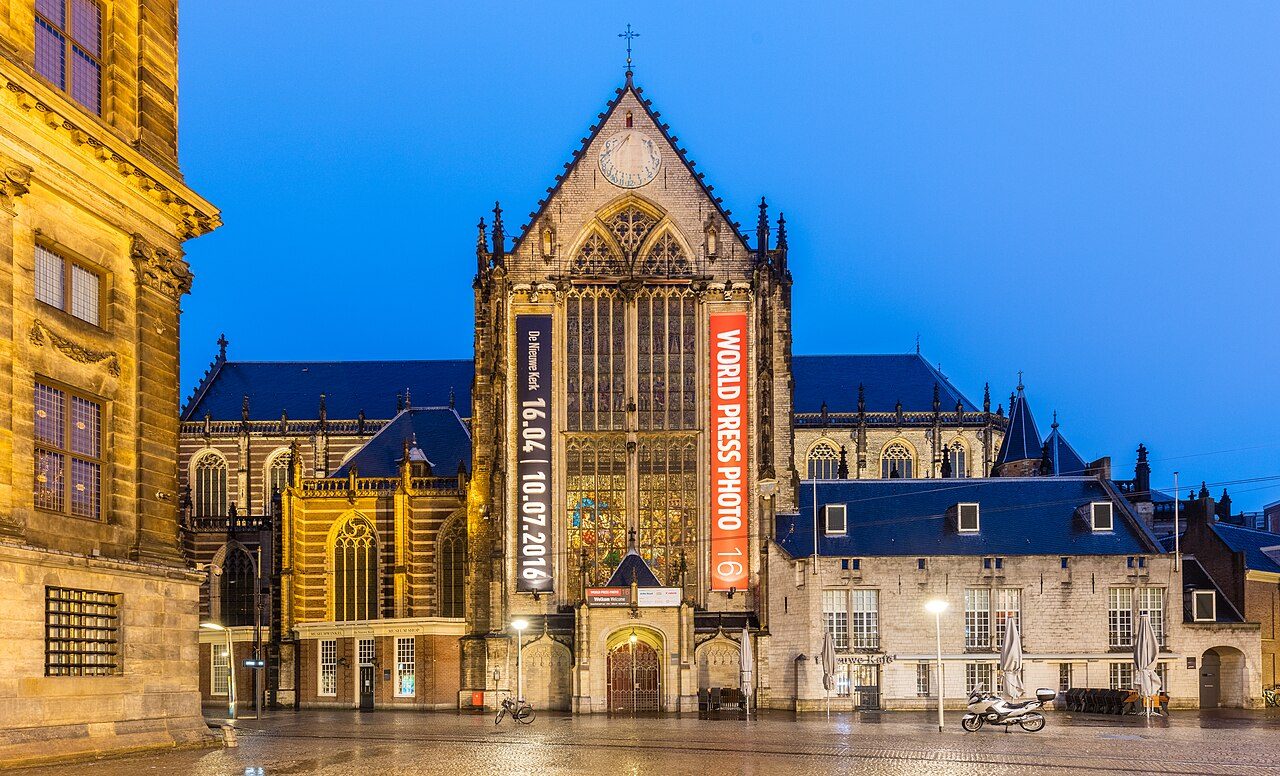 MUSEUM
Nieuwe Kerk
The church on Dam Square where Dutch monarchs are crowned, now home to big exhibitions.
 HIDDEN GEM
Mirakelkolom
A column on the Rokin for the Miracle of Amsterdam (1345), when a host thrown in the fire would not burn.
 HIDDEN GEM
Oost-Indisch Huis courtyard
The headquarters of the Dutch East India Company, now university; walk into the courtyard where the world's first multinational was run.
 LANDMARK
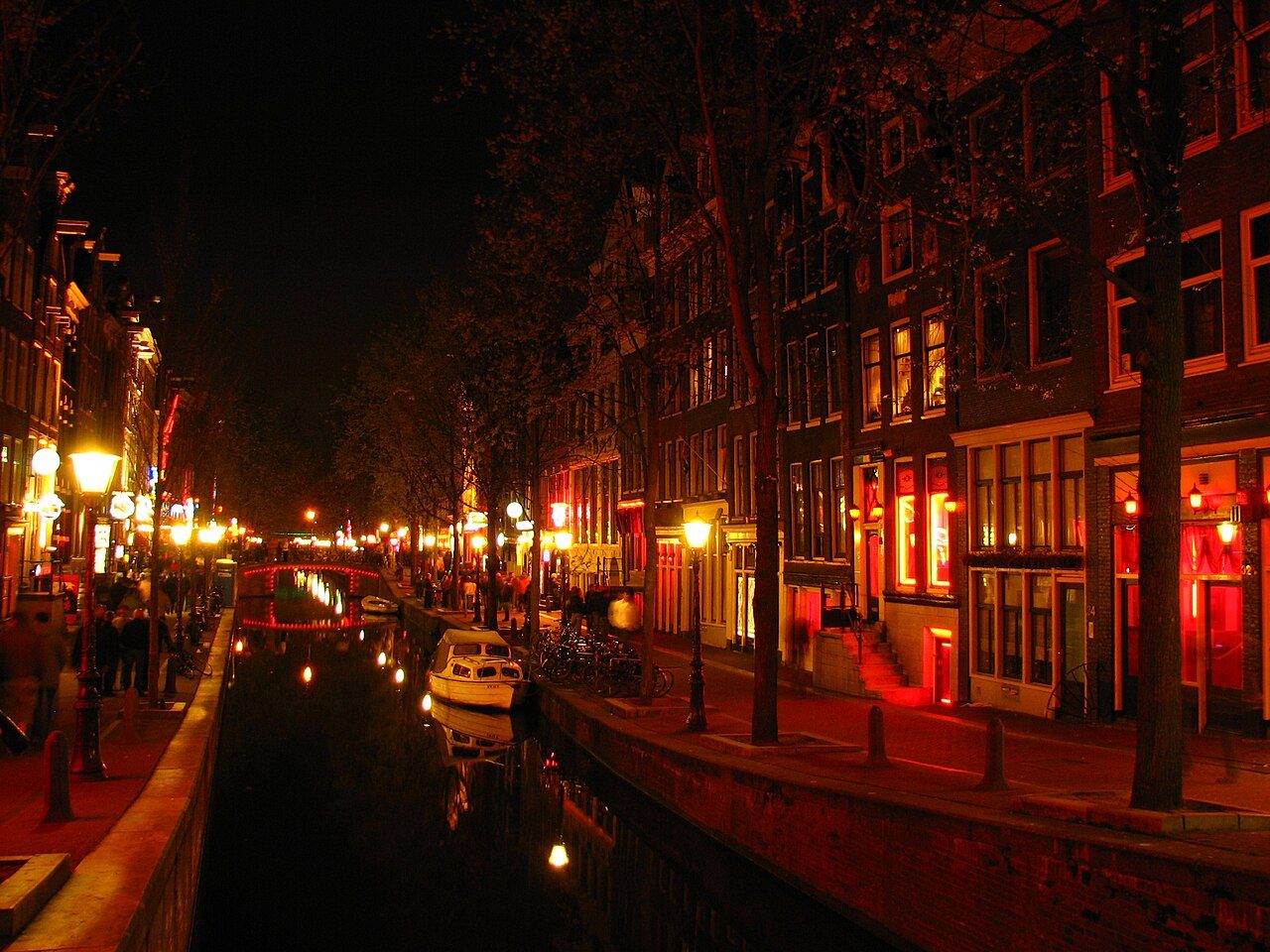
Red Light District (De Wallen)
The oldest part of the city: medieval alleys, the Oude Kerk and the windows, free to walk through.
 LANDMARK
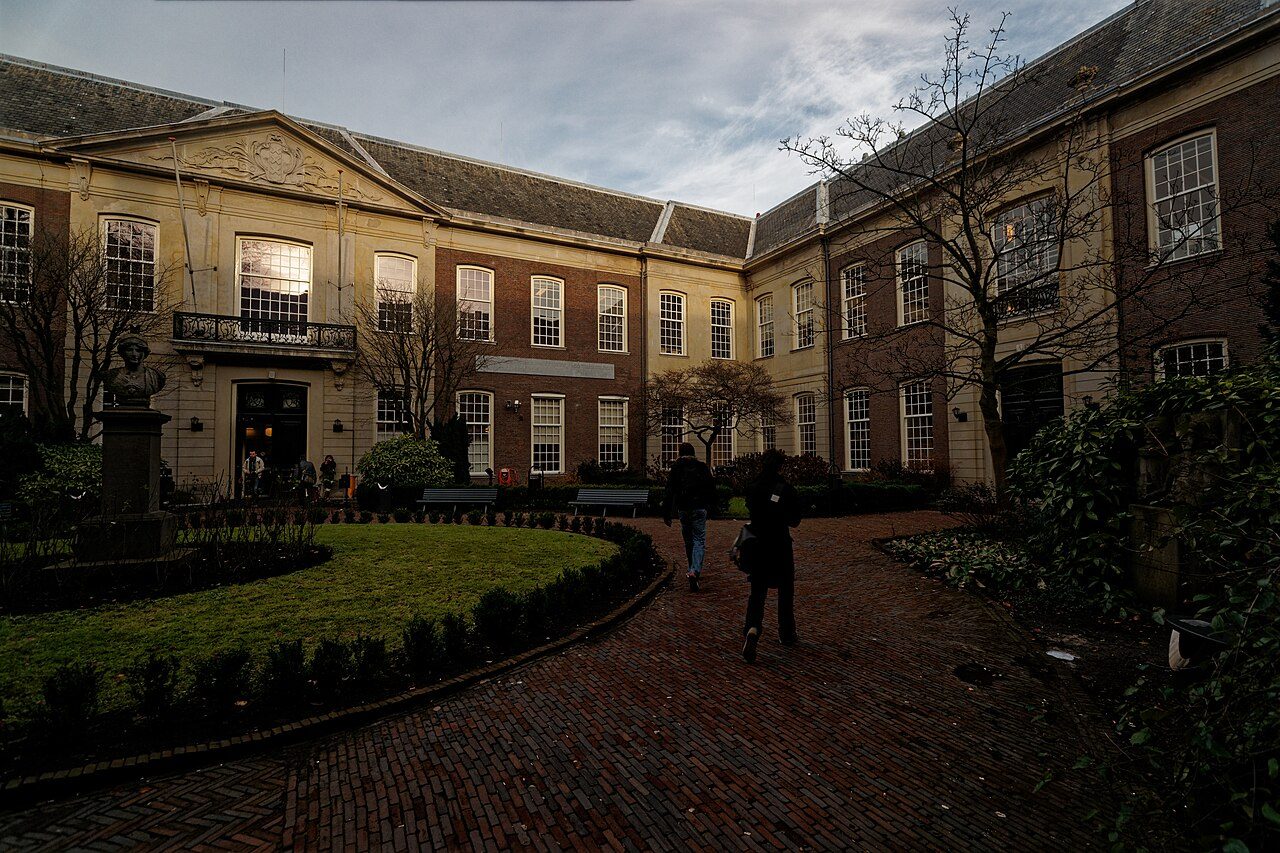
Oudemanhuispoort book market
A covered passage through the university with second-hand book stalls since 1757.
 CHURCH
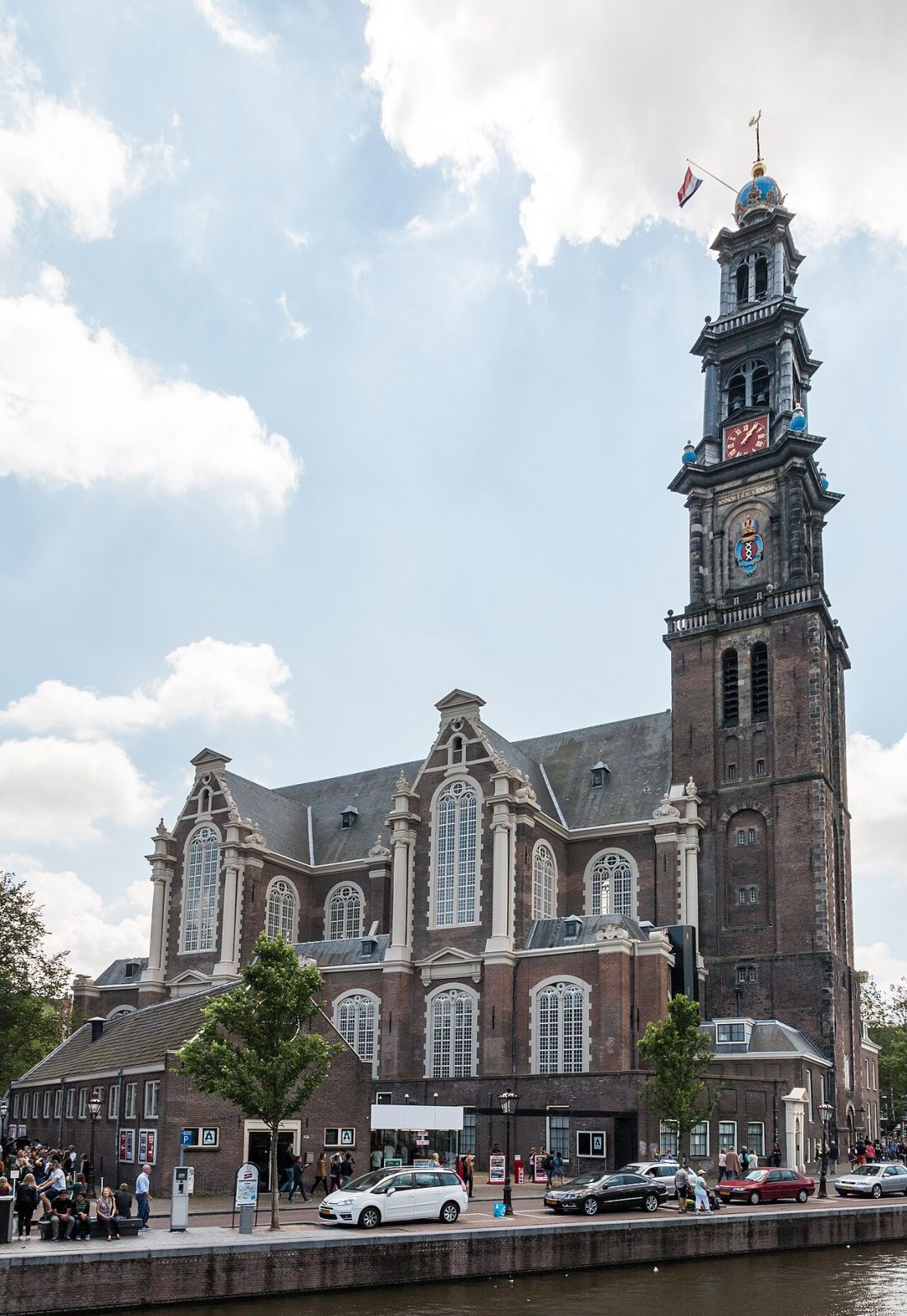
Westerkerk
The church under Amsterdam's tallest tower, where Rembrandt was buried in a grave nobody can find. Anne Frank could hear its bells from her hiding place a few doors away.
Tours and quests that pass here
These walks have a stop a few minutes from Royal Palace Amsterdam. Free, on your phone, start any time.
 AUDIO TOUR
Amsterdam in a Day: Highlights Walk
Start here if it's your first day. Why the houses lean, how the canals were dug, and what the Golden Age was actually built on.
 AUDIO TOUR
In Rembrandt's Footsteps
From the biggest house on the street to bankruptcy and an unmarked grave. His Amsterdam, in the order he lived it.
 AUDIO TOUR
Amsterdam Ghost Tour
Plague pits, public executions and the canal that swallowed people. The city's grim side, told without the cheap scares.