
ODD FIND
Mirakelkolom
A column on the Rokin for the Miracle of Amsterdam (1345), when a host thrown in the fire would not burn.
A column on the Rokin
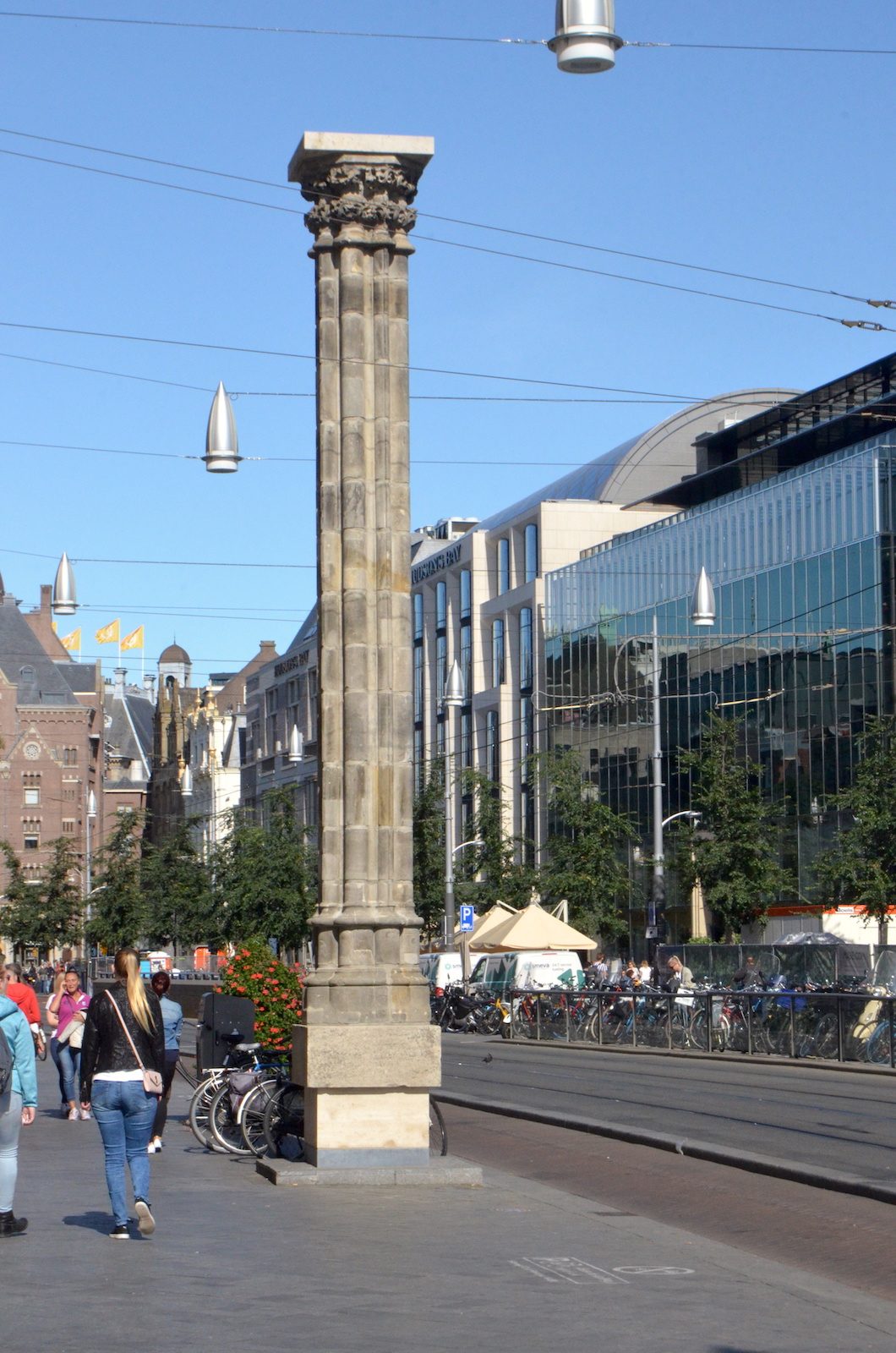
The Mirakelkolom is a stone column on the Rokin, close to the Wijde Kapelsteeg. It stands among shops, trams and bicycles, and it is easy to walk straight past. It is not large and it is not grand. It is worth a few minutes because of what it remembers: a medieval story about a miracle, and a church that no longer exists.
The church was the Heilige Stede, also called the Nieuwezijds Kapel. It stood on the Rokin to commemorate the Miracle of Amsterdam, which is said to have happened in 1345.
The story goes like this. A dying man received the last rites but could not keep the communion host down and brought it up. The host was thrown on the fire. The next morning it was found in the ashes, unburnt. Whatever you make of the tale, people believed it. A chapel went up, and Amsterdam became a place of pilgrimage. The Heilige Stede was pulled down in 1908.
A column built from leftovers
The column you see dates from 1988, but its stones are much older. After the demolition, parts of the church stood for a while in the garden of the Rijksmuseum. Later they went into storage. The artist Hans 't Mannetje gathered the surviving column drums and a capital and built them into a new column. It has a reinforced core, a cushion-like block on top and a new block at the foot.
The idea came from Geurt Brinkgreve and his foundation Amsterdam Versierd, which wanted the city's history to be visible in the street. The foundation and the Gezelschap van de Stille Omgang paid for it. That is the society behind the Silent Procession, which still walks through the old centre every March. The column cost 67,000 guilders. Auxiliary bishop Joseph Lescrauwaet unveiled it in March 1988.
Its recent life has been restless. It was taken away in 2001 to make room for the building of the North-South metro line. It came back in February 2017, but it did not stand firmly enough, so it was removed and strengthened. It was put back in April 2018.
What to look for
Stand close and read the column like a collage. It is a bundle of pillar shapes, with medieval fragments and modern work sitting together in one piece. Run your eye from the cushion block at the top down to the base.
Then read the text on the lowest block. It is chiselled into the stone in old-style lettering and explains what you are looking at. Most people never see it, because they look at the column and not the foot of it.
Then look at the street around you. The Rokin follows the line of the river Amstel, which once ran here. The traffic, the shop fronts and the tram wires sit on what used to be water. Against that, a column made from the remains of a chapel gone for over a century feels a little stranger, and a little more stubborn.
Before you go
- Take the metro to Rokin station, which is a short walk from the column, or walk from Dam Square along the Rokin.
- The column stands on the street, so you can see it at any time and it costs nothing.
- Go early in the morning for a quiet look at the inscription, before the Rokin fills up.
- Look for the explanatory text on the base. It is easy to miss.
- Visit in March if you can. The Silent Procession, which keeps the miracle alive, walks through the centre then.
What people say
Related spots
More things to do in Amsterdam ›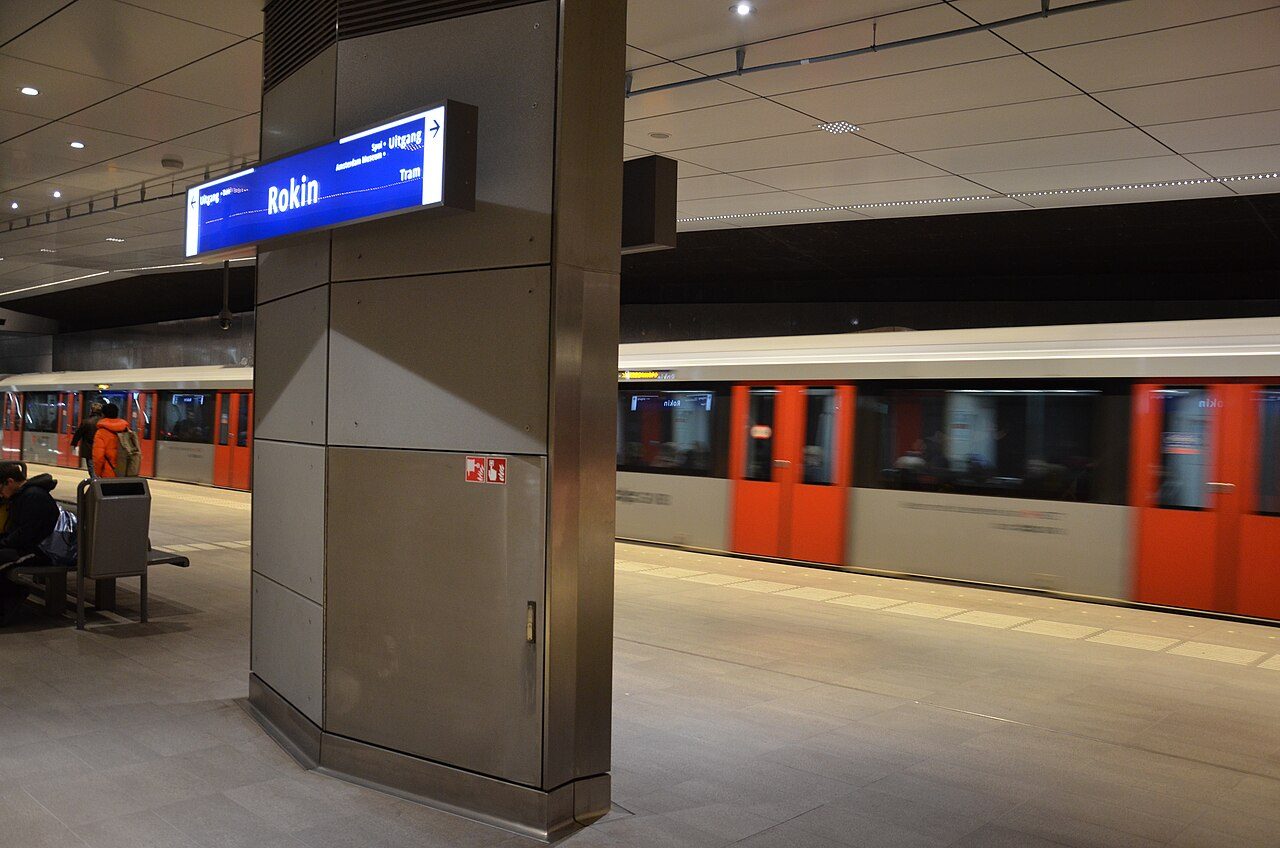 ODD FIND
Below the Surface (Rokin metro)
Display cases in Rokin metro station with finds dug up for the line: keys, coins, toys and a 17th-century trumpet.
 ODD FIND
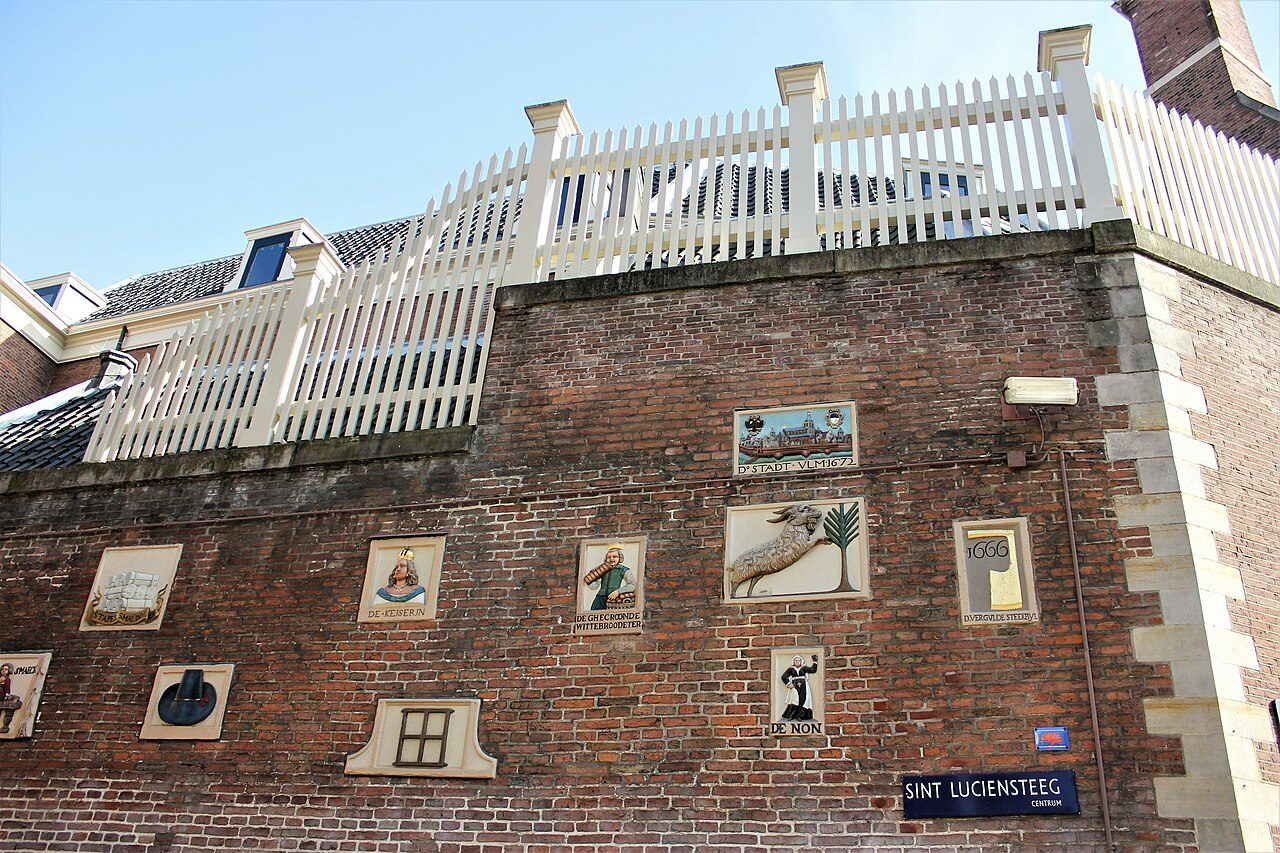
Gable stone wall (Sint Luciënsteeg)
A whole wall of rescued gable stones, the picture house numbers Amsterdam used before street numbers.
 HIDDEN COURTYARD
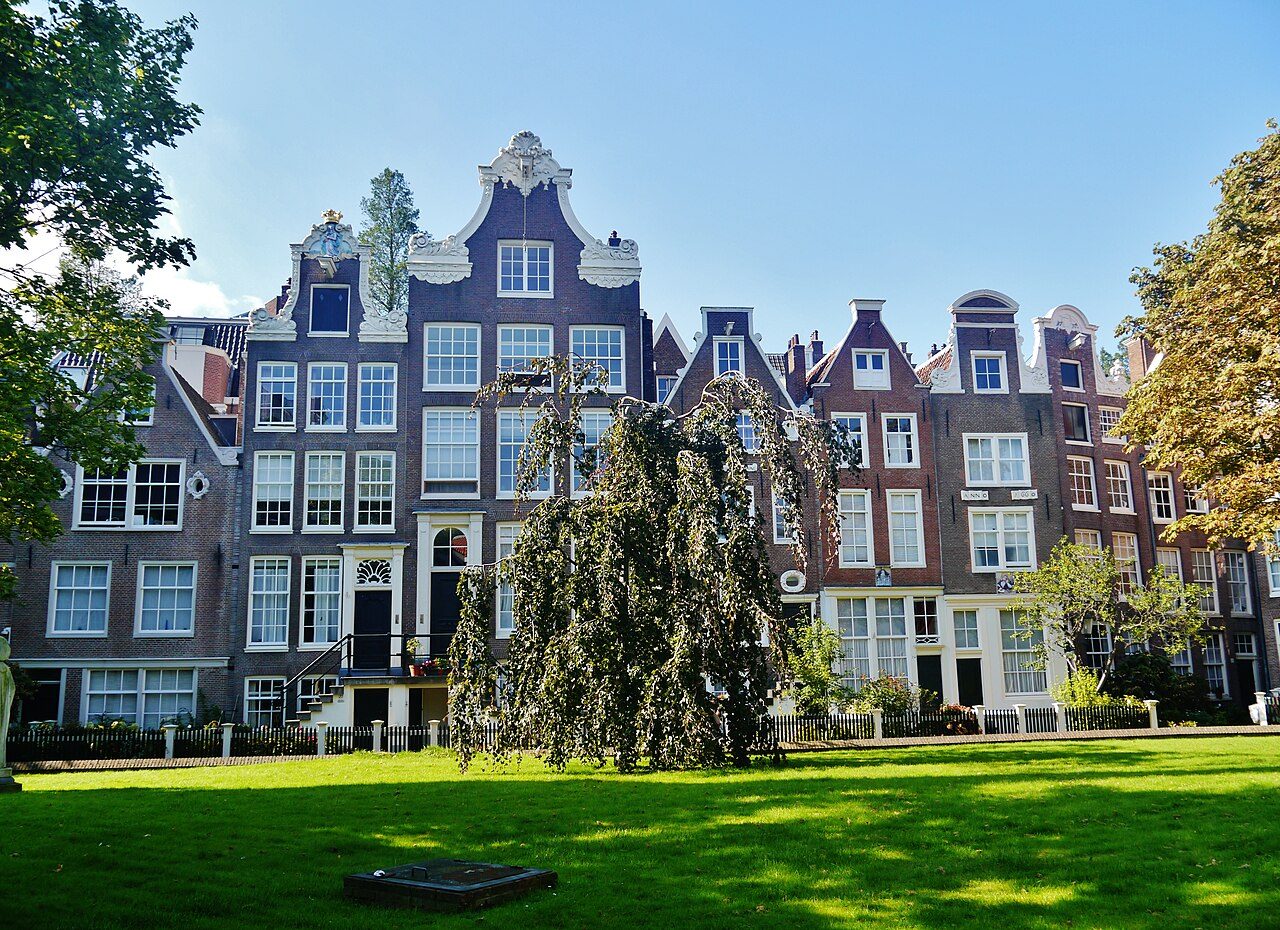
Begijnhof
A walled medieval courtyard in the middle of the old centre, home to single women for more than 600 years. Step through the gate on the Begijnensteeg and the city noise drops away.
 ODD FIND
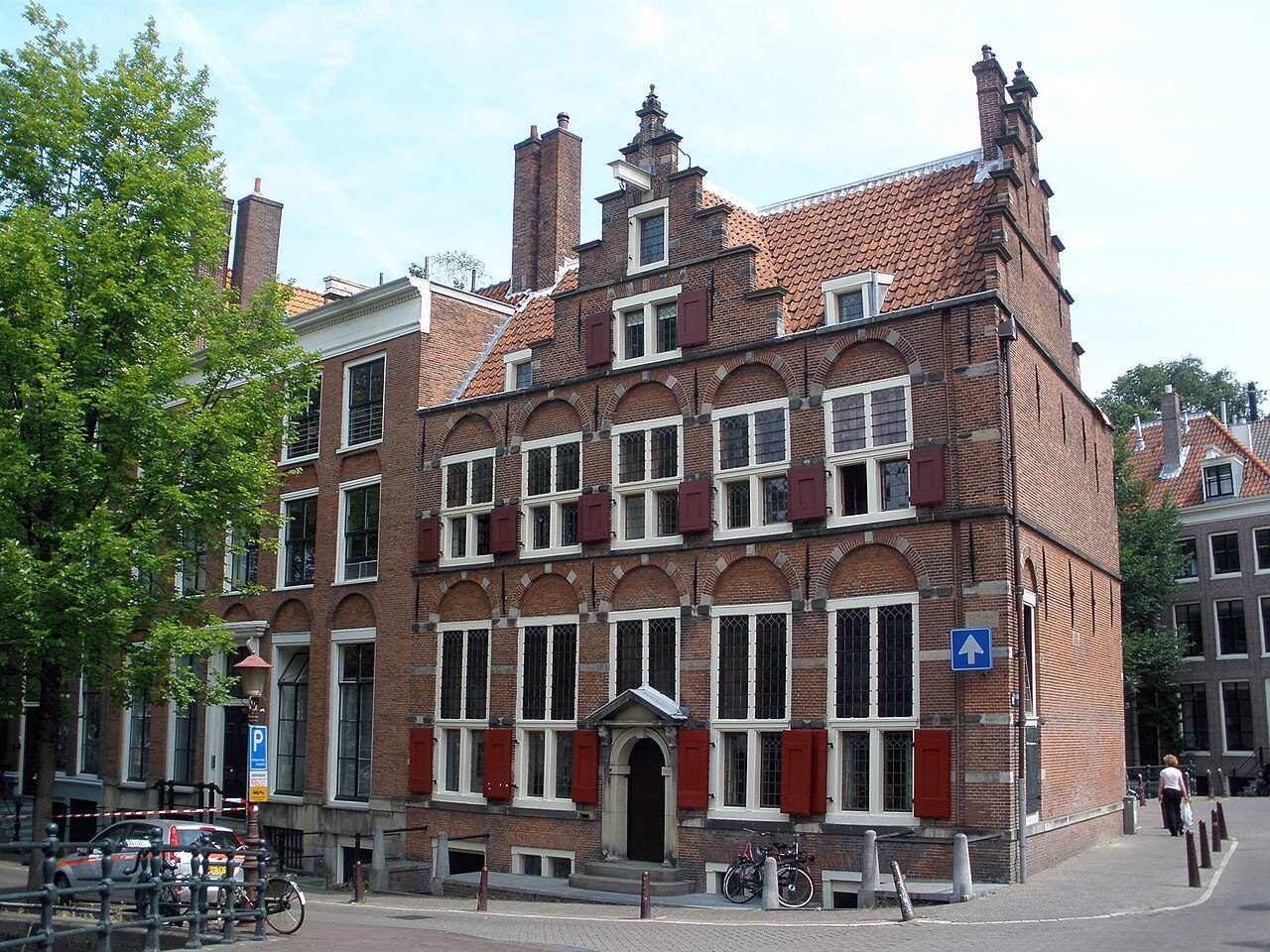
Huis aan de Drie Grachten
A 1610 house with a canal on three sides, one of the most photographed corners nobody can name.
 ODD FIND
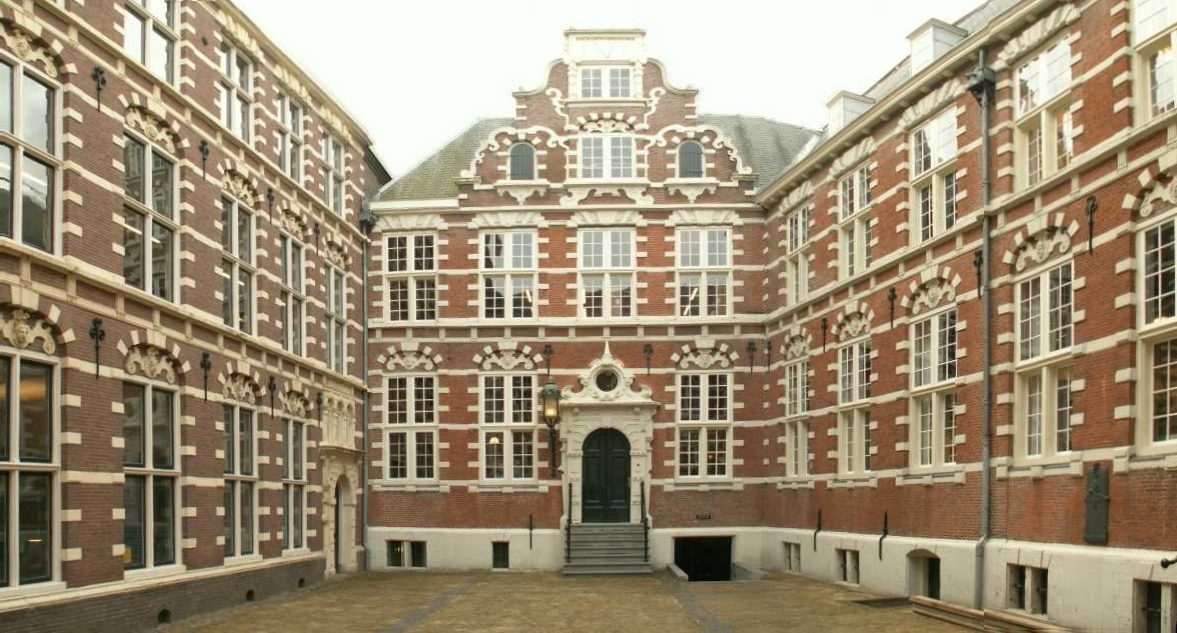
Oost-Indisch Huis courtyard
The headquarters of the Dutch East India Company, now university; walk into the courtyard where the world's first multinational was run.
 ODD FIND
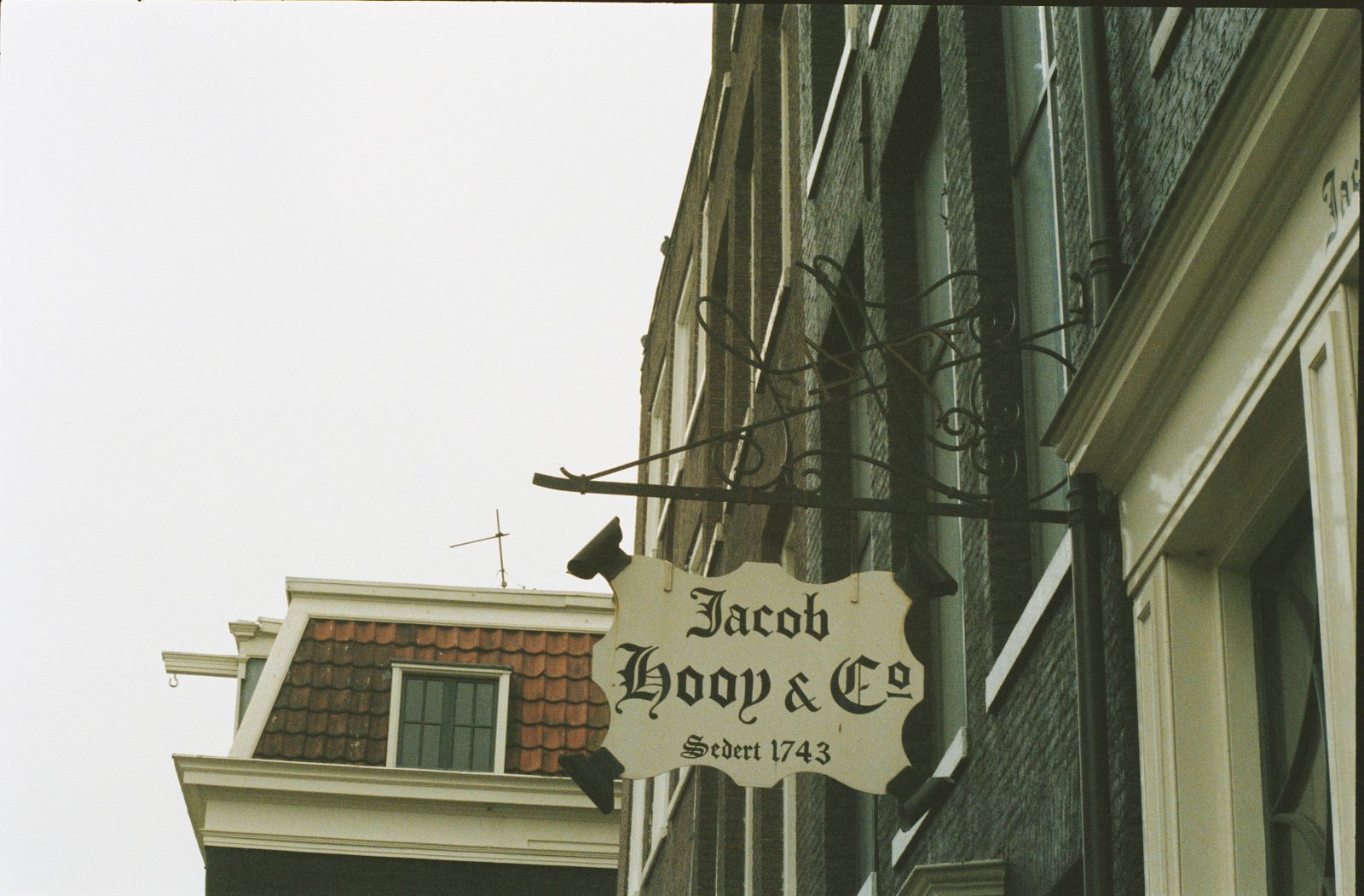
Jacob Hooy & Co
An apothecary shop unchanged since 1743: wooden drawers of herbs, liquorice jars and a 'gaper' head over the door.
Tours and quests that pass here
These walks have a stop a few minutes from Mirakelkolom. Free, on your phone, start any time.
 AUDIO TOUR
Amsterdam in a Day: Highlights Walk
Start here if it's your first day. Why the houses lean, how the canals were dug, and what the Golden Age was actually built on.
 AUDIO TOUR
Van Gogh's Amsterdam
The years before the fame: a failed bookshop clerk walking these same streets. Ends at the museum door.
 AUDIO TOUR
In Rembrandt's Footsteps
From the biggest house on the street to bankruptcy and an unmarked grave. His Amsterdam, in the order he lived it.