
HIDDEN COURTYARD
Begijnhof
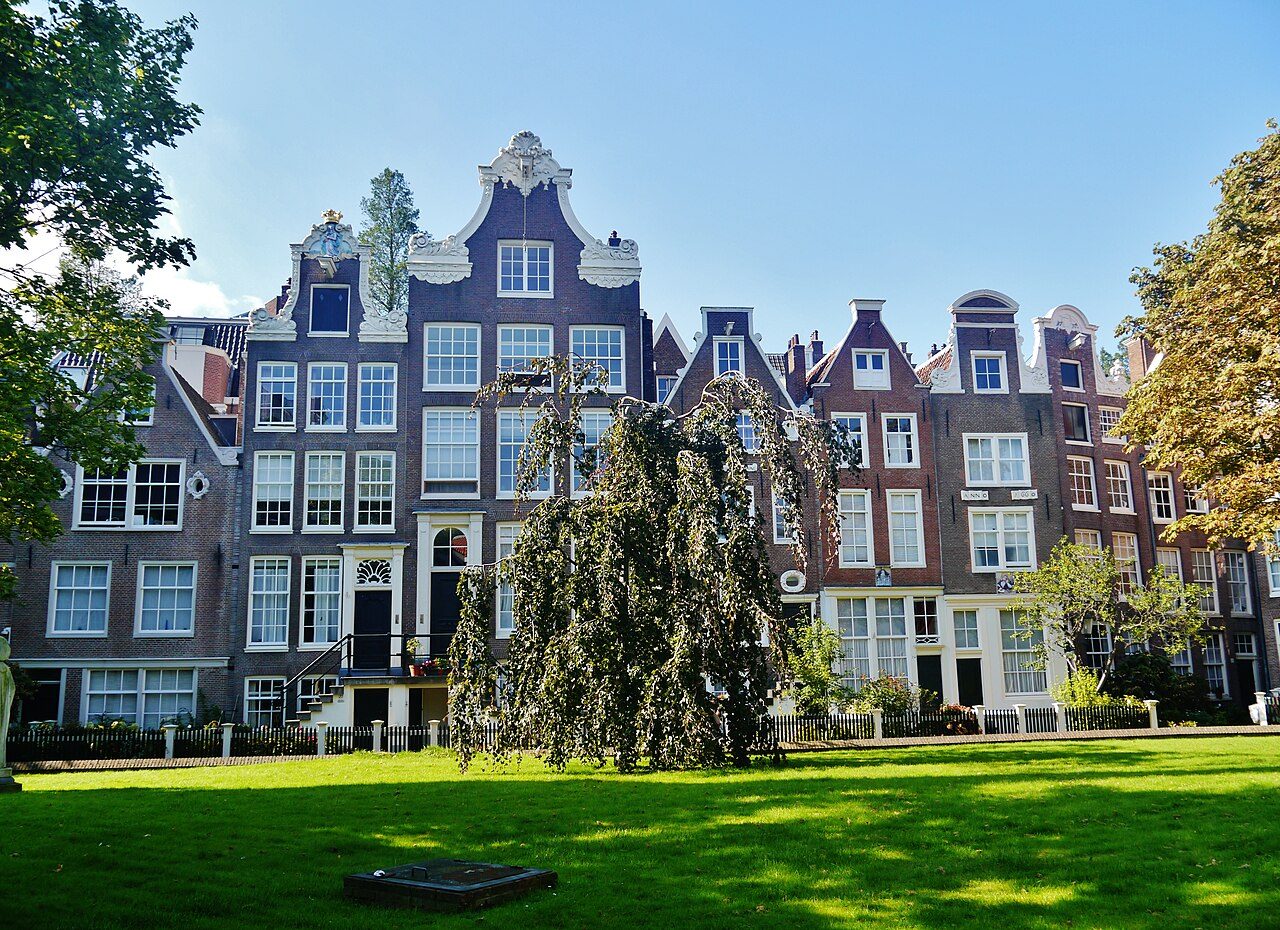
A walled medieval courtyard in the middle of the old centre, home to single women for more than 600 years. Step through the gate on the Begijnensteeg and the city noise drops away.
A courtyard below the street
The Begijnhof is the only inner courtyard in Amsterdam that was founded in the Middle Ages. It sits inside the Singel, the innermost canal. Once you are through the gate, the street noise drops away. The ground here is at medieval street level, about a metre lower than the rest of the old centre. That is how far the city has risen around it.
It was once ringed by water: the Nieuwezijds Voorburgwal, the Spui and a ditch called the Begijnensloot. The backs of the houses stood right on the water. Today 105 women live here, so keep your voice down and treat it as what it is, a place where people have their front doors.
Women who were not nuns
Nobody knows exactly when it began. A document from 1346 mentions a single "beghynhuys". A courtyard is first named in 1389, probably after the Miracle of 1345 raised the city's religious standing. You can see the column that remembers that miracle a couple of minutes away.
The beguines lived like a religious community. They vowed chastity and went to Mass every day. But they were not nuns, and they could leave at any time to marry.
In 1578 Amsterdam turned Calvinist, and the Begijnhof was the only Catholic institution allowed to stay. The reason was simple: the houses belonged to the beguines privately. The chapel was a different matter. It stood empty for about thirty years and was then handed to English Presbyterians. The last beguine, Sister Antonia, died on 23 May 1971, aged 84.
What to look for
Start with Het Houten Huys at number 34. It has a wooden front and back, stone side walls and an upper floor that juts out over the street. Sources date it to about 1420 or about 1528, so the exact age is debated. Either way, it is among the oldest wooden houses in the city. The only other one left in the centre is on the Zeedijk.
Then look at the rest of the houses. There are 47 of them, mostly with 17th- and 18th-century fronts. Behind eighteen of those fronts is a Gothic wooden frame. Gable stones are everywhere, and many are clearly Catholic in theme.
The old gate on the Begijnensteeg side dates from 1574. The stone above it shows Saint Ursula, patron saint of the Amsterdam beguines.
The English Reformed Church is the old beguine chapel. Some of its pulpit panels were designed by Piet Mondrian. Directly opposite, two ordinary-looking houses hide a Catholic church. Philips Vingboons converted them in 1671, when the city demanded that Catholics worship out of sight. From the outside it still does not look like a church. It became the Miracle Church in 1908.
One story belongs to the paving. The beguine Cornelia Arens died in 1654 and asked to be buried in the court's gutter, because she thought the chapel had been desecrated. Legend says she was first buried inside, but her coffin kept turning up in the gutter until she got her way.
Before you go
- Walk to the Spui in the old centre. The Begijnhof lies right beside it.
- Go at a quieter time of day if you can. The courtyard is small and sound carries.
- People live behind these doors, so talk softly and do not look into windows.
- Look at the stone above the old Begijnensteeg gate for Saint Ursula.
- Spend a minute outside the English Reformed Church and the plain house fronts opposite it. The contrast tells the story.
Opening hours and prices can change. Check the official website before you go. Official website
What people say
Related spots
More things to do in Amsterdam ›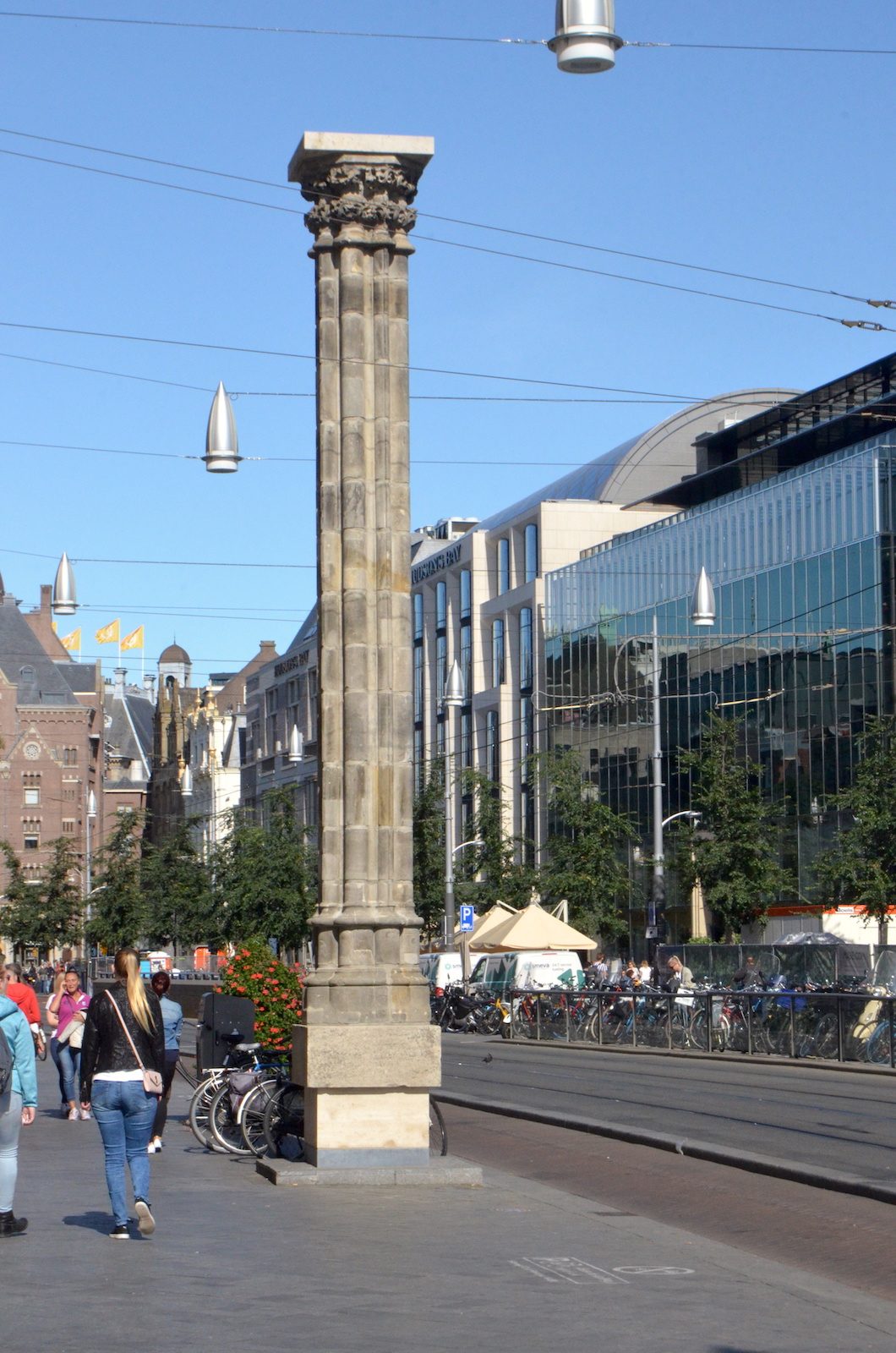 ODD FIND
Mirakelkolom
A column on the Rokin for the Miracle of Amsterdam (1345), when a host thrown in the fire would not burn.
 ODD FIND
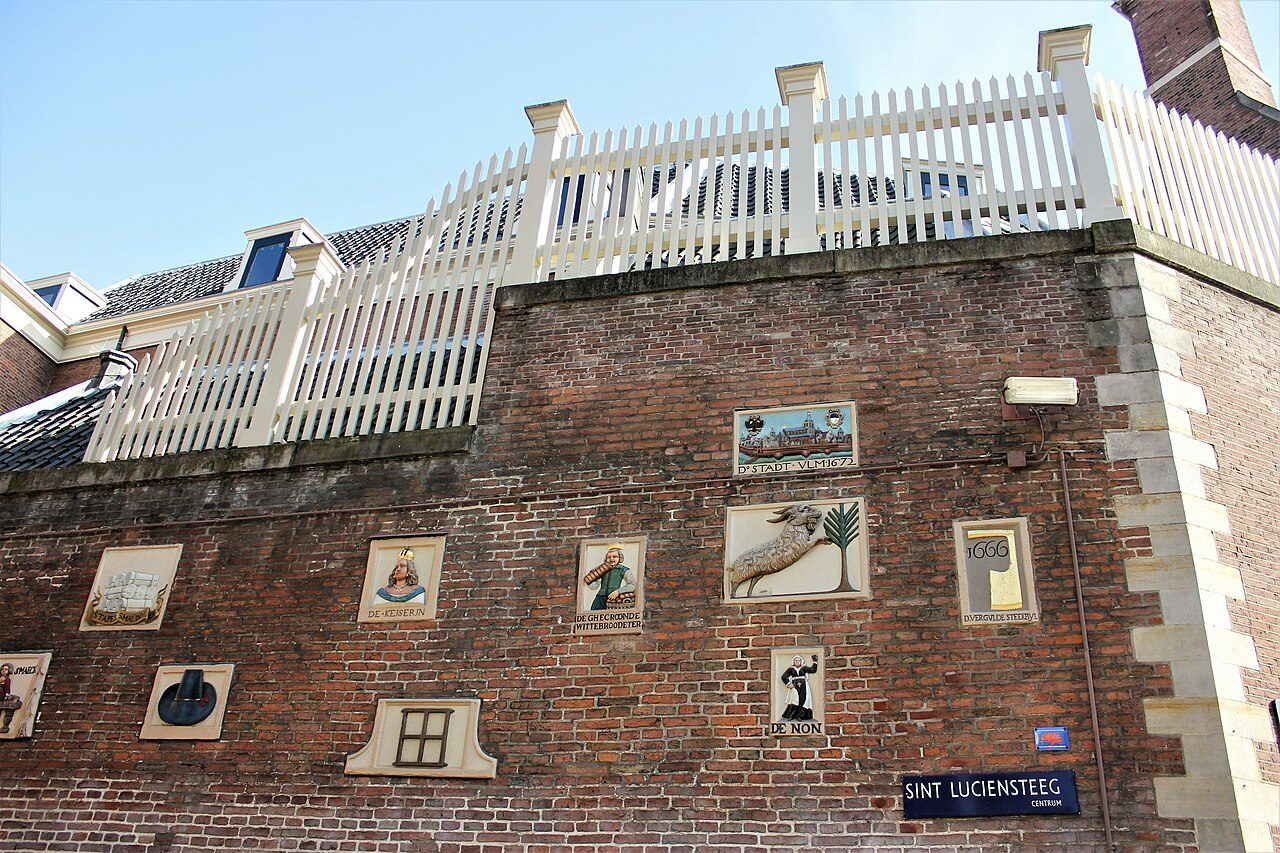
Gable stone wall (Sint Luciënsteeg)
A whole wall of rescued gable stones, the picture house numbers Amsterdam used before street numbers.
 ODD FIND
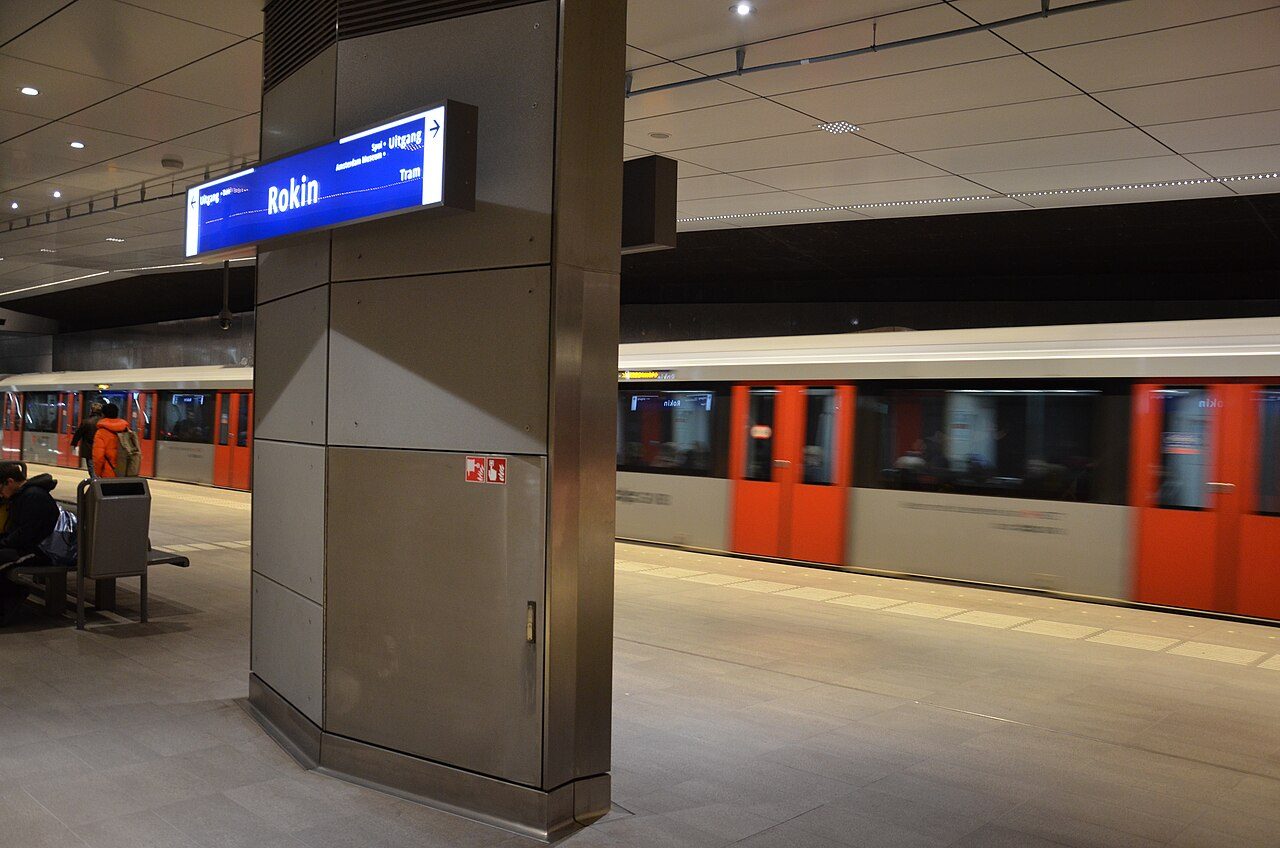
Below the Surface (Rokin metro)
Display cases in Rokin metro station with finds dug up for the line: keys, coins, toys and a 17th-century trumpet.
 ODD FIND
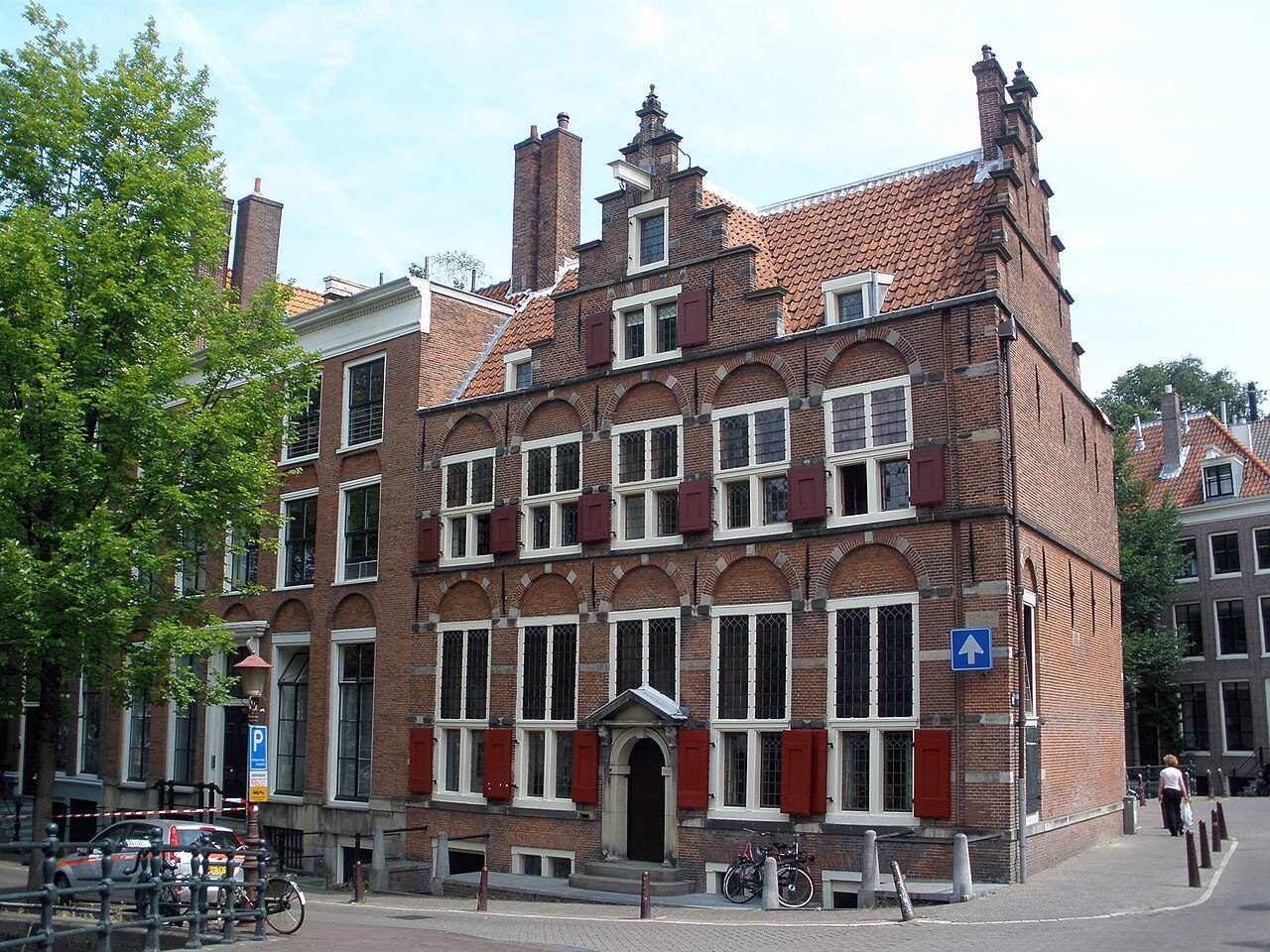
Huis aan de Drie Grachten
A 1610 house with a canal on three sides, one of the most photographed corners nobody can name.
 FILM SPOT
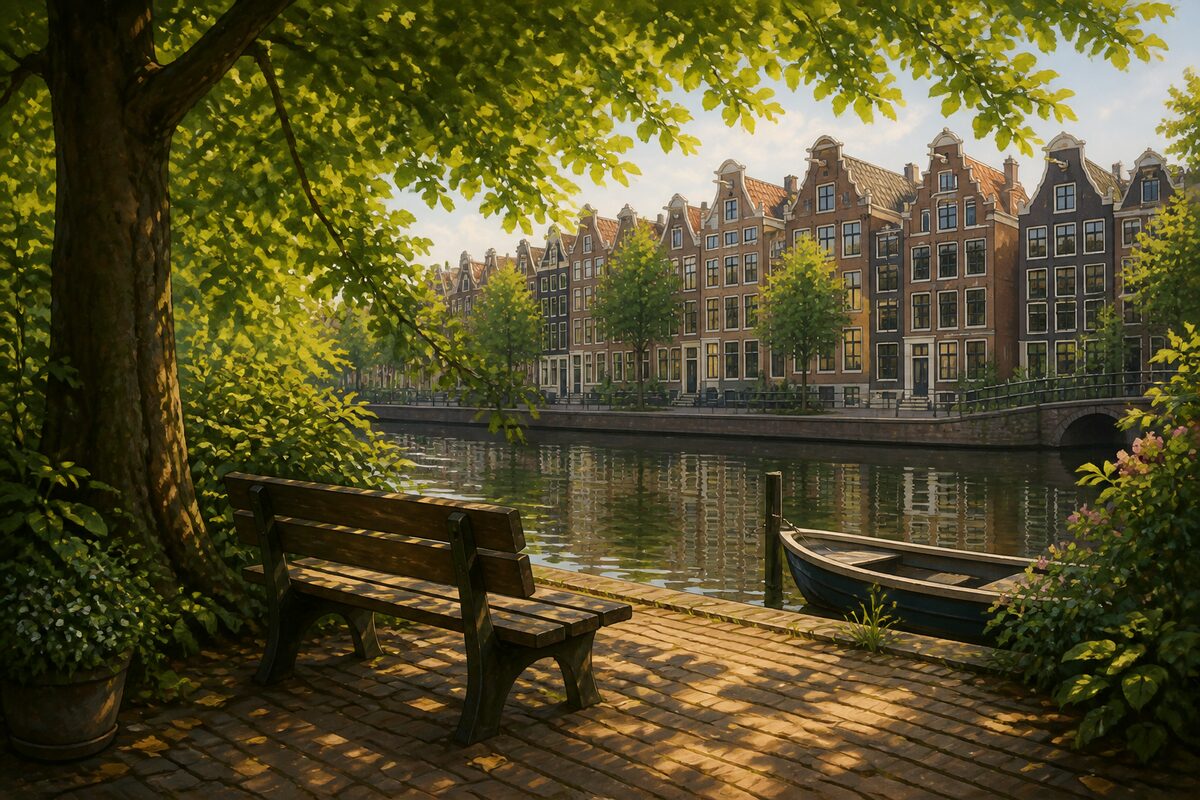
The Fault in Our Stars bench
The bench on the Leidsegracht where Hazel and Augustus sit in The Fault in Our Stars (2014). Fans of the film still come from all over the world for a photo.
 ODD FIND
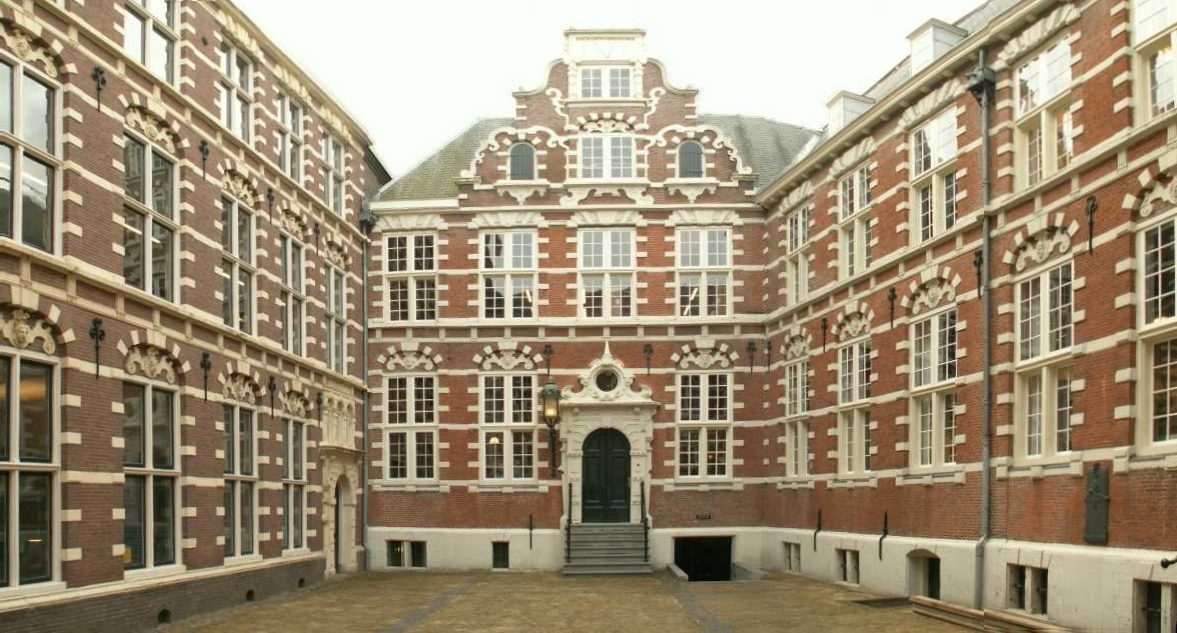
Oost-Indisch Huis courtyard
The headquarters of the Dutch East India Company, now university; walk into the courtyard where the world's first multinational was run.
Tours and quests that pass here
These walks have a stop a few minutes from Begijnhof. Free, on your phone, start any time.
 AUDIO TOUR
Van Gogh's Amsterdam
The years before the fame: a failed bookshop clerk walking these same streets. Ends at the museum door.
 AUDIO TOUR
Amsterdam in a Day: Highlights Walk
Start here if it's your first day. Why the houses lean, how the canals were dug, and what the Golden Age was actually built on.
 CITY QUEST
The Canal Cipher
A coded will, seven places, seven words. Walk the canal ring and read what the merchant hid.