
ODD FIND
Huis aan de Drie Grachten
A 1610 house with a canal on three sides, one of the most photographed corners nobody can name.
A house that faces three canals
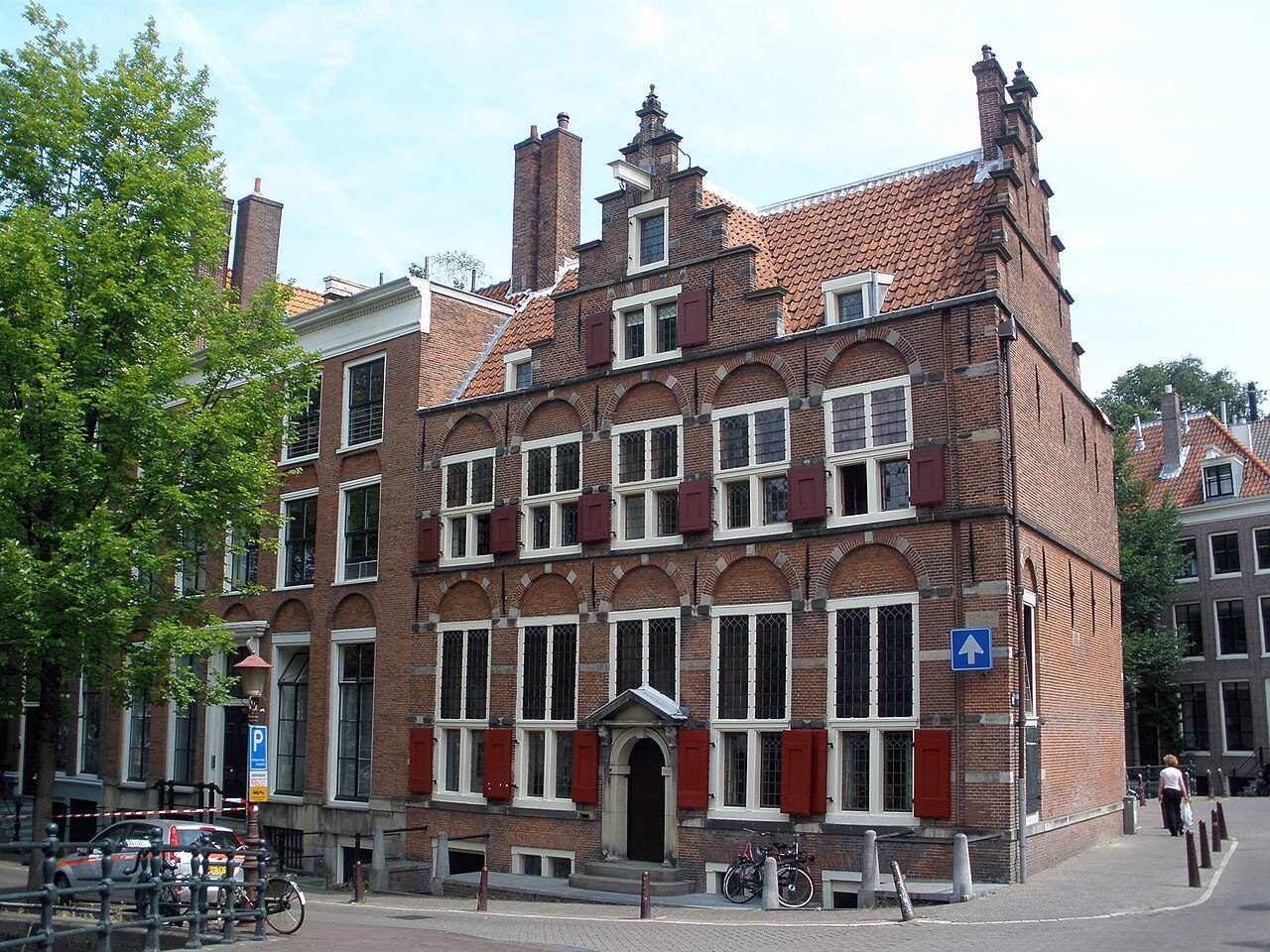
Most Amsterdam canal houses show you one face and keep the rest to themselves. This one shows you three. The Huis aan de Drie Grachten stands at the southeastern end of the Wallen, where the water splits around it. The south side looks onto the Grimburgwal. The west side looks onto Oudezijds Voorburgwal. The east side looks onto Oudezijds Achterburgwal.
The address is Oudezijds Voorburgwal 249. You may have seen the house in photographs of this corner of the old centre without knowing its name. It is worth a short walk because you can read the whole building in a few minutes, and the story behind it is better than the postcard.
Built around 1610, rebuilt in 1909
The house you see dates from around 1610. It is a double house in Dutch Renaissance style, and each of the three facades ends in a stepped gable. Archaeological study has shown that the oldest parts are older still, from the second quarter of the 16th century. It is a rijksmonument, a national monument.
The gables are younger than they look. In the 18th century the original stepped gables, the windows and the entrance gate were pulled down. In 1909 the architect Jan de Meijer set out to bring the house back to its 17th-century state. His guide was a painting of the house by Gerrit Berckheyde, which is now in the Amsterdam Museum. He gave the house new stepped gables, windows divided into four panes by crossbeams, and a sandstone entrance gate. He also stripped out what centuries of owners had added inside. A second restoration followed in 2005.
The bookshop and the hidden shelf
The best story here is a quiet one. In 1936 August Aimé Balkema opened a bookshop in the house. During the Second World War the shop was used to print and publish poetry and other literature in secret. The press was called Vijf Ponden Pers.
In 2005, during the restoration, workers found a hidden space above one of the two big 17th-century mantelpieces. It held a box of papers from the war years, with manuscripts and correspondence. It may also have served as a hiding place for onderduikers, people hiding from the Germans, some of them Jewish. Nobody can say for certain.
The building stayed a bookshop until 2002. A publishing house of the same name worked from here for decades, mostly on language and literature. From 1978 it also produced a journal about the writer Multatuli. After 2002 the house became a home again. In 2024 a miniature of it was made as one of KLM's Delft blue houses.
What to look for
Start by counting. Find all three gables and notice that each has its own stepped outline. Then walk round the corner so you see each facade in turn, with the water in front of you each time.
Look at the windows. The crossbeams that split each one into four small panes are part of the 1909 work, rebuilt from a painting. The sandstone entrance gate is a 1909 addition too. The house is a private home, so enjoy it from the street and keep your voice down.
Stand on the far side of the water for the best view. You get the gables reflected in the canal, which is a big part of why this corner is photographed so often.
Before you go
- Rokin metro station is a few minutes on foot. From there walk to the corner of Grimburgwal and Oudezijds Voorburgwal.
- It is an outdoor spot, always open, and it costs nothing to look.
- Go in the morning for a quiet photo. The Wallen fills up later in the day and in the evening.
- Walk all the way round to see each of the three facades. The view from the far side of the water is the best.
- The house is a private home, so do not knock or look in at the windows.
What people say
Related spots
More things to do in Amsterdam ›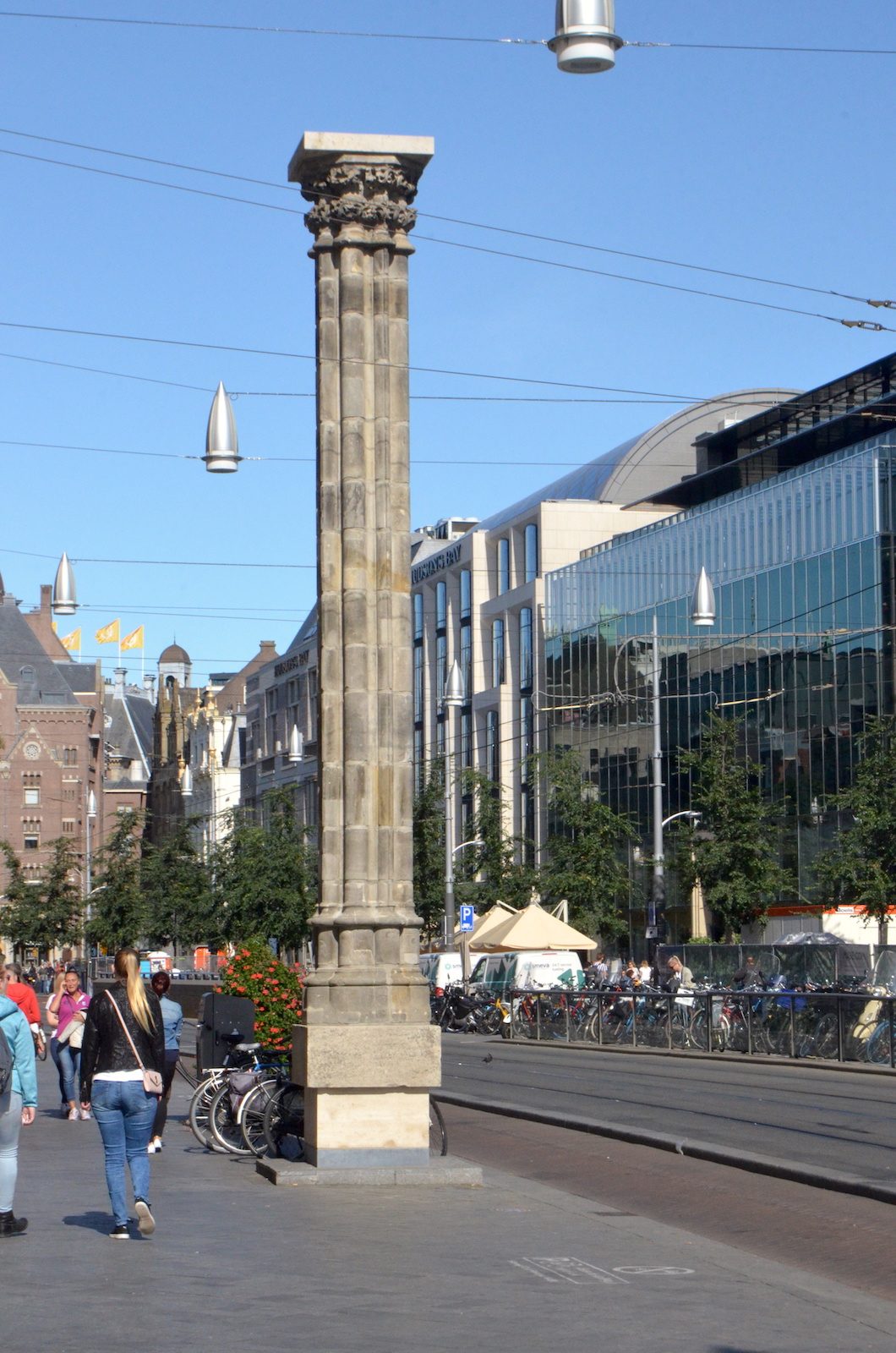 ODD FIND
Mirakelkolom
A column on the Rokin for the Miracle of Amsterdam (1345), when a host thrown in the fire would not burn.
 ODD FIND
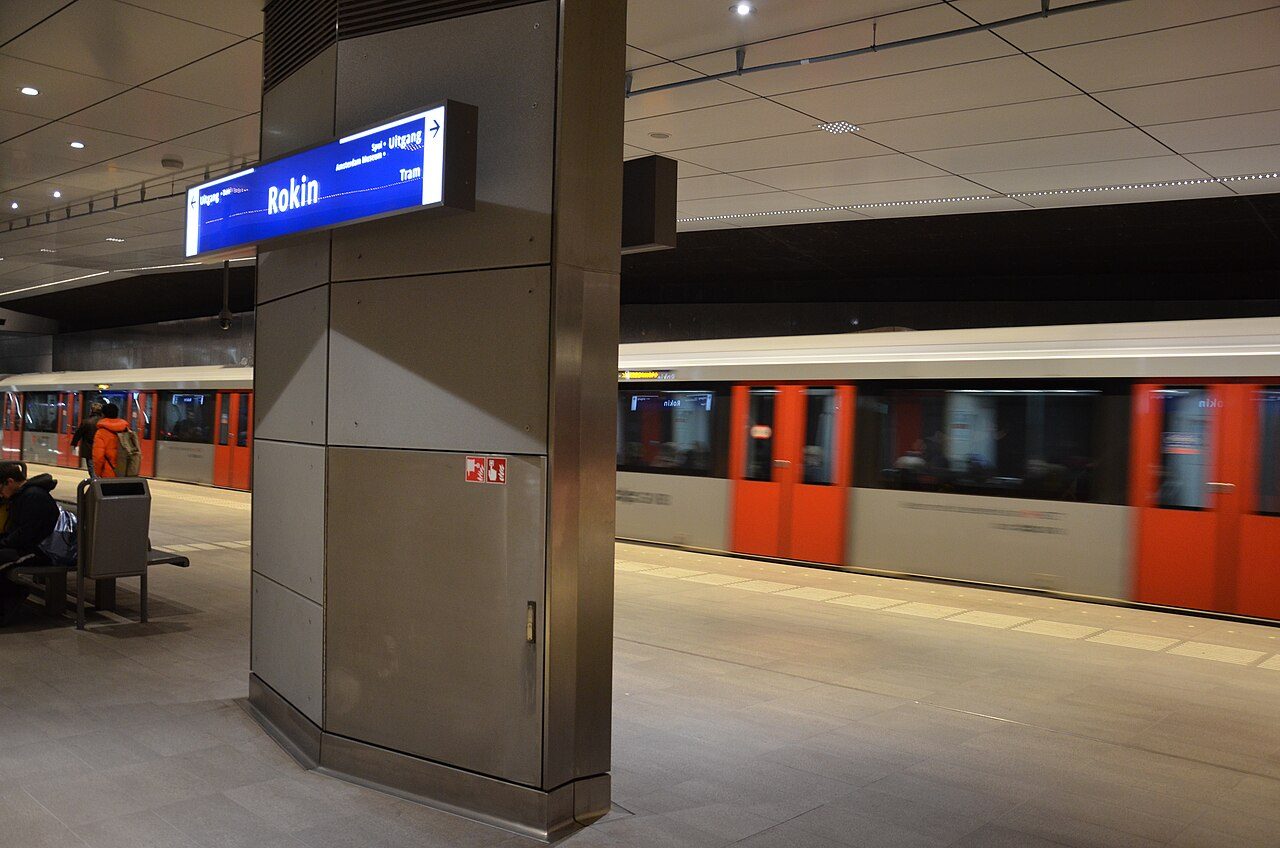
Below the Surface (Rokin metro)
Display cases in Rokin metro station with finds dug up for the line: keys, coins, toys and a 17th-century trumpet.
 ODD FIND
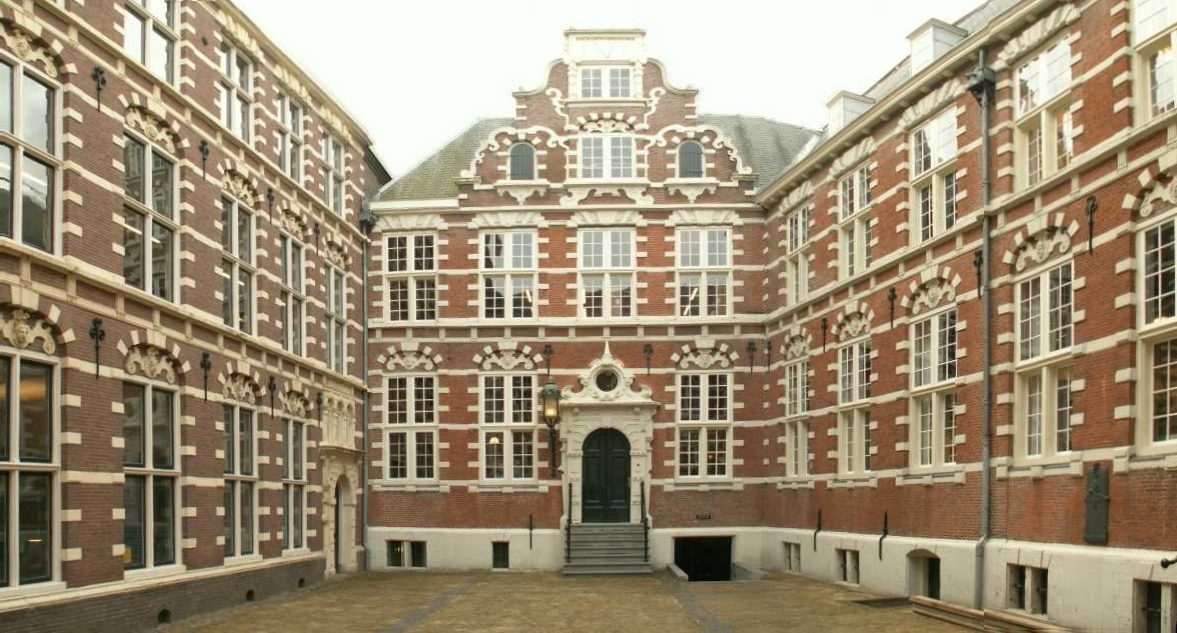
Oost-Indisch Huis courtyard
The headquarters of the Dutch East India Company, now university; walk into the courtyard where the world's first multinational was run.
 ODD FIND
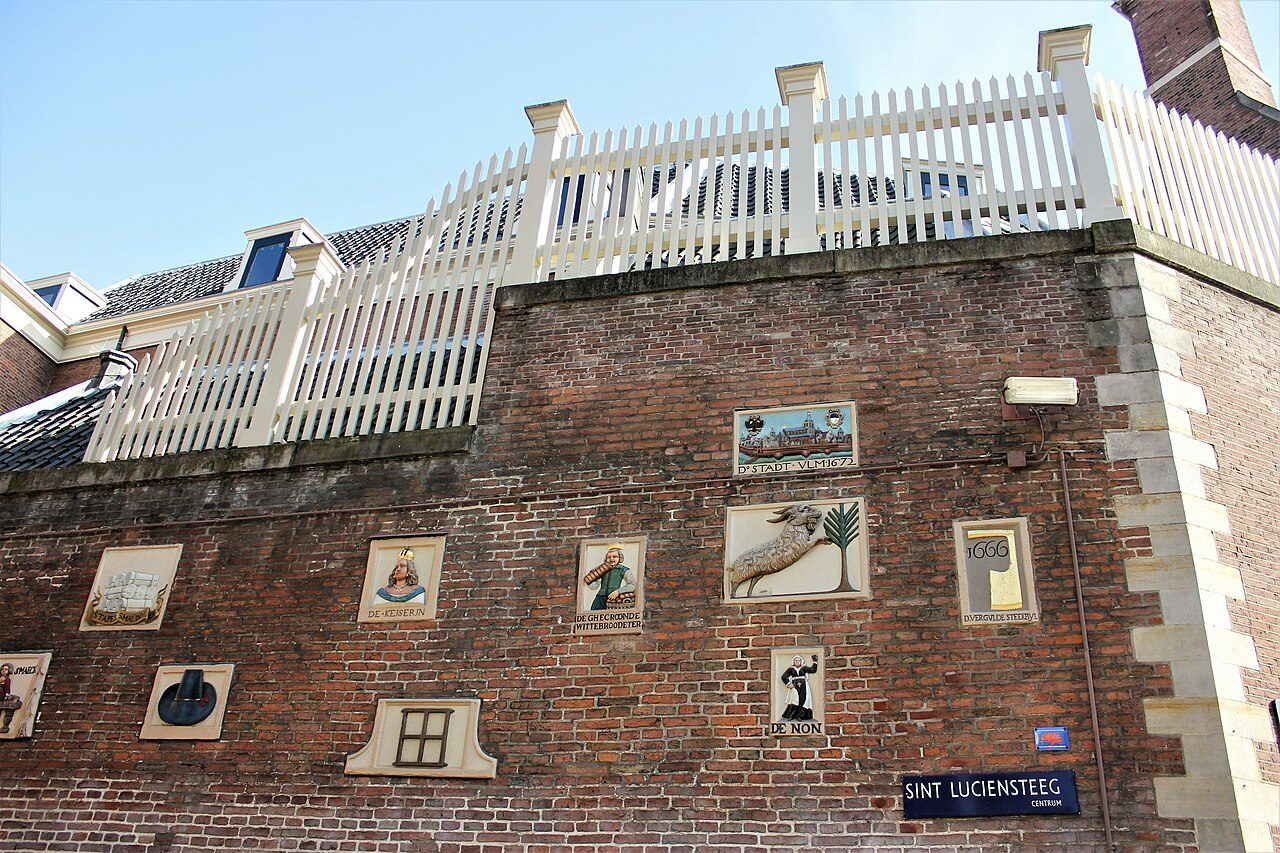
Gable stone wall (Sint Luciënsteeg)
A whole wall of rescued gable stones, the picture house numbers Amsterdam used before street numbers.
 HIDDEN COURTYARD
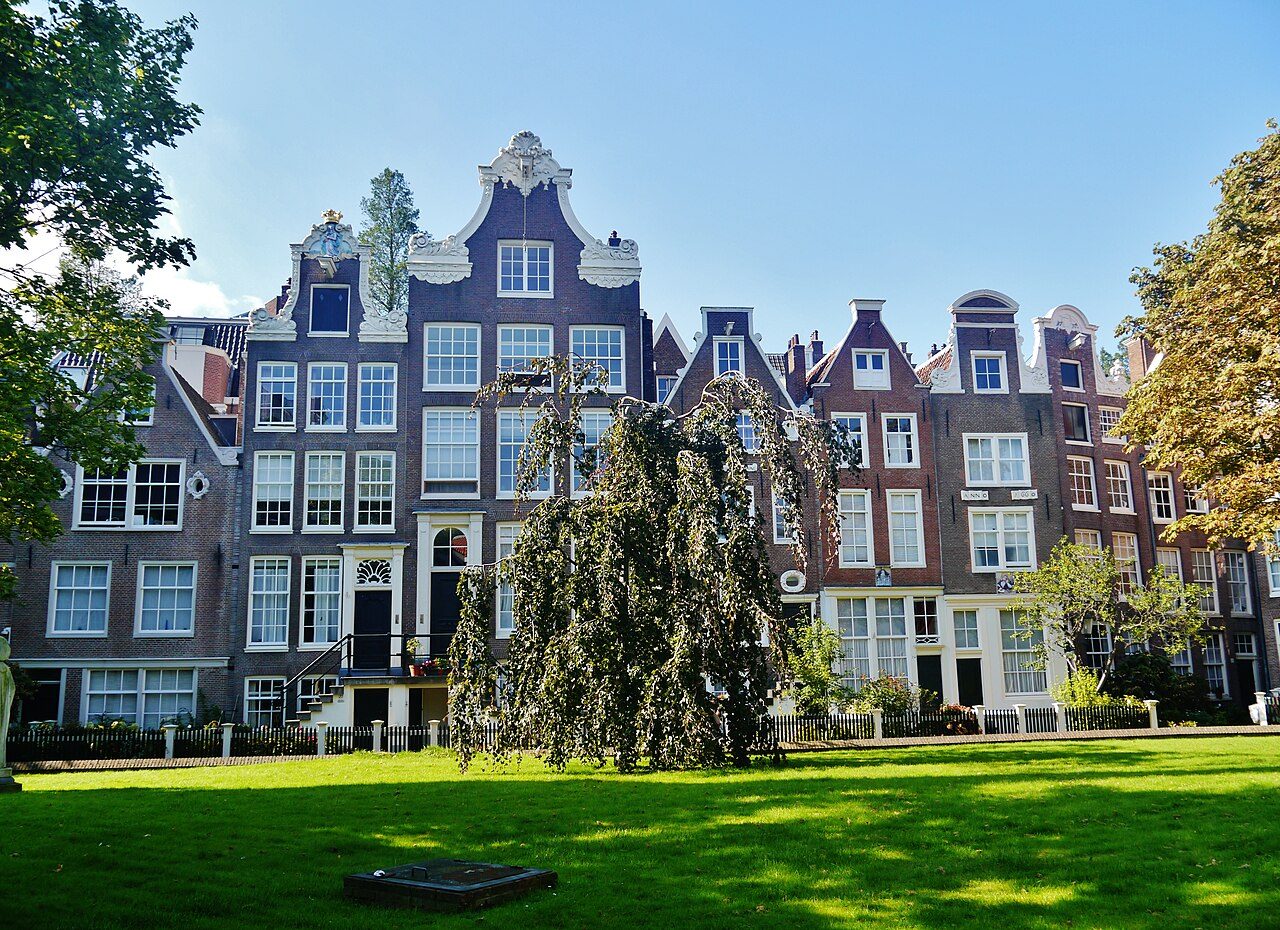
Begijnhof
A walled medieval courtyard in the middle of the old centre, home to single women for more than 600 years. Step through the gate on the Begijnensteeg and the city noise drops away.
 ODD FIND
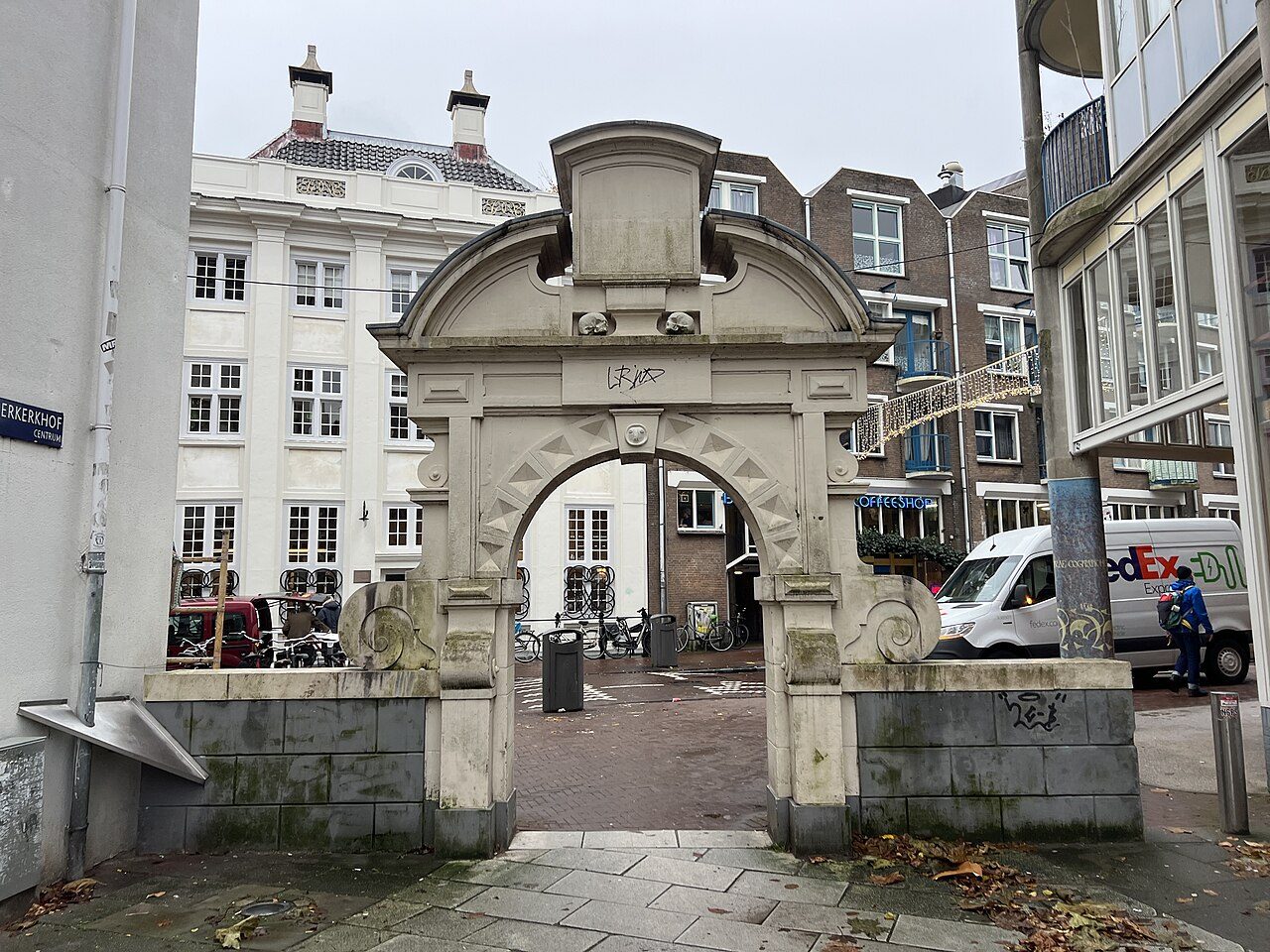
Skull gate of the Zuiderkerkhof
The old graveyard gate on the Sint Antoniesbreestraat, crowned with skulls.
Tours and quests that pass here
These walks have a stop a few minutes from Huis aan de Drie Grachten. Free, on your phone, start any time.
 AUDIO TOUR
In Rembrandt's Footsteps
From the biggest house on the street to bankruptcy and an unmarked grave. His Amsterdam, in the order he lived it.
 AUDIO TOUR
Amsterdam Ghost Tour
Plague pits, public executions and the canal that swallowed people. The city's grim side, told without the cheap scares.
 CITY QUEST
The Canal Cipher
A coded will, seven places, seven words. Walk the canal ring and read what the merchant hid.