
ODD FIND
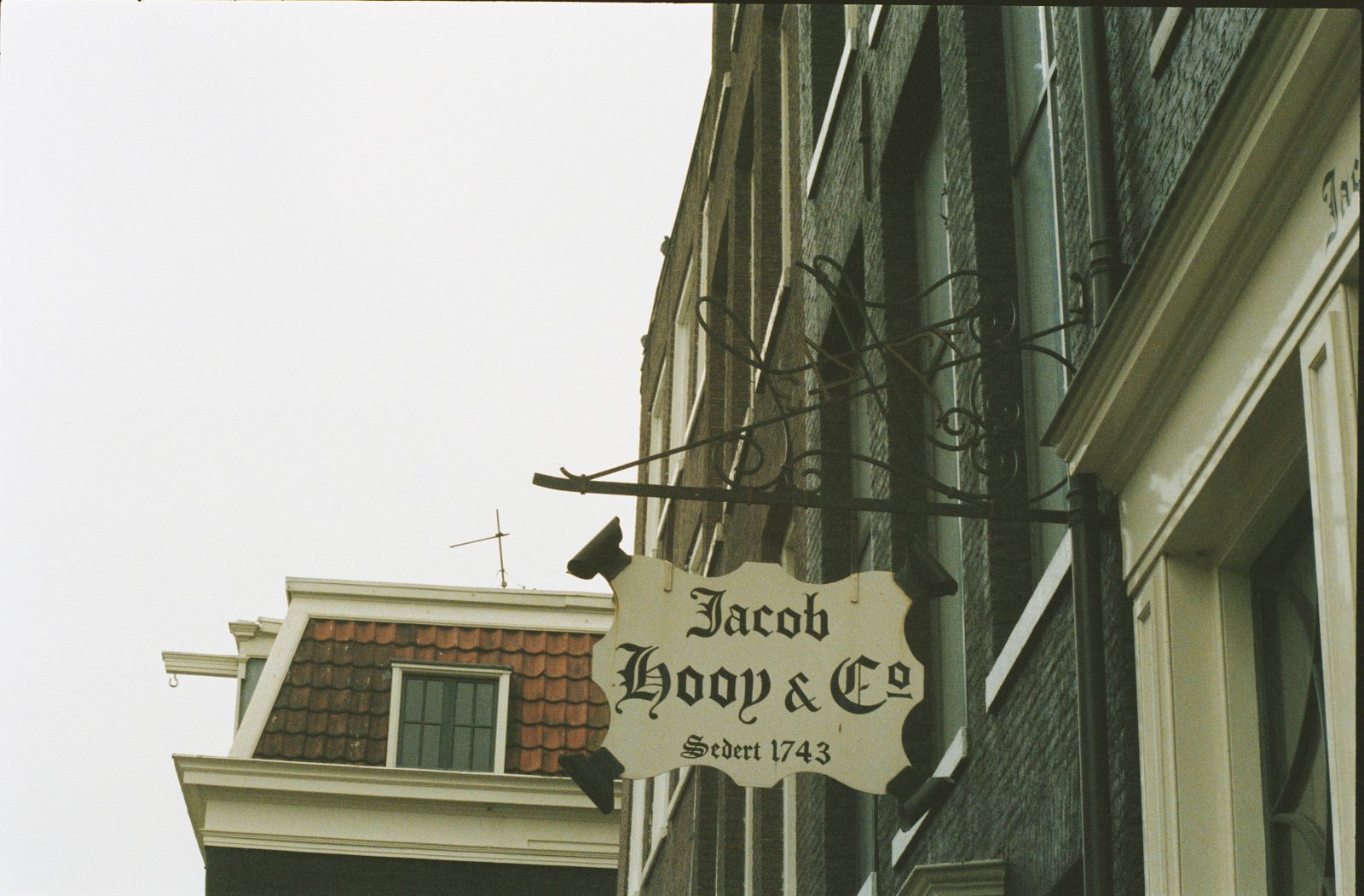
Jacob Hooy & Co
An apothecary shop unchanged since 1743: wooden drawers of herbs, liquorice jars and a 'gaper' head over the door.
A shop that stayed the same
Jacob Hooy & Co is a small herb and apothecary shop on the Kloveniersburgwal, and it has looked much the same since 1743. You step in from the canal and the smell reaches you first. Dried herbs, tea, spice and liquorice all hang in the air together.
It is worth the walk because it is a working shop, not a museum. Nobody asks you for a ticket. You can stand inside, look at the walls, and leave with a paper bag of something if you like. Ten or fifteen minutes is enough.
Look up, then look around
Start outside, above the door. The head you see there is a gaper, a figure with an open mouth. In the Netherlands it is the traditional sign of an apothecary. Once you know it, you start spotting gapers over old chemists' doors around the country.
Inside, look at the walls first. They are lined with wooden drawers, each labelled with the herb or spice kept in it. Behind the counter and along the shelves stand big jars. Many of them hold liquorice, which the Dutch call drop. It comes in more shapes and strengths than most visitors expect, and some of it is salty rather than sweet. If you have never tried the salty kind, ask the person at the counter what to start with. Do it with a straight face and a small bag.
Then look at the details. The counter, the scoops, the old labels and the way things are weighed out all belong to a time when this was how you bought medicine. The shop still sells herbs, teas and natural remedies, so the goods are meant to be used and not only looked at.
Why an apothecary here
In the eighteenth century Amsterdam was a trading city, and spices, herbs and strange plants came in by ship. A shop like this sat at the end of that chain. Before modern pharmacies, people went to an apothecary or herbalist for tea, powders and tonics, and a shop that sold herbs by weight was an ordinary part of the street.
What is unusual is that this one survived. Most such shops were modernised, moved or closed. Jacob Hooy kept its drawers, its jars and its look, and that is why people now cross the street to see it. The date, 1743, is the one the shop itself gives as its beginning.
Before you go
- It sits on the Kloveniersburgwal canal, a short walk from Nieuwmarkt and about ten minutes on foot from Dam Square.
- The shop is closed on Sunday, so plan for a weekday or Saturday.
- Entry is free. You are not expected to buy anything, but a small bag of herbs or liquorice makes a good souvenir.
- Go on a weekday morning for the most room to look at the drawers and jars.
- The shop is small. If it is full, wait a minute and look at the gaper over the door.
What people say
Related spots
More things to do in Amsterdam ›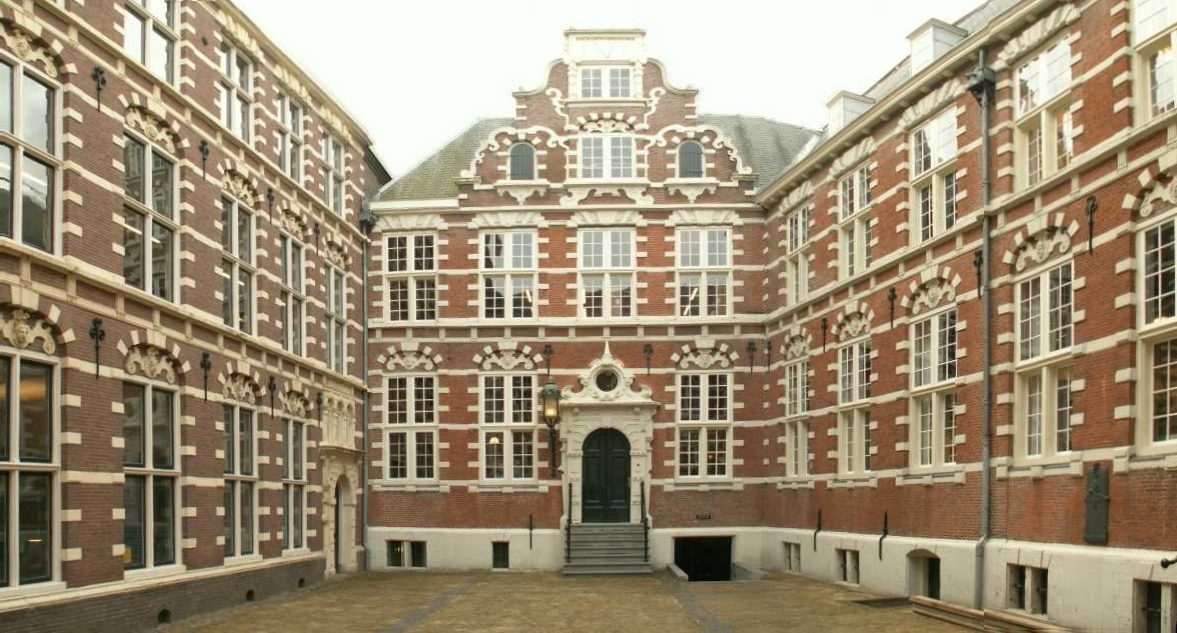 ODD FIND
Oost-Indisch Huis courtyard
The headquarters of the Dutch East India Company, now university; walk into the courtyard where the world's first multinational was run.
 ODD FIND
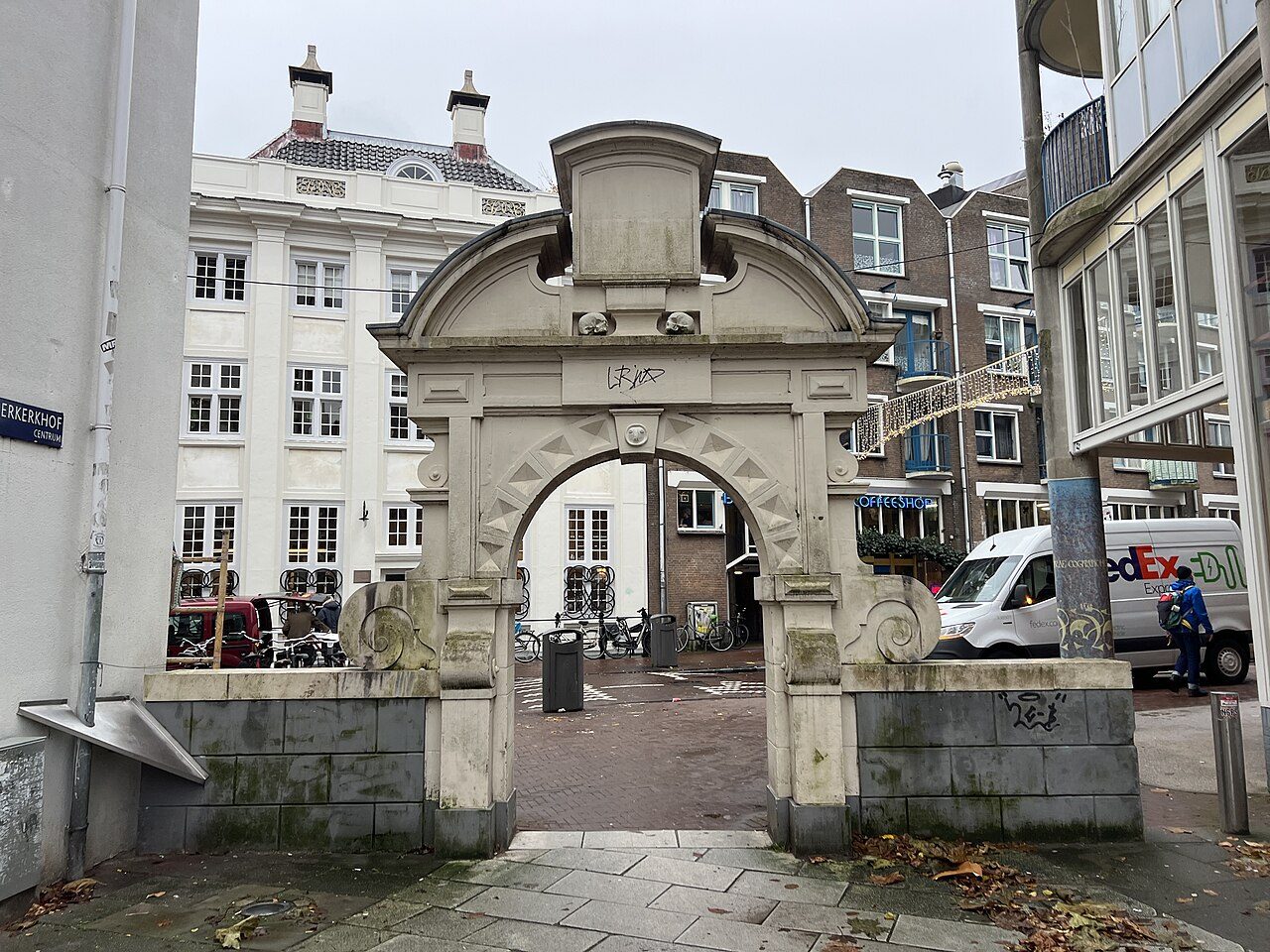
Skull gate of the Zuiderkerkhof
The old graveyard gate on the Sint Antoniesbreestraat, crowned with skulls.
 ODD FIND
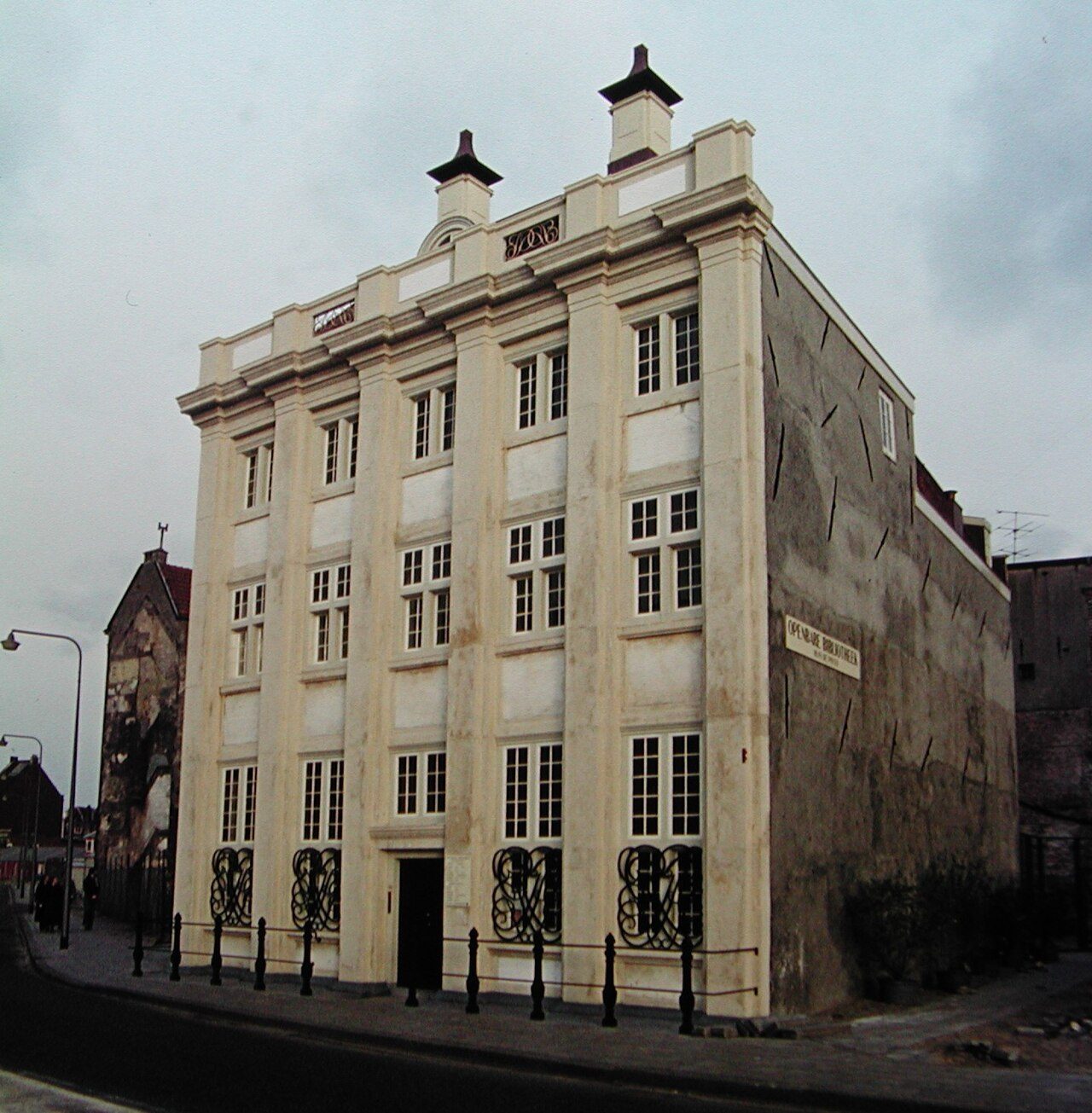
Pintohuis
A 17th-century merchant's mansion with painted ceilings, now a free reading room and café.
 ODD FIND
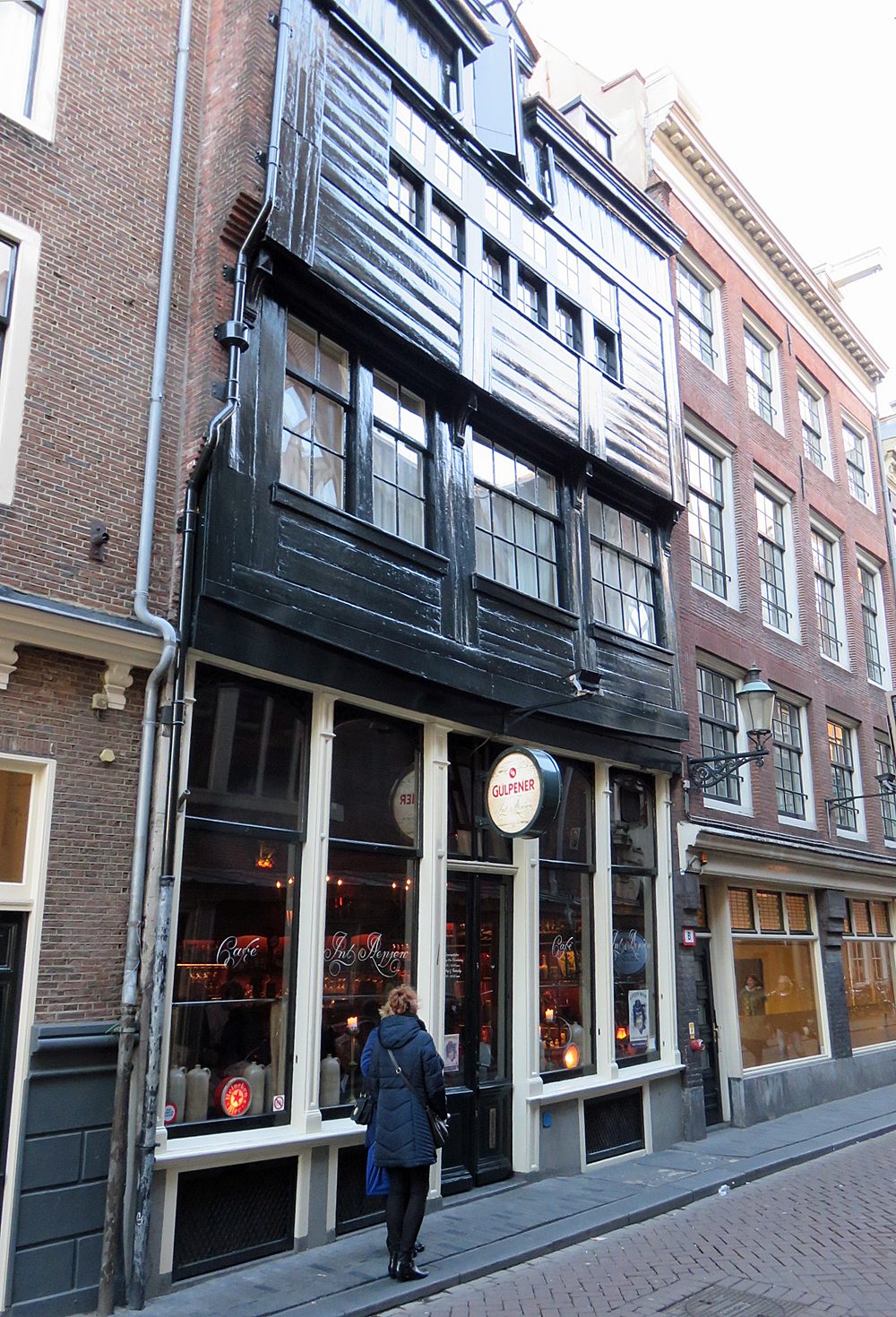
Wooden house Zeedijk 1 (In 't Aepjen)
One of only two wooden houses left in the centre, where sailors are said to have paid their bills with monkeys.
 ODD FIND
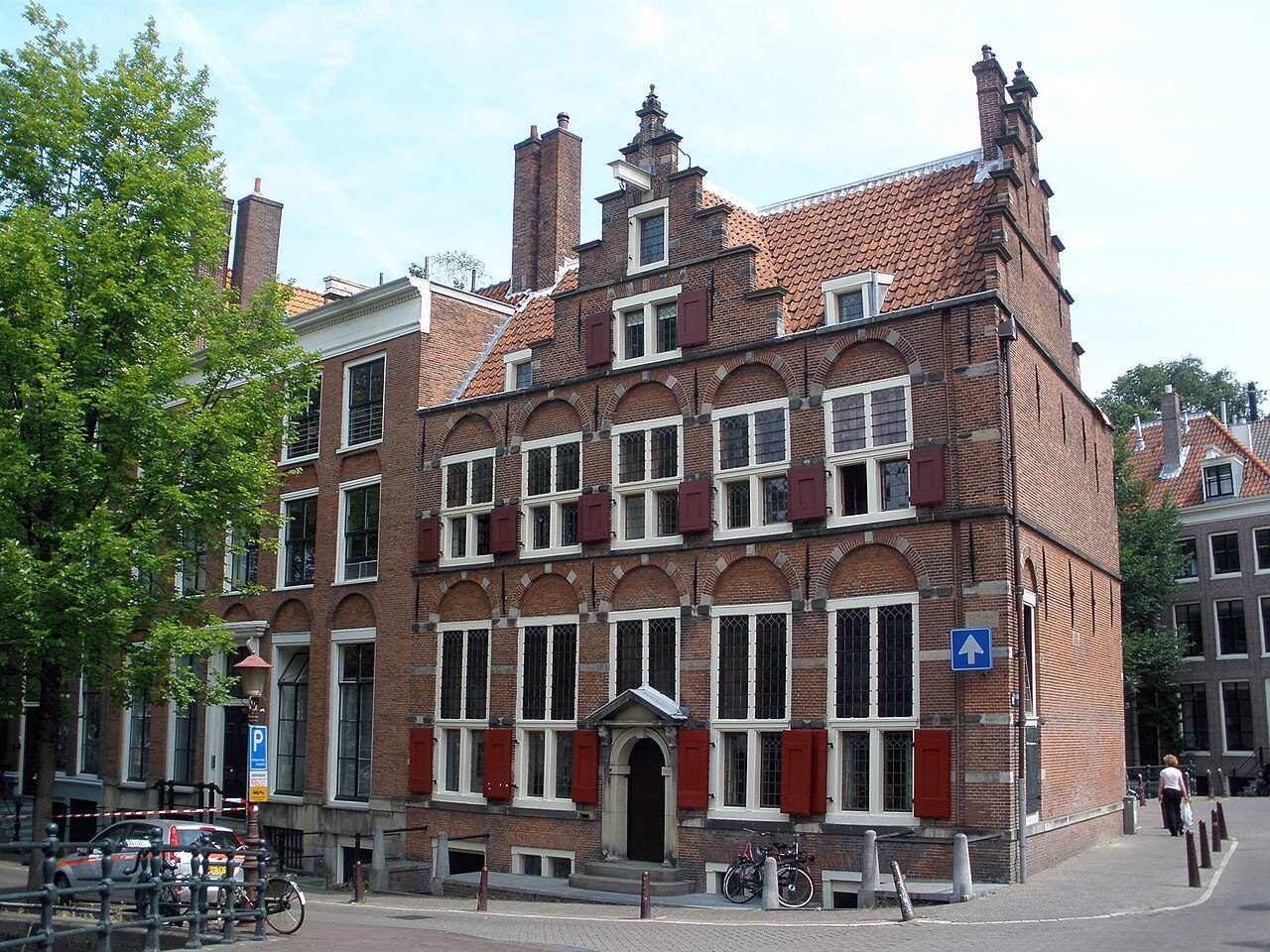
Huis aan de Drie Grachten
A 1610 house with a canal on three sides, one of the most photographed corners nobody can name.
 ODD FIND
Below the Surface (Rokin metro)
Display cases in Rokin metro station with finds dug up for the line: keys, coins, toys and a 17th-century trumpet.
Tours and quests that pass here
These walks have a stop a few minutes from Jacob Hooy & Co. Free, on your phone, start any time.
 AUDIO TOUR
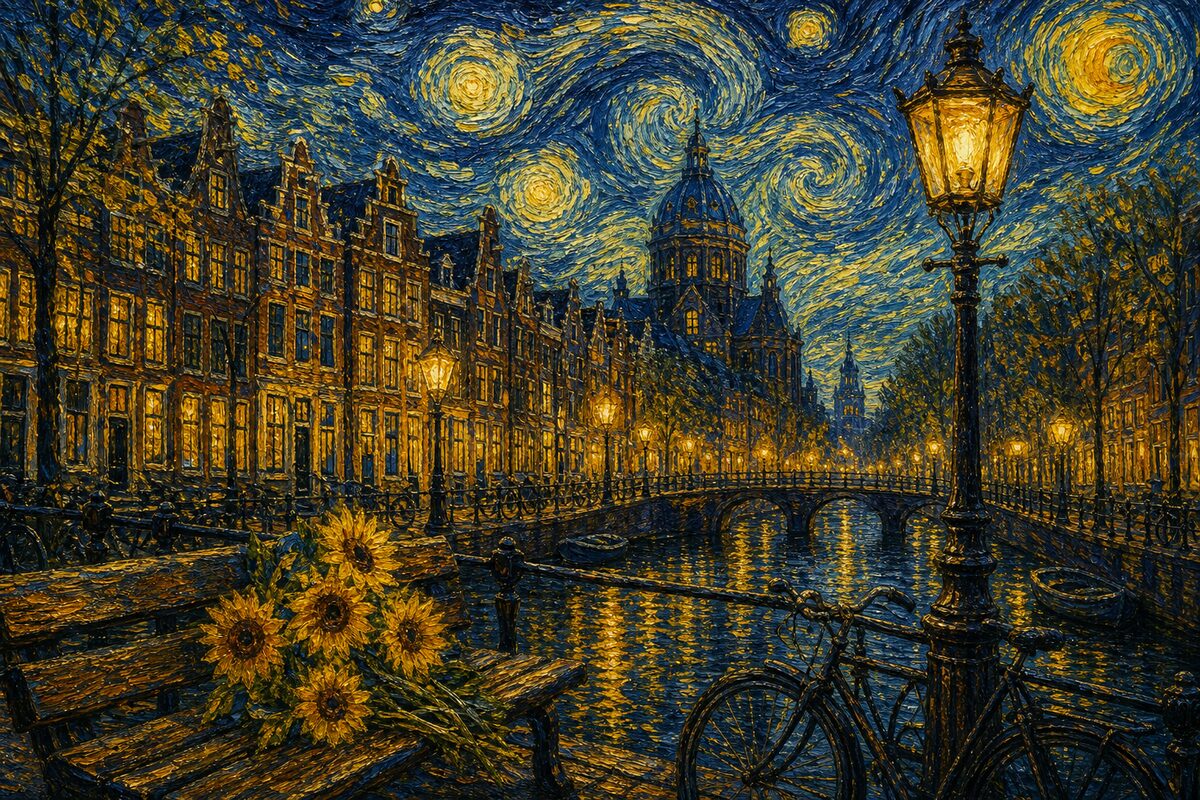
Van Gogh's Amsterdam
The years before the fame: a failed bookshop clerk walking these same streets. Ends at the museum door.
 AUDIO TOUR
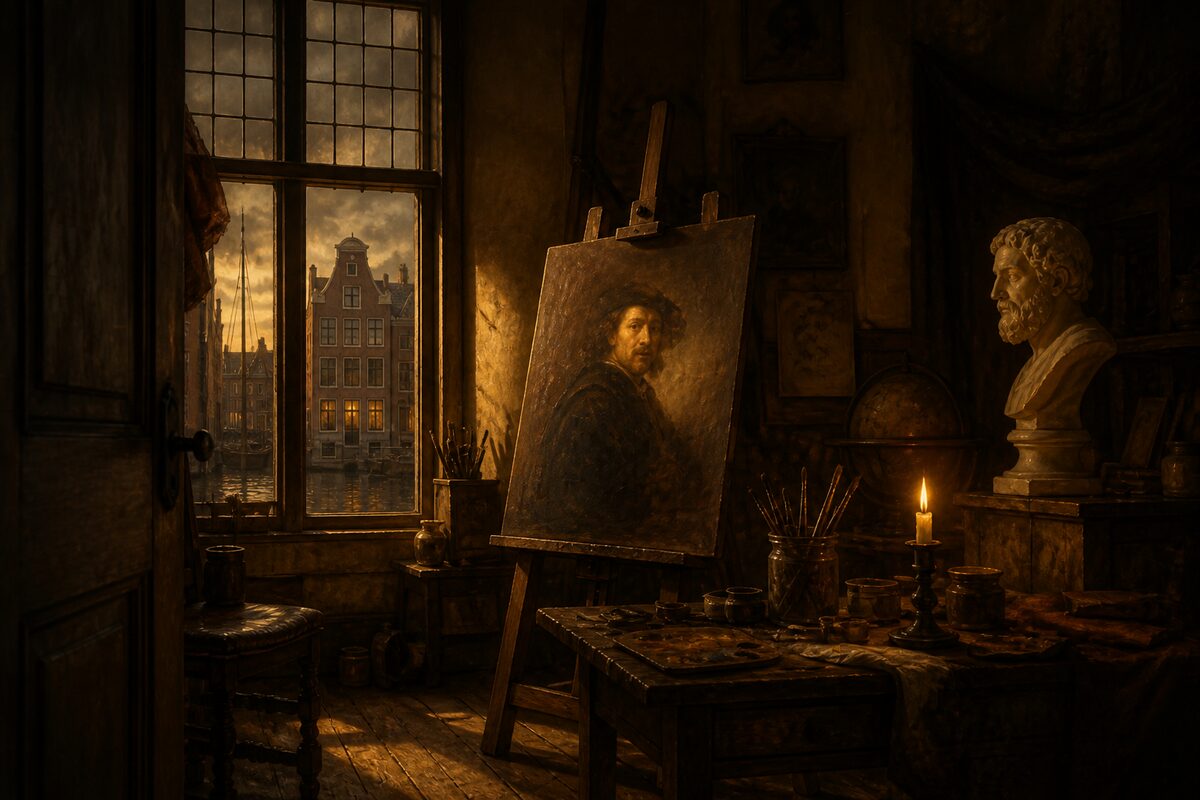
In Rembrandt's Footsteps
From the biggest house on the street to bankruptcy and an unmarked grave. His Amsterdam, in the order he lived it.
 CITY QUEST
Rembrandt's Missing Panel
Count steps, columns and a missing piece of skyline. Rembrandt's city, looking closely.