
CHURCH
Westerkerk
A living 17th-century church beneath Amsterdam’s tallest church tower, with Rembrandt’s memorial and bells that shaped Anne Frank’s days.
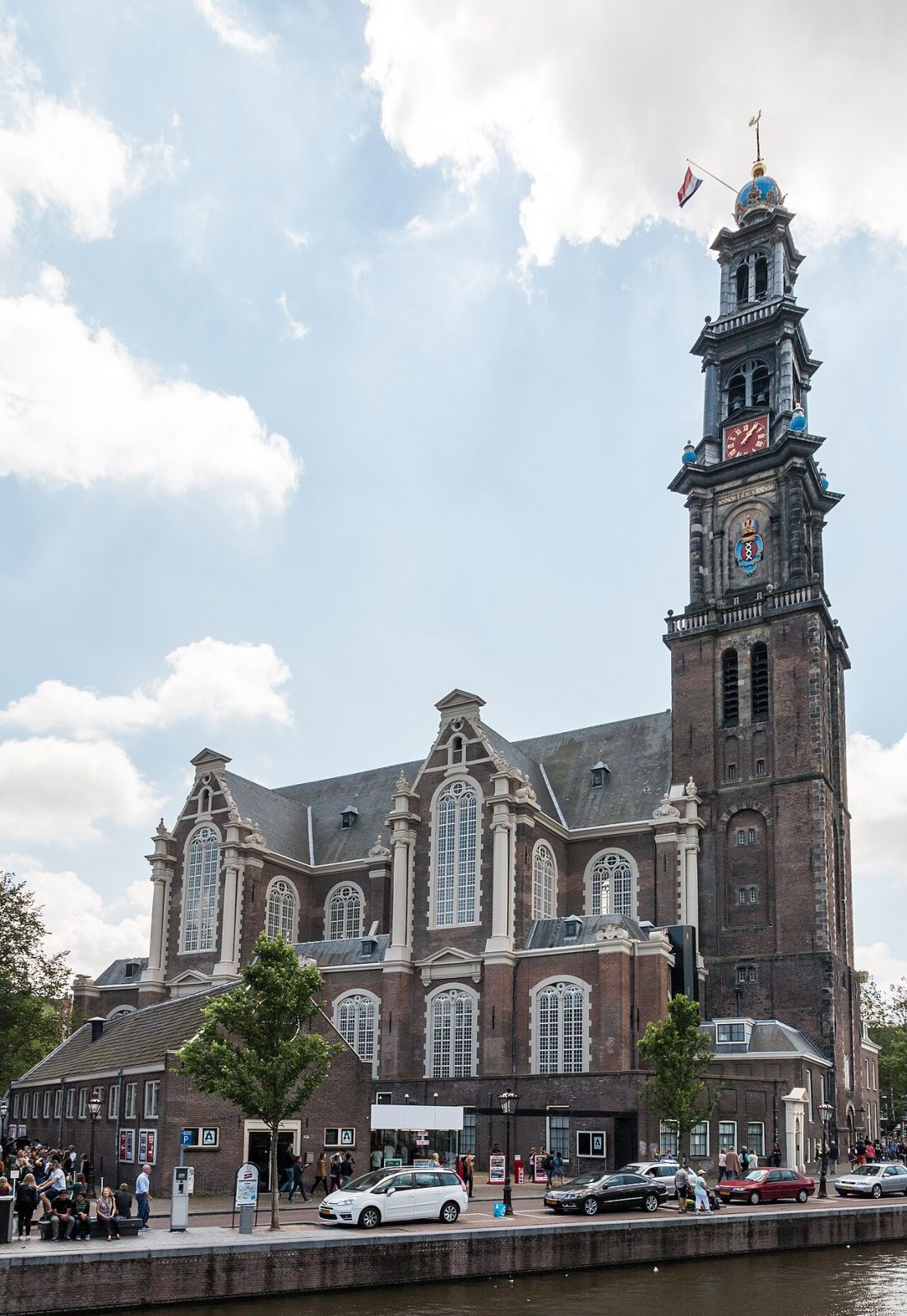
A tower you hear before you see
The Westertoren rises above the canal houses beside the Westerkerk, and its carillon gives the neighbourhood a familiar rhythm. After a long restoration, the bells again play every quarter hour, even at night. Some Jordaan residents say they time their eggs by it. Stand on Westermarkt, look up past the clock faces to the crown, and you can understand why this tower is more than a landmark to its neighbours.
Step inside the church
The church is worth more than a look from the square. Built between 1620 and 1631 for Protestant worship, it is a spacious example of Dutch Renaissance design. Its plan forms a double cross. Inside, find the pulpit where those forms meet, the copper chandeliers bearing Amsterdam's coat of arms, and the organ high above the west entrance. There was no organ when the church opened; the decision to commission one came decades later. This is still an active church, but visitors can enter during its public visiting hours.
Rembrandt was buried here in 1669. Nobody knows the exact place of his grave, so look for the memorial plaque in the north aisle instead. That uncertainty makes the church feel less like a monument with every story settled and more like a place where Amsterdam's past remains close, but not always visible.
The bells Anne Frank heard
The Anne Frank House is nearby. Anne wrote about the Westerkerk clock striking each quarter hour and how she came to appreciate its sound. In August 1943 she recorded that she could no longer hear the tower clock and thought it had been removed for factory use. Historical research distinguishes the large ringing bell, which was taken down but never melted, from the clock and carillon. Carillon concerts were still announced during the occupation. Her diary conveys what those sounds meant from the hiding place without turning the tower's complicated wartime history into a simple tale of silence.
Visit the square for the tower, then go inside for the architecture and Rembrandt memorial. The church currently says the tower cannot be climbed. From the pavement, its crown and bells remain part of the visit.
Things to know
- Enter the church at Prinsengracht 279; the entrance is wheelchair accessible.
- Look for Rembrandt’s memorial plaque in the north aisle.
- Step back onto Westermarkt to see the full tower and its crown.
- The tower is currently closed to climbers.
- The carillon can be heard from the square; check the church for current events.
- Opening hours and prices can change. Check the official website before you go. Official website
What people say
Related spots
More things to do in Amsterdam ›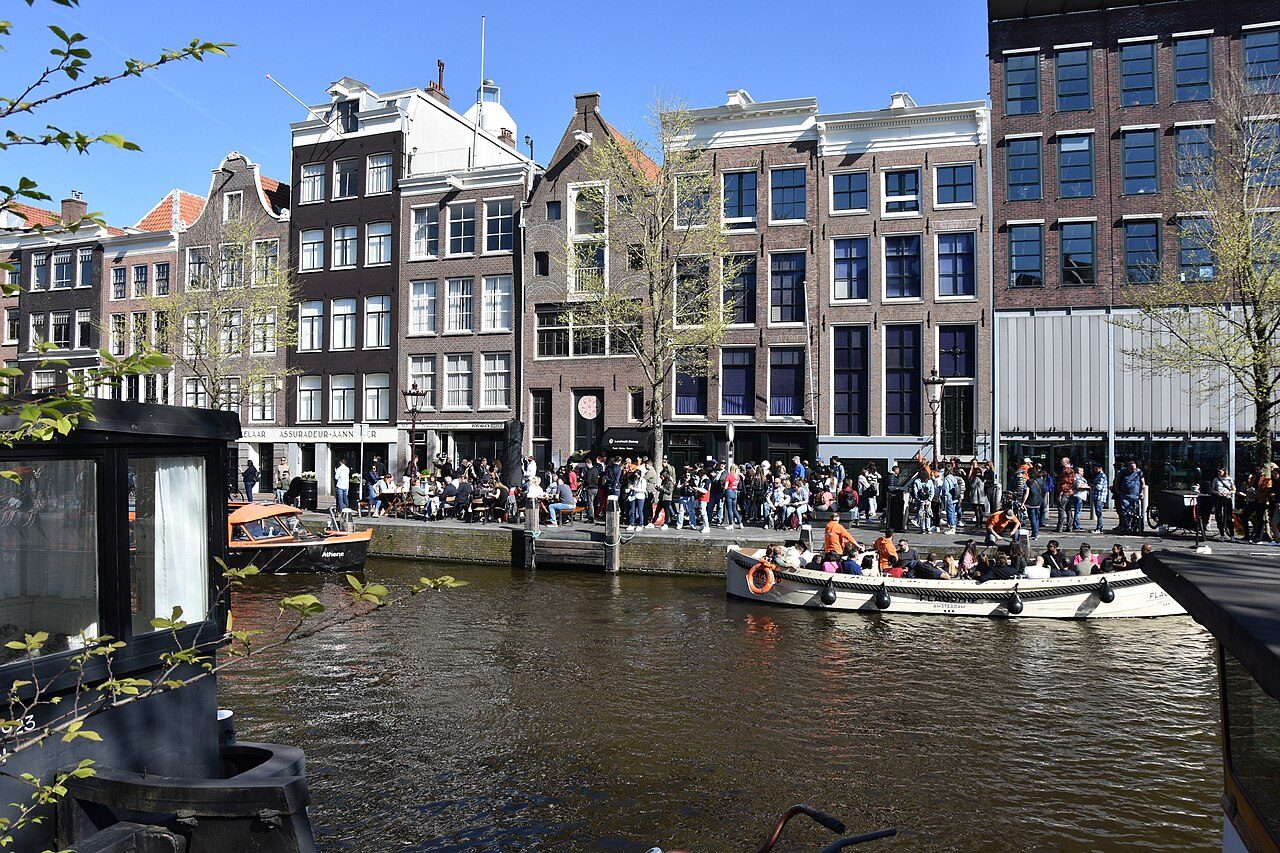 MUSEUM
Anne Frank House
Walk through the Secret Annex and see Anne Frank's diary, picture walls and the traces her family left behind.
 LANDMARK
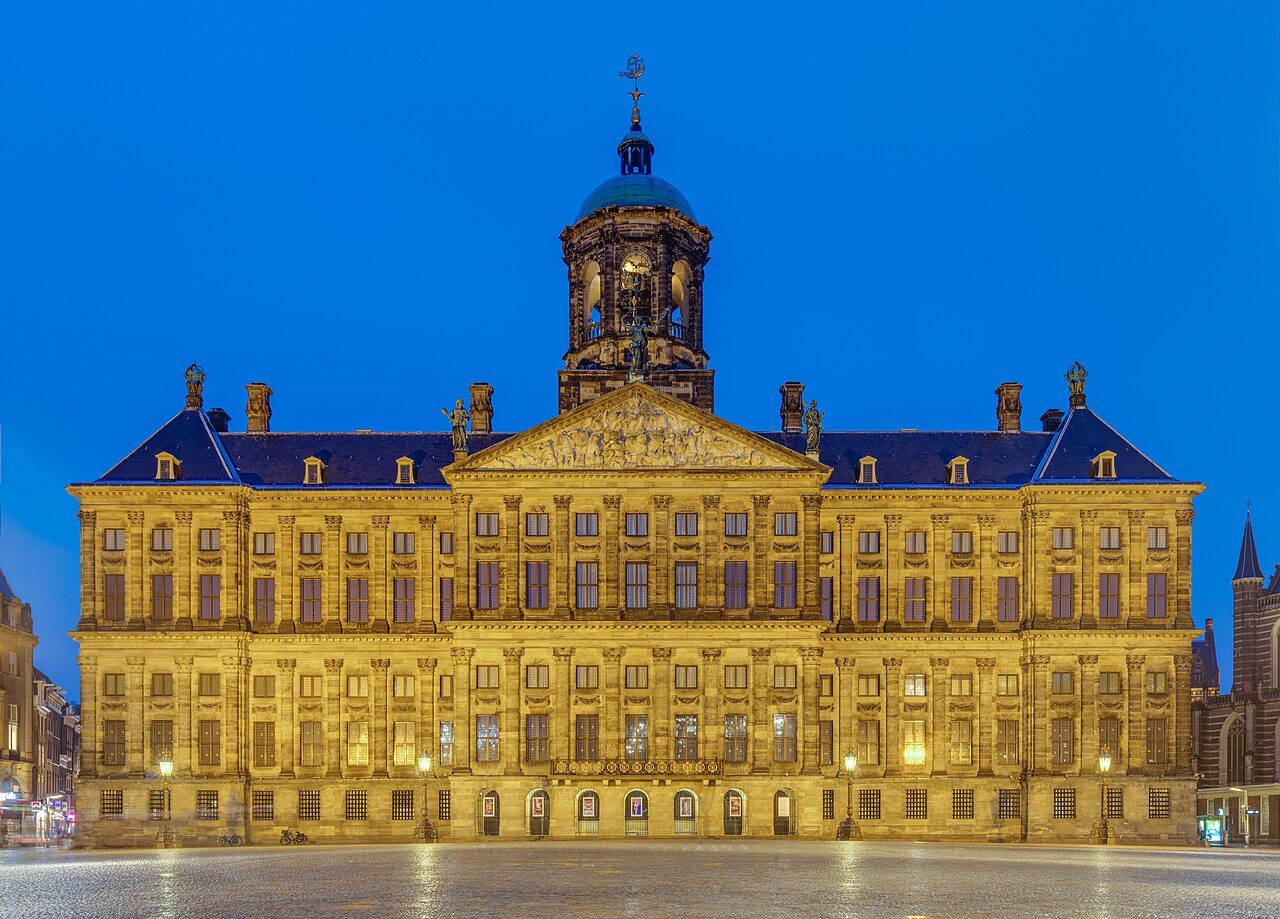
Royal Palace Amsterdam
The 17th-century city hall on Dam Square that became a royal palace; the citizens' hall inside is open to visit.
 CANAL CRUISE
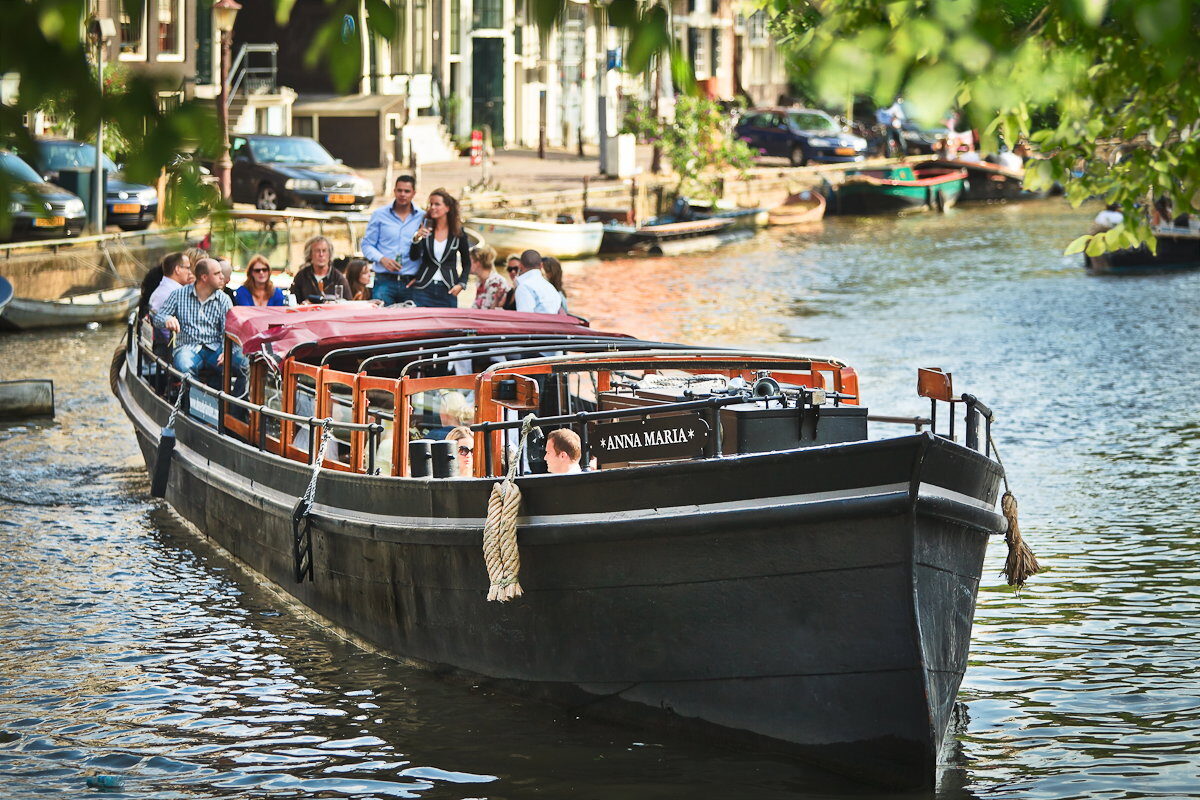
Open boat cruise with a guide
A small open boat with a live guide, slipping into canals the big boats cannot reach.
 CANAL CRUISE
Drinks cruise
Wine and cheese, beer or cocktails on a small boat, mostly late in the afternoon and in the evening.
 CHURCH
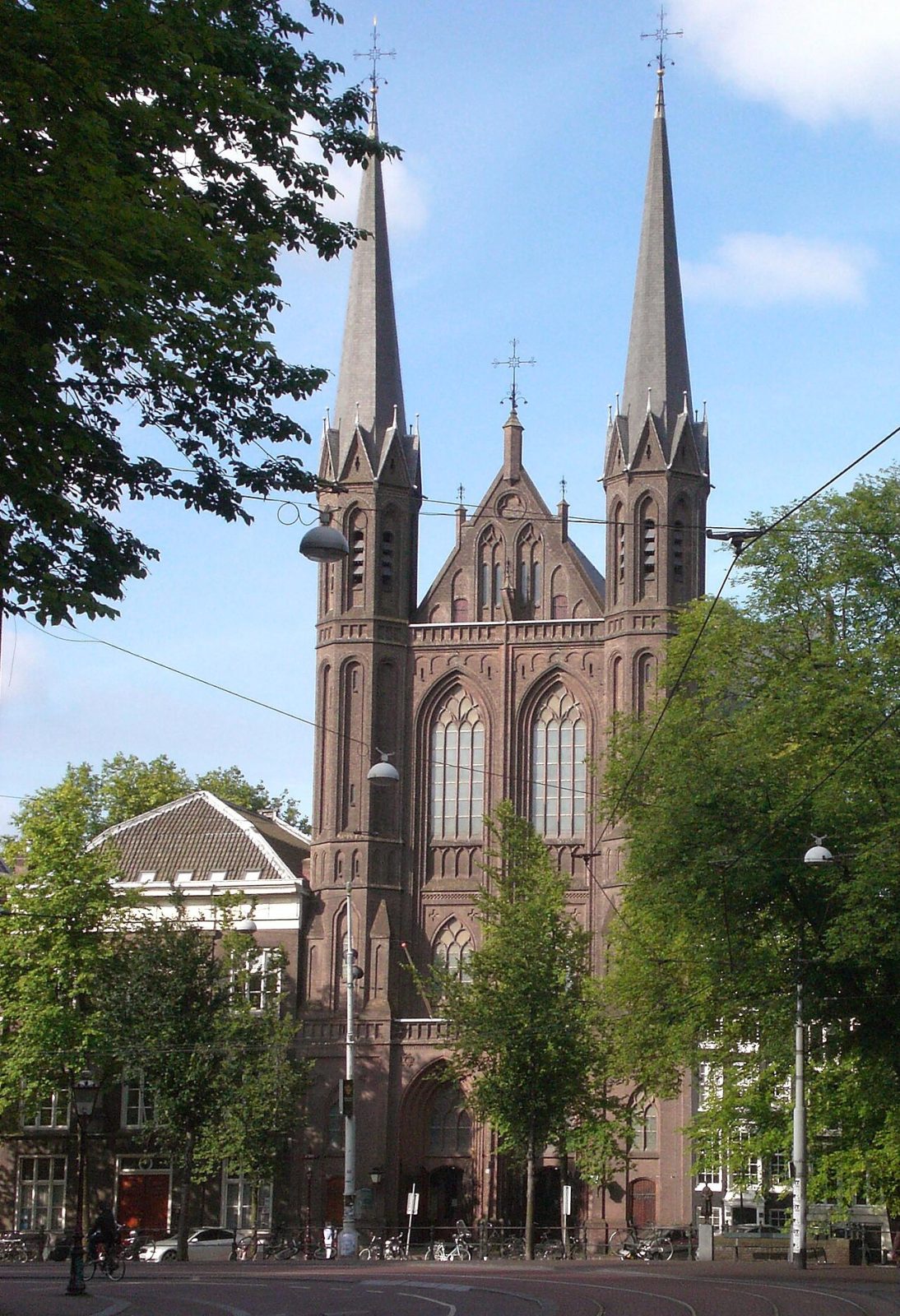
De Krijtberg
Step from the Singel into a soaring neo-Gothic church where art from an older hidden chapel still survives.
 HIDDEN COURTYARD
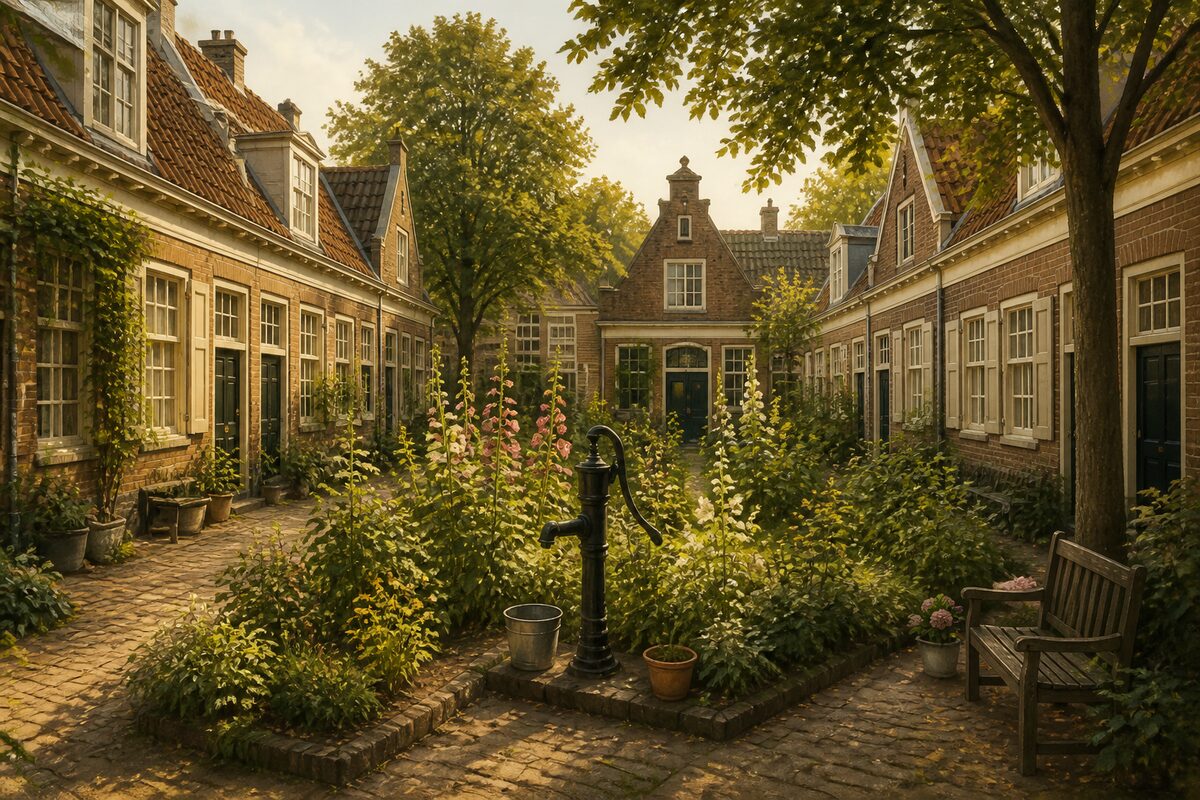
Sint-Andrieshofje
Behind a plain door on the Egelantiersgracht, a passage lined with blue Delft tiles leads into one of Amsterdam's oldest almshouse courtyards. Only the Begijnhof is older.
Tours and quests that pass here
These walks have a stop a few minutes from Westerkerk. Free, on your phone, start any time.
 AUDIO TOUR
Amsterdam Ghost Tour
Plague pits, public executions and the canal that swallowed people. The city's grim side, told without the cheap scares.
 AUDIO TOUR
In Rembrandt's Footsteps
From the biggest house on the street to bankruptcy and an unmarked grave. His Amsterdam, in the order he lived it.
 CITY QUEST
The Canal Cipher
A coded will, seven places, seven words. Walk the canal ring and read what the merchant hid.