
LANDMARK
Munttoren
The tower where Amsterdam minted its own coins in 1672, by the flower market.
A tower on a busy corner
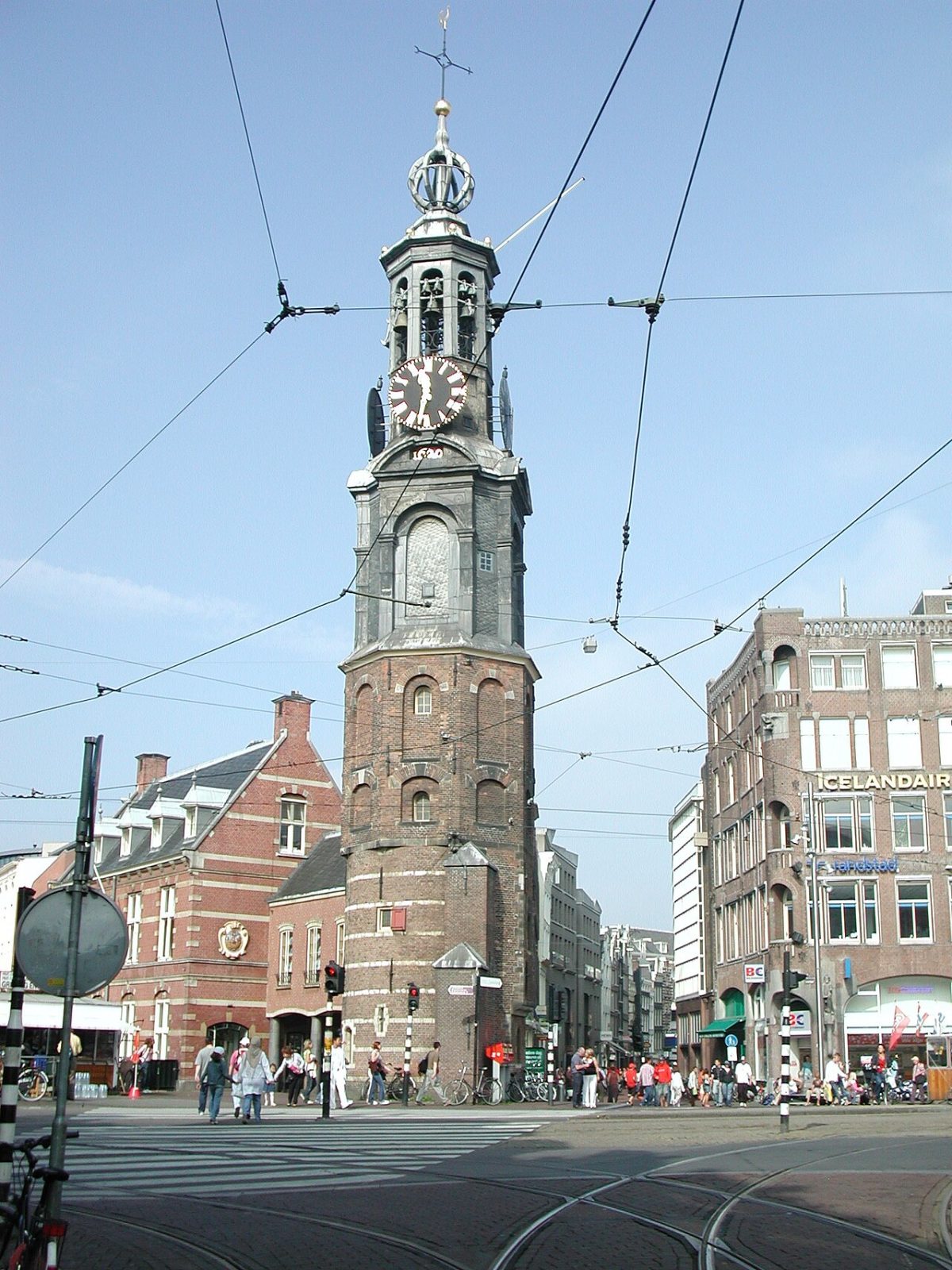
The Munttoren stands on Muntplein, where the Amstel river and the Singel canal meet. It is a stocky brick tower with an eight-sided top half and a light, open spire. Next to it is a small gatehouse with a passage through the middle. Traffic swirls around the square, so stop for a minute and look up before you cross.
It is worth the walk because it shows you, in one glance, how the city has changed. This was once a gate in the medieval wall. Now it marks the spot where the Kalverstraat shopping street ends and the flower market begins. It costs nothing, it takes about ten minutes, and it sits on the way to almost everything else.
From city gate to mint
The tower began as part of the Regulierspoort, one of the main gates in Amsterdam's medieval wall. The gate was built in the 1480s, with two towers and a guard house. It was named after the Reguliers monastery that stood outside it.
In 1618 a fire destroyed most of the gate. Only the guard house and part of the western tower survived. The tower was rebuilt around 1620, and Hendrick de Keyser designed the new top and the open spire. He also gave it a clock with four faces.
The name comes from 1672, the Rampjaar, the year of disaster. England and France declared war on the Dutch Republic, and French troops occupied much of the country. Silver and gold could no longer be moved safely to Dordrecht and Enkhuizen, where coins were normally struck. So Amsterdam minted coins here for a while, in the guard house. It was a temporary job, but the name stuck.
The gatehouse you see today is not the old one. It replaced the medieval guard house between 1885 and 1887, in a Neo-Renaissance style, designed by Willem Springer. The passage through it dates from a renovation in 1938 and 1939.
What to look for
Stand across the square and look at the spire first. The open lantern at the top holds the bells. There are 38 of them. The brothers Hemony cast the first set in 1651 for the old stock exchange, and Pieter Hemony enlarged it when it moved here in 1668. Only 13 of the original Hemony bells are still in the tower. Traffic pollution damaged many of the small ones, and they were replaced. Some of the old ones are now kept in the Amsterdam Museum.
Then listen. A drum inside plays a short melody on the bells every quarter of an hour. Pieter Hemony made that drum in the 1660s, and it still works. Twice a year the city carillonist moves the pins on it to change the tunes. On Saturday afternoons, from about two o'clock, the carillonist plays the bells by hand. Hearing 17th-century bronze over the noise of the crossing is a good Amsterdam moment.
Last, look at the clock faces and the base of the tower. It was given extra foundations so that it would not sink when the Noord/Zuidlijn metro line was dug right beside it. Then walk through the little passage under the gatehouse, which leads towards Kalverstraat and Reguliersbreestraat.
Before you go
- Muntplein is at the end of Kalverstraat. From Rokin metro station it is about a six-minute walk.
- You can see the tower from outside at any time, and it is free.
- Come on a Saturday afternoon from around two o'clock to hear the city carillonist play the bells live.
- Early morning is calmest. The square is a busy crossing, so look around before you step out to take photos.
- Walk through the passage under the gatehouse. It leads towards Kalverstraat and Reguliersbreestraat.
What people say
Related spots
More things to do in Amsterdam ›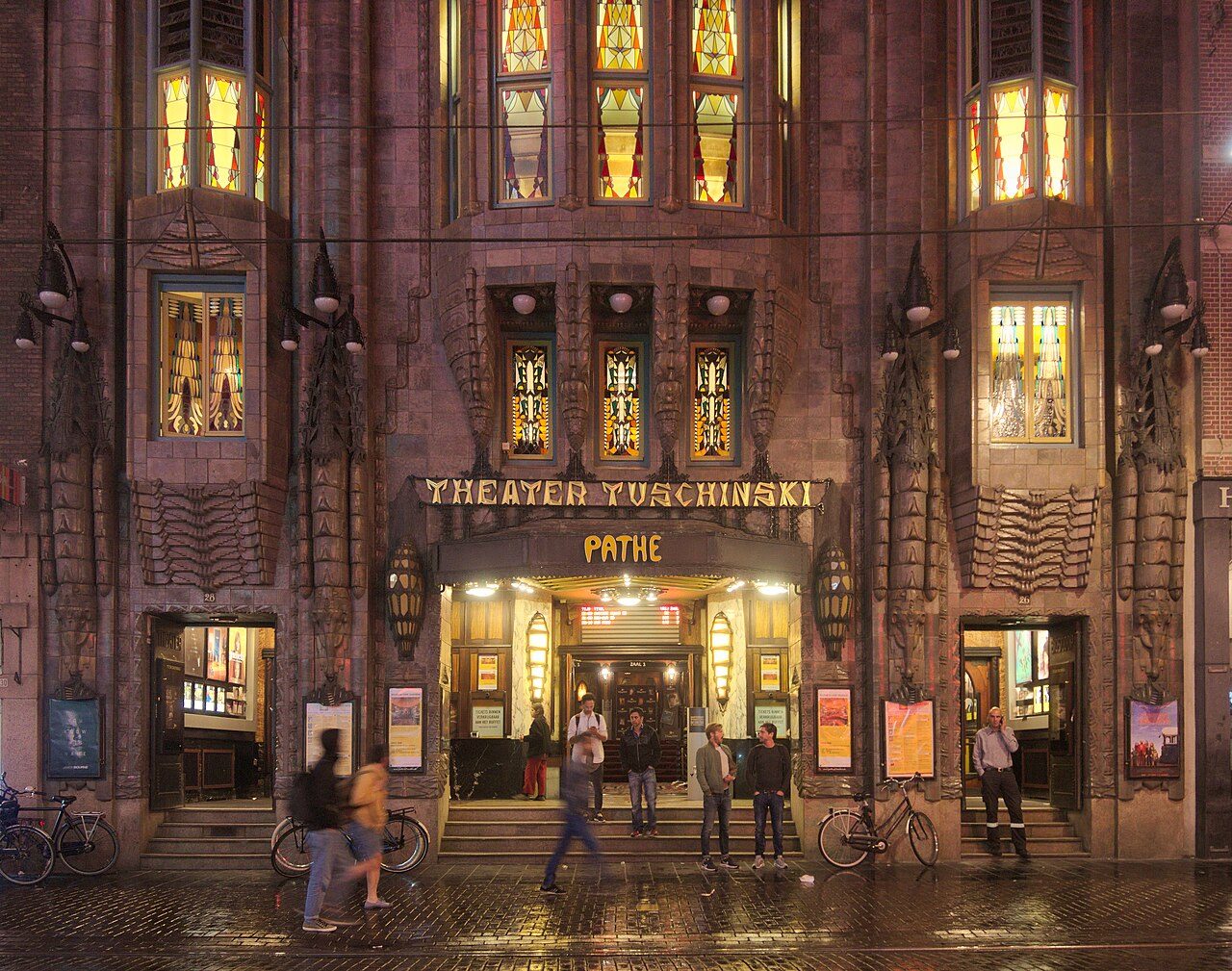 LANDMARK
Tuschinski Theatre
An Art Deco cinema palace from 1921, often called the most beautiful cinema in the world; peek into the lobby.
 LANDMARK
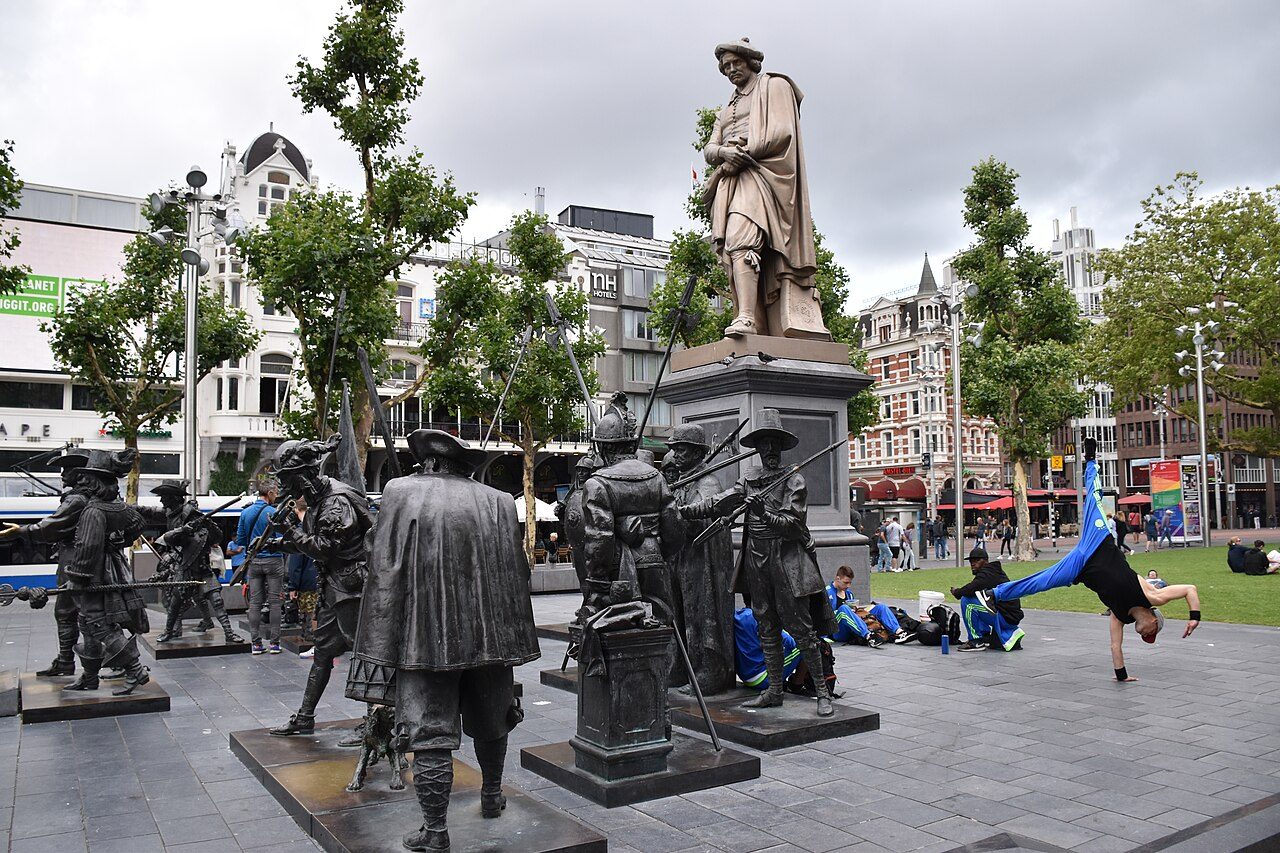
Rembrandtplein & Night Watch statues
Rembrandt's statue with a life-size bronze version of The Night Watch around him.
 LANDMARK
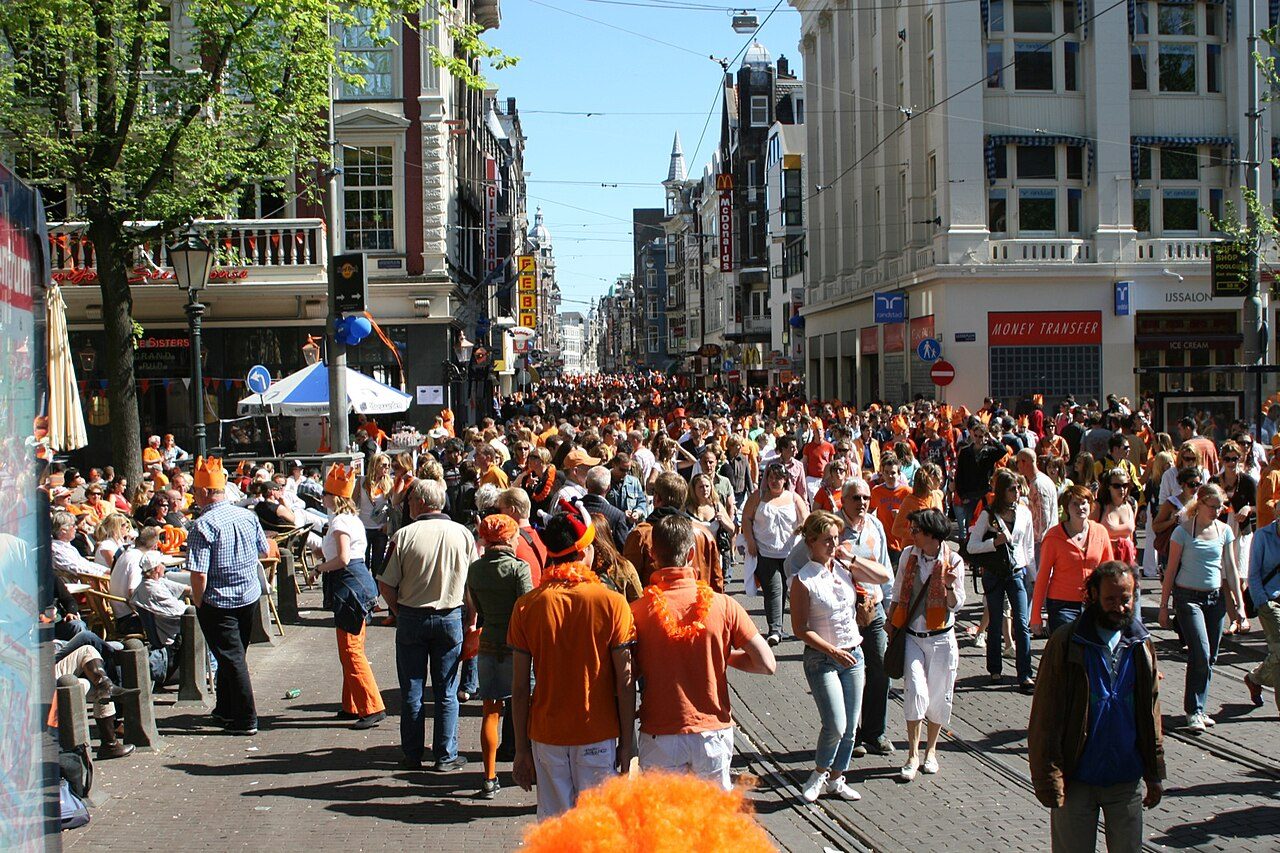
Leidseplein
The square of street performers, theatres and the Stadsschouwburg.
 LANDMARK
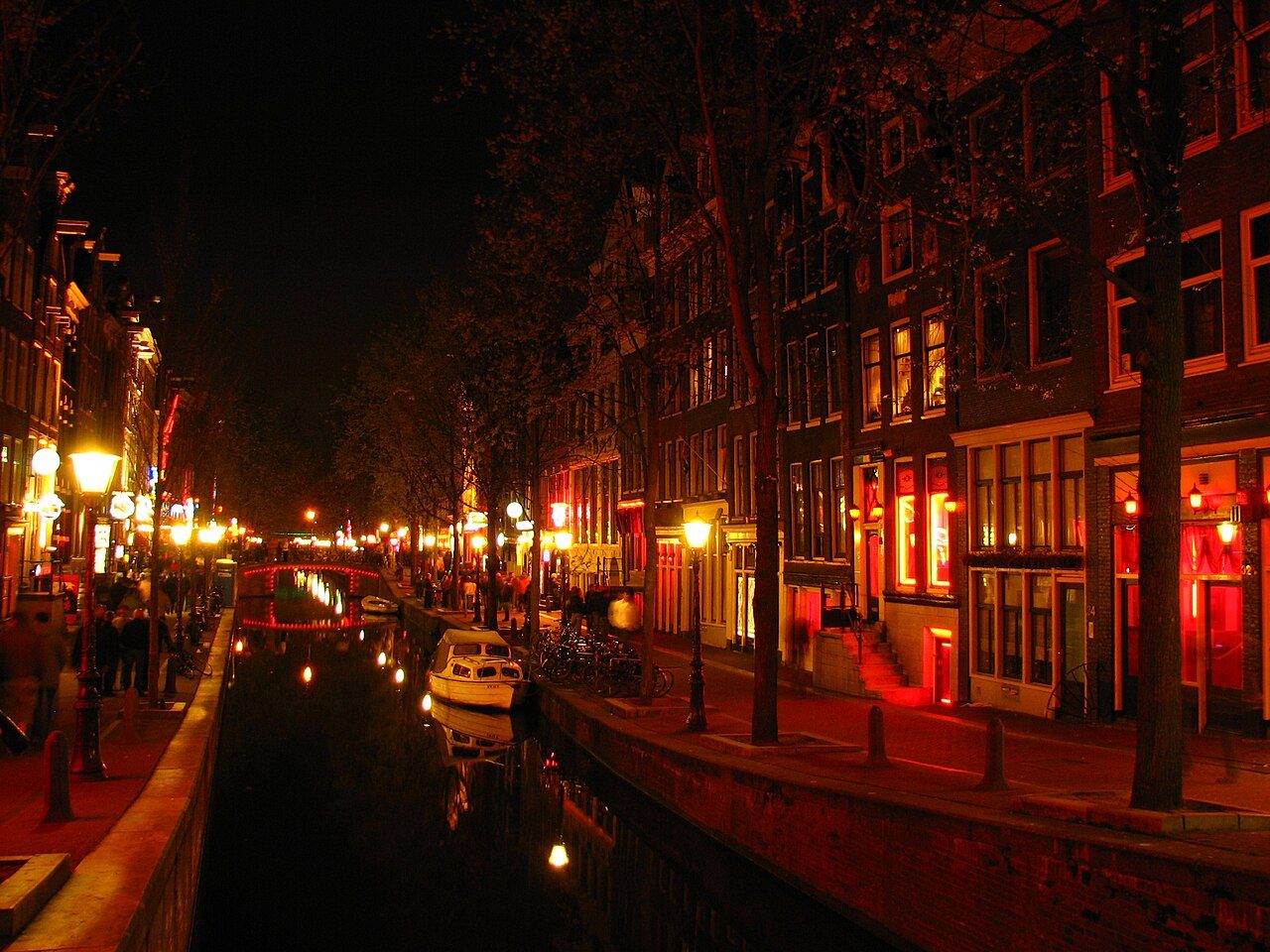
Red Light District (De Wallen)
The oldest part of the city: medieval alleys, the Oude Kerk and the windows, free to walk through.
 ODD FIND
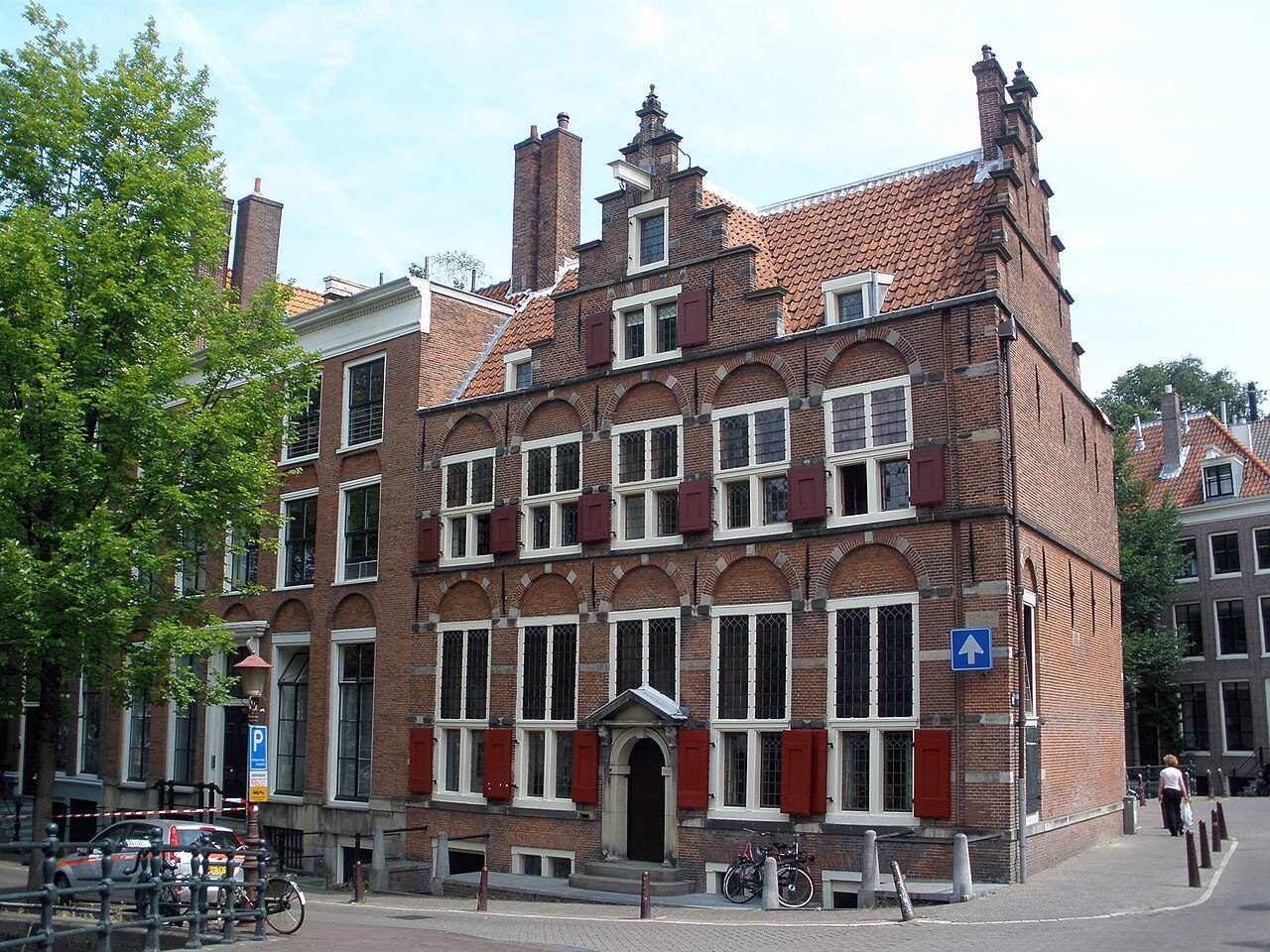
Huis aan de Drie Grachten
A 1610 house with a canal on three sides, one of the most photographed corners nobody can name.
 LANDMARK
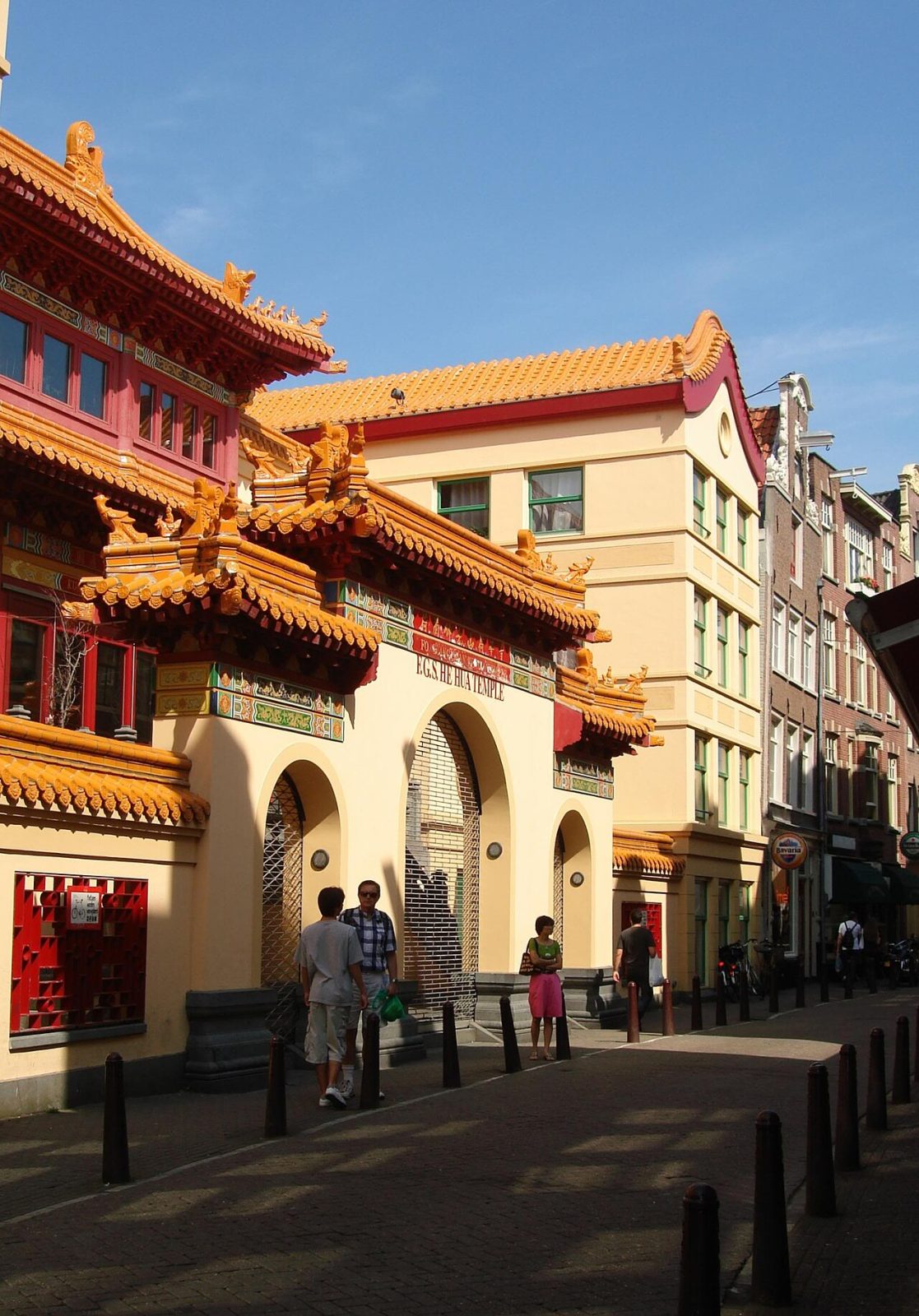
Chinatown (Zeedijk)
The Zeedijk and Nieuwmarkt area: Chinese bakeries, the old sailors' street, and a Buddhist temple.
Tours and quests that pass here
These walks have a stop a few minutes from Munttoren. Free, on your phone, start any time.
 CITY QUEST
The Canal Cipher
A coded will, seven places, seven words. Walk the canal ring and read what the merchant hid.
 AUDIO TOUR
In Rembrandt's Footsteps
From the biggest house on the street to bankruptcy and an unmarked grave. His Amsterdam, in the order he lived it.
 AUDIO TOUR
Van Gogh's Amsterdam
The years before the fame: a failed bookshop clerk walking these same streets. Ends at the museum door.