
LANDMARK
Rembrandtplein & Night Watch statues
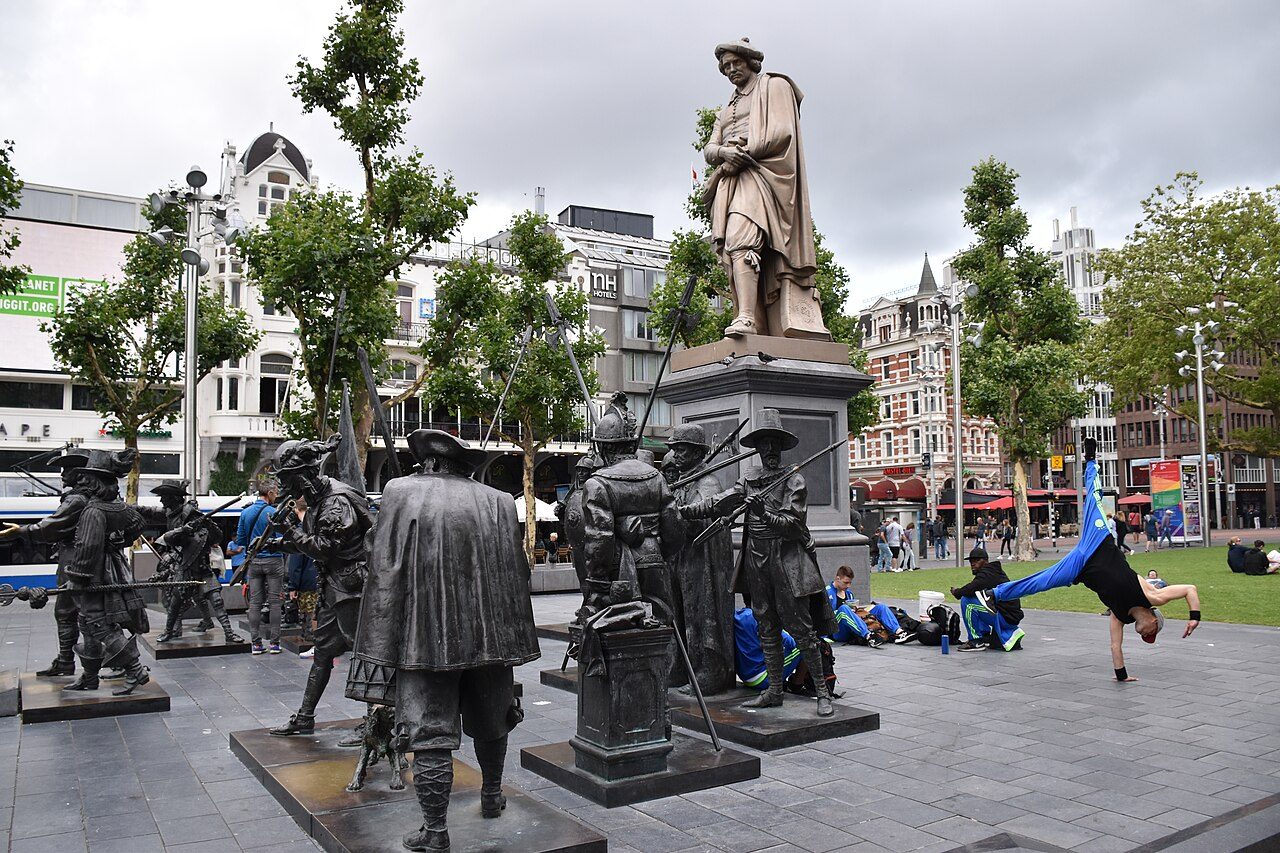
Rembrandt's statue with a life-size bronze version of The Night Watch around him.
A square named after a painter
Rembrandtplein is a large open square in central Amsterdam, and the man it is named after stands in the middle of it. The statue is cast iron, on a grey granite base. On the base you can read a replica of his signature. It is outdoors, free, and there at any hour. Ten or fifteen minutes is enough.
The square carries his name because Rembrandt van Rijn owned a house nearby from 1639 to 1656. That house is a short walk away, and we come to it at the end.
The Night Watch in bronze
Many people come for the life-size bronze figures that once stood around the statue. They were a bronze version of Rembrandt's most famous painting, The Night Watch, made by the Russian artists Mikhail Dronov and Alexander Taratynov. They first appeared in 2006, for the 400th anniversary of his birth. After three years they travelled to New York, Moscow and Oranienbaum in Russia. In 2012 they came back to the redesigned square.
Here is what to know before you go. According to our sources, the figures were removed on 12 February 2020. The local business association could not agree with the artists on renting or buying them. So do not count on finding the group. If the bronzes matter to you, check locally first. The statue of Rembrandt himself is always there.
From butter market to nightlife
Before it was a square, this was part of the medieval defences. A gateway called the Regulierspoort stood here. By 1655 the city had grown beyond it, and farmers came to sell butter, dairy and poultry. The place became the Botermarkt, the butter market. By 1668 the gate held a weigh house. Every autumn a fair came, and dance orchestras and circus tents replaced the farmers' stalls.
The market lasted until 1876. Then the statue, made in 1852 by the sculptor Louis Royer, was moved from the edge of the square to the centre, and the square took the painter's name. The statue was cast in one piece. It is the oldest surviving statue in a public space in Amsterdam.
In the early twentieth century the square became a centre for nightlife. Hotels, cafés and entertainment venues opened in the streets around it, and artists, young people and labourers came. The present layout, with grey granite slabs, planters, trees and a small fountain, dates from a renovation finished in December 2009.
What to look for
Walk once around the statue and read the signature on the base. Then look up at the buildings. The largest, across Utrechtsestraat, was designed in 1926 by Bert Johan Ouëndag and Hendrik Petrus Berlage as the head office of the Amsterdamsche Bank. The bank left in 2002. After a five-year renovation it reopened in 2011 as an office and retail building called simply The Bank.
The edge of the square has grass and trees. The cafés around it carry on the old tradition of the fair days, and they are a good place to sit and watch the square.
Before you go
- Trams run along Regulierbreestraat, linking the square with Dam Square, the Stopera and Amsterdam Centraal. It is also an easy walk from the centre.
- The square is open all day and night. Go in the morning for a quieter look. Café and nightlife crowds fill it later.
- The bronze Night Watch figures were removed in February 2020. Check locally before you go if you want to see them.
- Take your photo of the statue from the front, with the old buildings behind you. Then cross to the cafés to see the whole square.
- The Rembrandt House Museum is about six minutes on foot, so you can follow the statue with the house where he lived.
What people say
Related spots
More things to do in Amsterdam ›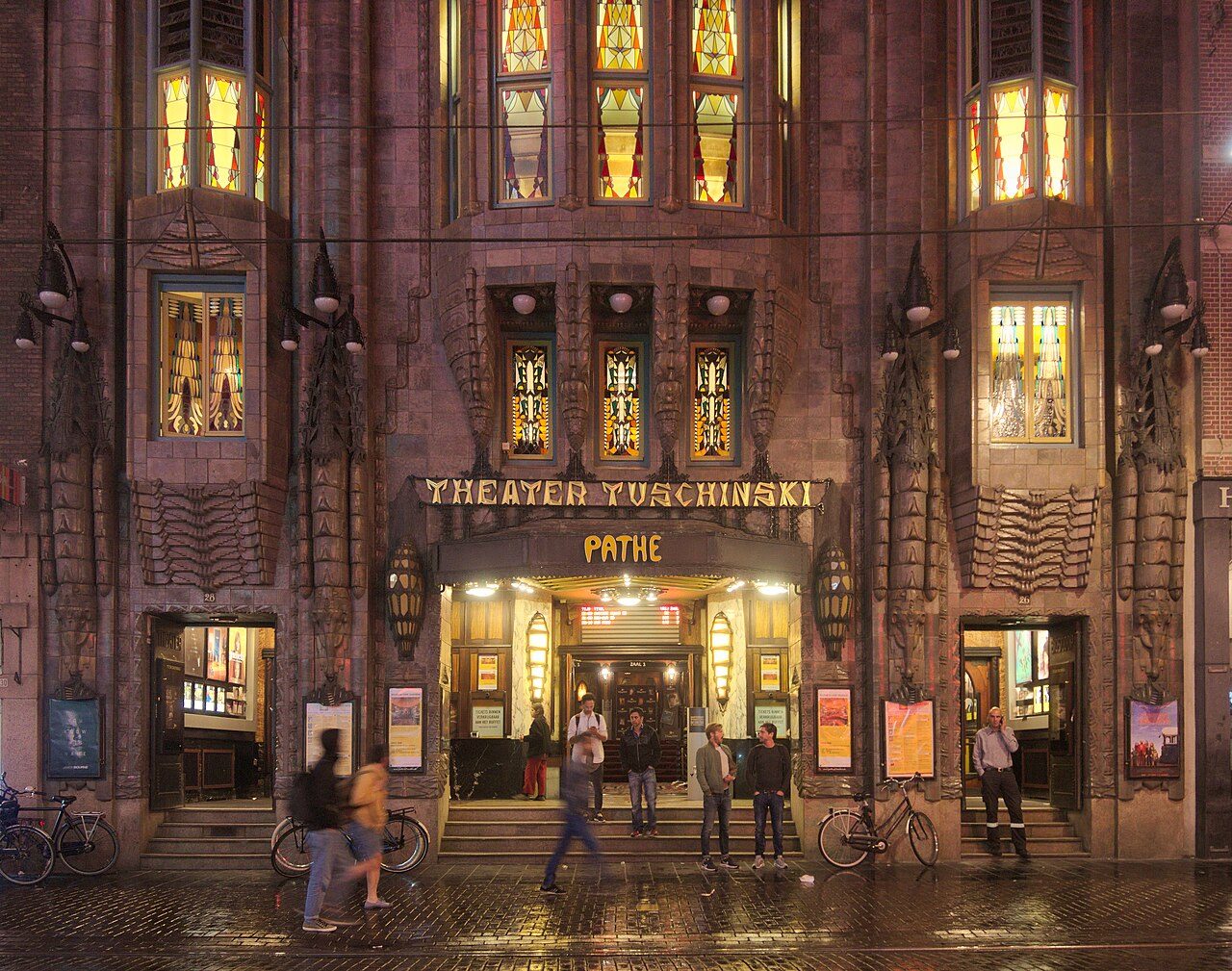 LANDMARK
Tuschinski Theatre
An Art Deco cinema palace from 1921, often called the most beautiful cinema in the world; peek into the lobby.
 LANDMARK
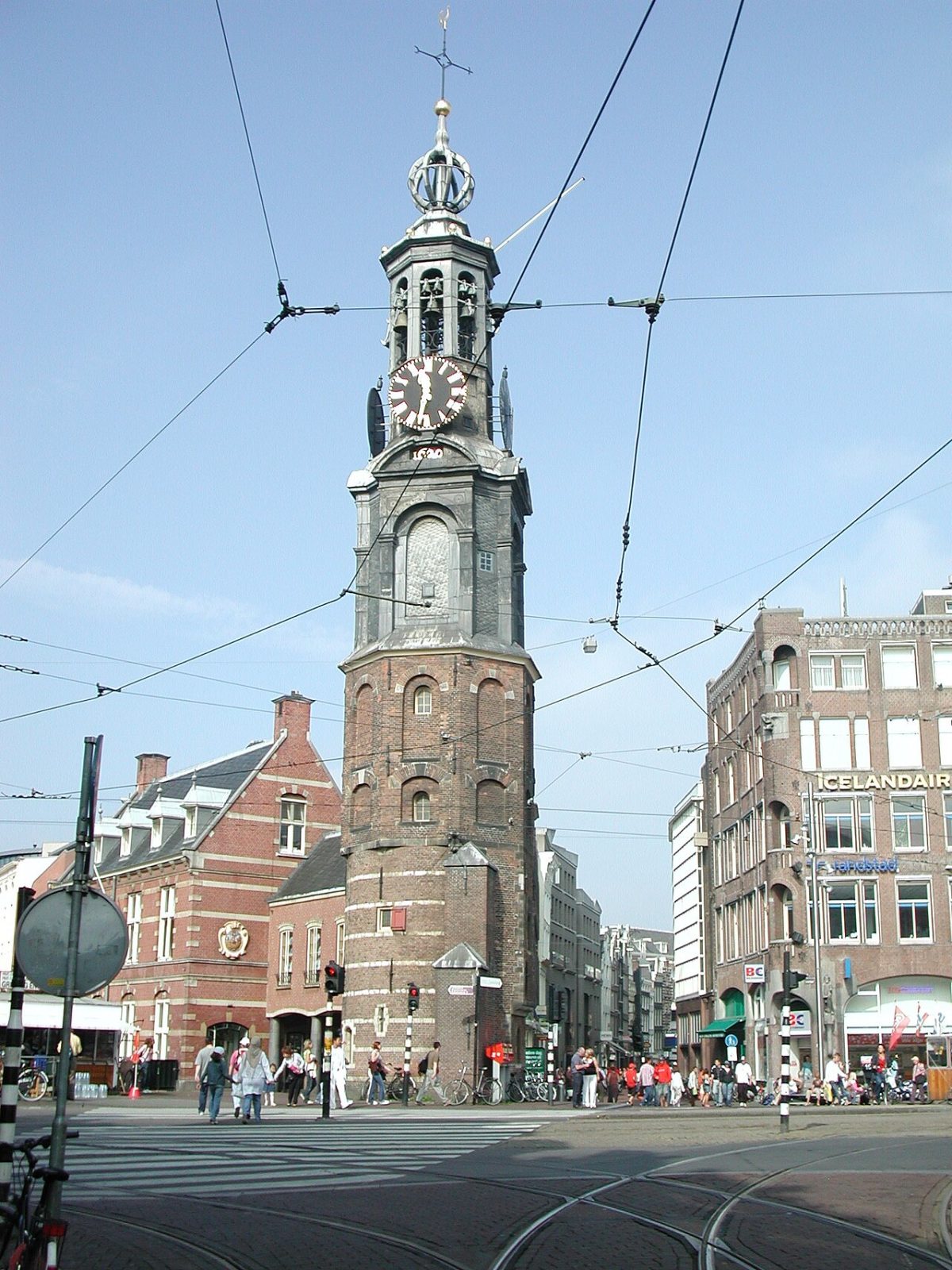
Munttoren
The tower where Amsterdam minted its own coins in 1672, by the flower market.
 LANDMARK
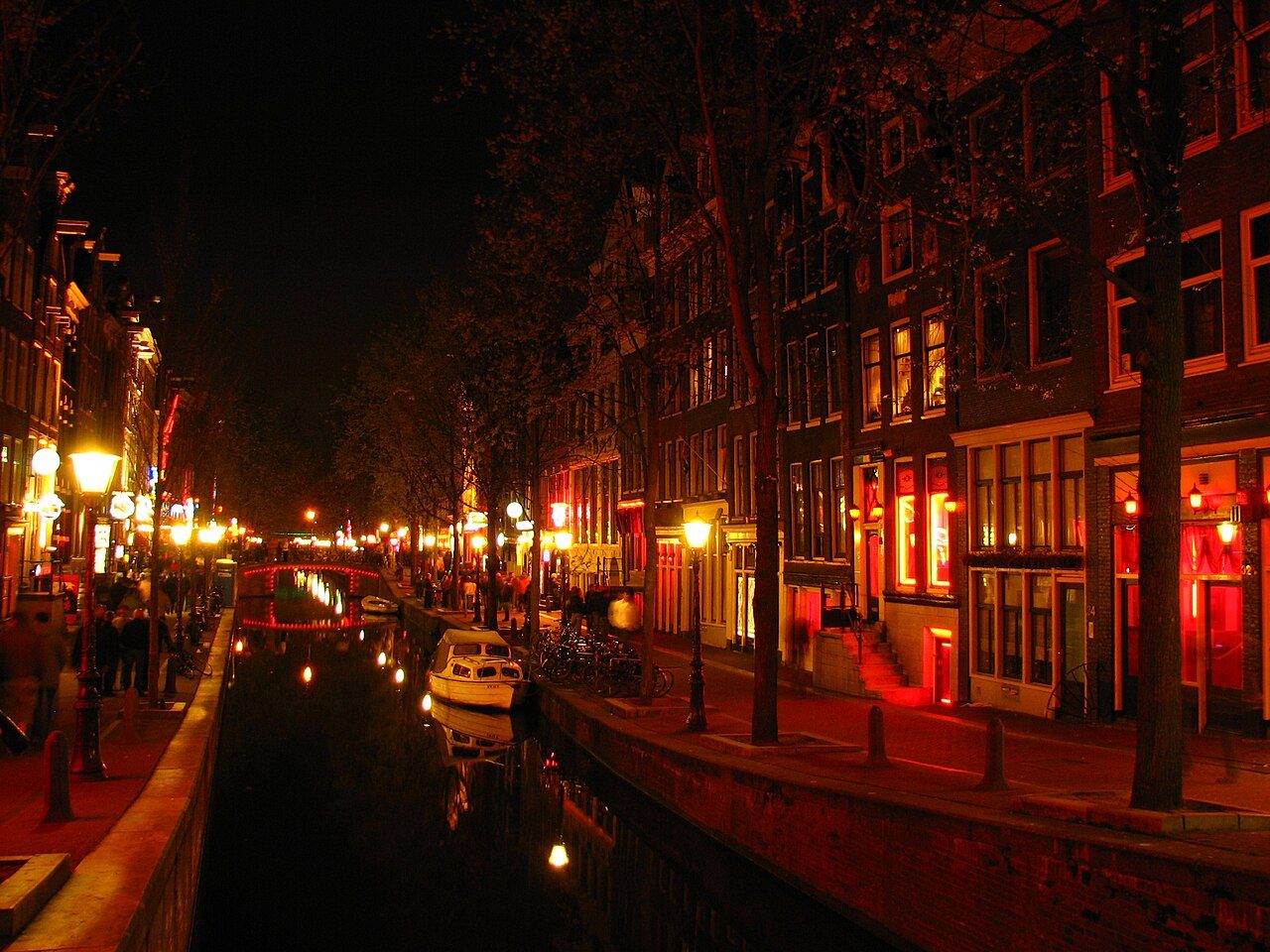
Red Light District (De Wallen)
The oldest part of the city: medieval alleys, the Oude Kerk and the windows, free to walk through.
 LANDMARK
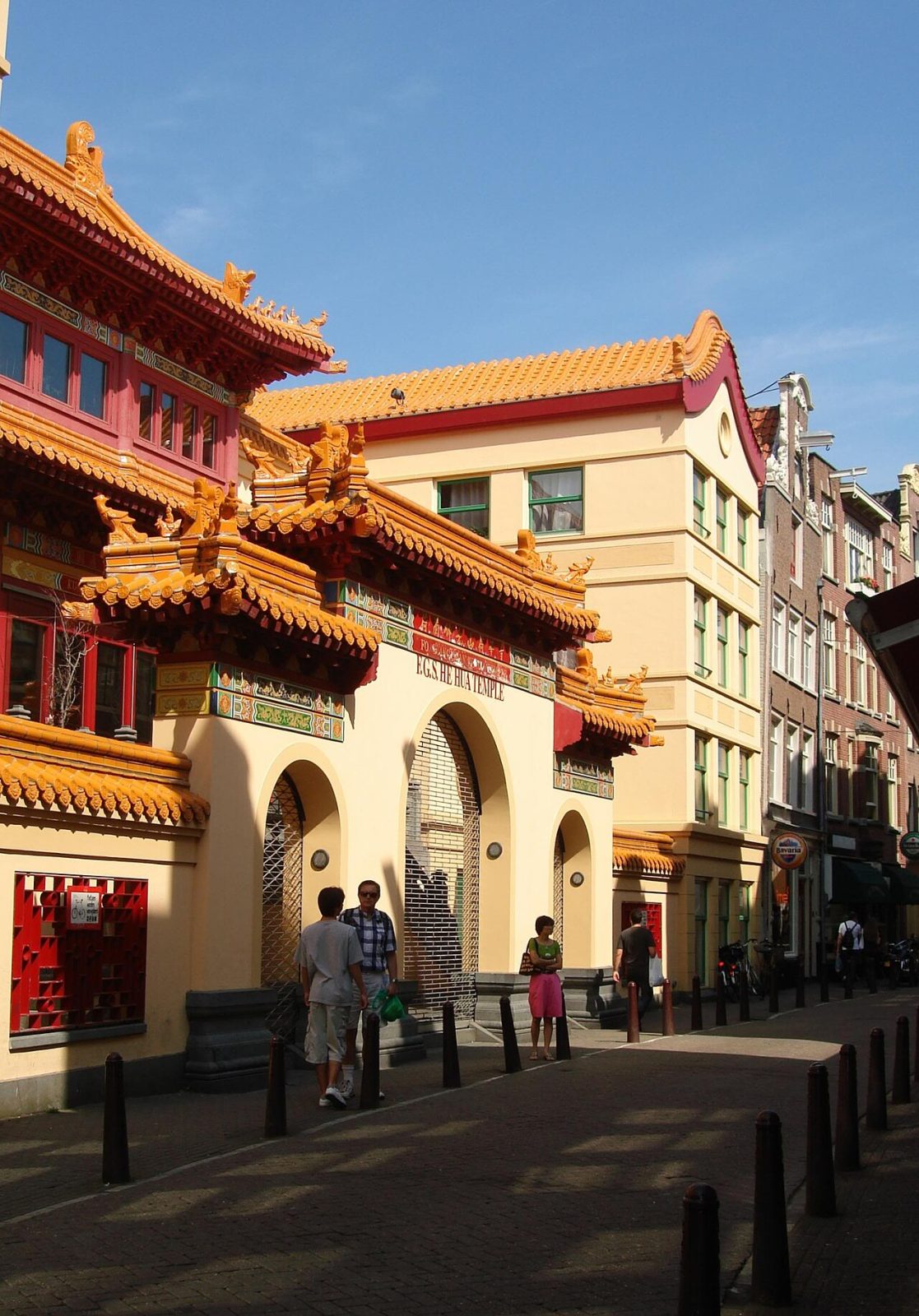
Chinatown (Zeedijk)
The Zeedijk and Nieuwmarkt area: Chinese bakeries, the old sailors' street, and a Buddhist temple.
 LANDMARK
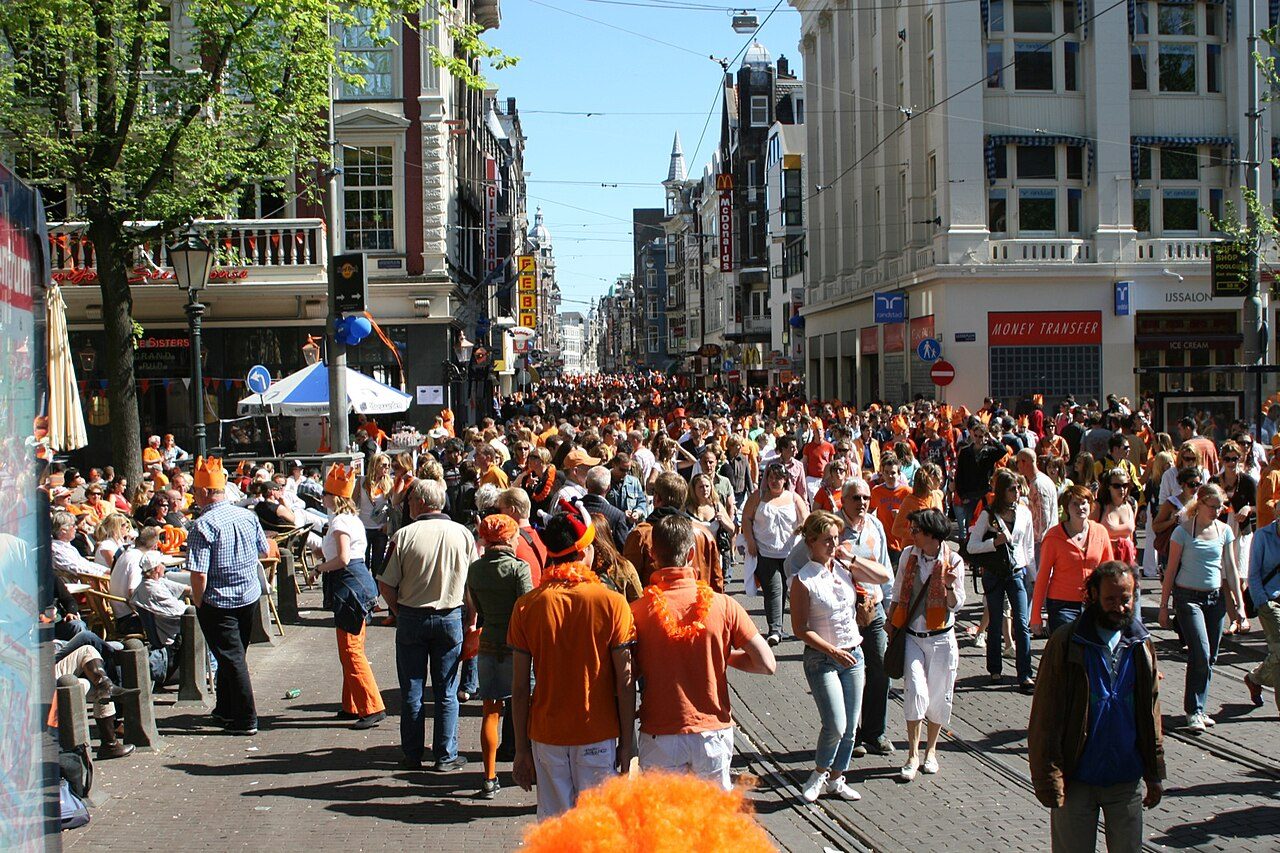
Leidseplein
The square of street performers, theatres and the Stadsschouwburg.
 ODD FIND
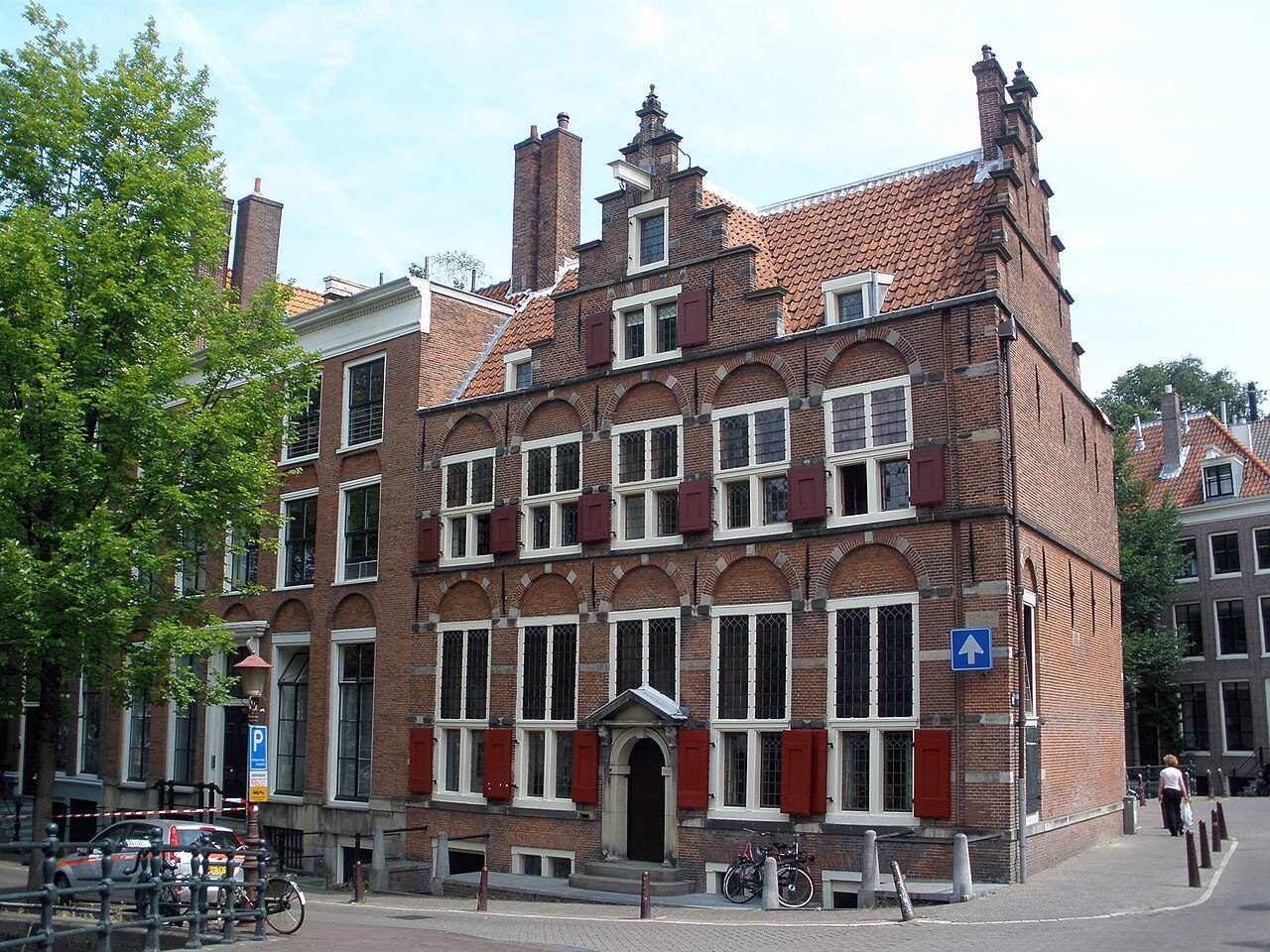
Huis aan de Drie Grachten
A 1610 house with a canal on three sides, one of the most photographed corners nobody can name.
Tours and quests that pass here
These walks have a stop a few minutes from Rembrandtplein & Night Watch statues. Free, on your phone, start any time.
 AUDIO TOUR
In Rembrandt's Footsteps
From the biggest house on the street to bankruptcy and an unmarked grave. His Amsterdam, in the order he lived it.
 CITY QUEST
The Canal Cipher
A coded will, seven places, seven words. Walk the canal ring and read what the merchant hid.
 CITY QUEST
Rembrandt's Missing Panel
Count steps, columns and a missing piece of skyline. Rembrandt's city, looking closely.