
LANDMARK
Chinatown (Zeedijk)
The Zeedijk and Nieuwmarkt area: Chinese bakeries, the old sailors' street, and a Buddhist temple.
A street built on a sea wall
Zeedijk means "sea dike", and that is what it was. The street began as a wall to keep the water of the IJ out of the city. You can still feel it in the way the street curves.
Today it is the main street of Amsterdam's Chinatown. Chinese, Vietnamese and Thai restaurants line it, along with bakeries and toko shops that sell ingredients you will not find in a normal supermarket. Since 2005 the street signs around Zeedijk and Nieuwmarkt also carry the names in traditional Chinese characters. Zeedijk is 善德街, and Nieuwmarkt is 新廣場.
It costs nothing to walk, and it works in any weather. It is also a good place to be hungry.
From sailors' street to Chinatown
This is some of the oldest ground in Amsterdam. For a long time the dike was a respectable address. Then the wealthy merchants moved to the grand canals, and the street became a nightlife quarter for sailors in port. That is why the area is also called the Nautical Quarter. The old bars and ship-supply shops are a reminder of it.
The Chinese neighbourhood started in 1911. That makes it the oldest Chinese quarter on the European continent. For about fifty years the community lived mostly around a dozen restaurants on the Binnen Bantammerstraat. In 1959 Yong Sau Dun became the first Chinese businessman to settle on the Zeedijk. His toko, Dun Yong, is still there.
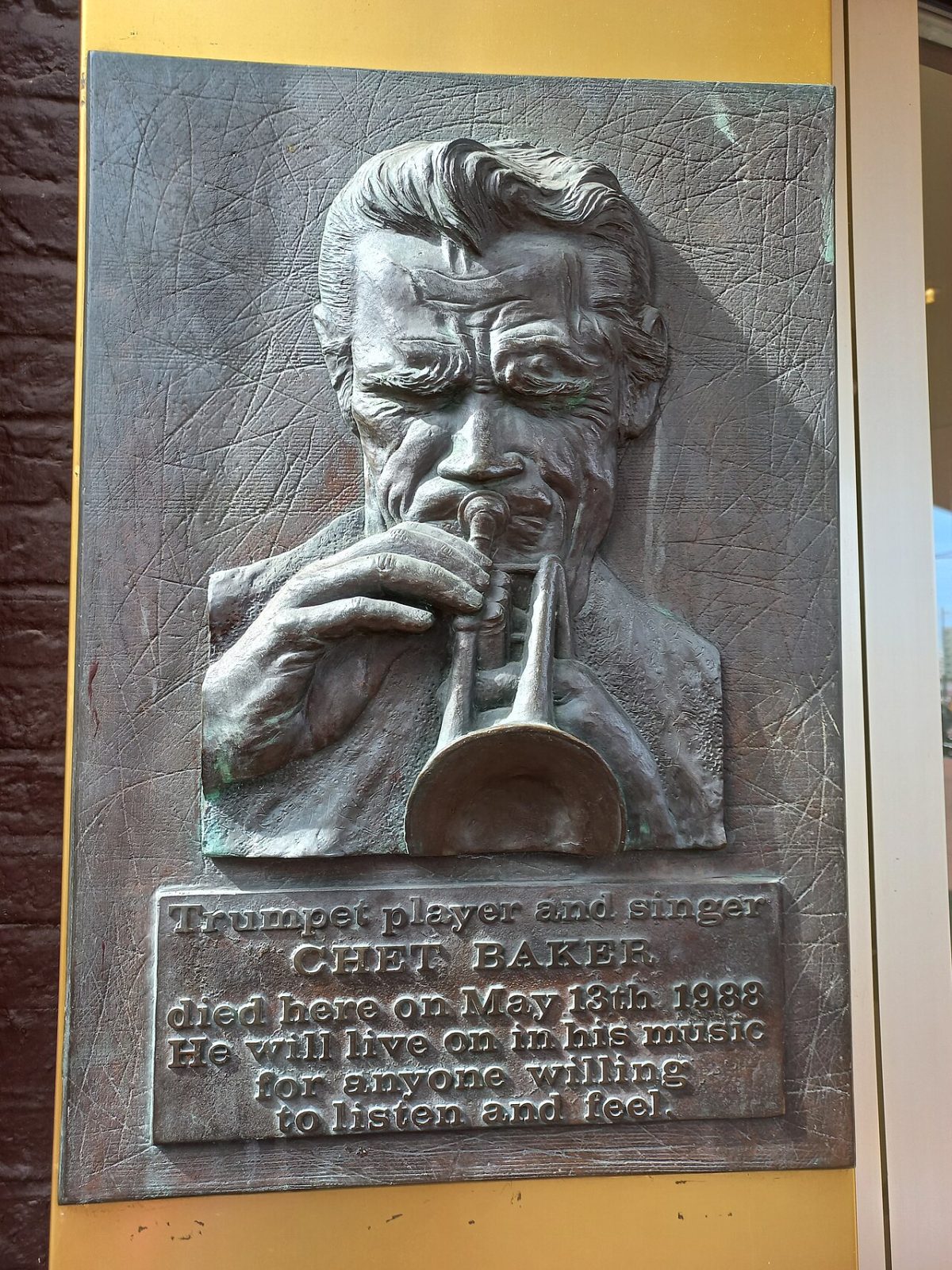
The 20th century was rough on the street. It was known for crime and drug addiction, and a long clean-up brought it back to life. Jazz trumpeter Chet Baker fell to his death nearby in 1988, and a plaque for Chet Baker marks the spot.
Zeedijk also has a long queer history. Café 't Mandje, at number 63, opened in 1927 under Bet van Beeren. She welcomed sailors, sex workers, gays and lesbians alike.
What to look for
Start at the Centraal end and notice the curve. Close to the start, look for the wooden house at Zeedijk 1. It is one of only two wooden houses left in the centre. The story goes that sailors paid their bills here with monkeys.
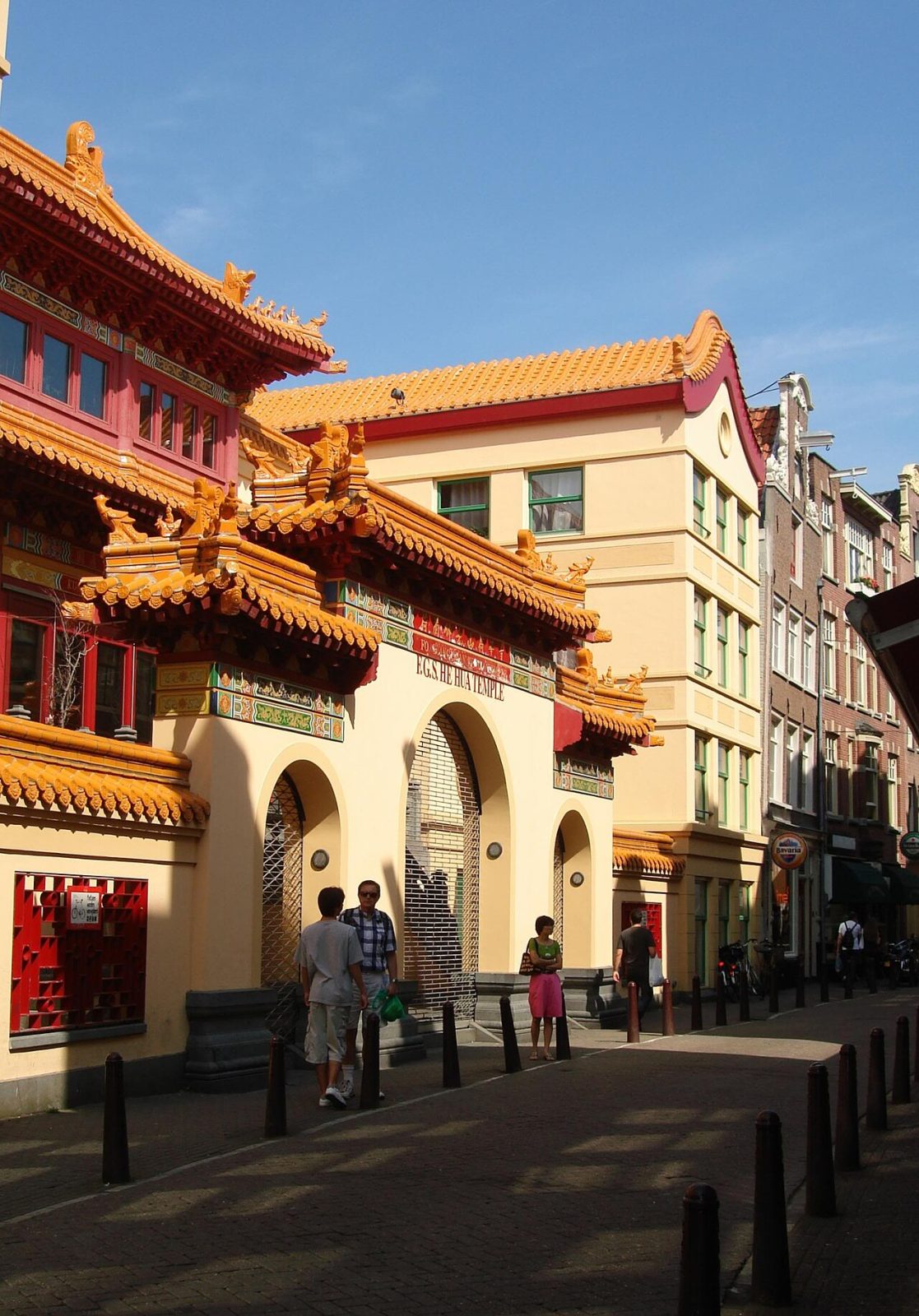
Further along, find the Fo Guang Shan He Hua Temple. It has stood on the Zeedijk since 2000, and it is the largest religious building in Europe built in Chinese style. Before that, the community prayed in a house on the Rechtboomssloot. If you go in, be quiet and dress as you would in any place of worship.
Look into the bakeries and tokos. Even a quick look at the shelves tells you a lot about the street.
At the Nieuwmarkt end the street opens onto the square. Chinese New Year is celebrated in this neighbourhood every year with dragon dances, lion dances and firecrackers. In May the temple marks Vesak, the birthday of the Buddha, on Nieuwmarkt. If your trip lines up with either, it is worth being here.
And look up. The gables tell you how old the street is.
Before you go
- Walk it from the Centraal end towards Nieuwmarkt. It is a short walk from Centraal Station, and Nieuwmarkt has a metro station.
- Daytime is best for the bakeries, the tokos and the temple. In the evening the restaurants fill up, so book if you want a particular one.
- The street is free. The temple welcomes visitors, but check its opening times before you plan around it.
- Chinese New Year brings dragon and lion dances to the neighbourhood, and Vesak is celebrated on Nieuwmarkt in May.
- Pickpockets work the busy streets of the old centre, so keep your bag closed.
What people say
Related spots
More things to do in Amsterdam ›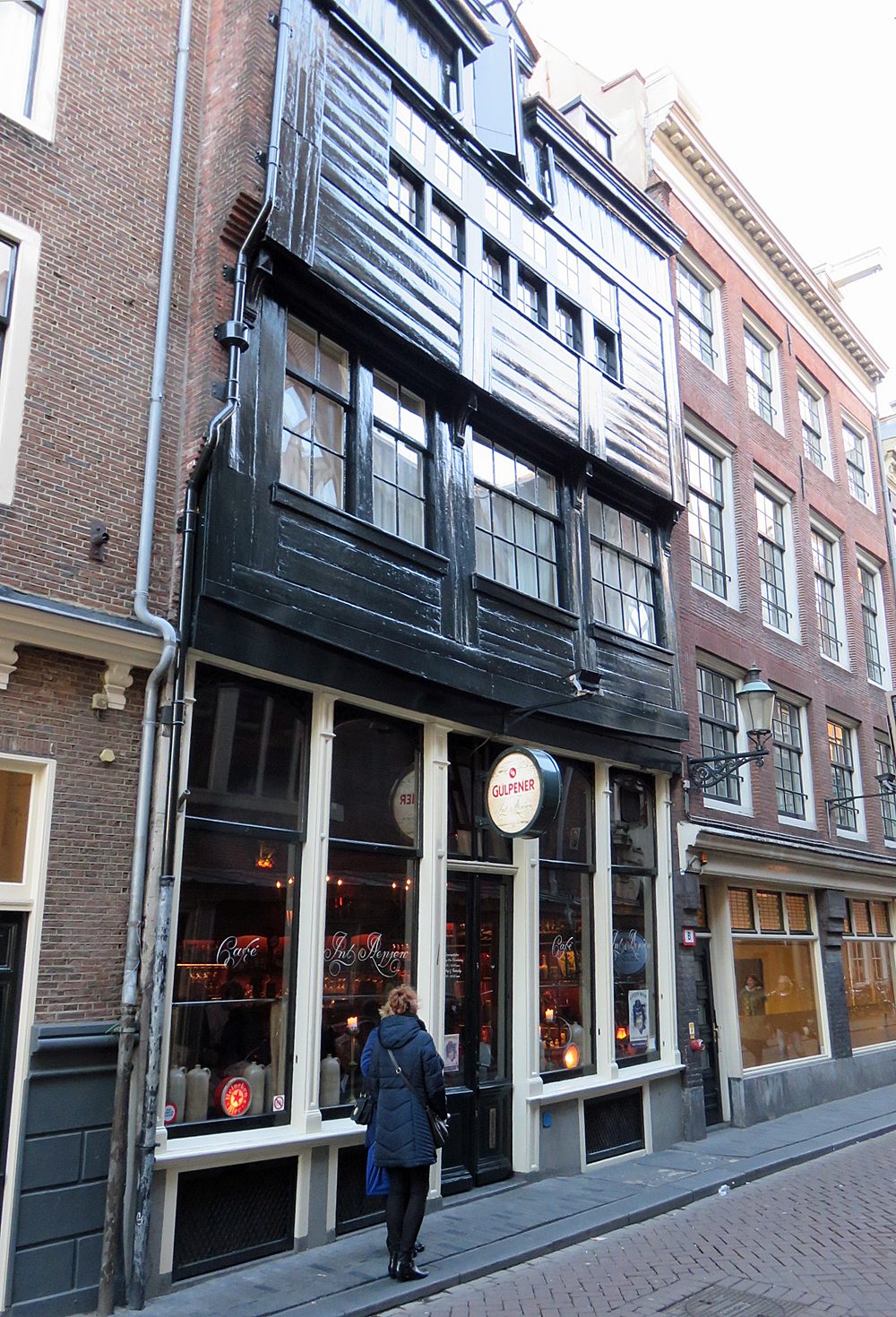 ODD FIND
Wooden house Zeedijk 1 (In 't Aepjen)
One of only two wooden houses left in the centre, where sailors are said to have paid their bills with monkeys.
 ODD FIND
Chet Baker plaque
On the hotel where the jazz trumpeter fell from a window in 1988. 'He will live on in his music.'
 LANDMARK
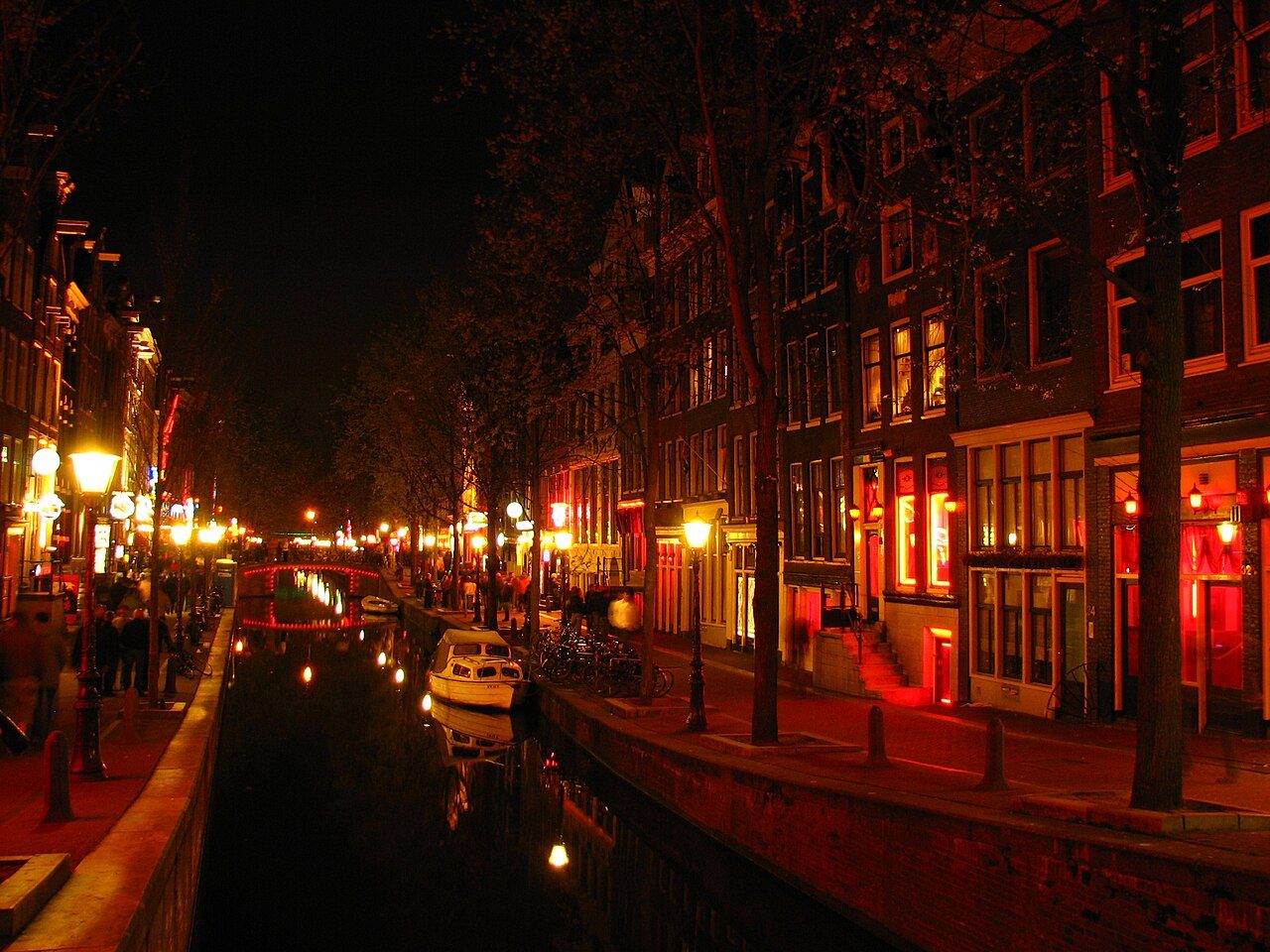
Red Light District (De Wallen)
The oldest part of the city: medieval alleys, the Oude Kerk and the windows, free to walk through.
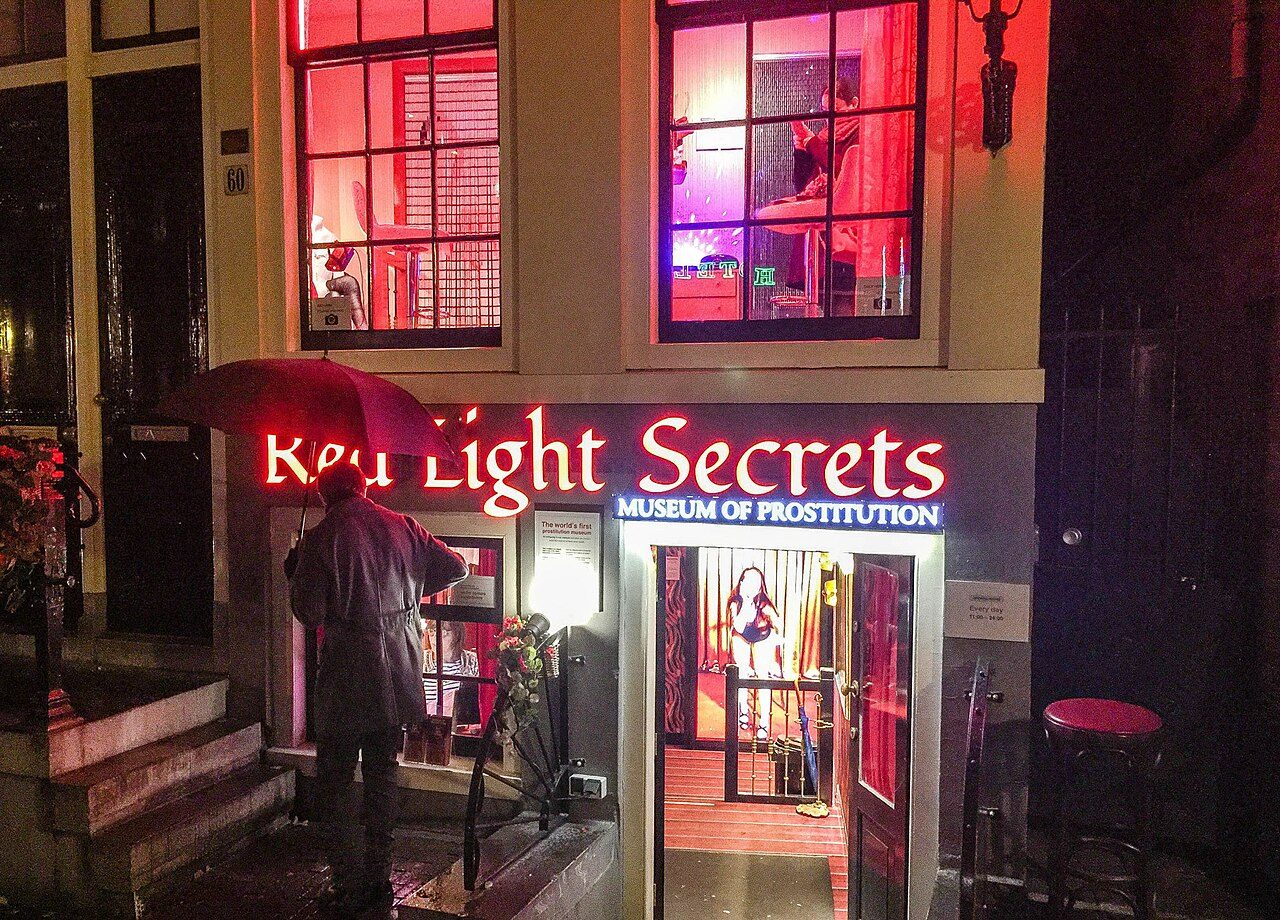 MUSEUM
Red Light Secrets
The museum of prostitution, in a former brothel in the Red Light District.
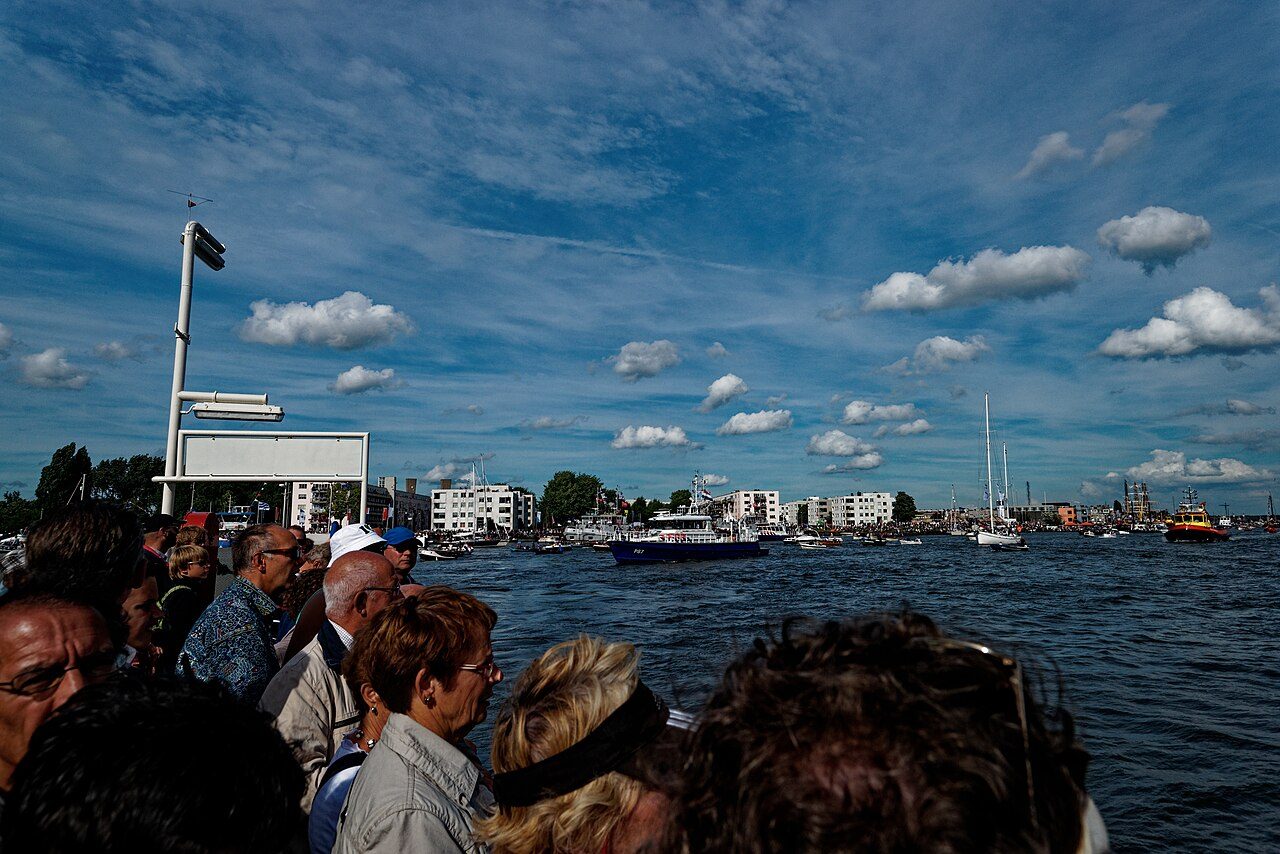 LANDMARK
Free ferry to Amsterdam Noord
The free ferries behind Centraal Station: the best cheap view of the IJ.
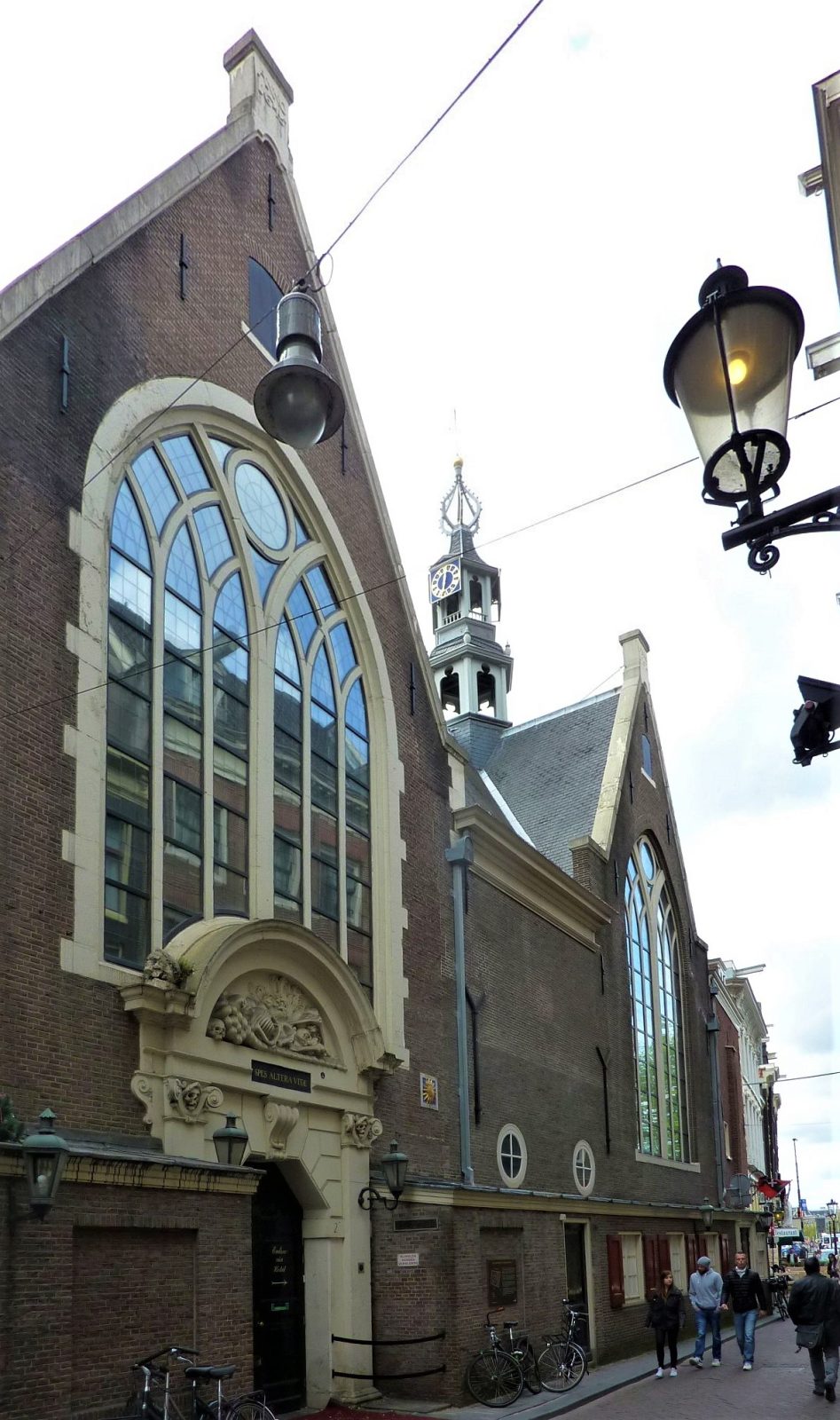 ODD FIND
Sint Olofskapel
A 15th-century chapel swallowed by a hotel, with a skull-and-bones gable stone over the old door.
Tours and quests that pass here
These walks have a stop a few minutes from Chinatown (Zeedijk). Free, on your phone, start any time.
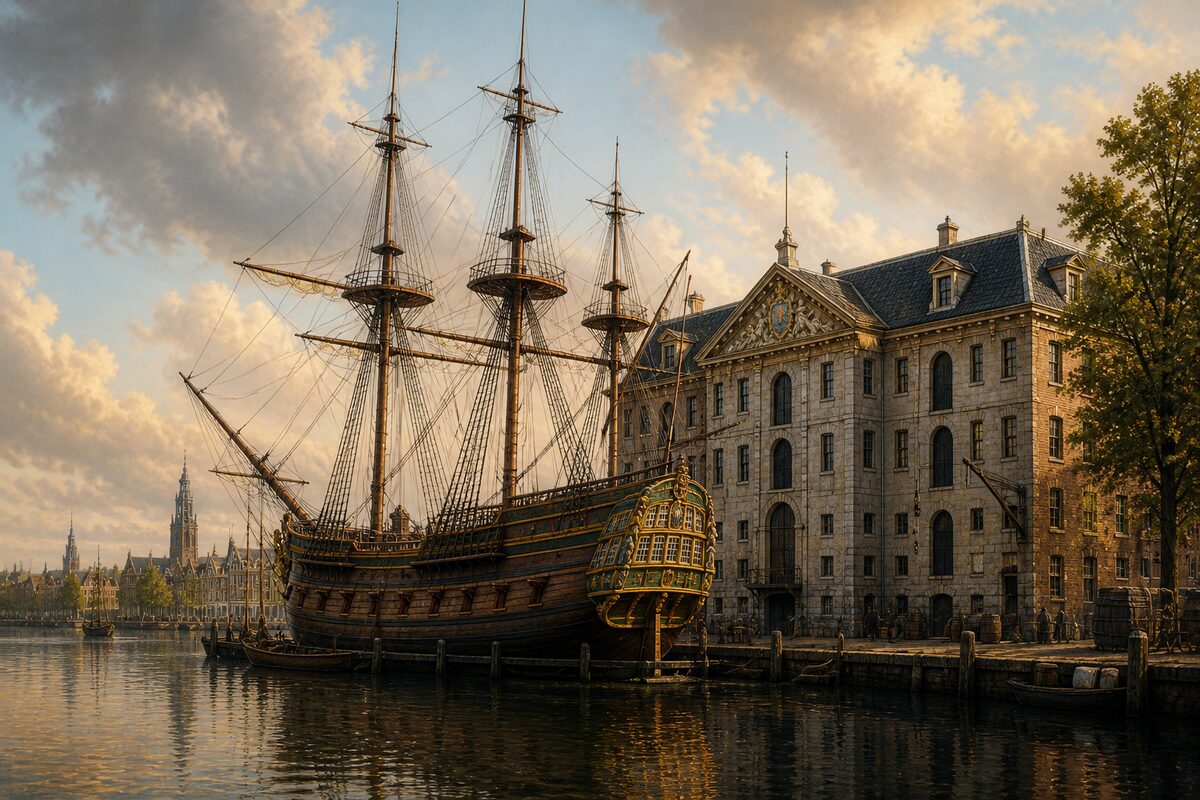 AUDIO TOUR
Maritime Amsterdam
Warehouses, shipyards and the trading empire run from these docks — including the parts the statues leave out.
 CITY QUEST
The Ghost Ship
Follow one ship from the wharf to the replica. Ending on her deck is the point.
 AUDIO TOUR
Red Light District
Seven centuries of sailors, sin and stubborn tolerance. The real history of the oldest part of town, told straight.