
ODD FIND
Sint Olofskapel
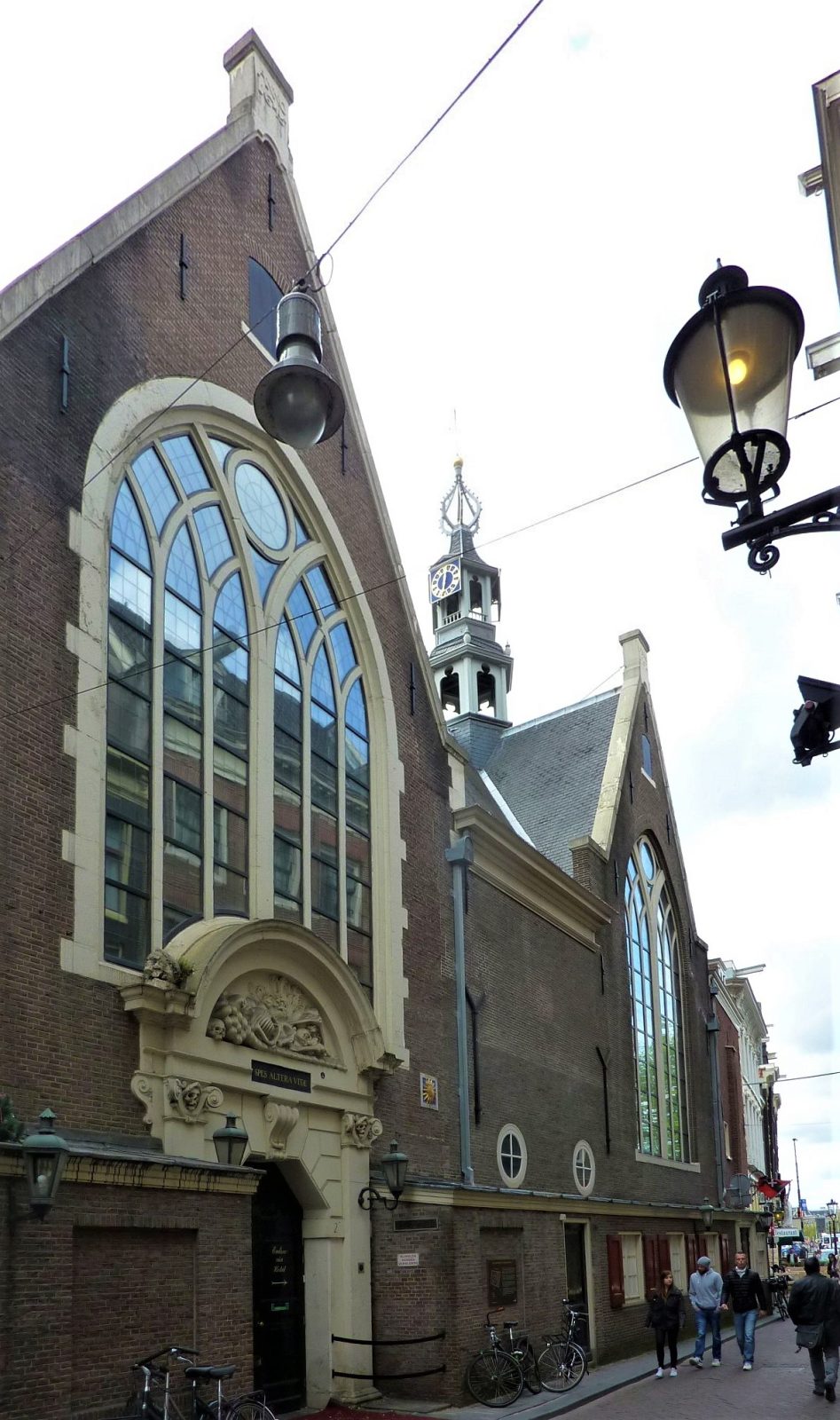
A 15th-century chapel swallowed by a hotel, with a skull-and-bones gable stone over the old door.
A chapel the hotel swallowed
Sint Olofskapel is easy to walk past. It stands between the Zeedijk and the Nieuwebrugsteeg, close to the Damrak, and from the street it looks like part of the buildings around it. It is a former church that lost its congregation, burned, stood as a ruin for years and was then tied into a hotel complex.
It is worth a short stop because so much of Amsterdam's story sits in one small building: sailors, the Reformation, merchants, a cheese market, a fire. You can read most of it from the pavement, and it costs nothing.
Sailors, merchants and a fire
The first chapel went up between 1440 and 1450, built against a big city gate, the Sint Olofspoort. The gate was pulled down in 1618, but the old passage still carries its name as a street.
The chapel was dedicated to Saint Olaf, the Norwegian king Olaf II, who spread Christianity in his country. He was the patron saint of seafarers, which made sense here, because the city lived off the sea. The poet Vondel mentioned the sea chapel and Saint Olaf in his poem for the new town hall in 1655.
At the end of the 15th century the chapel was extended several times. One addition was a small polygonal Jerusalem chapel, said to have held a copy of the Holy Sepulchre. It was demolished in 1644.
After the Alteration of 1578, when the city turned Protestant, the building stood empty for a while. From 1586 merchants were allowed to trade in it. In 1602 it went to the Reformed church, and people began to call it the Oudezijds Kapel, the chapel of the old side of town. The enlargement of 1644 gave it the shape it has now: three aisles and a floor plan that is not quite symmetrical.
The chapel had a small wooden tower, which was given a clock in 1543. The tower burned down in 1820 and was never rebuilt. The last church service was held in 1912. After that the building had many uses, including a weekly cheese market in the 1950s. In 1964 the city closed it because it might collapse, and in 1966 it largely burned down. For years a boarded-up ruin stood on the Zeedijk. An emergency roof went on in 1969, and archaeologists started digging that same year.
Rescue came in 1991. The city bought the chapel for a symbolic guilder and handed it on with an obligation to restore it. The Barbizon hotel of the NH Hotel Group was lined up as the user afterwards. Today the chapel serves as the hotel's conference centre.
What to look for
Stand on the Zeedijk and look at the entrance gateways. The one on the Zeedijk dates from 1644. Two more on the Nieuwebrugsteeg date from 1620 and 1671. They are 17th-century Renaissance, set into a building that stays Gothic in spirit, so the styles do not quite match.
Then find the gable stone with the skull and bones. During the restoration one of the architects, Boudewijn de Court Onderwater, died, and the stone was placed in his memory. Take a minute to read it.
Notice also how the building sits in its street. The uneven walls and the mix of old and new brick are what survived a fire and a long restoration. Walk round to check both sides, the Zeedijk and the Nieuwebrugsteeg.
Before you go
- From Amsterdam Centraal, walk along the Zeedijk towards the Nieuwebrugsteeg. It is a short walk.
- You see the chapel from the street, so it is free and there is no queue. It is used as a conference centre, so do not count on getting inside.
- Go in the morning, when the Zeedijk is quieter and the light on the brick is good. Evenings are busier in this part of town.
- Look at the gateways and the gable stone, and check both sides of the building.
- Keep an eye on your bag in the crowded streets nearby.
What people say
Related spots
More things to do in Amsterdam ›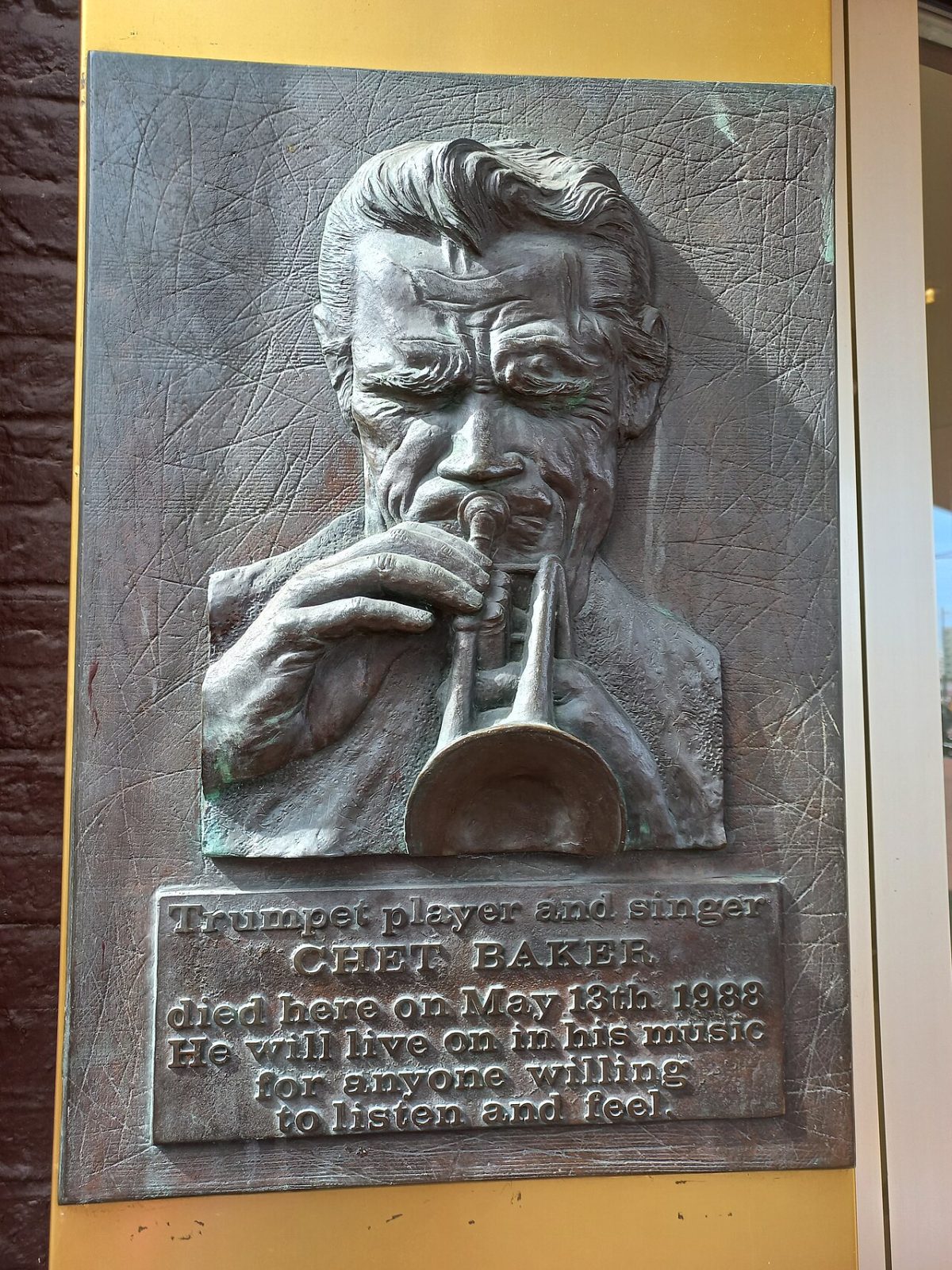 ODD FIND
Chet Baker plaque
On the hotel where the jazz trumpeter fell from a window in 1988. 'He will live on in his music.'
 ODD FIND
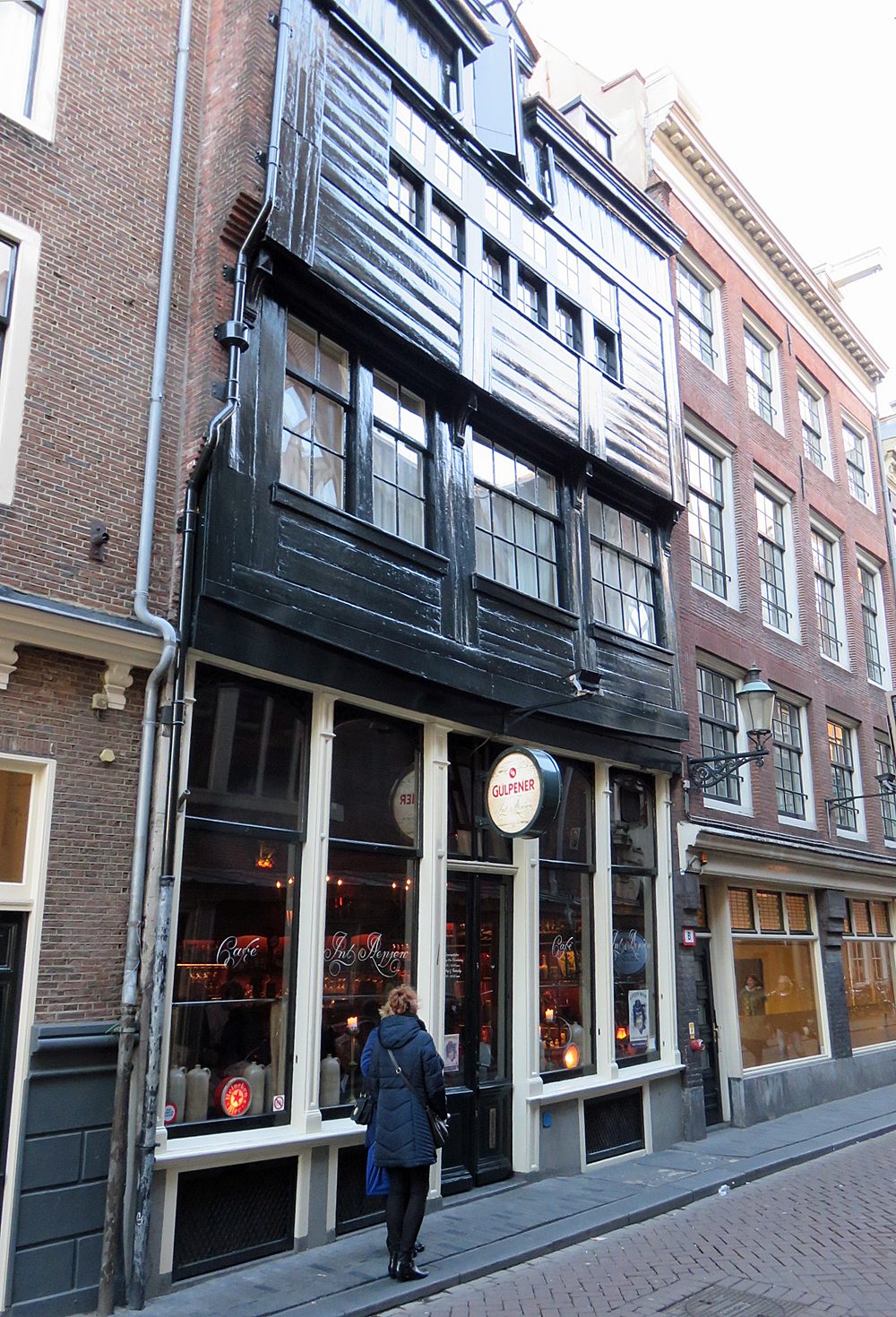
Wooden house Zeedijk 1 (In 't Aepjen)
One of only two wooden houses left in the centre, where sailors are said to have paid their bills with monkeys.
 ODD FIND
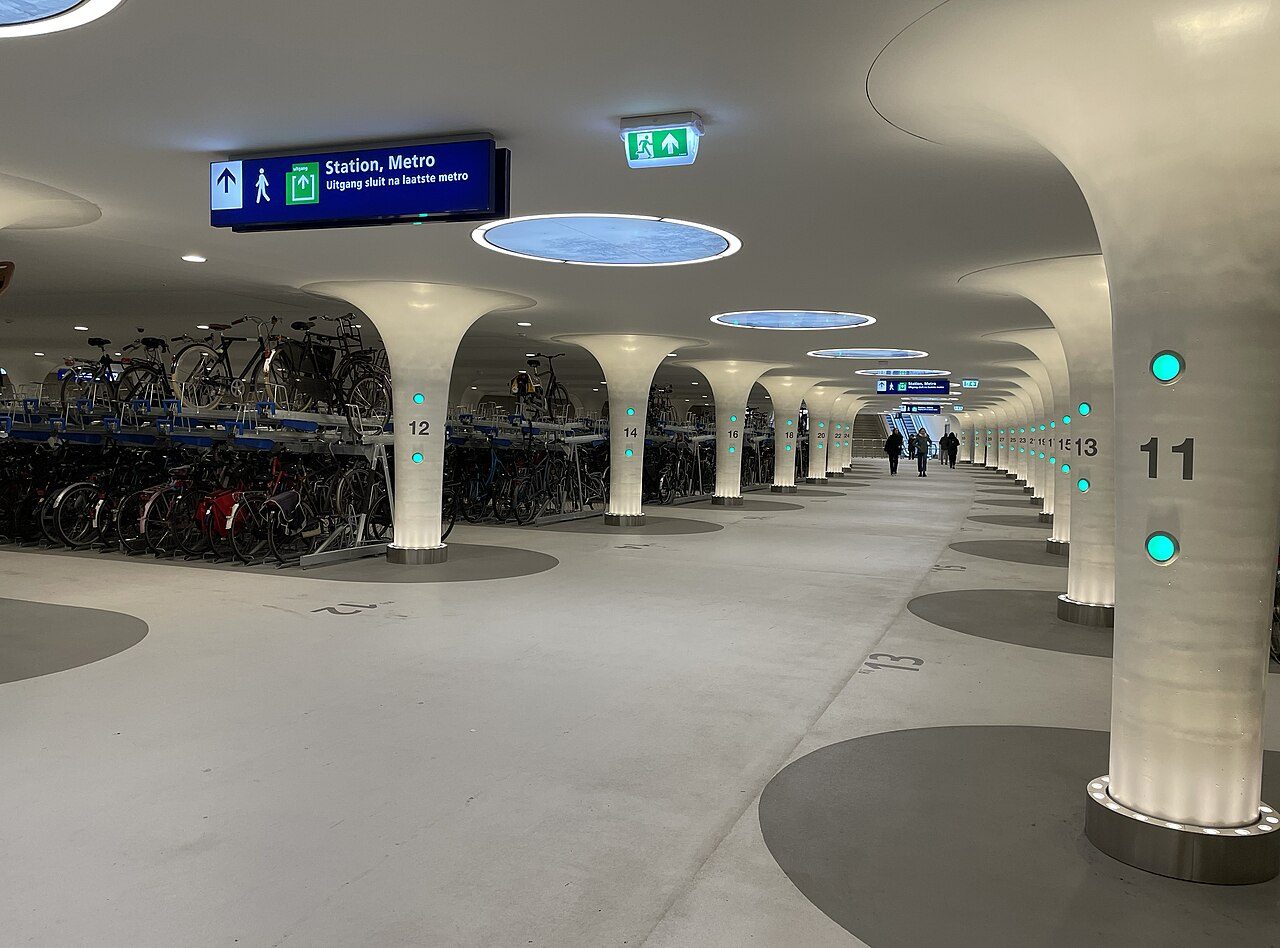
Underwater bike parking
Thousands of bikes parked in a garage under the water in front of Centraal Station, with an aquarium-like view of the IJ.
 ODD FIND
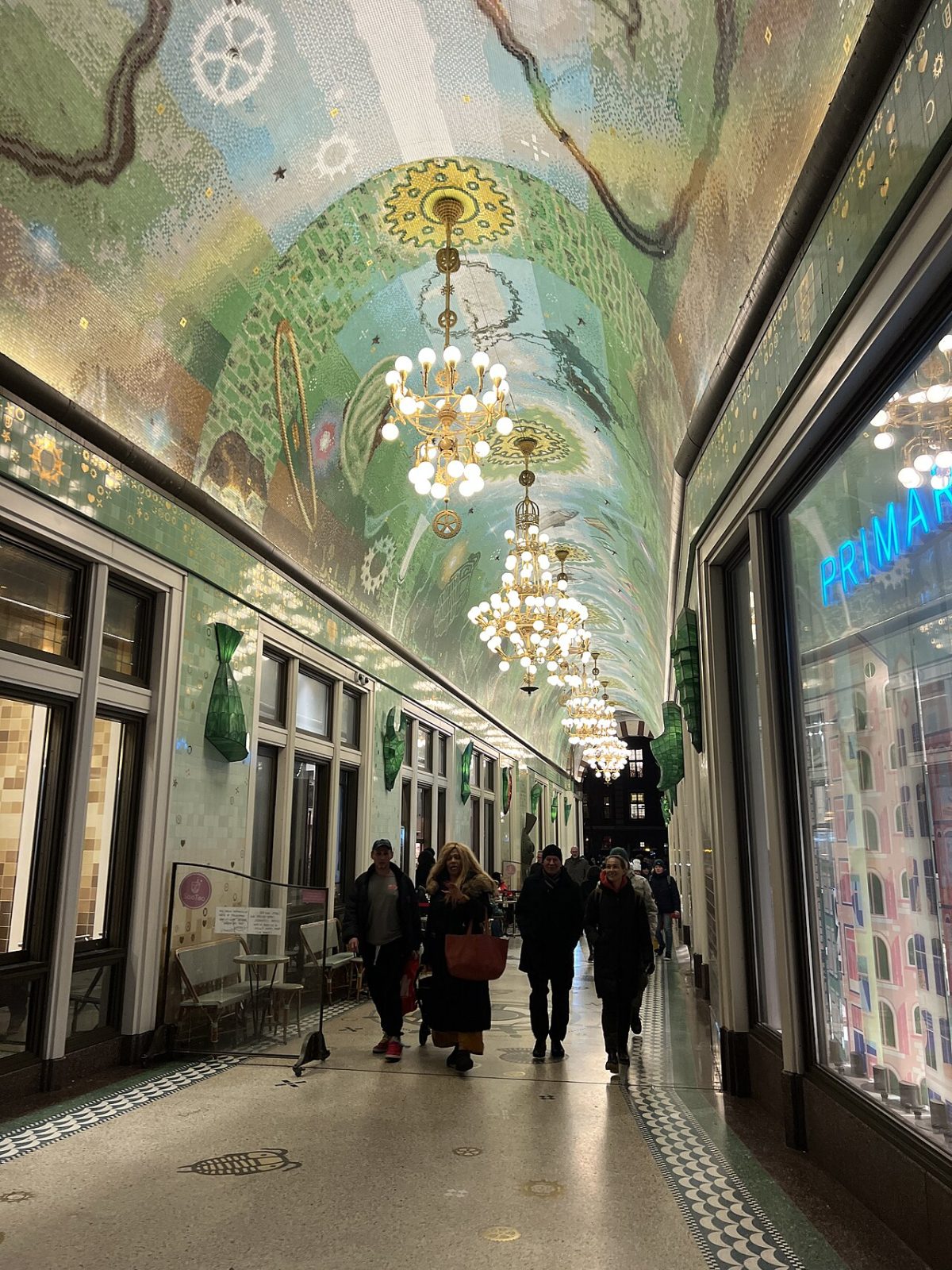
Beurspassage mosaics
A shopping passage turned into a cathedral of mosaics, glass and chandeliers about the city's water: 'Amsterdamse Oersoep'.
 ODD FIND
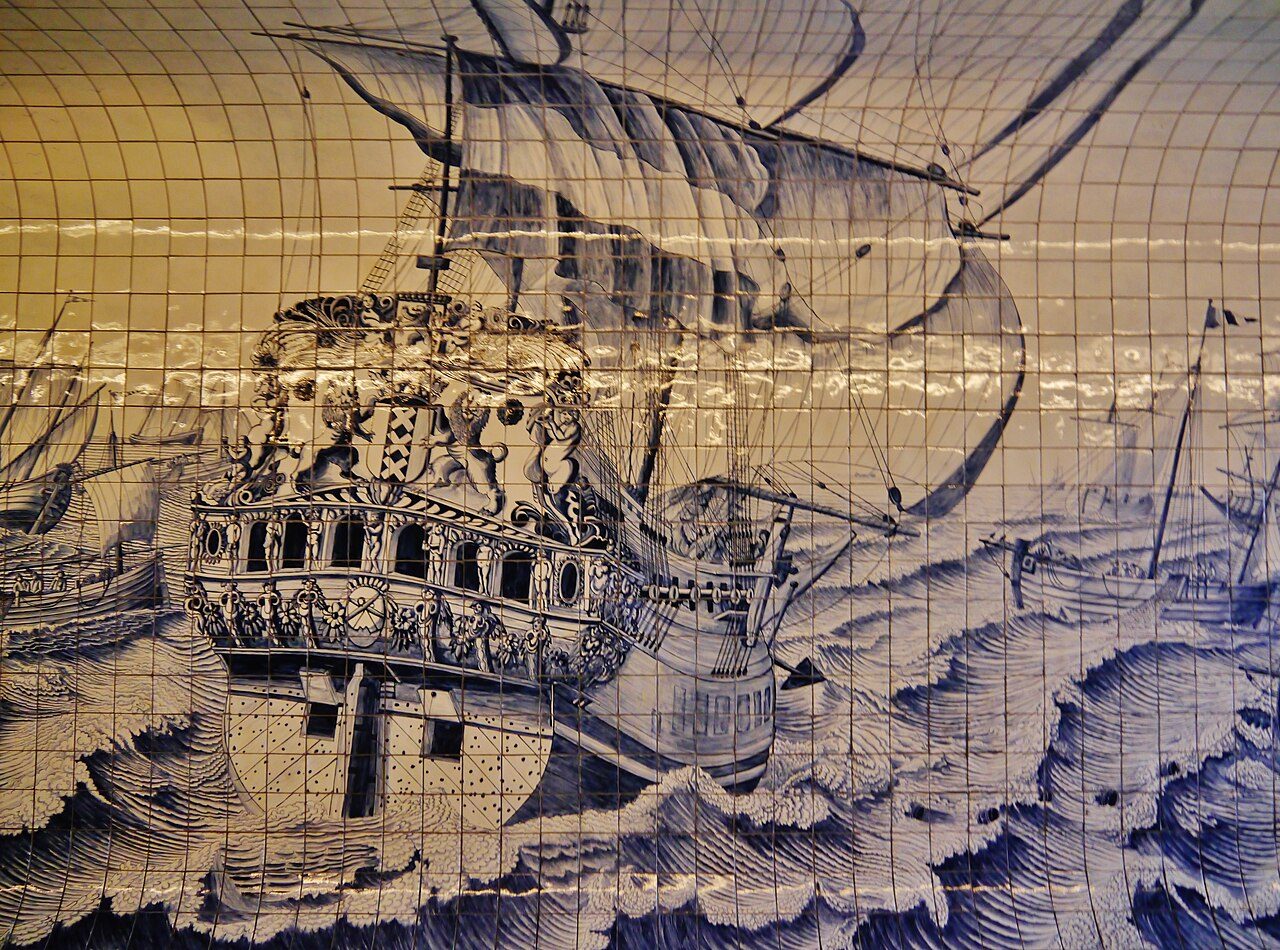
Cuyperspassage tile tableau
The tunnel under Centraal Station lined with tens of thousands of Delft-blue tiles showing a sea full of ships.
 ODD FIND
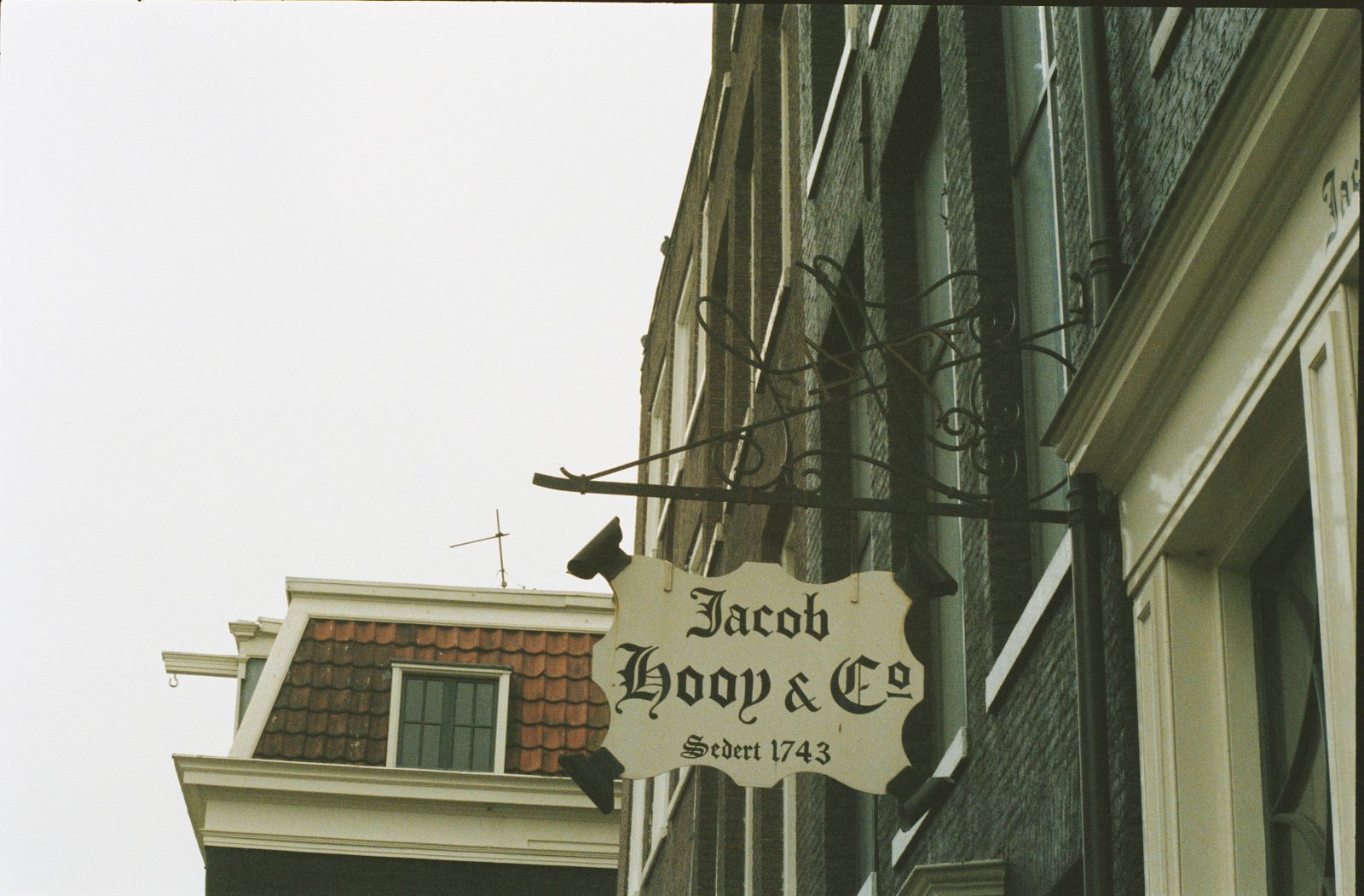
Jacob Hooy & Co
An apothecary shop unchanged since 1743: wooden drawers of herbs, liquorice jars and a 'gaper' head over the door.
Tours and quests that pass here
These walks have a stop a few minutes from Sint Olofskapel. Free, on your phone, start any time.
 AUDIO TOUR
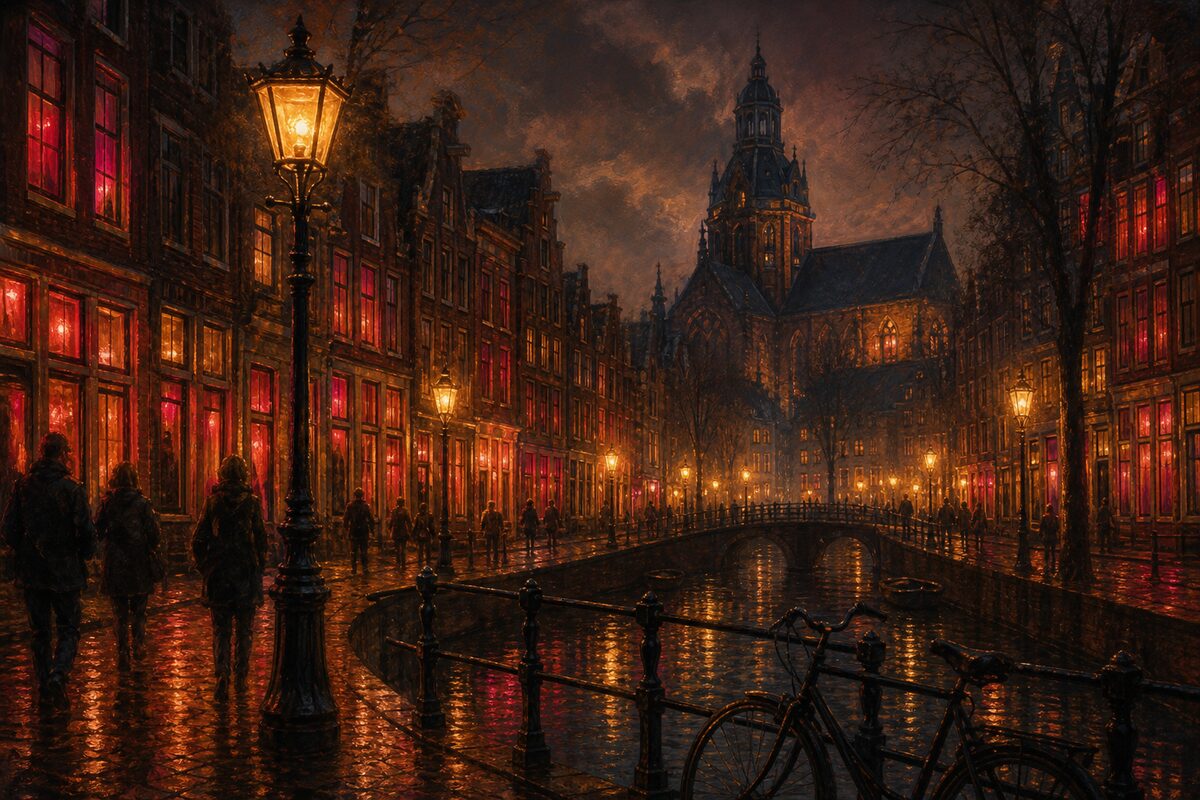
Red Light District
Seven centuries of sailors, sin and stubborn tolerance. The real history of the oldest part of town, told straight.
 AUDIO TOUR
Amsterdam Ghost Tour
Plague pits, public executions and the canal that swallowed people. The city's grim side, told without the cheap scares.
 CITY QUEST
The Ghost Ship
Follow one ship from the wharf to the replica. Ending on her deck is the point.