
ODD FIND
Cuyperspassage tile tableau
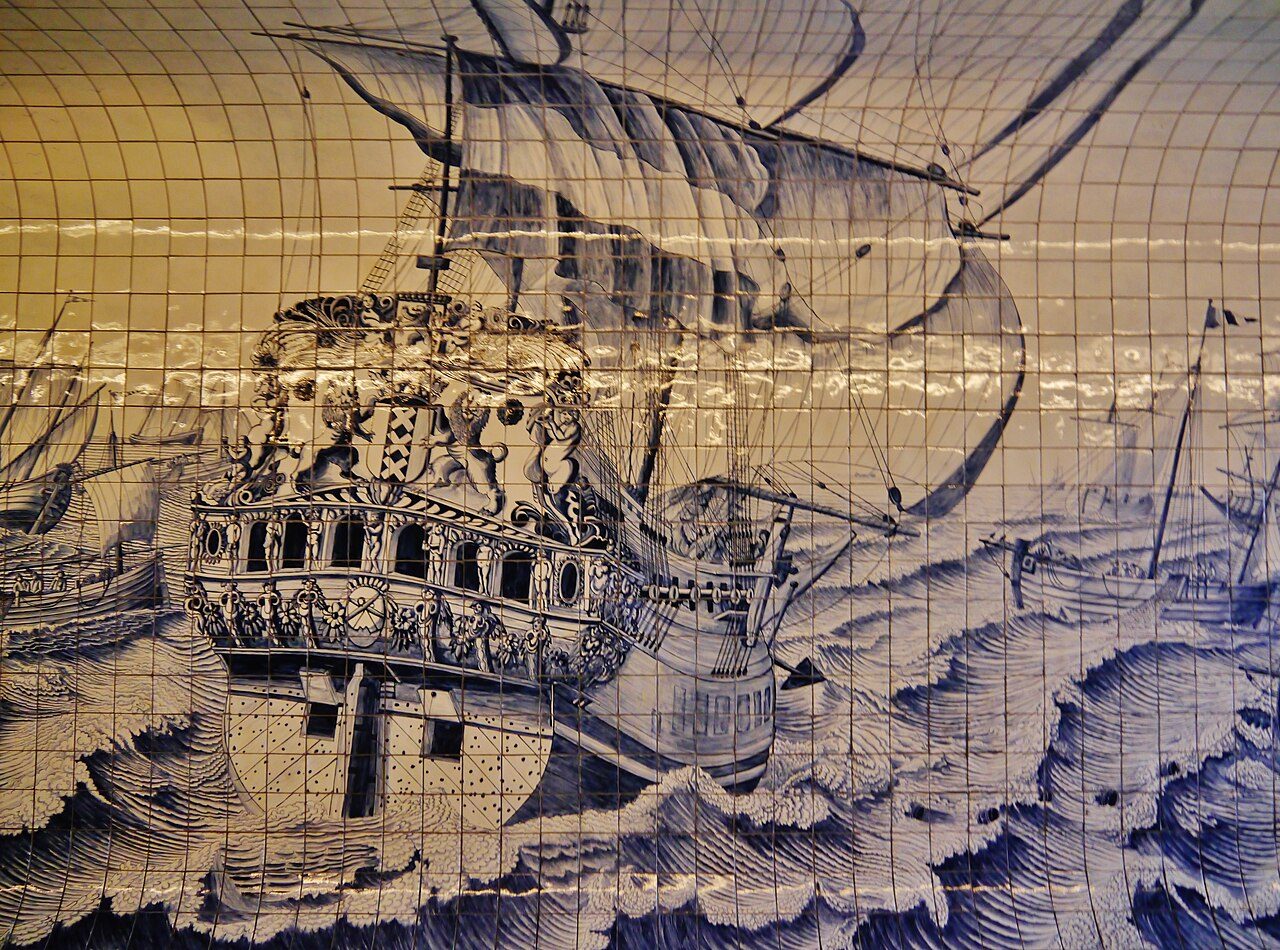
The tunnel under Centraal Station lined with tens of thousands of Delft-blue tiles showing a sea full of ships.
A sea of ships under the tracks
Most people cross Amsterdam Centraal in a hurry. They are looking for a platform, a tram or the ferry. Few slow down in the Cuyperspassage, the passage that runs underneath the station. That is a pity. The walls here are covered in blue and white tiles, tens of thousands of them, and together they make one long picture of a sea full of ships.
It costs nothing and takes ten minutes at most. It also works well as a first stop in the city. You arrive as a traveller and leave knowing a little about where Amsterdam's money came from.
Why tiles, and why ships
Blue and white tiles are the look people connect with Delft, and they have been part of Dutch homes since the Golden Age. Ships were one of the favourite subjects. Trade came in by sea, and so did almost everything else. A tile with a sailing vessel on it said something true about the country.
The passage takes that old wall-tile habit and blows it up to the size of a tunnel. It suits the building above you, too. Centraal Station opened in 1889 and was designed by Pierre Cuypers, who also designed the Rijksmuseum. The passage carries his name. The station stands on artificial islands in the IJ, so you are walking under a building that sits where open water used to be. A sea on the wall is a fitting thing to find here.
The ships also point at the story of the harbour. The West-Indisch Huis courtyard is a short walk away, and it is where the West India Company decided to found New Amsterdam, the city we now call New York.
What to look for when you are standing there
Walk the whole length once without stopping, to get the overall picture. Then go back and take it slowly.
Step well back from the wall first. From a distance the tiles blend together and the scene reads like one painting. Then go close. You will see that it is made of separate squares, and that the picture only exists once you stand at the right distance.
Pick one ship and follow it with your eyes along the wall. Notice how the hull sits in the water and how the waves are drawn around it. Notice how much of the picture is water. The sea is as much the subject as the ships.
The passage is also an ordinary route, and cyclists use it too. If you want to stop and look, step to the side and keep an ear open behind you. Outside the rush hours you get the wall almost to yourself.
Before you go
- The passage runs under Centraal Station, so it is easy to add when you arrive or leave. Follow the signs through the station.
- It is free and open to everyone walking through. You do not need a ticket.
- Go outside the busiest commuter times if you want room to stand back and see the whole wall.
- Cyclists use it too. Step to the side when you stop, and keep your bag close, as in any station.
- Pair it with the free ferry behind the station for a short detour across the water.
What people say
Related spots
More things to do in Amsterdam ›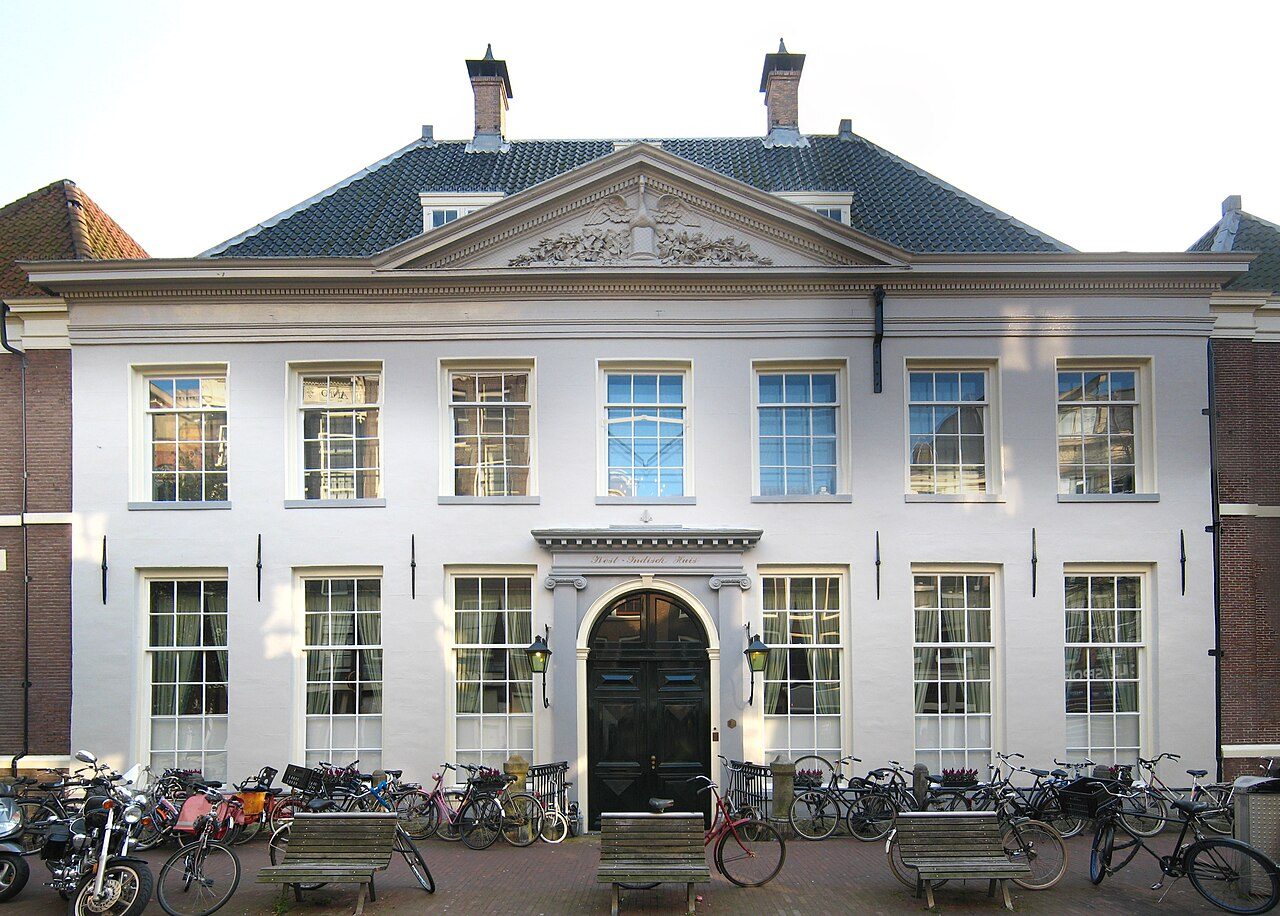 ODD FIND
West-Indisch Huis courtyard
Where the West India Company decided to found New Amsterdam (New York); Peter Stuyvesant stands in the courtyard.
 ODD FIND
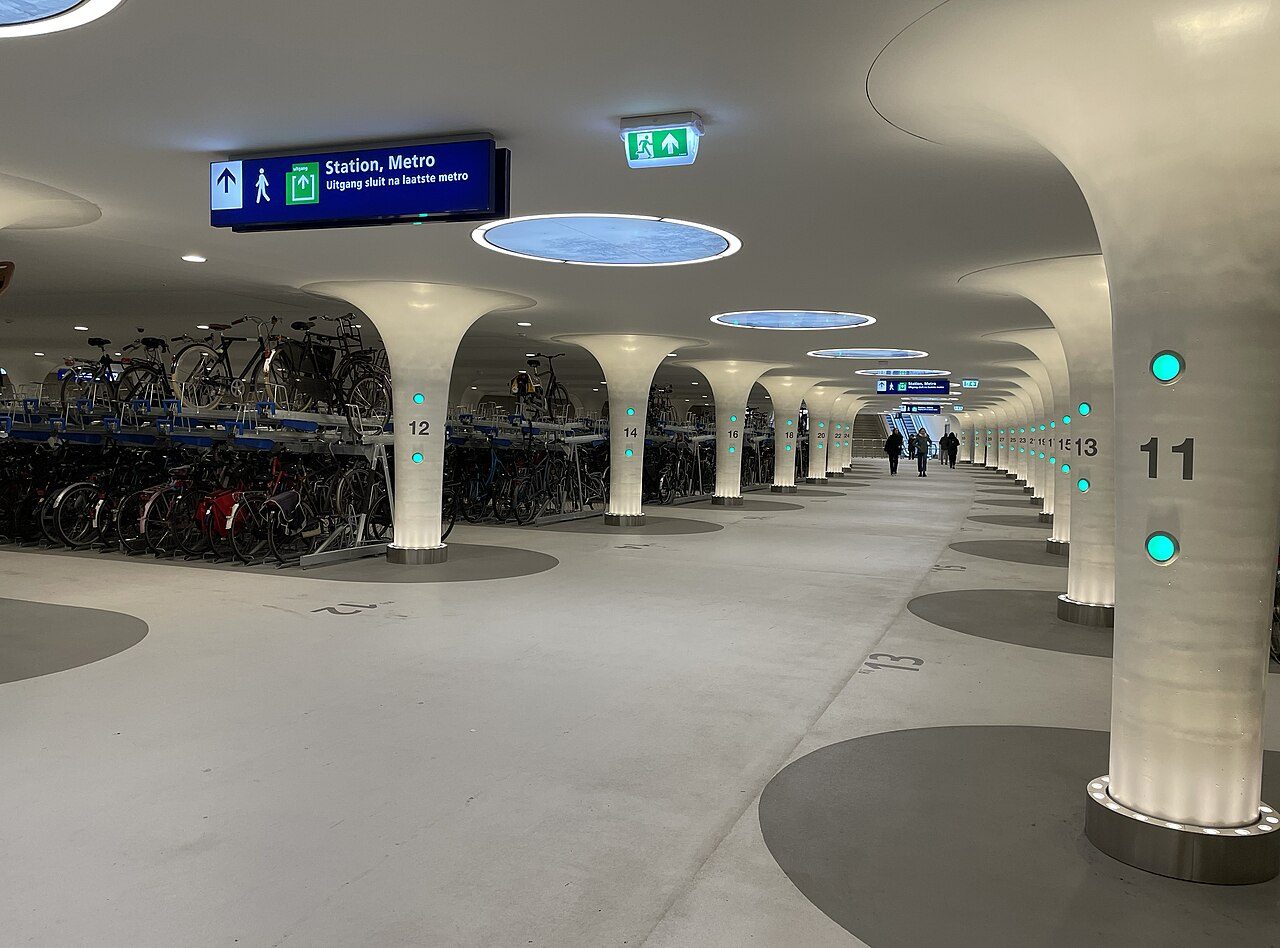
Underwater bike parking
Thousands of bikes parked in a garage under the water in front of Centraal Station, with an aquarium-like view of the IJ.
 ODD FIND
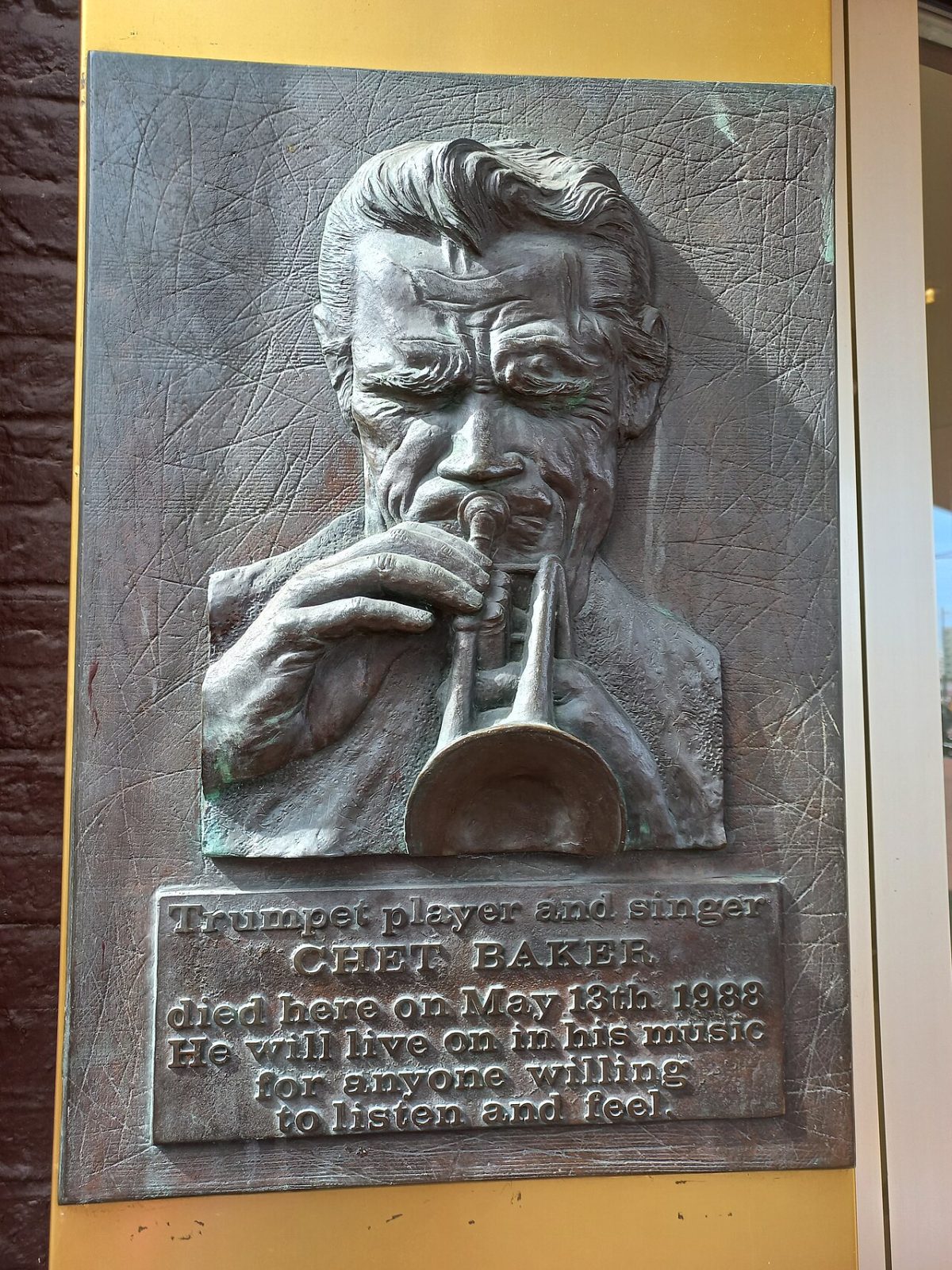
Chet Baker plaque
On the hotel where the jazz trumpeter fell from a window in 1988. 'He will live on in his music.'
 ODD FIND
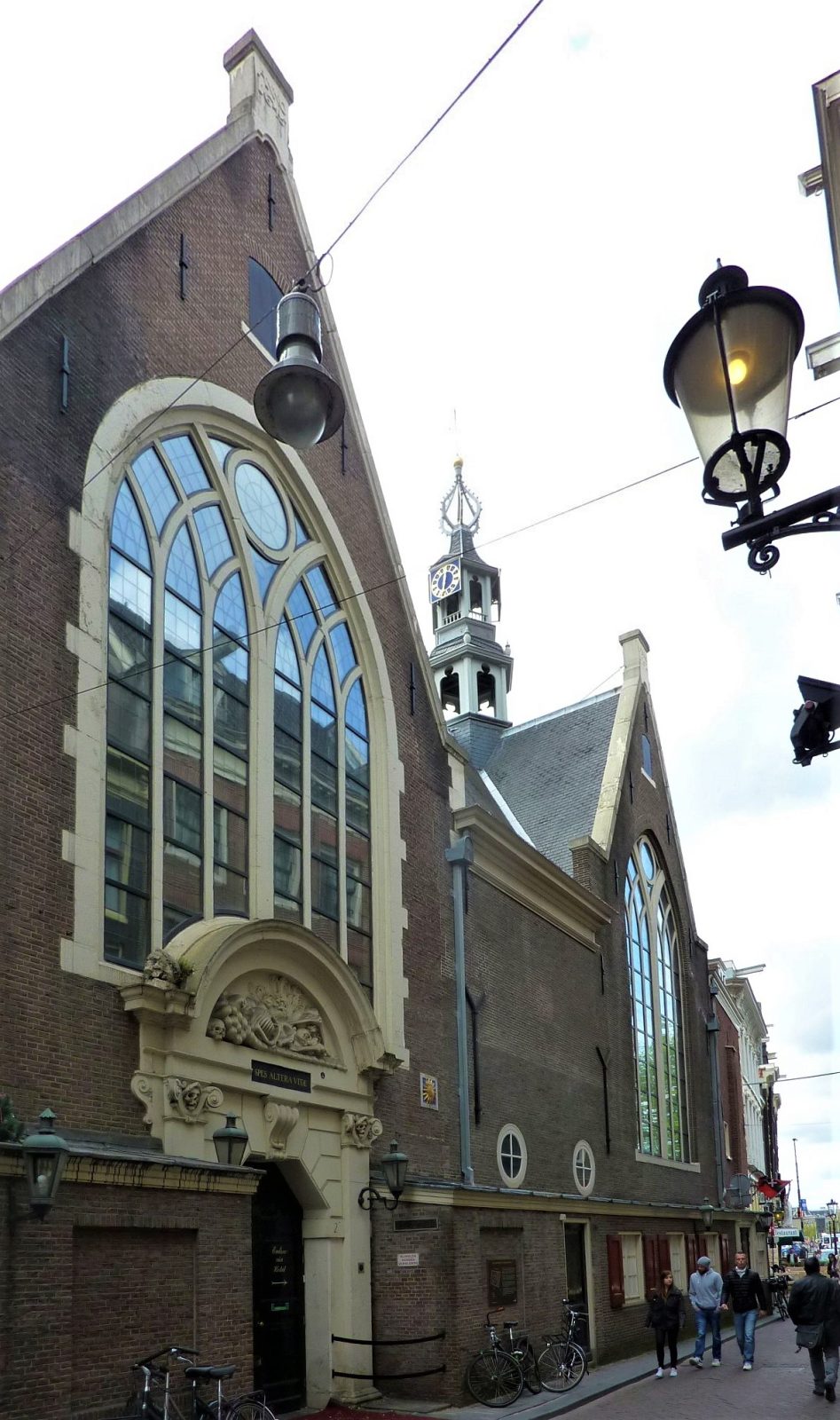
Sint Olofskapel
A 15th-century chapel swallowed by a hotel, with a skull-and-bones gable stone over the old door.
 ODD FIND
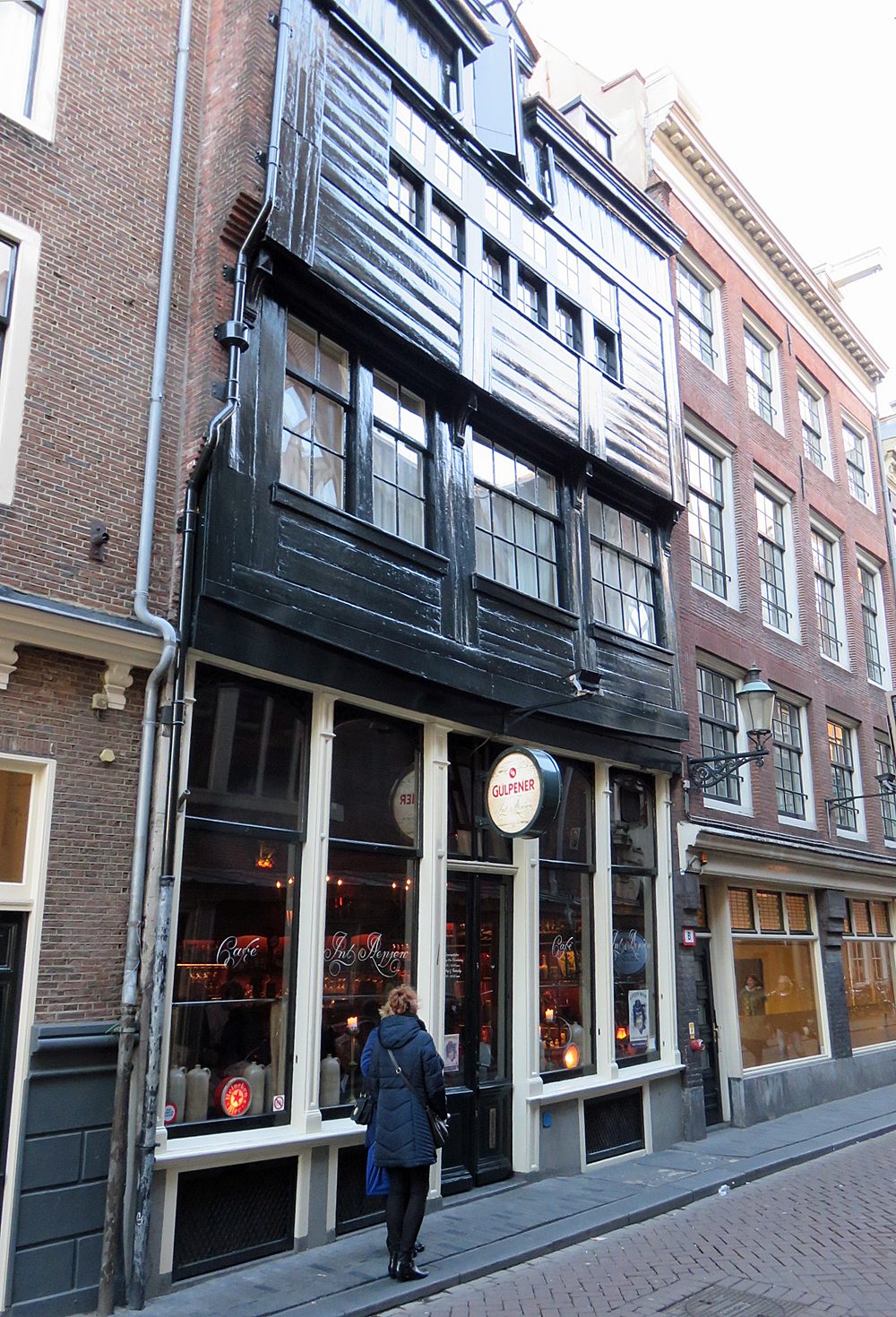
Wooden house Zeedijk 1 (In 't Aepjen)
One of only two wooden houses left in the centre, where sailors are said to have paid their bills with monkeys.
 ODD FIND
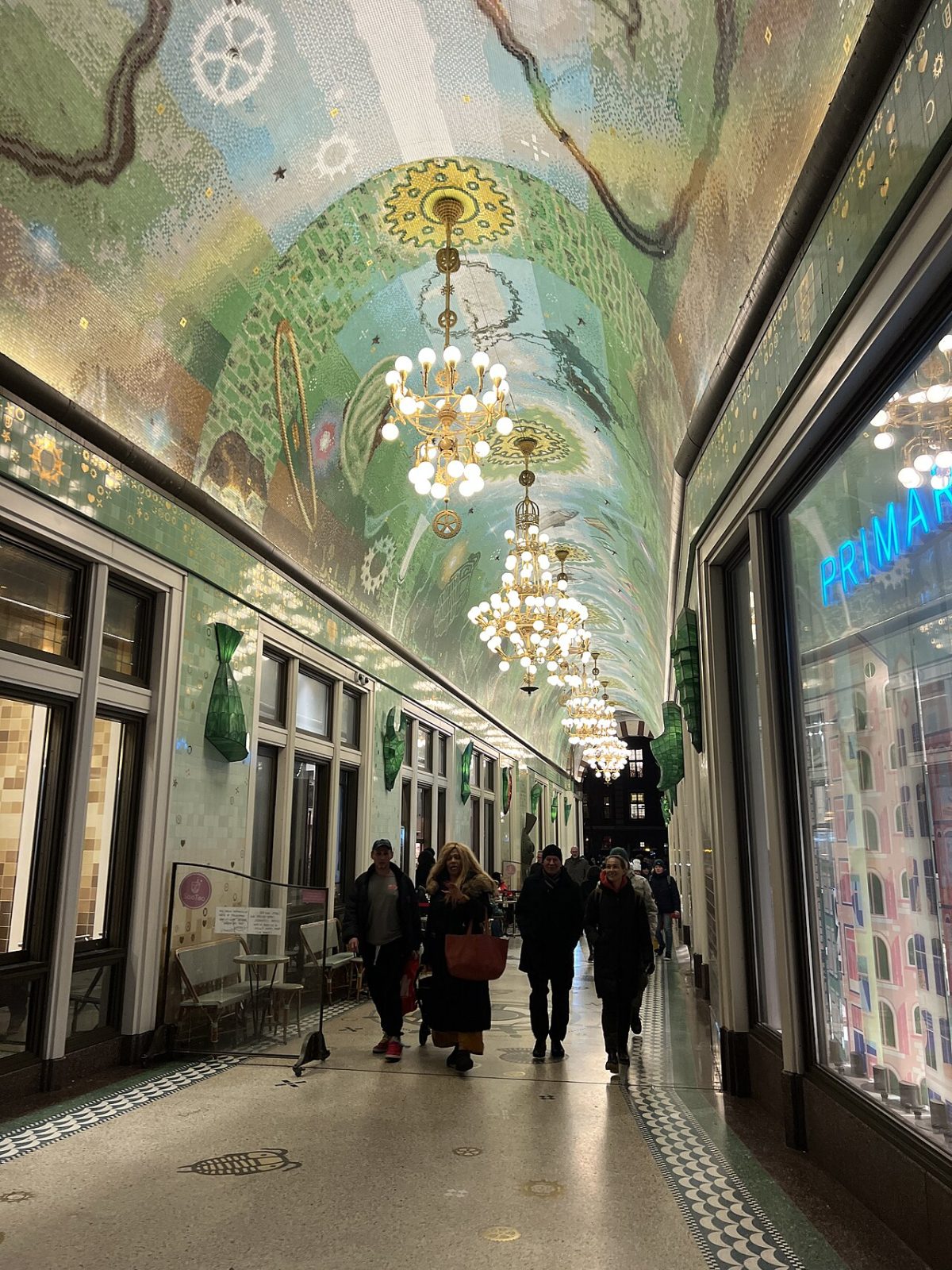
Beurspassage mosaics
A shopping passage turned into a cathedral of mosaics, glass and chandeliers about the city's water: 'Amsterdamse Oersoep'.
Tours and quests that pass here
These walks have a stop a few minutes from Cuyperspassage tile tableau. Free, on your phone, start any time.
 AUDIO TOUR
Amsterdam Ghost Tour
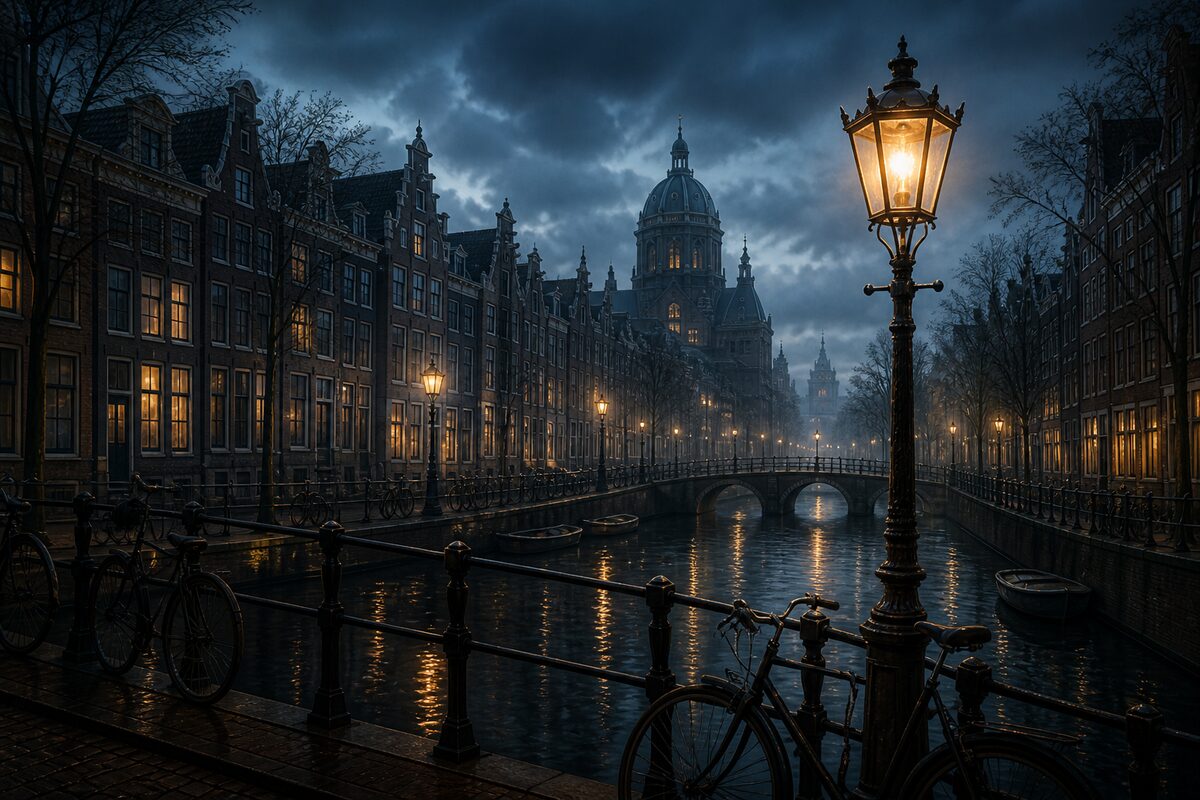
Plague pits, public executions and the canal that swallowed people. The city's grim side, told without the cheap scares.
 AUDIO TOUR
Van Gogh's Amsterdam
The years before the fame: a failed bookshop clerk walking these same streets. Ends at the museum door.
 CITY QUEST
The Canal Cipher
A coded will, seven places, seven words. Walk the canal ring and read what the merchant hid.