
ODD FIND
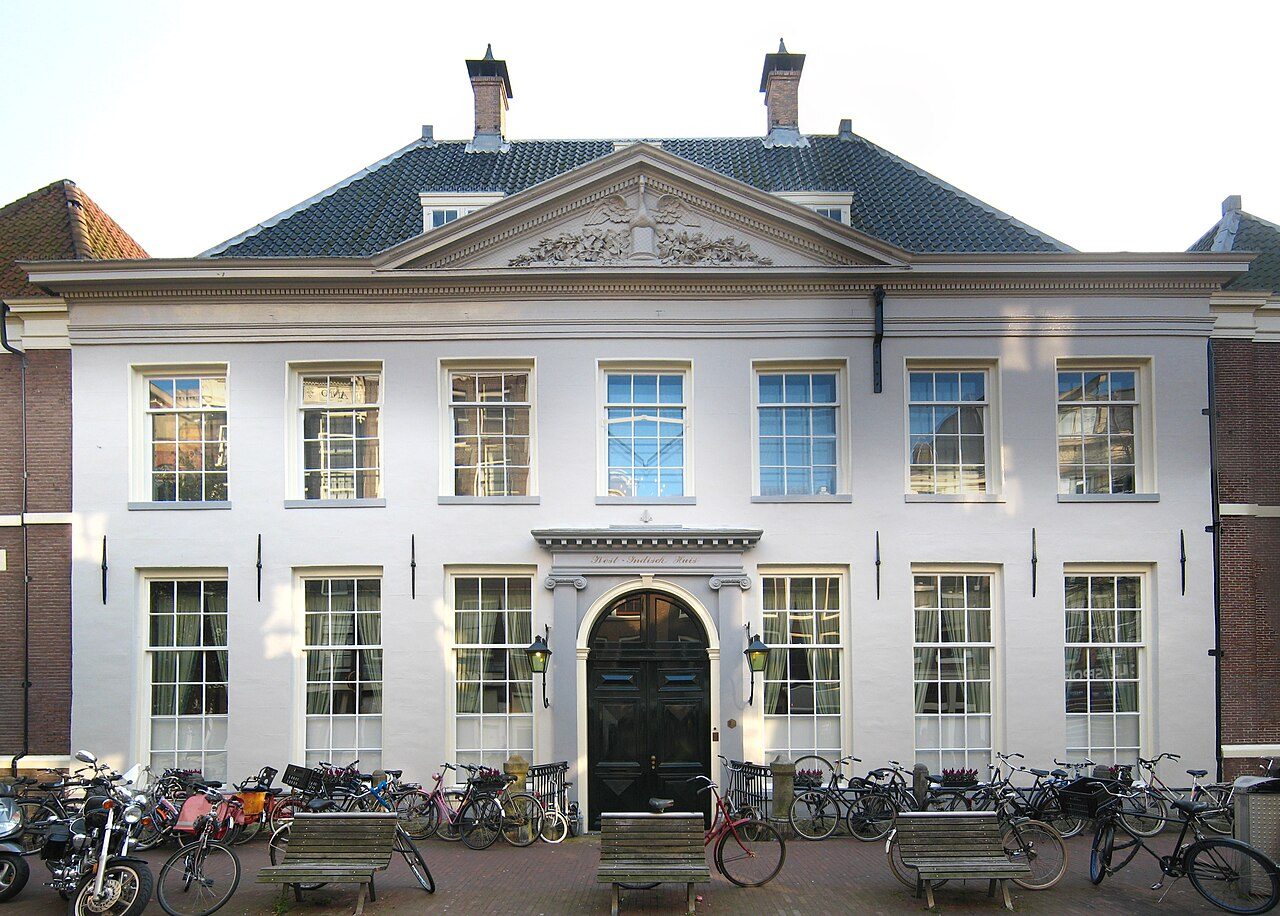
West-Indisch Huis courtyard
Where the West India Company decided to found New Amsterdam (New York); Peter Stuyvesant stands in the courtyard.
A house with a New York story
This is the West-Indisch Huis, the old Amsterdam meeting house of the Dutch West India Company. It stands on the Herenmarkt, a small square between the Haarlemmerstraat and the Brouwersgracht. Most people walk past on one of those two streets and never look in.
It is worth ten minutes because it links Amsterdam to a city you already know. In 1625 the company's governors ordered a fort to be built on the island of Manhattan from this building. That was the start of New Amsterdam, later New York. In the courtyard stands a bronze statue of Peter Stuyvesant.
The company and the house
The building went up in 1617 as a meat market, with a waiting room for the local militia upstairs. The West India Company, founded in 1621, rented it in 1623. Its governing board met here until 1647. In those years the house was expanded with two wings around a central courtyard, which tripled its size.
Then the company ran into money trouble and moved out. Later the house served as gentlemen's lodgings, and from 1825 as a home for orphans and the elderly. The high front porch was removed and the facade was plastered. In 1975 a fire ravaged the building. A foundation restored it between 1978 and 1981, and the fountain with the Stuyvesant statue was placed in the courtyard then.
Stuyvesant was the governor of New Netherland, the colony on the American east coast. He ran New Amsterdam until 1664, when English ships arrived and the town changed hands without a fight. So the man in the courtyard is the one who lost the city, and the house is where it began.
There is a darker side too. The West India Company took a major part in the Dutch share of the transatlantic slave trade. The same board that planned a fort on Manhattan was involved in that.
What to look for
Start on the Herenmarkt and look at the house from the square. The facade is plain. It does not look like the headquarters of a company that traded across an ocean. Remember that the plastering and the lost porch came much later.
The building is now used as offices and as a venue for conferences, weddings and other events. So the courtyard may not always be open to visitors. Check from the street whether you can step in. If you can, find the fountain and the bronze Stuyvesant. Notice how small the space is around him.
The John Adams Institute is also based here. It was founded in 1987 to further cultural exchange between the Netherlands and the United States, and it holds talks with American authors and speakers. It is a fitting tenant for this house.
Before you go
- The house is on the Herenmarkt, between the Haarlemmerstraat and the Brouwersgracht, about ten minutes on foot from Centraal Station.
- The building is used as offices and an event venue, so the courtyard may be closed. Check from the street before you plan around it.
- You can always see the house from the square, and it takes about ten minutes.
- Come on a weekday morning, when the streets around are quieter.
- Pair it with the Brouwersgracht, which is only a couple of minutes away.
What people say
Related spots
More things to do in Amsterdam ›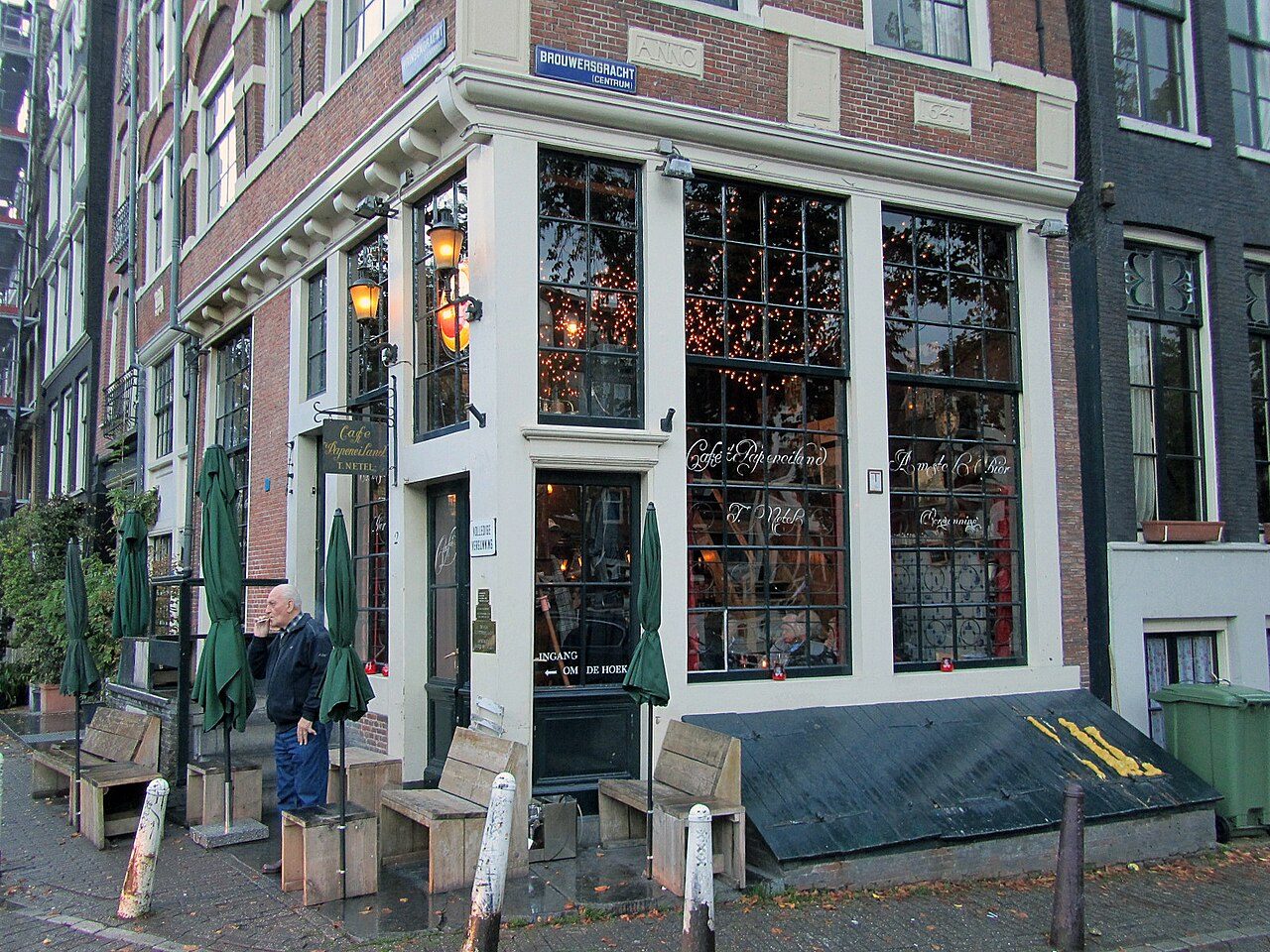 ODD FIND
Café Papeneiland
A 1642 brown café with the legend of a secret tunnel to a hidden church across the canal.
 ODD FIND
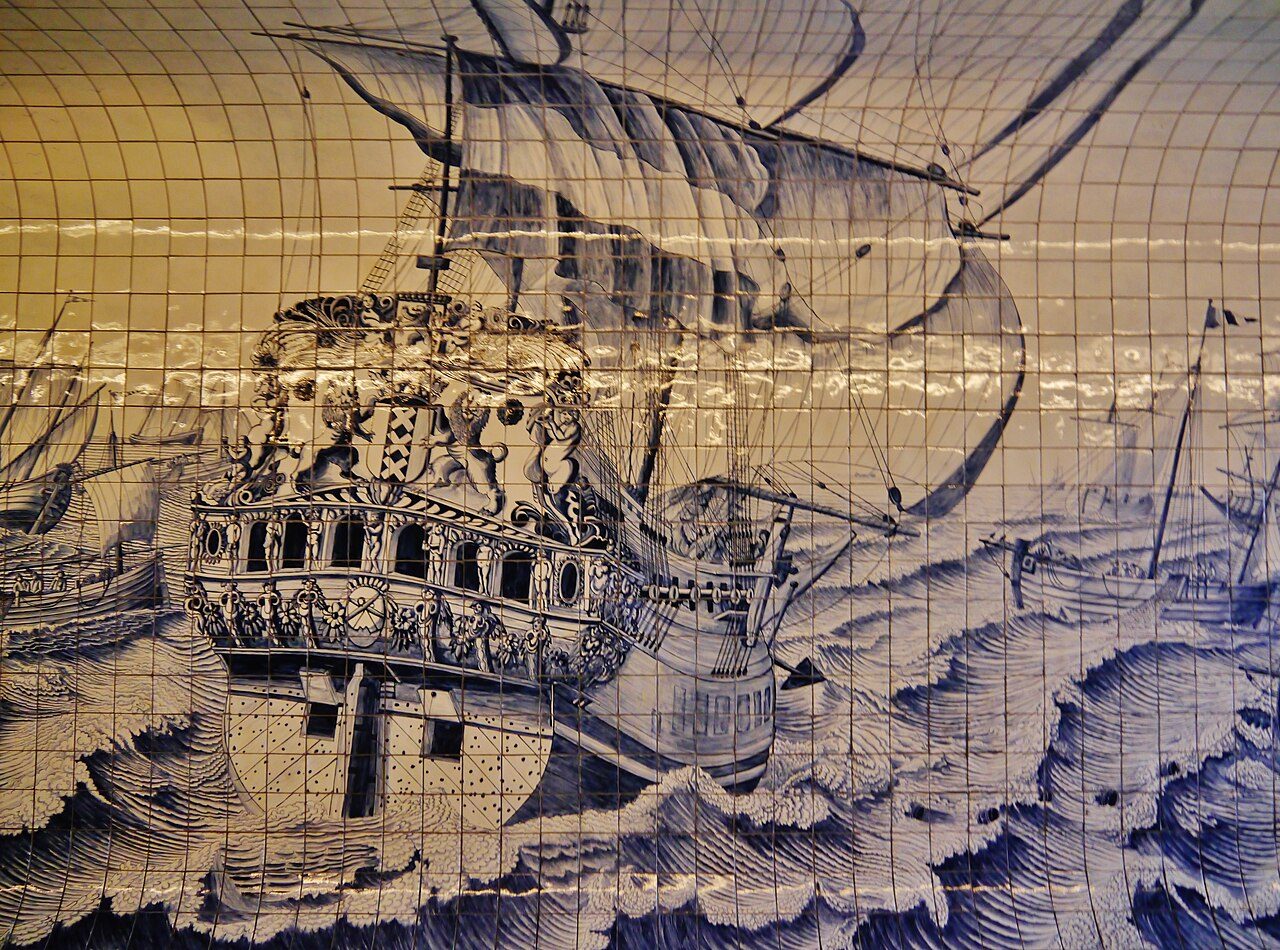
Cuyperspassage tile tableau
The tunnel under Centraal Station lined with tens of thousands of Delft-blue tiles showing a sea full of ships.
 ODD FIND
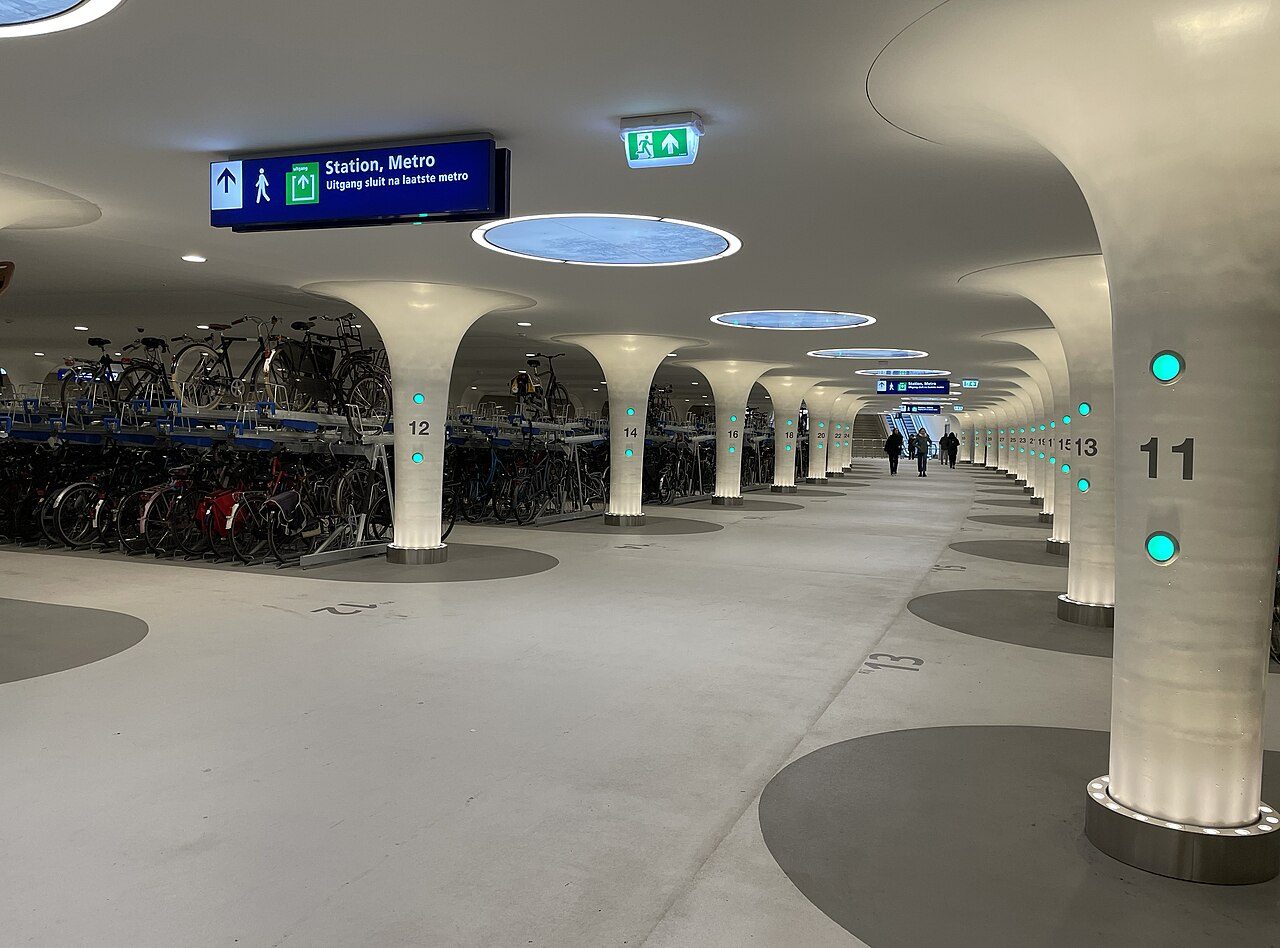
Underwater bike parking
Thousands of bikes parked in a garage under the water in front of Centraal Station, with an aquarium-like view of the IJ.
 ODD FIND
Beurspassage mosaics
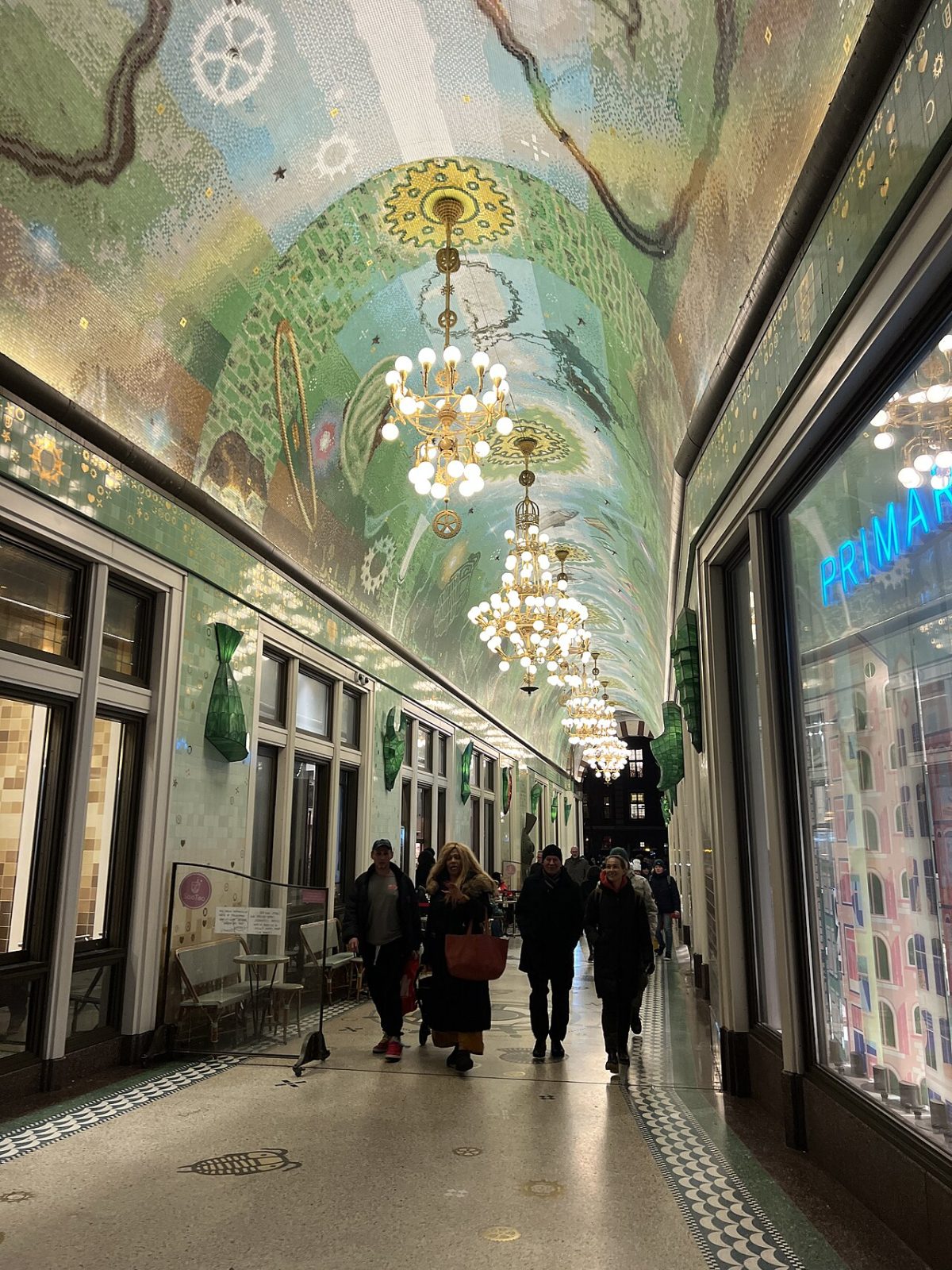
A shopping passage turned into a cathedral of mosaics, glass and chandeliers about the city's water: 'Amsterdamse Oersoep'.
 ODD FIND
Chet Baker plaque
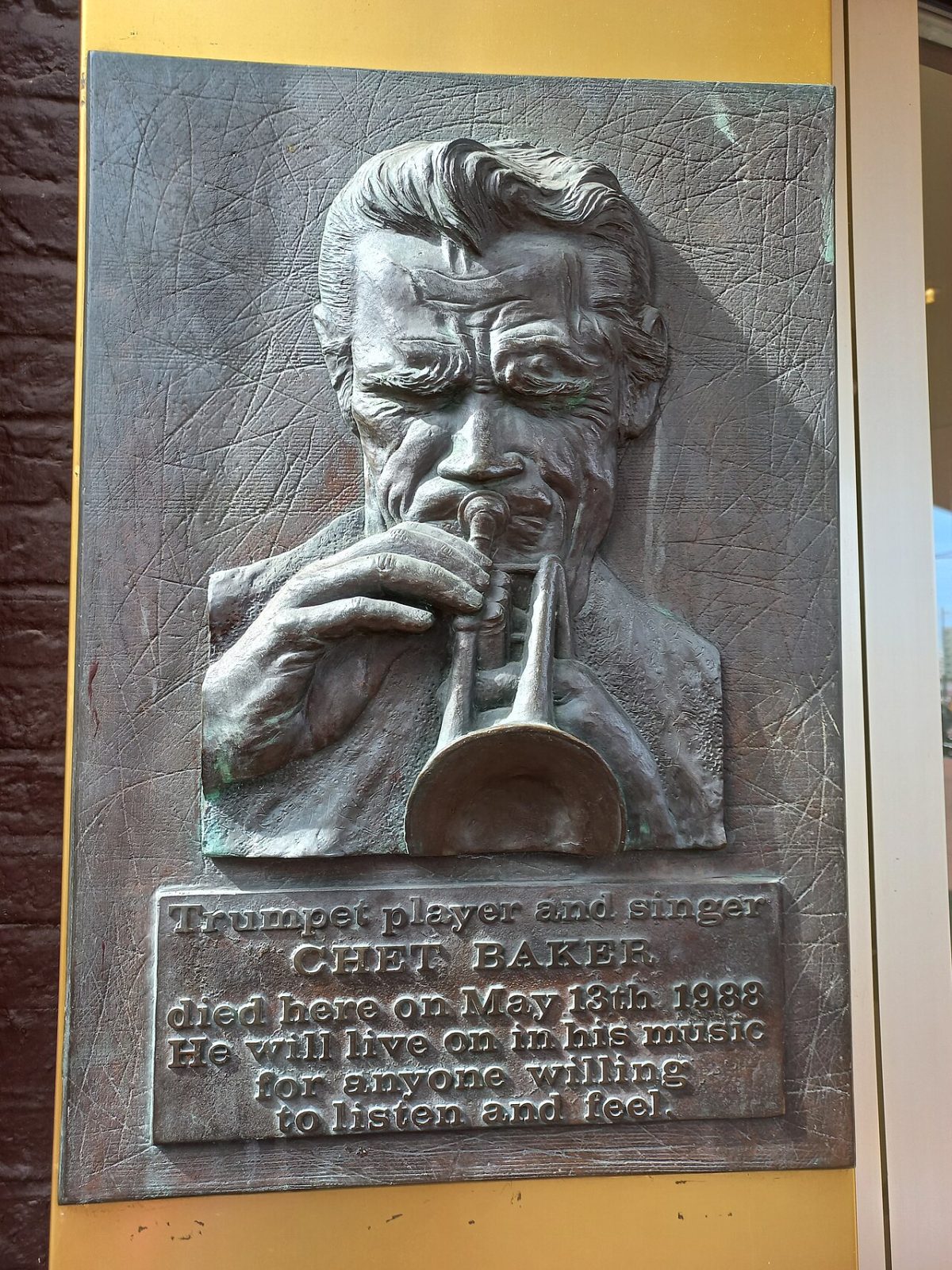
On the hotel where the jazz trumpeter fell from a window in 1988. 'He will live on in his music.'
 ODD FIND
Sint Olofskapel
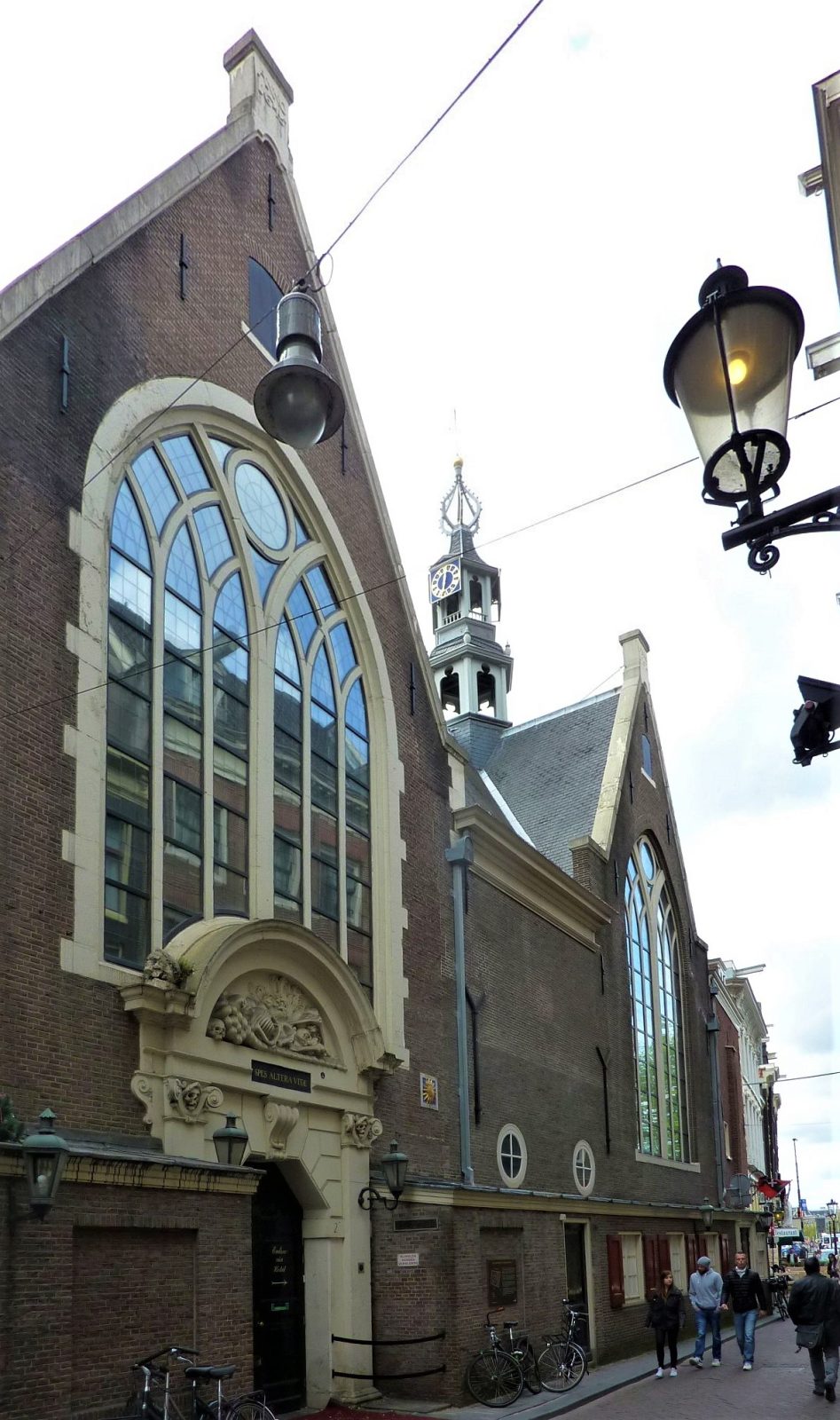
A 15th-century chapel swallowed by a hotel, with a skull-and-bones gable stone over the old door.
Tours and quests that pass here
These walks have a stop a few minutes from West-Indisch Huis courtyard. Free, on your phone, start any time.
 AUDIO TOUR
Van Gogh's Amsterdam
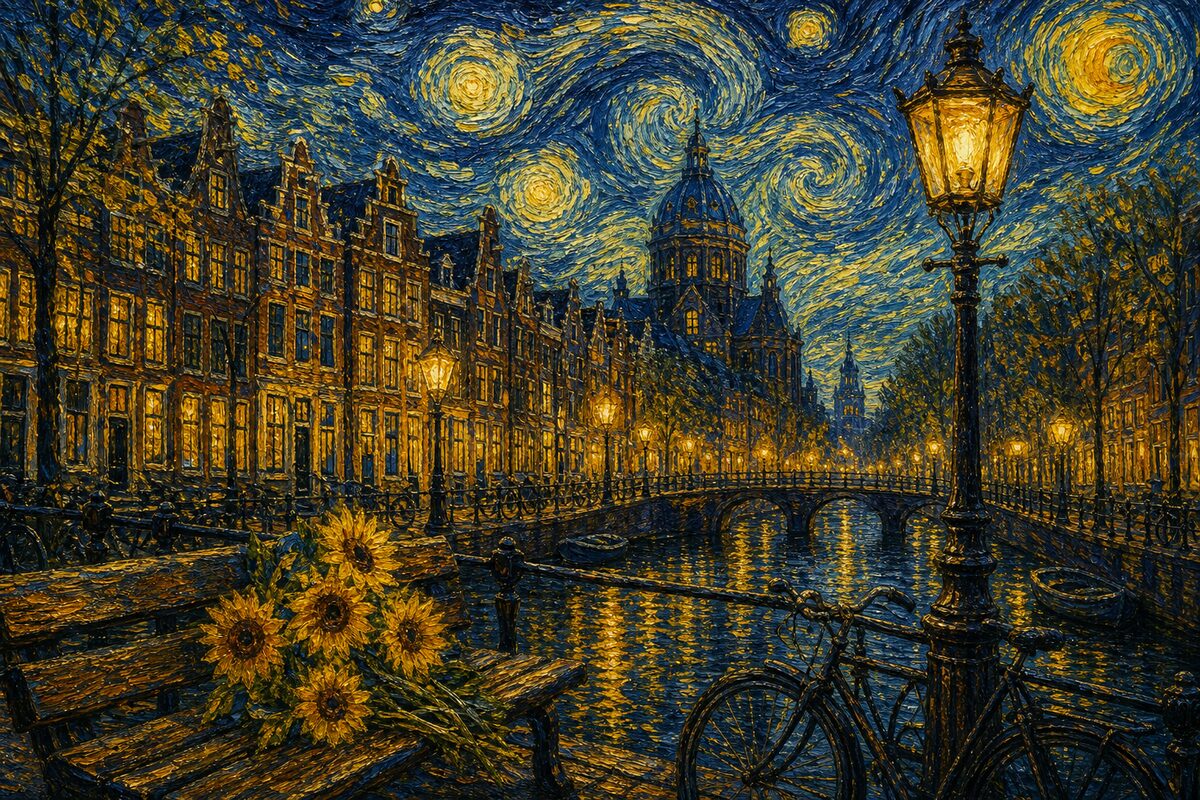
The years before the fame: a failed bookshop clerk walking these same streets. Ends at the museum door.
 CITY QUEST
The Canal Cipher
A coded will, seven places, seven words. Walk the canal ring and read what the merchant hid.
 AUDIO TOUR
Amsterdam Ghost Tour
Plague pits, public executions and the canal that swallowed people. The city's grim side, told without the cheap scares.