
LANDMARK
Leidseplein
The square of street performers, theatres and the Stadsschouwburg.
A square for the evening
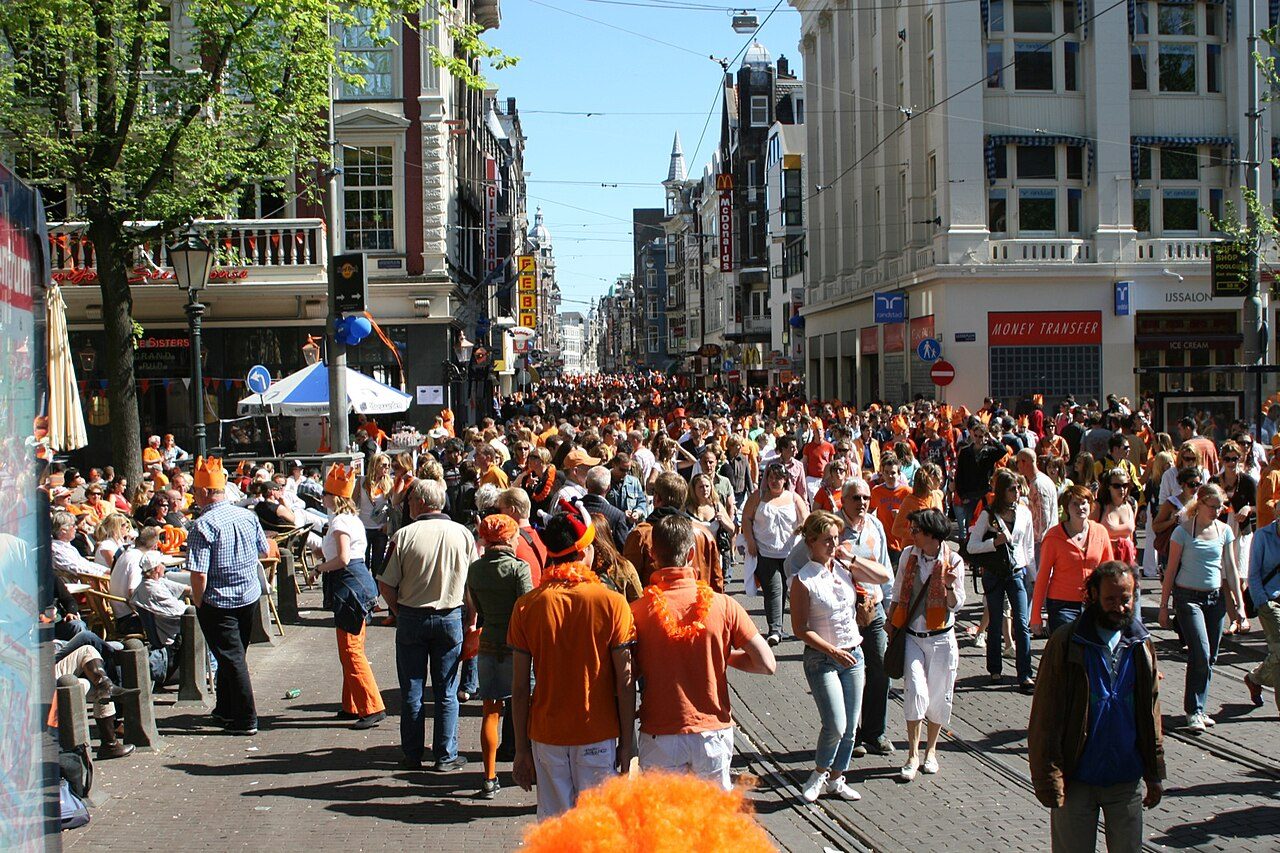
Leidseplein is where Amsterdam goes out. Terraces fill the open space, theatres and music halls ring the edges, and the side streets are packed with restaurants. It is one of the busiest nightlife centres in the city, and it costs nothing to stand in at any hour.
Go for the mix. The square is also a real crossing point, with trams sliding through and people cutting over the bridge towards the next canal. It is a good place to see how the centre works, and to decide where you want to eat.
From cart park to theatre square
The square dates from 1660, part of the Fourth Expansion of the canal ring. It began as a parking place. Visitors from outside the city left their carts and wagons here before walking on into town. The name comes from the Leidsepoort, the city gate that stood here until 1862. This was the end of the road from Leiden.
The first Stadsschouwburg, the city theatre, went up in 1774. It was a wooden building and it burned down completely in 1890. The theatre you see now opened in 1894.
Transport shaped the place too. On 3 June 1875 the first horse tram in Amsterdam left from here for the Plantage. On 14 August 1900 the first electric tram set off from the same square, heading for the Haarlemmerplein. Cars were pushed out in stages: the north side and the Leidsestraat became car-free in 1971, the rest of the square in 2017.
In the late 1950s and early 1960s young artists and writers gathered in the cafés Eijlders and Reynders. They were nicknamed the "pleiners", the square people. Two songs from the 1940s, by Willy Walden and Toon Hermans, were already singing about summer evenings here.
What to look for
Start at the Stadsschouwburg and look at the facade. Then turn around. Opposite stands the Hirsch building with its small, striking tower. In front of the American Hotel and its Café Américain you will find the Hans Snoek fountain.
On the square stands *Tegen alle stromen in*, "Against all currents", by Rini Hurkmans. It was unveiled in 2024 in memory of the crime reporter Peter R. de Vries, who was murdered nearby in July 2021. It is a quiet spot in a loud place.
By the Leidsebrug, the bridge over the Singelgracht, is the small Leidsebosje. It holds two of the biggest trees in Amsterdam, plane trees with enormous trunks. Look up at one of the branches. A tiny figure of a tree sawyer has sat there since 1989, placed by an artist who stayed unknown.
The lizards and iguanas near the entrance to the underground bike garage are by Hans van Houwelingen. The garage opened in 2021. In winter, an ice rink takes the place of the terrace.
The venues are all within a few steps. Paradiso and Melkweg are the music halls. De Balie, Bellevue and DeLaMar are theatres. Read the posters even if you are not going in.
Before you go
- Many tram lines stop on the square, on the Leidsebrug and in Marnixstraat. Night buses stop nearby on the Stadhouderskade.
- The square is free and always open. You only need tickets for the theatres and music halls around it, so check what is on before you arrive.
- Come in the afternoon for a calm look at the buildings and the trees. Come after dark for the terraces and the crowds.
- The Leidsestraat leading in is for pedestrians and trams only, so keep an ear out for the bell.
- If you come by bike, use the underground bike garage rather than chaining up on the square.
- Keep an eye on your bag in the evening crowds.
What people say
Related spots
More things to do in Amsterdam ›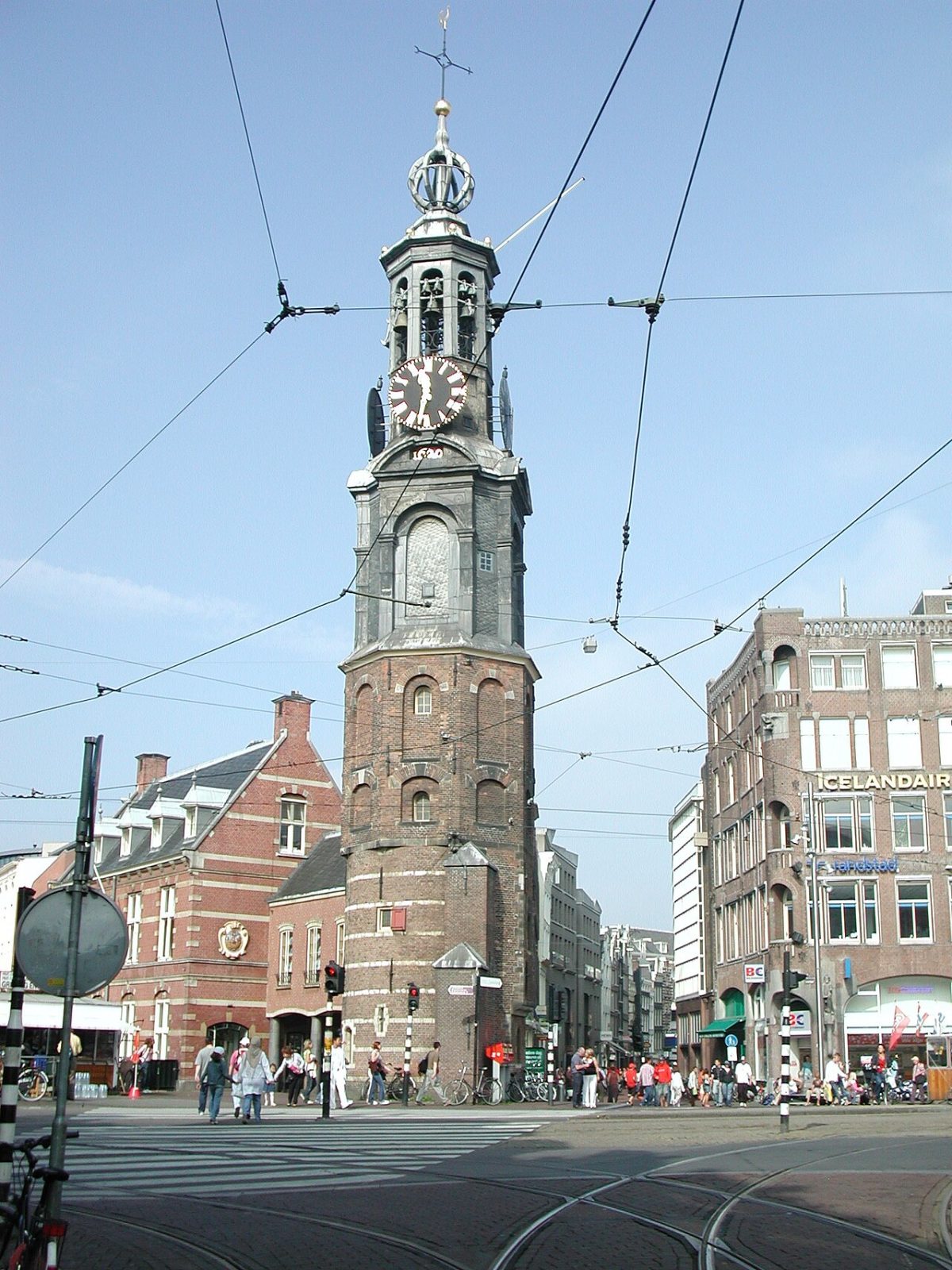 LANDMARK
Munttoren
The tower where Amsterdam minted its own coins in 1672, by the flower market.
 LANDMARK
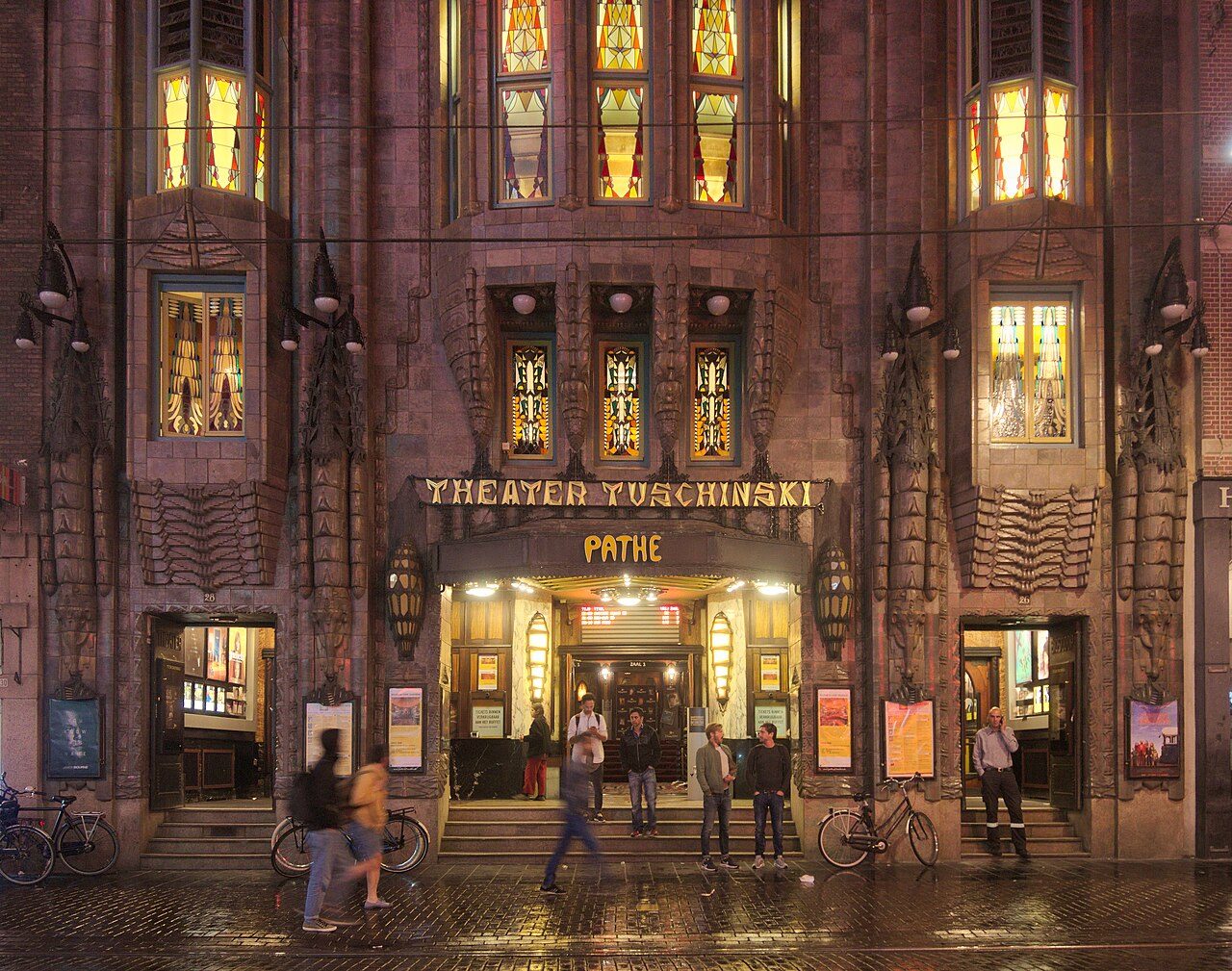
Tuschinski Theatre
An Art Deco cinema palace from 1921, often called the most beautiful cinema in the world; peek into the lobby.
 LANDMARK
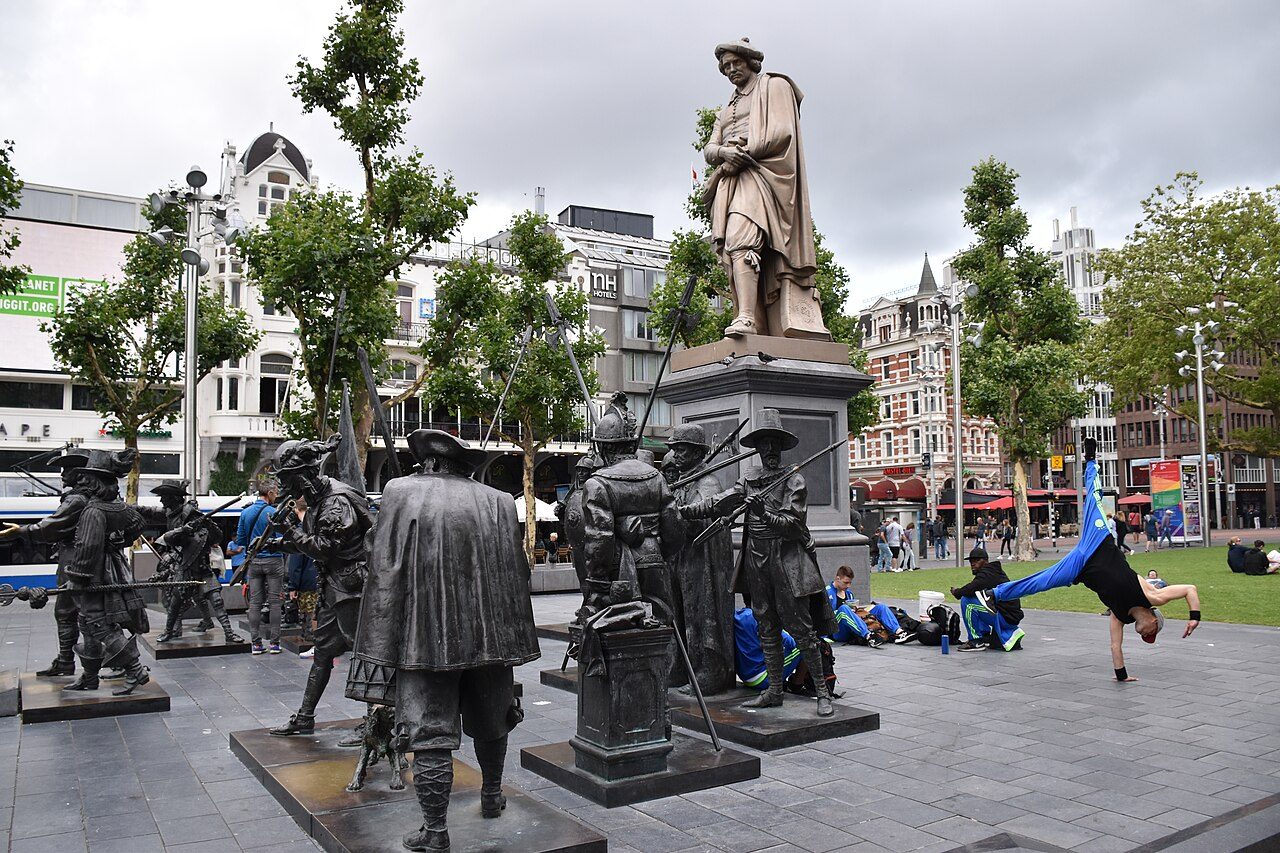
Rembrandtplein & Night Watch statues
Rembrandt's statue with a life-size bronze version of The Night Watch around him.
 FILM SPOT
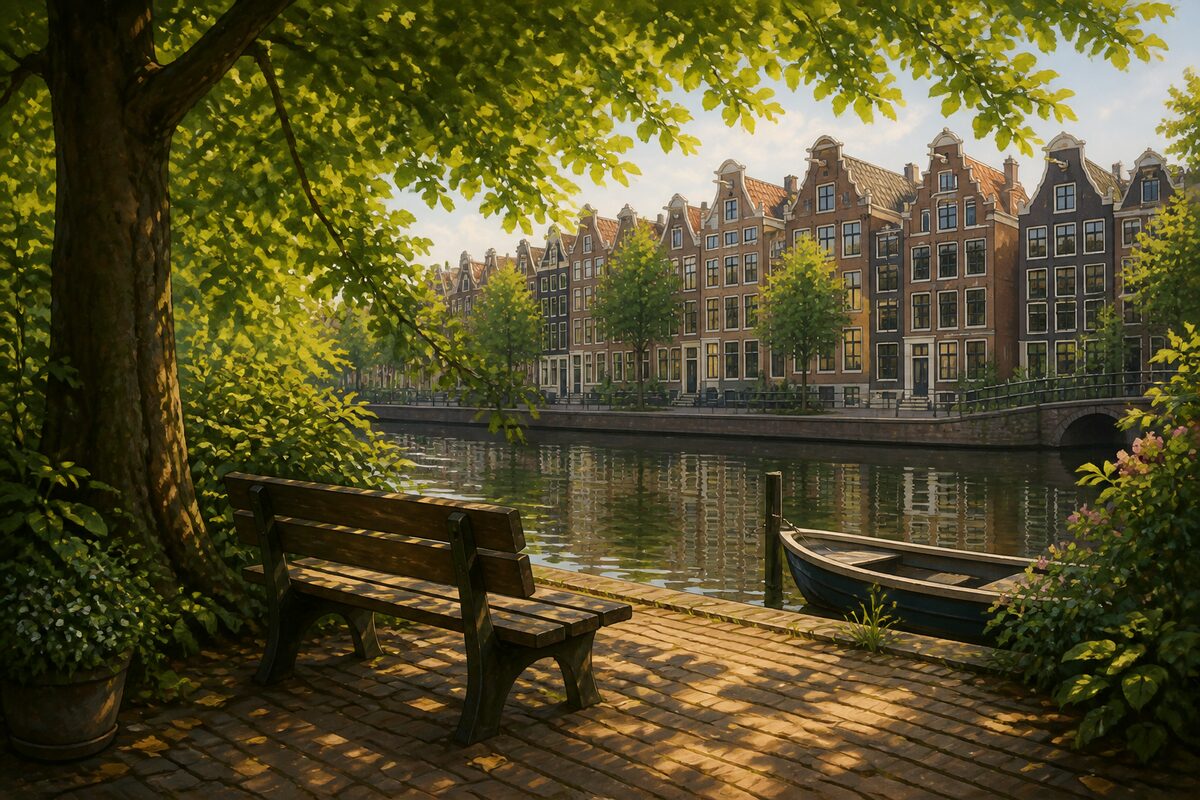
The Fault in Our Stars bench
The bench on the Leidsegracht where Hazel and Augustus sit in The Fault in Our Stars (2014). Fans of the film still come from all over the world for a photo.
 ODD FIND
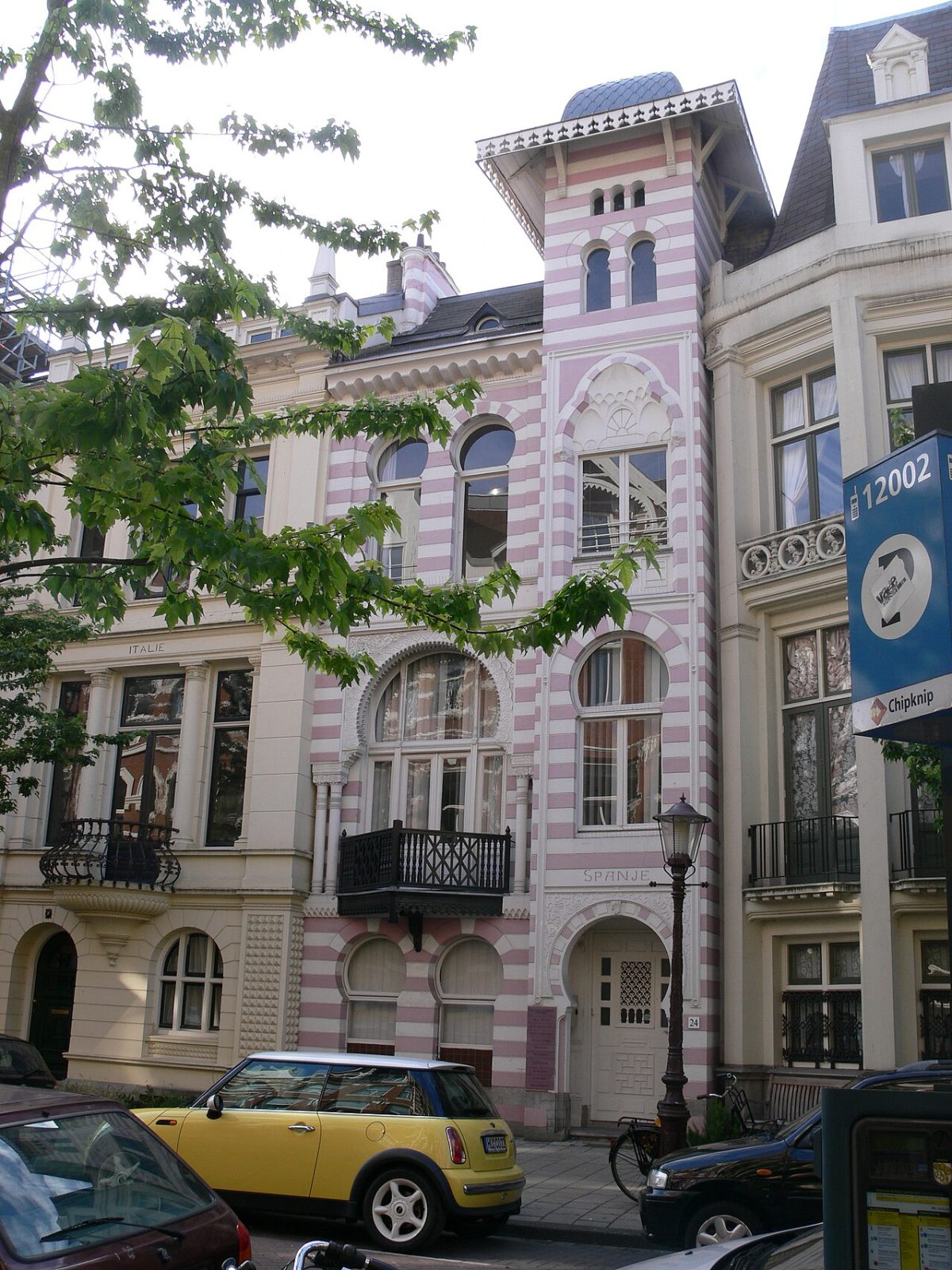
Zevenlandenhuizen
Seven houses in a row, each built in the style of a different country (1894), on the Roemer Visscherstraat.
 MUSEUM
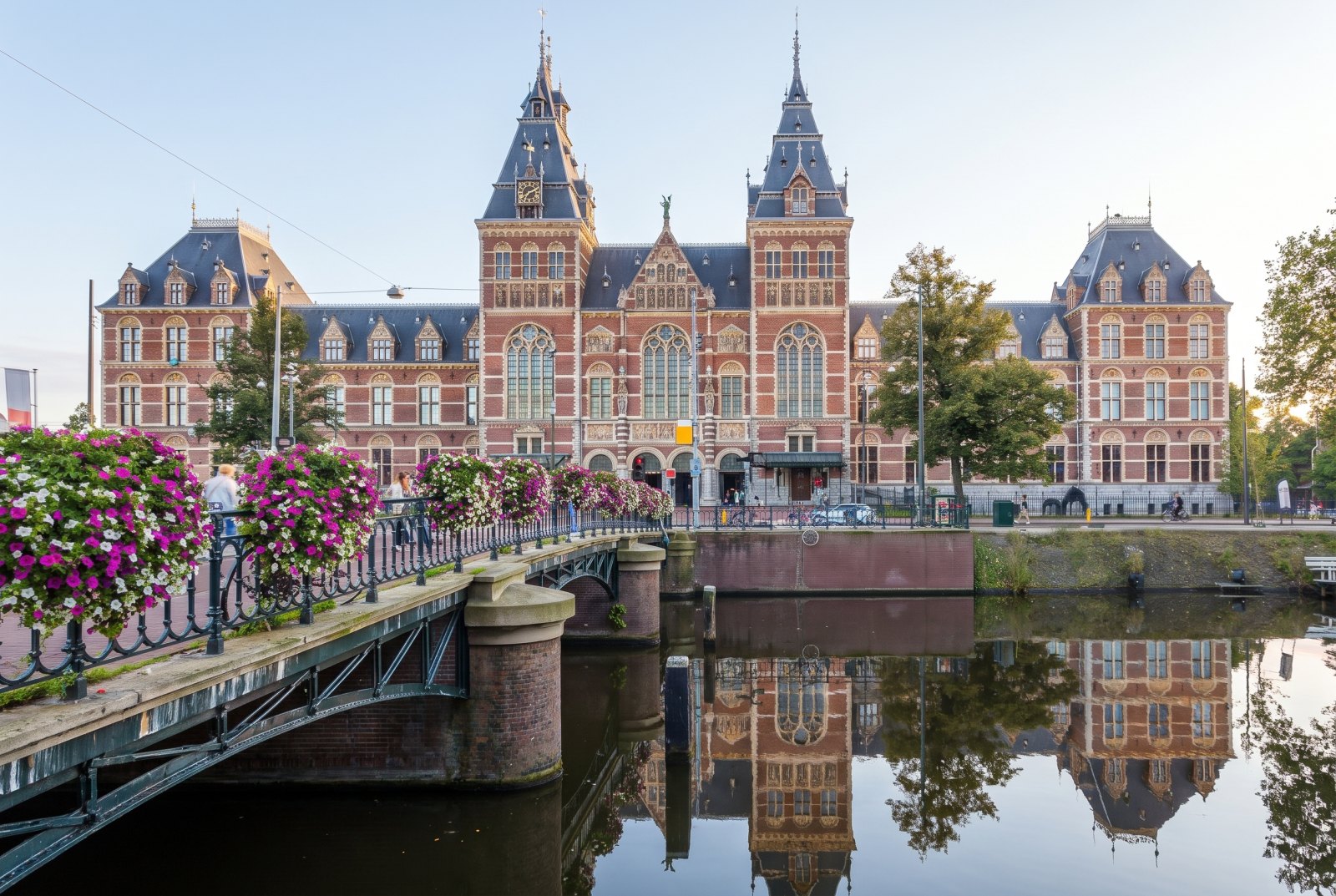
Rijksmuseum
The national museum: Rembrandt's Night Watch, Vermeer's Milkmaid and 800 years of Dutch history.
Tours and quests that pass here
These walks have a stop a few minutes from Leidseplein. Free, on your phone, start any time.
 CITY QUEST
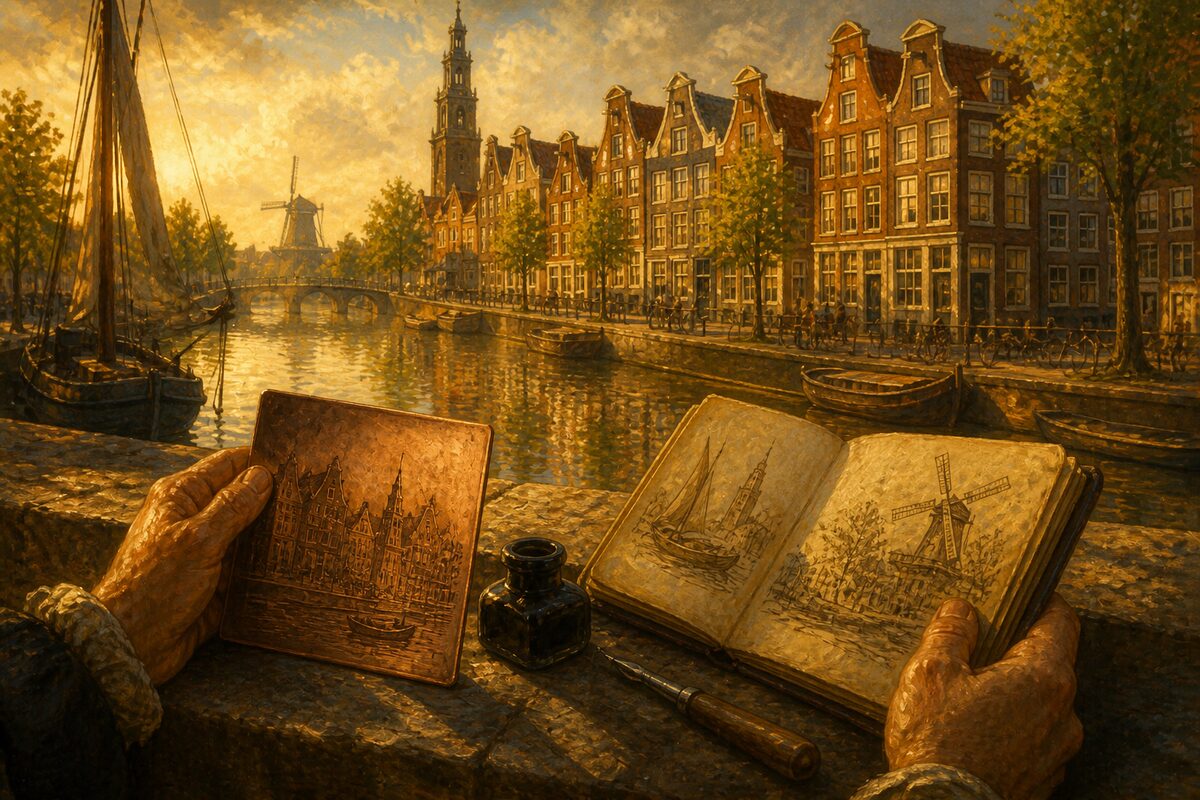
Rembrandt's Missing Panel
Count steps, columns and a missing piece of skyline. Rembrandt's city, looking closely.
 AUDIO TOUR
Van Gogh's Amsterdam
The years before the fame: a failed bookshop clerk walking these same streets. Ends at the museum door.
 AUDIO TOUR
In Rembrandt's Footsteps
From the biggest house on the street to bankruptcy and an unmarked grave. His Amsterdam, in the order he lived it.