
MUSEUM
Anne Frank House
The secret annex where Anne Frank wrote her diary, kept as it was. Tickets sell out weeks ahead.
Why it is worth the walk
This is the house where Anne Frank hid with her family and four other people for two years and one month, and where the diary she kept became known around the world. The hiding place at the back of the building is preserved. You walk through the narrow rooms where eight people lived in secret.
There is not much to look at, and that is part of what stays with you. The space is small and the passages are tight. You understand the hiding place by moving through it.
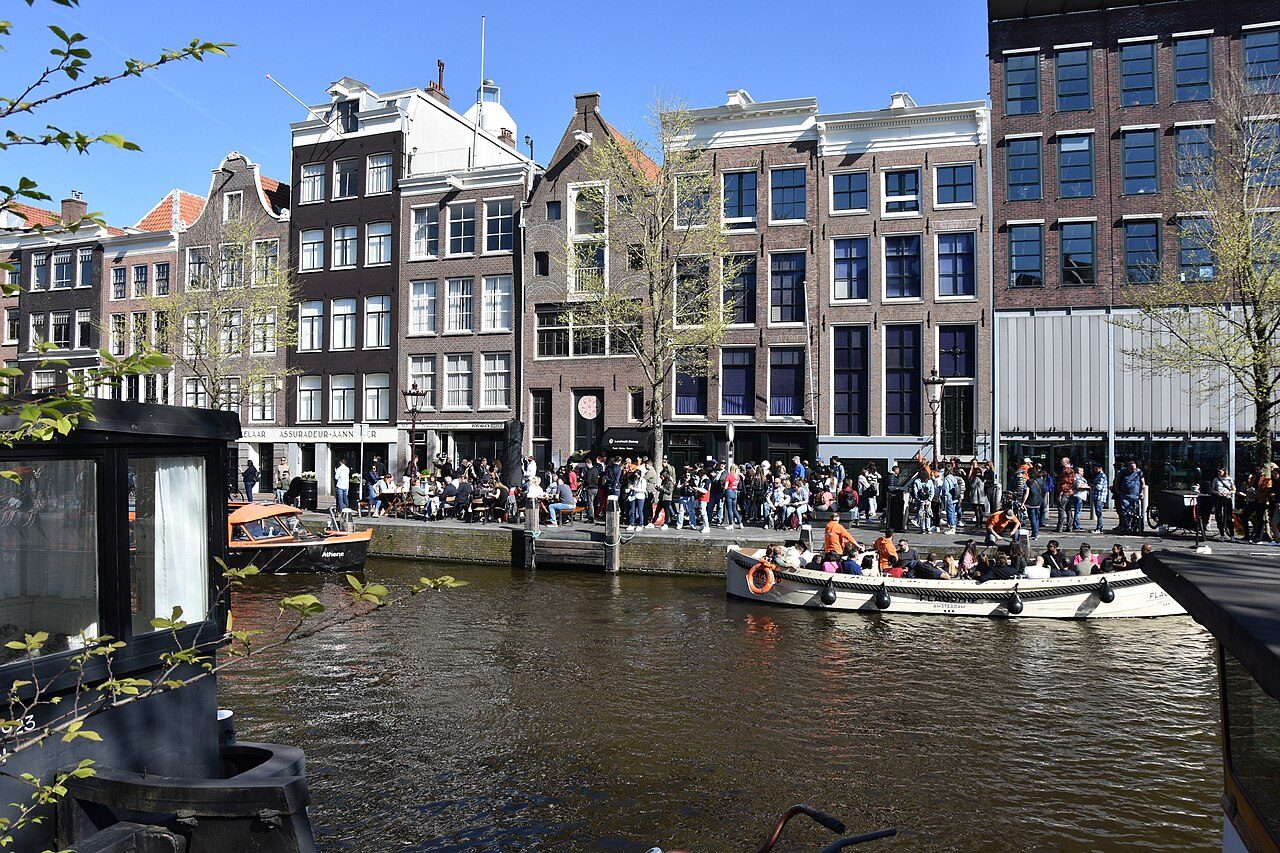
More than a million people come every year. In 2017 it was 1.27 million, which made this the third most visited museum in the Netherlands. The entrance is in a modern building on the corner of Prinsengracht and Westermarkt, built so the old rooms could be kept as they are.
The story
The canal house at Prinsengracht 263 was built in 1635 by Dirk van Delft. The canal-side front dates from a renovation in 1740. Over the years it was a home, a warehouse where horses were stabled, and a workshop for household appliances and piano rolls.
On 1 December 1940 Otto Frank moved the offices of his spice and gelling companies, Opekta and Pectacon, here from the Singel. His staff worked in the front of the house. Behind it stood the rear building, the Achterhuis, or Secret Annex. Houses on all four sides hid it from view. The rooms where the group lived added up to about 42 square metres.
Otto, his wife Edith and their daughters Margot and Anne hid here with four other people. Then they were raided and arrested, and deported. Only Otto survived.
The hiding place was emptied afterwards. Two of the helpers, Miep Gies and Bep Voskuijl, went back in against police orders and saved books and papers, including Anne's. Otto came back to Amsterdam in June 1945 and was given them. He published the diary in Dutch in 1947 as Het Achterhuis, the title Anne had picked for a book she hoped to write.
What to look for
Start in the front house. This is where the office staff worked, and where Miep Gies sat in the front office. Downstairs the wide, stable-like doors tell you what the building was before the war.
Then comes the moment you cross into the annex. A hinged bookcase hid the way in. Notice how close the walls and neighbouring houses are, and how little light the courtyard side gives.
In the rooms, look at what is missing. The furniture and belongings were taken away after the arrests, so the space is bare. It asks you to picture eight people sharing it, quietly, all day.
Elsewhere in the museum, look for the Academy Award Shelley Winters won for playing Petronella van Daan in the 1959 film. She gave it to the museum, and it sits in a glass case.
The house itself nearly disappeared. In 1955 a clothing company that owned the row planned to pull it down. A newspaper campaign began on 23 November 1955, and a protest on the day of demolition helped stop it. Otto Frank led the Anne Frank Foundation, founded in 1957. The company donated the building, and the museum opened on 3 May 1960.
Before you go
- Getting there: it stands on the Prinsengracht, next to the Westerkerk, about ten minutes on foot from Dam Square.
- The entrance is in the modern building on the corner with Westermarkt, not at the old canal-front door.
- It is a ticketed museum. Check the official website, annefrank.org, before you set out to see how to get in.
- The website also has a virtual tour, which is a good way to prepare for what you will see.
- Passages and stairs are narrow and steep. Wear comfortable shoes and bring only a small bag.
- Leave some time afterwards for the Westerkerk or a slow walk along the canal.
What people say
Related spots
More things to do in Amsterdam ›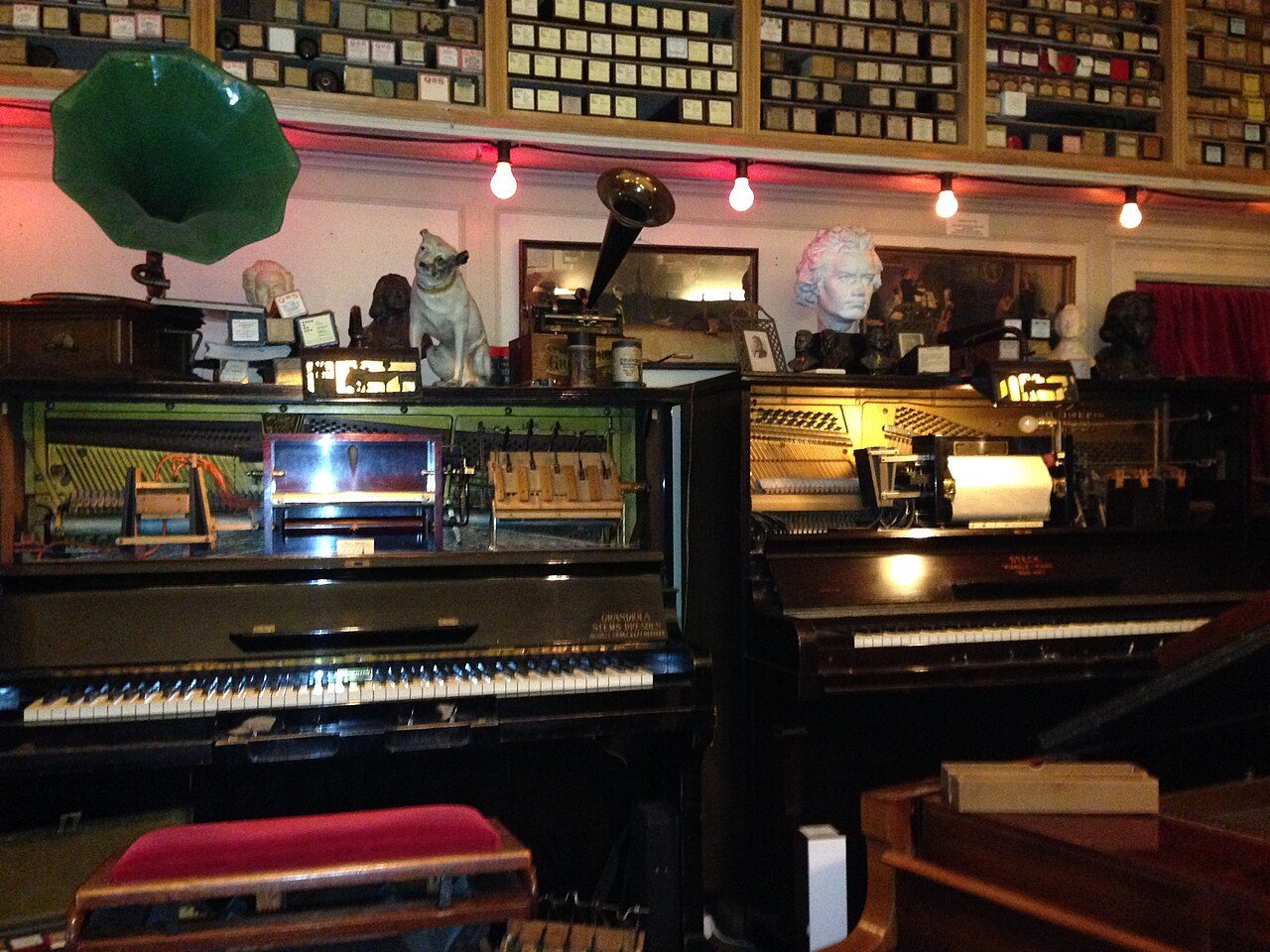 TINY MUSEUM
Pianola Museum
A small museum in the Jordaan full of pianos that play themselves. Every opening afternoon a guide sets the instruments going, so you hear the 1920s instead of only looking at them.
 MUSEUM
Madame Tussauds Amsterdam
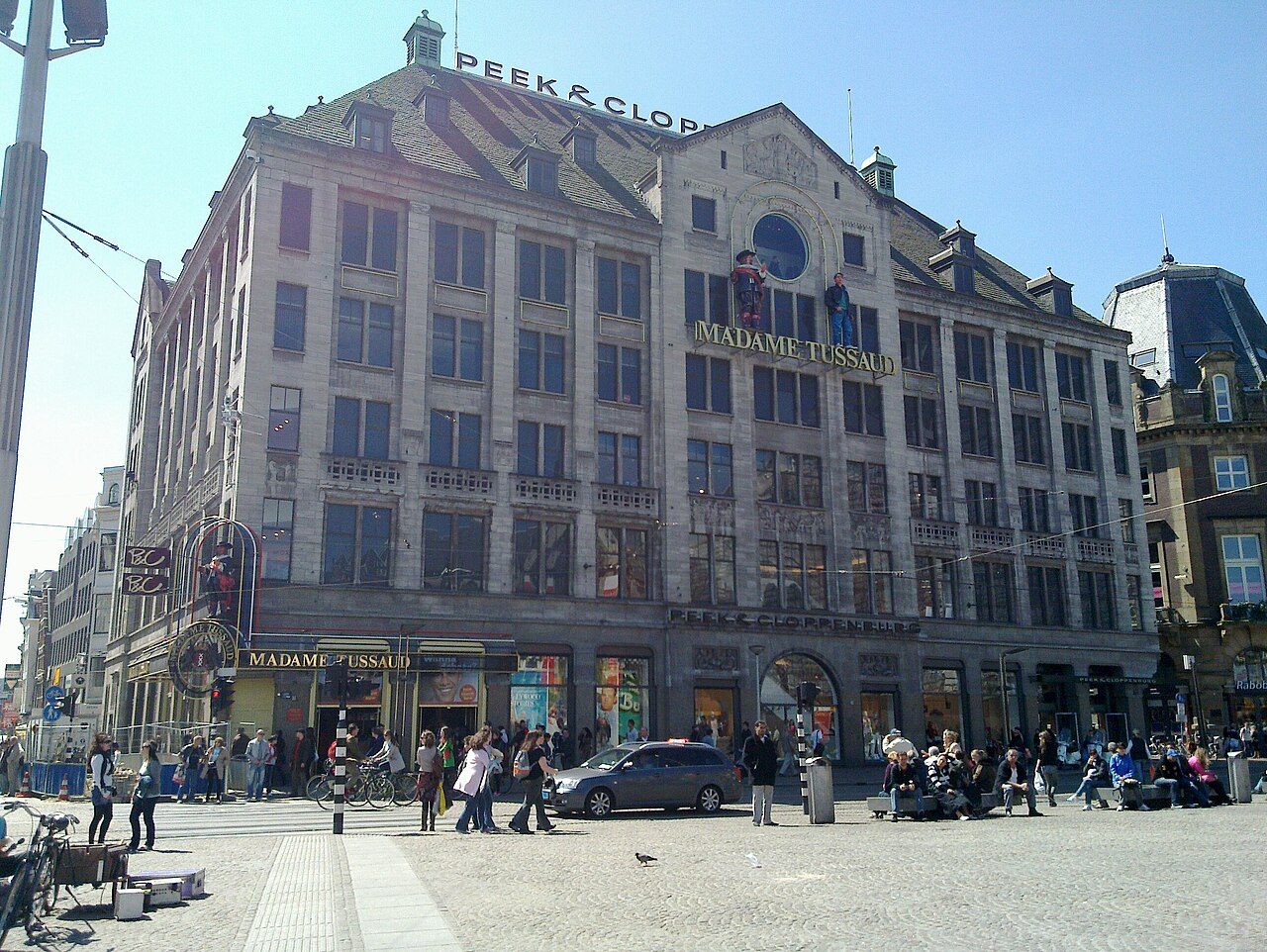
Wax figures of Dutch and world celebrities on Dam Square.
 CHURCH
Westerkerk
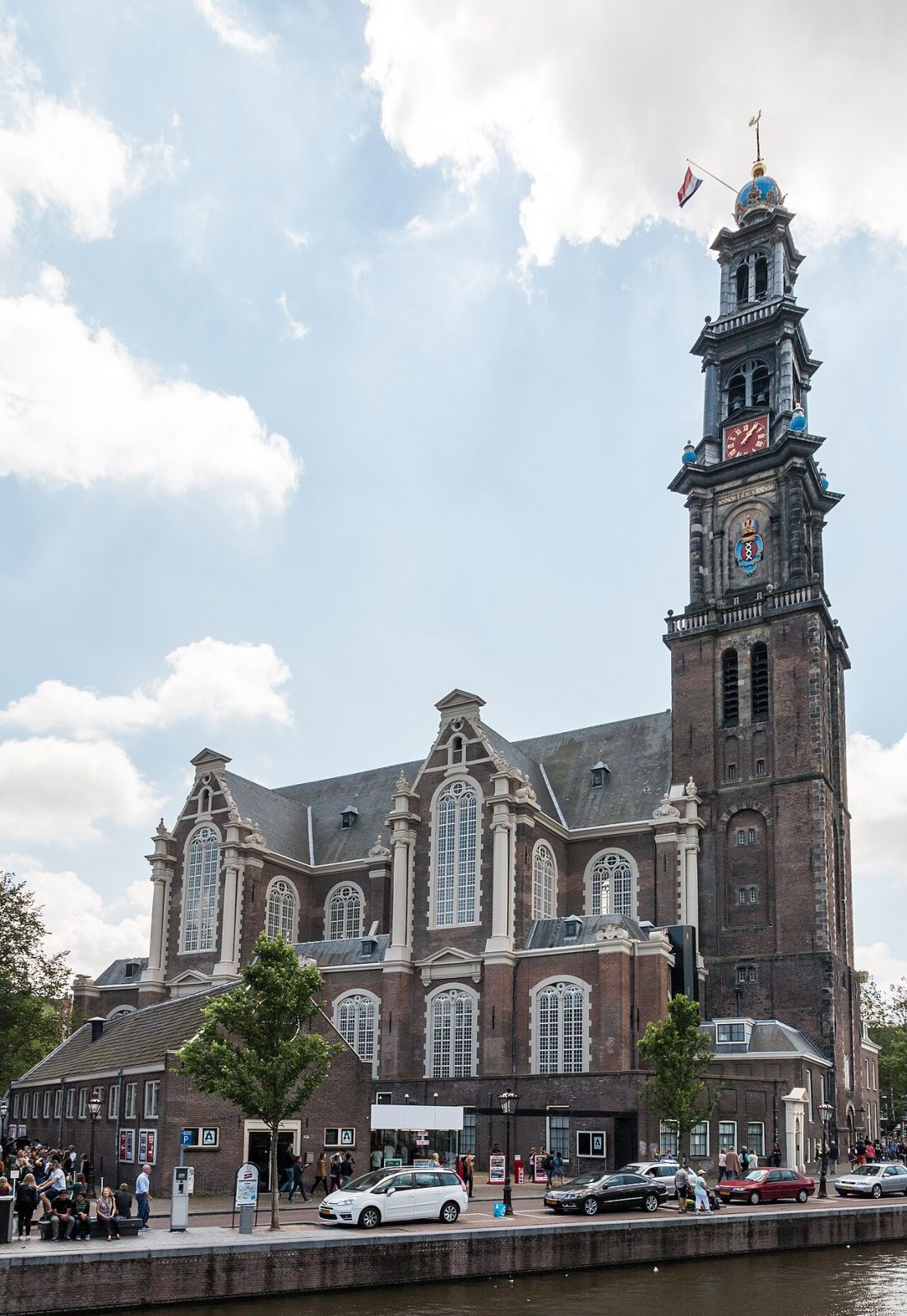
The church under Amsterdam's tallest tower, where Rembrandt was buried in a grave nobody can find. Anne Frank could hear its bells from her hiding place a few doors away.
 MUSEUM
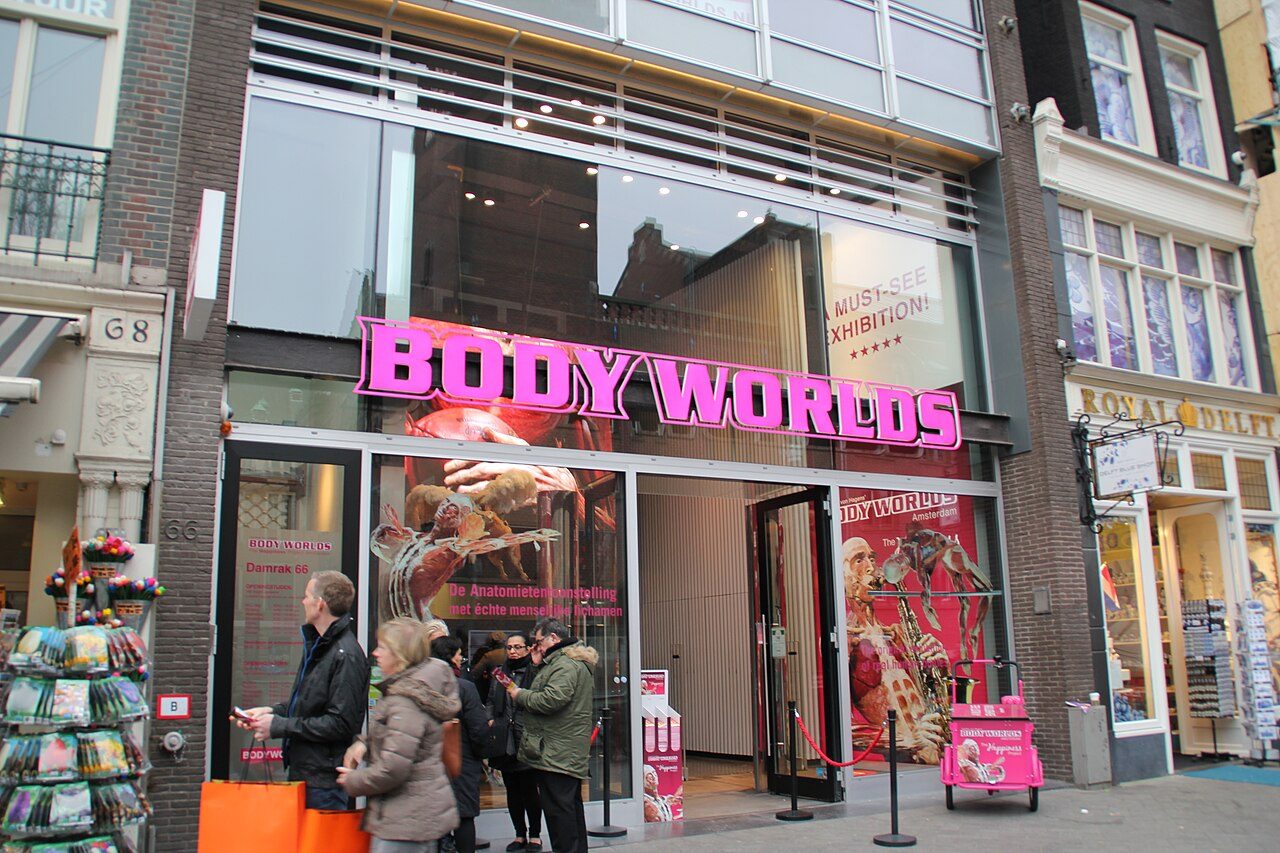
Body Worlds Amsterdam
Real plastinated human bodies, showing how happiness affects health.
 MUSEUM
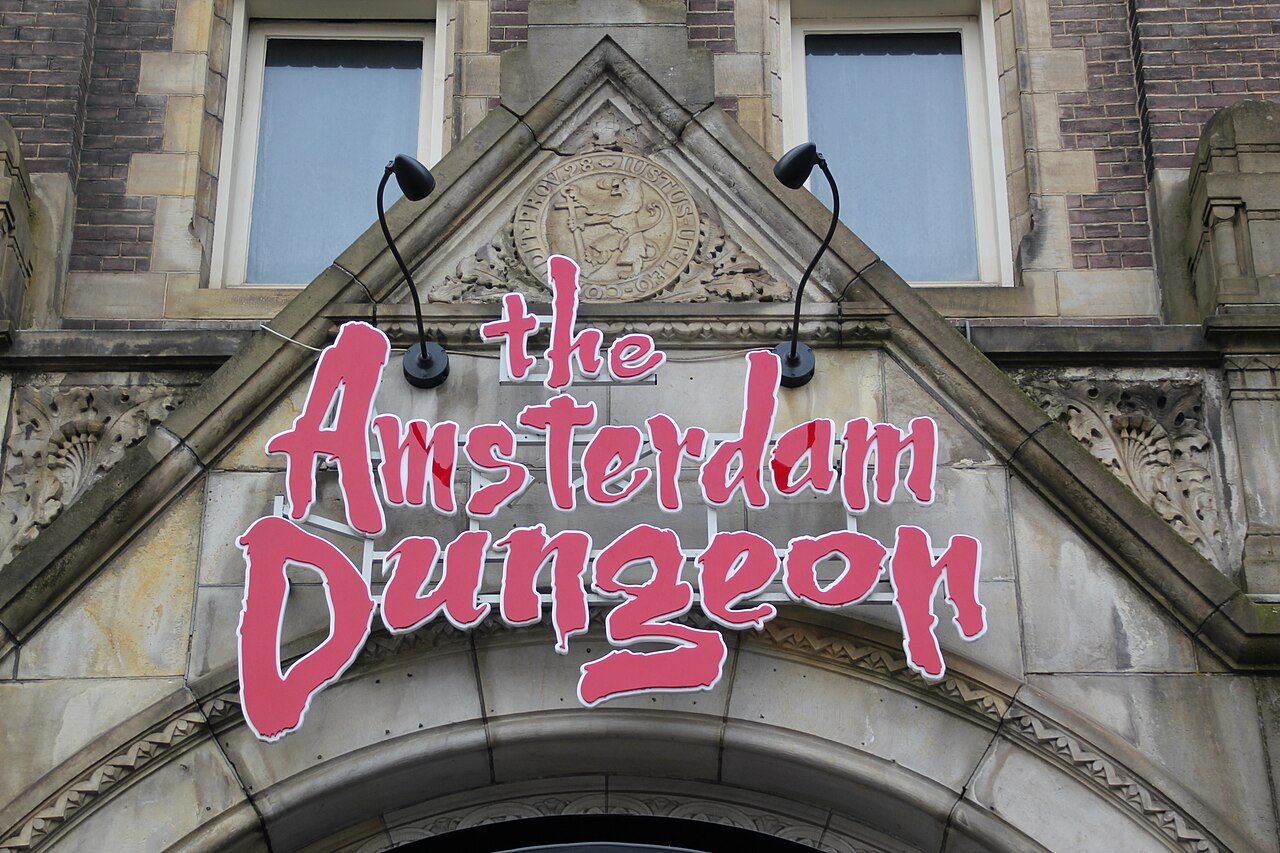
The Amsterdam Dungeon
Five hundred years of the city's dark history, played by actors.
 HIDDEN COURTYARD
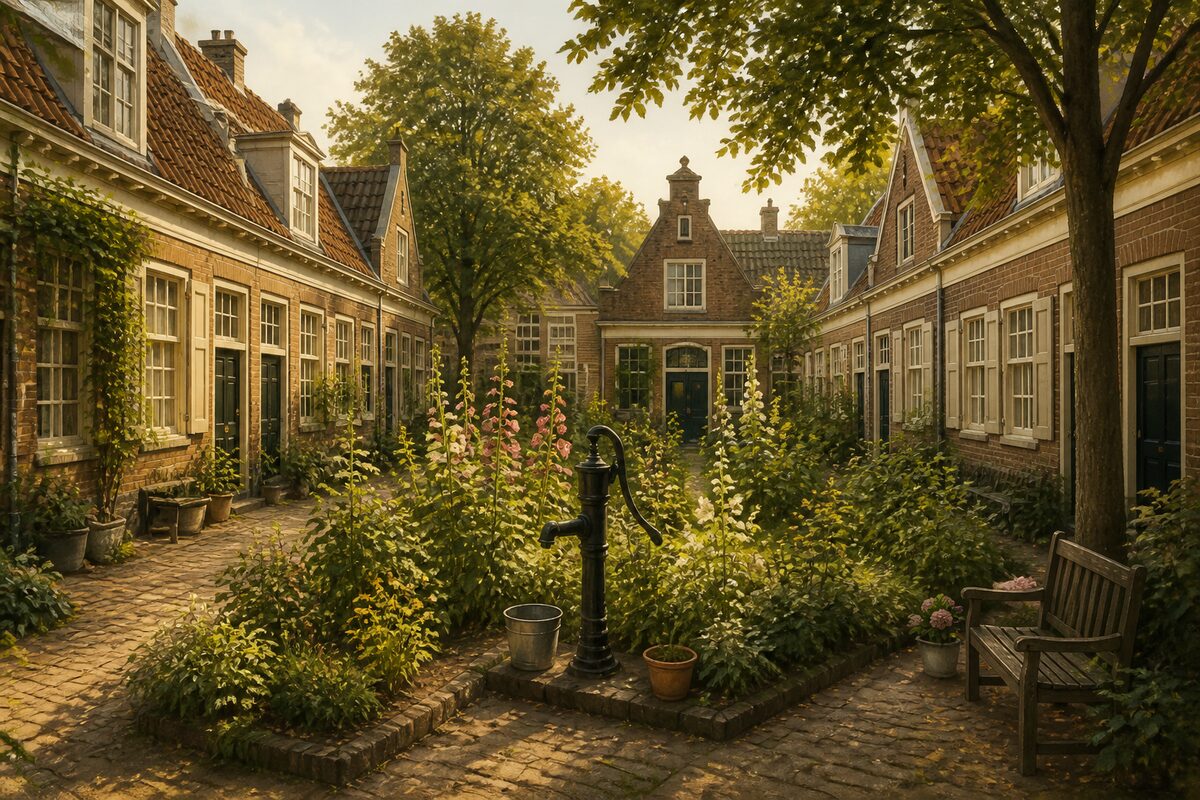
Sint-Andrieshofje
Behind a plain door on the Egelantiersgracht, a passage lined with blue Delft tiles leads into one of Amsterdam's oldest almshouse courtyards. Only the Begijnhof is older.
Tours and quests that pass here
These walks have a stop a few minutes from Anne Frank House. Free, on your phone, start any time.
 CITY QUEST
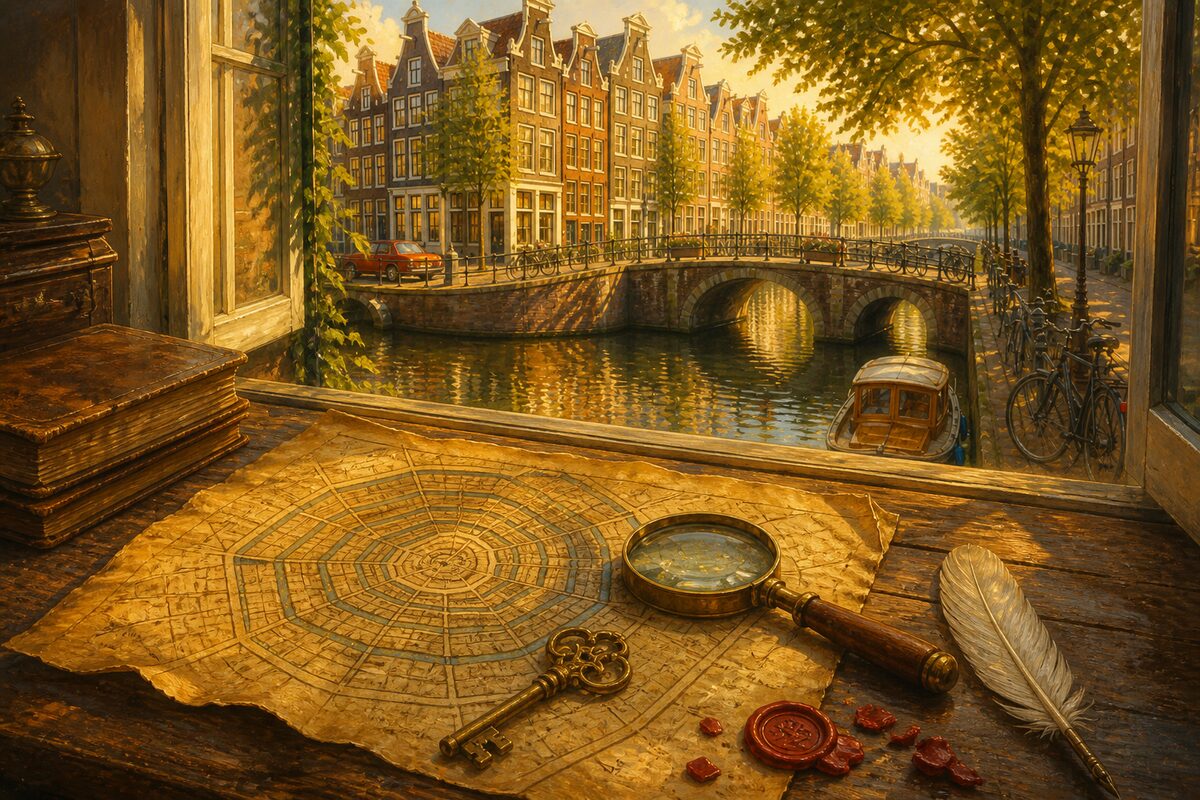
The Canal Cipher
A coded will, seven places, seven words. Walk the canal ring and read what the merchant hid.
 AUDIO TOUR
Amsterdam Ghost Tour
Plague pits, public executions and the canal that swallowed people. The city's grim side, told without the cheap scares.
 AUDIO TOUR
In Rembrandt's Footsteps
From the biggest house on the street to bankruptcy and an unmarked grave. His Amsterdam, in the order he lived it.