
TINY MUSEUM
Pianola Museum
A small museum in the Jordaan full of pianos that play themselves. Every opening afternoon a guide sets the instruments going, so you hear the 1920s instead of only looking at them.
A piano that plays itself
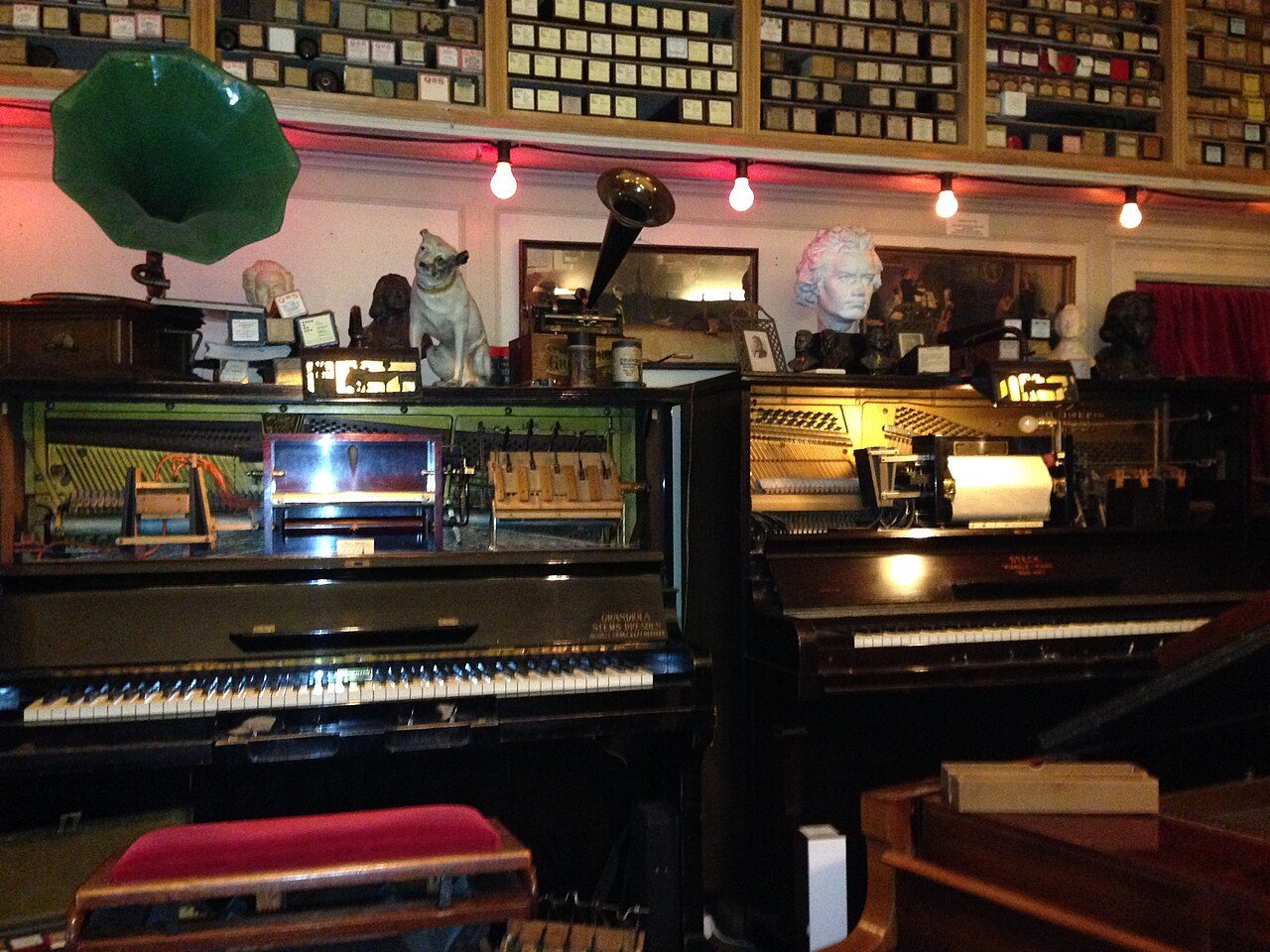
The Pianola Museum is a small museum on the Westerstraat, in the Jordaan, and the main thing it shows is sound. A pianola is a piano with a mechanism inside that reads a perforated paper roll. Felt-covered fingers press the keys, and the player works the pedals to drive the air. Instruments like this were built between about 1900 and 1935. Here you hear them working, on a guided tour that explains the history and how the machines run.
The museum owns more than a hundred instruments. Around fifteen stand out on display: pianolas and so-called reproducing pianos. The archive holds more than 35,000 music rolls, from classical music and ragtime to operetta, marches and dance tunes. It counts among the largest collections in the world.
A trade town and a police station
At the start of the twentieth century Amsterdam was an important centre of the pianola trade. Well-known dealers were Duwaer en Naessens, Goldschmeding, Bender and Kettner. Most buyers were private households, but the instruments also went to many places of entertainment around the city.
The museum grew from a foundation set up in 1981 by Theo de Boer and Kasper Janse. They opened the museum in 1994 on the ground floor of a former police station from 1905, at Westerstraat 106. Since 2017 it has worked closely with the Geelvinck Muziek Museum.
The story of the pianola runs alongside that of silent film. The museum has shown old film footage for years, and the music in those evenings often comes from the instruments themselves. Concerts also take place here, with classical piano, jazz and tango, and the pianola often plays a part.
What to look for
Watch the roll. As the paper unwinds, the holes pass over the mechanism and the keys move on their own. It is odd to see a empty stool and hear a full piece of music.
Listen for the difference between a plain pianola and a reproducing piano. On a plain pianola the person at the pedals shapes the expression. The reproducing pianos were made to capture the touch of the pianists of the day, so their rolls still play the way those pianists did, a century later. Ask your guide to show you the difference side by side.
Outside, look at the building too. It still has the look of the police station it was in 1905.
Before you go
- Find it at Westerstraat 106, in the Jordaan, a few minutes on foot from the Westerkerk and the Noorderkerk.
- Join the guided tour. That is where the instruments play and the explanations make sense.
- Ask to hear a plain pianola and a reproducing piano one after the other. The difference is easy to hear.
- Look at the building from the street first. It was a police station in 1905.
- Wear comfortable shoes. The best way to get here is to walk through the Jordaan from the canals.
Opening hours and prices can change. Check the official website before you go. Official website
What people say
Related spots
More things to do in Amsterdam ›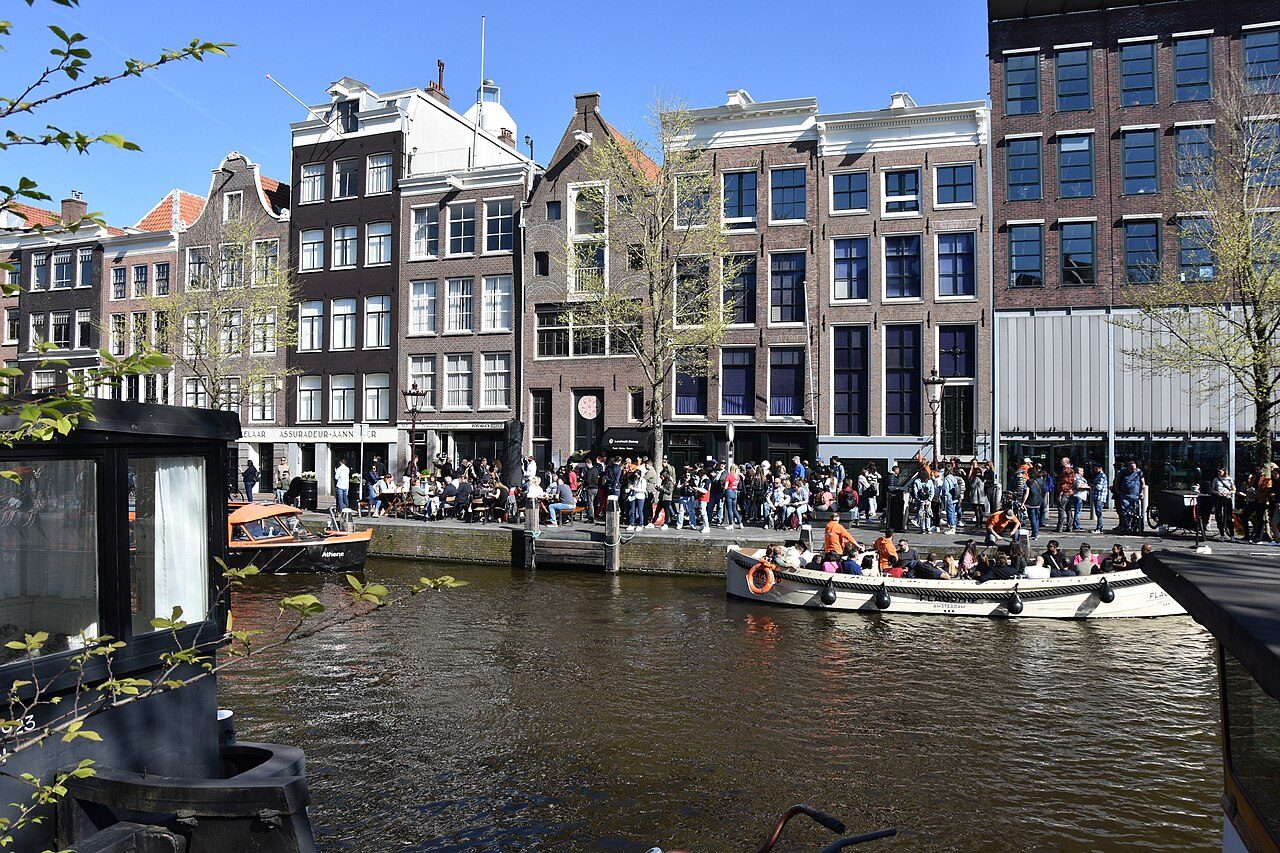 MUSEUM
Anne Frank House
The secret annex where Anne Frank wrote her diary, kept as it was. Tickets sell out weeks ahead.
 HIDDEN COURTYARD
Karthuizerhof
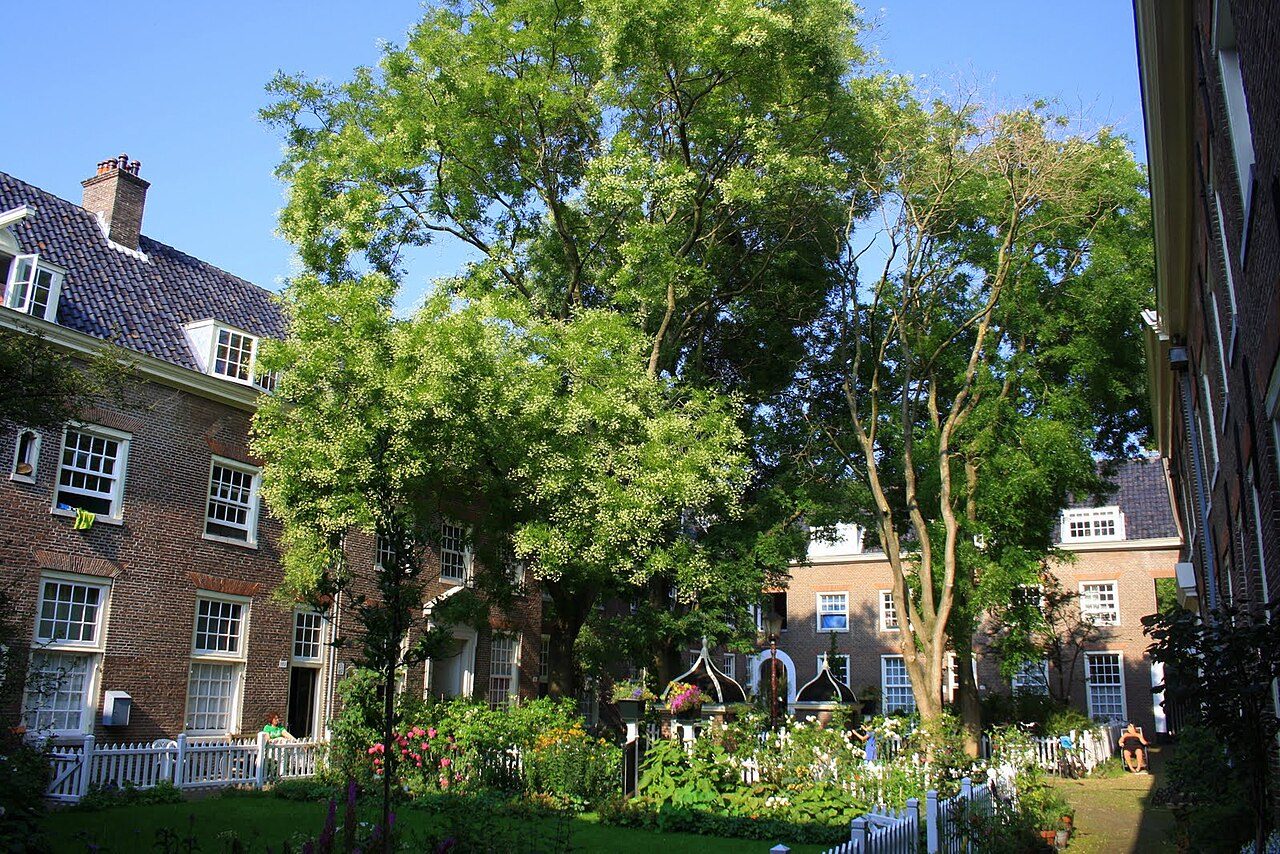
A large 17th-century almshouse courtyard in the Jordaan, built for widows on the grounds of a vanished monastery. Most people in the street outside never notice the gate.
 MUSEUM
Body Worlds Amsterdam
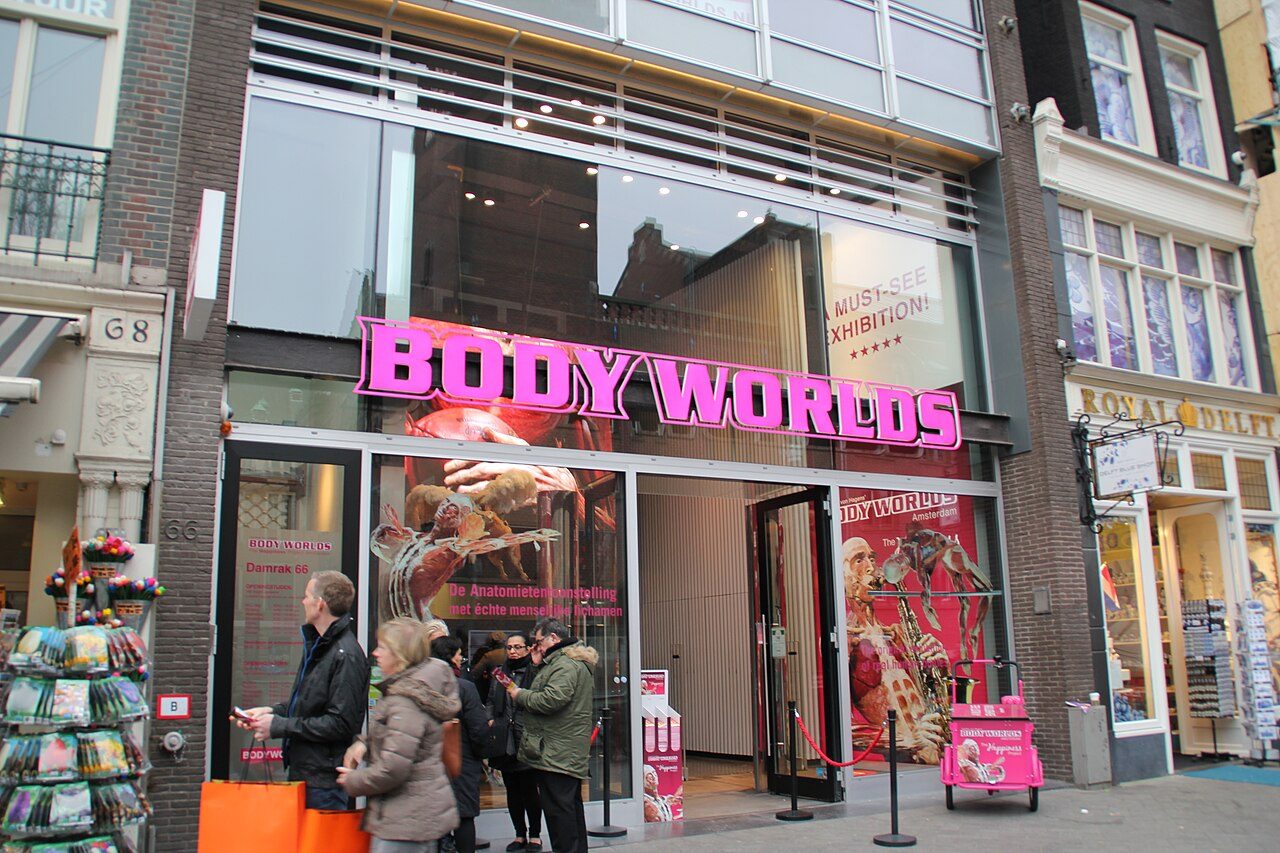
Real plastinated human bodies, showing how happiness affects health.
 MUSEUM
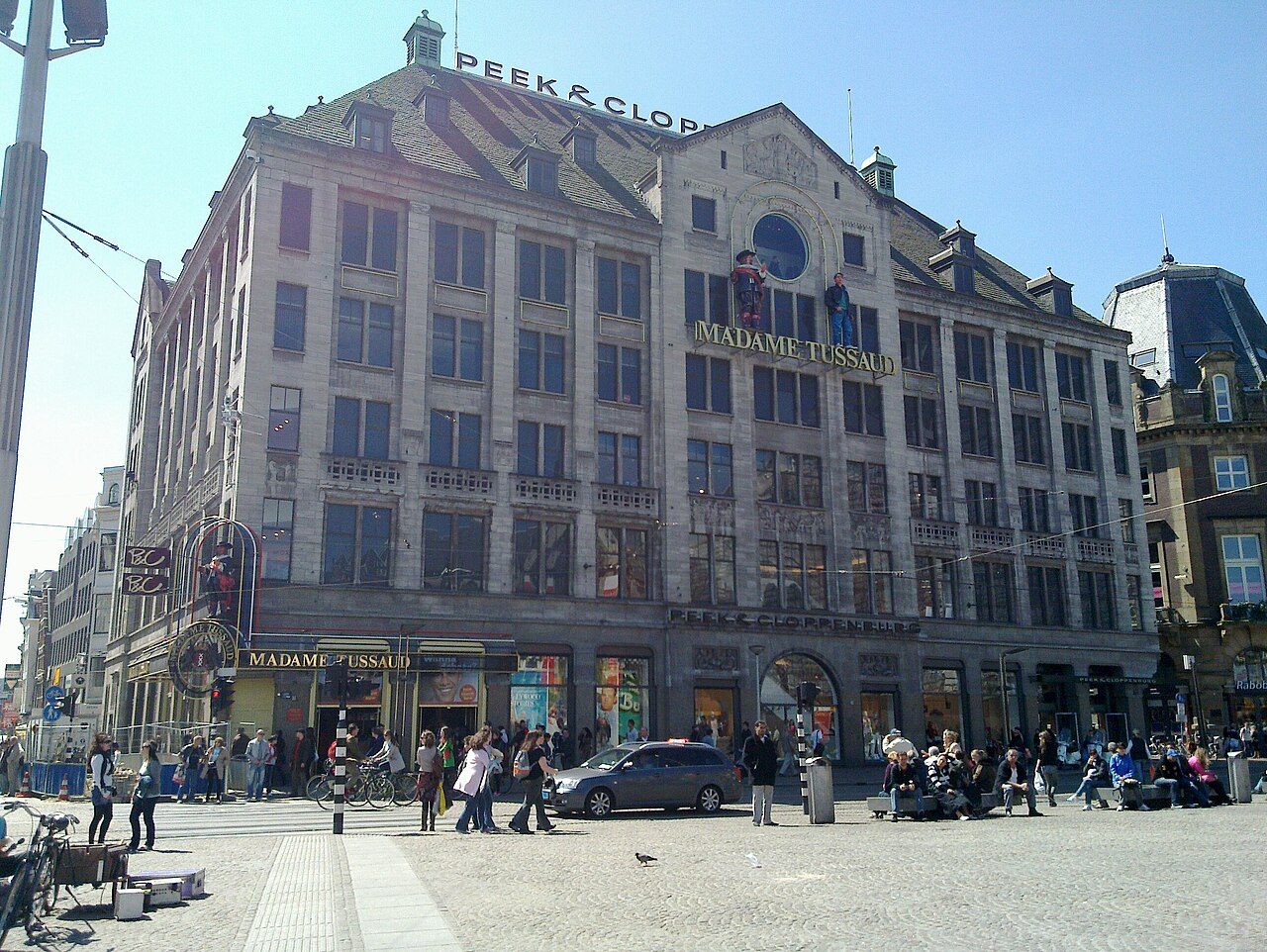
Madame Tussauds Amsterdam
Wax figures of Dutch and world celebrities on Dam Square.
 ODD FIND
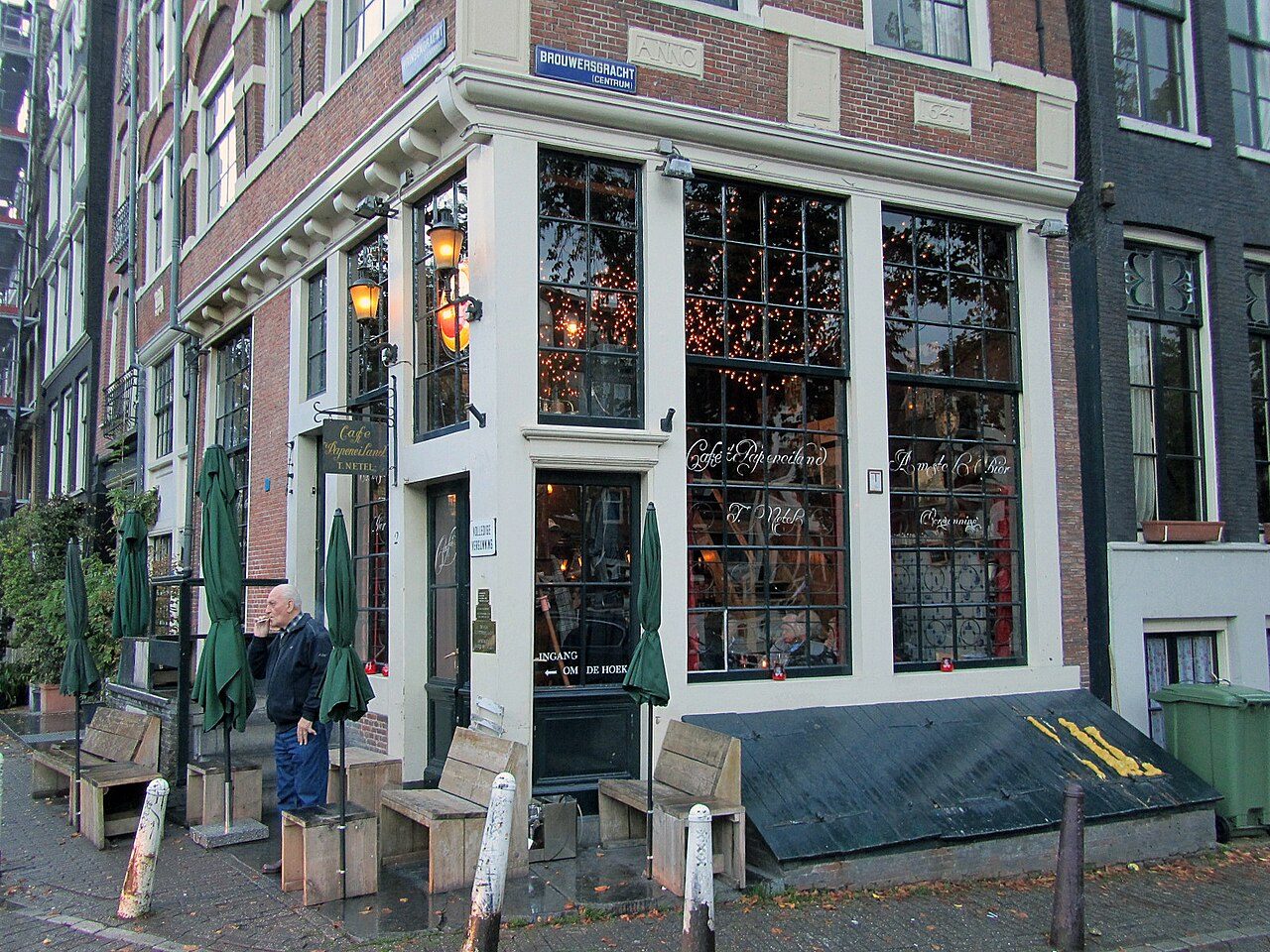
Café Papeneiland
A 1642 brown café with the legend of a secret tunnel to a hidden church across the canal.
 HIDDEN COURTYARD
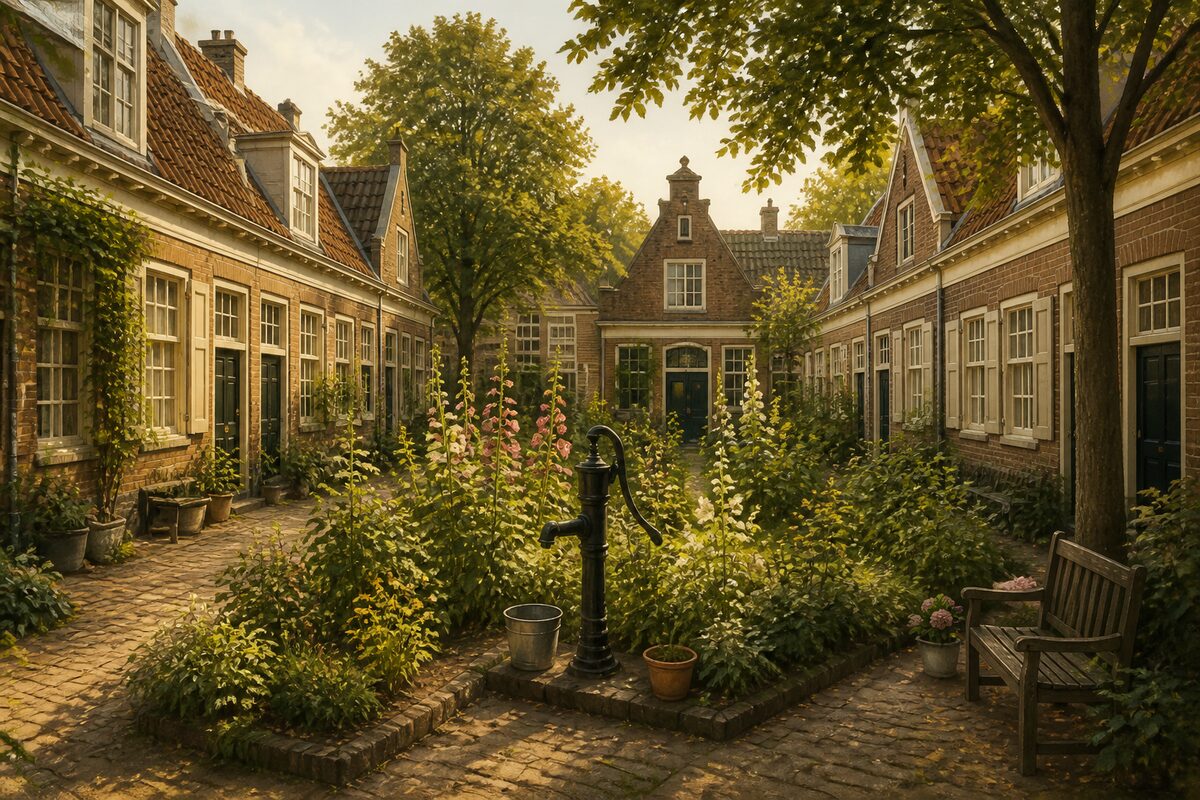
Sint-Andrieshofje
Behind a plain door on the Egelantiersgracht, a passage lined with blue Delft tiles leads into one of Amsterdam's oldest almshouse courtyards. Only the Begijnhof is older.
Tours and quests that pass here
These walks have a stop a few minutes from Pianola Museum. Free, on your phone, start any time.
 AUDIO TOUR
Amsterdam in a Day: Highlights Walk
Start here if it's your first day. Why the houses lean, how the canals were dug, and what the Golden Age was actually built on.
 AUDIO TOUR
Van Gogh's Amsterdam
The years before the fame: a failed bookshop clerk walking these same streets. Ends at the museum door.
 CITY QUEST
The Canal Cipher
A coded will, seven places, seven words. Walk the canal ring and read what the merchant hid.