
MUSEUM
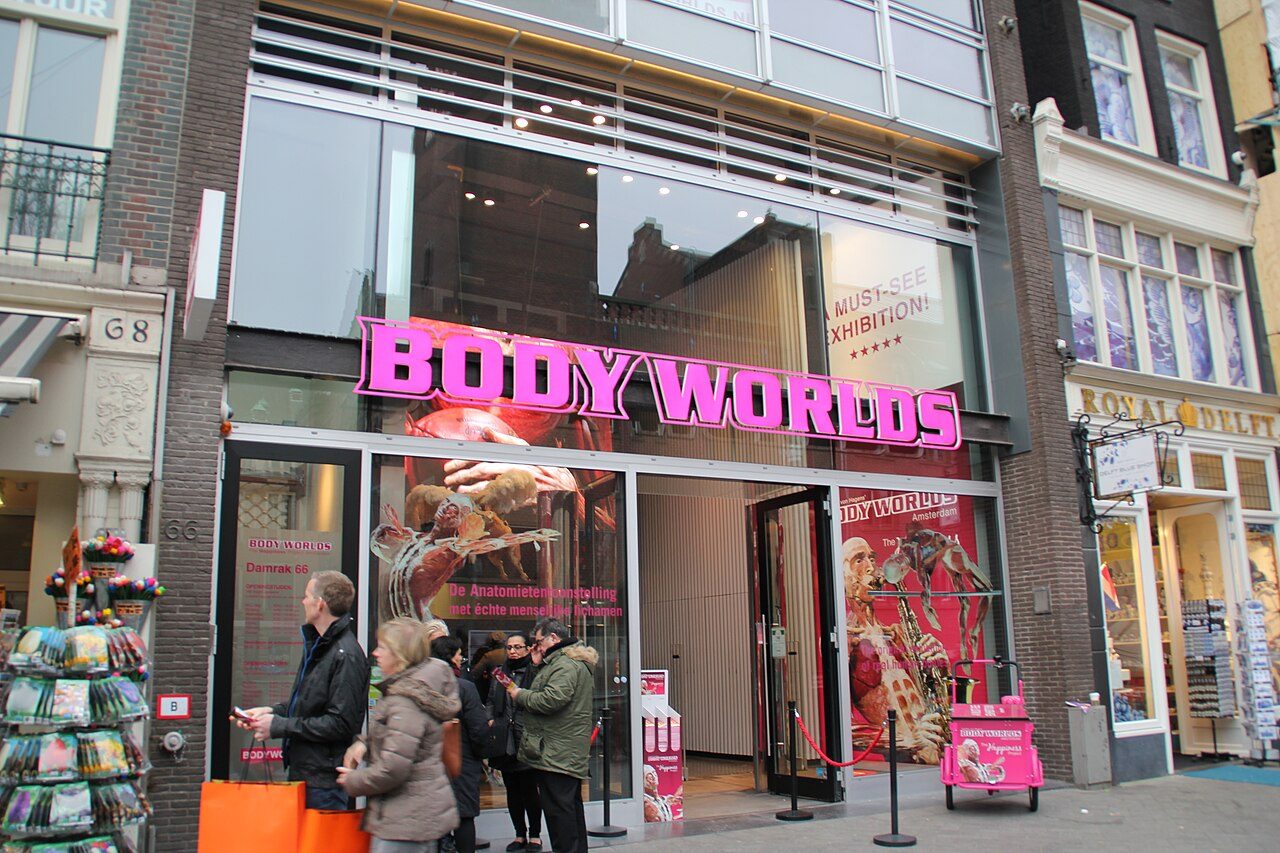
Body Worlds Amsterdam
Real plastinated human bodies, showing how happiness affects health.
Real bodies, one question
Body Worlds Amsterdam is an exhibition of real human bodies. They have been preserved through plastination and posed so you can see muscles, nerves, organs and bones as they really are. The theme here is happiness: what it does to a body, and what a body does without it.
This is not a gallery you drift through with half an eye. It is close, quiet and sometimes uncomfortable, and most people find it stays with them. If you have ever wondered what stress, sleep or a good laugh does under the skin, this is where you can see the machinery.
It is indoors, which makes it a good choice for a wet afternoon when the canals are grey.
How plastination works
The technique was developed by the German anatomist Gunther von Hagens in the late 1970s in Heidelberg. In plastination, the water and fat in the tissue are replaced with plastic. The body stops decaying, stays firm, and can be posed. That is why the figures can stand, run or lean in a way a traditional specimen never could.
The bodies come from people who chose to donate them. Keep that in mind as you walk round. These were people, and the exhibition asks you to look at them with curiosity rather than squeamishness.
What to look for
Take your time at the first figures and let your eyes adjust. Look at how the muscles run in layers, and how thin the line is between a sprinter's stance and a slumped one. Notice the hands. They show tendons and small bones most of us never think about.
When a figure is posed, ask what it is doing and why. The poses are chosen to make a point about movement, mood or health. The point is usually clearer if you stand still for a minute than if you read every label.
Some visitors find parts of it intense. There is no rush. Step to the side, breathe, and come back to it. If you are bringing children, decide in advance how long to stay.
The city outside
You are in the oldest part of Amsterdam, close to the dam on the Amstel river that gave the city its name. The dam was built between 1264 and 1275, and the settlement first appears in a document from 1275. Much older traces turn up under the old riverbed here: Bell Beaker pottery and a granite grinding stone were found beneath the Damrak and Rokin.
If that appeals, the glass cases at Rokin metro station show what was dug up when the metro line was built. It is a five-minute walk. After a visit about bodies, it is a good change to look at keys, coins and toys that the earth gave back.
Before you go
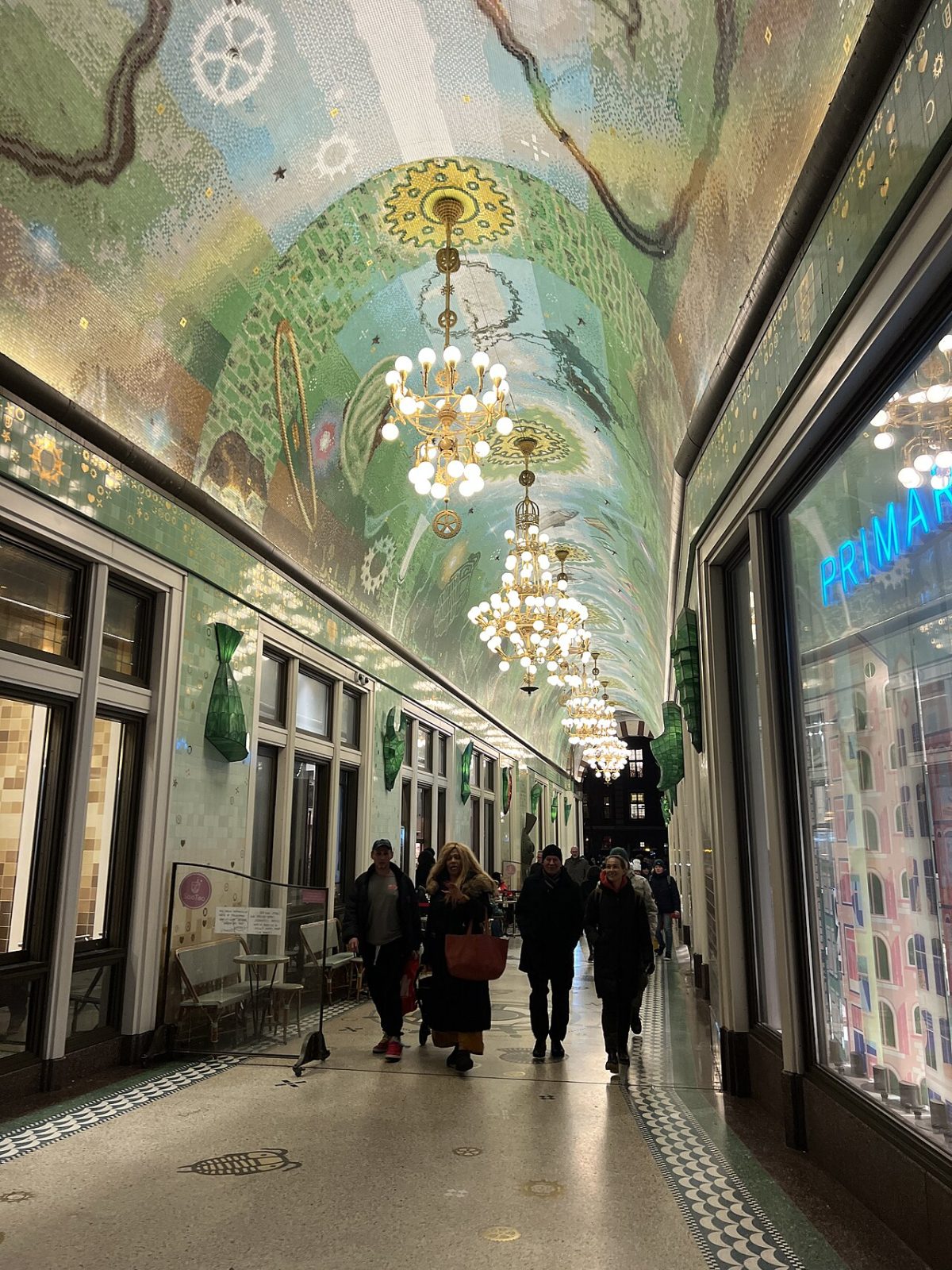
- It is in the old centre, a few minutes on foot from Dam Square, with the Beurspassage mosaics next door.
- It is indoors, so it works well on a rainy day.
- Allow about an hour and a half, and go at your own pace.
- Some of it can be confronting. Step out of the main flow if you need a pause.
- Think twice before bringing young children, or decide beforehand how long to stay.
What people say
Related spots
More things to do in Amsterdam ›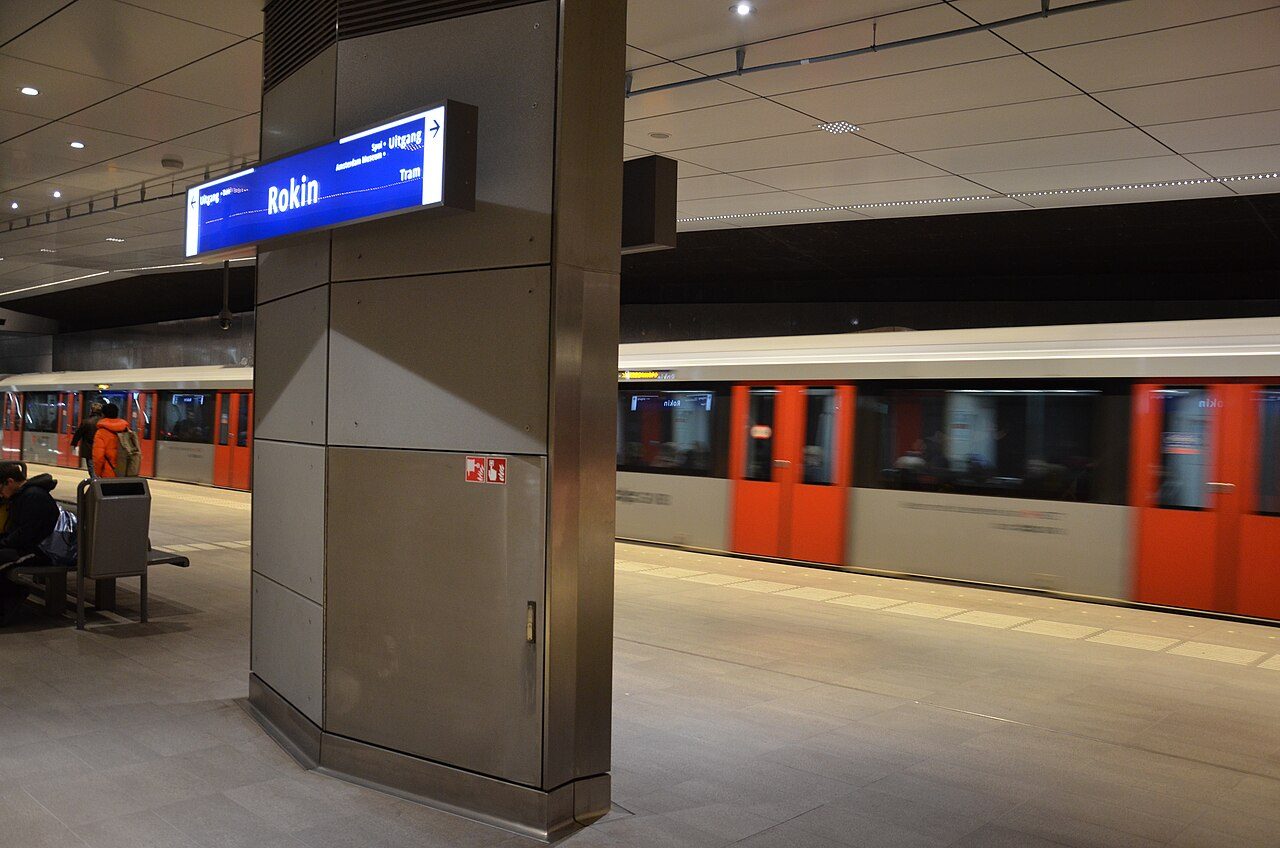 ODD FIND
Below the Surface (Rokin metro)
Display cases in Rokin metro station with finds dug up for the line: keys, coins, toys and a 17th-century trumpet.
 MUSEUM
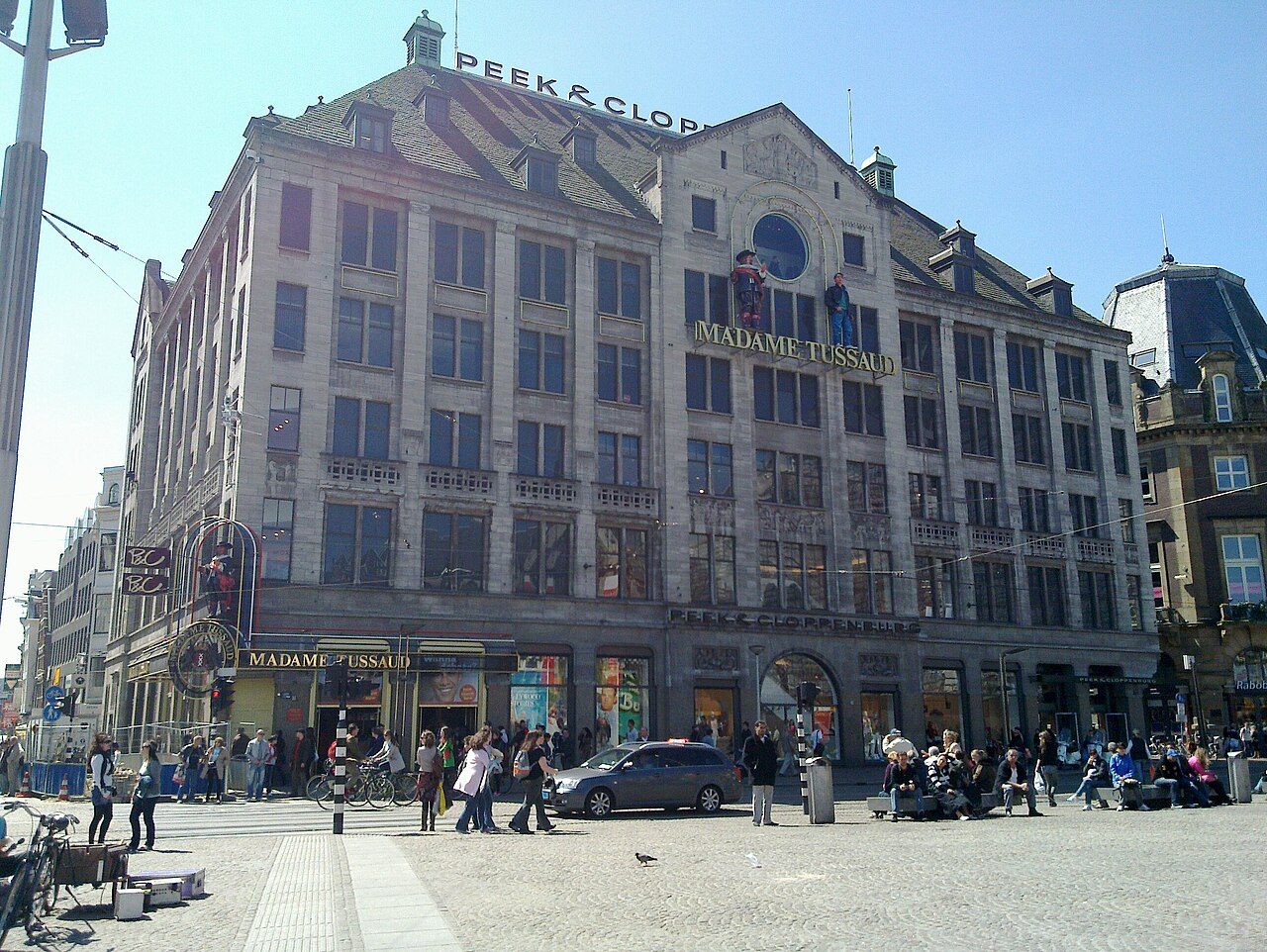
Madame Tussauds Amsterdam
Wax figures of Dutch and world celebrities on Dam Square.
 MUSEUM
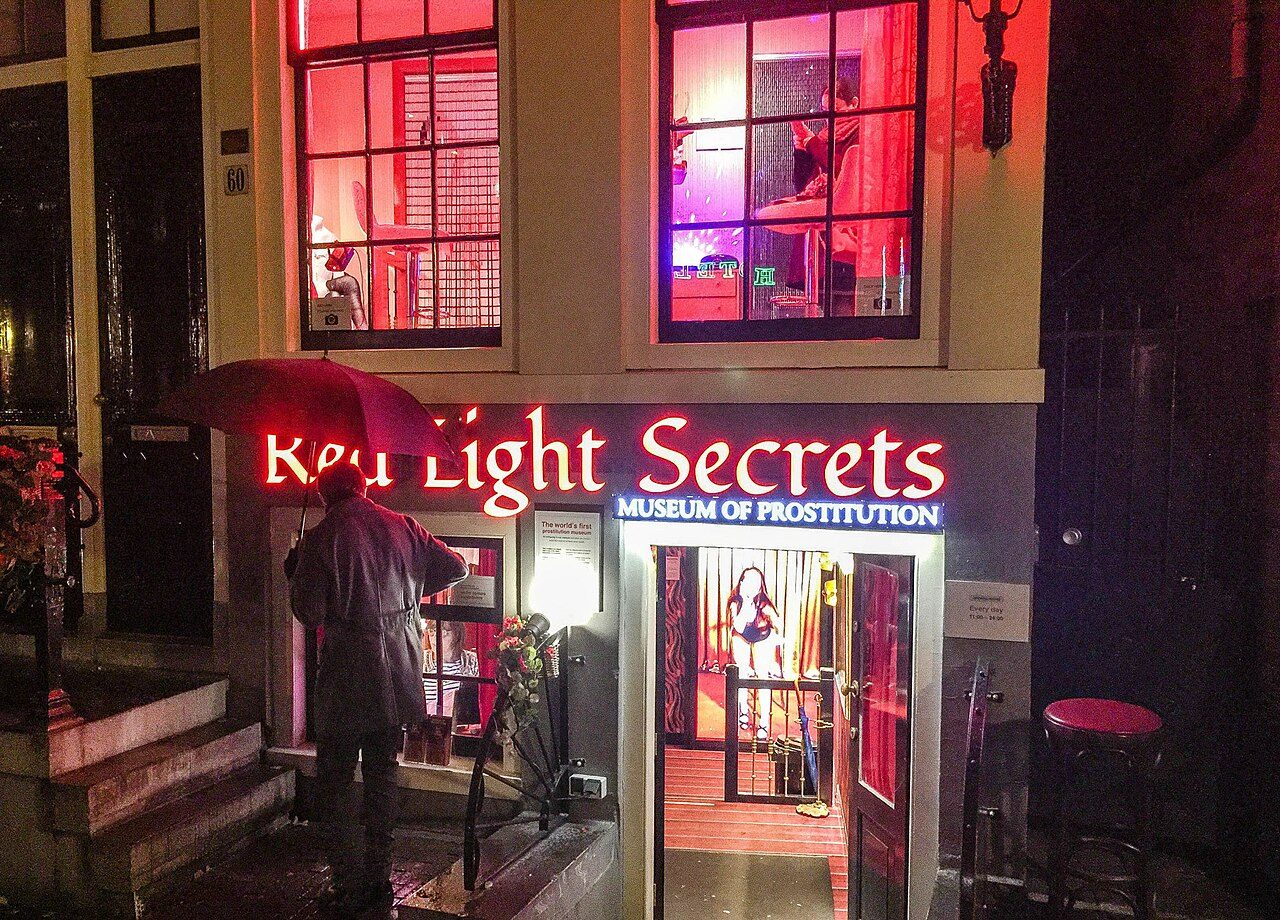
Red Light Secrets
The museum of prostitution, in a former brothel in the Red Light District.
 MUSEUM
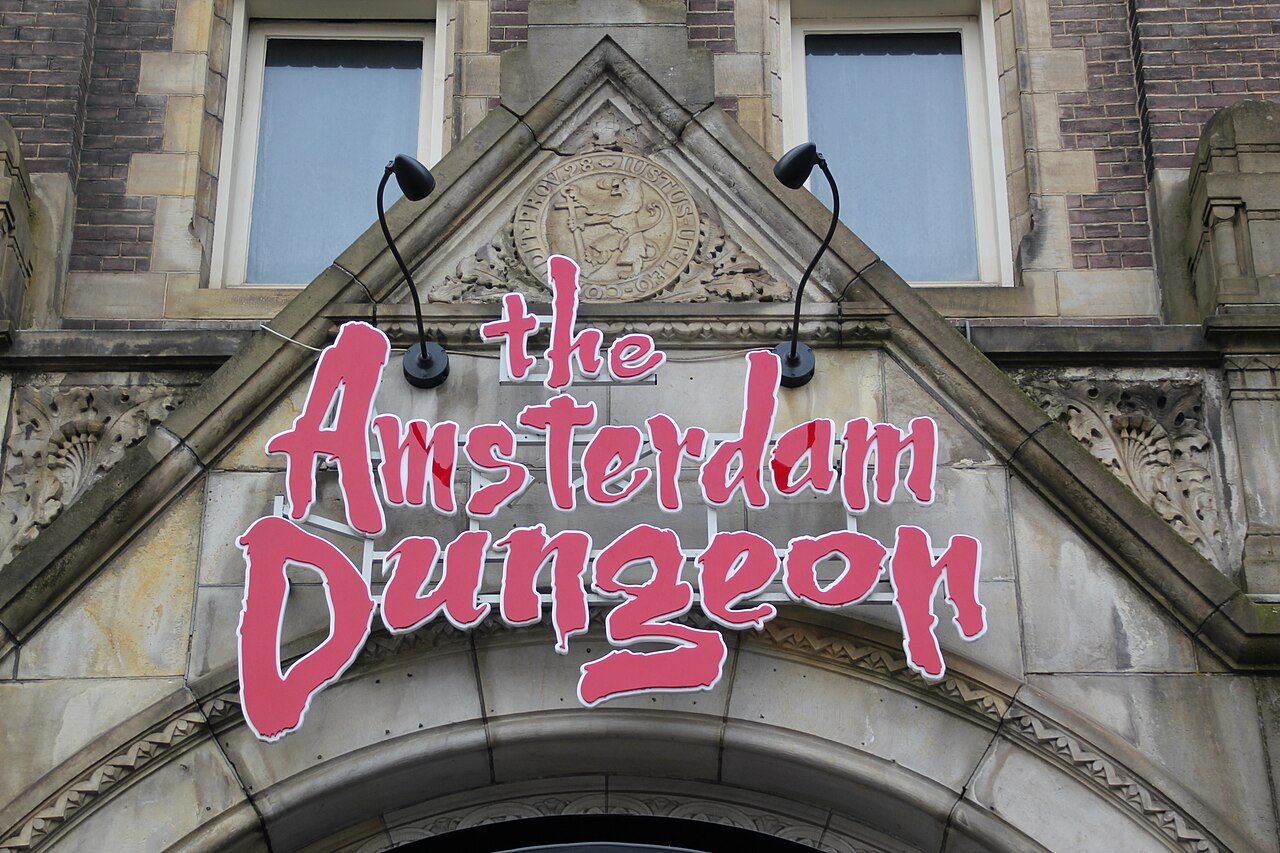
The Amsterdam Dungeon
Five hundred years of the city's dark history, played by actors.
 ODD FIND
Beurspassage mosaics
A shopping passage turned into a cathedral of mosaics, glass and chandeliers about the city's water: 'Amsterdamse Oersoep'.
 MUSEUM
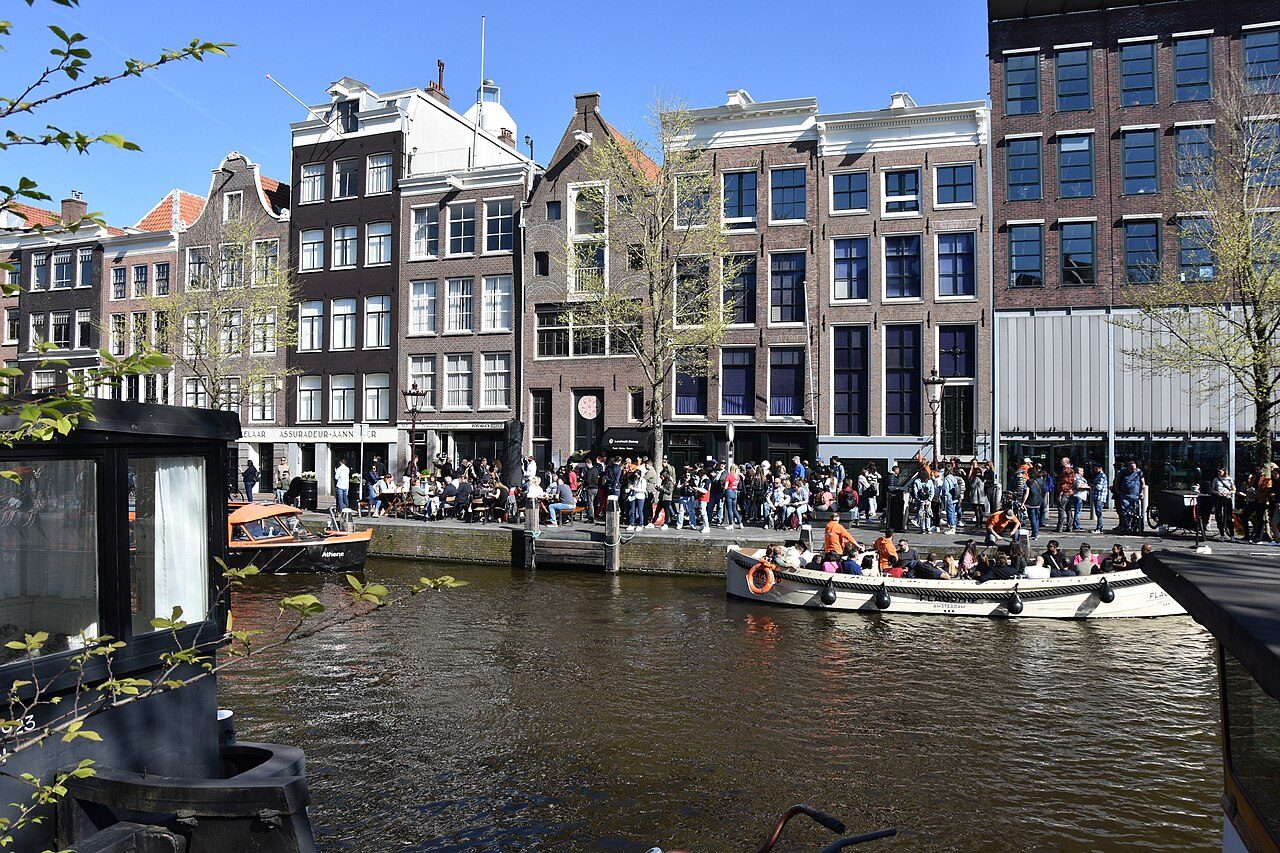
Anne Frank House
The secret annex where Anne Frank wrote her diary, kept as it was. Tickets sell out weeks ahead.
Tours and quests that pass here
These walks have a stop a few minutes from Body Worlds Amsterdam. Free, on your phone, start any time.
 AUDIO TOUR
In Rembrandt's Footsteps
From the biggest house on the street to bankruptcy and an unmarked grave. His Amsterdam, in the order he lived it.
 AUDIO TOUR
Amsterdam in a Day: Highlights Walk
Start here if it's your first day. Why the houses lean, how the canals were dug, and what the Golden Age was actually built on.
 AUDIO TOUR
Red Light District
Seven centuries of sailors, sin and stubborn tolerance. The real history of the oldest part of town, told straight.