
HIDDEN COURTYARD
Sint-Andrieshofje
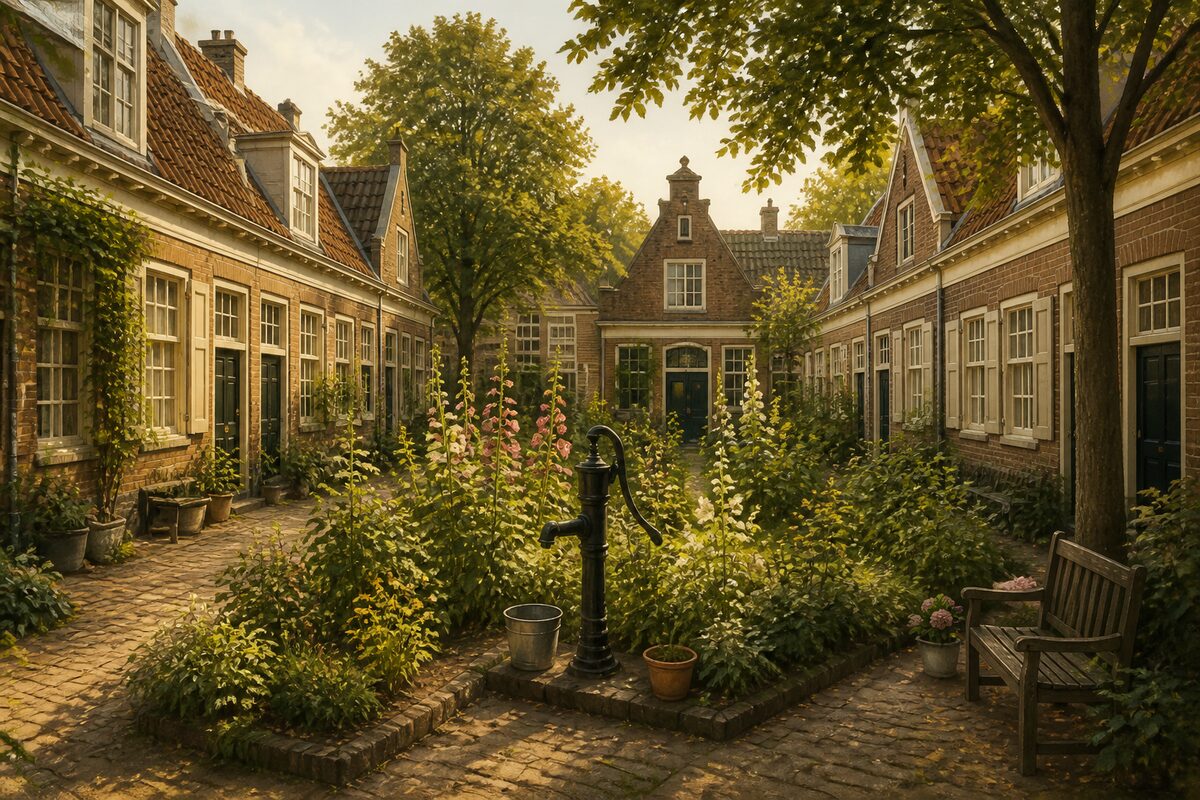
Behind a plain door on the Egelantiersgracht, a passage lined with blue Delft tiles leads into one of Amsterdam's oldest almshouse courtyards. Only the Begijnhof is older.
A plain door on the canal
From the Egelantiersgracht you see a row of ordinary front doors. One of them, with the name painted above it, leads into Sint-Andrieshofje. Step inside and the street falls away. You walk down a passage lined with blue-and-white Delft tiles and come out in a small, quiet courtyard.
It is one of the oldest almshouse courtyards in Amsterdam. Only the Begijnhof, a little over ten minutes on foot from here, is older. It is small, so you will not need long. What makes it worth the walk is how much sits behind such a modest entrance.
Built in secret, still lived in
In 1614 a cattle farmer named Ivo Gerritsz left almost his whole fortune to build homes for elderly Catholic women. His nephew, Jan Jansz Oly, gave the land. The hofje opened in 1617.
The timing mattered. Catholic institutions were forbidden in Protestant Amsterdam then, so the hofje was set up without a founding charter. It stayed in the family for most of the 17th century.
Since 1699 it has been run by the same foundation as the Begijnhof. The houses are still rented to women living alone. This is someone's home, not a display, and that is why the house rules are strict.
What to look for
Start with the tiled corridor. It is the part everyone remembers, so take a moment in it before you walk on.
At the far end you reach the garden. Look for the water pump, which dates from the 18th century. Then find the gable stone from the early 17th century. It shows Christ and carries the words "Vrede sy met U", Peace be with you. Given that the place began as a quiet Catholic refuge, the words suit it.
The rules are the same as at the Begijnhof. Whisper or stay silent. Do not photograph the windows. Keep your visit short. If visitors get too noisy, the door can be closed. The tiles and the garden are what you came for, so point your camera there.
Before you go
- The door is at Egelantiersgracht 107–145, with the name painted above it. Look for it among the ordinary front doors.
- It is usually open in the daytime from Monday to Saturday, roughly 10:00 to 17:00, and closed on Sundays. Entry is free.
- Go on a weekday morning if you can. Fewer people means a quieter courtyard for the women who live there.
- Whisper or stay silent, and do not photograph the windows. Keep your visit short.
- Wear soft shoes and leave the big bag behind. The passage is narrow and sound carries.
What people say
Related spots
More things to do in Amsterdam ›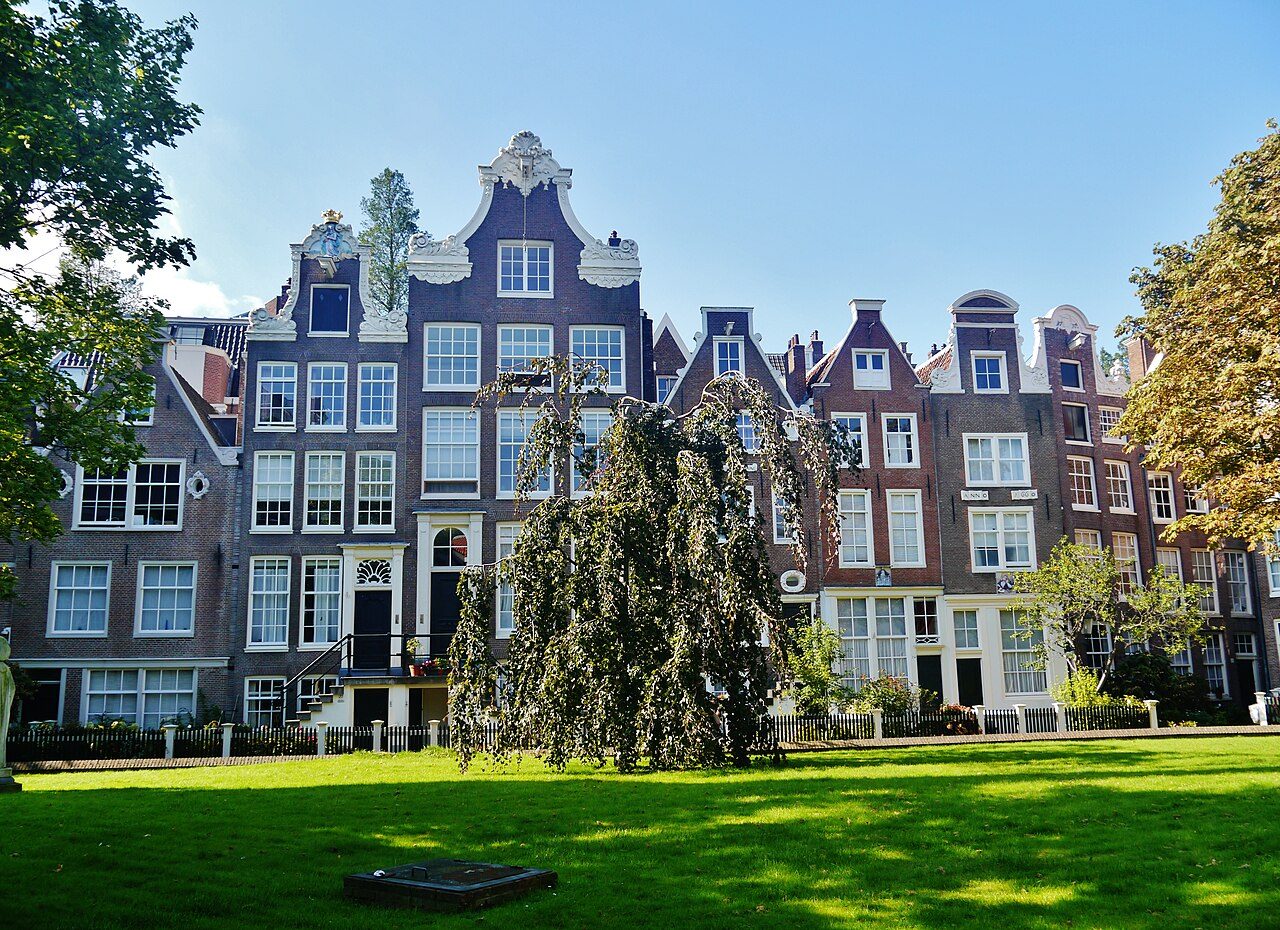 HIDDEN COURTYARD
Begijnhof
A walled medieval courtyard in the middle of the old centre, home to single women for more than 600 years. Step through the gate on the Begijnensteeg and the city noise drops away.
 ODD FIND
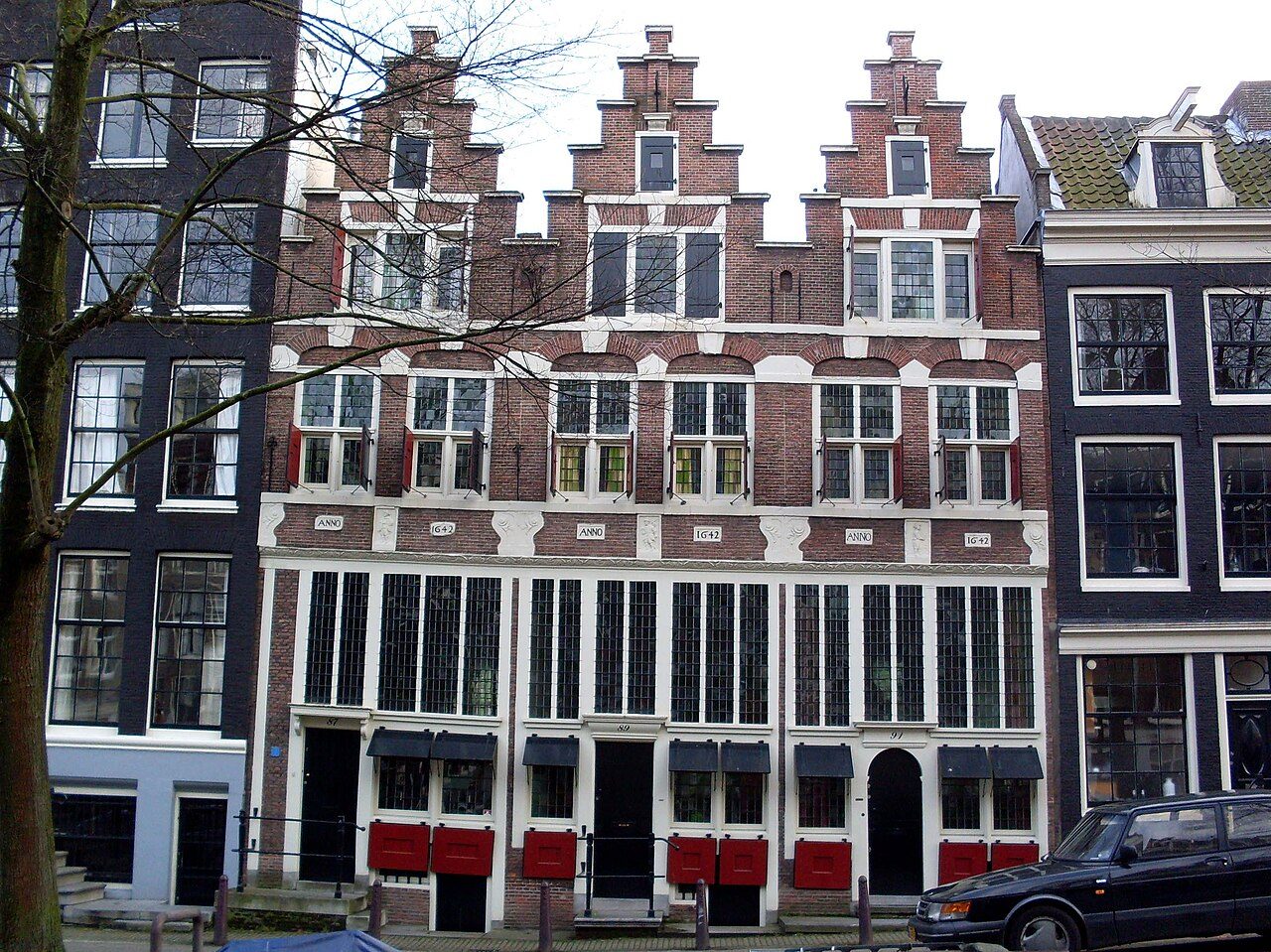
De Drie Hendricken
Three 1642 houses on the Bloemgracht with gable stones of a townsman, a farmer and a sailor.
 HIDDEN COURTYARD
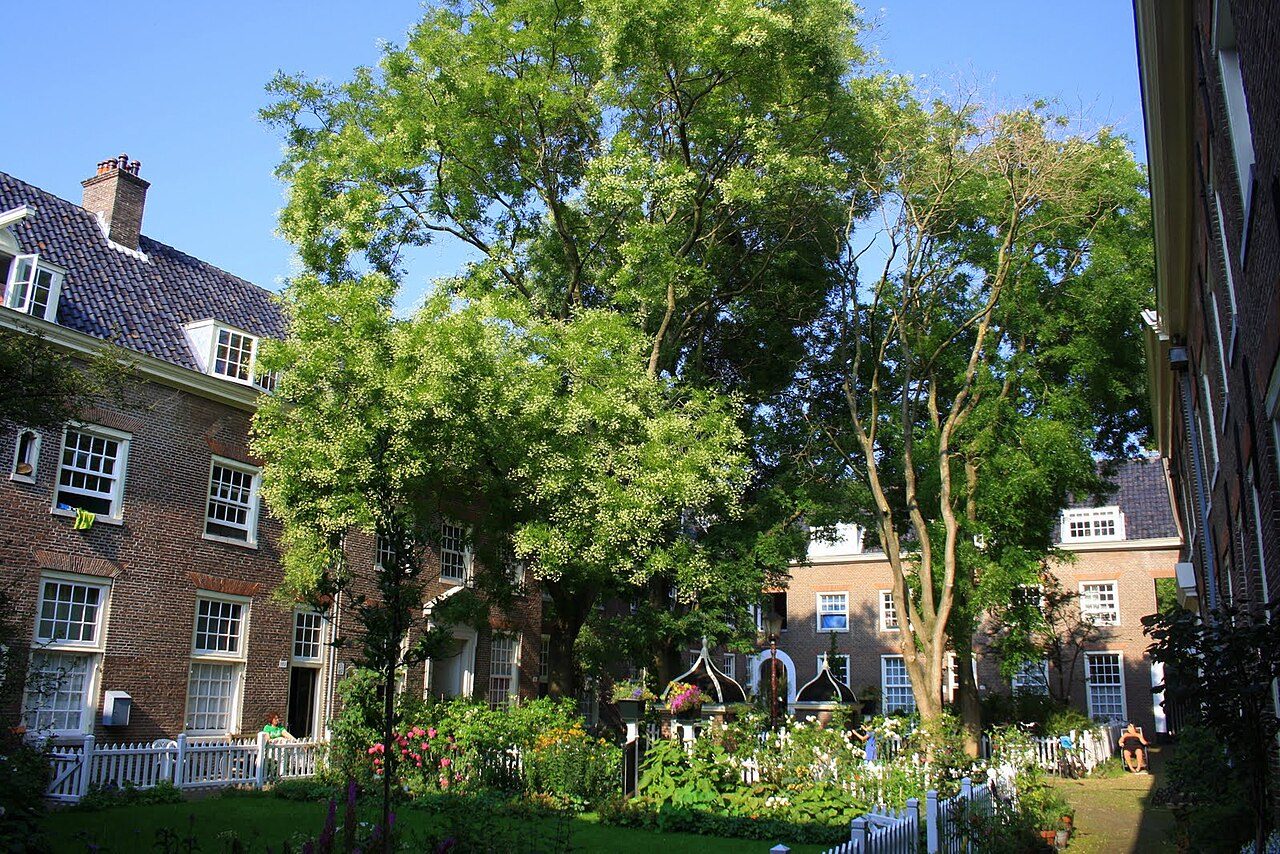
Karthuizerhof
A large 17th-century almshouse courtyard in the Jordaan, built for widows on the grounds of a vanished monastery. Most people in the street outside never notice the gate.
 ODD FIND
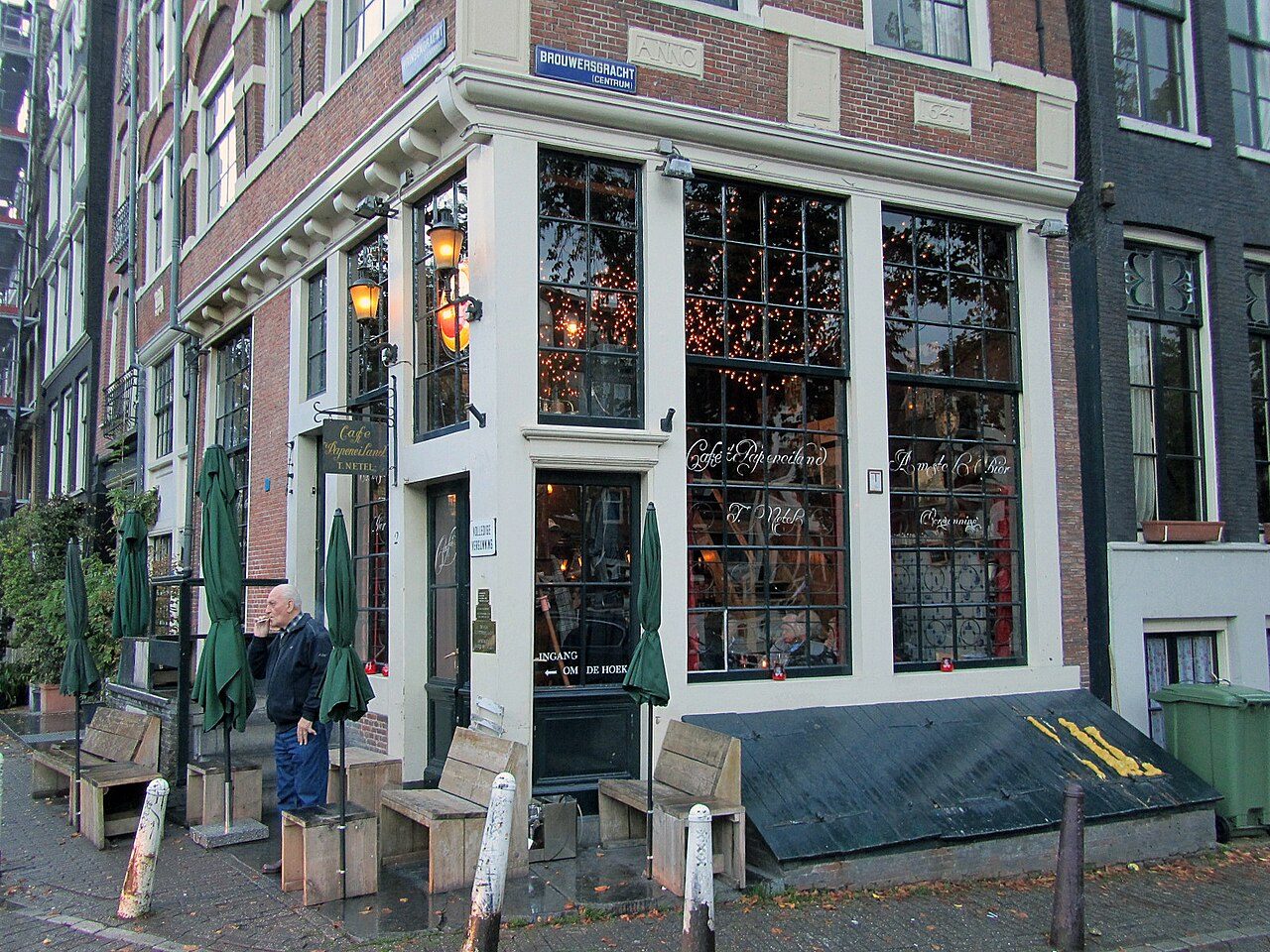
Café Papeneiland
A 1642 brown café with the legend of a secret tunnel to a hidden church across the canal.
 MUSEUM
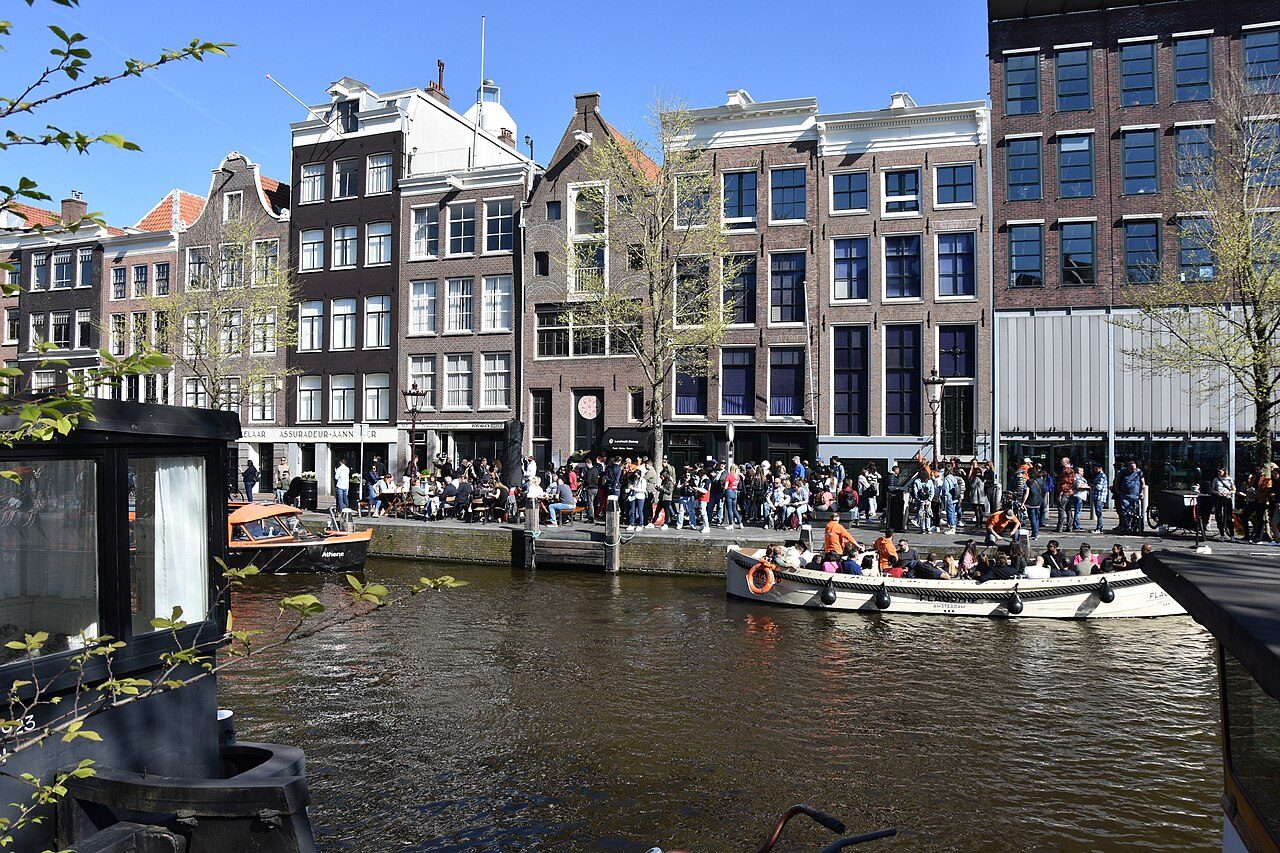
Anne Frank House
The secret annex where Anne Frank wrote her diary, kept as it was. Tickets sell out weeks ahead.
 CHURCH
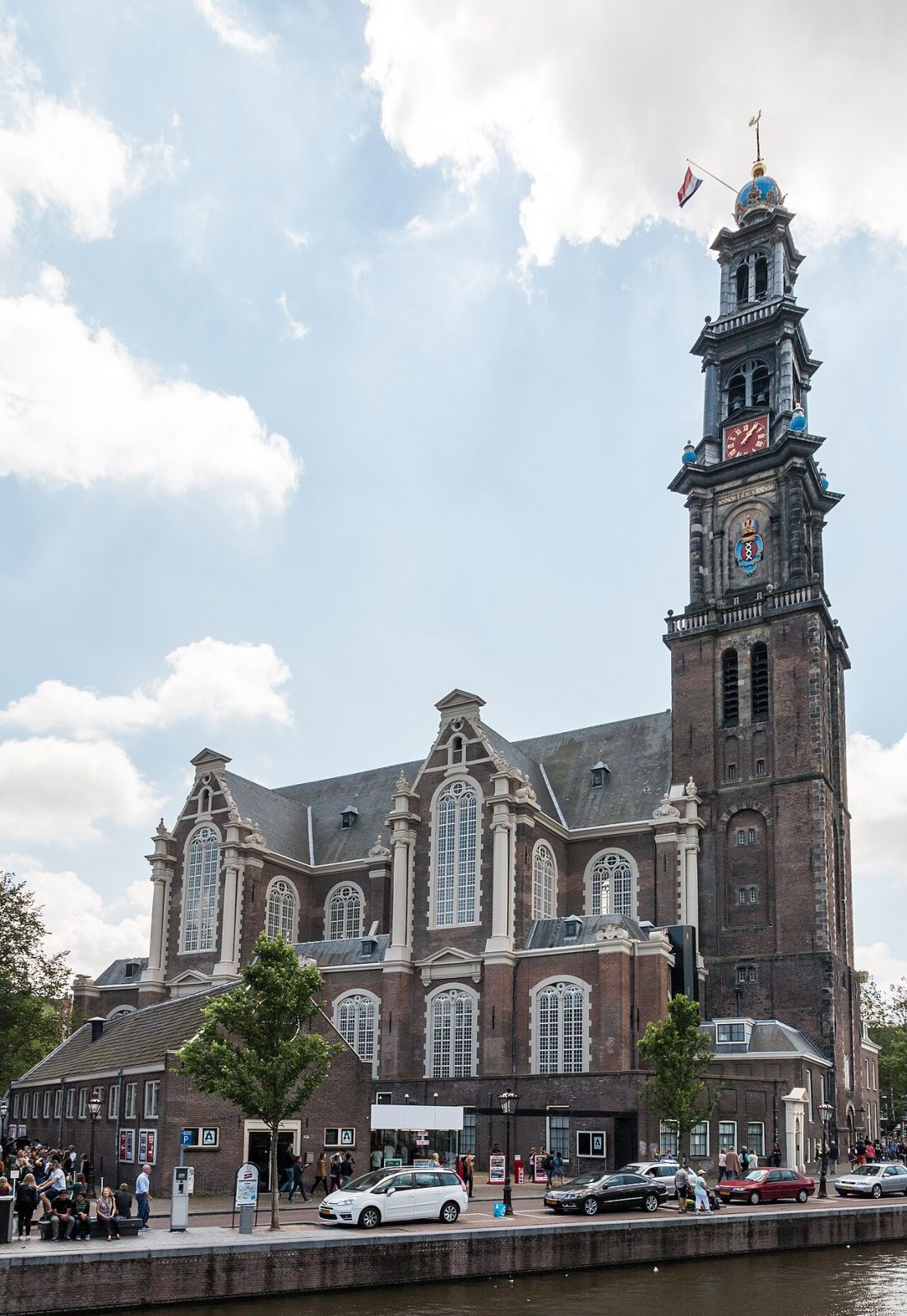
Westerkerk
The church under Amsterdam's tallest tower, where Rembrandt was buried in a grave nobody can find. Anne Frank could hear its bells from her hiding place a few doors away.
Tours and quests that pass here
These walks have a stop a few minutes from Sint-Andrieshofje. Free, on your phone, start any time.
 CITY QUEST
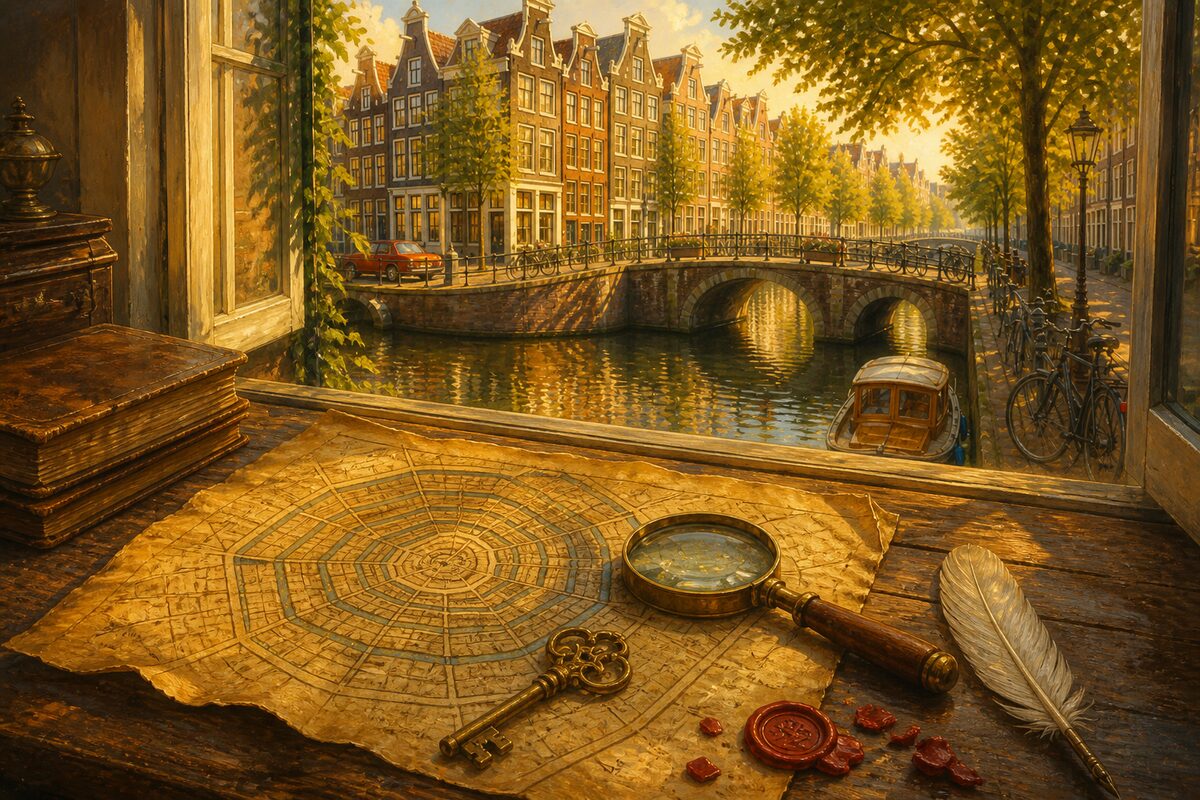
The Canal Cipher
A coded will, seven places, seven words. Walk the canal ring and read what the merchant hid.
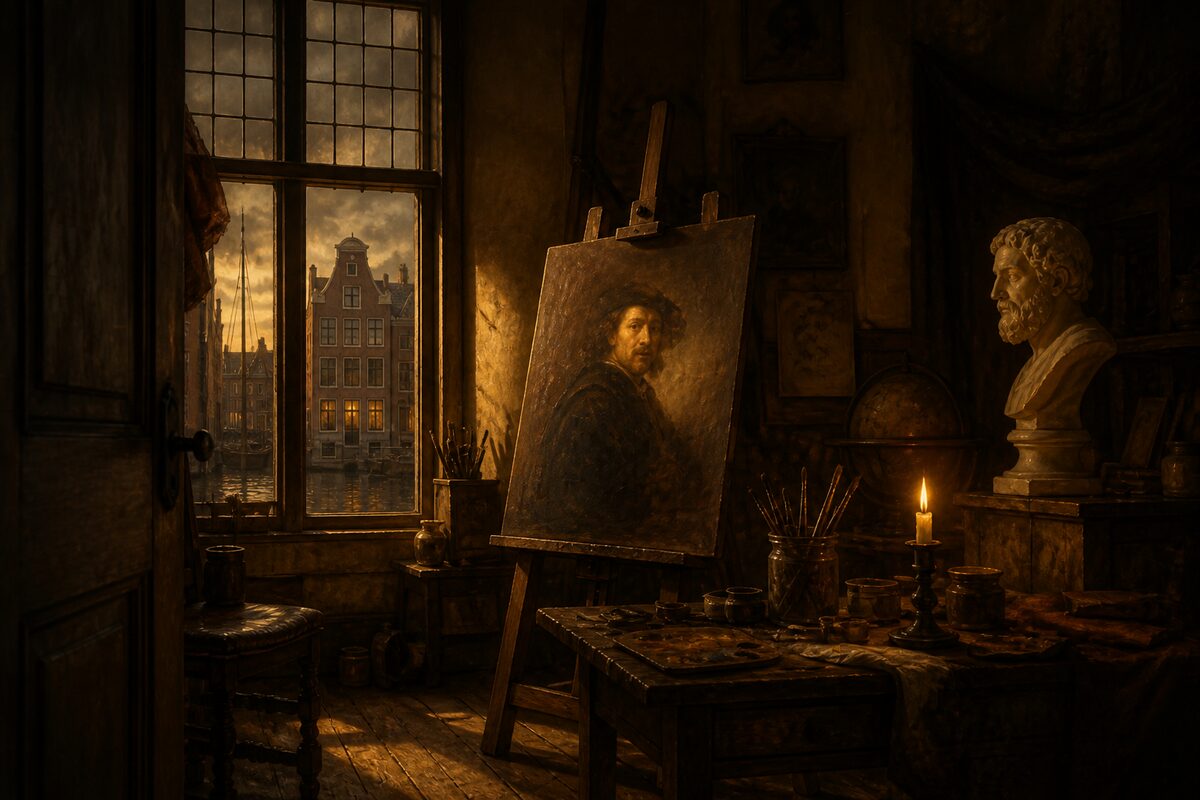 AUDIO TOUR
In Rembrandt's Footsteps
From the biggest house on the street to bankruptcy and an unmarked grave. His Amsterdam, in the order he lived it.
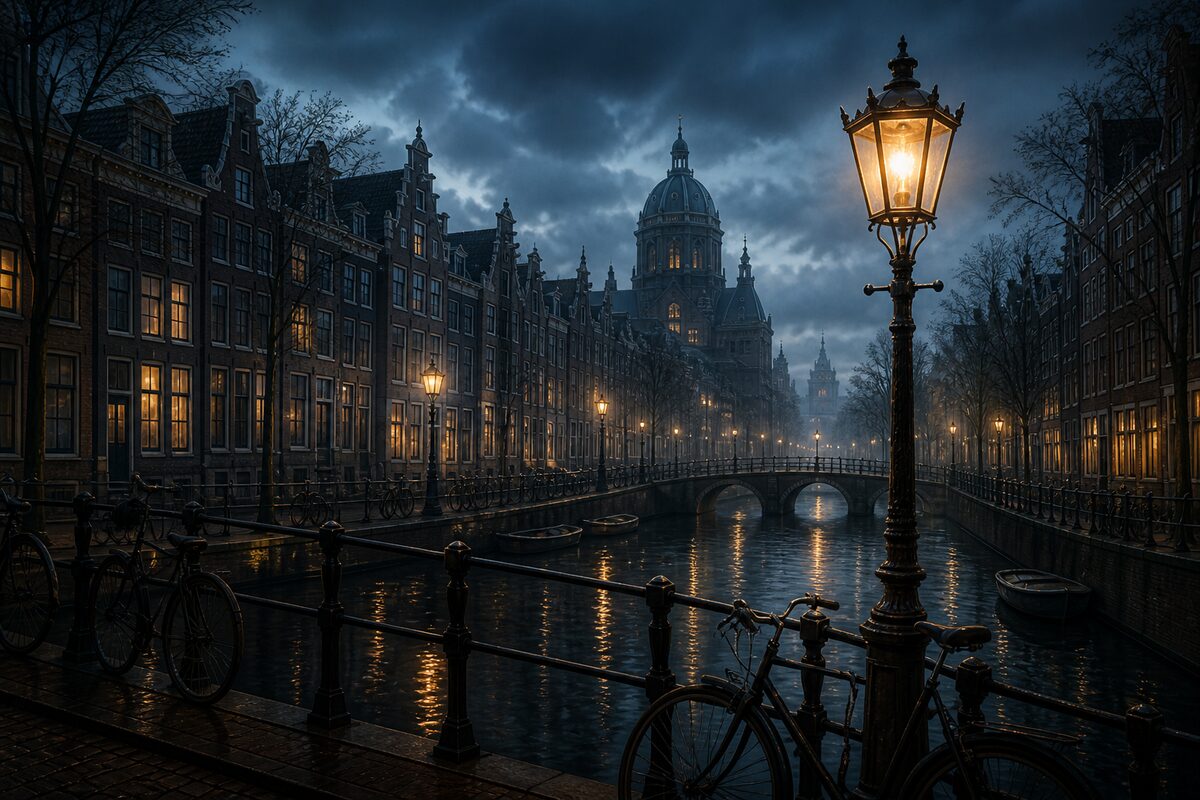 AUDIO TOUR
Amsterdam Ghost Tour
Plague pits, public executions and the canal that swallowed people. The city's grim side, told without the cheap scares.