
LANDMARK
Vondelpark
The city's big park, with a free open-air theatre in summer and a Picasso sculpture.
A park for walking, not for show
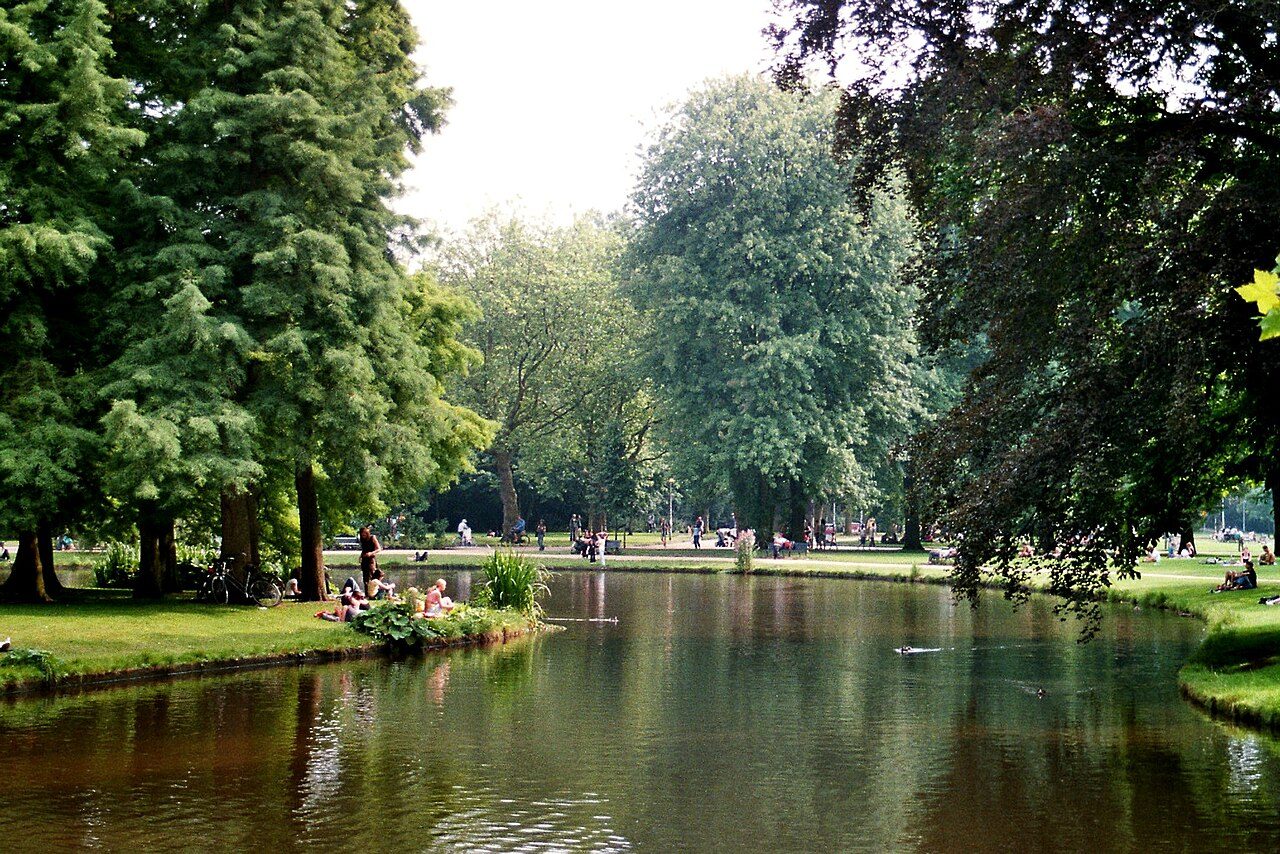
The Vondelpark is Amsterdam's big city park, and locals use it every day. People jog, cycle, read on the grass, push prams and carry beers to the lawns. It covers 47 hectares and runs long and thin from the Stadhouderskade to the Amstelveenseweg. About ten million visits are made here each year.
It is worth the walk because it slows you down. The paths curve, the ponds appear and disappear behind trees, and you stop noticing the streets around you. That was the plan. The park is laid out in the English landscape style, so that a visitor feels they have walked into nature.
In summer there is a free open-air theatre, with music, dance and cabaret. And there is a Picasso on a lawn.
How it began
The park started as a business idea. In 1864 a group of well-off citizens, led by Christiaan Pieter van Eeghen, bought a strip of wet peat meadow at the edge of the city. They formed an association to build a park for riding and walking. The houses that would later go up around it were meant to be worth more for having a park next door.
They hired the Zochers, father and son, who designed many parks in the Netherlands. The first part opened in 1865 as the Nieuwe Park, the New Park. Members came in free. Other people paid to enter.
The name came from a statue. The architect Pierre Cuypers, who lived on the nearby Vondelstraat, raised money for a monument to the poet and playwright Joost van den Vondel. It was unveiled in 1867, with a pedestal by Cuypers and a statue by Louis Royer. People soon called the place Vondel's Park, and in 1880 Vondelpark became the official name.
Cycling caused arguments here as early as the 1880s and 1890s. In the Second World War the German occupiers took over the park. From mid-November 1944 it was closed to the public, while Amsterdammers desperate for firewood cut down trees. In 1953 the association could no longer pay for the upkeep and gave the park to the city. In the 1960s and 1970s it became a place where, as people say, almost everything was allowed. It has been a national monument since 1996.
What to look for
Look for the statue of Vondel himself, then let the paths take you.
The Blauwe Theehuis is a round, modernist tea house from 1937, close to a small blue bridge. It is easy to spot and a good place to sit. The rose garden dates from 1936. The Vondelparkpaviljoen, built in 1878, is the large building at the edge of the park. It was the Filmmuseum for decades and now houses Vondel CS.
Listen for the parakeets. Rose-ringed parakeets have lived wild in the park since the 1970s, and you will hear them before you see their green flashes in the trees.
The open-air theatre runs from June to August. Entry is free, and a small donation is welcome. Even if nothing is on, the stage and its lawn are pleasant to walk past. Look at the benches too. The newer cast-iron ones carry motifs of local plants and animals, and many carry small plaques from people who adopted them.
Picasso's fish stands on a lawn, a cut-out figure from 1965. Joggers pass it without a glance. Give it a minute.
Before you go
- Walk in from the Stadhouderskade end, a short stroll west of Leidseplein and close to Museumplein. There are several other entrances along the park.
- The park is free. Open-air theatre shows from June to August are free too, with a donation welcome.
- Go on a weekday morning for quiet. Summer afternoons and weekends are busy, and that is part of the fun.
- Bring a drink and a snack, or use the cafes in the park, such as the Blauwe Theehuis and Vondeltuin.
- Watch for cyclists. The paths are shared, so keep to the side when you stop to look at something.
What people say
Related spots
More things to do in Amsterdam ›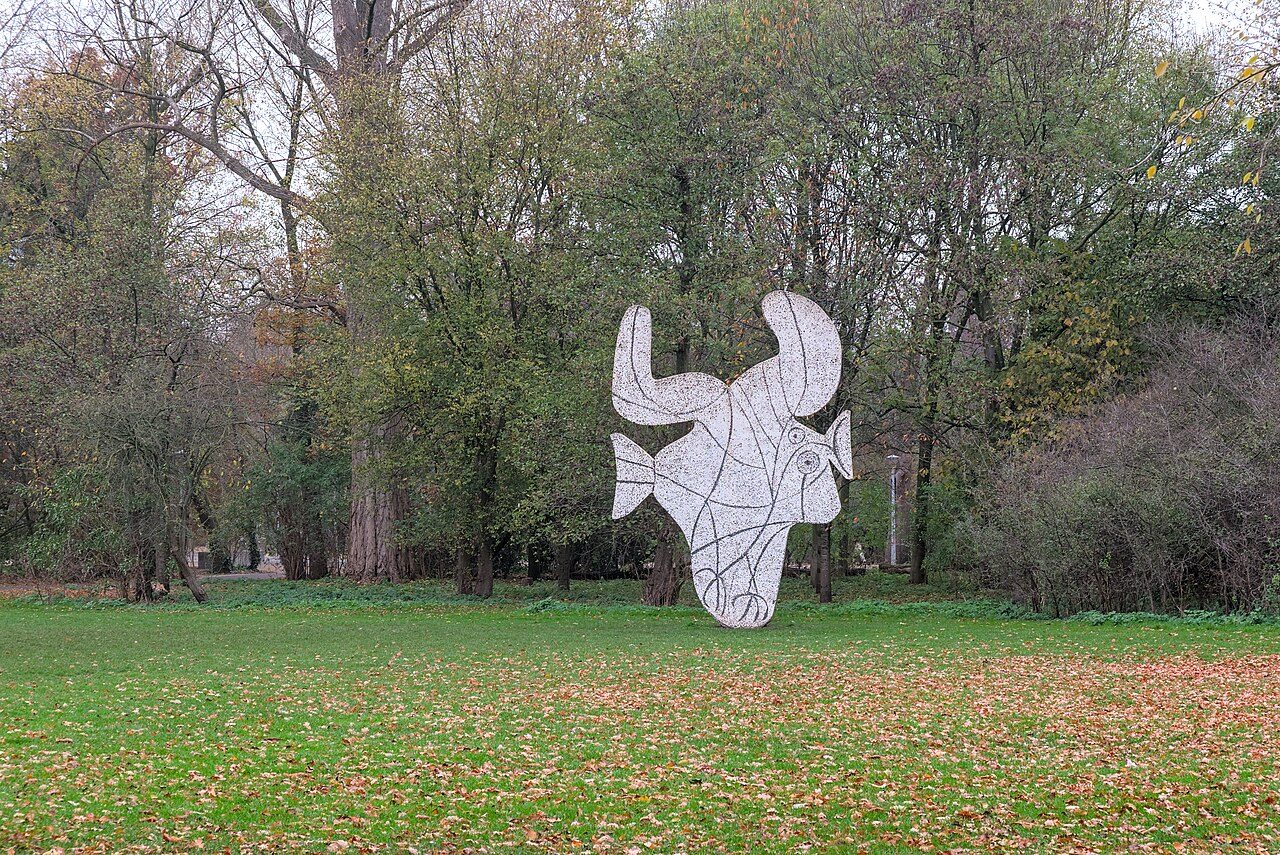 ODD FIND
Picasso in the Vondelpark
A real Picasso, 'Figure découpée' (the fish), standing on a lawn in the Vondelpark since 1965. Joggers pass it without looking.
 LANDMARK
Leidseplein
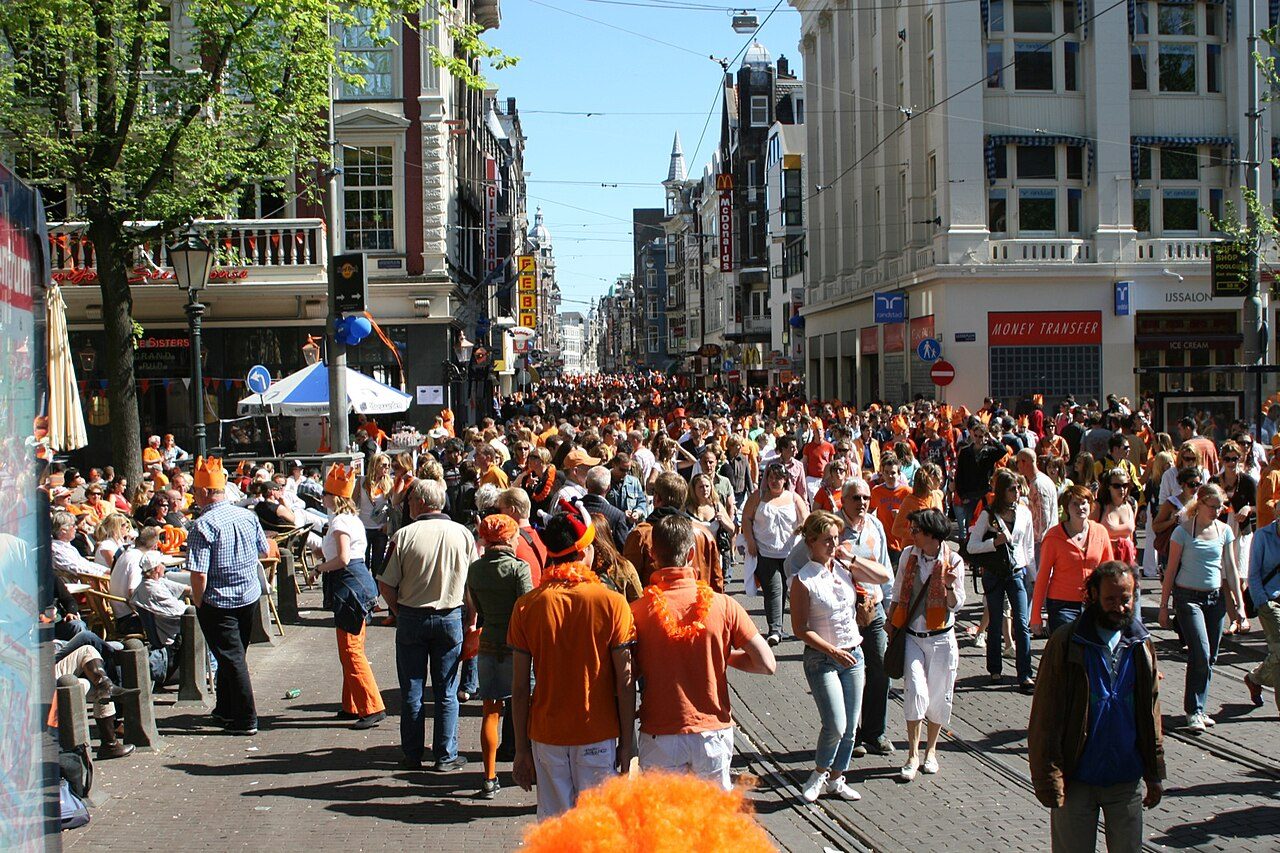
The square of street performers, theatres and the Stadsschouwburg.
 ODD FIND
Vondelbunker
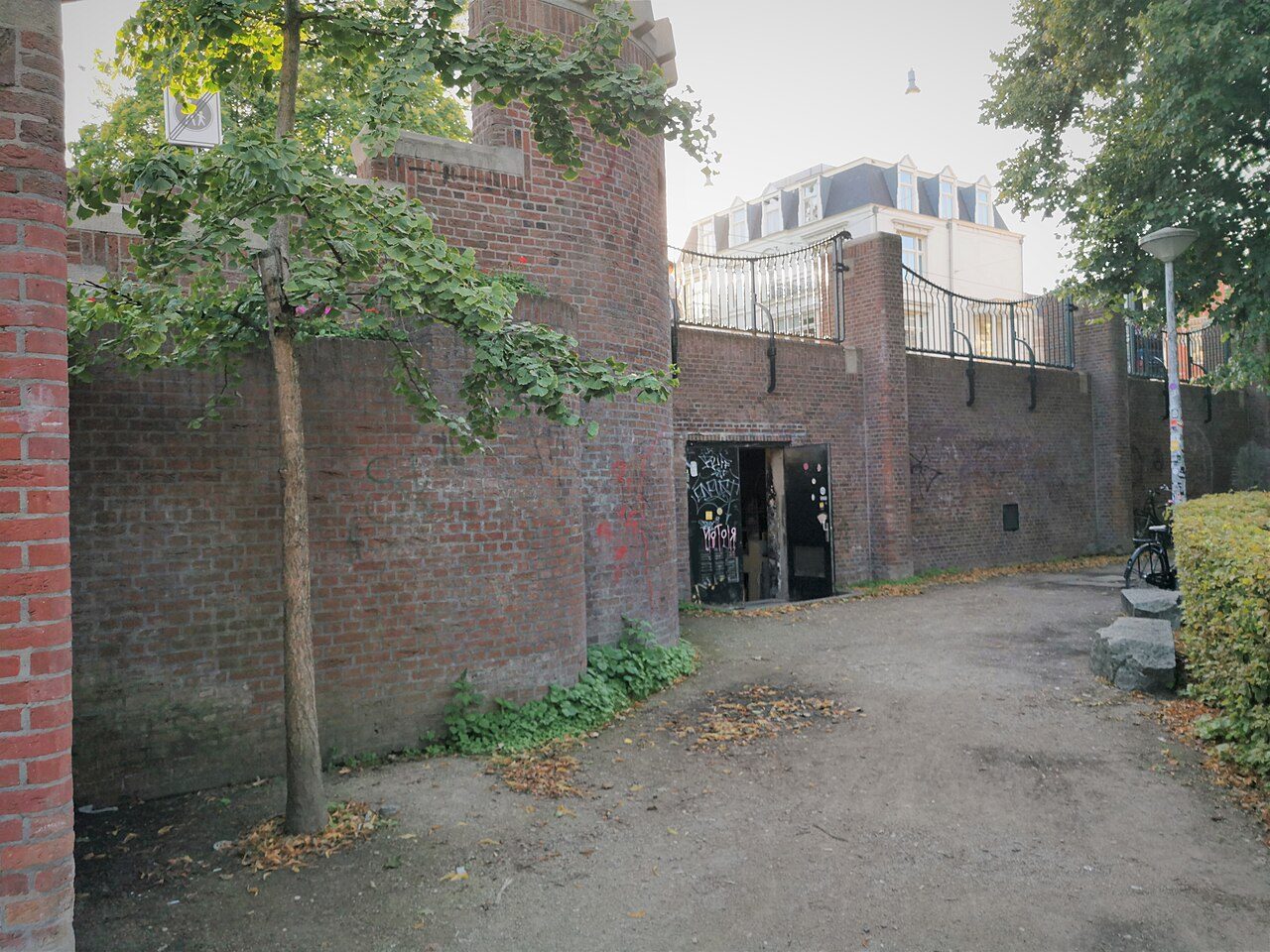
A Cold War nuclear shelter under a Vondelpark bridge, now an underground cultural venue.
 MUSEUM
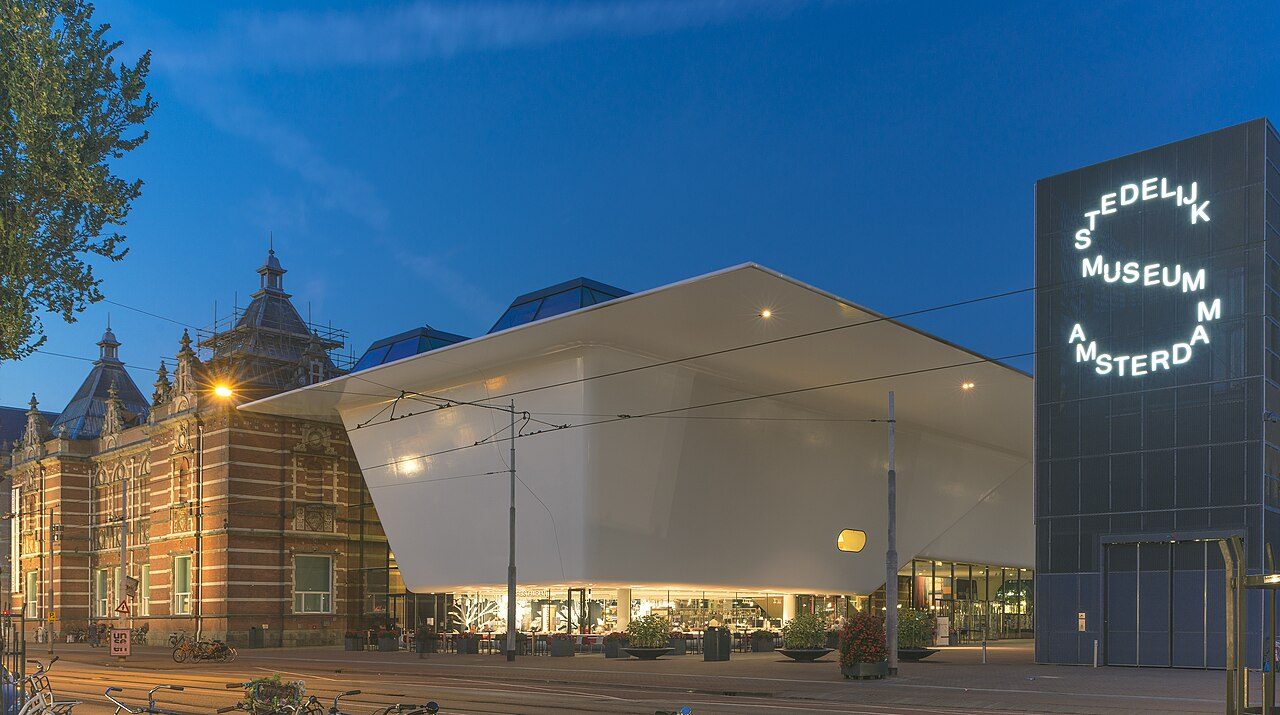
Stedelijk Museum
Modern and contemporary art and design in the 'bathtub' building on Museumplein.
 ODD FIND
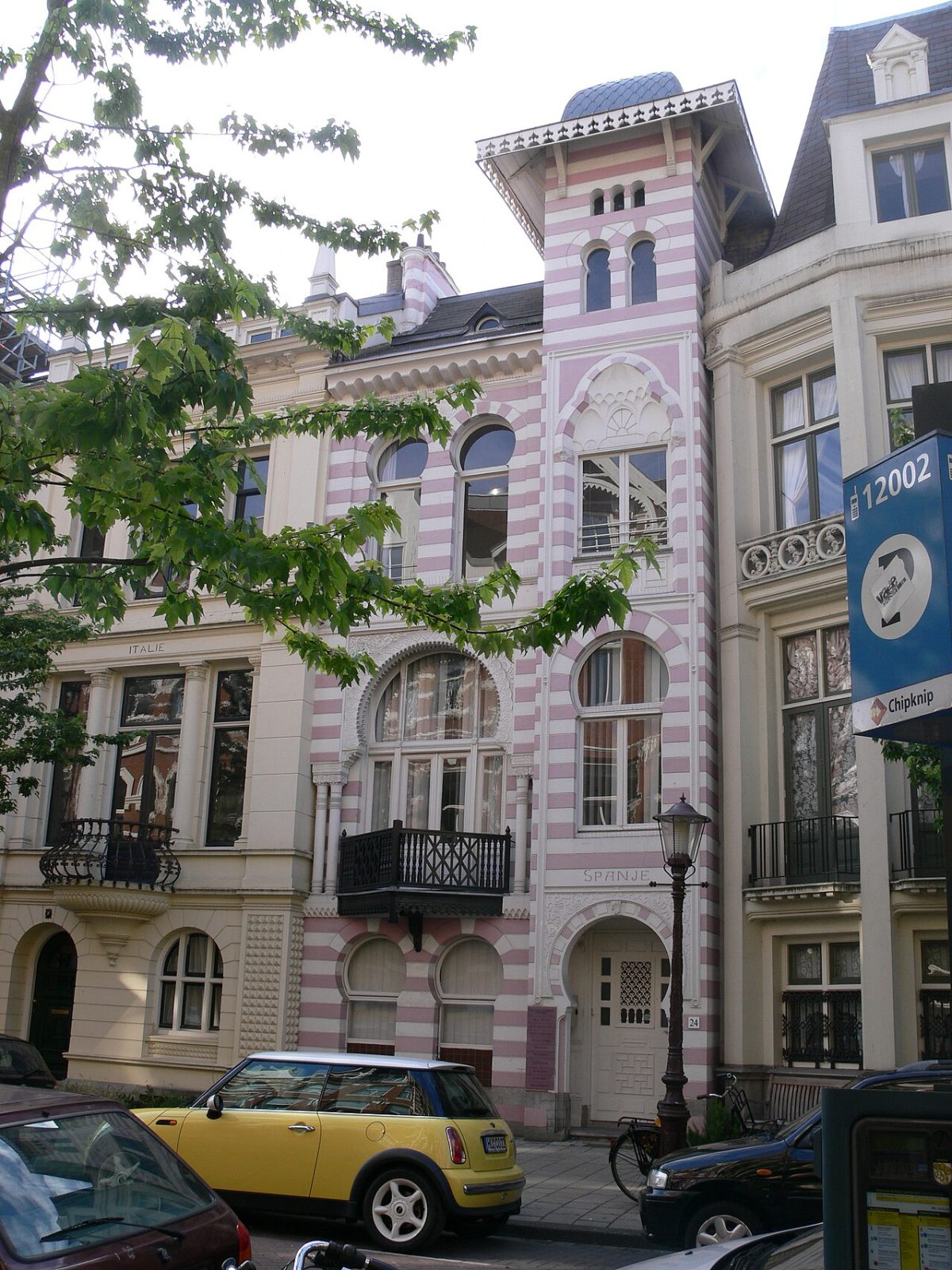
Zevenlandenhuizen
Seven houses in a row, each built in the style of a different country (1894), on the Roemer Visscherstraat.
 MUSEUM
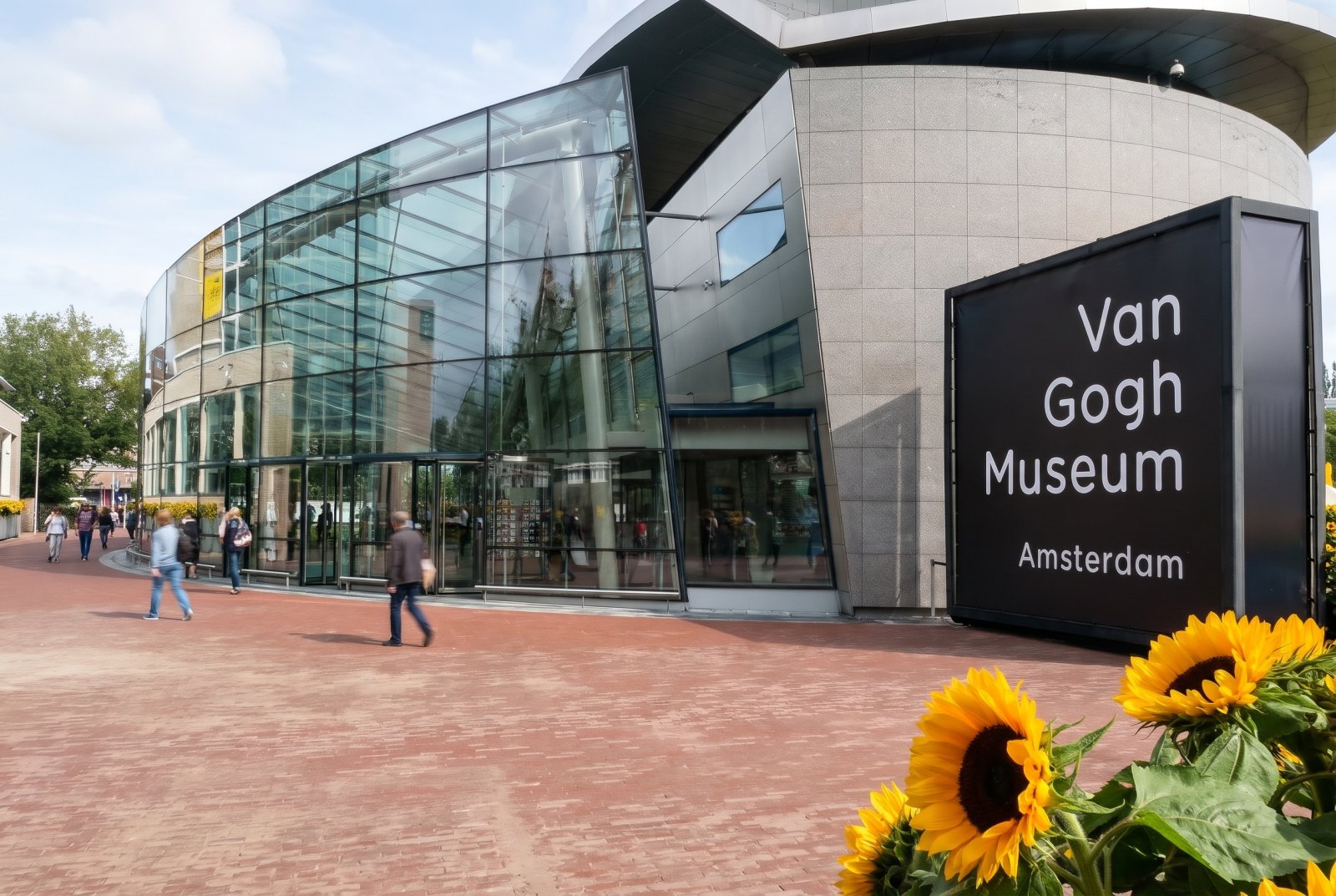
Van Gogh Museum
The world's largest Van Gogh collection: the Sunflowers, the bedroom and his letters.
Walk it with a guide or a quest
If you want a story on the way, these walks also live in Amsterdam.
 AUDIO TOUR
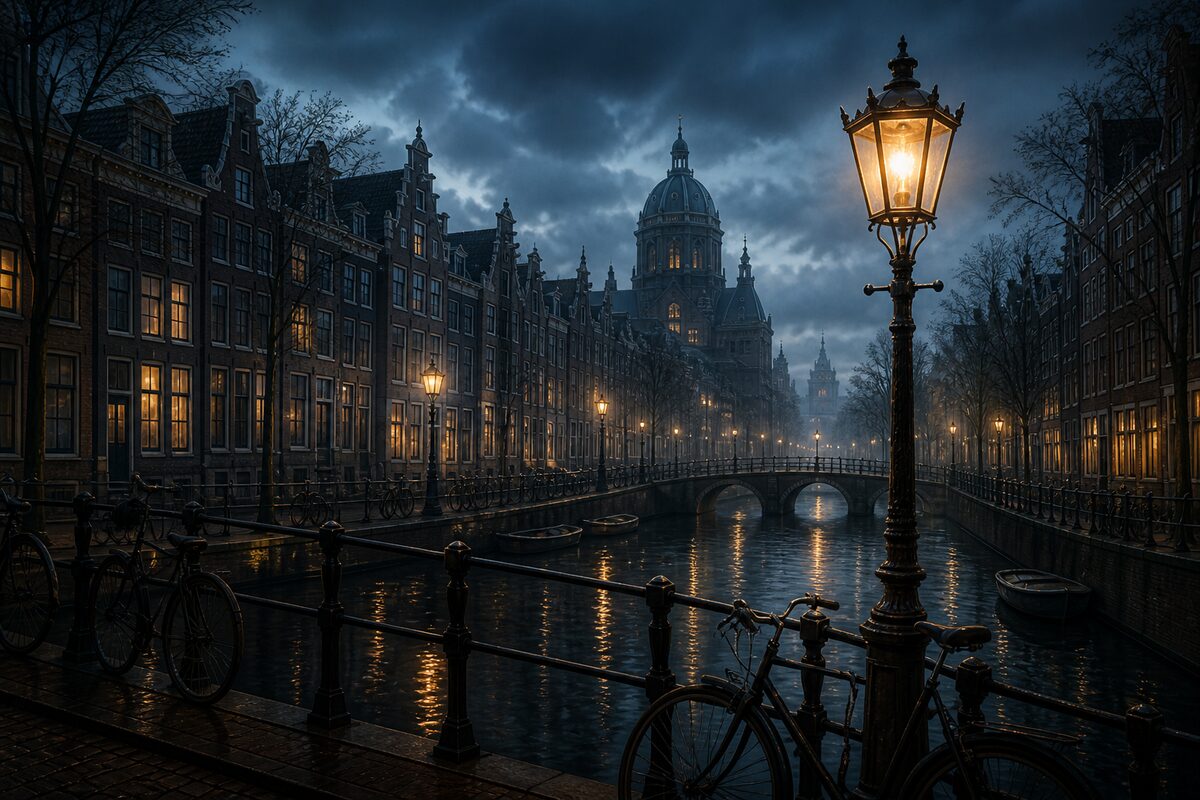
Amsterdam Ghost Tour
Plague pits, public executions and the canal that swallowed people. The city's grim side, told without the cheap scares.
 AUDIO TOUR
Amsterdam in a Day: Highlights Walk
Start here if it's your first day. Why the houses lean, how the canals were dug, and what the Golden Age was actually built on.
 AUDIO TOUR
Red Light District
Seven centuries of sailors, sin and stubborn tolerance. The real history of the oldest part of town, told straight.