
MUSEUM
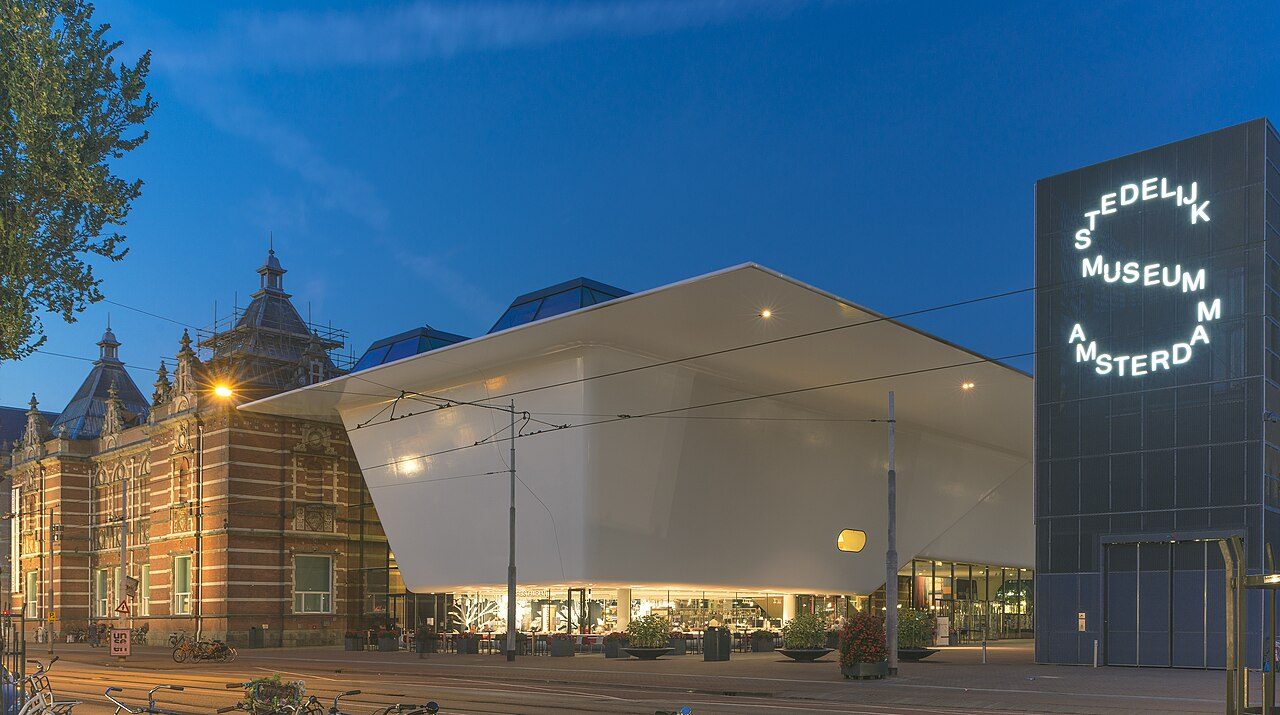
Stedelijk Museum
Modern and contemporary art and design in the 'bathtub' building on Museumplein.
What it is and why it is worth the walk
The Stedelijk is Amsterdam's museum of modern and contemporary art and design. The name means municipal museum, and everyone simply says "the Stedelijk". It stands on Museumplein, close to the Rijksmuseum, the Concertgebouw and the Van Gogh Museum next door.
The collection runs from the early twentieth century to today. There is painting, sculpture, photography, video, posters, furniture and jewellery. If the Rijksmuseum is the Dutch past, this is the rest of the story.
It suits anyone who likes to see how ideas pass from one decade to the next. In a single afternoon you can go from De Stijl and the Bauhaus to CoBrA and pop art. Names you may know are here: Kandinsky, Matisse, Pollock, Warhol, Willem de Kooning, Marlene Dumas.
The story behind it
The museum opened on 14 September 1895. Adriaan Willem Weissman designed the brick Neo-Renaissance building, which went up between 1891 and 1895. Much of the money came from Sophia Adriana de Bruyn, whose art and antiques went to the city. The Van Eeghen family of bankers also gave money and paintings. For a while people called it the Suasso museum, after her collection.
At first the building held a mix: Asian art, objects of the Amsterdam militia, even a museum of clocks. Only from 1909 did the museum start to collect art of its own time.
The man who shaped it was Willem Sandberg, curator from 1938 and director from 1945. During the war the collection was hidden in a bunker in the dunes near Santpoort, and staff took turns keeping watch. In 1943 a German search party came for Sandberg. He escaped by bicycle into the dunes.
After the war he built the museum's modern reputation. In 1958 he bought a group of works by Kazimir Malevich, which gave the Stedelijk the largest Malevich collection outside Russia. In the 1950s he also began to collect photography, and the Stedelijk was the first western European museum of modern art to do so. In 1972 the Van Gogh paintings moved to the new museum next door, which freed space for newer art.
In 2003 the fire department had the old building closed. The museum spent four and a half years in a temporary home in the old Post CS building while it was renovated and extended. It reopened to the public on 23 September 2012.
What to look for
Start outside. Stand back on the square and look at the two buildings together: the red brick of 1895 and the smooth white wing by Benthem Crouwel Architects. The entrance is in the new part. That contrast is the first thing to take in.
Inside, look for the Malevich works and the De Stijl rooms. The CoBrA collection, built up in the 1950s, is another strong point: loud, childlike, deliberate. Karel Appel is the name to know.
Do not skip the design. Chairs, posters and jewellery are shown as seriously as the paintings, and they are often the pieces that stay in your head. The jewellery collection is one of the most important in the Netherlands.
The video art collection goes back to the early 1970s and now holds around 900 works and installations, with names such as Nam June Paik, Bill Viola and Bruce Nauman. Allow time for at least one dark room, and sit down. Exhibitions change, so expect rooms different from last year's.
Before you go
- Walk to Museumplein. The museum is on the square, and the entrance is in the white extension.
- You need a ticket. Book online and check the current opening times before you go.
- Go early on a weekday or late in the afternoon. The square is busiest around midday.
- Pick one or two floors rather than trying to see everything. Two hours makes a good visit.
- If you also want the Van Gogh Museum or the Rijksmuseum, split them over different days.
What people say
Related spots
More things to do in Amsterdam ›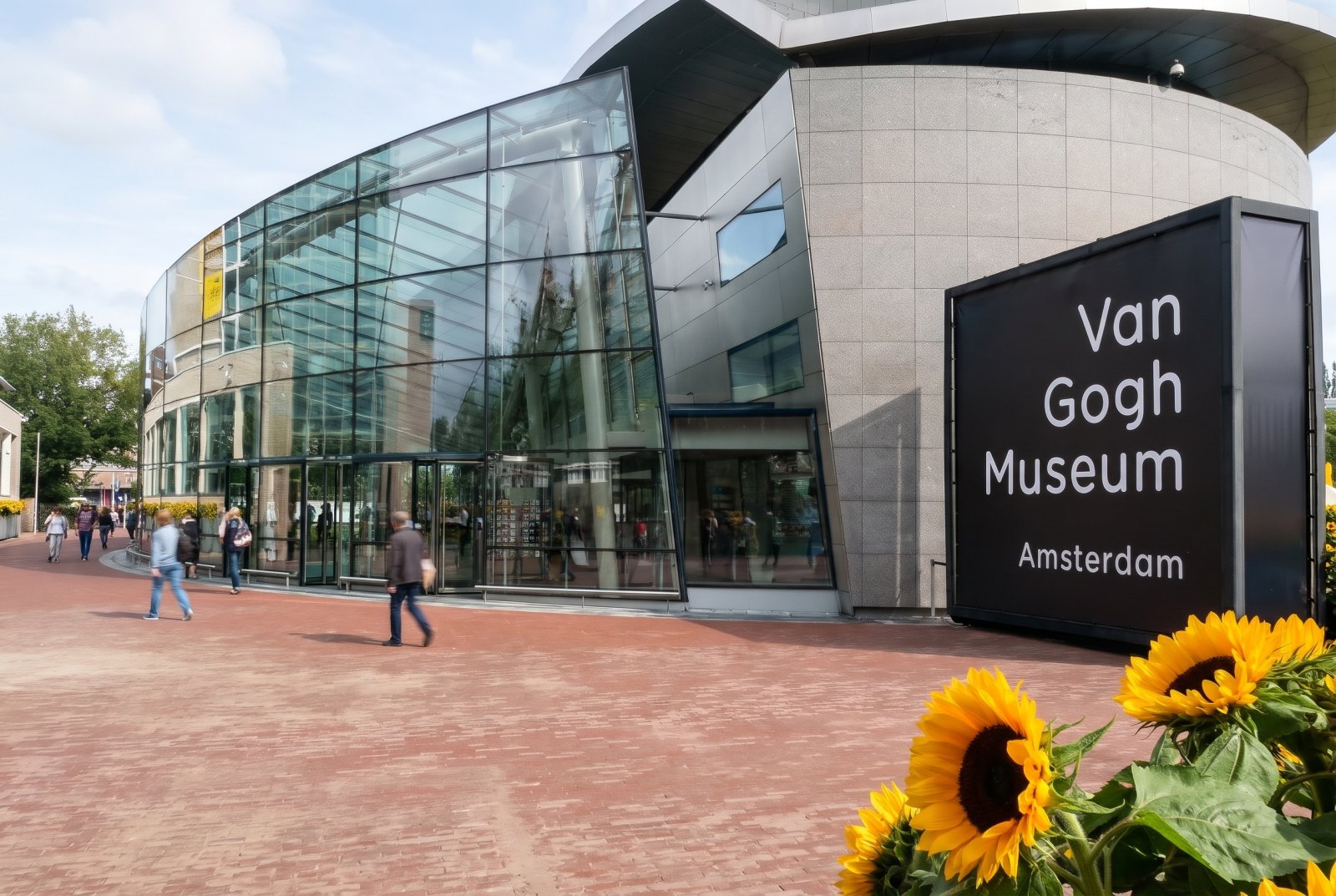 MUSEUM
Van Gogh Museum
The world's largest Van Gogh collection: the Sunflowers, the bedroom and his letters.
 MUSEUM
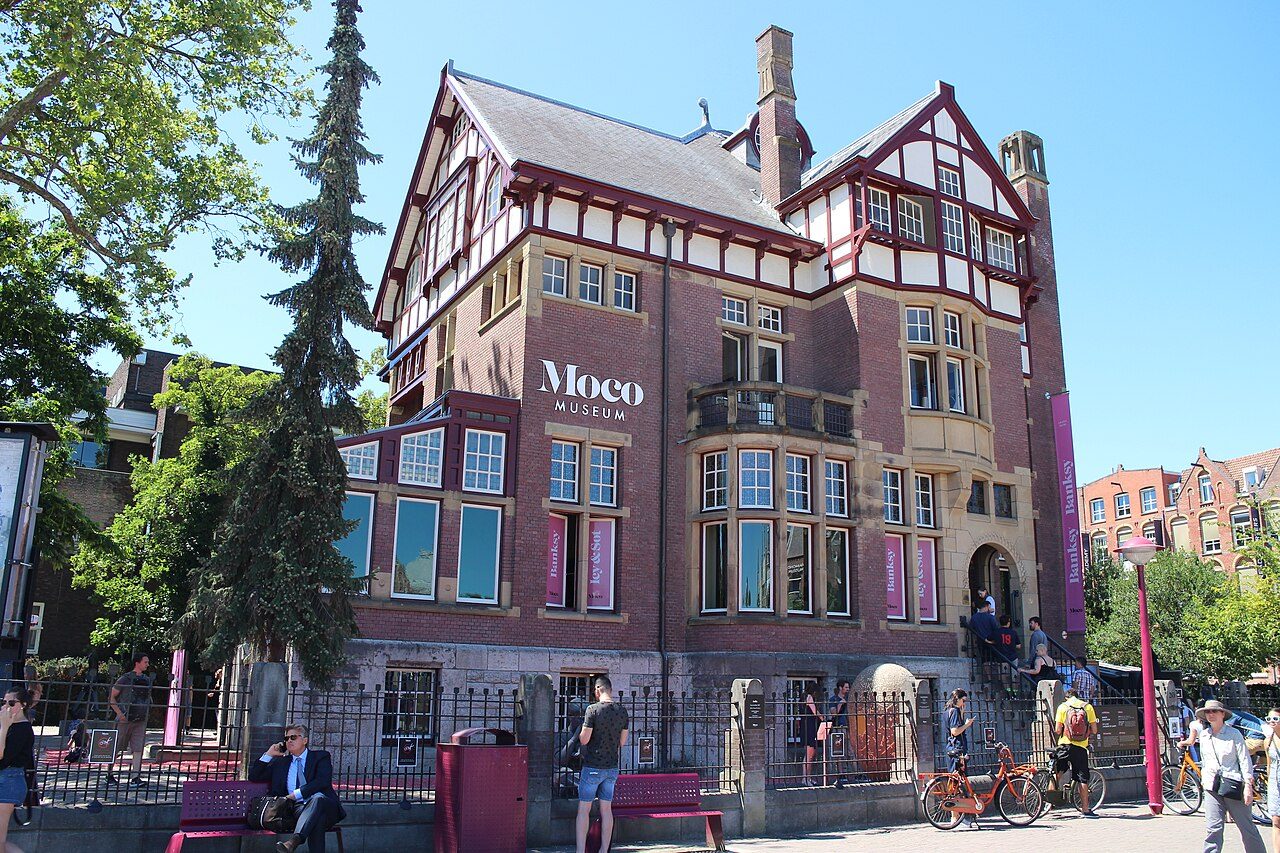
Moco Museum
Banksy, Warhol and digital art in a villa on Museumplein.
 MUSEUM
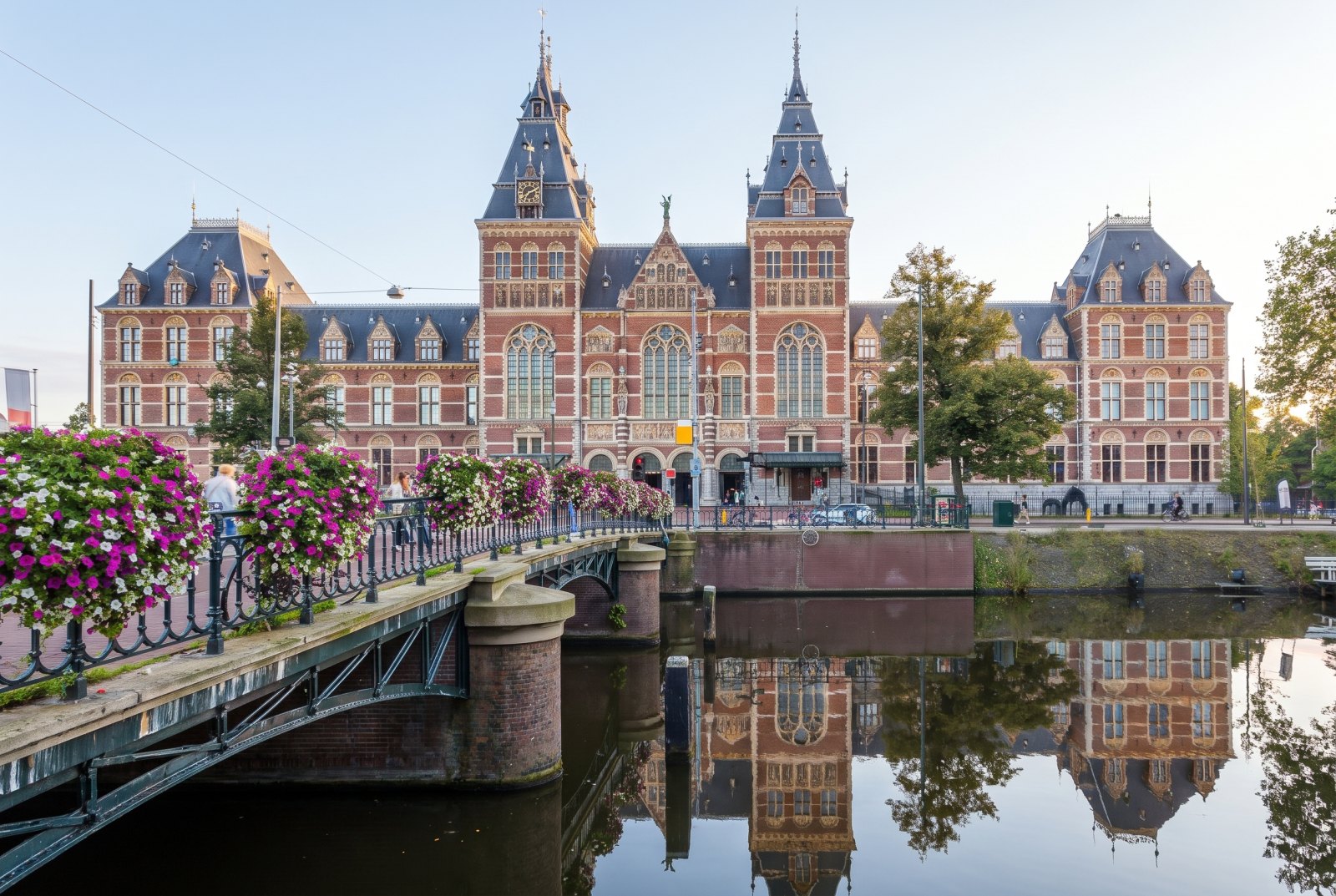
Rijksmuseum
The national museum: Rembrandt's Night Watch, Vermeer's Milkmaid and 800 years of Dutch history.
 MUSEUM
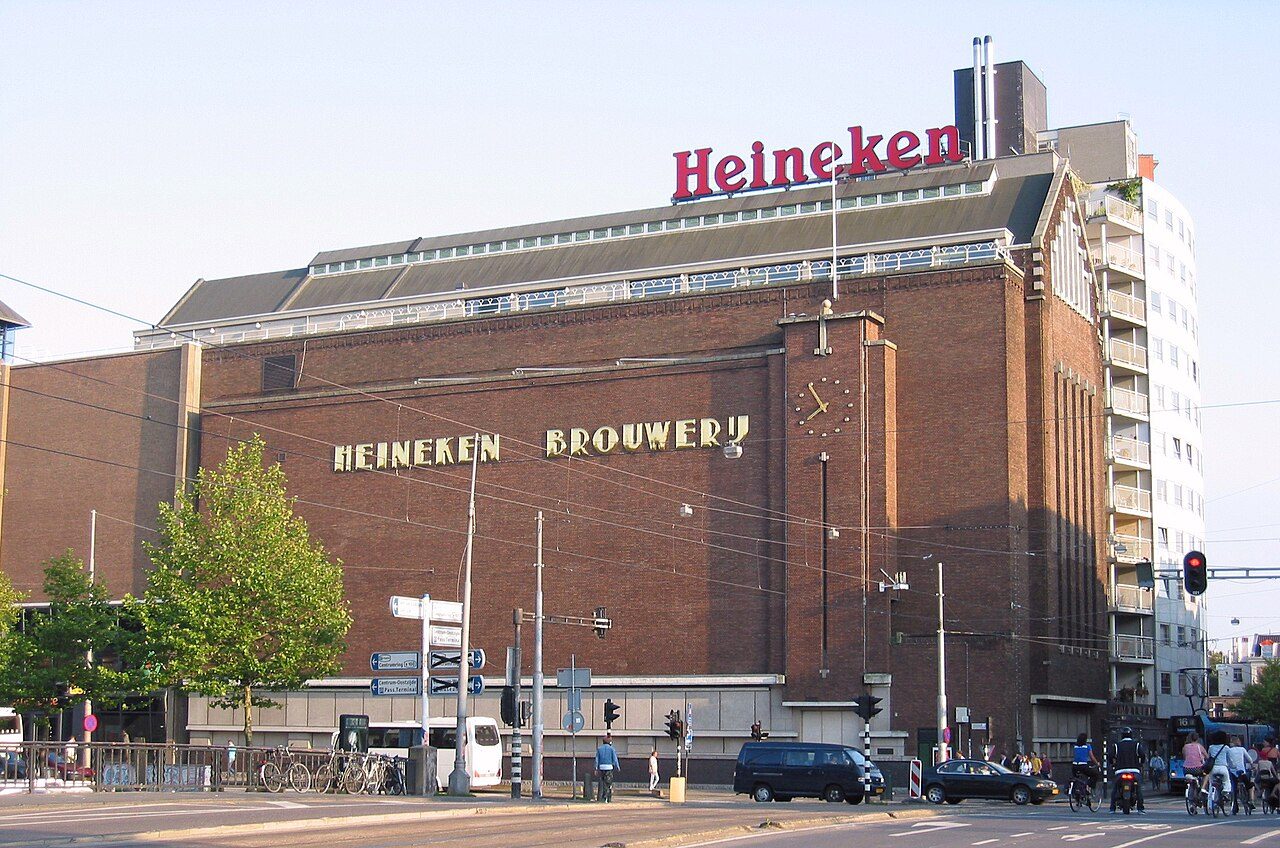
Heineken Experience
The old Heineken brewery turned into a beer experience, with a tasting at the end.
 ODD FIND
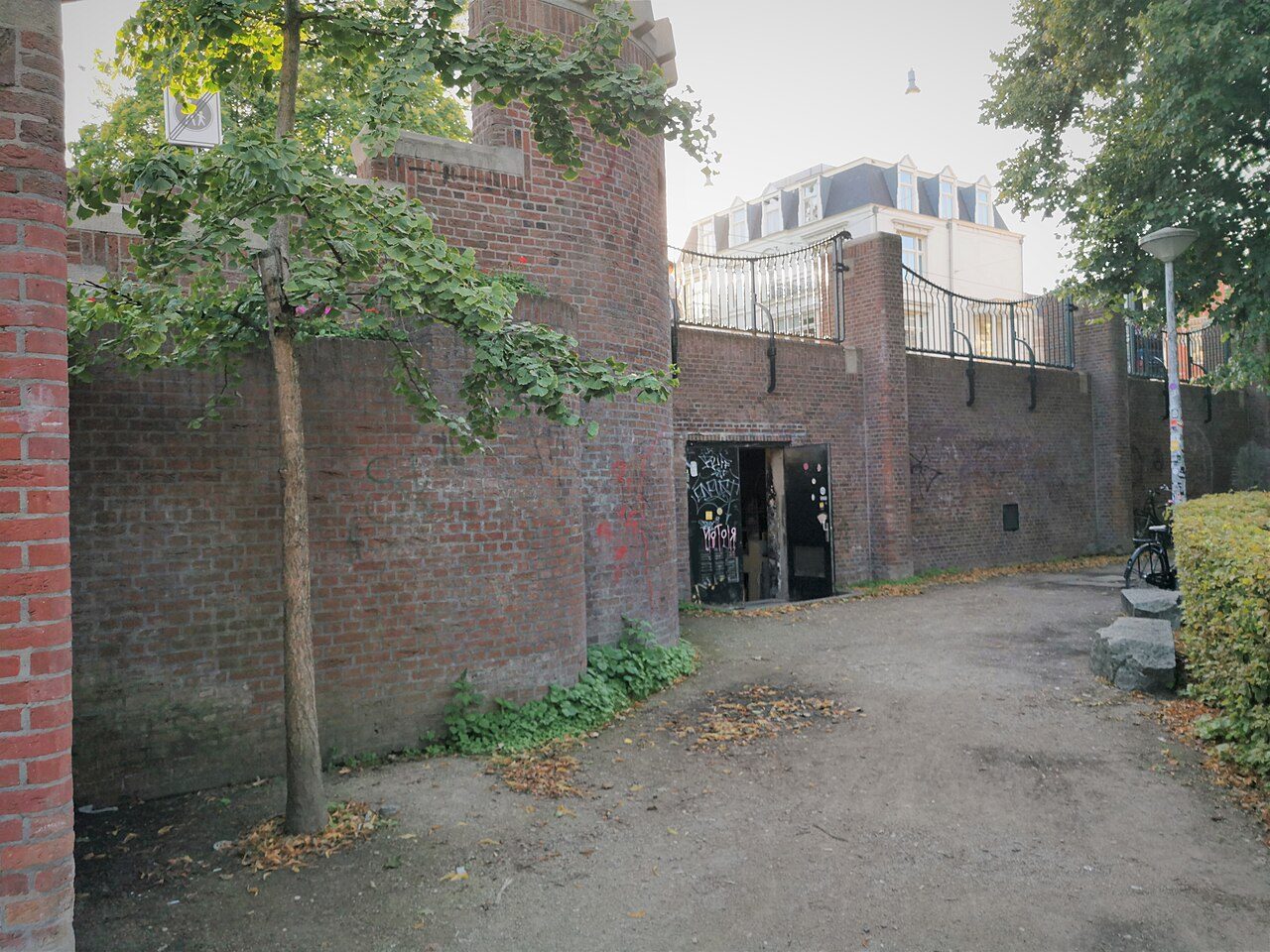
Vondelbunker
A Cold War nuclear shelter under a Vondelpark bridge, now an underground cultural venue.
 ODD FIND
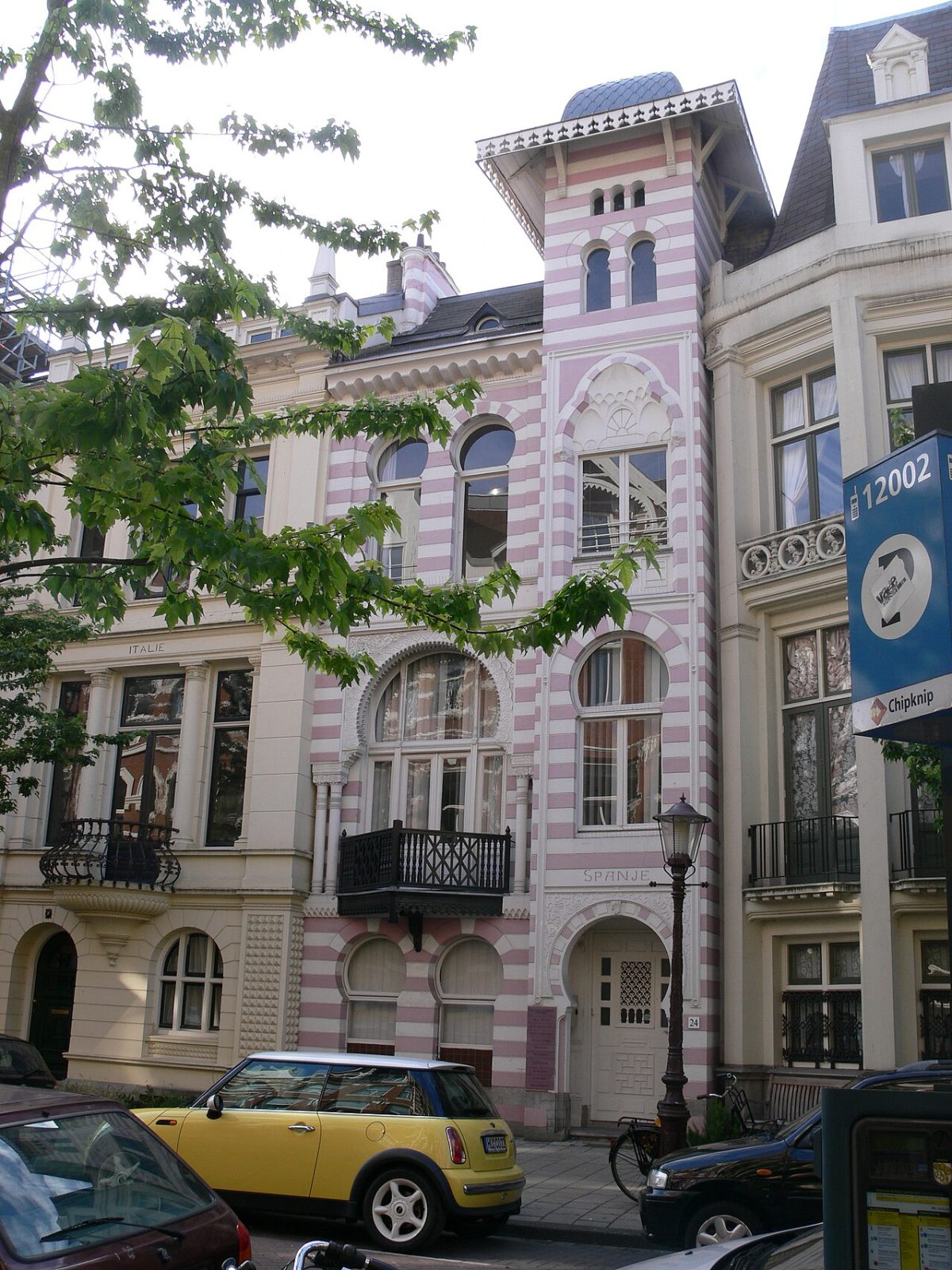
Zevenlandenhuizen
Seven houses in a row, each built in the style of a different country (1894), on the Roemer Visscherstraat.
Tours and quests that pass here
These walks have a stop a few minutes from Stedelijk Museum. Free, on your phone, start any time.
 AUDIO TOUR
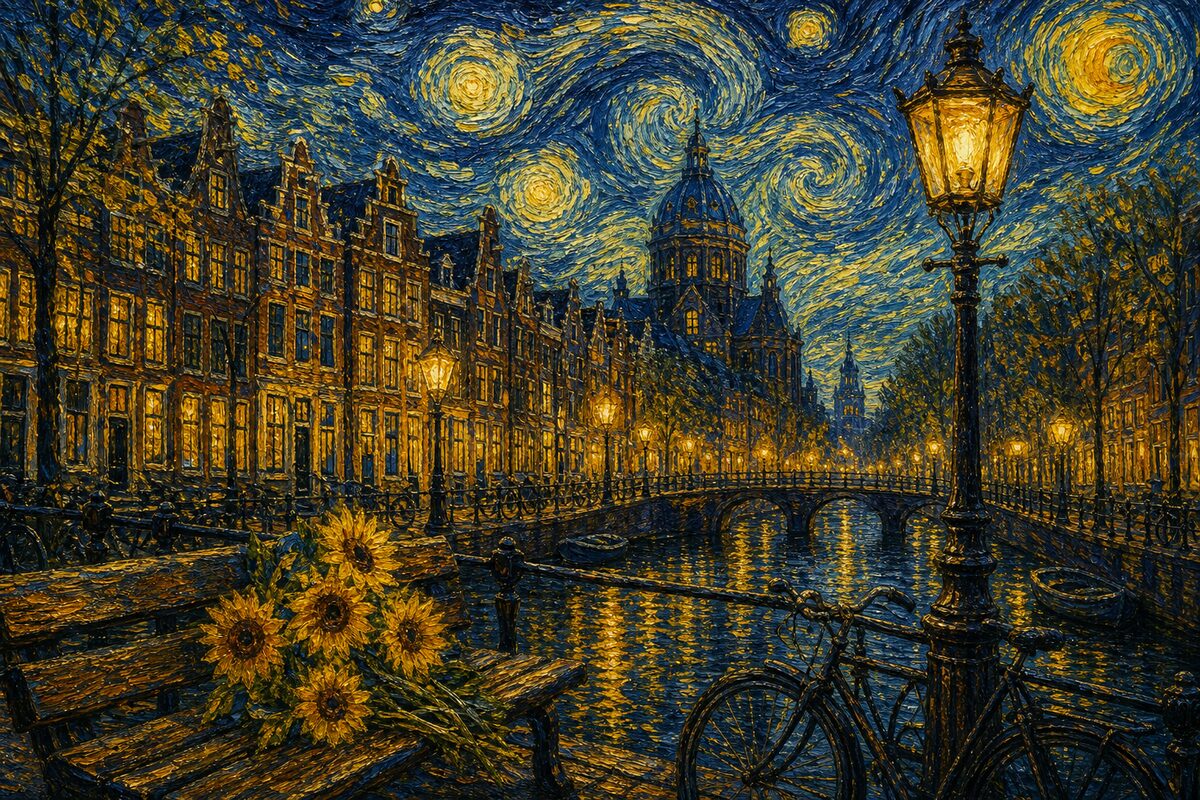
Van Gogh's Amsterdam
The years before the fame: a failed bookshop clerk walking these same streets. Ends at the museum door.
 AUDIO TOUR
In Rembrandt's Footsteps
From the biggest house on the street to bankruptcy and an unmarked grave. His Amsterdam, in the order he lived it.
 CITY QUEST
Rembrandt's Missing Panel
Count steps, columns and a missing piece of skyline. Rembrandt's city, looking closely.