
ODD FIND
Vondelbunker
A Cold War nuclear shelter under a Vondelpark bridge, now an underground cultural venue.
A shelter under a bridge
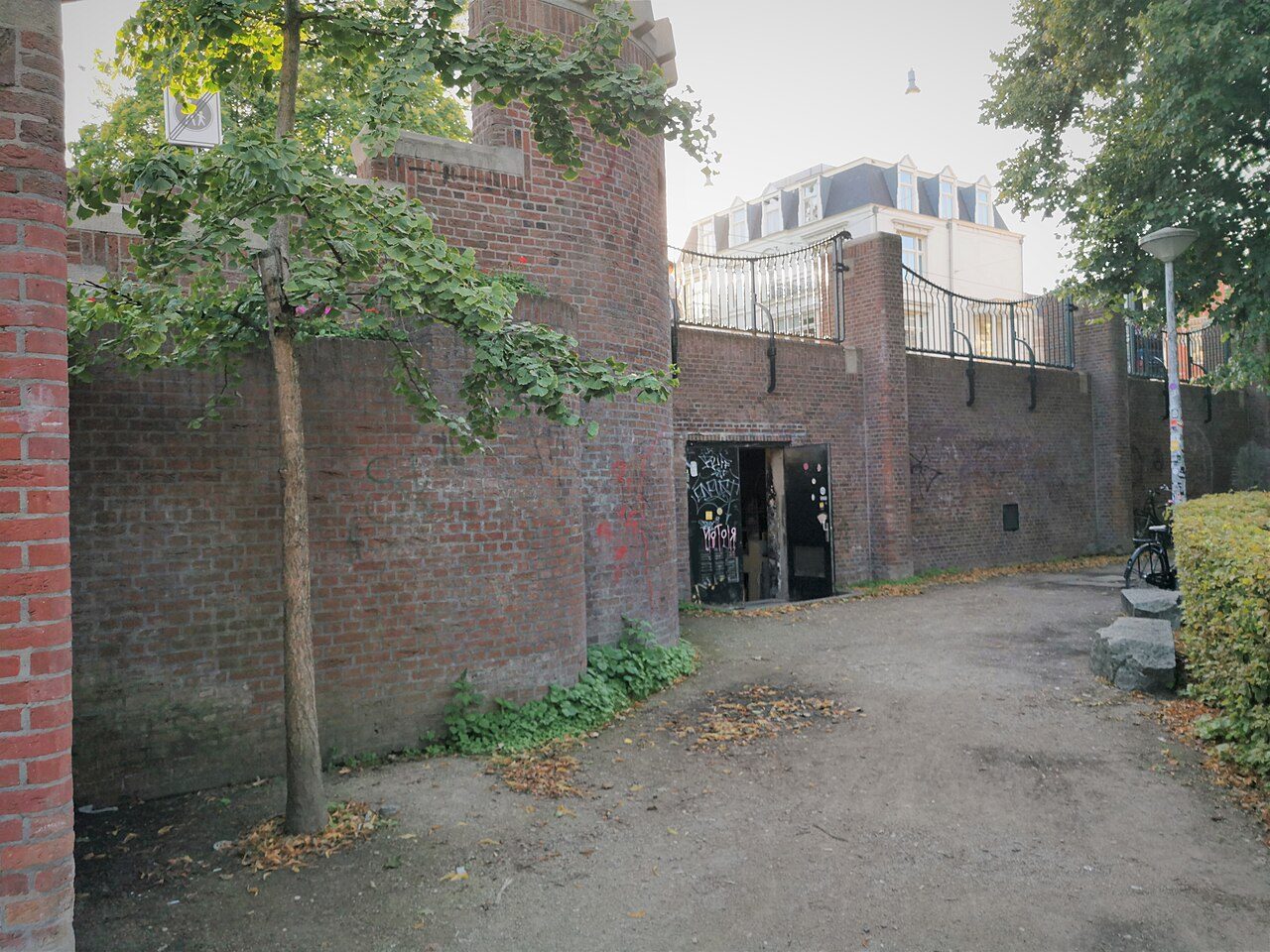
You walk into the Vondelpark, pass under a big brick viaduct, and there is a bunker in the bridge above and around you. The Vondelbunker is a concrete shelter built into the Vondelbrug. Today it is a small independent venue for exhibitions, film nights, discussion evenings and other creative or activist projects.
It is worth the walk for the contrast. Overhead are cars and cyclists. Around you are the lawns of the city's most famous park. Inside the bridge is a room that was made for people to hide in. Even if the door is closed, the bridge itself repays ten minutes of looking.
How a shelter ended up here
The Vondelpark opened in 1865, and it soon became a problem for the growing city. It cut the new districts of West and South off from each other. Whenever a road through the park was proposed, the well-off residents along its edge protested. They did not want their quiet disturbed.
The city kept trying. A first bridge design from 1914 was stopped by the First World War. Piet Kramer drew new versions in 1919 and 1921, and the one that was built dates from 1936. Work crawled along through lack of money, slow decisions and then the Second World War. Sand for the embankments had to be carried by hand. The bridge finally opened on 16 October 1947, and the neighbourhood celebrated for three days.
The design was stripped back along the way. Ponds, climbing ivy and kiosks all disappeared for lack of money. The bridge also had to be altered to fit a shelter for 2,600 people.
In 1968 the shelter became a small club and concert hall, the Beatkelder Lijn 3. Pink Floyd played there. It closed after barely a year, when the money ran out. Later it served as a rehearsal space for pop bands. Since 2011 it has been the Vondelbunker.
What to look for
Stand under the viaduct and look at the walls. The sculptor Hildo Krop carved a scene from the play Gijsbrecht van Aemstel here. On both sides you will also find reliefs of a boy and a girl, set between animal heads and elves.
Then find the year stones. They say Anno 1940, a hopeful date for a bridge that took until 1947. There are four around the bridge, two in the fence gateways and two in the abutments. The name Vondelbrug is cut into the stone twice.
Kramer's tilework survives on the abutments and the piers. On the east side, by the steps, there is sculpture by Kramer himself. Look for the pillar topped with an octagonal platform. The seating is part of the design too. On the west side it sits on a kind of balcony, and on the east side it forms terraced steps. On the northwest side there is a small fountain with an artificial waterfall, probably added later.
The road runs between two houses on the Roemer Visscherstraat, numbers 41 and 43. Part of number 41 was demolished to make room, and only the bay window was left standing.
Before you go
- Walk from Museumplein in about five minutes, or enter the Vondelpark and look for the big brick bridge.
- The bunker is a venue, not a museum. What is open depends on the programme, so check the Vondelbunker's own agenda before you go.
- The bridge and its carvings are free to see at any time. Daylight makes the reliefs and tiles easier to read.
- Come on a weekday morning for the quietest park. Go in the evening if you want a film night or a talk.
- The Zevenlandenhuizen are next door on the Roemer Visscherstraat, so see them before or after.
What people say
Related spots
More things to do in Amsterdam ›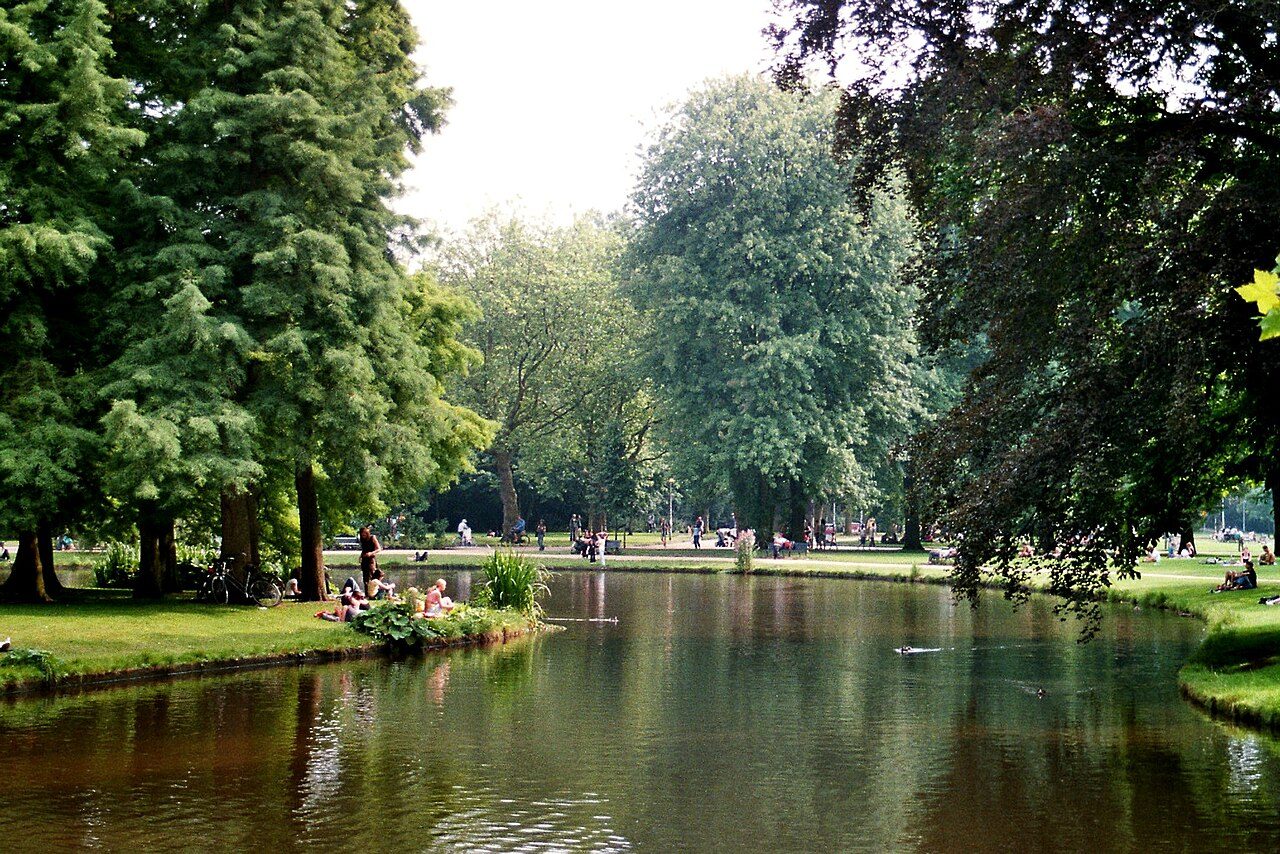 LANDMARK
Vondelpark
The city's big park, with a free open-air theatre in summer and a Picasso sculpture.
 ODD FIND
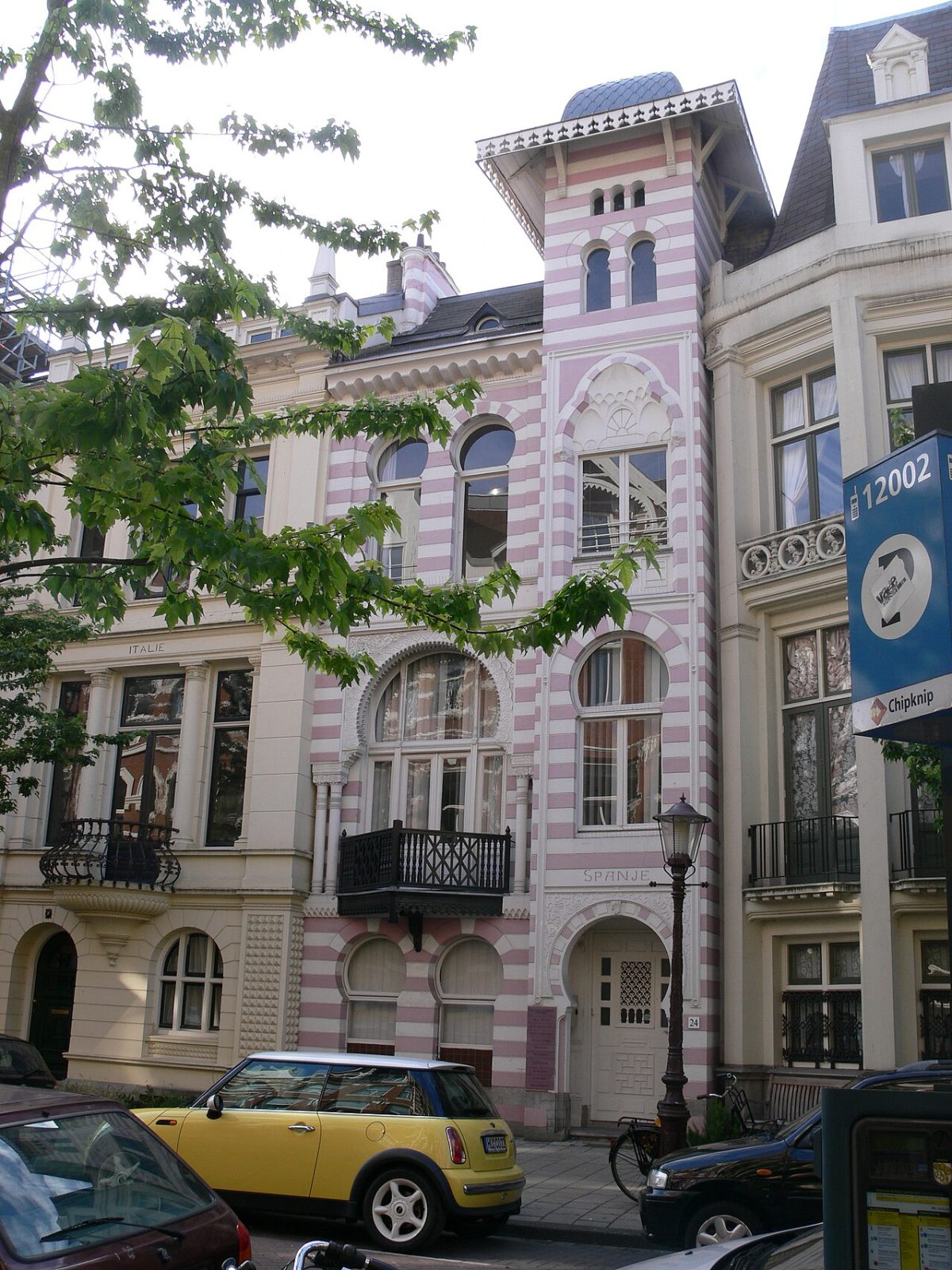
Zevenlandenhuizen
Seven houses in a row, each built in the style of a different country (1894), on the Roemer Visscherstraat.
 ODD FIND
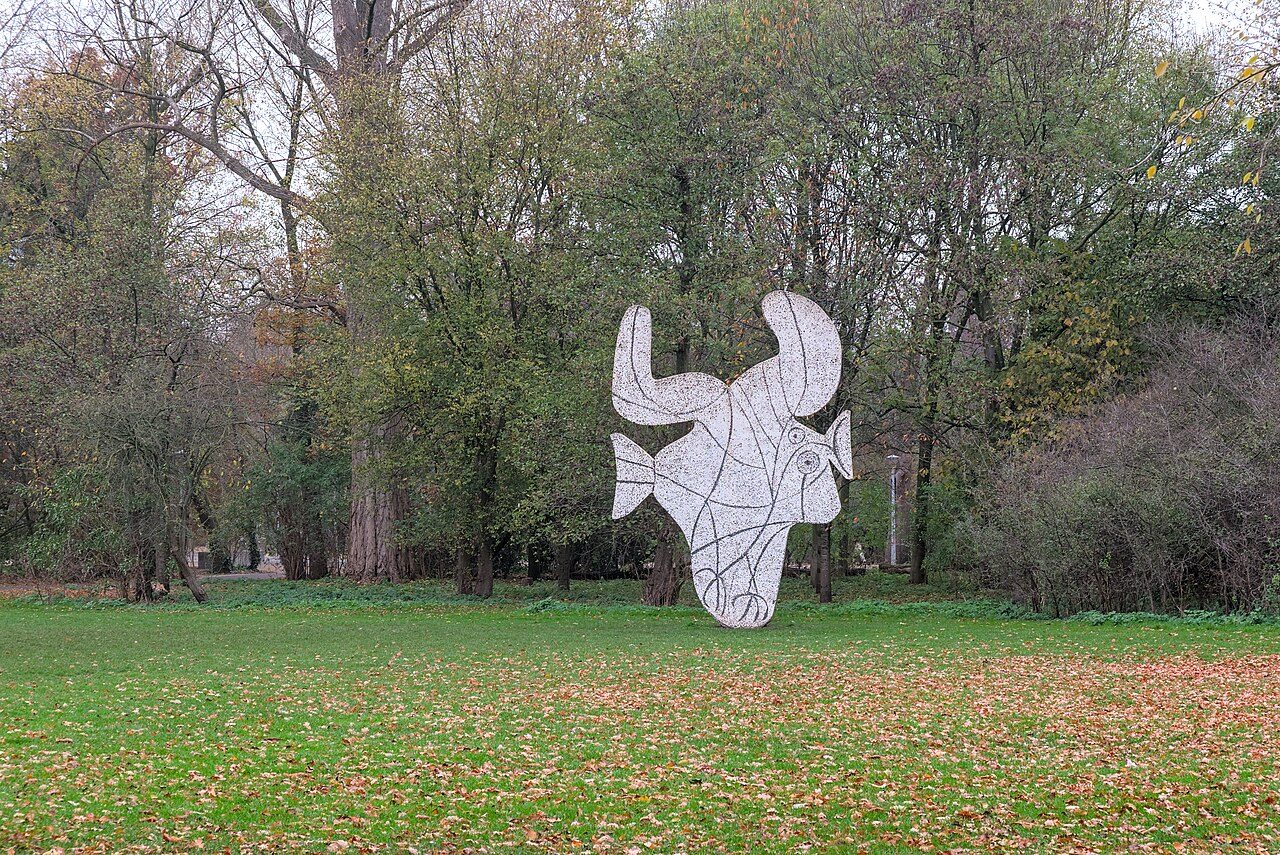
Picasso in the Vondelpark
A real Picasso, 'Figure découpée' (the fish), standing on a lawn in the Vondelpark since 1965. Joggers pass it without looking.
 FILM SPOT
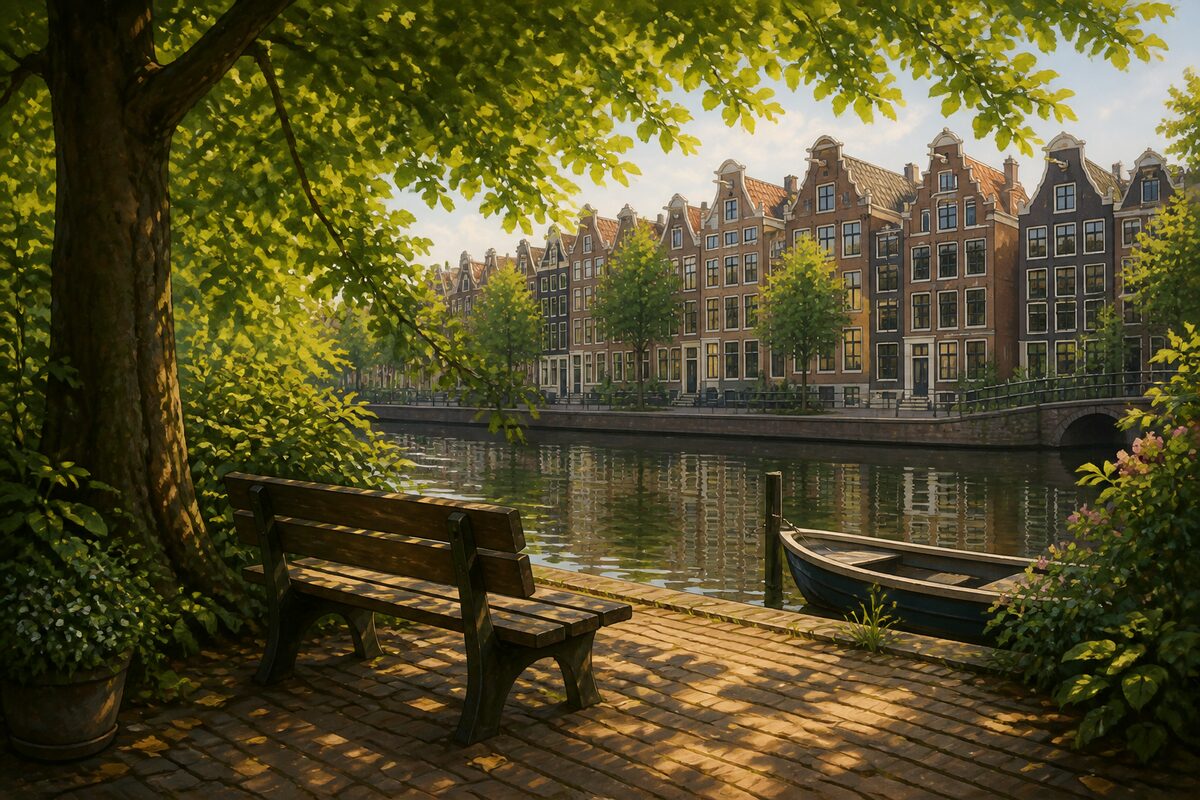
The Fault in Our Stars bench
The bench on the Leidsegracht where Hazel and Augustus sit in The Fault in Our Stars (2014). Fans of the film still come from all over the world for a photo.
 MUSEUM
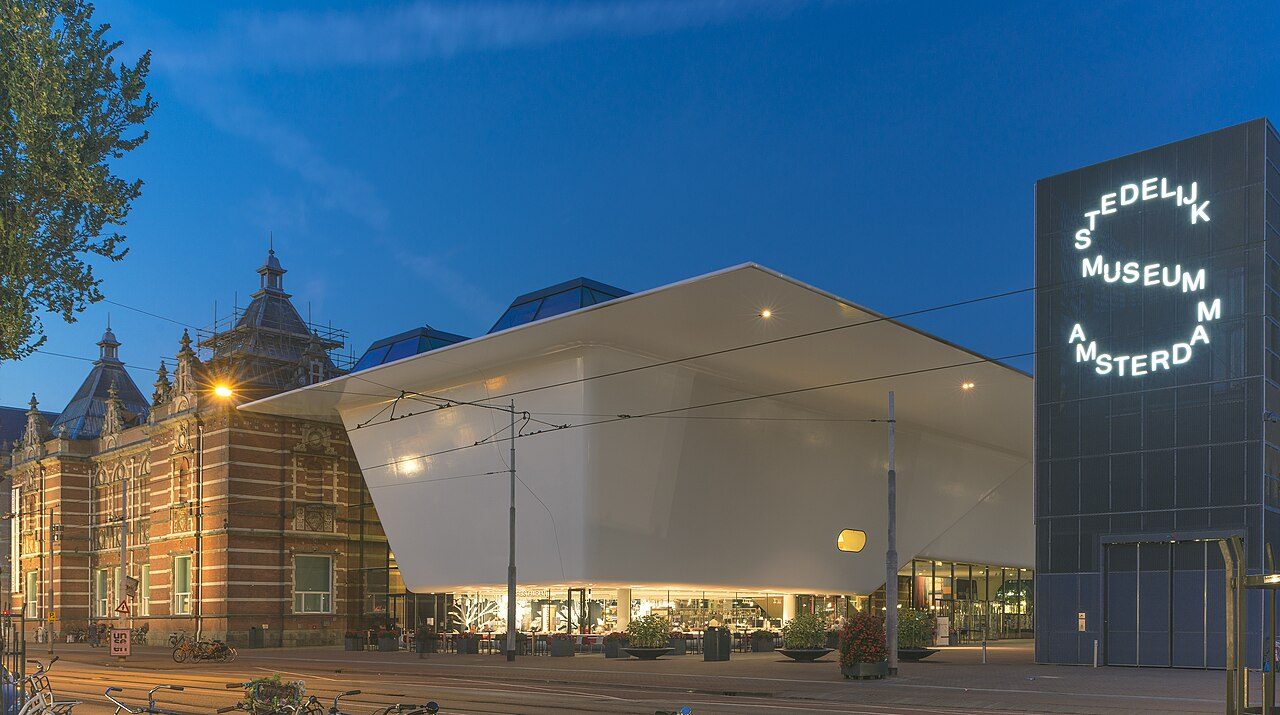
Stedelijk Museum
Modern and contemporary art and design in the 'bathtub' building on Museumplein.
 MUSEUM
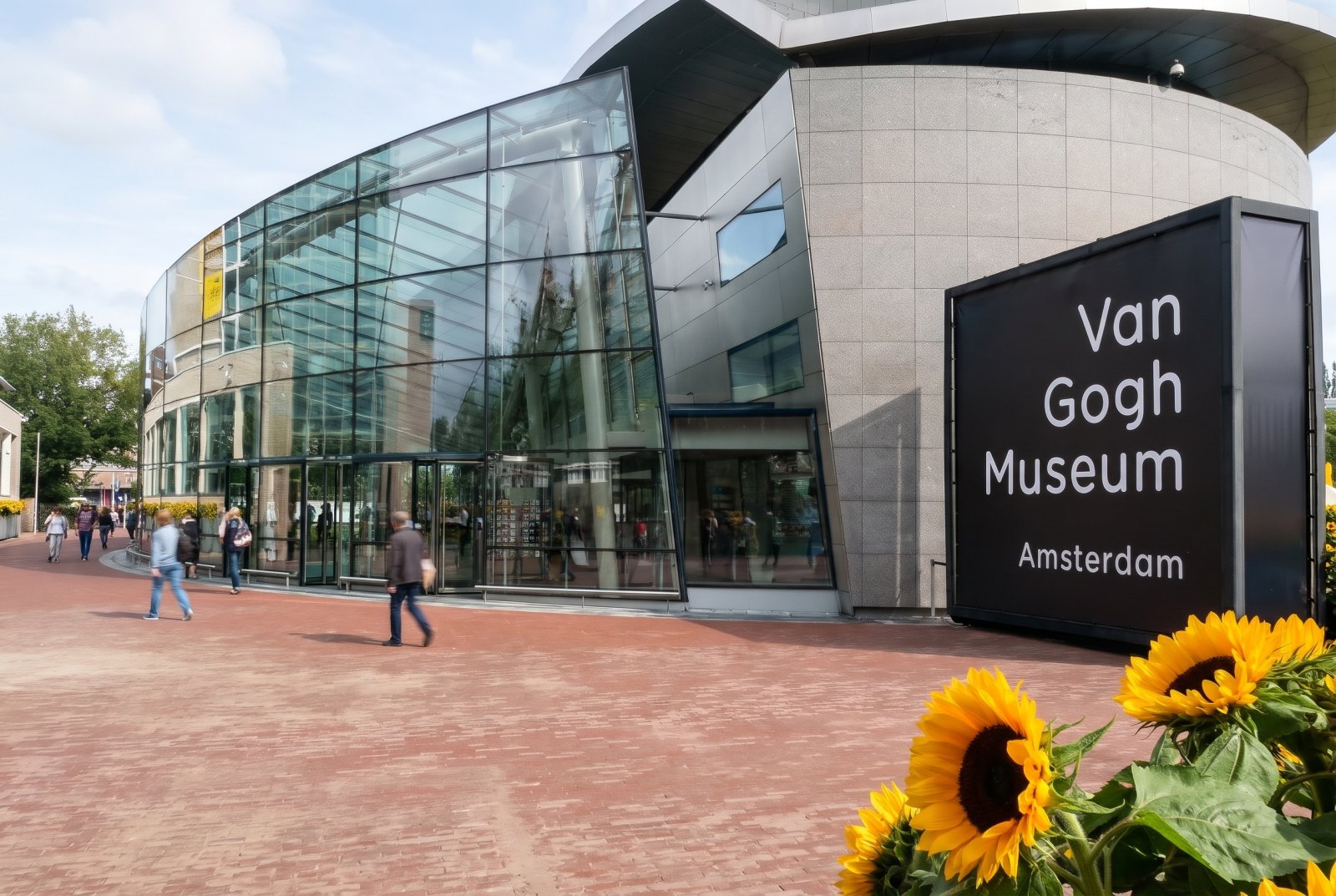
Van Gogh Museum
The world's largest Van Gogh collection: the Sunflowers, the bedroom and his letters.
Tours and quests that pass here
These walks have a stop a few minutes from Vondelbunker. Free, on your phone, start any time.
 AUDIO TOUR
Van Gogh's Amsterdam
The years before the fame: a failed bookshop clerk walking these same streets. Ends at the museum door.
 AUDIO TOUR
In Rembrandt's Footsteps
From the biggest house on the street to bankruptcy and an unmarked grave. His Amsterdam, in the order he lived it.
 CITY QUEST
Rembrandt's Missing Panel
Count steps, columns and a missing piece of skyline. Rembrandt's city, looking closely.