
ODD FIND
Picasso in the Vondelpark
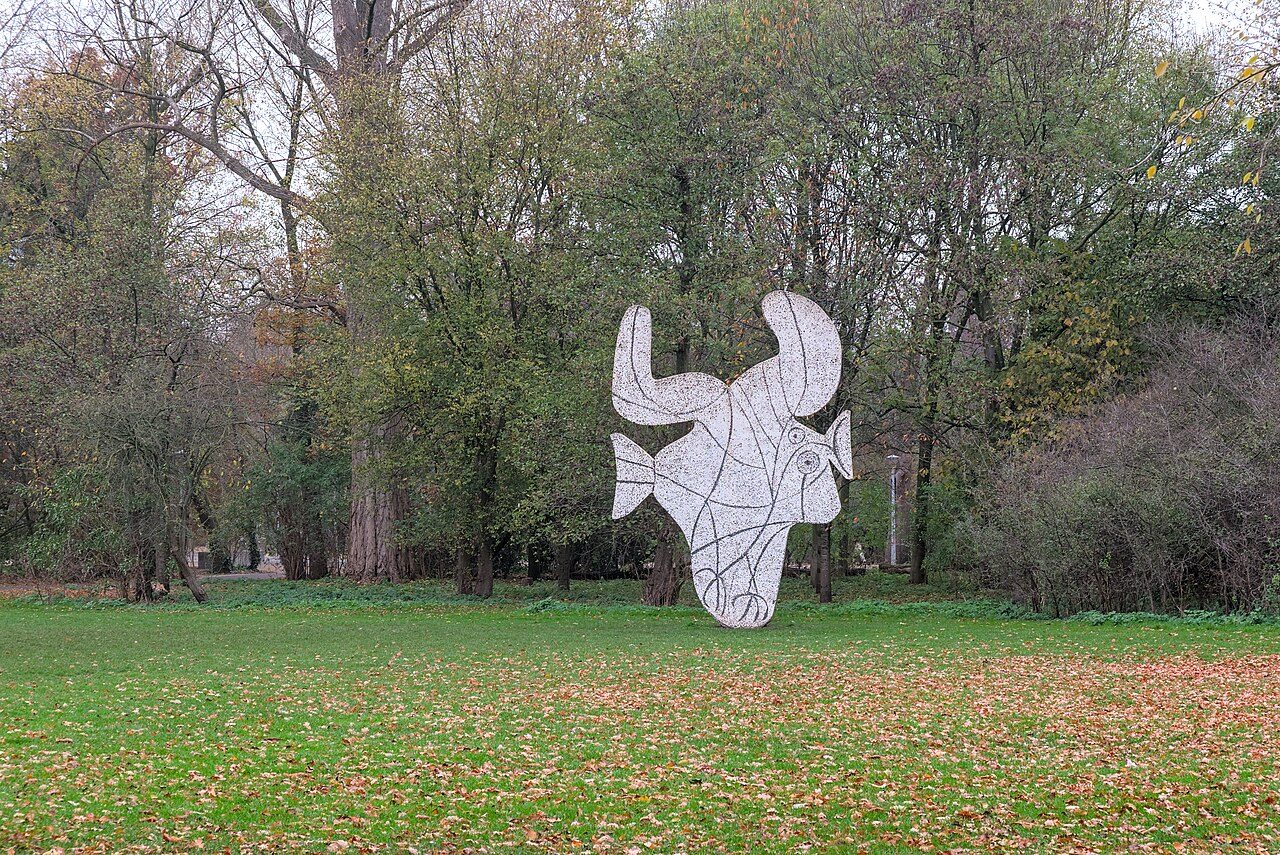
A real Picasso, 'Figure découpée' (the fish), standing on a lawn in the Vondelpark since 1965. Joggers pass it without looking.
A Picasso on the grass
Most people who walk through the Vondelpark are looking at the ducks, the ponds or the person on the next bench. Few look at the sculpture on the lawn. It is a real Picasso, and it has stood here since 1965.
The work is known in Amsterdam as The Fish. You can walk right up to it, walk around it and stay as long as you like. There is no queue, no guard and no ticket.
That is the charm. A name like Picasso usually means a museum, a hushed room and a rope. Here it is outdoors, among joggers, cyclists and people with picnics. It is worth the walk for that contrast alone.
The park around it
The Fish dates from 1965, a hundred years after the park opened. The park began in 1865 as Nieuwe Park, the New Park. Jan David Zocher designed it in the English landscape style, with winding paths, open lawns and clumps of trees. His son Louis Paul Zocher designed the last part, finished in 1877.
It started as a private project. A group of citizens led by Christiaan Pieter van Eeghen bought grassland and marshes at the edge of the city. At first the park was free for members of their association, and other people paid to get in. In 1953 the association gave the park to the city.
The Fish arrived in the decade after that. In the 1960s and 1970s the Vondelpark became known as a place where almost anything was allowed. A Picasso on the lawn suits that mood. The sources I have do not say how the sculpture came to be here, so I will not guess.
There are two other statues in the park. One is Joost van den Vondel, the 17th-century poet and playwright the park is named after, placed here in 1867. The other is Mama Baranka by Nelson Carrilho, from 1985.
What to look for
Stand a few steps back first and take it in as a whole. Then walk round it slowly. A sculpture that looks one way from the path can look quite different from the other side, so give it a full circle before you decide what you think.
Picasso is famous for reducing a subject to a few bold choices. Ask yourself what you recognise as a fish, and what is only suggested.
Then look at the setting. The grass, the trees and the open sky are part of how it reads. This is a work meant to sit outdoors, in changing light.
Notice also who is not looking. Runners pass it on their usual loop. Someone is probably asleep on the grass nearby. That is how the Fish lives here, as part of an ordinary afternoon.
On the way, listen for the parakeets. Wild rose-ringed parakeets have lived in the park since the 1970s, and you will often hear them before you see them.
Before you go
- Walk in through any of the park gates. The sculpture stands on a lawn and is free to see at any hour.
- Go early on a weekday morning or on a quiet evening to have the lawn almost to yourself. Sunny weekend afternoons are busy with picnics and sport.
- It is outdoors, so check the weather. A dry lawn makes it easier to linger.
- Look at it from several sides before you take photos.
- From June to August the park's open-air theatre has free shows, with a small donation asked. Check the programme if you want to stay on.
What people say
Related spots
More things to do in Amsterdam ›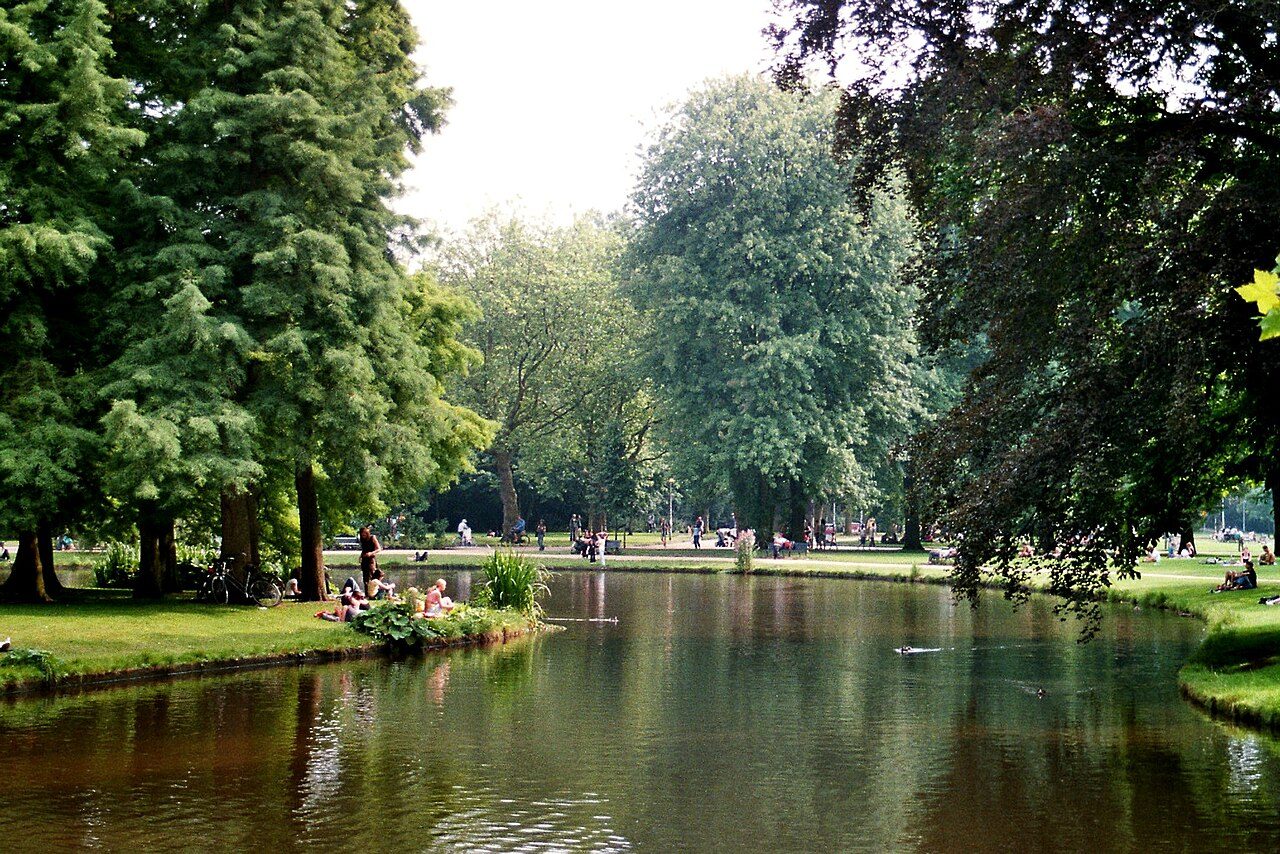 LANDMARK
Vondelpark
The city's big park, with a free open-air theatre in summer and a Picasso sculpture.
 ODD FIND
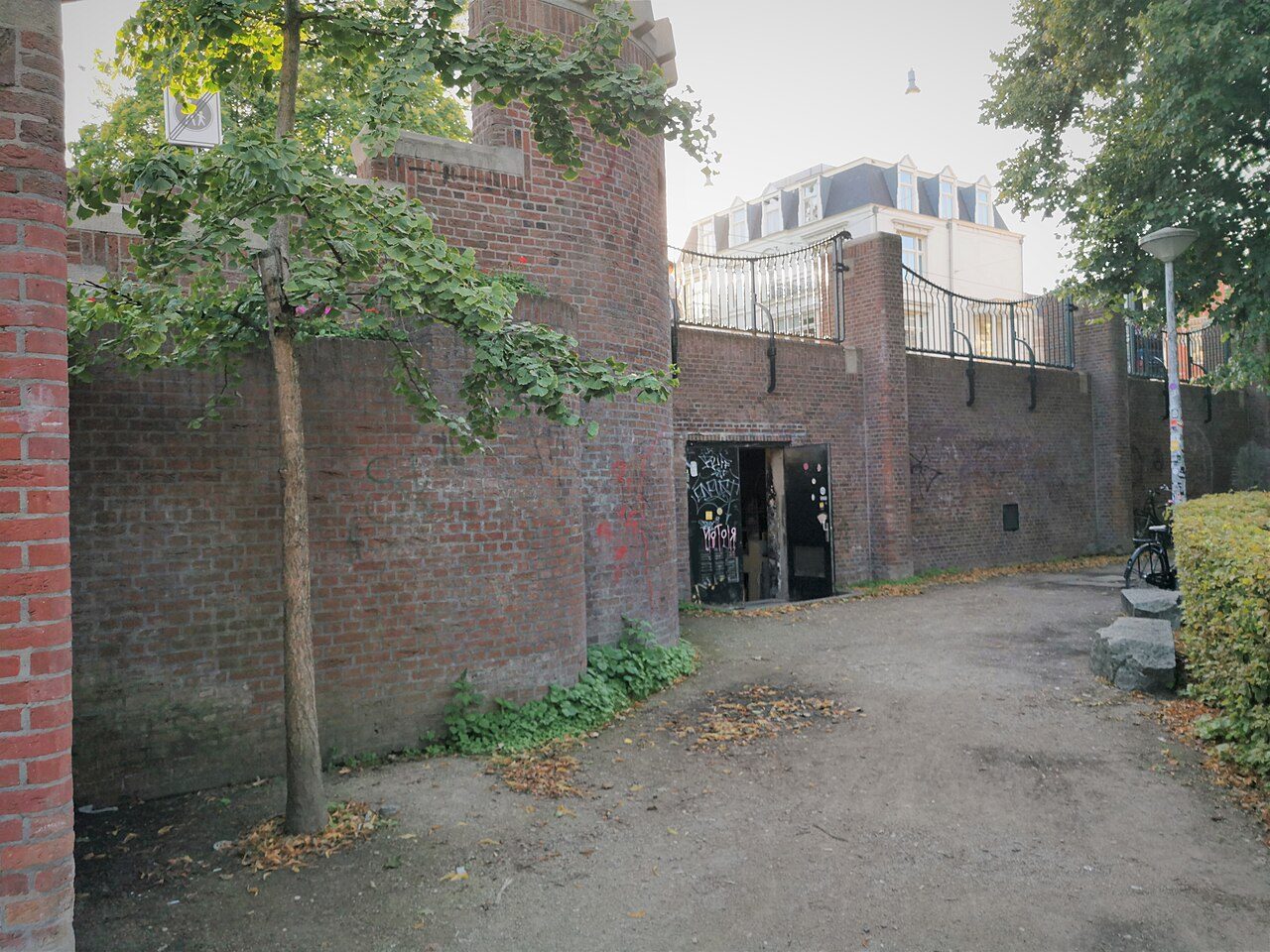
Vondelbunker
A Cold War nuclear shelter under a Vondelpark bridge, now an underground cultural venue.
 ODD FIND
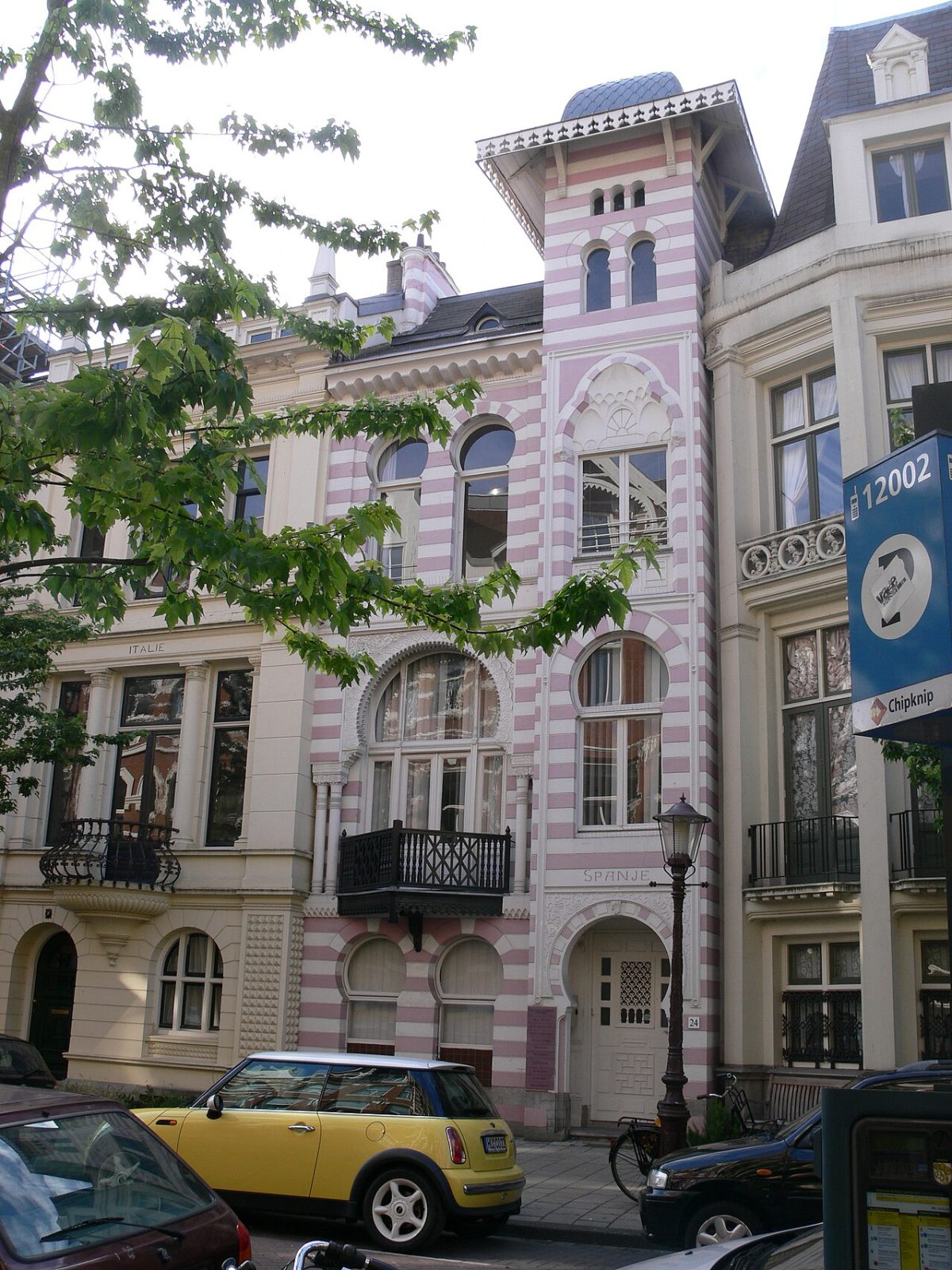
Zevenlandenhuizen
Seven houses in a row, each built in the style of a different country (1894), on the Roemer Visscherstraat.
 MUSEUM
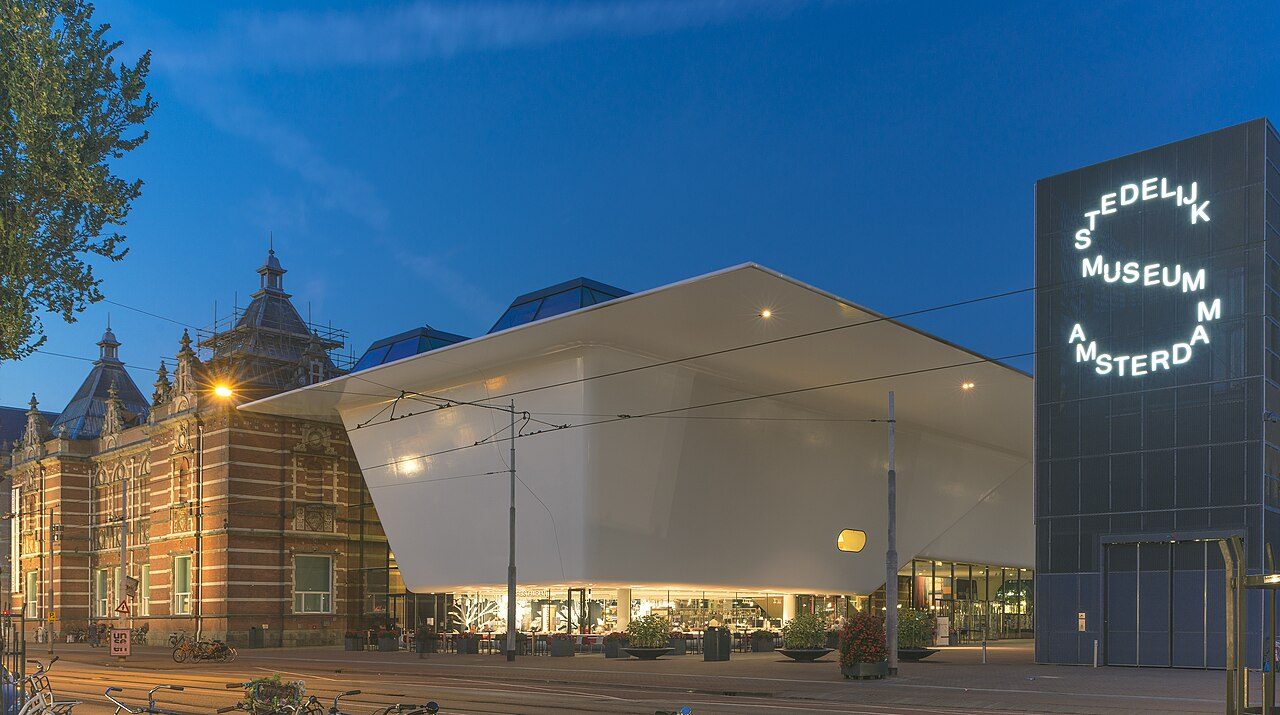
Stedelijk Museum
Modern and contemporary art and design in the 'bathtub' building on Museumplein.
 MUSEUM
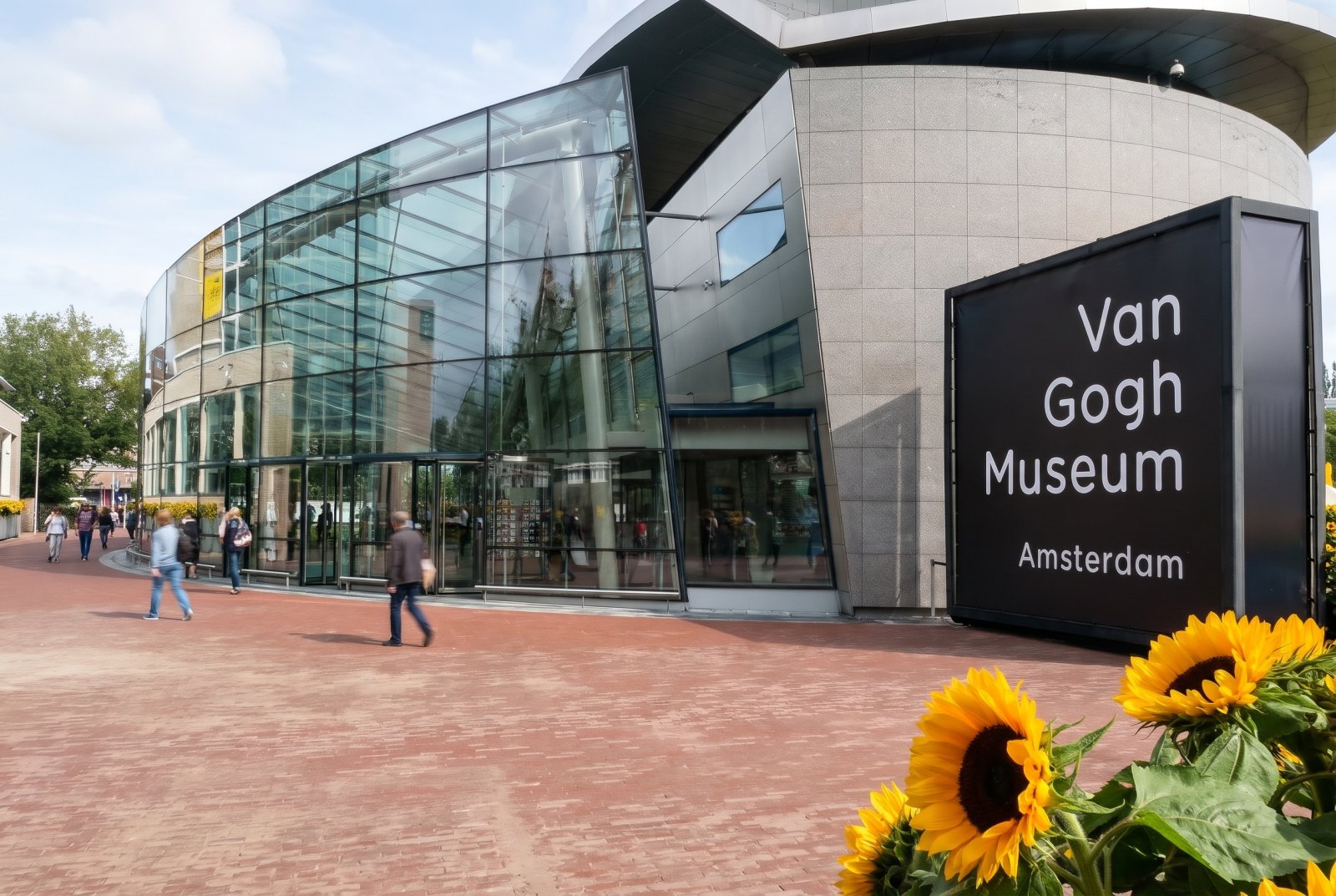
Van Gogh Museum
The world's largest Van Gogh collection: the Sunflowers, the bedroom and his letters.
 MUSEUM
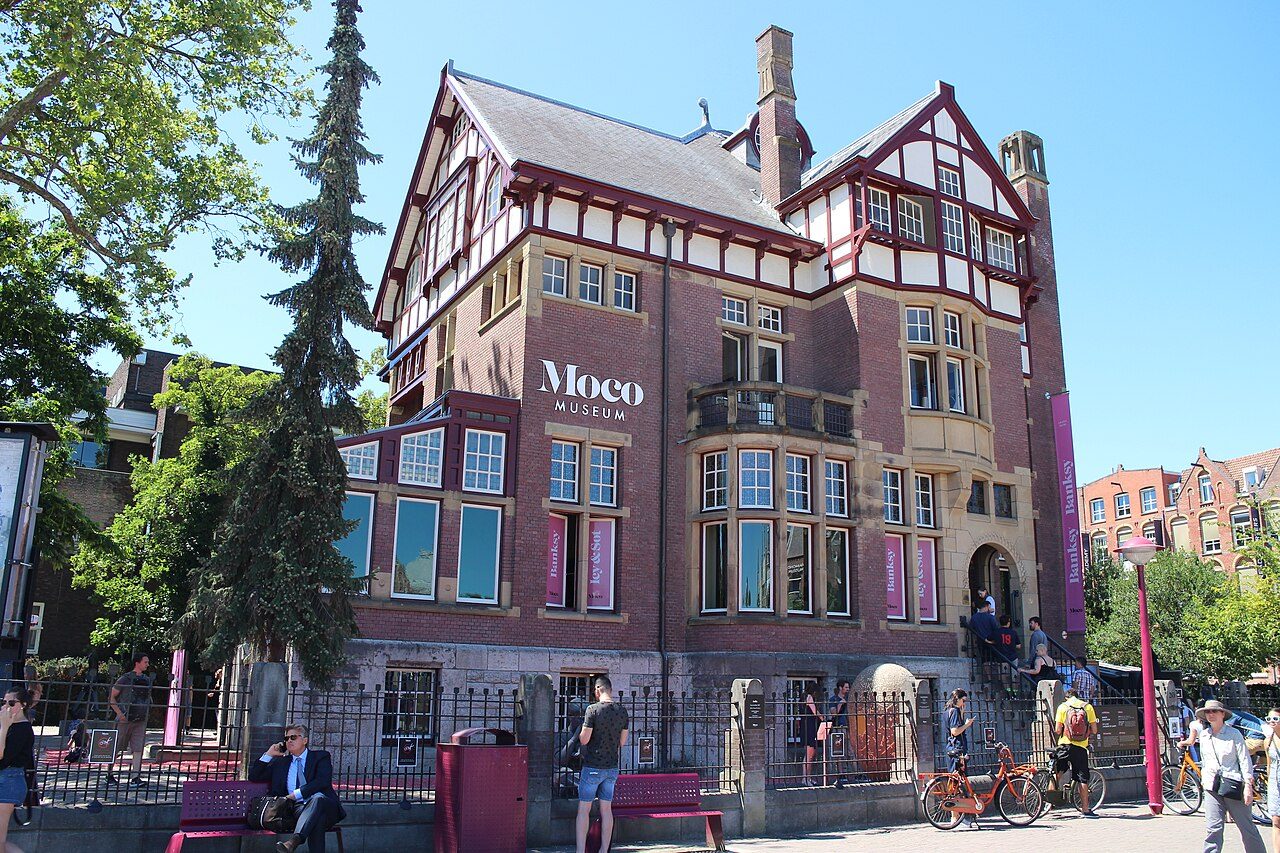
Moco Museum
Banksy, Warhol and digital art in a villa on Museumplein.
Walk it with a guide or a quest
If you want a story on the way, these walks also live in Amsterdam.
 AUDIO TOUR
Amsterdam Ghost Tour
Plague pits, public executions and the canal that swallowed people. The city's grim side, told without the cheap scares.
 AUDIO TOUR
Amsterdam in a Day: Highlights Walk
Start here if it's your first day. Why the houses lean, how the canals were dug, and what the Golden Age was actually built on.
 AUDIO TOUR
Red Light District
Seven centuries of sailors, sin and stubborn tolerance. The real history of the oldest part of town, told straight.