
MUSEUM
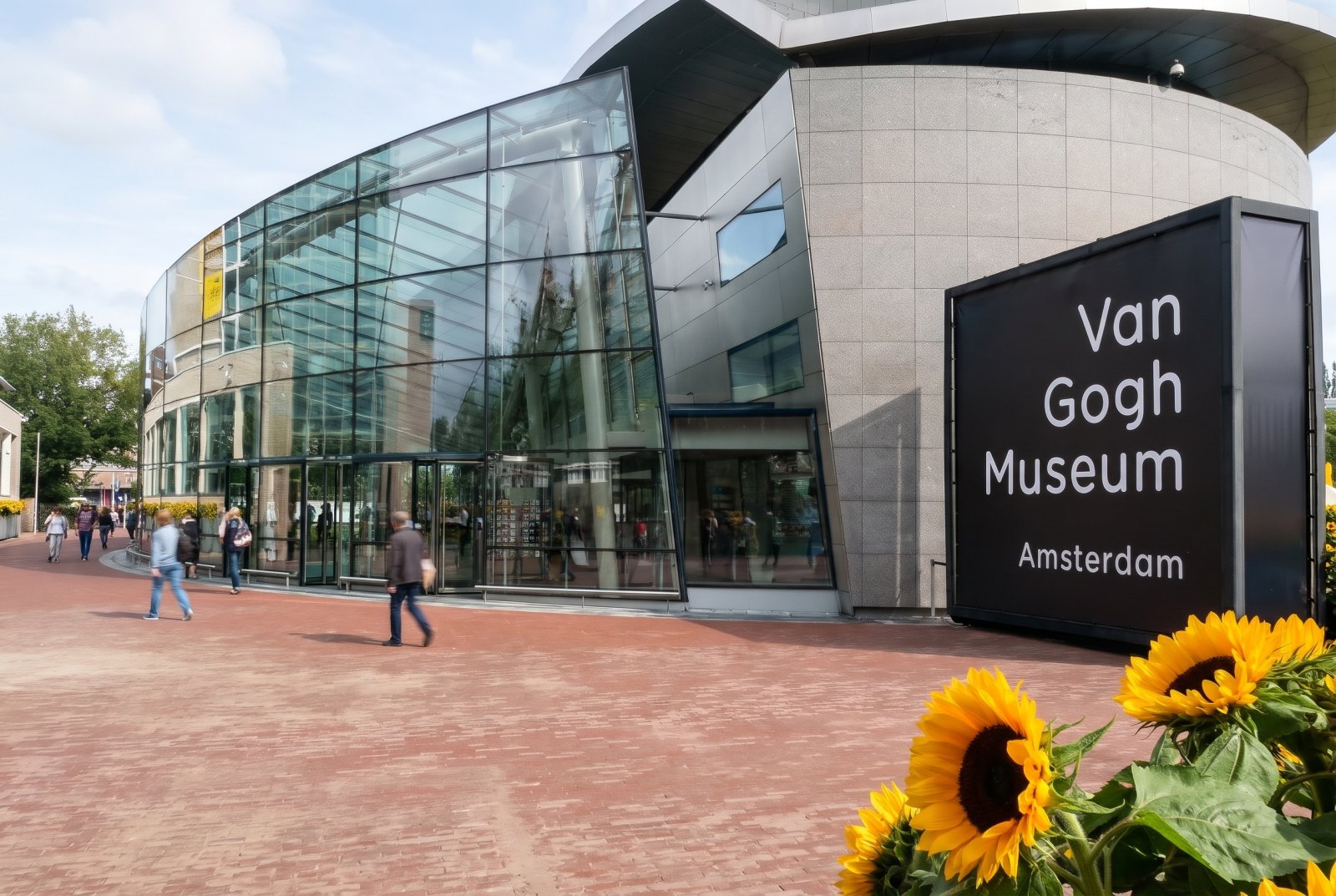
Van Gogh Museum
The world's largest Van Gogh collection: the Sunflowers, the bedroom and his letters.
Why it is worth the walk
This is the largest Van Gogh collection in the world. It holds around 200 paintings, hundreds of drawings and 700 letters. It is a lot of one man in one building, and it is arranged so you can follow his life from start to finish.
The pictures you probably came for are here: Sunflowers, Bedroom in Arles, The Yellow House, The Potato Eaters, Almond Blossoms and Wheatfield with Crows. There are also nine self-portraits and some of his earliest paintings, from 1882. The letters, mostly to his brother Theo, are what make this more than a gallery. They let you hear him explain his own work.
The museum stands on Museumplein, in Amsterdam South, at Paulus Potterstraat 7. It was the most-visited museum in the Netherlands in 2017, with 2.3 million visitors. Expect company.
How the collection ended up here
Van Gogh sold only two paintings in his lifetime. When he died in 1890, everything left went to Theo. Theo died six months later, and the work passed to his widow, Johanna van Gogh-Bonger.
She sold some pieces to spread his name, and she organised exhibitions in the Netherlands and abroad. She kept a core collection together and turned down an offer for all of it from Anton Kröller. Much of Vincent's fame after death comes from her. In 1925 the collection went to her son, Vincent Willem, and in 1962 an agreement handed it to the Dutch state on one condition: it had to go into a museum devoted to Van Gogh.
Gerrit Rietveld was asked to design it in 1963. He died the next year, and two colleagues finished the building. It opened on 2 June 1973. In 1999 an oval wing by the Japanese architect Kisho Kurokawa was added for temporary exhibitions.
The museum has had bad luck too. In 1991 twenty paintings were stolen, among them The Potato Eaters. All were found in an abandoned car 35 minutes later. In 2002 two more were taken. They only turned up in 2016, in a villa in Italy.
What to look for
Start on the first floor of the main building. The works hang in chronological order: Nuenen, Antwerp, Paris, Arles, Saint-Rémy, Auvers-sur-Oise. Walk it in that order. You see the dark, heavy colours of the early years lighten in Paris and then burn in Arles.
Stand close to the Arles pictures and look at the thick brushstrokes, then step back. Bedroom in Arles and The Yellow House are both from 1888.
Find Sunset at Montmajour. It hung unrecognised in a Norwegian attic for years, believed to be by another painter. The museum showed it as a Van Gogh in 2013. We know the exact day he painted it, 4 July 1888, because he described it in a letter to Theo.
Do not skip the third floor. It hangs Van Gogh beside his contemporaries, including Gauguin, Monet, Seurat, Toulouse-Lautrec and Signac. You can see what he borrowed and what was only his. The second floor shows how paintings are restored, and it is worth a few minutes.
The oval Kurokawa wing is half sunk into the square and joined to the main building by an underground passage. Depending on the season, sunflowers are displayed outside the entrance.
Before you go
- Walk or take public transport to Museumplein. The museum is on Paulus Potterstraat, between the Stedelijk and the Rijksmuseum.
- You need a ticket. Book a timed slot online in advance, as the museum is very popular.
- Go as early in the day as you can, and check the official website for current opening hours.
- Give the main building about two hours. Add time if there is a temporary exhibition in the Kurokawa wing.
- Read a few of the letters on display. They explain the paintings better than the labels alone.
What people say
Related spots
More things to do in Amsterdam ›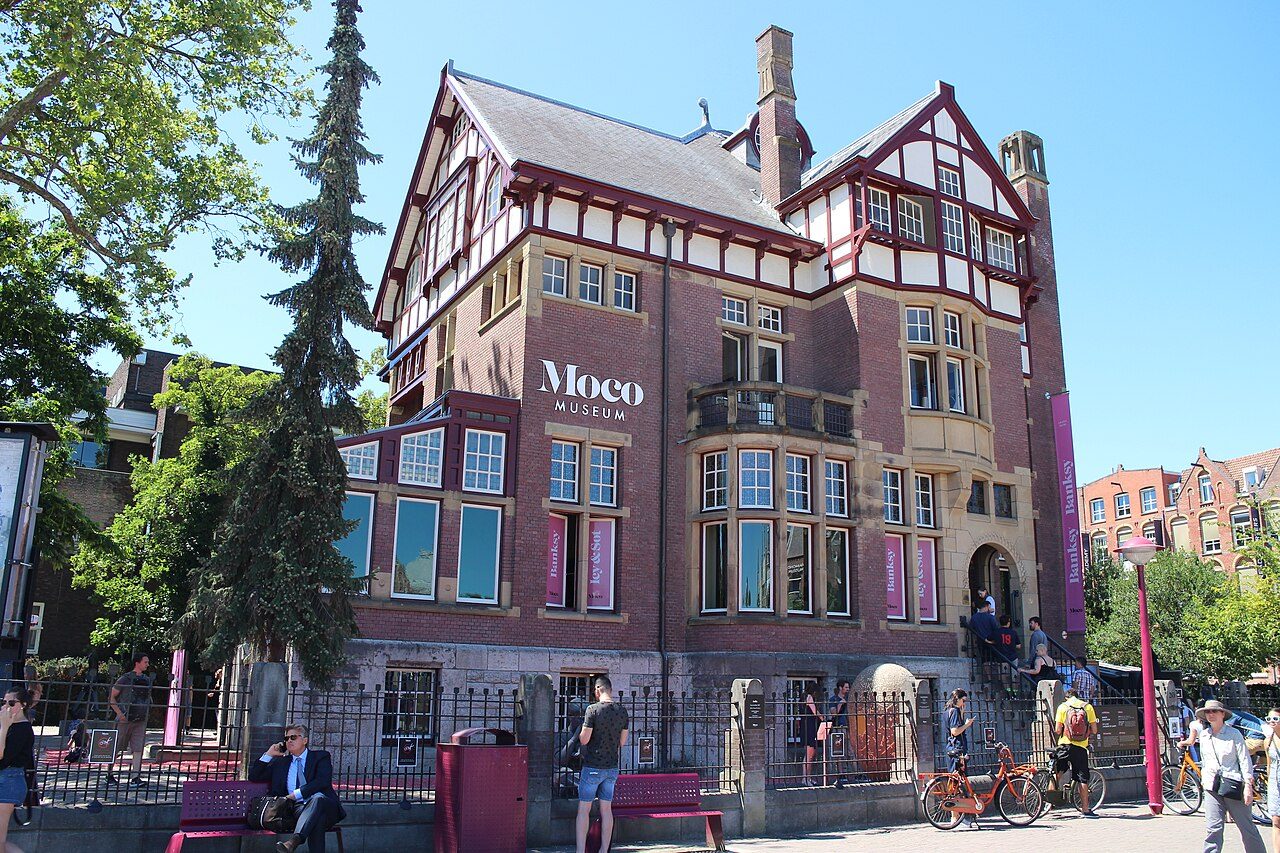 MUSEUM
Moco Museum
Banksy, Warhol and digital art in a villa on Museumplein.
 MUSEUM
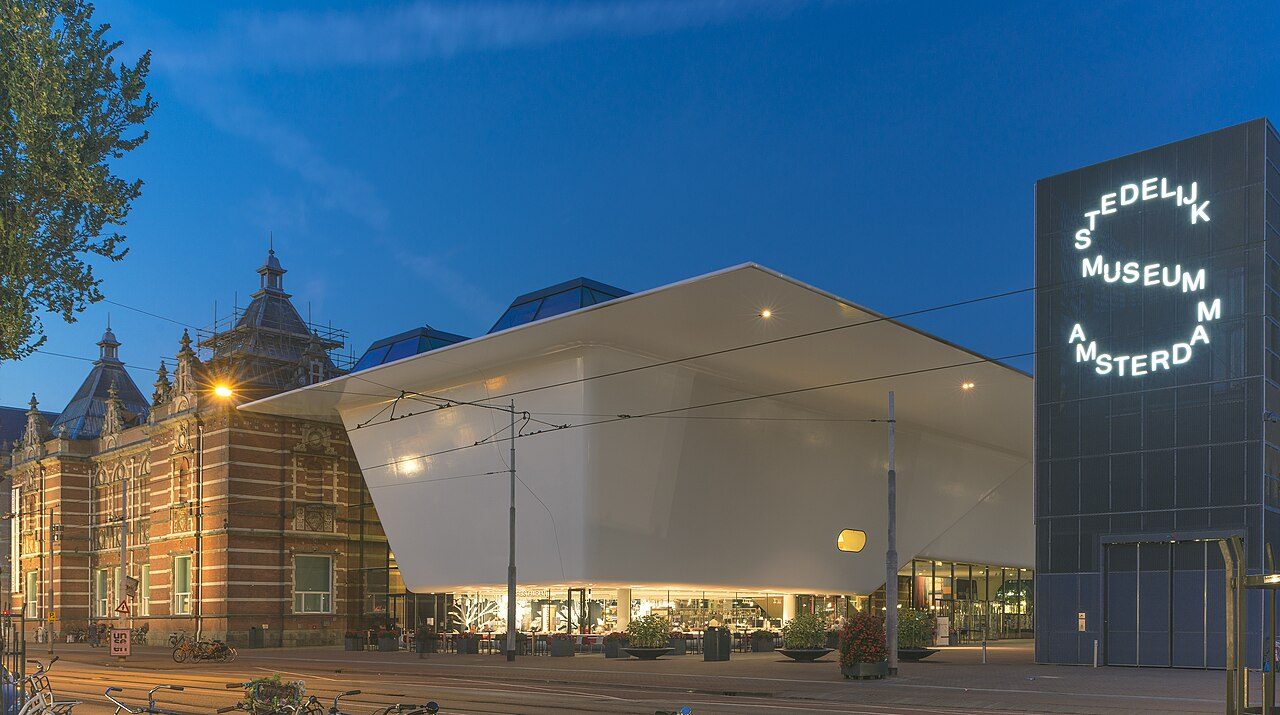
Stedelijk Museum
Modern and contemporary art and design in the 'bathtub' building on Museumplein.
 MUSEUM
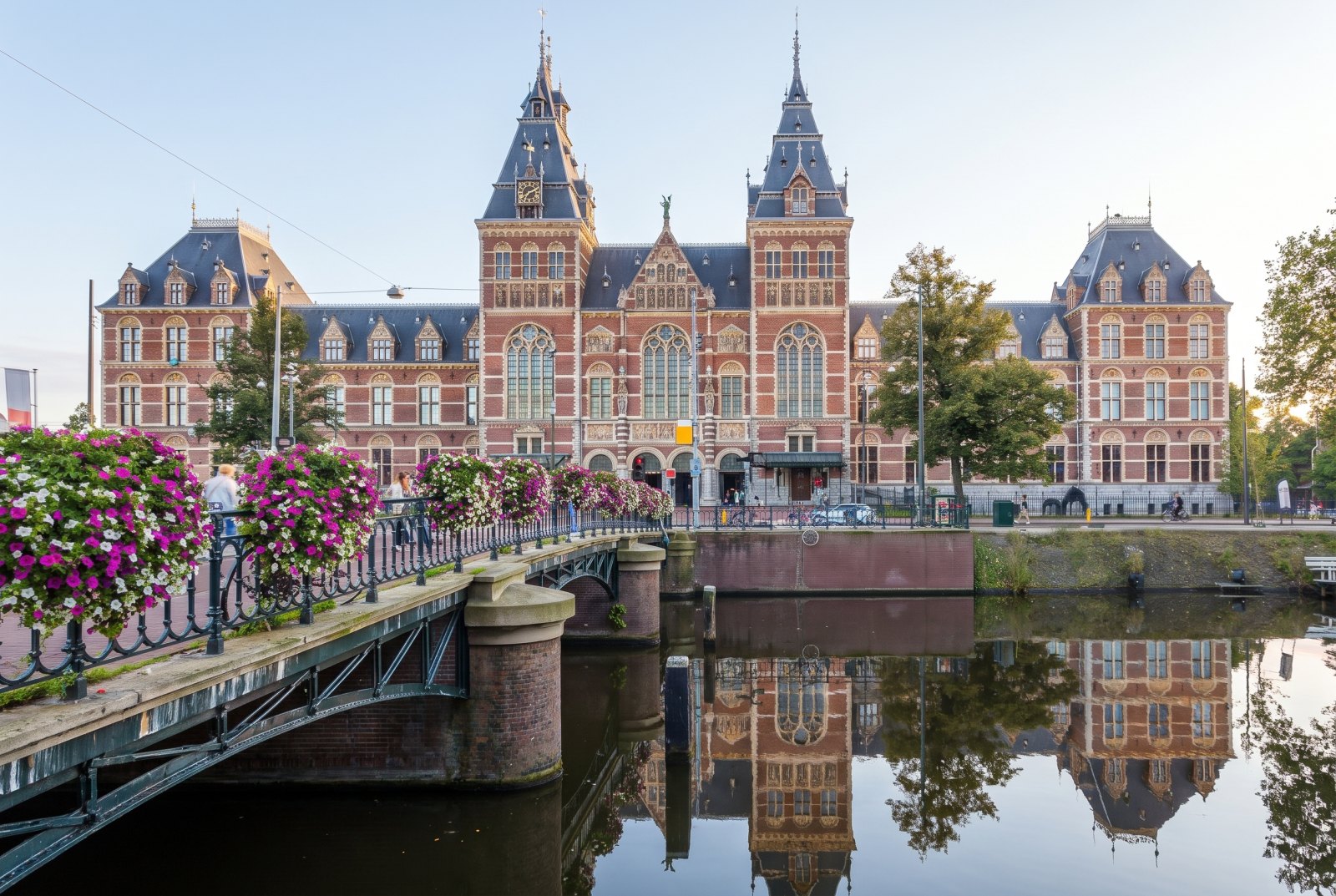
Rijksmuseum
The national museum: Rembrandt's Night Watch, Vermeer's Milkmaid and 800 years of Dutch history.
 MUSEUM
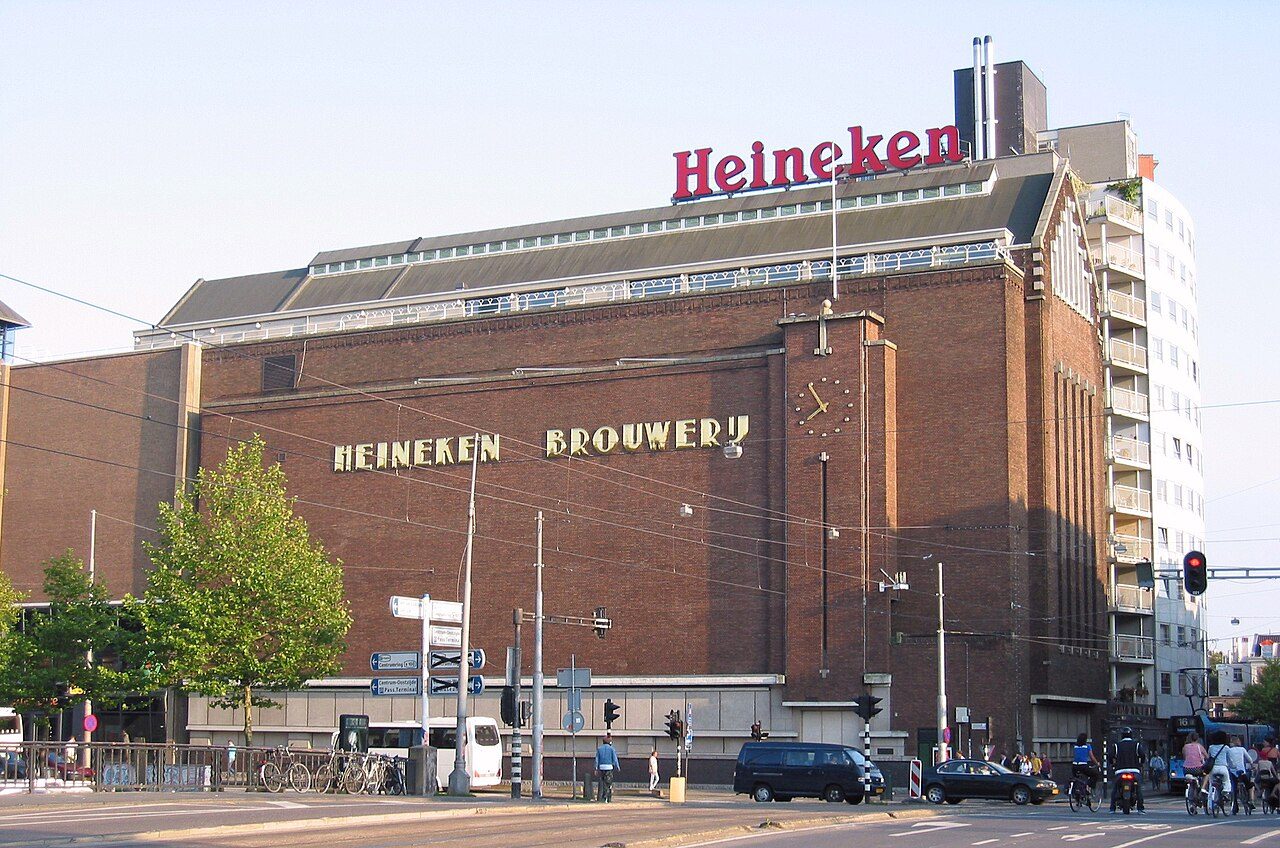
Heineken Experience
The old Heineken brewery turned into a beer experience, with a tasting at the end.
 MUSEUM
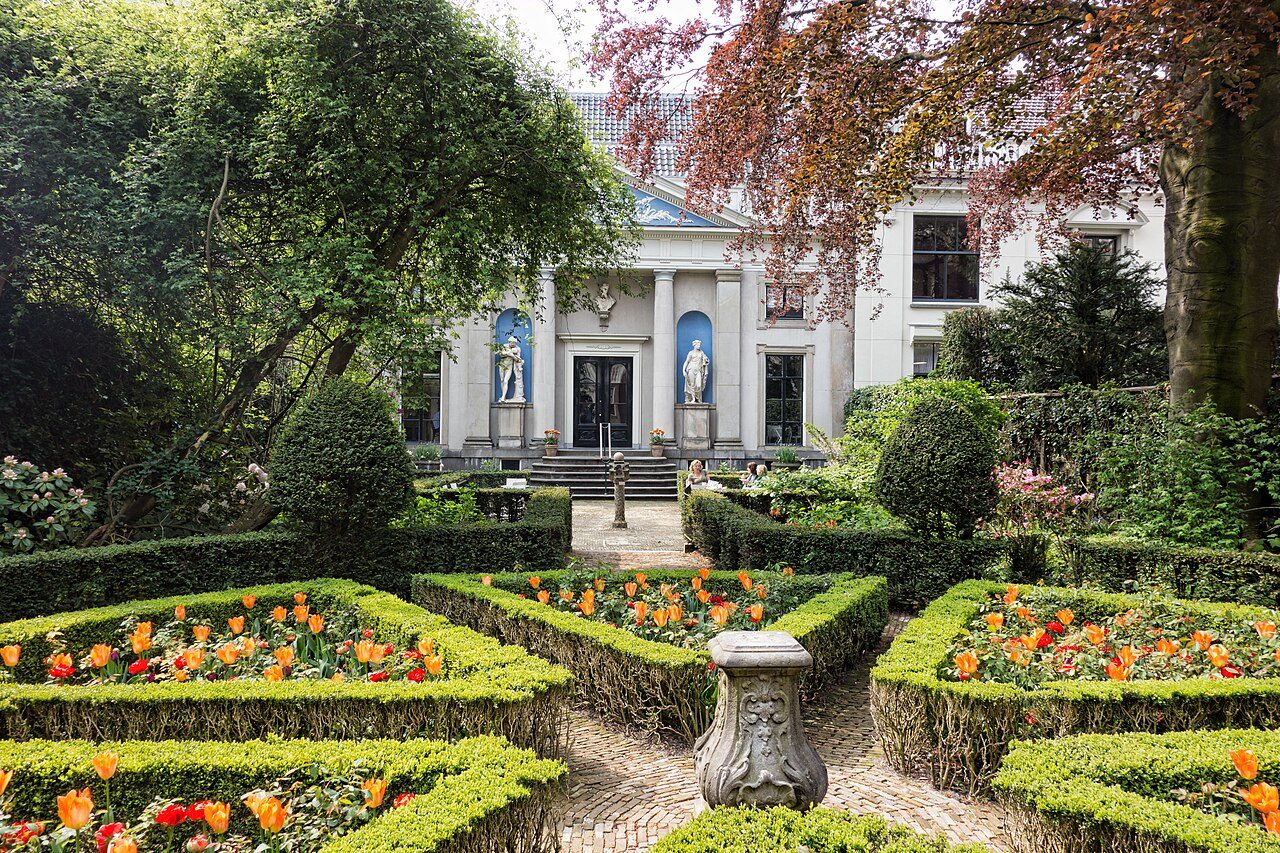
Museum Van Loon
A canal house still owned by the Van Loon family, with its garden and coach house.
 ODD FIND
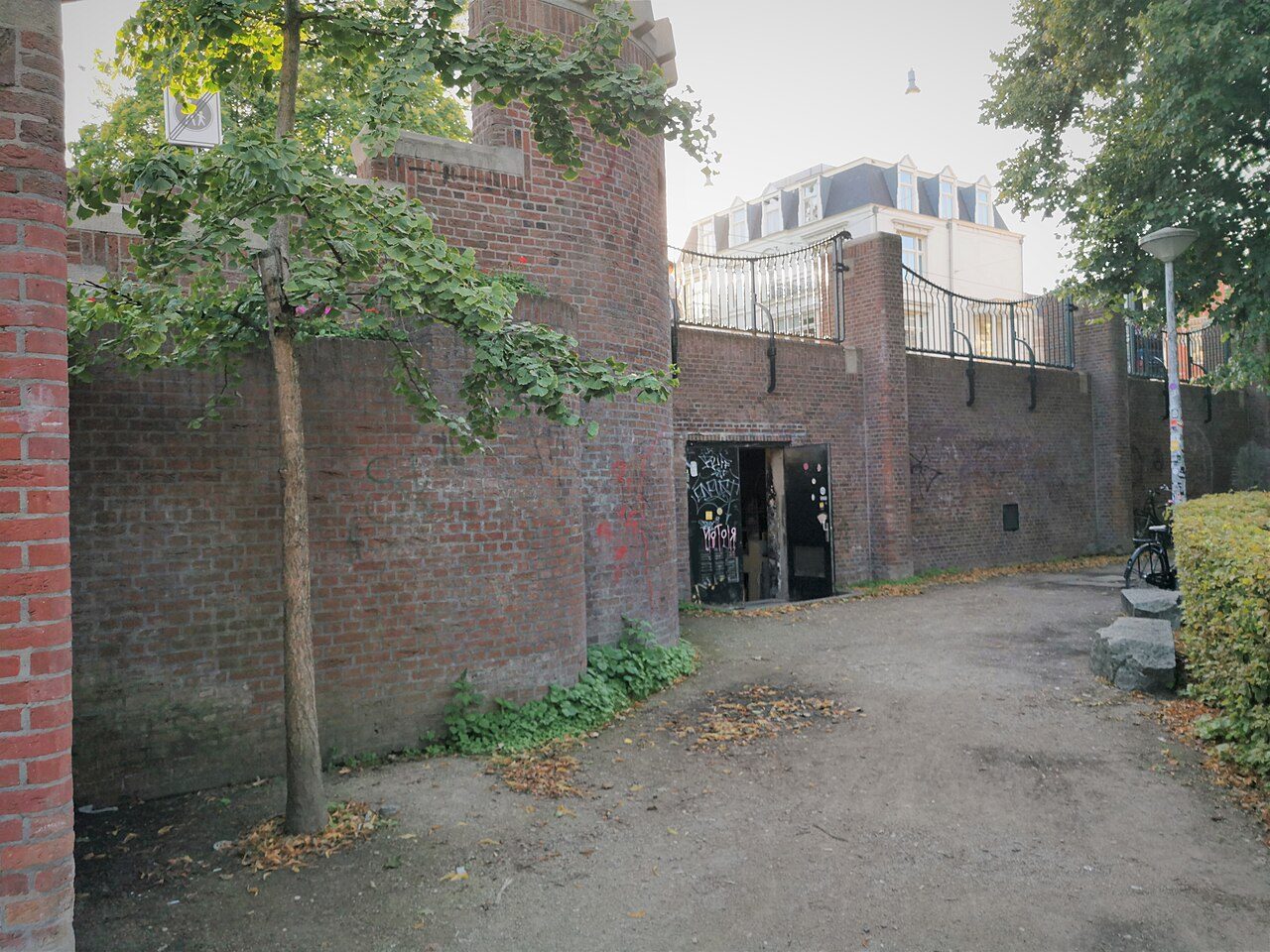
Vondelbunker
A Cold War nuclear shelter under a Vondelpark bridge, now an underground cultural venue.
Tours and quests that pass here
These walks have a stop a few minutes from Van Gogh Museum. Free, on your phone, start any time.
 AUDIO TOUR
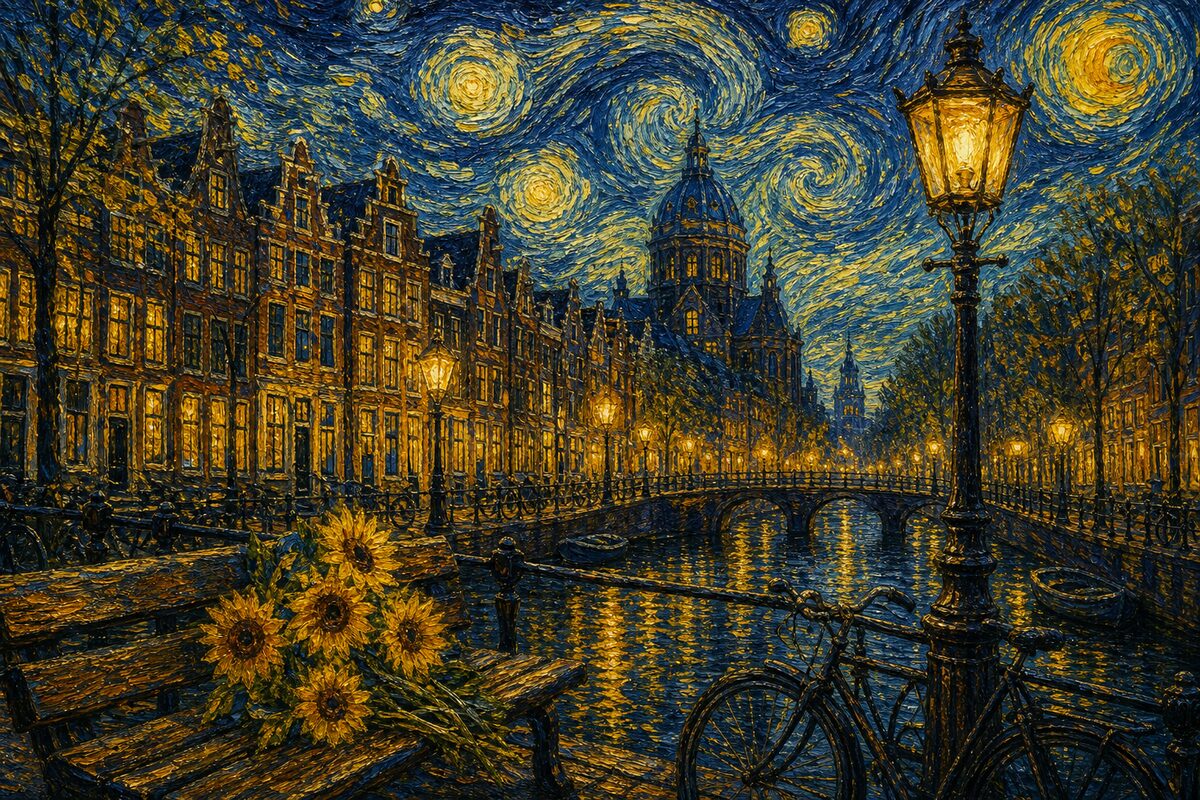
Van Gogh's Amsterdam
The years before the fame: a failed bookshop clerk walking these same streets. Ends at the museum door.
 AUDIO TOUR
In Rembrandt's Footsteps
From the biggest house on the street to bankruptcy and an unmarked grave. His Amsterdam, in the order he lived it.
 CITY QUEST
Rembrandt's Missing Panel
Count steps, columns and a missing piece of skyline. Rembrandt's city, looking closely.