MUSEUM
Museum Van Loon
A canal house still owned by the Van Loon family, with its garden and coach house.
A canal house with a family still behind it
Museum Van Loon is a house at Keizersgracht 672, and it feels like one. You walk through rooms with paintings, porcelain and furniture that belonged to a real family. The Van Loons have owned the house since 1884, and the museum carries their name.
It is worth the walk if you want to see how a rich Amsterdam family lived, not just how a canal house looks from the street. You get the front rooms, the upstairs bedrooms, the garden and the coach house at the back. Plan on an hour or a little more.
Who lived here
The house was built in 1671 and 1672 for Jeremias van Raey, a Flemish merchant. It is one of a pair, with number 674 next door. The architect was Adriaan Dortsman, who also designed the Ronde Lutherse Kerk. Van Raey meant to live in 674 and rent out this one.
His first tenant was the painter Ferdinand Bol. We know this from court papers, because Bol took his landlord to court. He was paying rent for a house that was supposed to have stables, and the stables did not exist yet.
After that the house changed hands many times, often after bankruptcies. In 1752 Dr Abraham van Hagen bought it. He and his wife Catharina Trip restored and rebuilt a good deal. The brass stair railing with their initials in it dates from those years. Later came Hendrik Sander, a German who had made his money in Indonesia. In 1884 Hendrik van Loon bought the house for his son Willem and Willem's wife Thora Egidius. Thora later served as a lady-in-waiting to Queen Wilhelmina.
Maurits van Loon set up a foundation in 1960 to restore the house and open it to the public. The museum followed in 1973. Maurits died in 2006, and his daughter Philippa took over as chair of the foundation. The museum also looks openly at the family's ties to the East and West India Companies and to plantations. Several of its exhibitions start from that history.
What to look for
Start outside. Four figures stand on the shared facade: Minerva, Mars, Vulcan and Ceres.
Inside, look at the walls and ceilings. The wood panelling and stucco give the rooms their 18th-century feel. The painted landscape wall hangings by Jurriaen Andriessen, in the Drakenstein room, came from Kasteel Drakestein. Maurits van Loon bought them in 1970. Look too for the family portraits, which run from the 17th to the 20th century, and for the cabinets of porcelain, including a Limoges service made with the family crest.
Upstairs, watch the doors. The 18th-century owners wanted symmetry, so they painted the real bedroom doors to match the walls and added false doors where you would expect one. Try to work out which are which.
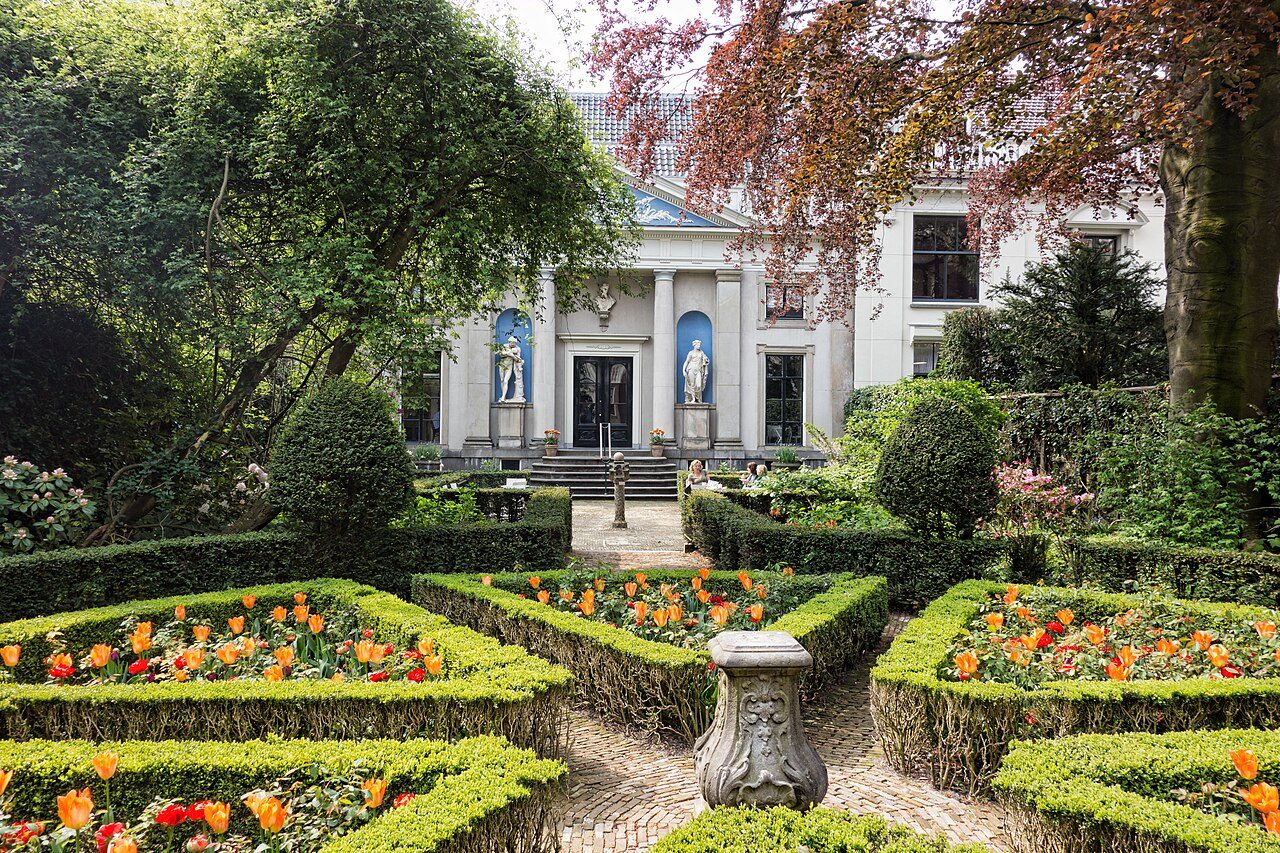
Then go out to the garden. It was redesigned in 1973, inspired by a 1679 drawing by Jacobus Bosch. The red beech was planted by the Van Loons in 1884. At the far end is the coach house, which opens onto the Kerkstraat behind. It became a garage in 1920, when Willem van Loon got a car. Look at the garden side: the upper windows are fake, so the servants could not look out at the garden.
Before you go
- Walk from Rembrandtplein or the Munttoren along the canals, about five minutes. Trams stop nearby, but check a route planner for current lines.
- You need a ticket. Buy it online before you go, and check the museum's website for today's opening times.
- Go early in the day or on a weekday for quieter rooms.
- The garden is nicest in dry weather. Allow time for it and for the coach house as well as the main rooms.
- Look out for temporary exhibitions. They usually start from the house, the collection or the family's history.
What people say
Related spots
More things to do in Amsterdam ›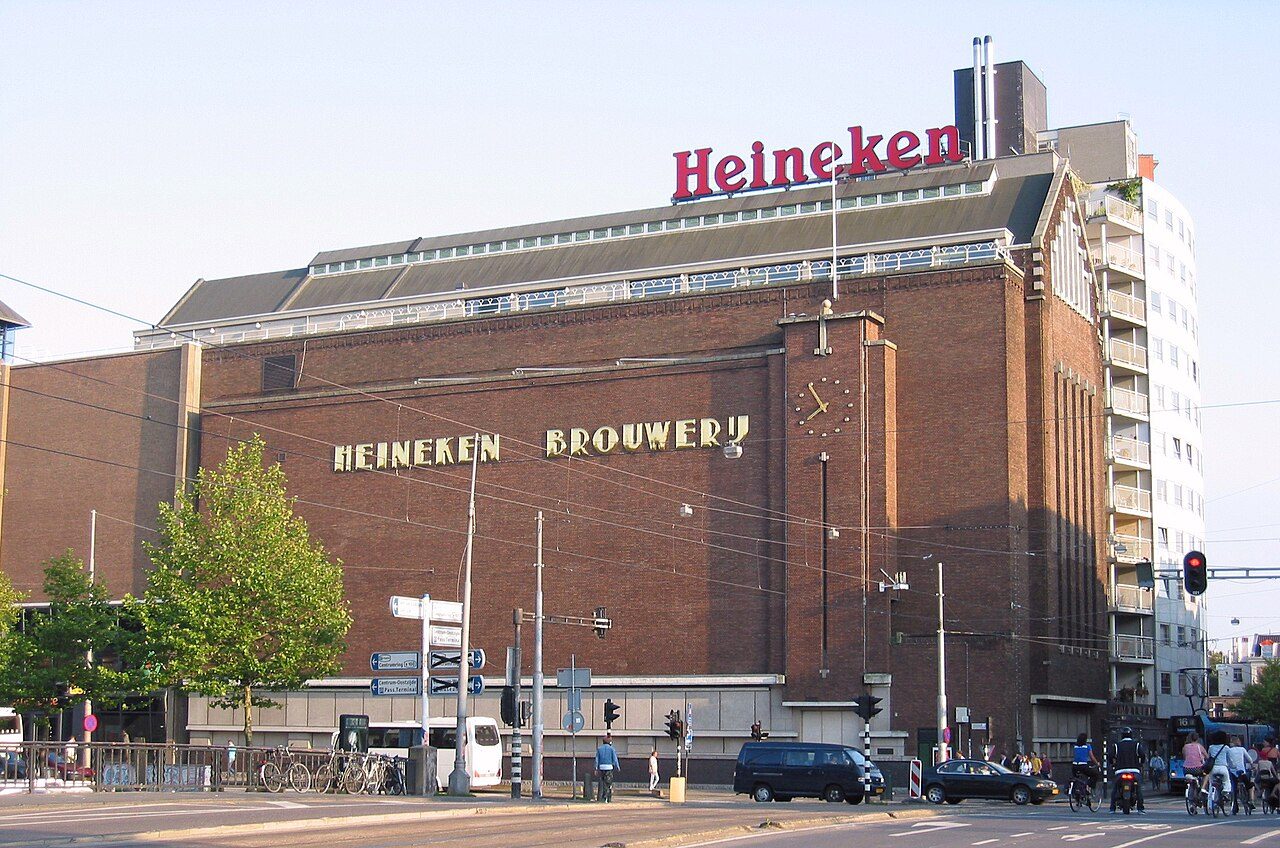 MUSEUM
Heineken Experience
The old Heineken brewery turned into a beer experience, with a tasting at the end.
 MUSEUM
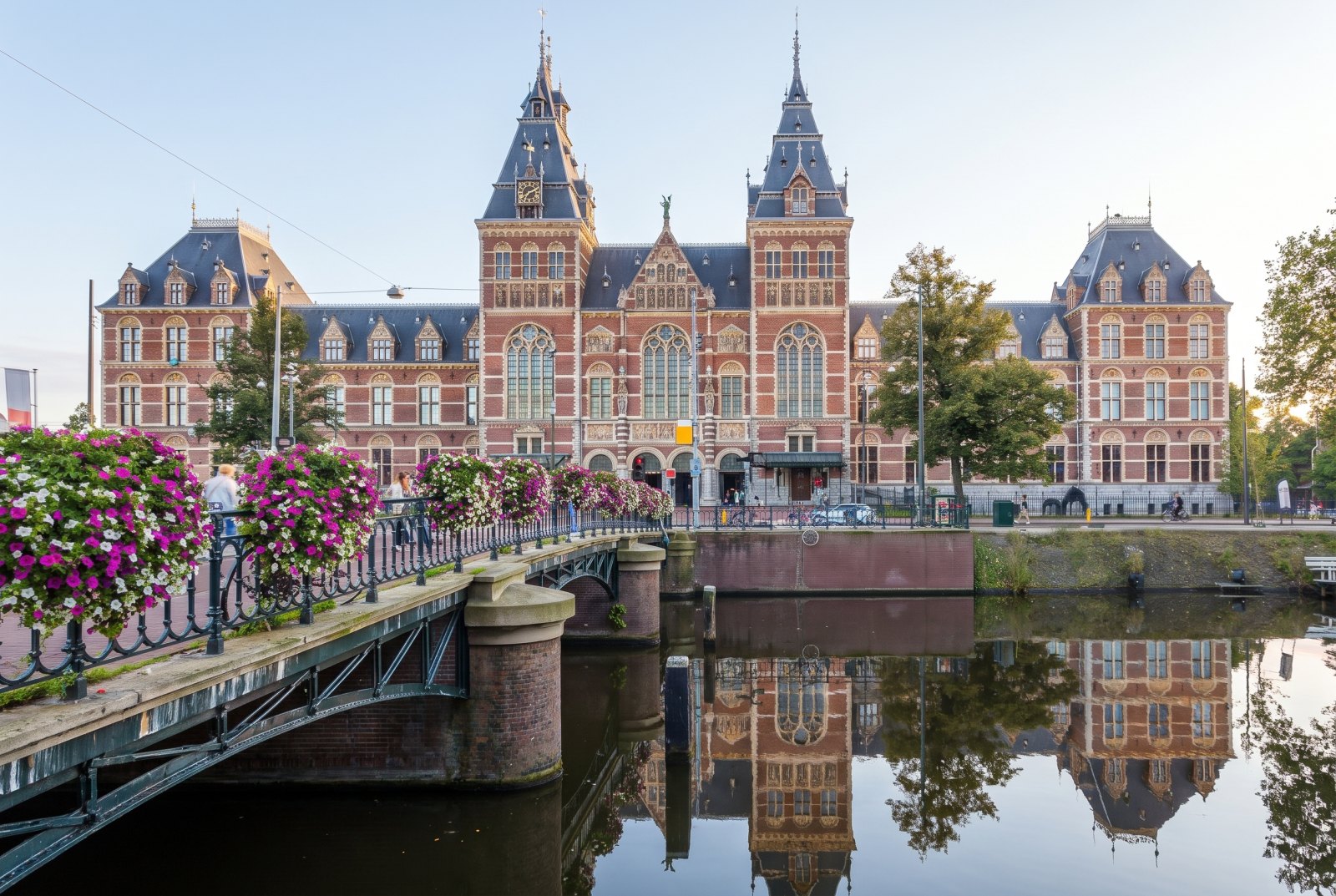
Rijksmuseum
The national museum: Rembrandt's Night Watch, Vermeer's Milkmaid and 800 years of Dutch history.
 MUSEUM
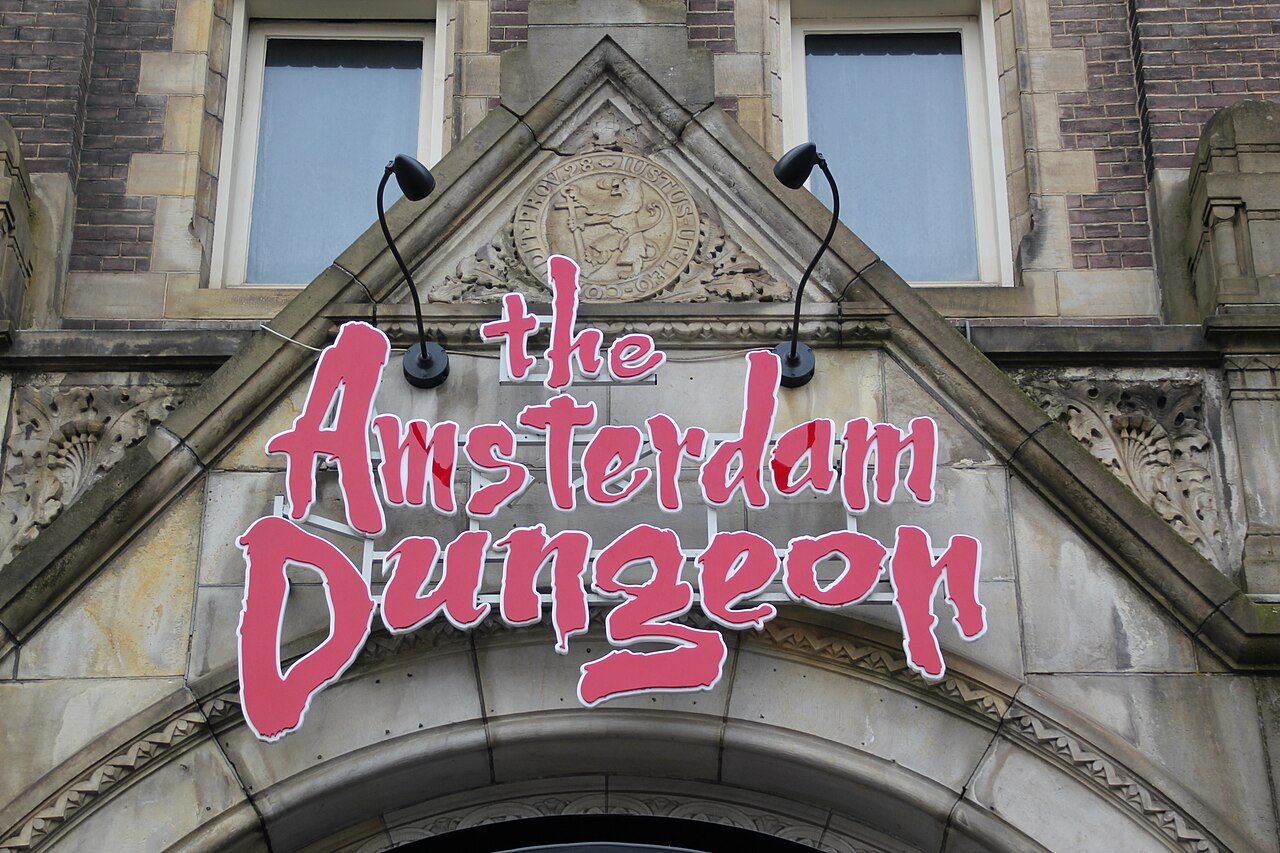
The Amsterdam Dungeon
Five hundred years of the city's dark history, played by actors.
 MUSEUM
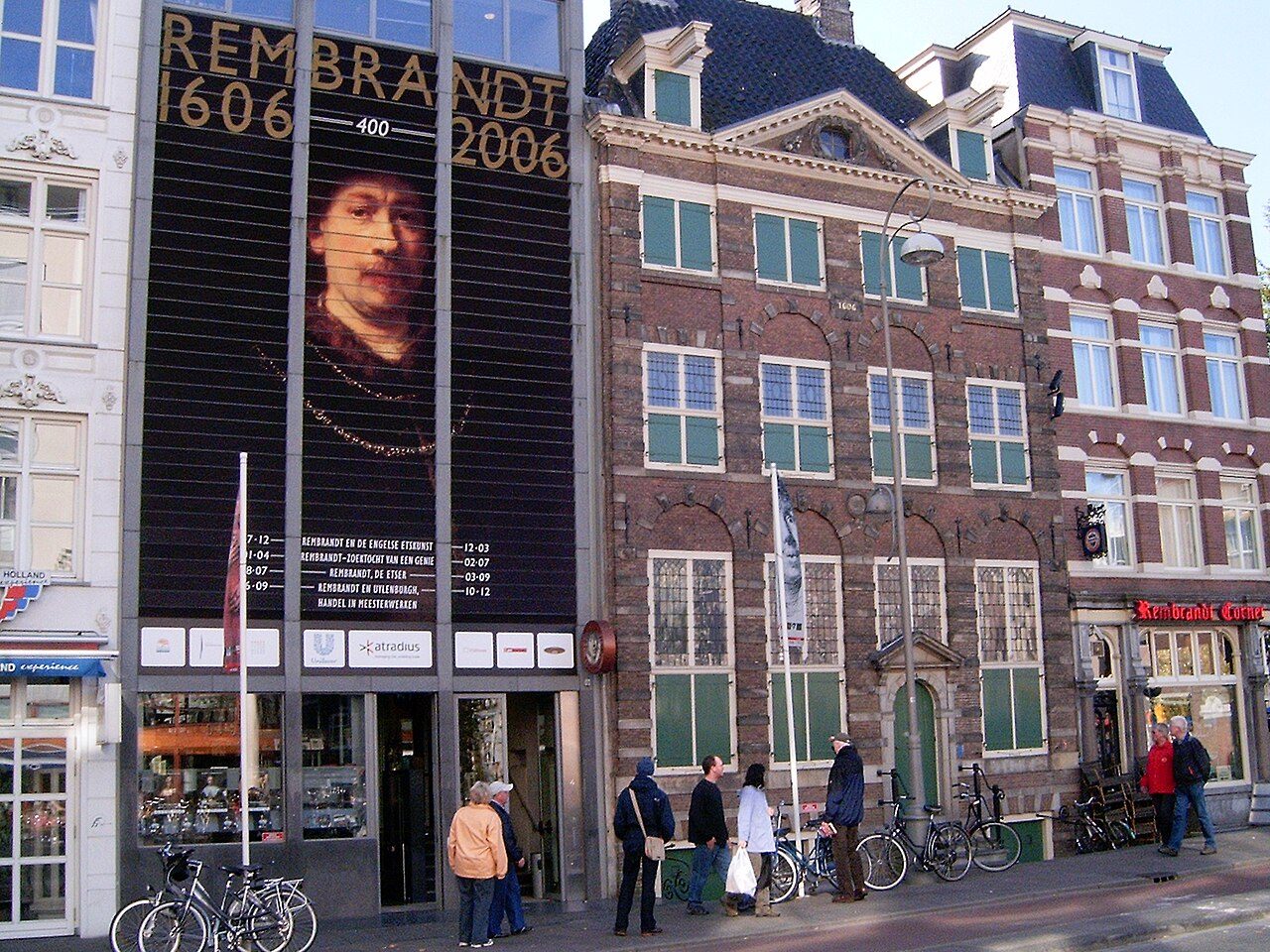
Rembrandt House Museum
The house where Rembrandt lived and painted for twenty years, with his studio rebuilt.
 MUSEUM
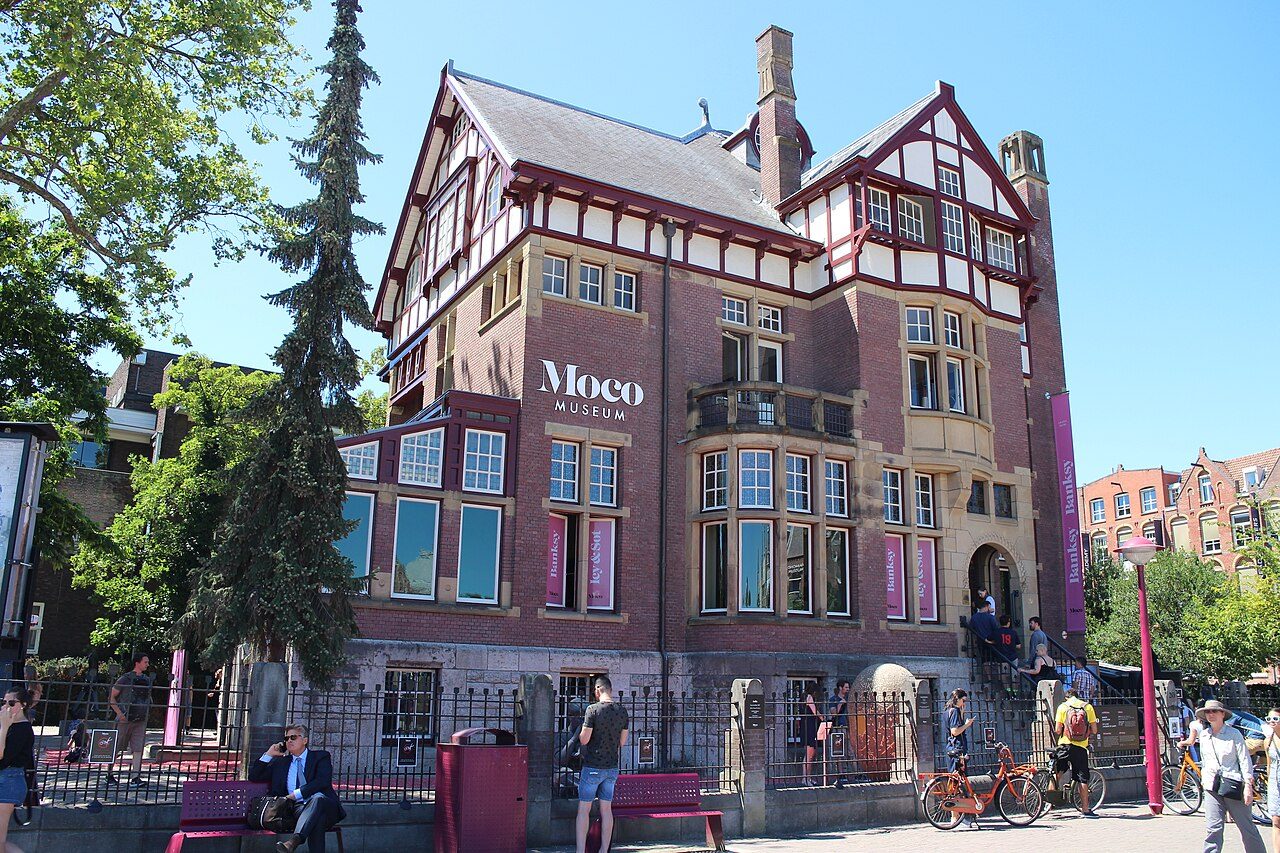
Moco Museum
Banksy, Warhol and digital art in a villa on Museumplein.
 LANDMARK
Tuschinski Theatre
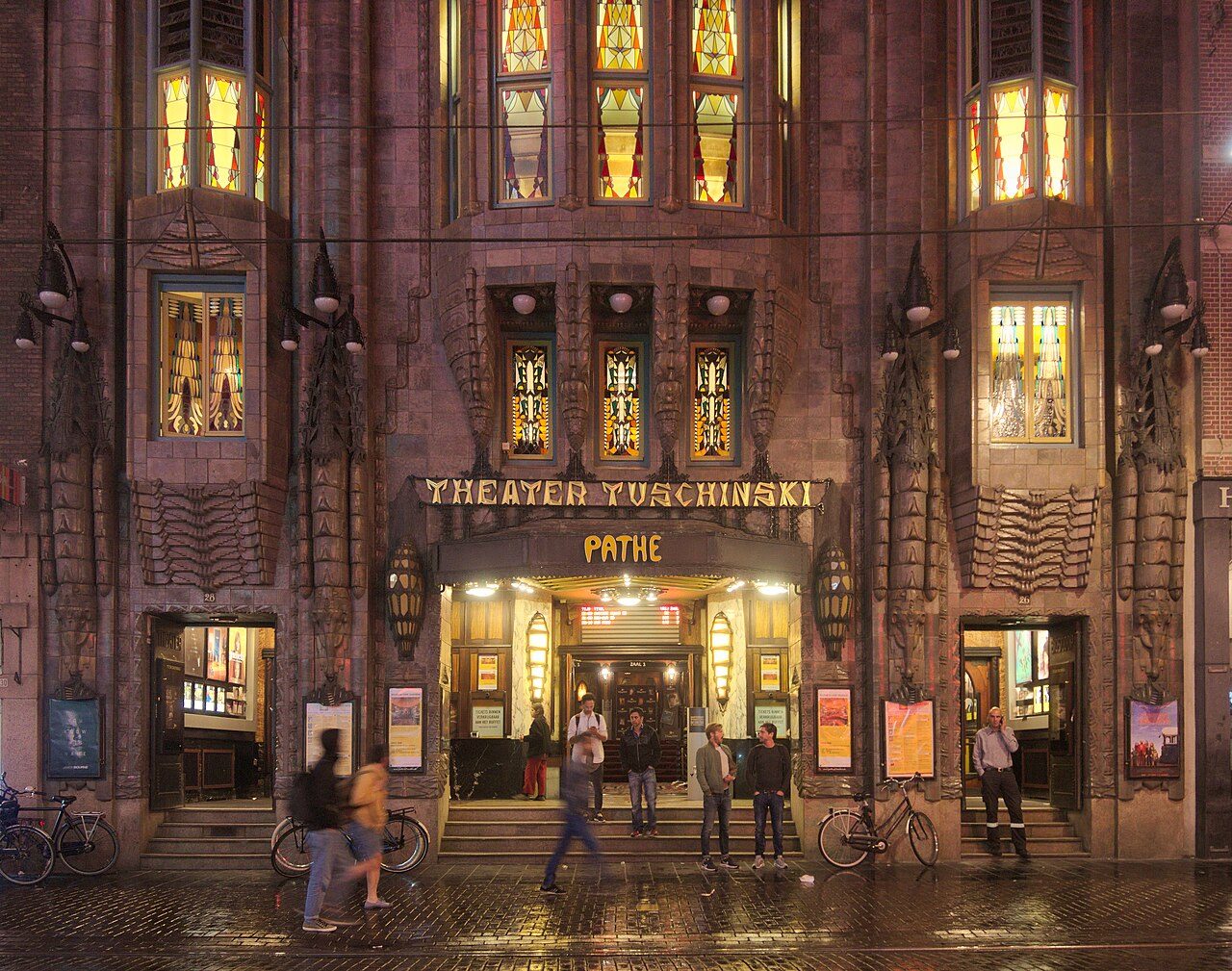
An Art Deco cinema palace from 1921, often called the most beautiful cinema in the world; peek into the lobby.
Tours and quests that pass here
These walks have a stop a few minutes from Museum Van Loon. Free, on your phone, start any time.