
MUSEUM
Rembrandt House Museum
The house where Rembrandt lived and painted for twenty years, with his studio rebuilt.
A house where the work happened
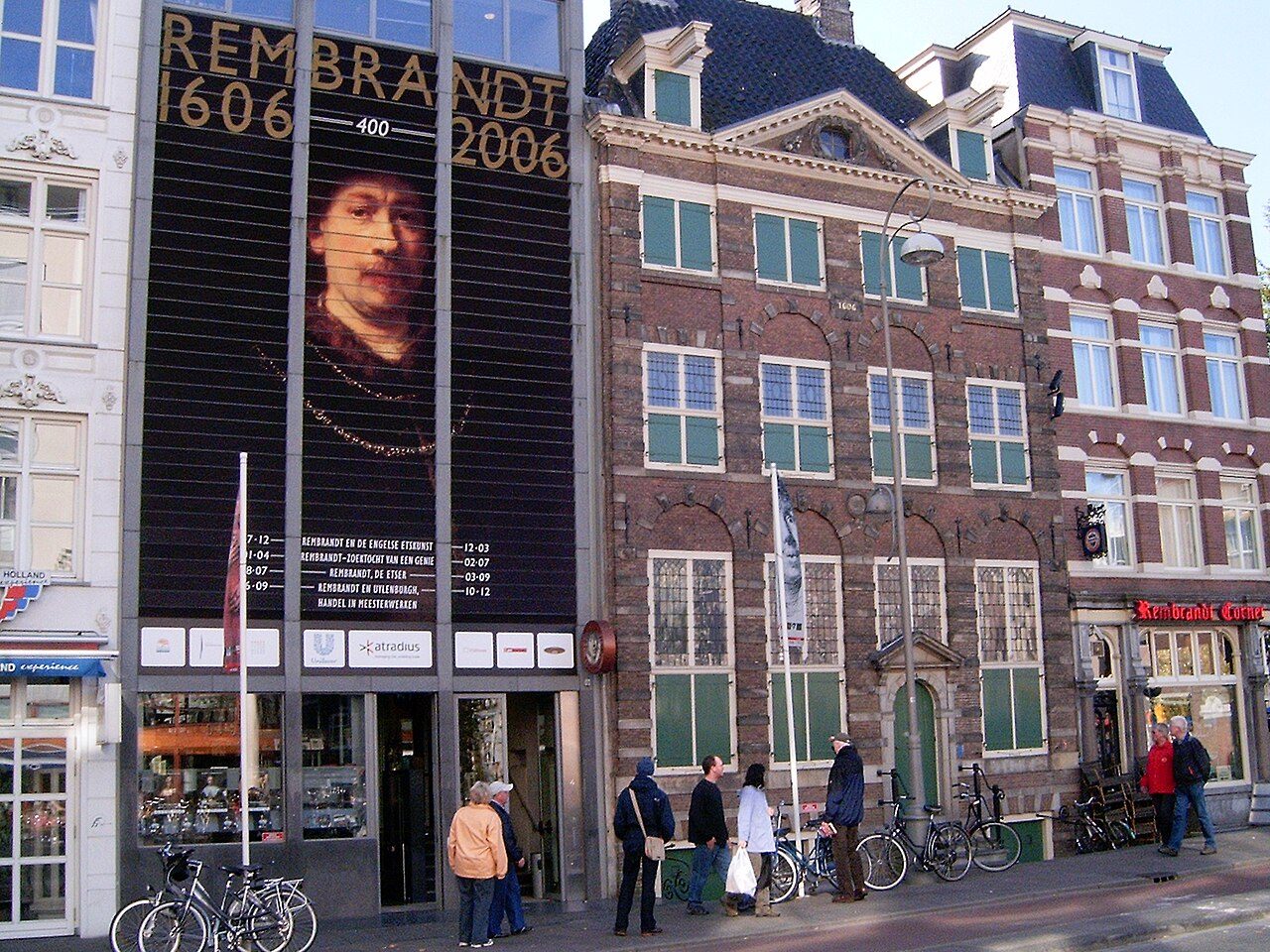
The Rembrandt House Museum stands on the Jodenbreestraat. Rembrandt van Rijn lived here from 1639 to 1658. He also painted, taught and sold art under this roof, so it was home, studio and art dealership in one.
That is why it is worth the walk. You do not just look at pictures. You stand in the rooms where a 17th-century painter ate, slept and worked, and you start to see how his days were arranged.
The museum now includes the house next door as well. That is where the shop and the more conventional gallery spaces are.
How the house got its story
The house was built around 1606. Around 1627 it was renovated, probably under the supervision of Jacob van Campen. It gained an extra floor and a new front with a triangular pediment. Rembrandt bought it on 5 January 1639 for thirteen thousand guilders.
Then things went wrong. After his bankruptcy the house was auctioned in 1658 and sold for eleven thousand guilders. For the next few centuries it was an ordinary home and was altered several times.
By the early 1900s it was in poor condition. The Rembrandt Year of 1906 changed that. The city bought the house in 1907 and gave it to a foundation. The painter Jozef Israëls had started the idea. Karel de Bazel restored the building between 1907 and 1911. The museum opened on 10 June 1911, and Queen Wilhelmina and Prince Hendrik were its first visitors.
What to look for inside
The rooms were redesigned in the 20th century using the inventory drawn up when Rembrandt went bankrupt in 1656. So the living room, the art room and the studio follow a real list of what he owned. Take your time in the studio. It is the part that makes the whole house click.
Look at the art on the walls. There are 17th-century works by his teacher Pieter Lastman and by his pupils Ferdinand Bol and Govert Flinck. Rembrandt used the house to show his own collection of other artists' work and to deal in art, and this mix is believed to match how it looked in his day. In his former living room and bedroom hangs Bol's Shepherdess in a Landscape, from around 1641.
Then find the two small pots that were dug out of the old cesspool in 1997. Research in 2019 showed that Rembrandt really used them. One still holds traces of quartz soil, a mix of quartz and clay he used to prepare his canvases. As far as anyone knows, he was the only painter to do this.
The museum owns an almost complete set of his etchings, and some of his original copper plates. They are shown in the etching cabinet and in the temporary exhibitions in the modern wing, so what is on display changes from visit to visit.
Before you go
- Walk from the Waterlooplein or Nieuwmarkt area. The museum is on the Jodenbreestraat, and the old front with its triangular pediment is easy to spot.
- This is a ticketed museum. Check the official website before you go for current times and tickets.
- Go early or late in the day if you can. The museum draws around 200,000 visitors a year, and 2019 saw a record of over 280,000.
- Leave time for the studio and the etching cabinet. The temporary exhibitions in the modern wing change, so look up what is on before you go.
- The walking tour In Rembrandt's Footsteps and the quest Rembrandt's Missing Panel both start next to the museum, so you can pair the visit with either.
What people say
Related spots
More things to do in Amsterdam › MUSEUM
Red Light Secrets
The museum of prostitution, in a former brothel in the Red Light District.
 MUSEUM
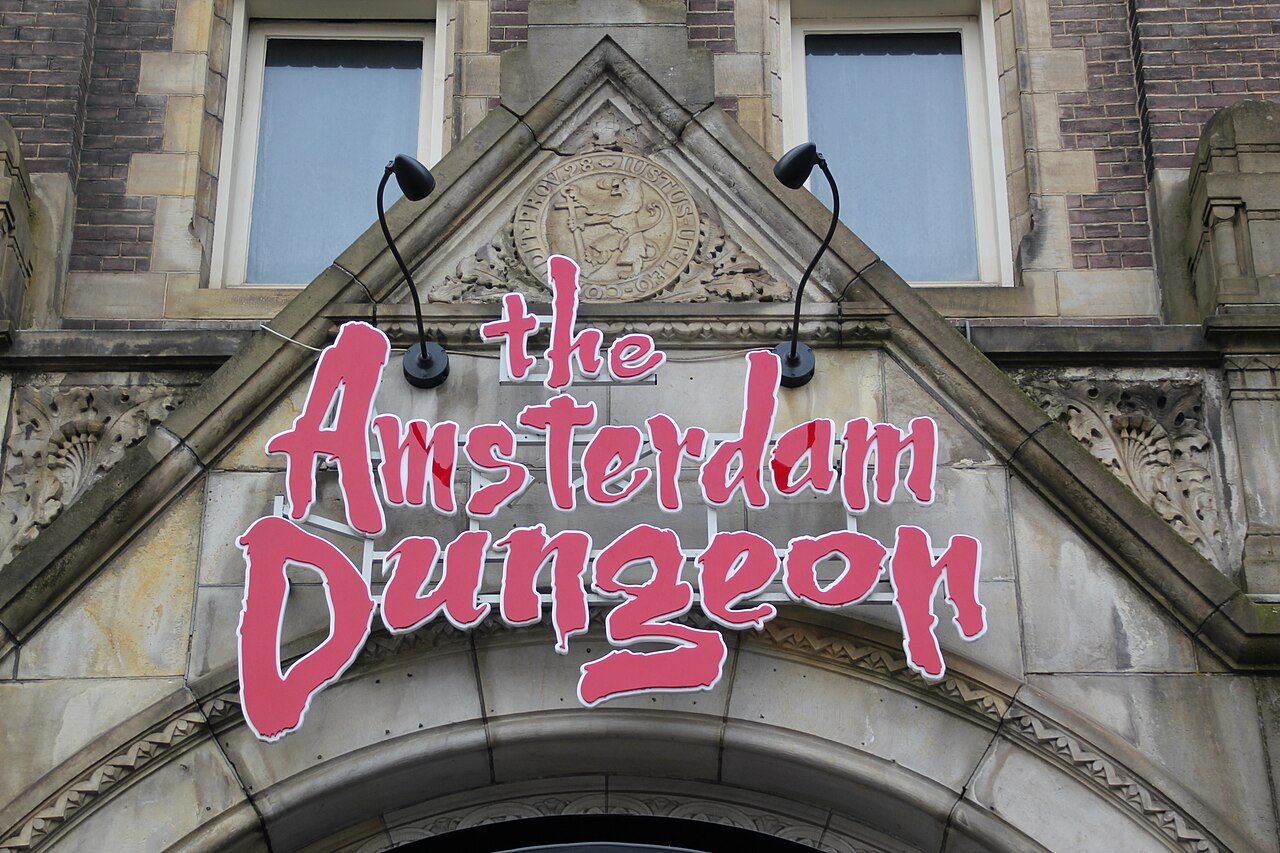
The Amsterdam Dungeon
Five hundred years of the city's dark history, played by actors.
 ODD FIND
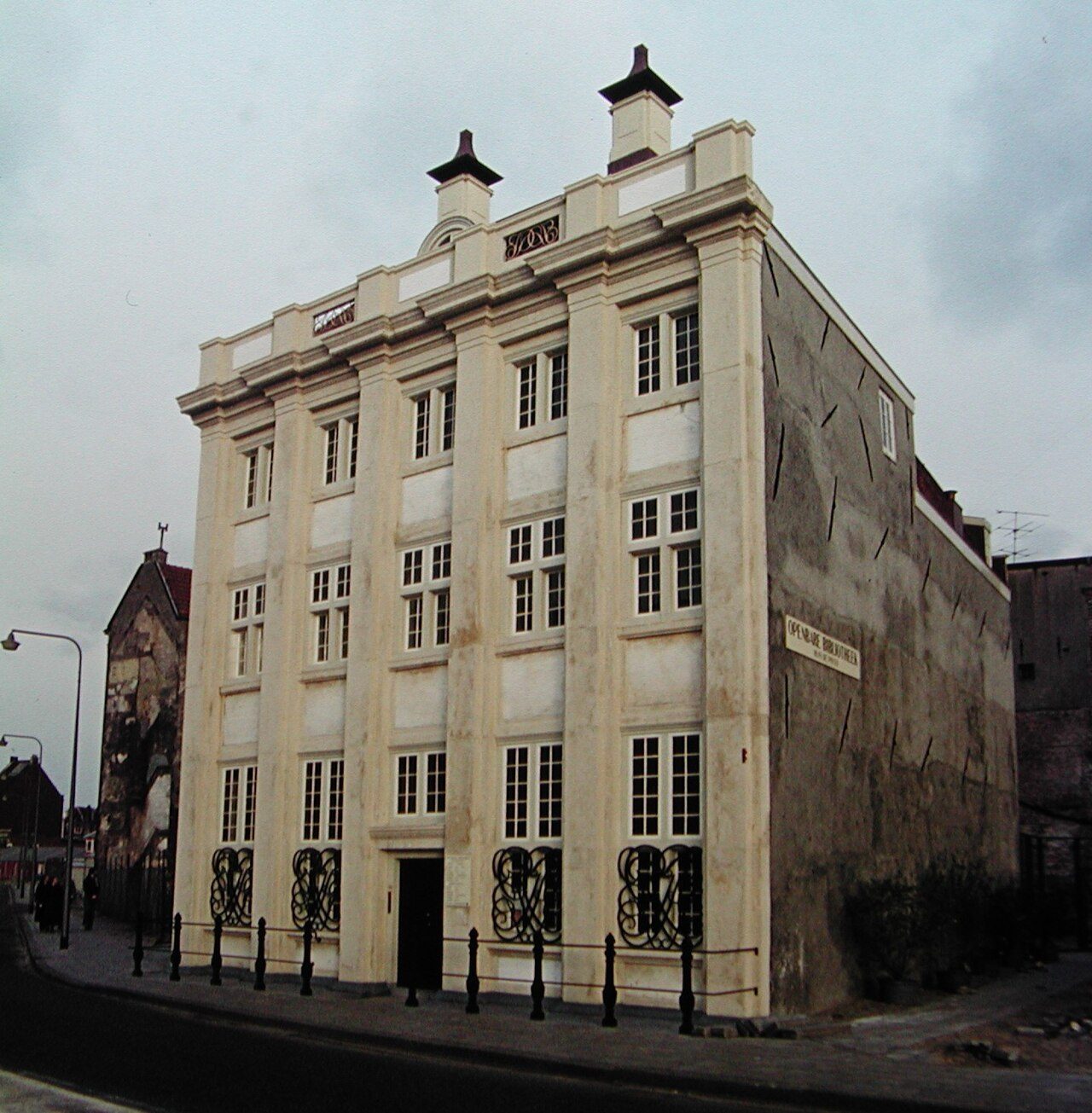
Pintohuis
A 17th-century merchant's mansion with painted ceilings, now a free reading room and café.
 MUSEUM
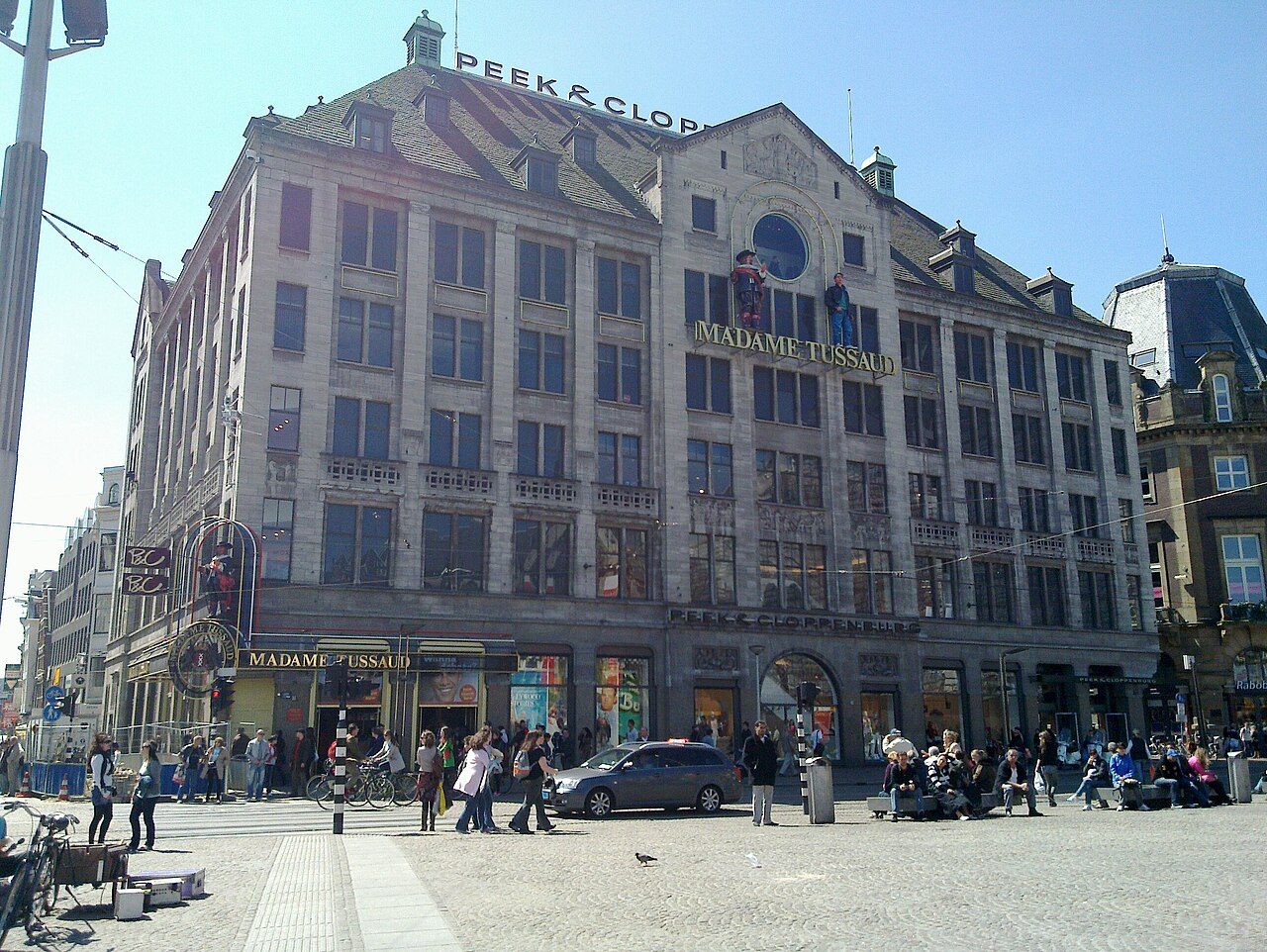
Madame Tussauds Amsterdam
Wax figures of Dutch and world celebrities on Dam Square.
 ODD FIND
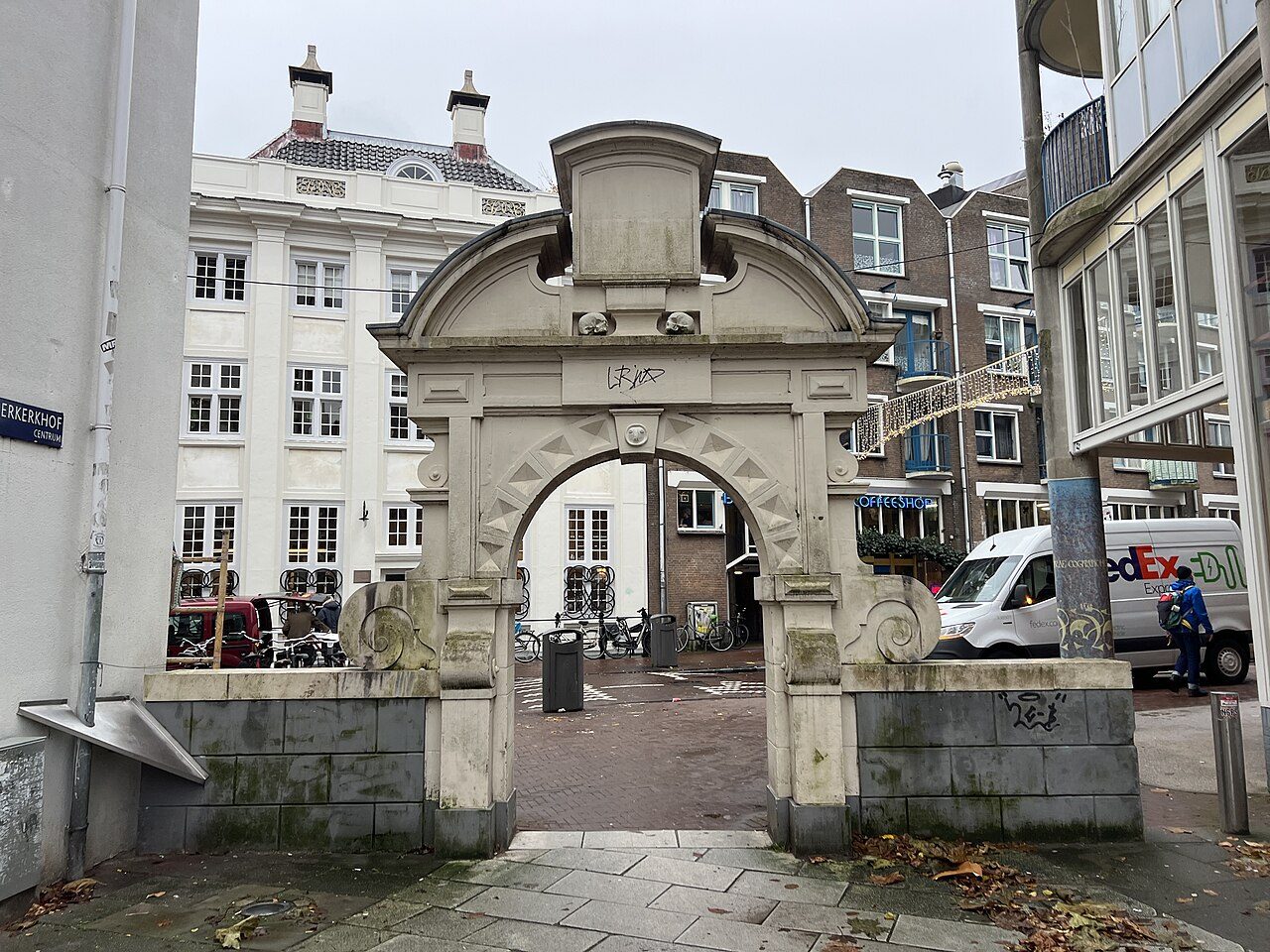
Skull gate of the Zuiderkerkhof
The old graveyard gate on the Sint Antoniesbreestraat, crowned with skulls.
 MUSEUM
Body Worlds Amsterdam
Real plastinated human bodies, showing how happiness affects health.
Tours and quests that pass here
These walks have a stop a few minutes from Rembrandt House Museum. Free, on your phone, start any time.
 AUDIO TOUR
In Rembrandt's Footsteps
From the biggest house on the street to bankruptcy and an unmarked grave. His Amsterdam, in the order he lived it.
 CITY QUEST
Rembrandt's Missing Panel
Count steps, columns and a missing piece of skyline. Rembrandt's city, looking closely.
 AUDIO TOUR
Van Gogh's Amsterdam
The years before the fame: a failed bookshop clerk walking these same streets. Ends at the museum door.