
LANDMARK
Het Schip
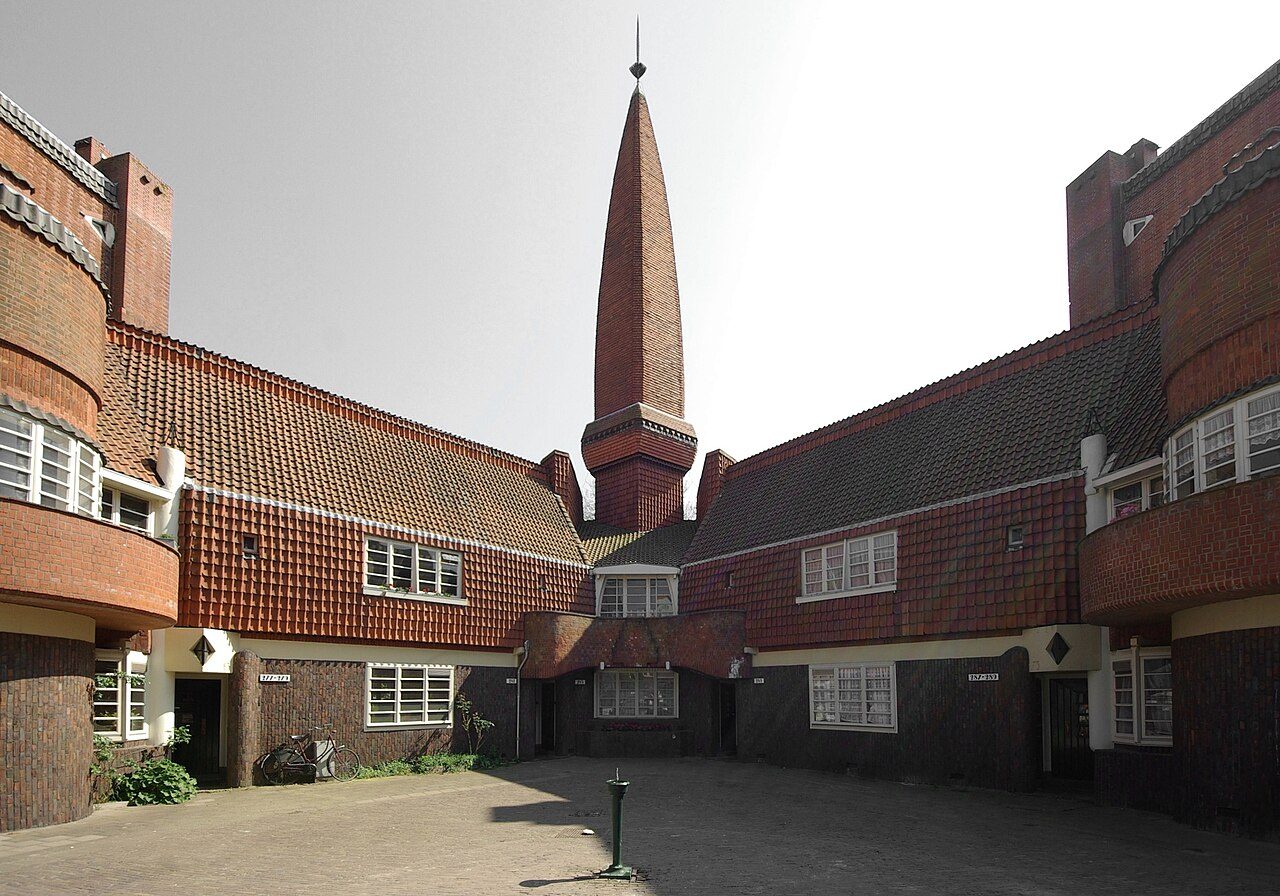
The brick 'ship' of social housing, the showpiece of the Amsterdam School; the outside is free to see.
A ship built for living
Het Schip is a social housing block that makes you stop and look up. Its rounded brickwork, pointed ends and tower turn ordinary homes into something sculptural. On 29 September 1923, Japanese architect Sutemi Horiguchi came here and photographed the post office. Those pictures are the only interior photographs from that period that Museum Het Schip has found. They preserve a rare view of how this ambitious building looked from inside.
Designed by Michel de Klerk, Het Schip is a leading example of the Amsterdam School. Walk around the outside rather than judging it from one corner. The building changes shape as you move. Close to the former industrial grounds of Westerpark and Westergasfabriek, it puts workers’ homes, rather than a factory or palace, at the centre of the architectural story.
Wages without the café
The post office opened in 1921, but getting it established took persuasion. The postal service was reluctant. The housing association offered a rent-free first year to bring it into the building. Workers could then collect their wages here instead of at the café, where some of that money might otherwise have gone on drink.
That detail helps explain Het Schip. This was not simply an exercise in unusual brickwork. Its shared facilities were meant to influence everyday life. Amsterdam has a long history of housing built around social aims, from almshouses such as Karthuizerhof to workers’ housing like this. Here, the ambition extended beyond providing a roof.
In a 2024 account, Ons Amsterdam described residents carving wood together in the small courtyard community house. The hobby had a purpose: drawing workers away from evenings spent drinking gin. Read alongside the wages story, it gives the building’s communal spaces a very practical meaning.
Birds with a warning
The historic post office rewards attention to small details. Look for the little birds on the telephone booth. According to the account published by Ons Amsterdam in 2011, they carry a joke with a warning behind it: the telephone operator could listen in. Decoration becomes a reminder that a conversation was not necessarily private.
A carved fist on another door delivers a less subtle message. It warns visitors away from the restricted sorting room. These are not ornaments chosen at random. They explain how the rooms worked, using humour and a visual language that did not need a written notice.
The tower without a church
The tower is the feature most likely to mislead you. In 2011, museum founder Alice Roegholt recalled tourists asking to visit the church underneath it. There was no church. The museum began showing visitors the tower’s wooden interior instead.
Keep that story in mind as you look up from the street. The tower gives a housing block a presence you might associate with a public monument. Then bring your eyes back down to the curves, corners and individual bricks. Het Schip’s force lies in that contrast: a bold silhouette overhead, and careful work at the scale of the person walking past.
Things to know
- Walk from Westerpark; Het Schip is about seven minutes away.
- Allow time to circle the block, not just photograph the tower.
- Go in daylight to see the brickwork clearly.
- Keep doorways clear and respect residents’ privacy.
- Opening hours and prices can change. Check the official website before you go. Official website
What people say
Related spots
More things to do in Amsterdam ›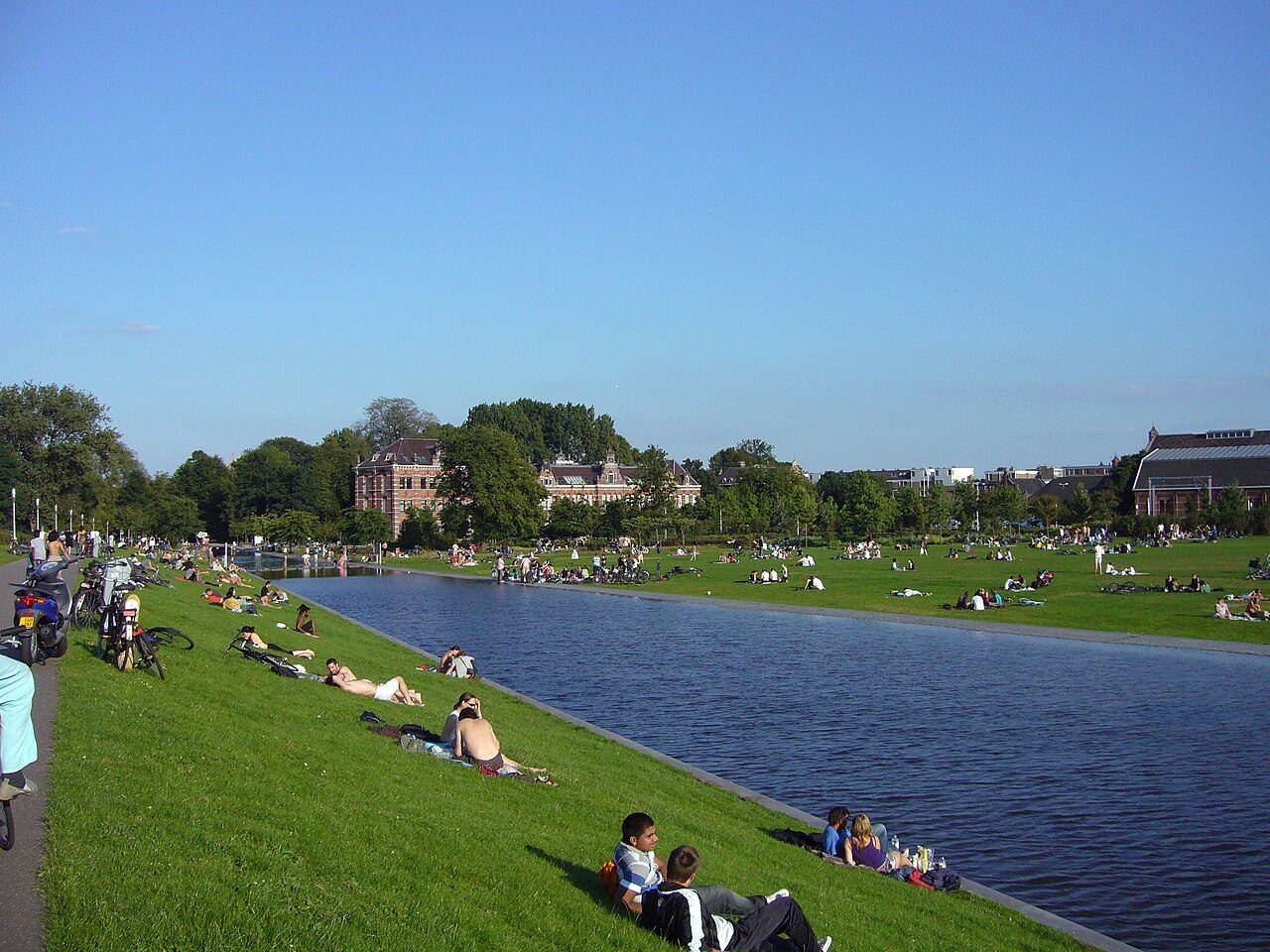
Westerpark & Westergasfabriek
Green lawns meet the red-brick halls of a former gasworks, now home to art, film, cafés and events.
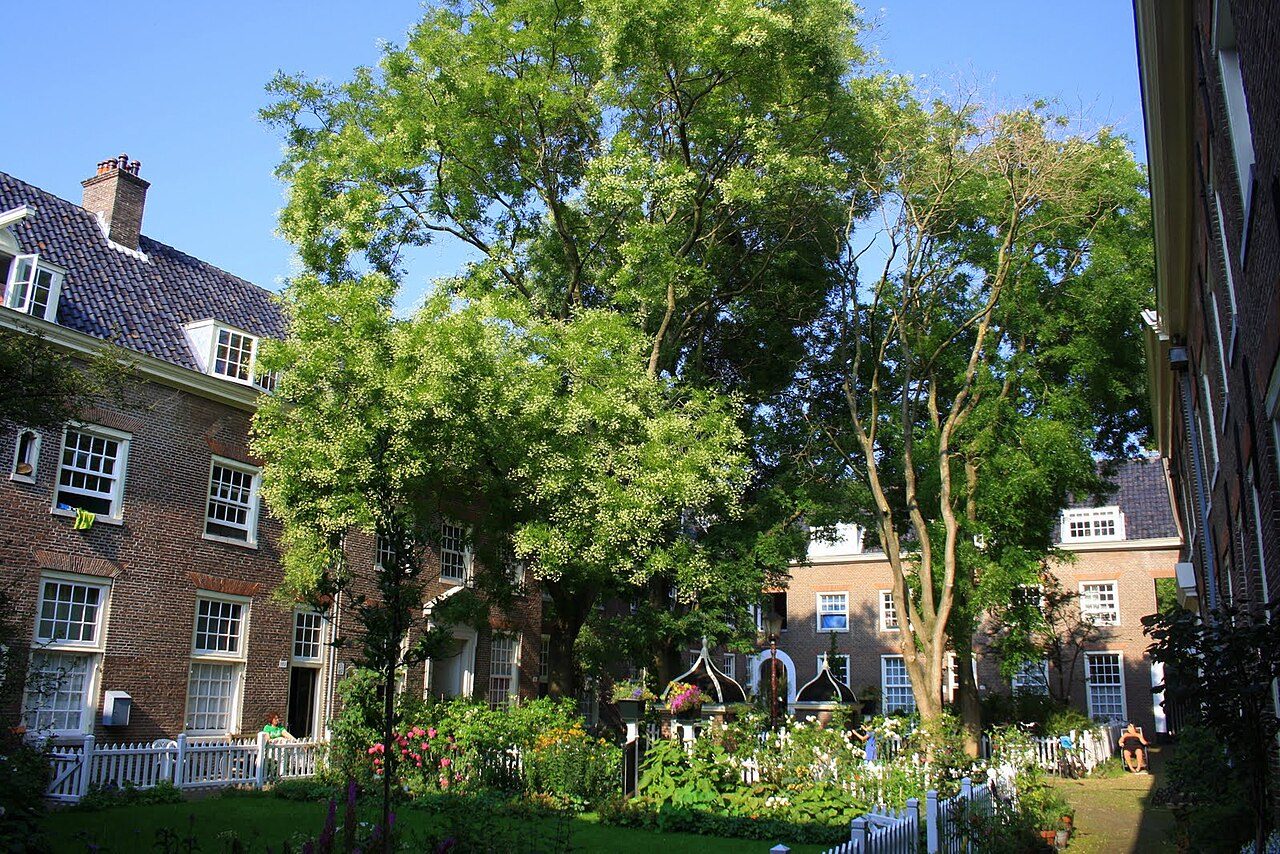
Karthuizerhof
A large 17th-century almshouse courtyard in the Jordaan, built for widows on the grounds of a vanished monastery. Most people in the street outside never notice the gate.
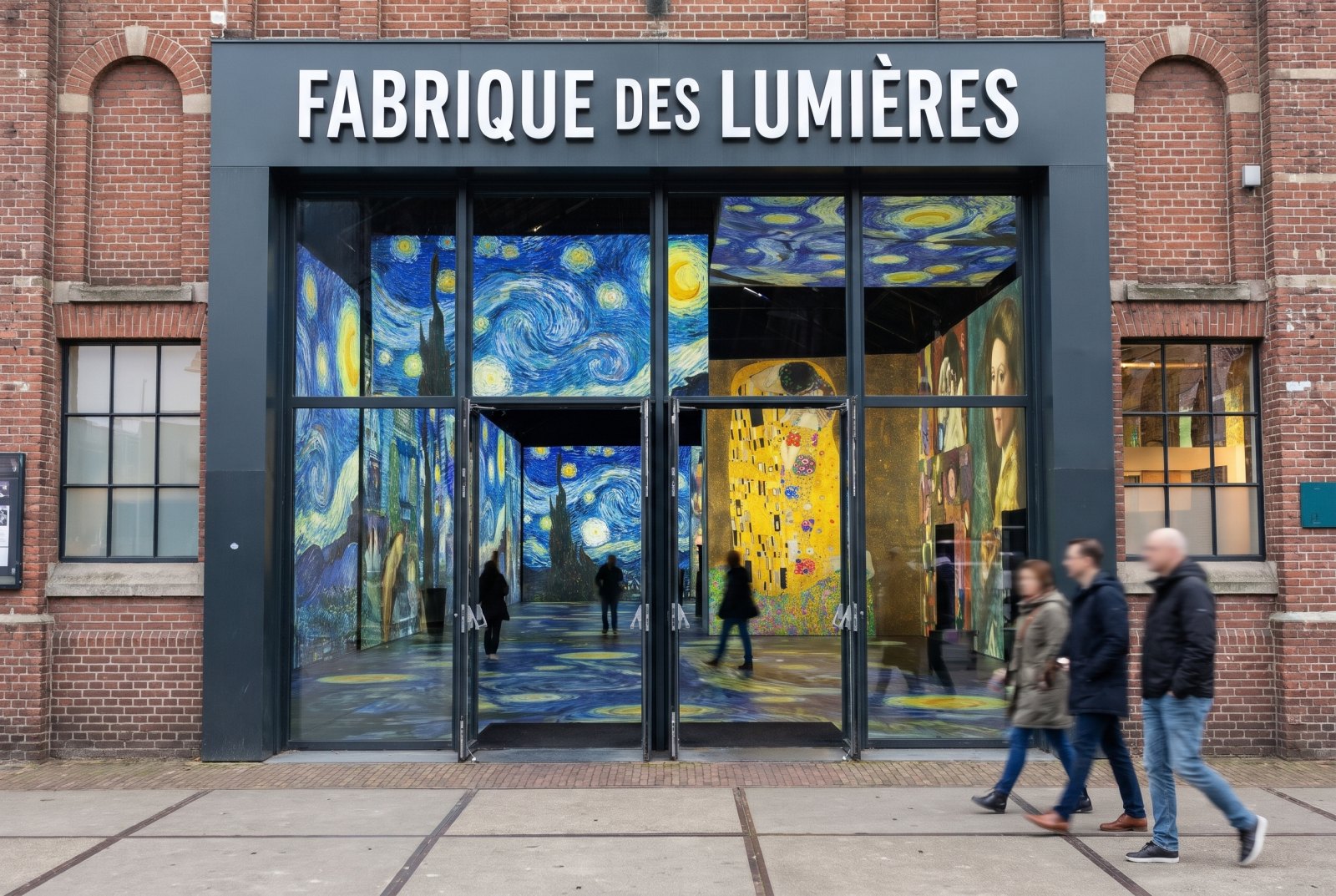
Fabrique des Lumières
Walk through art projected onto the walls and floor of a former gas purifier hall at Westergas.
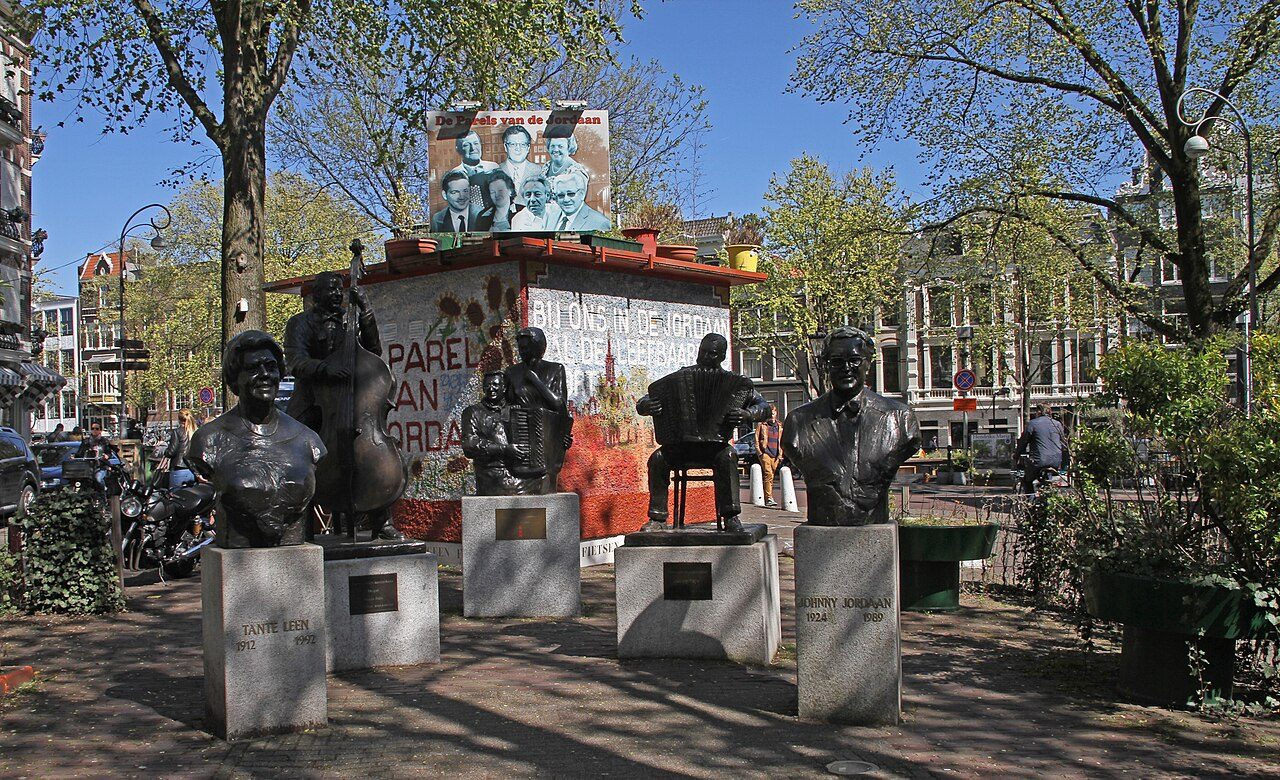
Jordaan
The old workers' quarter turned prettiest neighbourhood: canals, hofjes and brown cafés.
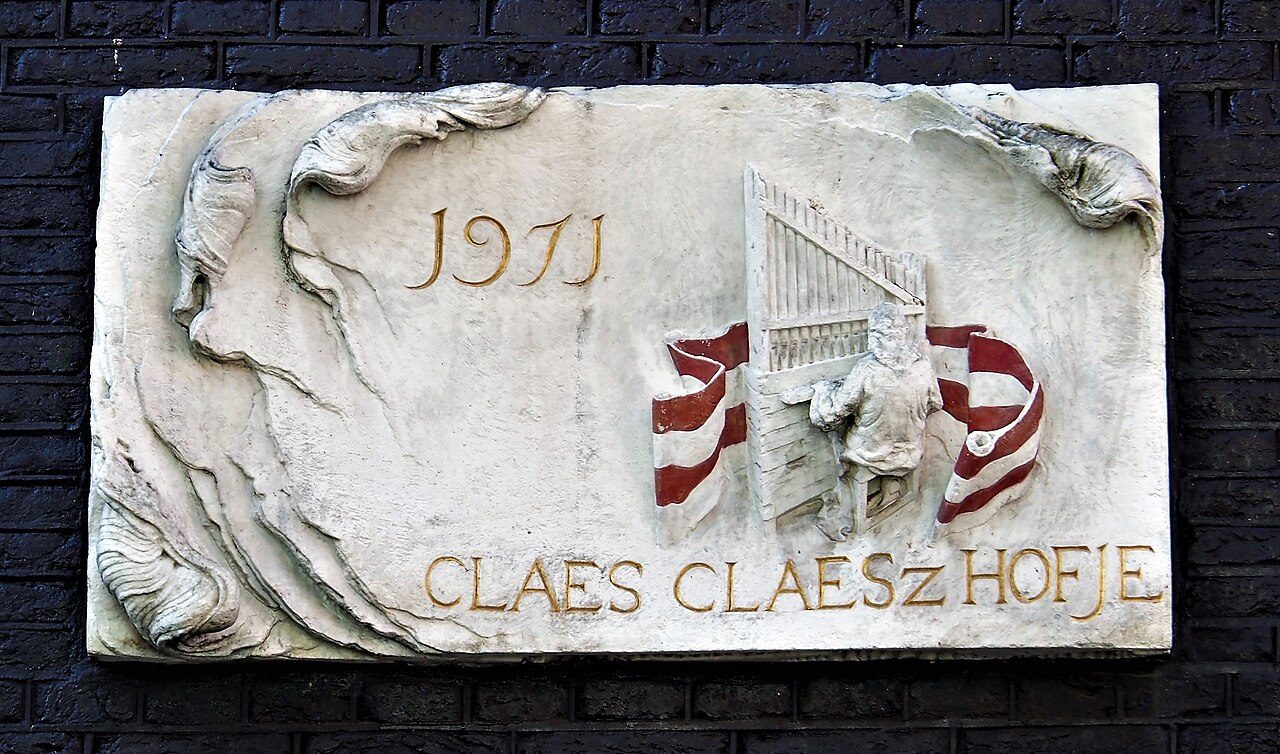
Claes Claesz Hofje
A cluster of small courtyards in the Jordaan, now student housing, quietly open in the day.
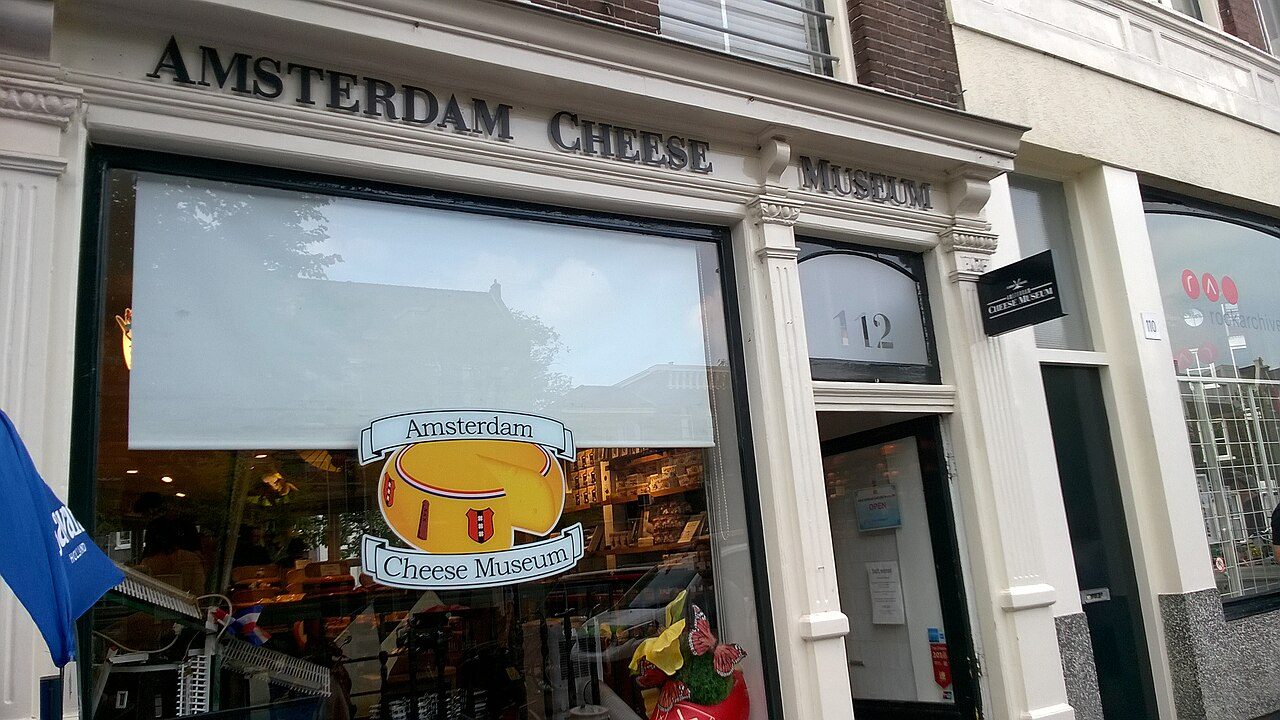
Cheese Museum (Henri Willig)
Free cheese tasting and a small museum on the Prinsengracht, opposite the Anne Frank House area.
Walk it with a guide or a quest
If you want a story on the way, these walks also live in Amsterdam.
 FREE AUDIO TOUR
Amsterdam Ghost Tour
Amsterdam’s ghost stories belong to real streets, where crowds waited for spirits and families went out to look at hanging bodies. You can stand in those places today, with canal water beside you and old church towers overhead.
 FREE AUDIO TOUR
Amsterdam in a Day: Highlights Walk
Amsterdam’s canals and grand houses tell you how a trading city grew rich, but that is only half the story. If you have one day in Amsterdam, spend it on the streets where merchants, workers and people in hiding lived within walking distance of each other.
 FREE AUDIO TOUR
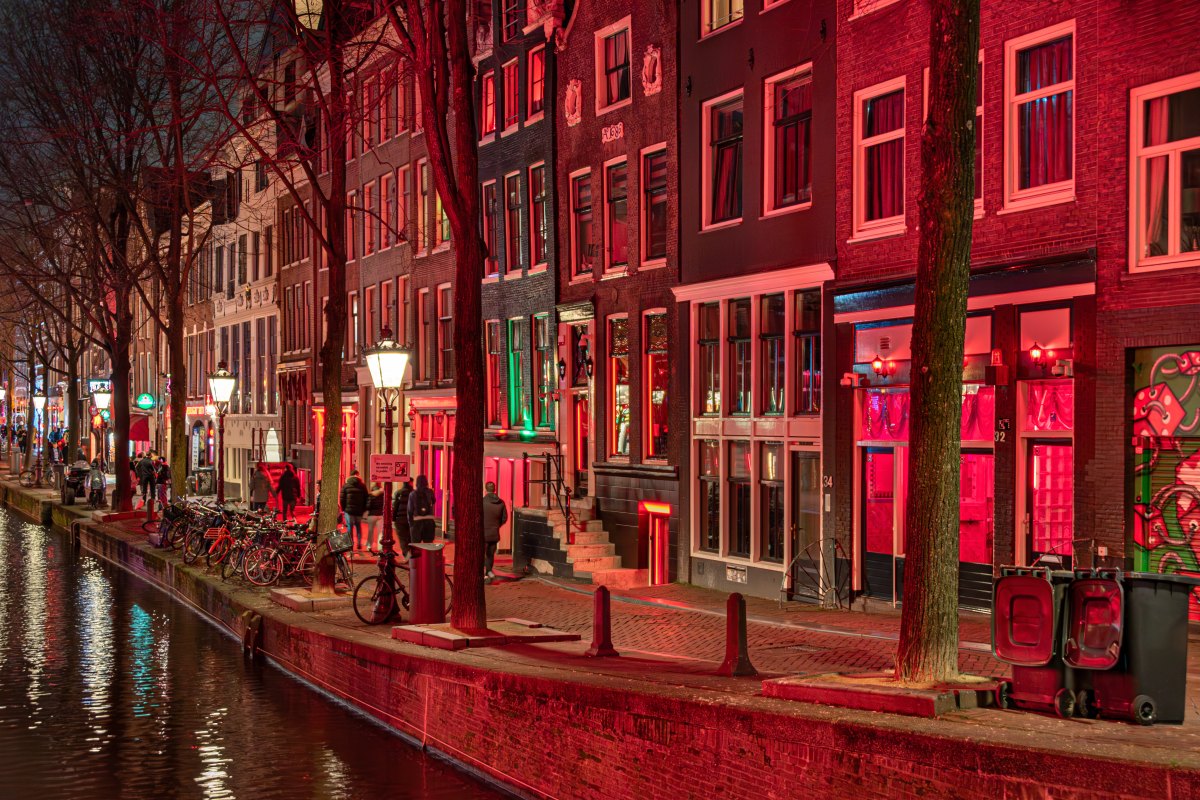
Red Light District
Amsterdam’s Red Light District is a neighbourhood where sex workers work behind street-level windows, right beside a church. Walk these lanes and you’ll stand where the city has made room for the sex trade while punishing people who worked in it.