
LANDMARK
Westerpark & Westergasfabriek
A park around a former gasworks, now cafés, a cinema and weekend markets.
A park on top of a gasworks
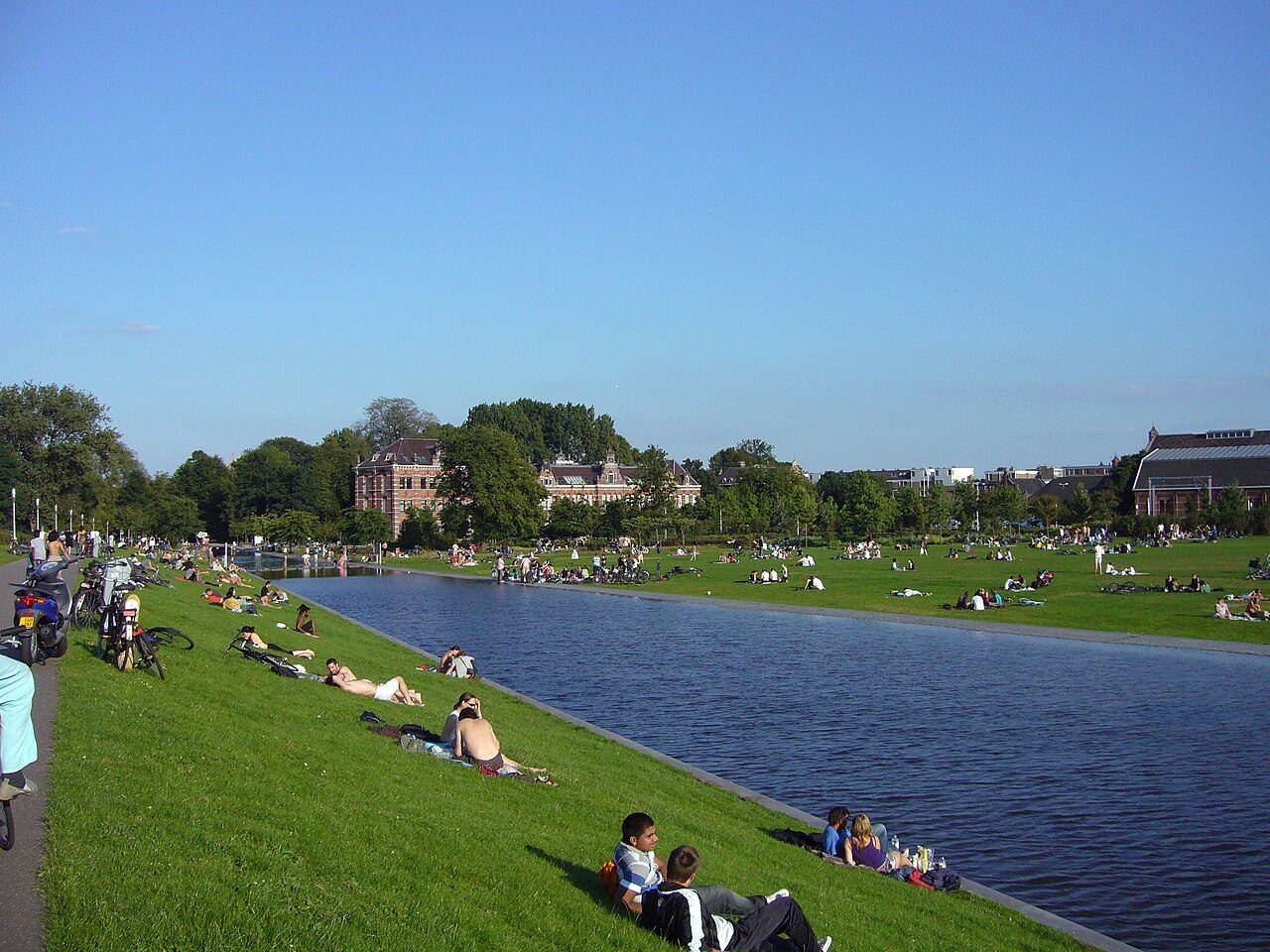
Westerpark is a big green park in Amsterdam-West, just west of the Haarlemmerpoort and north of the Haarlemmertrekvaart. The Westergasfabriek is on its western side. It is a former gasworks, and its red-brick halls now hold creative businesses, studios, a cinema and event spaces. You can wander all of it without a plan.
The mix is what makes the walk worth it. On one side you have lawns, trees and paths. On the other you have tall industrial buildings from the 1880s, with big arched windows and careful brickwork. It feels like a park that grew up around a factory, which is more or less what happened.
From coal gas to culture
The Westergasfabriek was built in the 1880s, between the canal and the first railway line in the Netherlands. That position mattered. Coal arrived by water and by rail, and the gas went out to light the city's streets. The city took over the plant in 1898 and expanded it. The big gasholder dates from 1902. Gas production ended for good in 1967, after natural gas was found in Slochteren in the north of the country.
Most of the buildings were designed by Isaac Gosschalk, in the Dutch Neo-Renaissance style. He cared about symmetry, and you can see it in the façades. The buildings were recognised as monuments in 1989. The gas company left in 1992, and the district council took over.
The site was badly polluted with tar and cyanides. Cleaning it fully was not affordable, so the top layer of soil was dug off and the polluted earth below was covered. The park extension was laid on a fresh top layer. In 2003 the site reopened as the Culture Park Westergasfabriek.
The gasholder now houses Fabrique des Lumières, where art is projected across the walls. It is next door to the main buildings.
What to look for
Start with the buildings. Look at the brickwork, the window shapes and how evenly each façade is laid out. Several were once workshops and stores, and the old industrial scale is still obvious. One of them is Het Ketelhuis, a cinema for Dutch films.
Then look at the open ground. The main lawn is big enough for festivals, and several are held here every year, including Awakenings, Milkshake and Cinekid. On an ordinary day it is simply where people lie in the grass, play sport and walk dogs. Near the railway are two public tennis courts, public toilets and the clubhouse of Westerpark Sport.
If you come in from the east, notice the entrance at Nassauplein. Its curved wrought-iron fence runs between brick pillars and carries the words ANNO 1928. It was built together with the Mirakelbrug and belongs to the Amsterdam School style. The Brettenpad cycle path starts here and runs beside the Amsterdam to Haarlem railway.
The park also stands where Willemspoort station once was, from 1842 to 1878, with trains leaving for Haarlem. The railway is still there, so a train going past is part of the scene.
The old Jordaan to the south has courtyards such as Karthuizerhof, which are small, quiet and tucked behind gates. Westerpark is the opposite: open, industrial and spacious. Walk the lawn, then the brick halls, and notice how the two meet.
Before you go
- Walk or cycle west from the Haarlemmerpoort. The park lies just beyond the Haarlemmertrekvaart.
- The east entrance at Nassauplein is the start of the Brettenpad, a cycle path beside the railway to Haarlem.
- On festival days the main lawn gets crowded and loud. Check the event programme if you want a quiet visit.
- There are public toilets near the tennis courts by the railway.
- Bring something to sit on. The big lawn is the best spot for a rest.
What people say
Related spots
More things to do in Amsterdam ›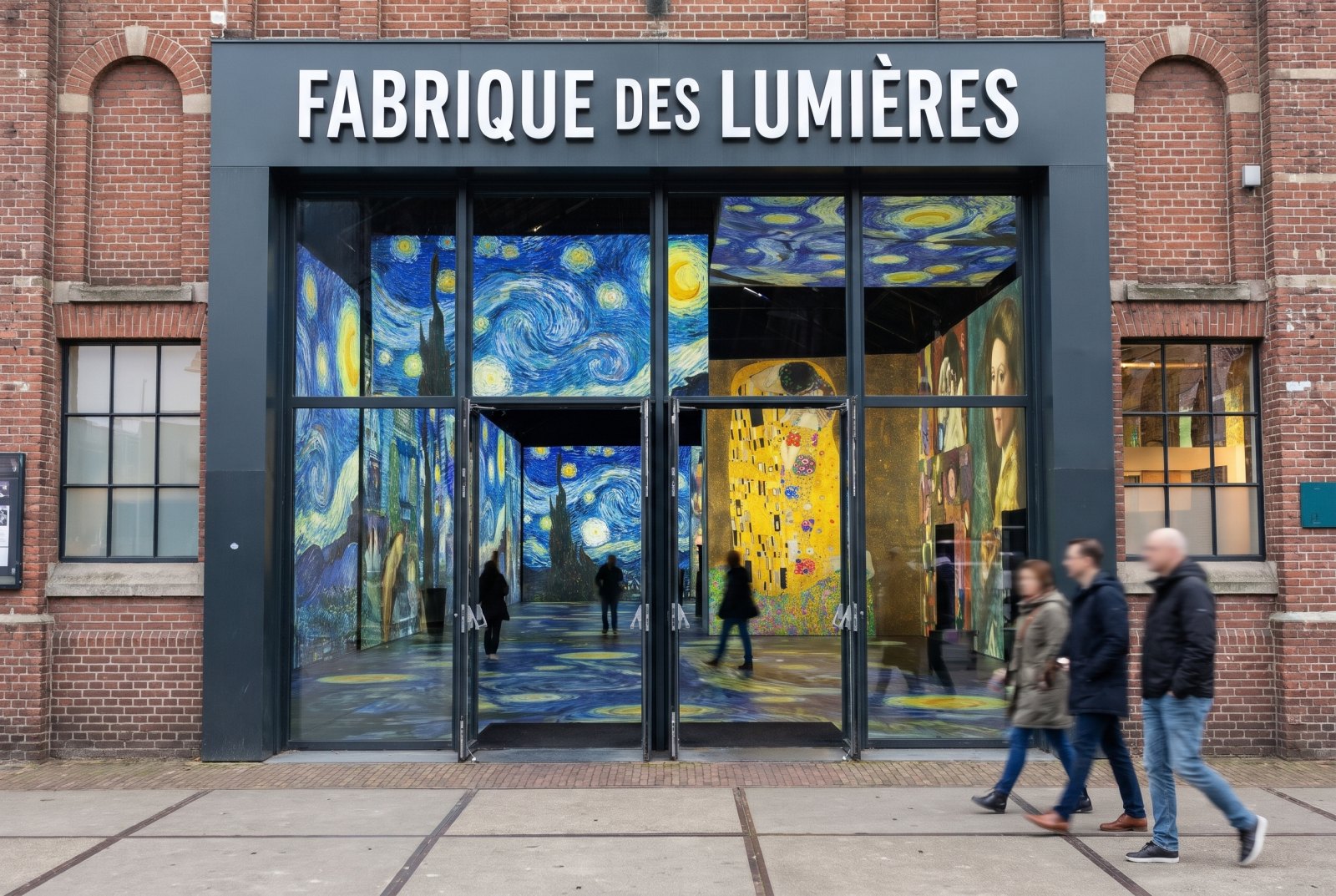 MUSEUM
Fabrique des Lumières
Projected art shows across the walls of the Westergasfabriek gasholder building.
 HIDDEN COURTYARD
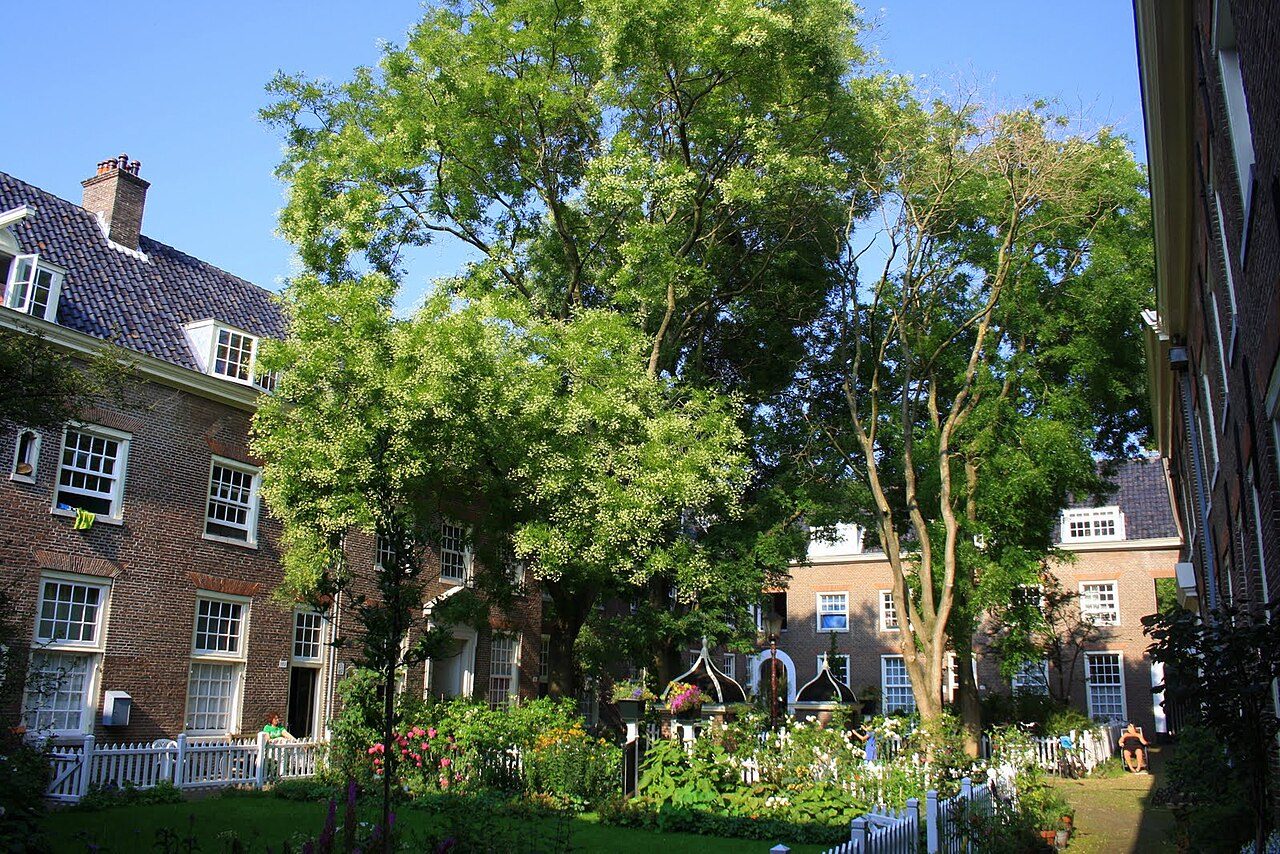
Karthuizerhof
A large 17th-century almshouse courtyard in the Jordaan, built for widows on the grounds of a vanished monastery. Most people in the street outside never notice the gate.
 LANDMARK
Noordermarkt
Saturday organic farmers' market and Monday flea market around the Noorderkerk.
 LANDMARK
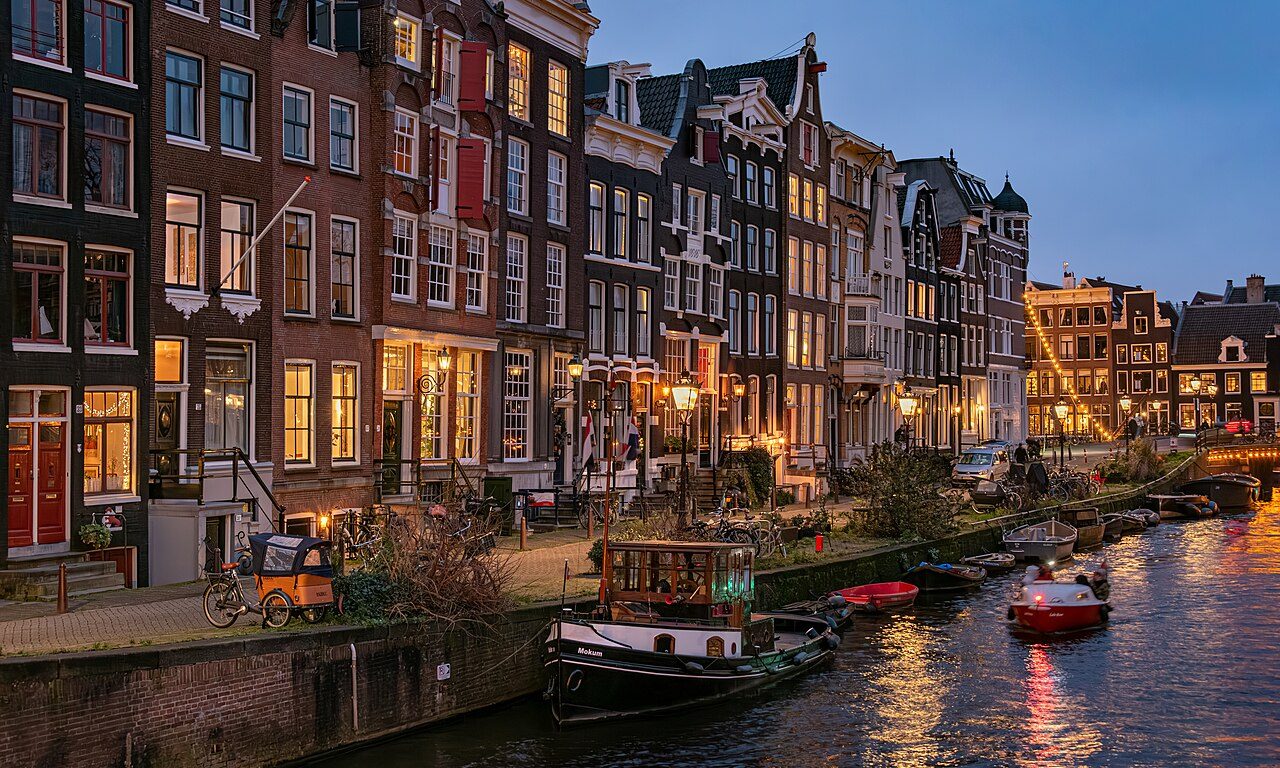
Brouwersgracht
Often voted the prettiest canal: warehouses, houseboats and no tour-boat crowds.
 CHURCH
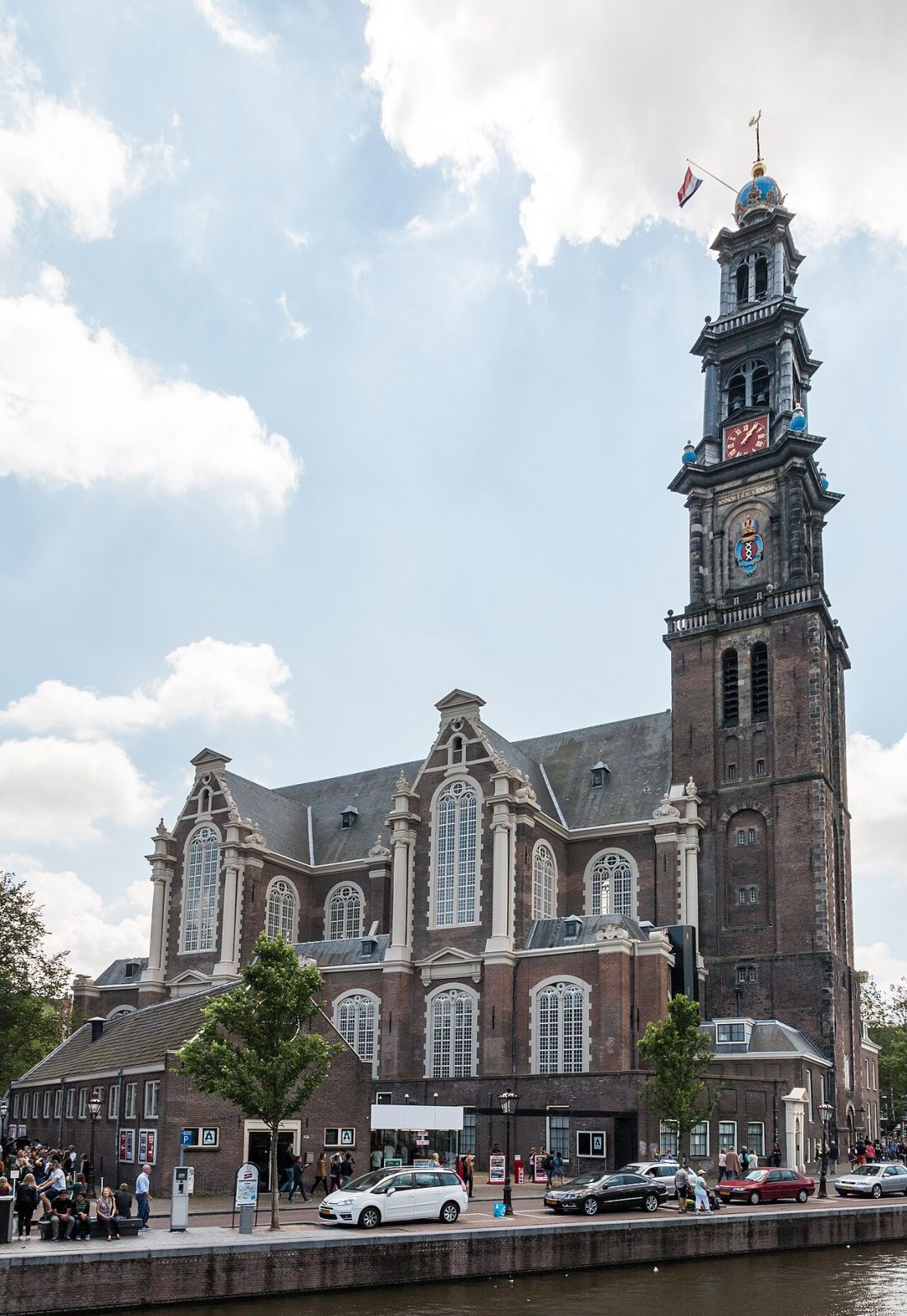
Westerkerk
The church under Amsterdam's tallest tower, where Rembrandt was buried in a grave nobody can find. Anne Frank could hear its bells from her hiding place a few doors away.
 TINY MUSEUM
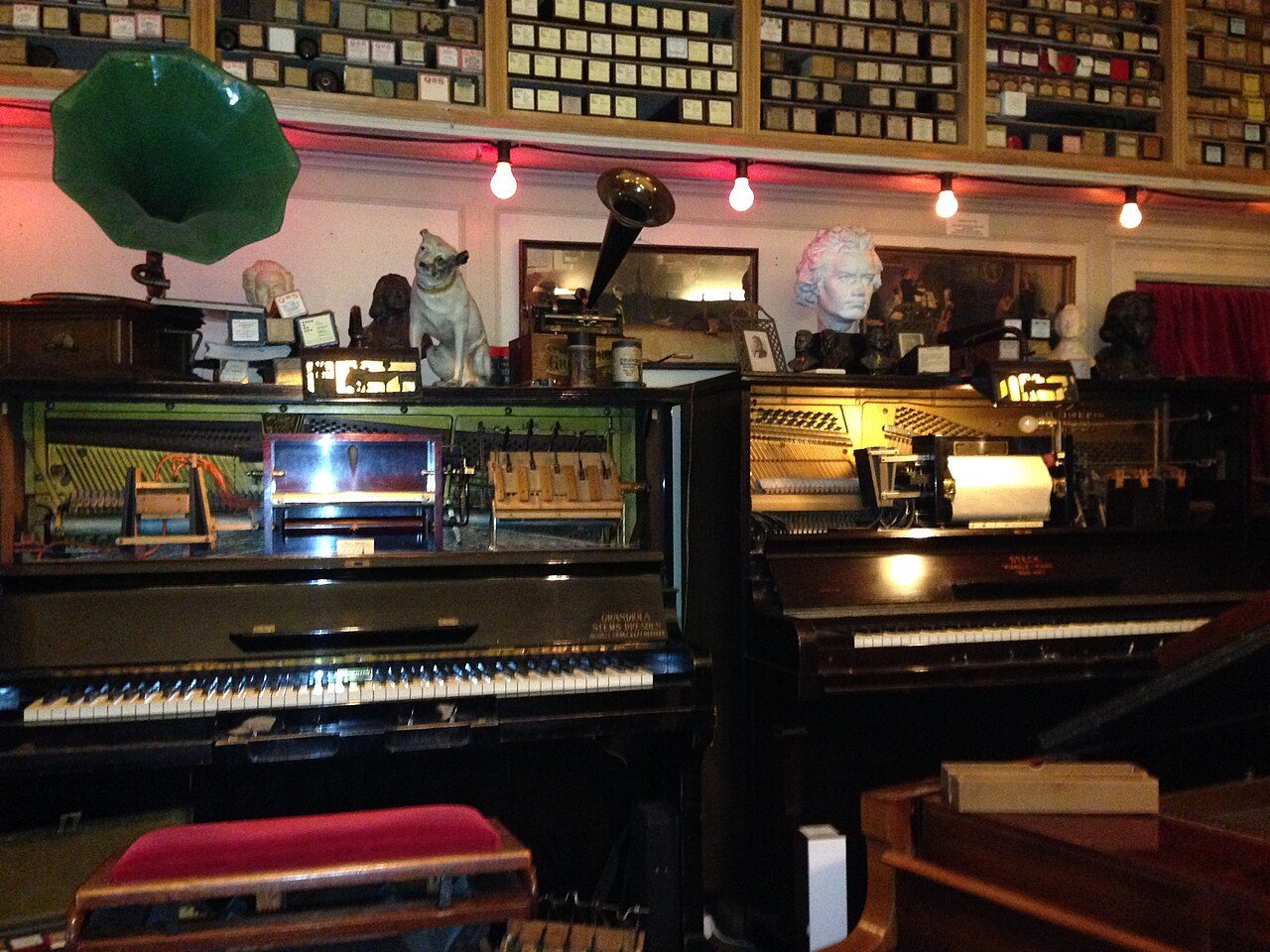
Pianola Museum
A small museum in the Jordaan full of pianos that play themselves. Every opening afternoon a guide sets the instruments going, so you hear the 1920s instead of only looking at them.
Walk it with a guide or a quest
If you want a story on the way, these walks also live in Amsterdam.
 AUDIO TOUR
Amsterdam Ghost Tour
Plague pits, public executions and the canal that swallowed people. The city's grim side, told without the cheap scares.
 AUDIO TOUR
Amsterdam in a Day: Highlights Walk
Start here if it's your first day. Why the houses lean, how the canals were dug, and what the Golden Age was actually built on.
 AUDIO TOUR
Red Light District
Seven centuries of sailors, sin and stubborn tolerance. The real history of the oldest part of town, told straight.