
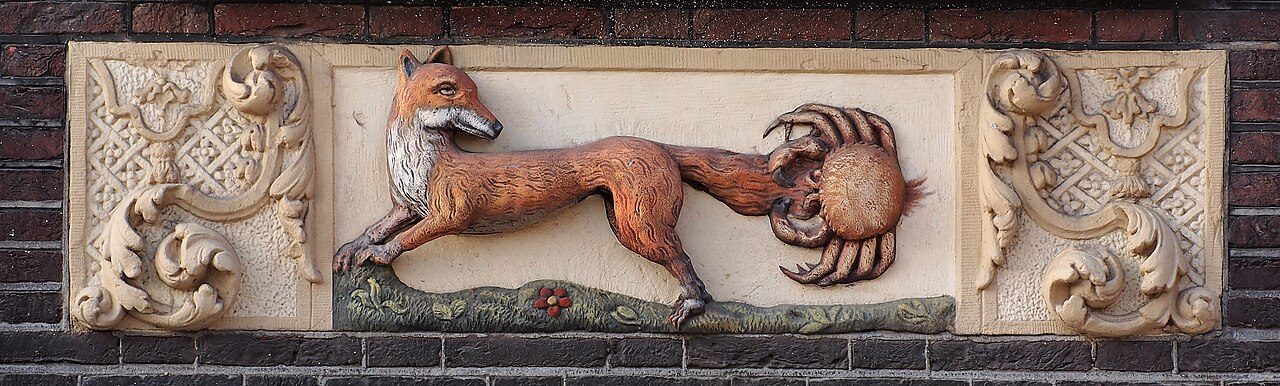
LANDMARK
Noordermarkt
Saturday organic farmers' market and Monday flea market around the Noorderkerk.
A square for markets
The Noordermarkt is an open square in the Jordaan, on the Prinsengracht where Westerstraat meets the canal. The Noorderkerk stands in the middle of it, and cafés and restaurants line the edges. On most days it is a quiet corner with a church, some trees and a few bikes. On market days it fills up.
On Saturdays part of the square is given over to an organic farmers' market. It has run since 1987. Next to it there is a second market with second-hand goods, antiques and curiosities. On Monday morning there is a market again, and the Westerstraat market next to it is mainly for textiles. Back in the 17th century the stalls sold mostly clothing and pottery, so the square has been a place for cloth and secondhand goods for a very long time.
How the square got its name
The square was laid out in 1616 and first called the Prinsenmarkt, after the Prinsengracht beside it. The Noorderkerk was finished in 1623, and people soon began calling the whole square the Noordermarkt instead. The city's own name lost out. Until 1655 much of the square was the churchyard, so the open space you walk across today was once full of graves.
The square has a record of protest too. In the 1970s and 80s the Jordaan was emptying out and becoming more expensive. From 1977 to 1987 residents held an annual Noordermarkt festival that grew out of a protest against exactly that.
February 1941
The most serious history here is on the church wall. In February 1941 the organisers of the February Strike held their first public meetings on this square. The strike was a protest against the Nazi deportations of Jews. A plaque on the south face of the Noorderkerk commemorates it. Another plaque remembers neighbours from the Jordaan who died in the war.
Take a minute to read them before you look at the stalls.
What to look for
At the church entrance stands a bronze monument to the Jordaan riot, made by Sofie Hupkens. On the northeast side of the square is a statue of Woutertje Pieterse and Femke, made by Frits Sieger in 1971. Both are easy to walk past if you are watching the market.
Then look at the church itself, a 17th-century building that still dominates the square. If you arrive on a quiet day, stand with your back to the canal and you can see how the streets, the Lindenstraat, Boomstraat and Noorderkerkstraat, all run into the open space. The cafés on the north side have changed over the years. Proust and Finch, two well-known ones, closed in 2018, and the restaurant Bordewijk, open since 1985, closed that October. Café Papeneiland is a short walk away if you want a brown café from 1642 afterwards.
Before you go
- The square is open air and free to walk across at any time.
- Come on a Saturday morning for the organic farmers' market, or on Monday morning for the flea and textile stalls.
- Arrive early on Saturdays if you want space to look at the stalls. The square gets busy later.
- Look at the plaques on the south wall of the Noorderkerk and the bronze monument at the church entrance.
- Wear comfortable shoes. The ground is cobbled, and the market can be crowded.
What people say
Related spots
More things to do in Amsterdam ›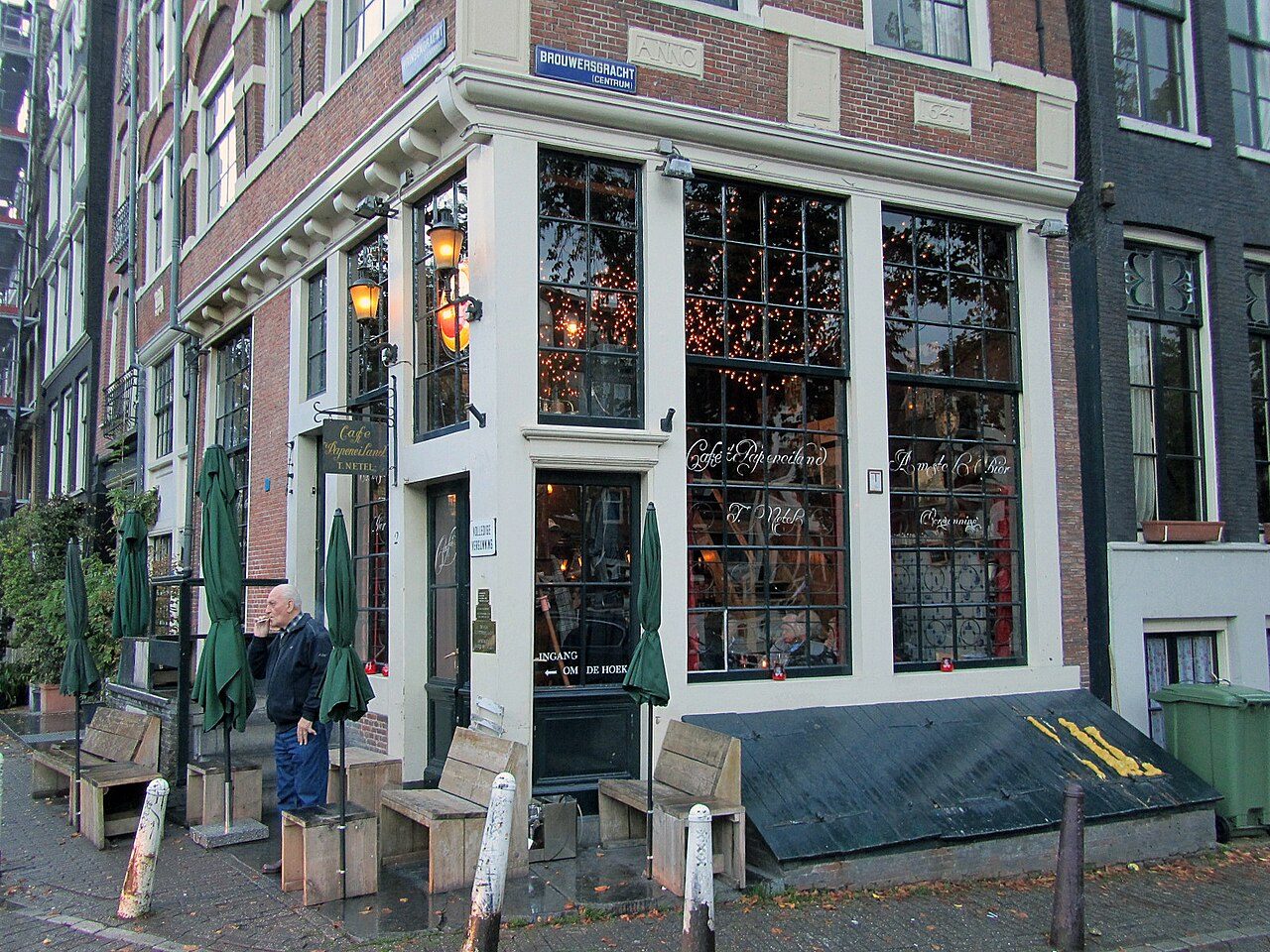 ODD FIND
Café Papeneiland
A 1642 brown café with the legend of a secret tunnel to a hidden church across the canal.
 LANDMARK
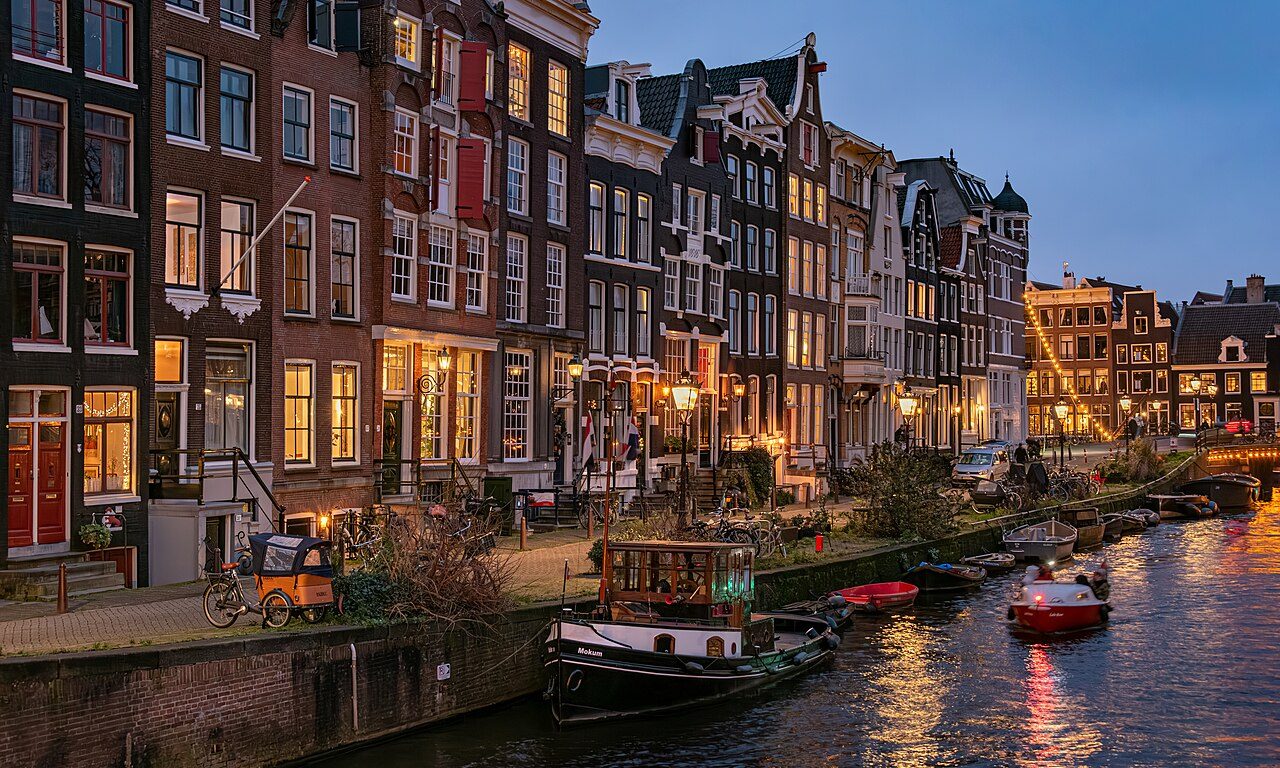
Brouwersgracht
Often voted the prettiest canal: warehouses, houseboats and no tour-boat crowds.
 CHURCH
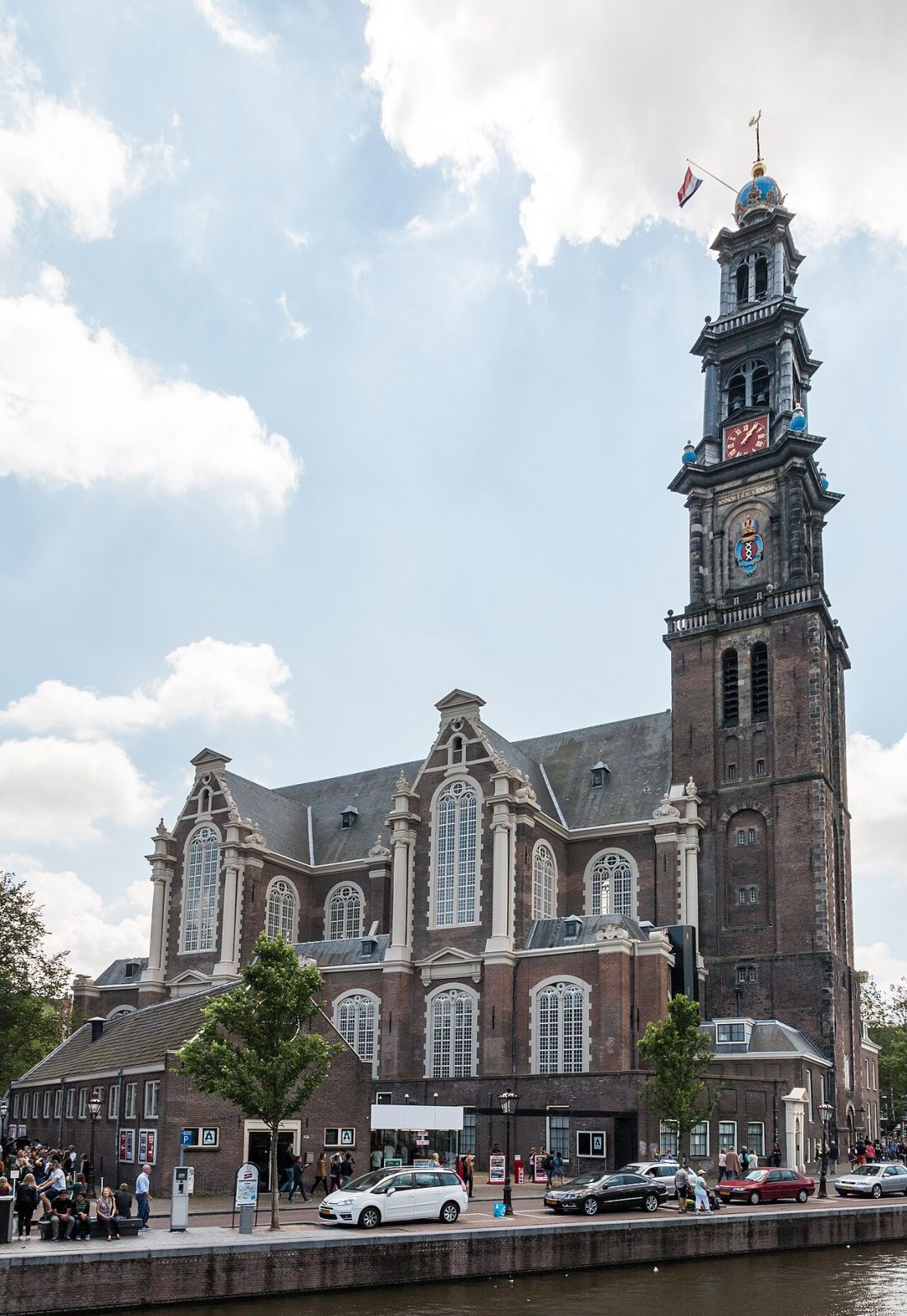
Westerkerk
The church under Amsterdam's tallest tower, where Rembrandt was buried in a grave nobody can find. Anne Frank could hear its bells from her hiding place a few doors away.
 TINY MUSEUM
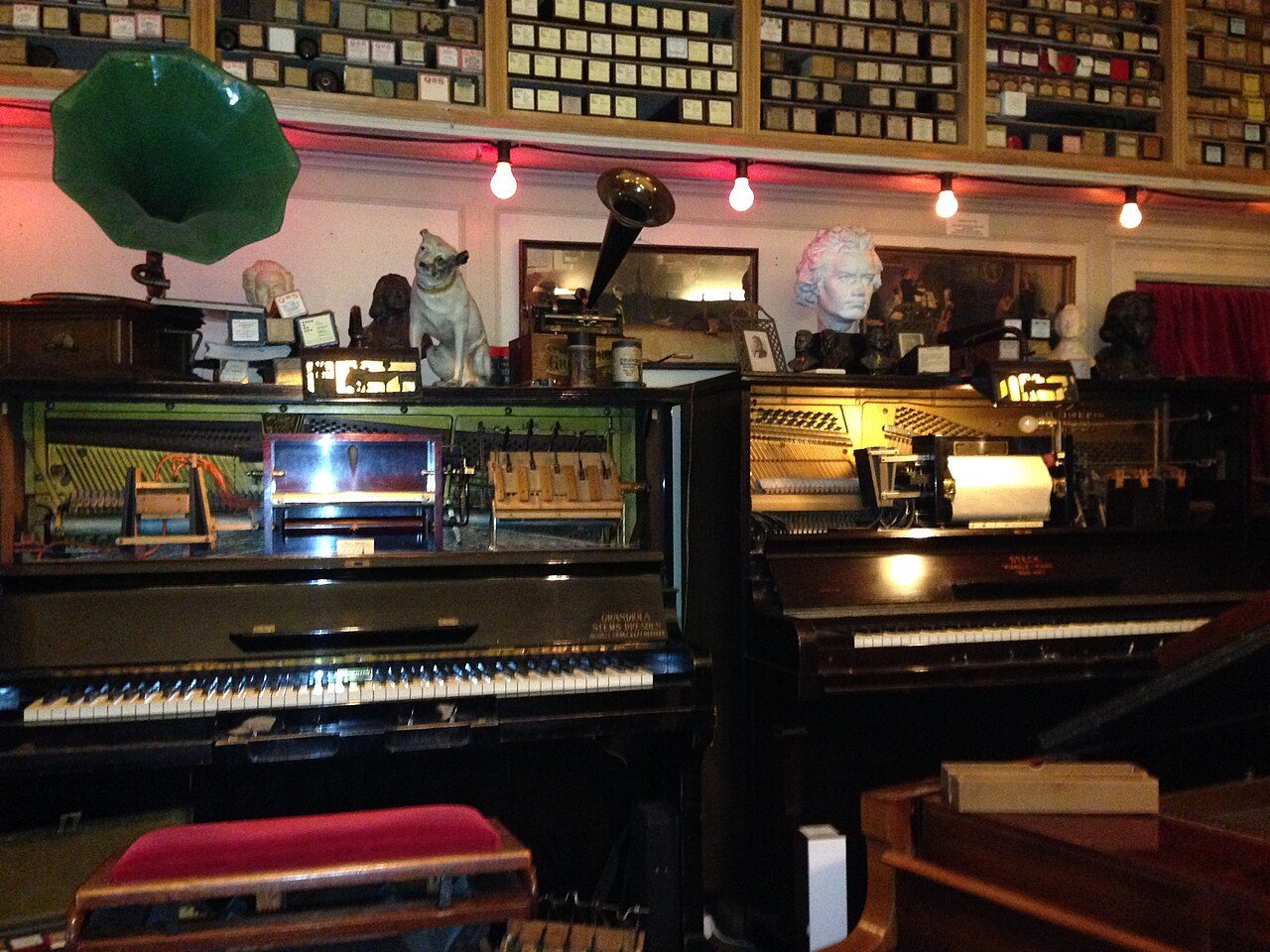
Pianola Museum
A small museum in the Jordaan full of pianos that play themselves. Every opening afternoon a guide sets the instruments going, so you hear the 1920s instead of only looking at them.
 LANDMARK
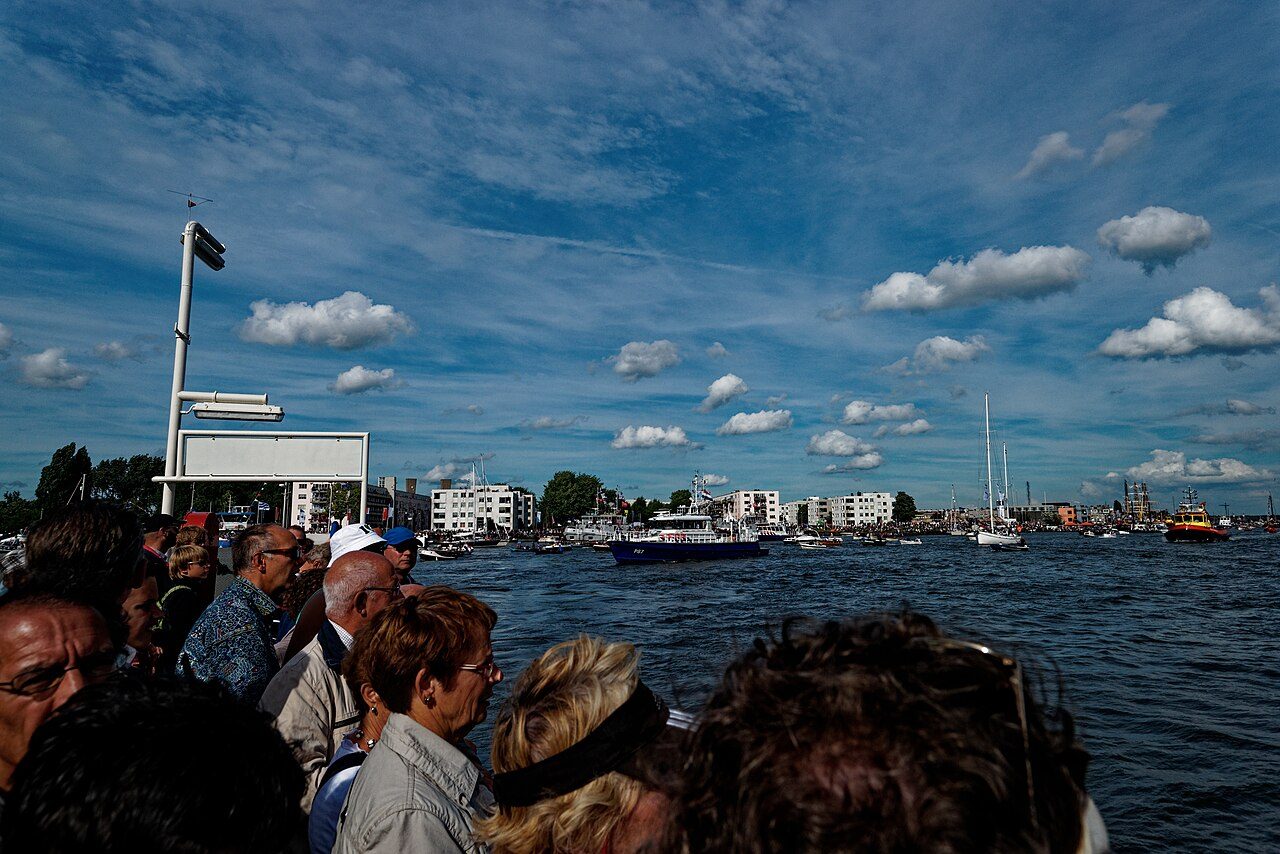
Free ferry to Amsterdam Noord
The free ferries behind Centraal Station: the best cheap view of the IJ.
 LANDMARK
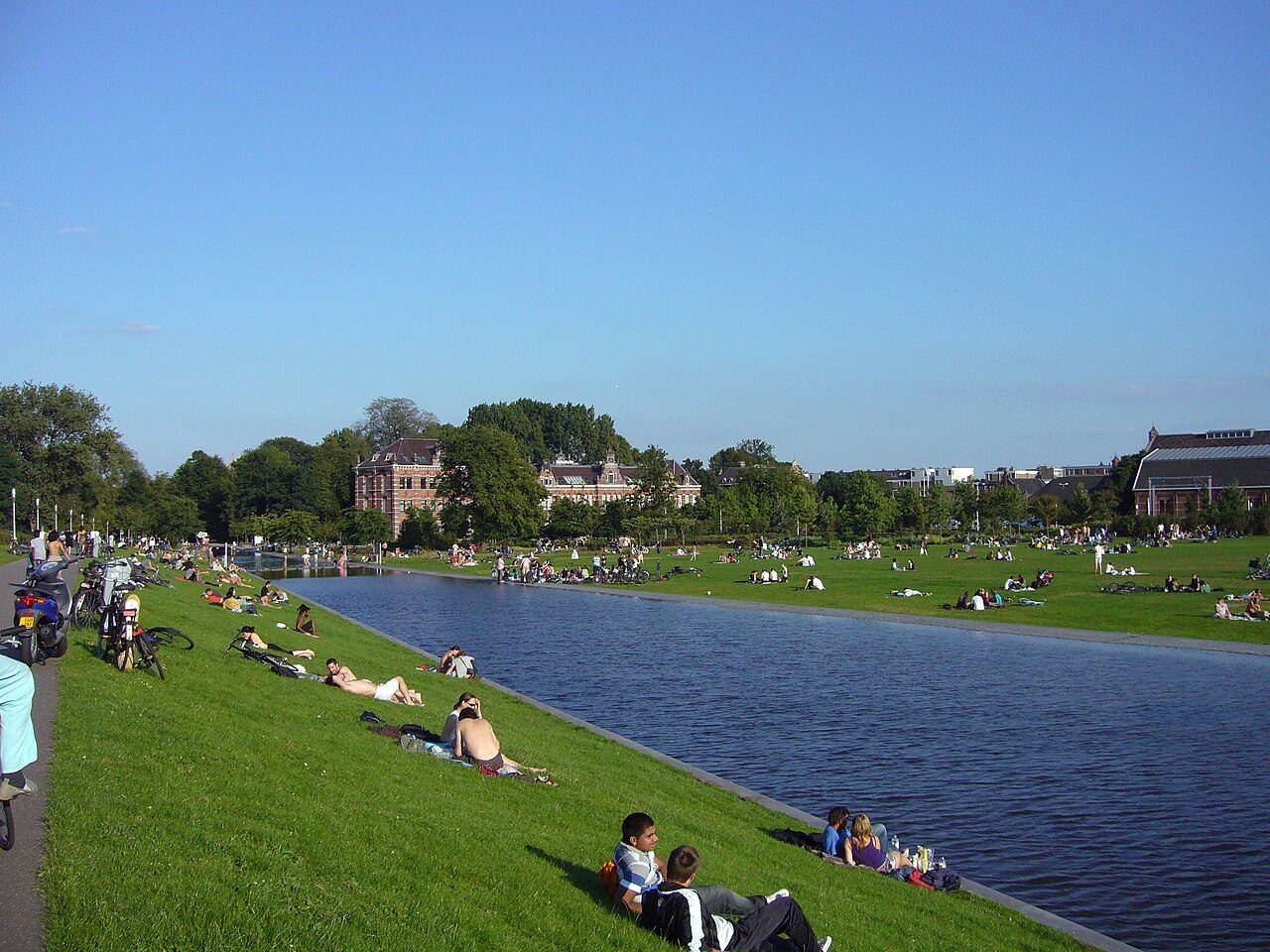
Westerpark & Westergasfabriek
A park around a former gasworks, now cafés, a cinema and weekend markets.
Tours and quests that pass here
These walks have a stop a few minutes from Noordermarkt. Free, on your phone, start any time.
 AUDIO TOUR
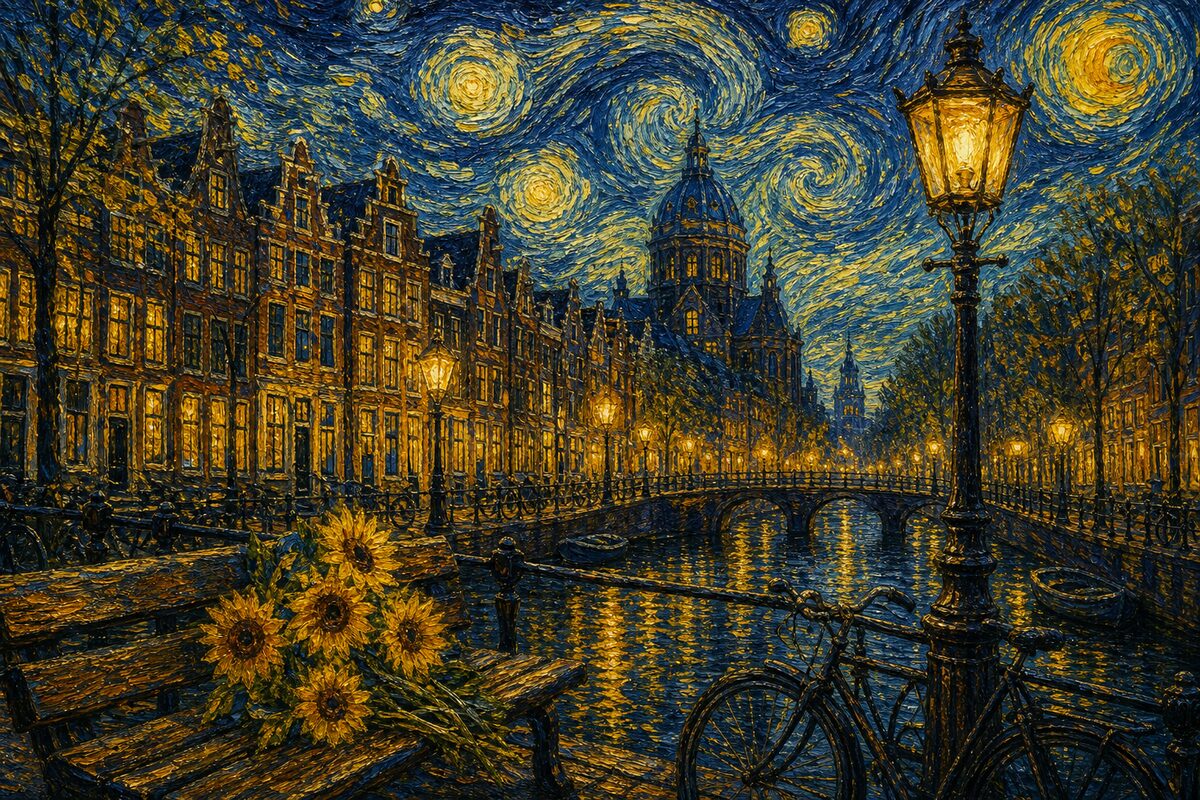
Van Gogh's Amsterdam
The years before the fame: a failed bookshop clerk walking these same streets. Ends at the museum door.
 AUDIO TOUR
Amsterdam in a Day: Highlights Walk
Start here if it's your first day. Why the houses lean, how the canals were dug, and what the Golden Age was actually built on.
 CITY QUEST
The Canal Cipher
A coded will, seven places, seven words. Walk the canal ring and read what the merchant hid.