
LANDMARK
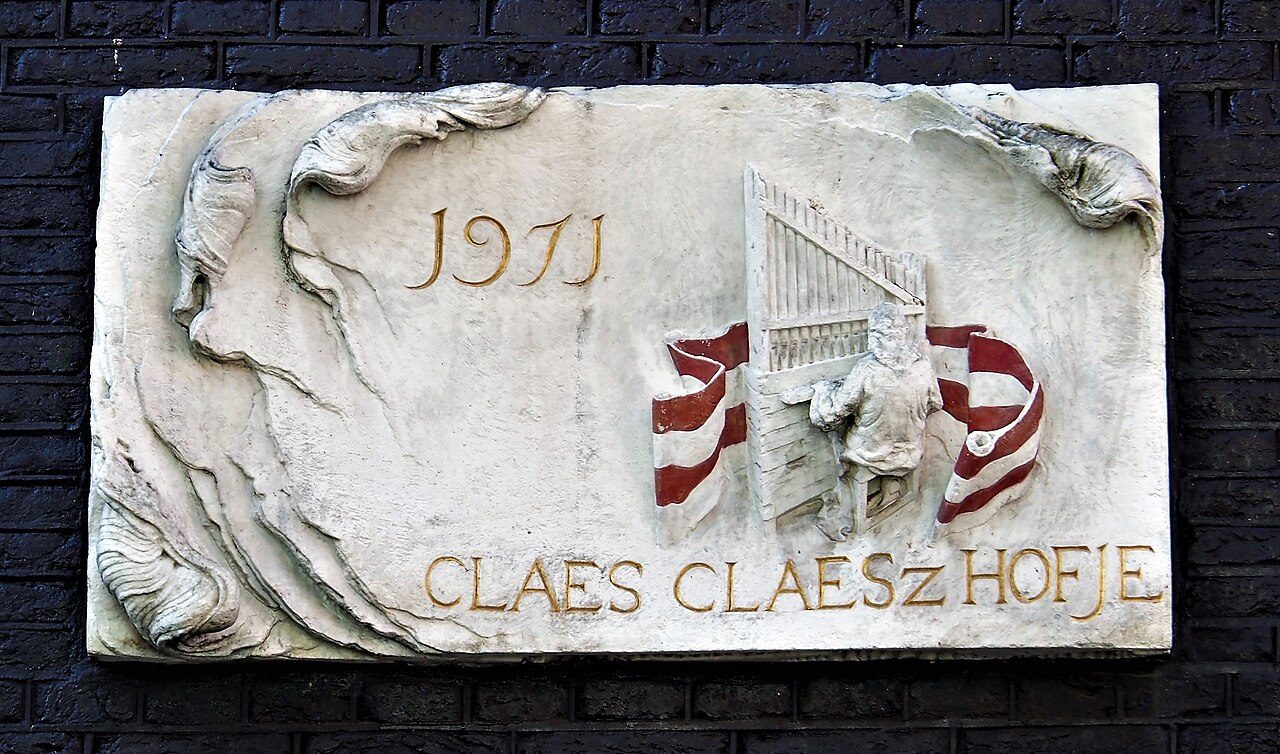
Claes Claesz Hofje
A cluster of small courtyards in the Jordaan, now student housing, quietly open in the day.
A courtyard glimpsed through a window
In 1955, preservationist Geurt Brinkgreve looked through the back windows of the House with the Writing Hand at Egelantiersstraat 52. Beyond them he saw an abandoned courtyard covered in ivy. That glimpse helped set the rescue of Claes Claesz Hofje in motion. It is a useful story to keep in mind here: this small piece of the Jordaan survived because someone looked behind the street frontage and recognised what was there.
Today, the hofje is a cluster of small courtyards used as student housing. Come for the close scale of the cottages and the relationship between the houses and their shared outdoor space. This is a residential place, not a courtyard arranged as a museum.
A home with conditions
The name comes from Claes Claesz Anslo. In his will of 1626, he arranged for his cottages to become a hofje after his death. He died in 1632. The intended residents were women aged at least 60, and the requirements went beyond age: they had to be of respectable conduct and peaceful temperament.
Those conditions tell you something about the purpose of the place. It offered housing, but within a carefully defined community. The shared courtyard was part of everyday domestic life, rather than a public square. As at the Karthuizerhof, the arrangement of homes around an enclosed space helps make that distinction clear. Look at the cottages together, rather than treating each façade as a separate monument. The group is the point.
A gable brought back to Amsterdam
On the Tuinstraat side, look for the carved gable. It has a history separate from the cottages around it. It came from a house on the Zeedijk that was demolished around 1910. Its sandstone fragments eventually turned up in a yard in Zierikzee, far from the Amsterdam street where they had belonged.
After someone spotted the fragments, Geurt Brinkgreve brought them back to Amsterdam and fitted them into the hofje reconstruction. The story was recounted in Binnenstad in 2005. What you see here is therefore not simply an untouched survival. It also records the work of rescuing architectural pieces and finding them a new setting. Like the stones gathered on the gable-stone wall in Sint Luciënsteeg, this carving survived the loss of its original house.
The evening the neighbours returned
On 3 October 1969, the restored courtyard opened to its neighbours beneath strings of coloured lights. Singer Joseph Truyens performed arias from The Marriage of Figaro, accompanied by pianist Hans Broekman. After the abandoned, ivy-covered scene Brinkgreve had seen in 1955, the courtyard was once again a place where people gathered.
Standing here now, imagine that small concert within the same close grouping of houses. Then let the present-day residential character take over. Keep your voice low, leave doorways clear and give anyone coming home room to pass. The hofje’s history is not only in its rescued stonework. It is also in the continued use of these small homes around a shared courtyard.
Things to know
- Approach on foot via Egelantiersstraat or Tuinstraat in the Jordaan.
- Choose daylight to look closely at the carved gable on the Tuinstraat side.
- Allow about 15 minutes for the courtyards and their story.
- Keep voices low and avoid photographing residents or through windows.
What people say
Related spots
More things to do in Amsterdam ›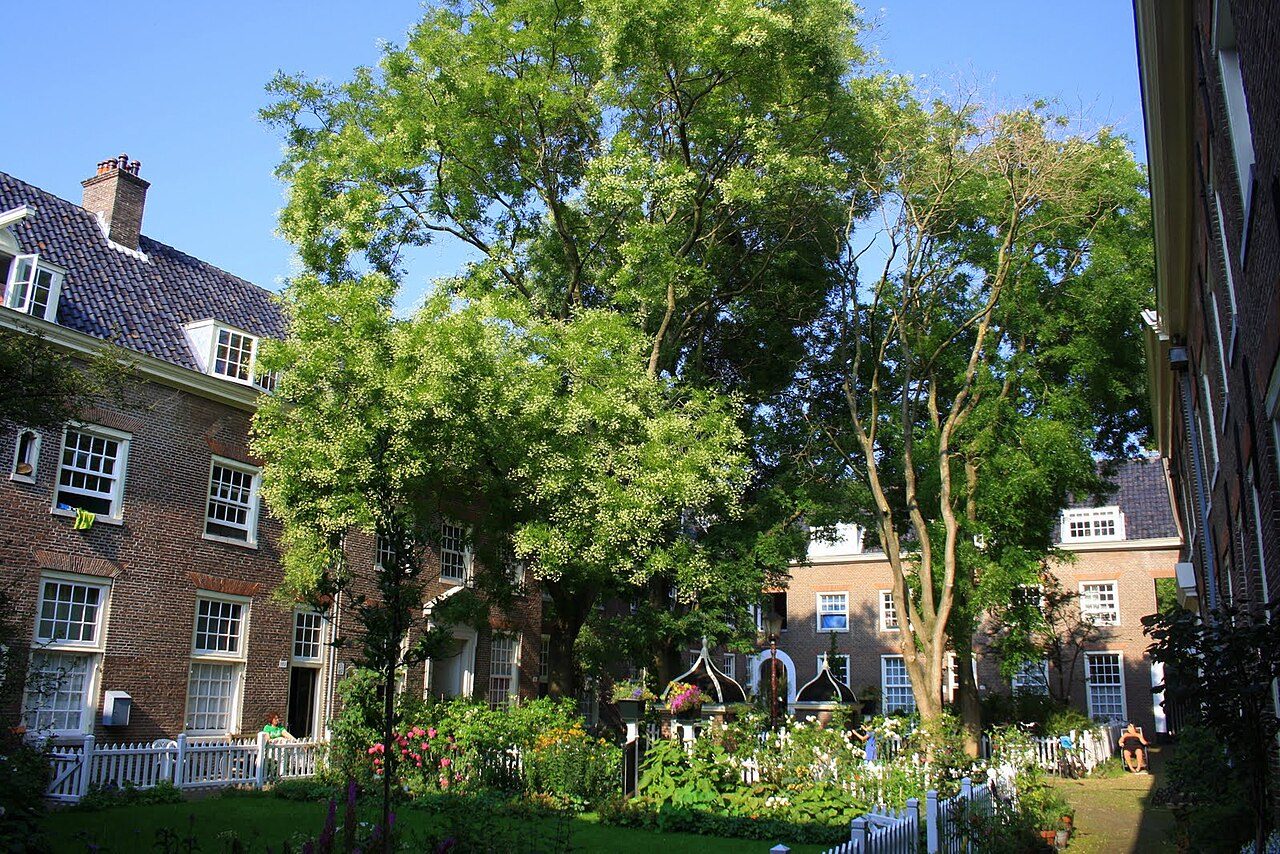
Karthuizerhof
A large 17th-century almshouse courtyard in the Jordaan, built for widows on the grounds of a vanished monastery. Most people in the street outside never notice the gate.
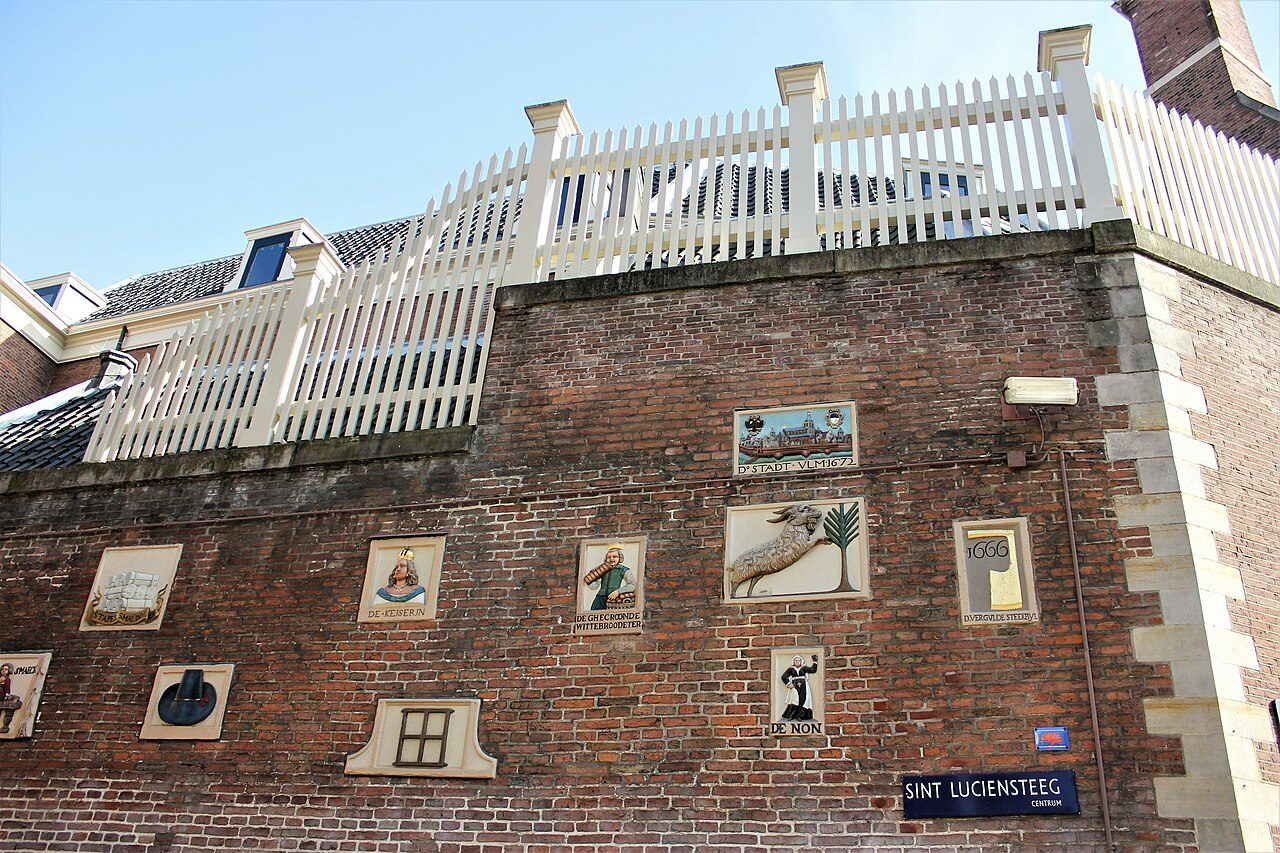
Gable stone wall (Sint Luciënsteeg)
A whole wall of rescued gable stones, the picture house numbers Amsterdam used before street numbers.
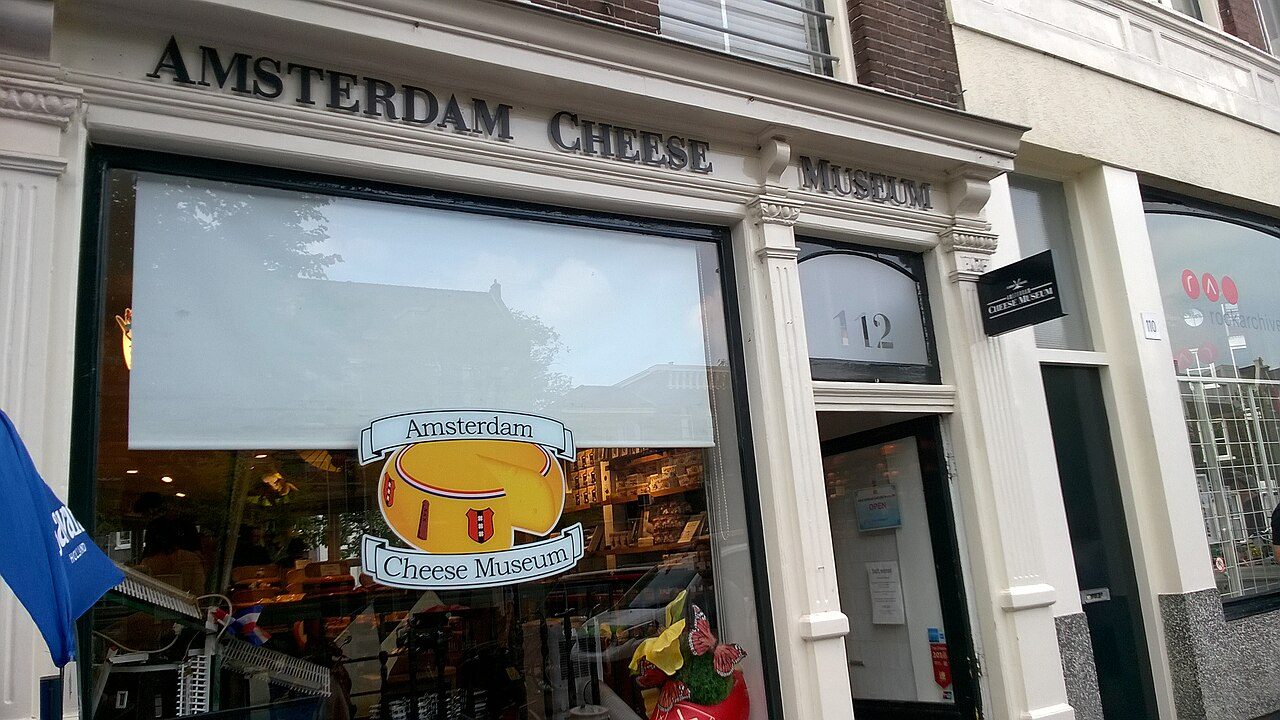
Cheese Museum (Henri Willig)
Free cheese tasting and a small museum on the Prinsengracht, opposite the Anne Frank House area.
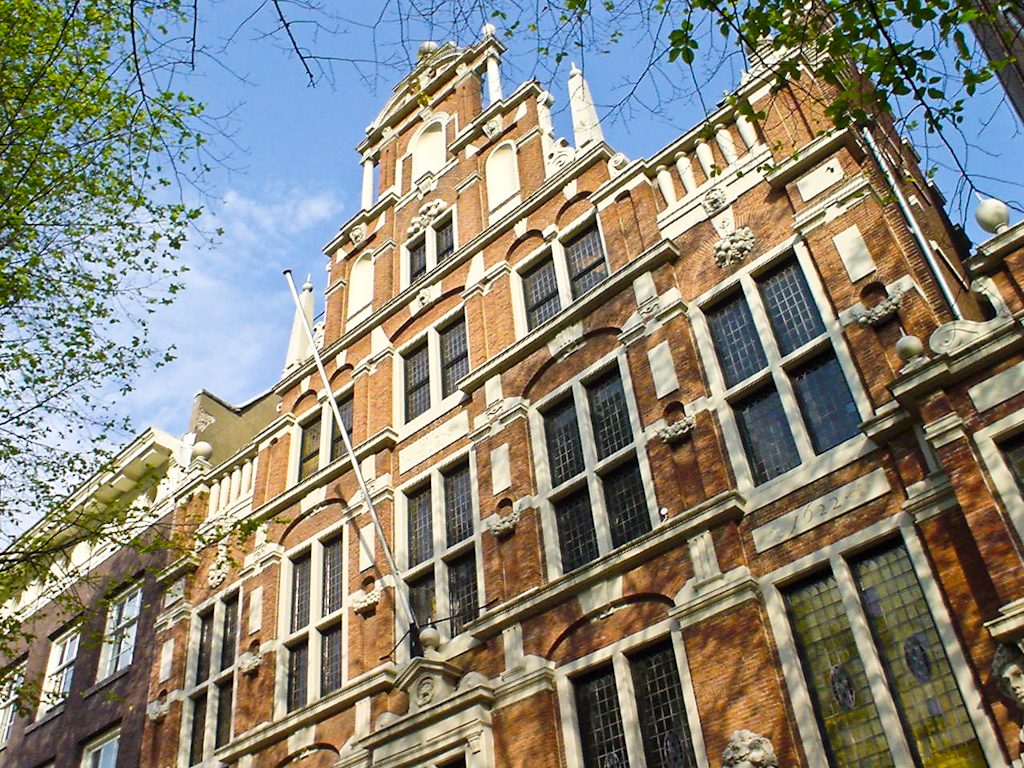
Huis met de Hoofden
A 1622 canal house with six stone heads on the facade, and a story about a maid and six burglars.
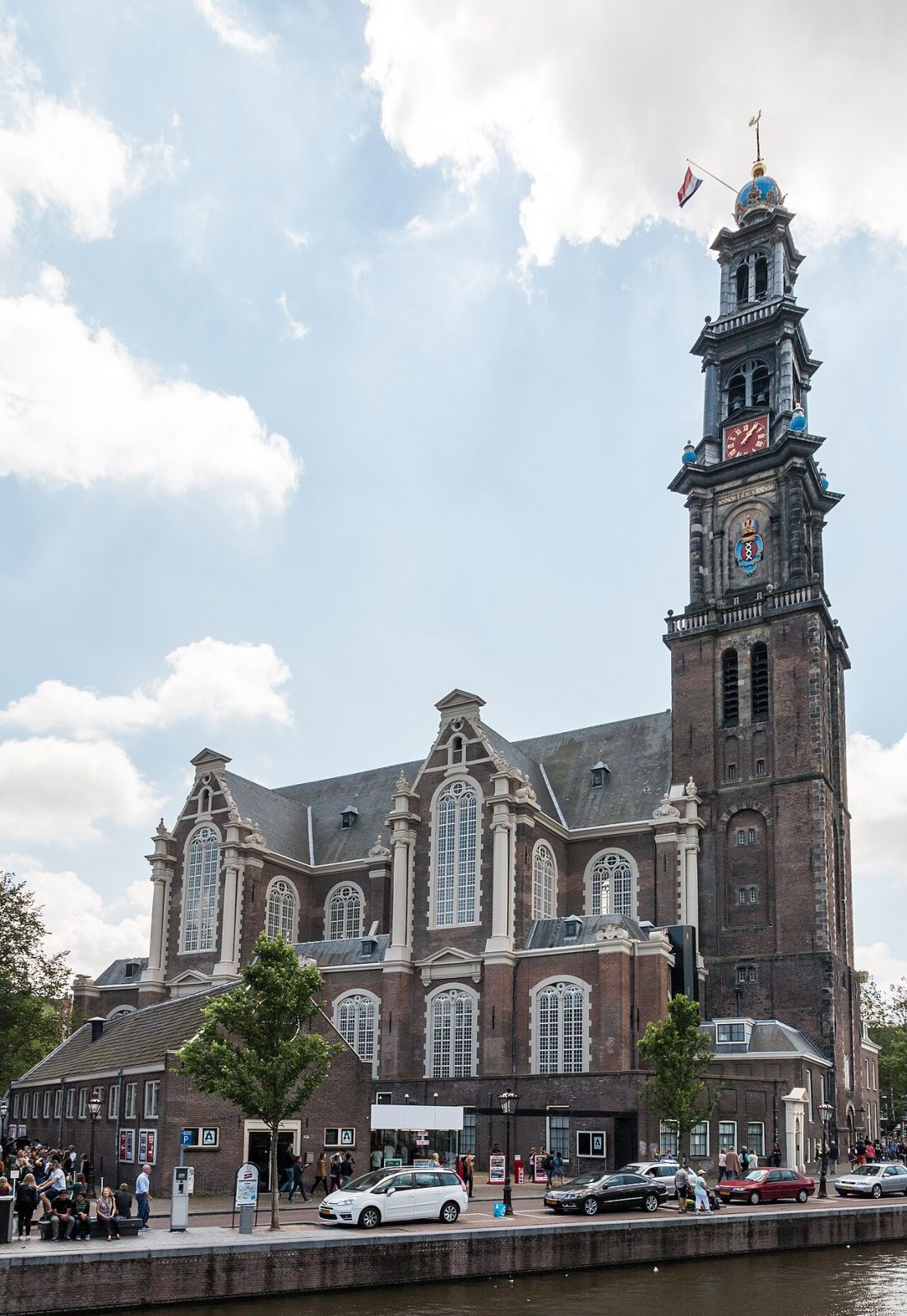
Westerkerk
A living 17th-century church beneath Amsterdam’s tallest church tower, with Rembrandt’s memorial and bells that shaped Anne Frank’s days.
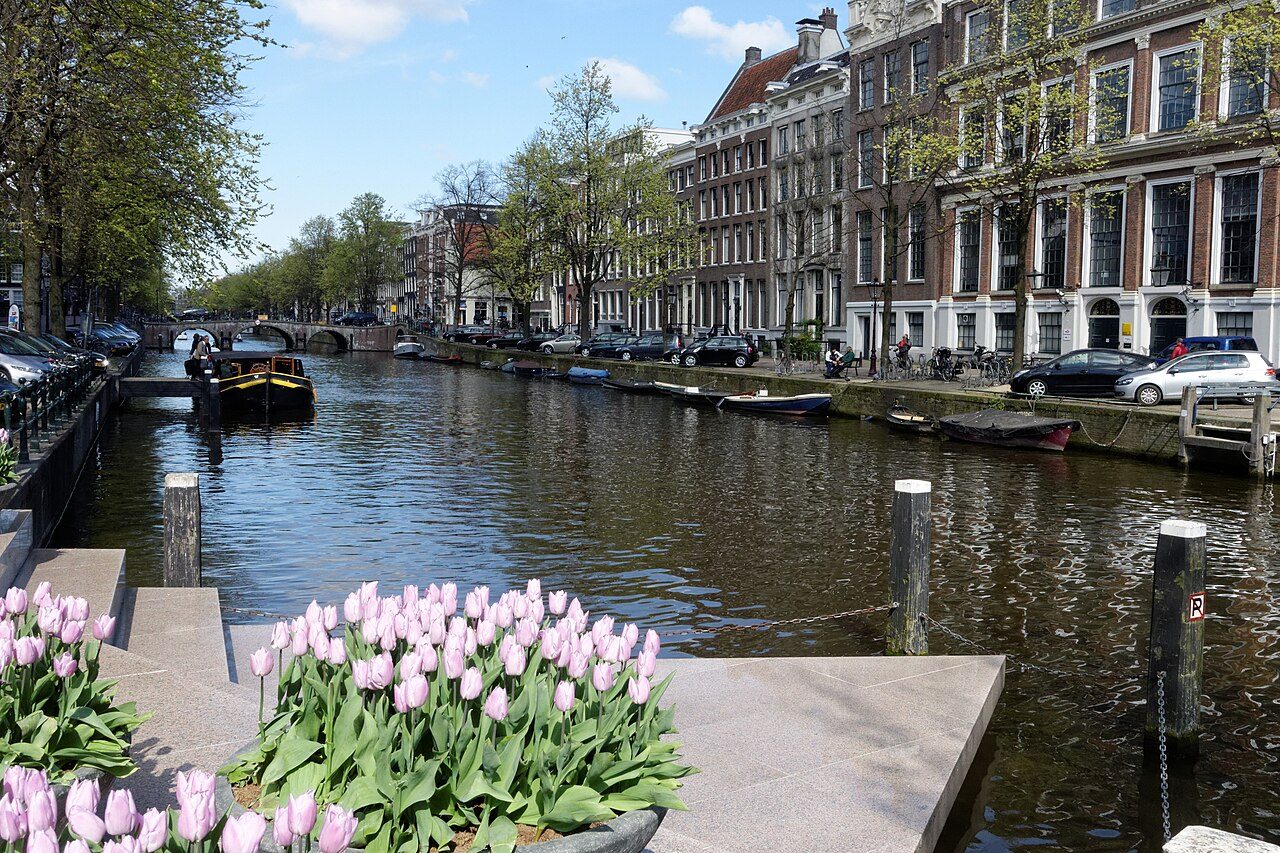
Homomonument
Three pink granite triangles by the Westerkerk, the world's first memorial to persecuted gay people.
Tours and quests that pass here
These walks have a stop a few minutes from Claes Claesz Hofje. Free, on your phone, start any time.
 FREE AUDIO TOUR
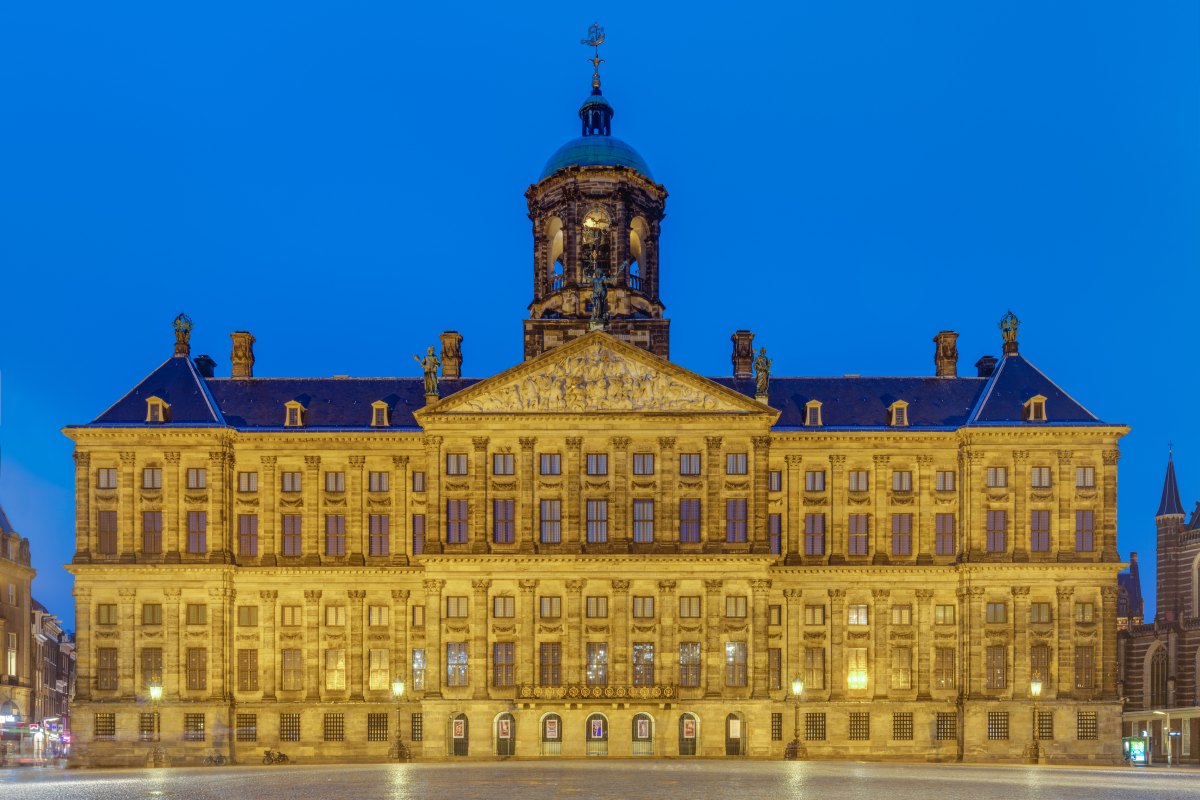
Amsterdam in a Day: Highlights Walk
Amsterdam’s canals and grand houses tell you how a trading city grew rich, but that is only half the story. If you have one day in Amsterdam, spend it on the streets where merchants, workers and people in hiding lived within walking distance of each other.
 FREE AUDIO TOUR
Amsterdam Ghost Tour
Amsterdam’s ghost stories belong to real streets, where crowds waited for spirits and families went out to look at hanging bodies. You can stand in those places today, with canal water beside you and old church towers overhead.
 FREE AUDIO TOUR
In Rembrandt's Footsteps
The painter of The Night Watch lived and worked in Amsterdam, and his house is still standing. From the early 1630s until his death in 1669, Rembrandt made his life in streets you can walk today.