
LANDMARK
Homomonument
Three pink granite triangles by the Westerkerk, the world's first memorial to persecuted gay people.
Three triangles, a long struggle
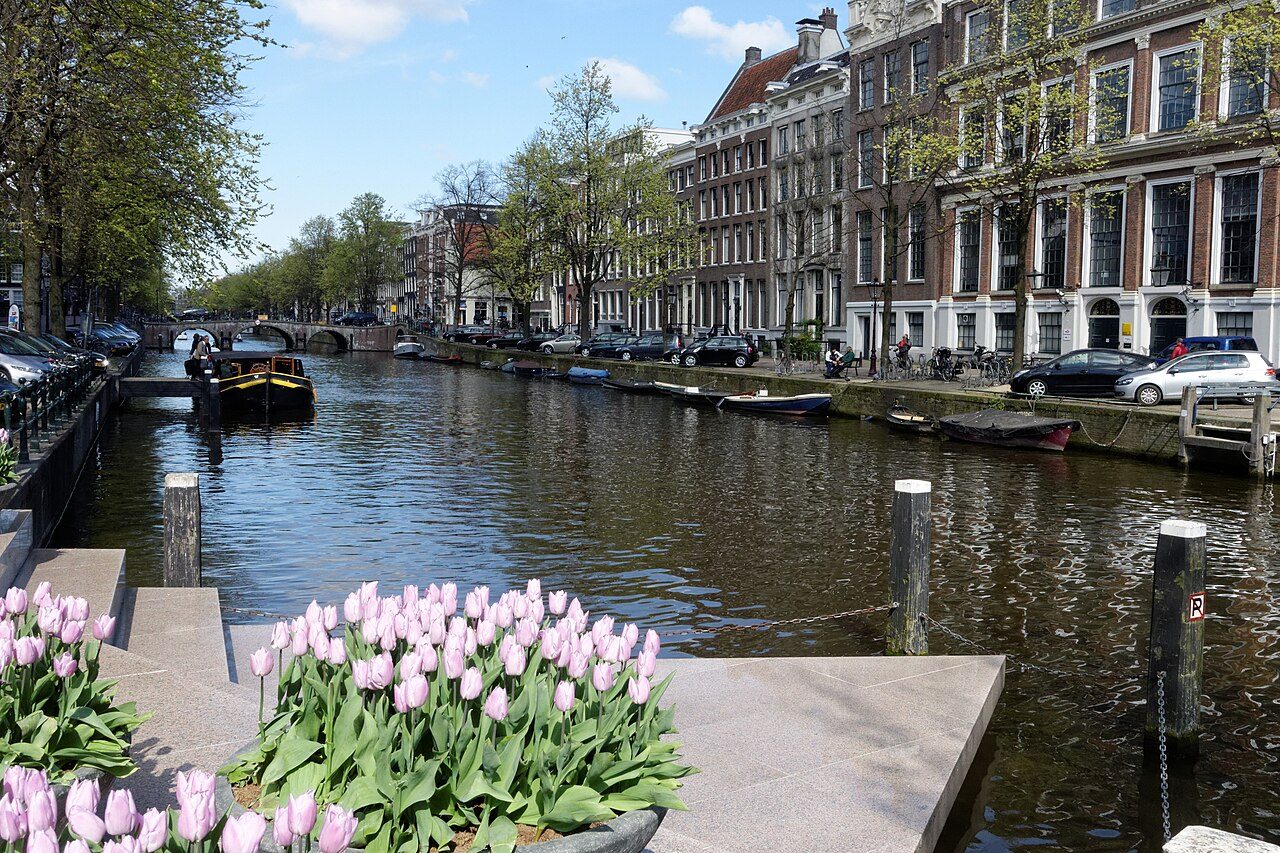
The Homomonument sits beside the Westerkerk, its three pink granite triangles spread across the square and down towards the canal. It was unveiled in 1987 as the world’s first memorial to persecuted gay people. Its beginnings include a wreath that the authorities would not allow to be laid.
In 1970, Enno den Daas and Ad van Delden went to the National Monument on Dam Square with a wreath bearing a pink triangle. They wanted to commemorate persecuted gay people. Both were arrested. The controversy helped lead to the monument you are standing at now: a permanent place for remembrance, rather than a tribute that could be turned away.
The setting is ordinary city space, close to the Anne Frank House. People cross it on their way elsewhere. That everyday use is part of its meaning, not a distraction from it.
Read the shape under your feet
Walk around before settling in one spot. One triangle lies at street level, another rises above the paving, and another steps down towards the water. Together they make a memorial you move through rather than simply face. The pink triangle recalls the badge used by the Nazis to identify gay male prisoners.
Look closely at the street-level triangle. It carries a line by the gay Jewish poet Jacob Israël de Haan, translated as “Such an endless longing for friendship.” Give yourself a moment to read it against the scale of the square. The words are intimate; the space around them is public.
Artist Karin Daan wanted her 1987 monument to remain part of ordinary city life. She argued for keeping a taxi rank partly on it and a public urinal beside it. Those choices were deliberate. This was not to be a separate, solemn enclosure, cut off from the people whose lives continued around it.
A crowded beginning
At the unveiling in 1987, the crowd was so large that spectators moored boats nearby to get a view over the people on land. Imagine looking towards the triangles from the canal, with the square already full.
Afterwards, Ramses Shaffy, Liesbeth List and Anneke Grönloh performed at a street festival benefiting the AIDS Fund. Remembrance and celebration belonged to the same occasion. So did a response to an urgent crisis affecting the community. That combination helps explain why the monument has continued to serve as both a gathering place and a memorial.
A place people keep using
In 2008, a kiss-in here protested against anti-gay violence. Regular visitor Daan Smeelen later recalled how busy she had been: “I kissed everyone.” It was a direct, affectionate answer to intimidation, made in the open.
In 2022, Marjan told AT5 that her group, Dance Where You Are, danced on the monument in all weathers. She called it the best dance floor in Amsterdam and remembered one gathering where people of 15 nationalities danced together.
You do not need an event to understand the place. Follow the triangles, read De Haan’s words and watch how people use the space. The monument holds grief without asking everyday life to stop.
Things to know
- Find the triangles beside the Westerkerk, by the canal.
- The outdoor monument is free and always open.
- Allow time to walk around all three triangles.
- Bring a rain layer; the square is outdoors.
- If a gathering is taking place, give participants space.
- Opening hours and prices can change. Check the official website before you go. Official website
What people say
Related spots
More things to do in Amsterdam ›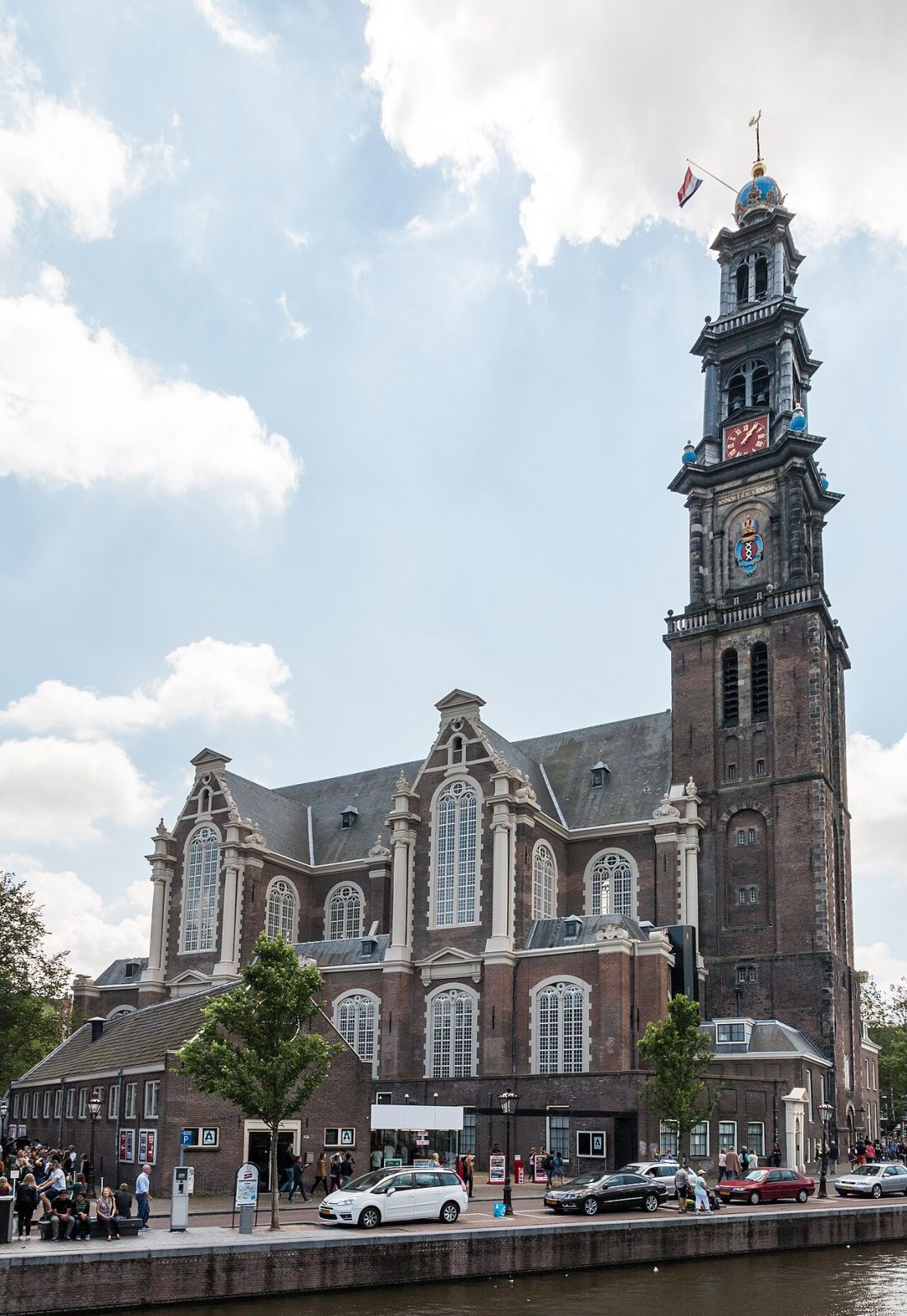
Westerkerk
A living 17th-century church beneath Amsterdam’s tallest church tower, with Rembrandt’s memorial and bells that shaped Anne Frank’s days.
Anne Frank House
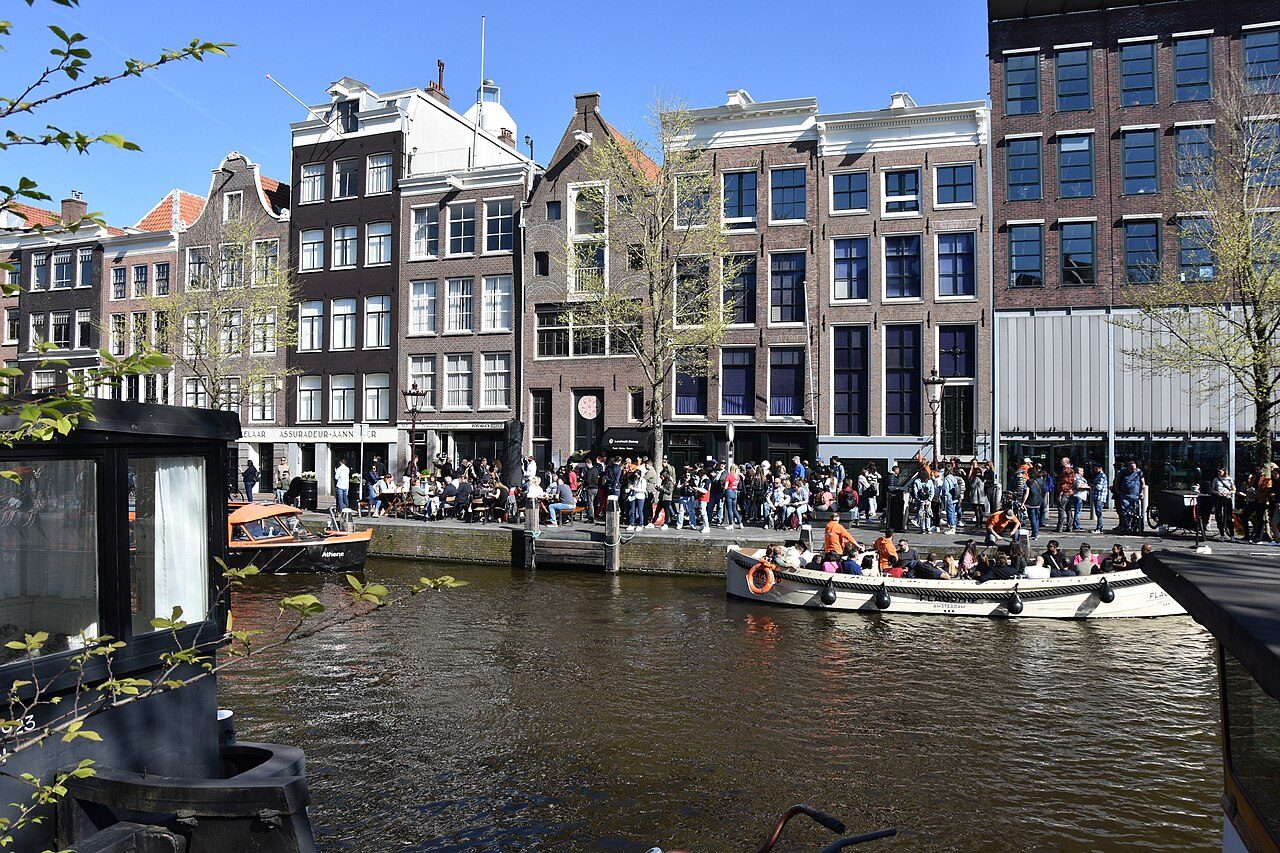
Walk through the Secret Annex and see Anne Frank's diary, picture walls and the traces her family left behind.
Anne Frank statue (Westermarkt)
Mari Andriessen's small statue of Anne Frank beside the Westerkerk, a few doors from the Secret Annex.
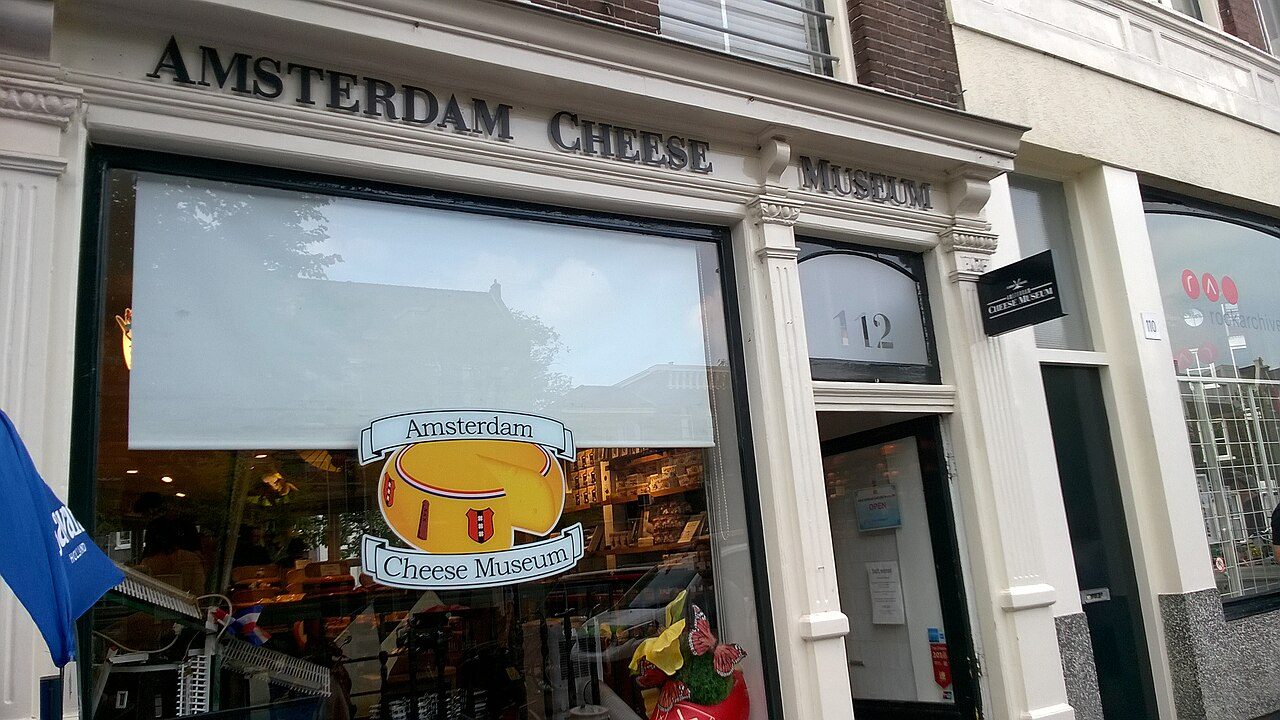
Cheese Museum (Henri Willig)
Free cheese tasting and a small museum on the Prinsengracht, opposite the Anne Frank House area.
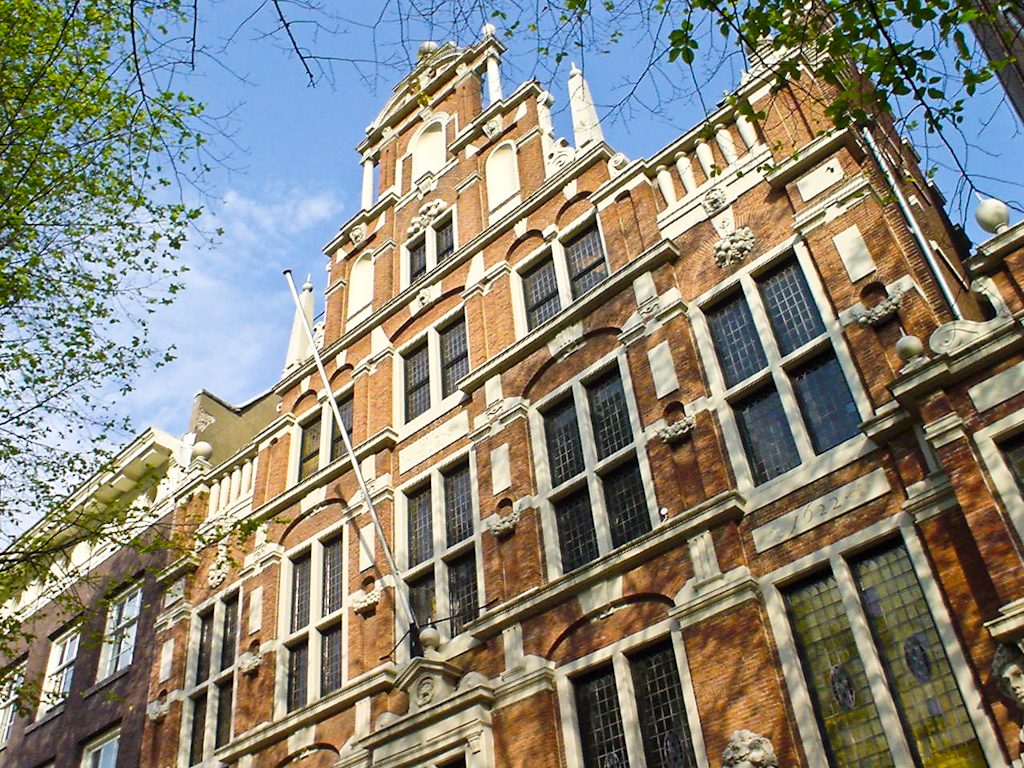
Huis met de Hoofden
A 1622 canal house with six stone heads on the facade, and a story about a maid and six burglars.
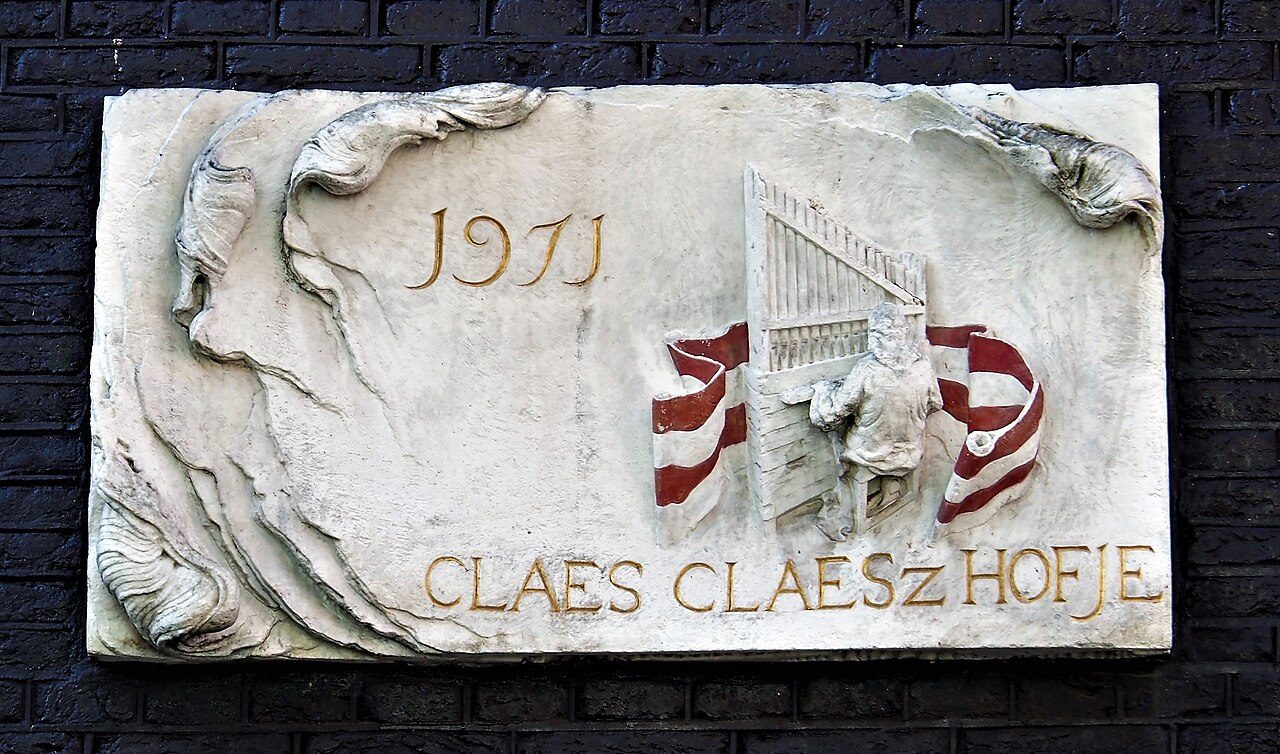
Claes Claesz Hofje
A cluster of small courtyards in the Jordaan, now student housing, quietly open in the day.
Tours and quests that pass here
These walks have a stop a few minutes from Homomonument. Free, on your phone, start any time.
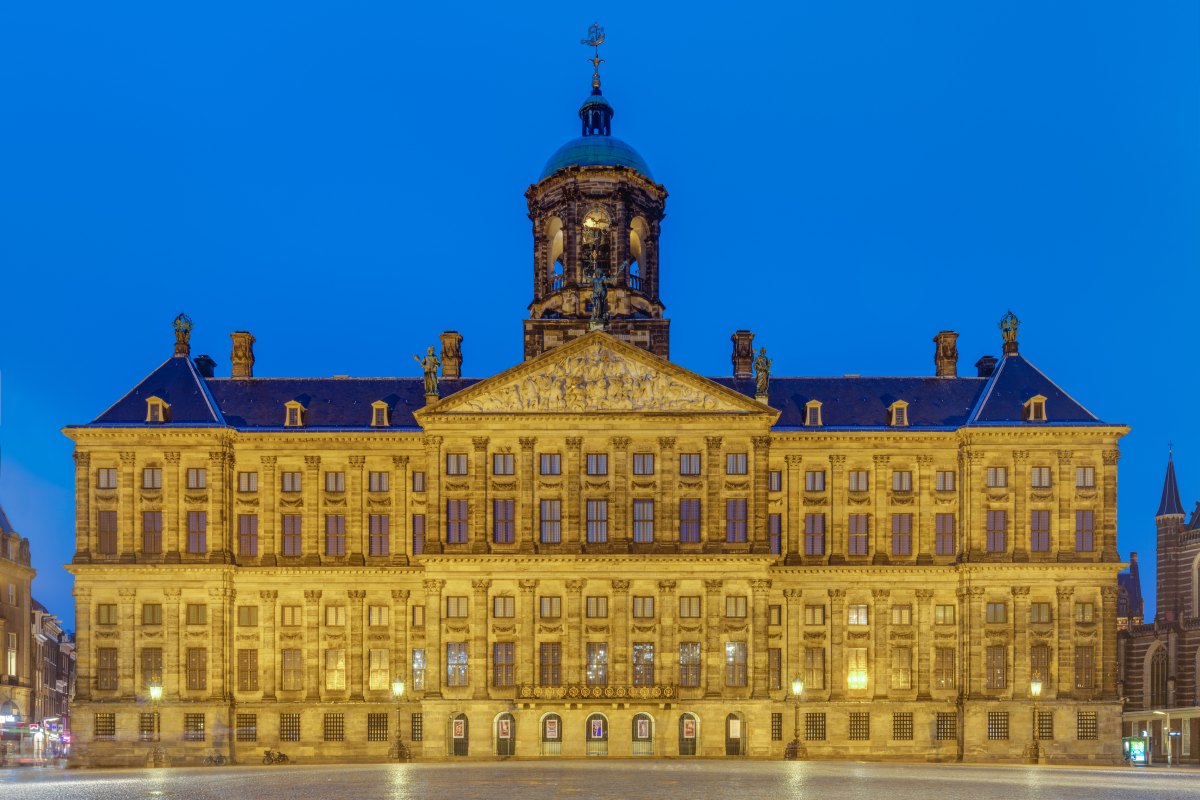 FREE AUDIO TOUR
Amsterdam in a Day: Highlights Walk
Amsterdam’s canals and grand houses tell you how a trading city grew rich, but that is only half the story. If you have one day in Amsterdam, spend it on the streets where merchants, workers and people in hiding lived within walking distance of each other.
 FREE AUDIO TOUR
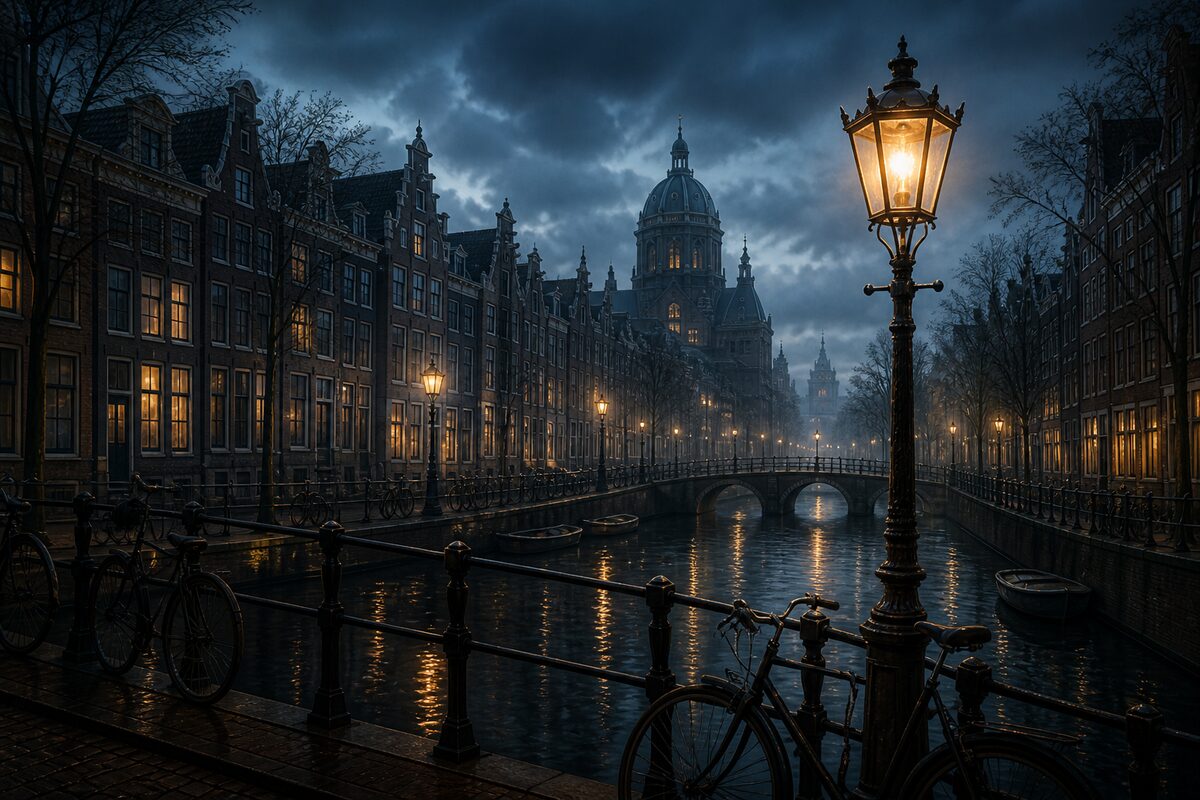
Amsterdam Ghost Tour
Amsterdam’s ghost stories belong to real streets, where crowds waited for spirits and families went out to look at hanging bodies. You can stand in those places today, with canal water beside you and old church towers overhead.
 FREE AUDIO TOUR
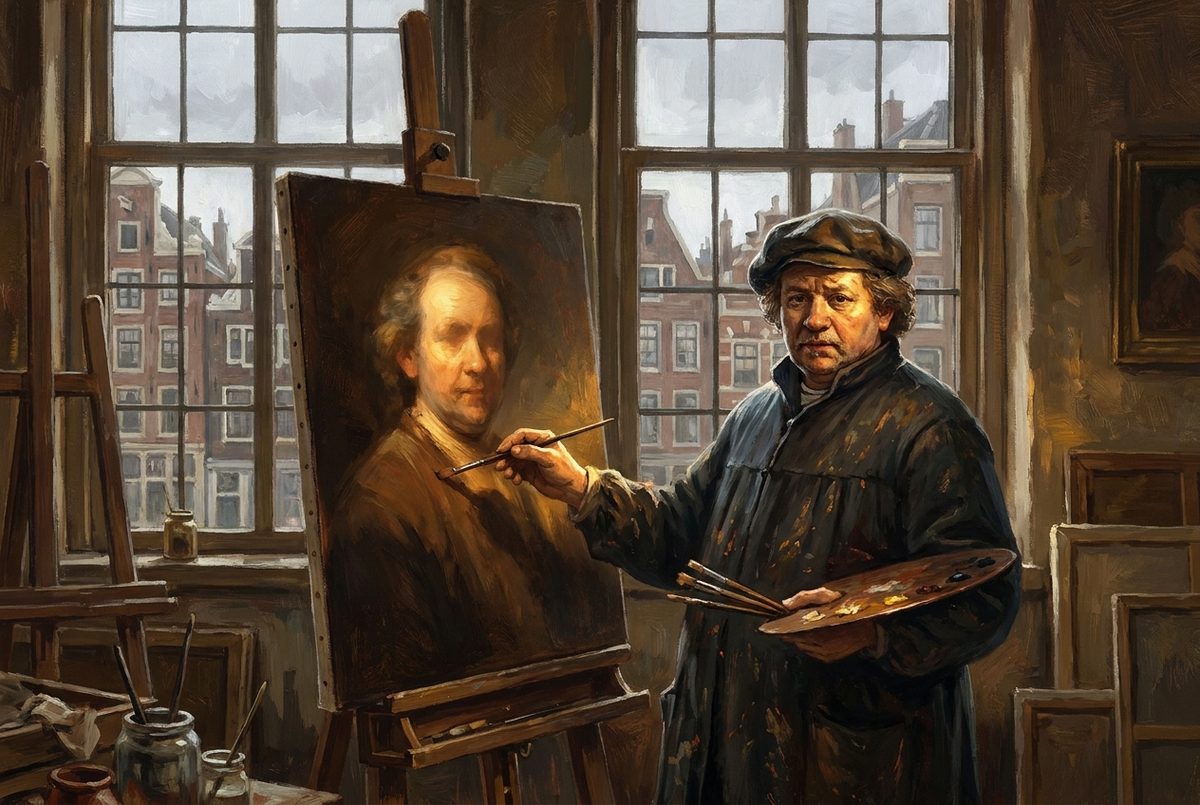
In Rembrandt's Footsteps
The painter of The Night Watch lived and worked in Amsterdam, and his house is still standing. From the early 1630s until his death in 1669, Rembrandt made his life in streets you can walk today.