
LANDMARK
Huis met de Hoofden
A 1622 canal house with six stone heads on the facade, and a story about a maid and six burglars.
Six heads and a dangerous story
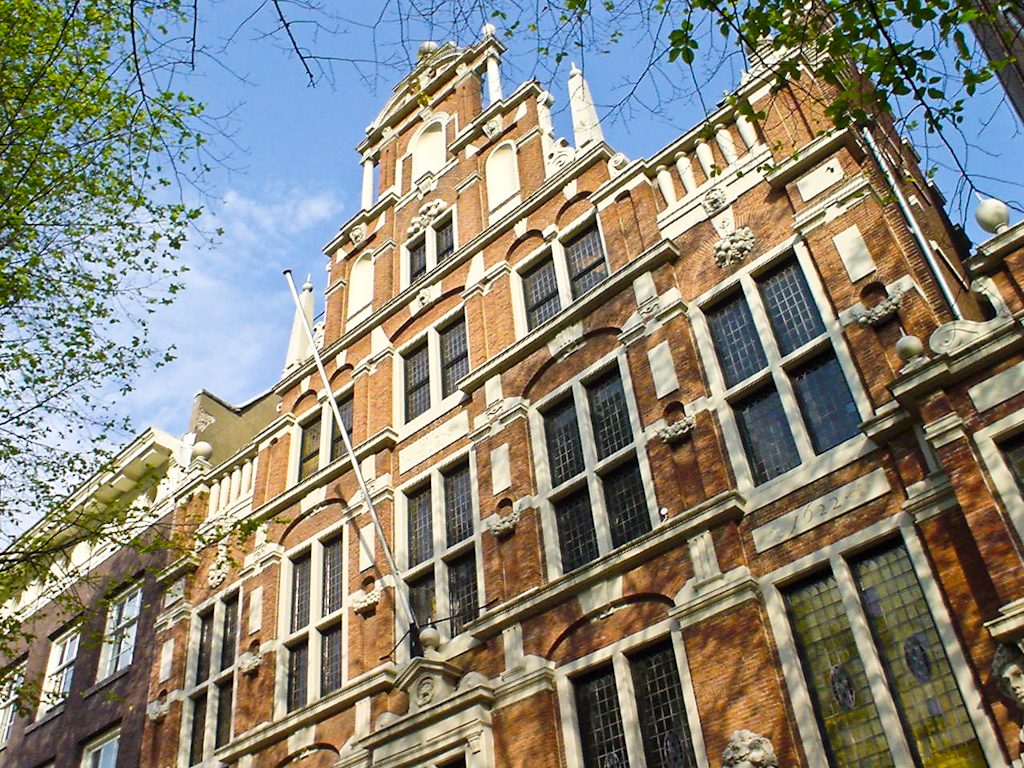
Huis met de Hoofden means “House with the Heads”. Look up at this 1622 canal house on the Keizersgracht and count the six stone faces that gave it its name. They come with a gruesome legend. In the version collected from M.A. Ferwerda in 1892, a maid called Anna catches burglars entering through a kitchen hatch. She decapitates six of them, answering their accomplices in a gruff voice to persuade each next man to climb through.
There is a seventh burglar. He escapes, then later returns as Anna’s suitor, seeking revenge. That last twist makes this more than a simple tale of a resourceful servant. It is a story to remember while looking at the heads, but not a documented explanation of how they came to be there.
Read the front of the house
Give the facade a few minutes rather than treating it as a quick photograph. Pick out each head separately, then step back far enough to take in the whole frontage. Like the figures on De Drie Hendricken, these faces give an Amsterdam house a name you can remember without a street number.
There is another story recorded on the facade, this time about a real guest. Look for the commemorative stone to the educator Jan Amos Comenius. In 1656, war destroyed his home, books and manuscripts in Leszno. Laurens de Geer invited him to Amsterdam, and Comenius stayed in this house for several weeks. The stone turns an imposing canal-house front into a reminder of someone arriving after an enormous personal loss.
A Rembrandt sale that never happened
In 1828, an auction of Rembrandt’s *The Anatomy Lesson of Dr Nicolaes Tulp* was advertised for this house. The sale did not go ahead. A royal order stopped it, and the painting went instead to the Mauritshuis in The Hague.
That gives the building a very different Rembrandt connection from the memorial at Westerkerk. Here, the connection is a masterpiece that nearly went under the hammer. Standing outside, imagine the house named in an auction announcement, with the future of that painting still undecided.
The fireplace that came home
The interior has its own story of departure and return. The great room’s marble fireplace bears the arms of Lodewijk de Geer and his wife, Adrienne Gérard. Removed in 1908, it spent years at the Stedelijk Museum. In 1983, contractor J. Nieuwenhuizen restored it to its original place.
In 2017, Dan Brown opened the Embassy of the Free Mind here. Afterwards, he settled into an armchair beside the 17th-century fireplace for an NRC interview. He explained that research for his novels had repeatedly brought him back to the library’s collection. If you visit the interior, remember that the fireplace is not simply an old furnishing left untouched. It is a piece of the house that travelled away and was deliberately brought home.
Things to know
- Find the house on the Keizersgracht, about four minutes on foot from Westerkerk.
- Come in daylight to make out the six heads and the commemorative stone.
- Allow 15 minutes for the facade and its stories.
- Step back for the full frontage, keeping the pavement clear.
- Opening hours and prices can change. Check the official website before you go. Official website
What people say
Related spots
More things to do in Amsterdam ›
Westerkerk
A living 17th-century church beneath Amsterdam’s tallest church tower, with Rembrandt’s memorial and bells that shaped Anne Frank’s days.
De Drie Hendricken
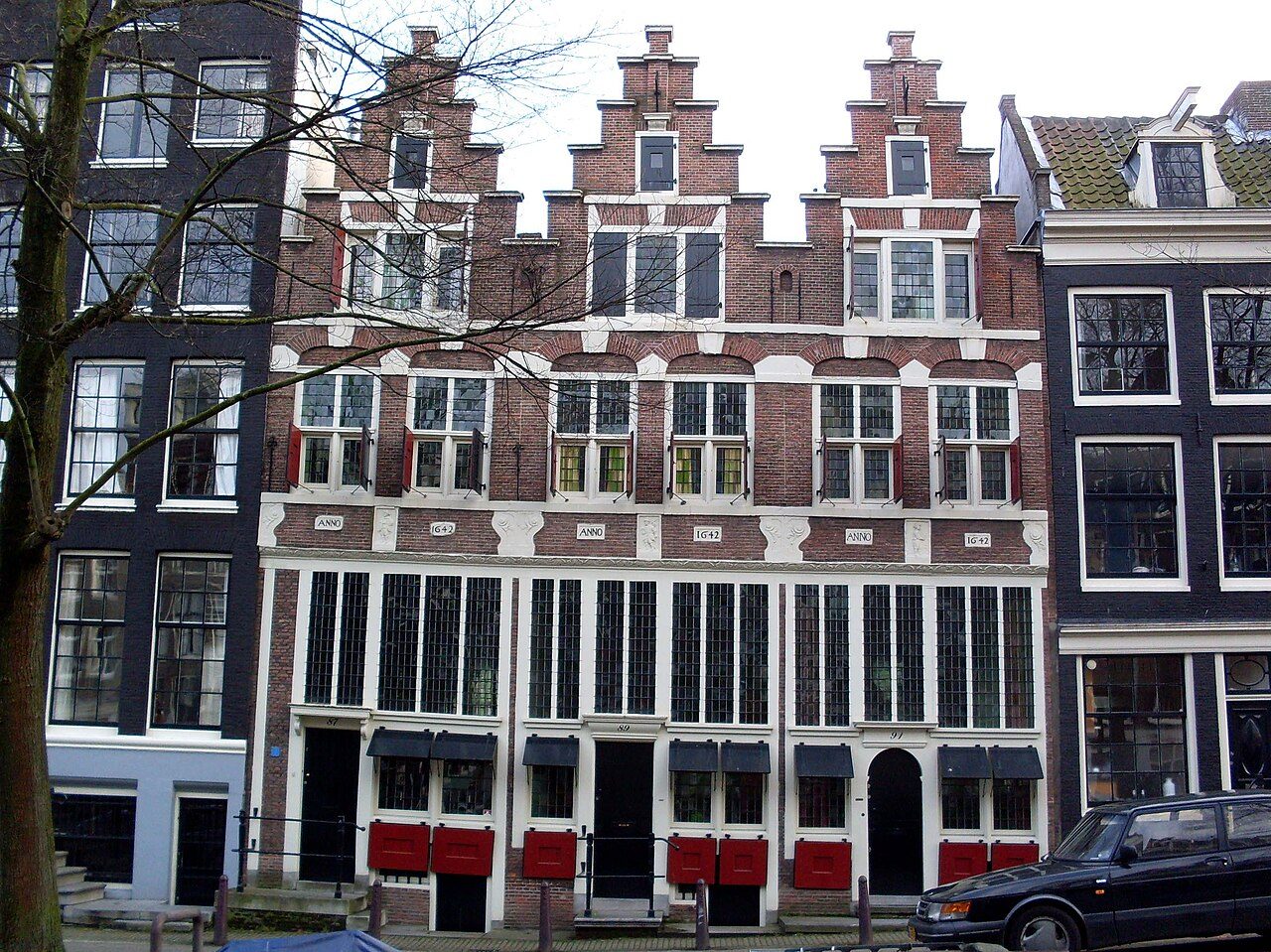
Three 1642 houses on the Bloemgracht with gable stones of a townsman, a farmer and a sailor.

Cheese Museum (Henri Willig)
Free cheese tasting and a small museum on the Prinsengracht, opposite the Anne Frank House area.
Claes Claesz Hofje
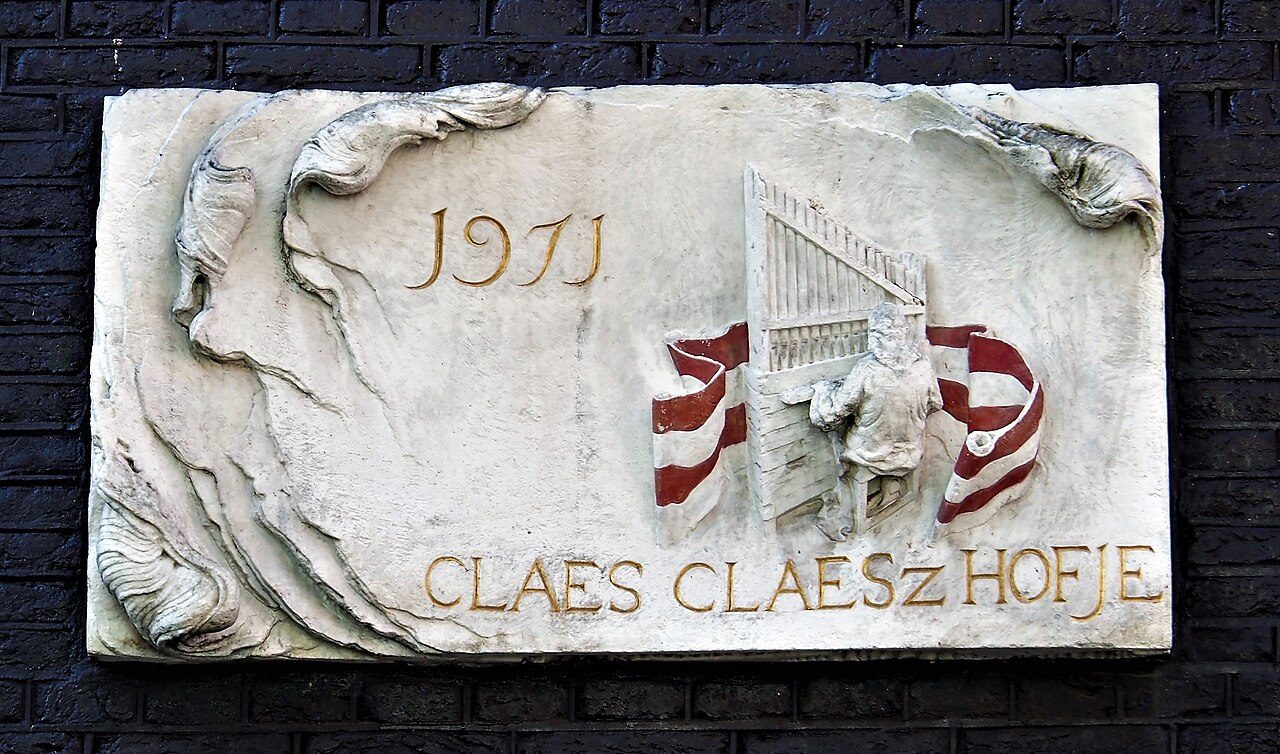
A cluster of small courtyards in the Jordaan, now student housing, quietly open in the day.
Torensluis
The widest bridge in Amsterdam, with old jail cells hidden inside it and a Multatuli statue on top.
Homomonument
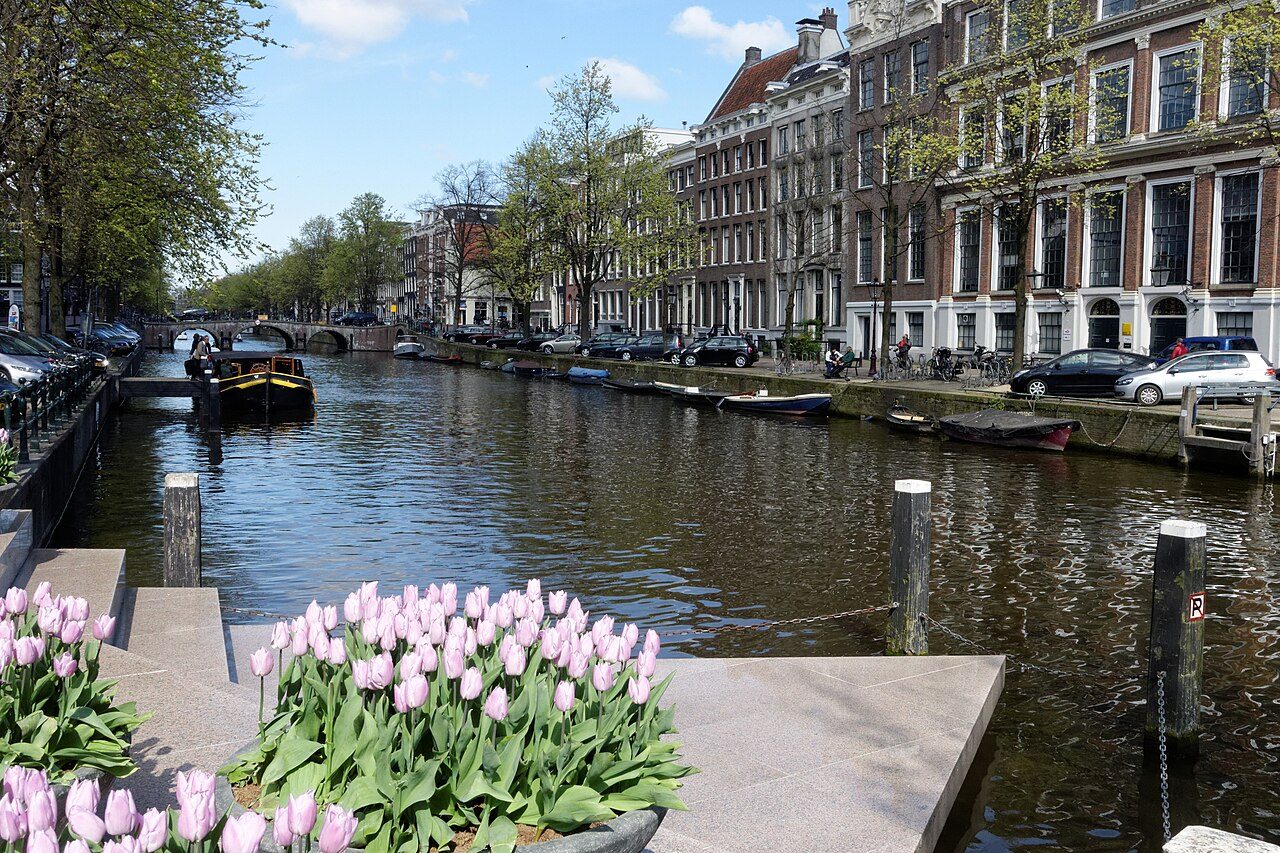
Three pink granite triangles by the Westerkerk, the world's first memorial to persecuted gay people.
Tours and quests that pass here
These walks have a stop a few minutes from Huis met de Hoofden. Free, on your phone, start any time.
 FREE AUDIO TOUR
Amsterdam Ghost Tour
Amsterdam’s ghost stories belong to real streets, where crowds waited for spirits and families went out to look at hanging bodies. You can stand in those places today, with canal water beside you and old church towers overhead.
 FREE AUDIO TOUR
Amsterdam in a Day: Highlights Walk
Amsterdam’s canals and grand houses tell you how a trading city grew rich, but that is only half the story. If you have one day in Amsterdam, spend it on the streets where merchants, workers and people in hiding lived within walking distance of each other.
 FREE AUDIO TOUR
In Rembrandt's Footsteps
The painter of The Night Watch lived and worked in Amsterdam, and his house is still standing. From the early 1630s until his death in 1669, Rembrandt made his life in streets you can walk today.