
LANDMARK
Torensluis
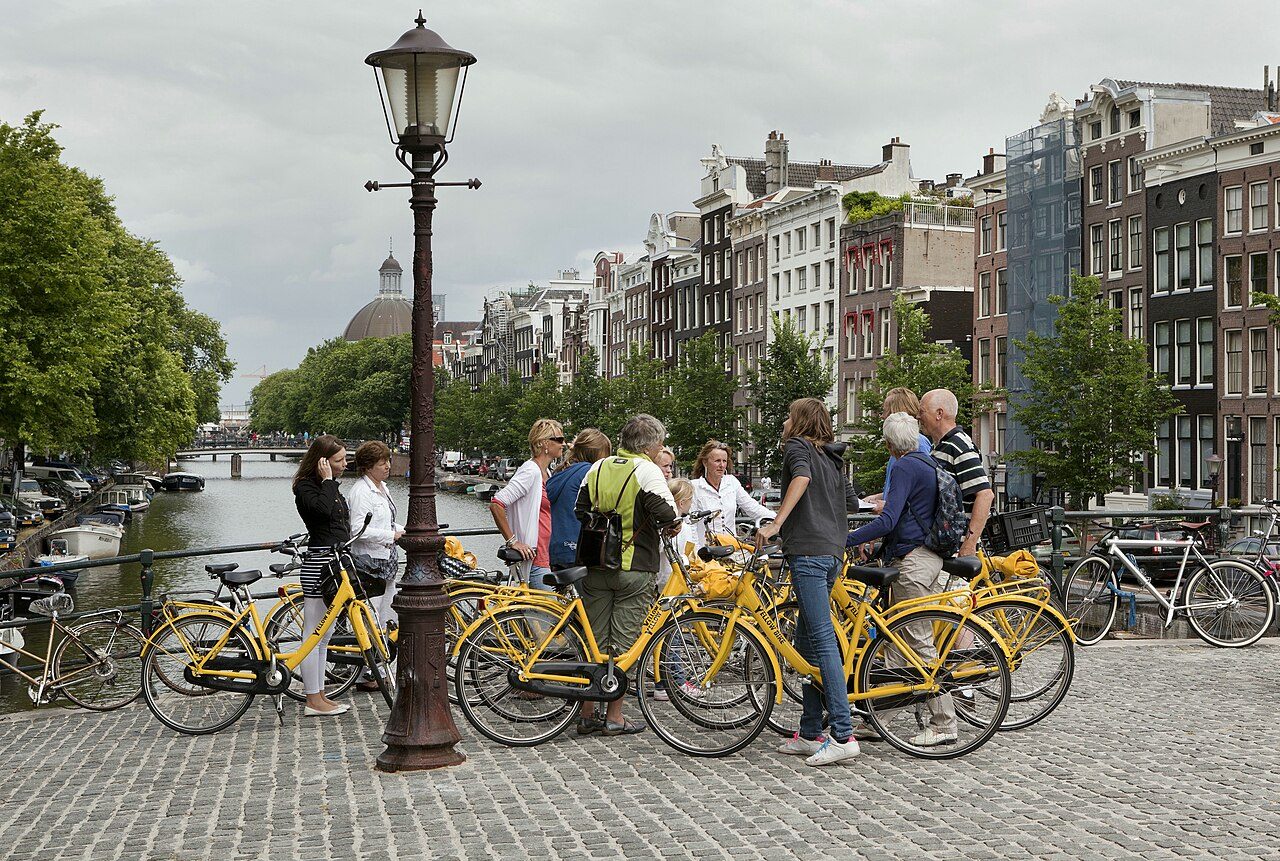
The widest bridge in Amsterdam, with old jail cells hidden inside it and a Multatuli statue on top.
A bridge with a prison inside
In 1735, an 11-year-old boy escaped from the prison at Torensluis. He squeezed through an opening and the corridor bars, left his clothes behind and swam across the Singel. Nobody knows what he had been imprisoned for. Standing above the water today, it is worth pausing over that last part: for this child, the canal was the way out.
Torensluis is Amsterdam’s widest bridge, with old jail cells inside it and a statue of the writer Multatuli on top. A short walk from the Royal Palace and Nieuwe Kerk, it gives you a different view of the old city: not royal ceremonies or grand interiors, but a public clock, prisoners and arguments conducted in public. Its broad surface makes it easy to forget that you are standing on a bridge at all.
Find the missing tower
The name recalls the Jan Roodenpoortstoren, the tower that once stood here. In 1616, Mayor Reynier Pauw pushed to turn the old defensive tower into a clocktower. His argument was that local residents needed a public clock. Pauw himself lived diagonally opposite it, so the improvement would have been useful close to home too.
Look down beside Café Van Zuylen. The vanished tower’s outline is marked in the paving. Follow it with your eyes before looking upwards: it gives you a ground plan for a building that no longer interrupts the sky.
The café occupies the former house of notary Gerrit Steeman. In 1660, a storm tore the cross and weathercock from the tower. The cross crashed through Steeman’s roof; the weathercock vanished. With the footprint and the house in front of you, the story becomes a very local piece of bad luck rather than a distant account of a storm.
The prison breaks open
The boy’s escape was not the prison’s only dramatic departure. In November 1813, a crowd stormed the Jan Roodenpoortstoren prison, drove off its guard and freed the prisoners. People rang the tower bells while prison furniture and papers were piled into a bonfire.
Willem de Vriend organised a fire engine to protect a neighbouring house from the flames. That detail brings the scene into focus: a prison being emptied, bells sounding overhead, and someone trying to stop the celebration from burning a house down.
Remember the cells beneath you as you cross. The bridge was not simply a route over water. It also held people in confinement, directly under a place used by everyone else.
Multatuli and an uncomfortable speech
Find the statue of Multatuli, the pen name of Eduard Douwes Dekker. His novel *Max Havelaar* challenged Dutch colonial abuses in the East Indies. His presence here adds another kind of protest to the bridge’s history.
At the statue’s unveiling in 1987, publisher Geert van Oorschot used his speech to demand the removal of another monument: the one to Van Heutsz. Queen Beatrix was there to hear it.
Take a final look between the statue and the tower outline in the cobbles. One is a deliberately visible memorial; the other records something absent. Both reward a slower look at this unusually broad crossing.
Things to know
- Walk from Dam Square; Torensluis is a few minutes away.
- Go in daylight to trace the tower outline in the paving.
- Look beside Café Van Zuylen for the marked footprint.
- Leave time to look at both the paving and the Multatuli statue.
What people say
Related spots
More things to do in Amsterdam ›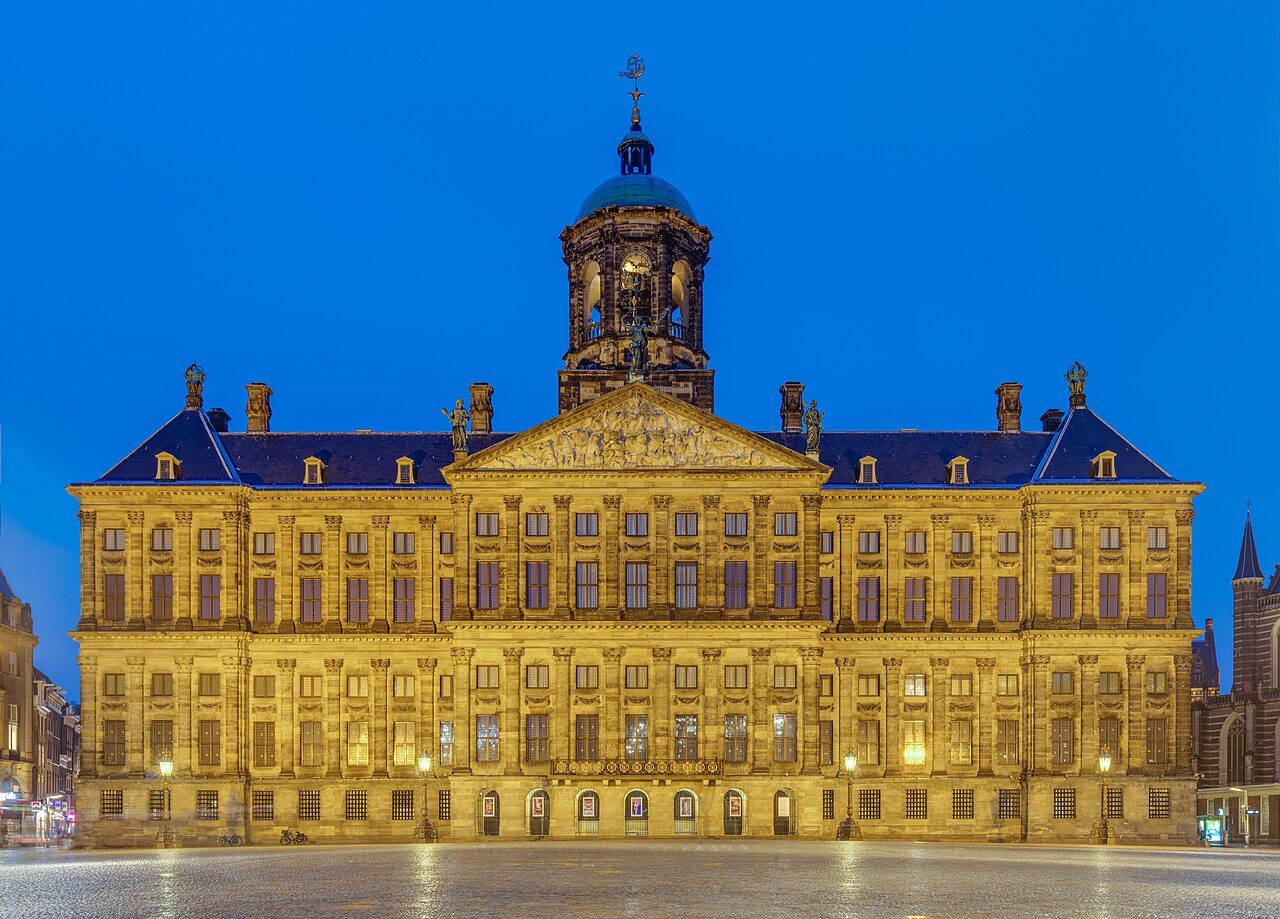
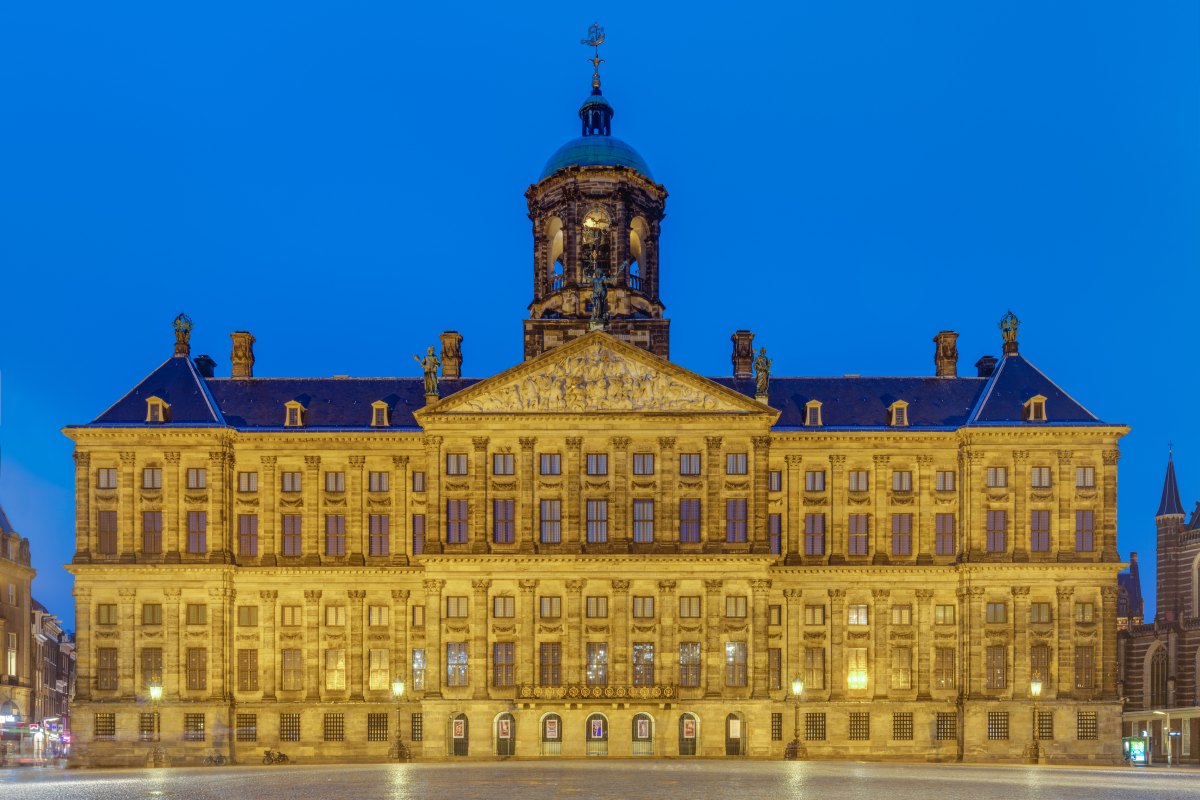
Royal Palace Amsterdam
The 17th-century city hall on Dam Square that became a royal palace; the citizens' hall inside is open to visit.
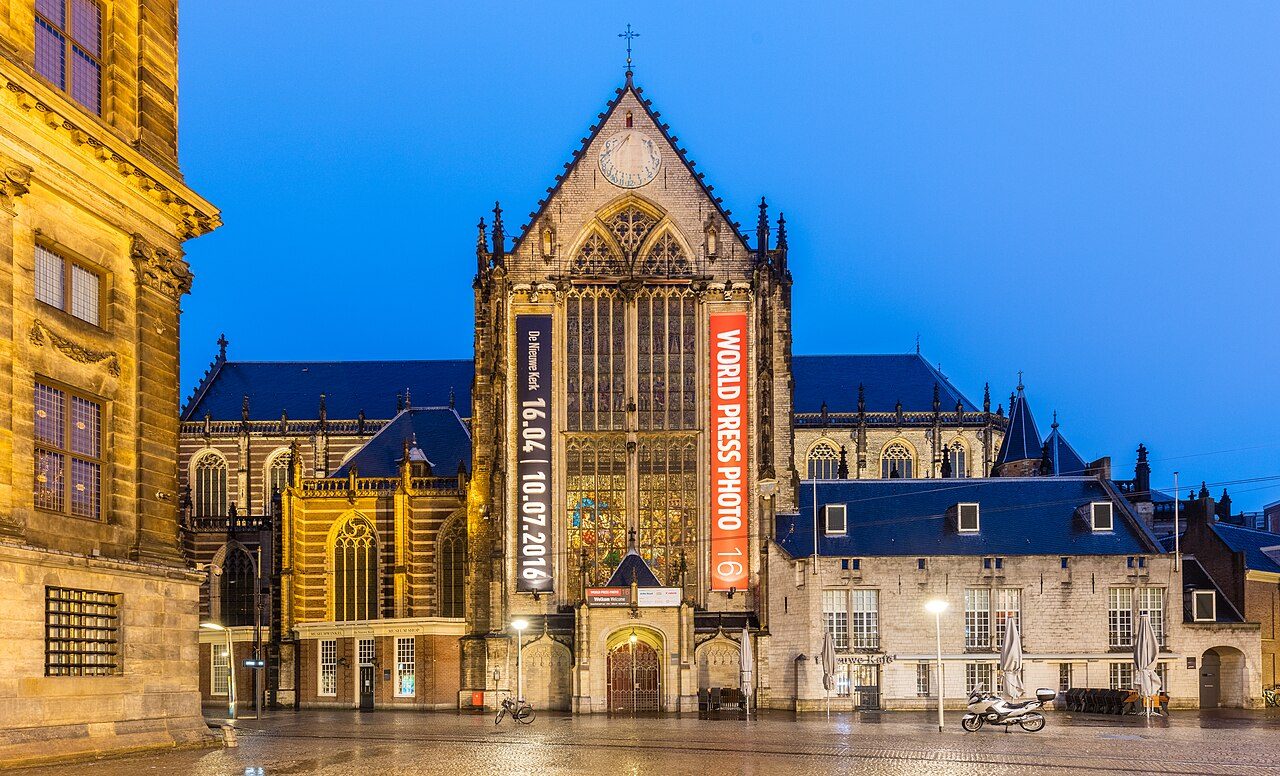
Nieuwe Kerk
A medieval church on Dam Square, now an exhibition venue and setting for royal inaugurations.
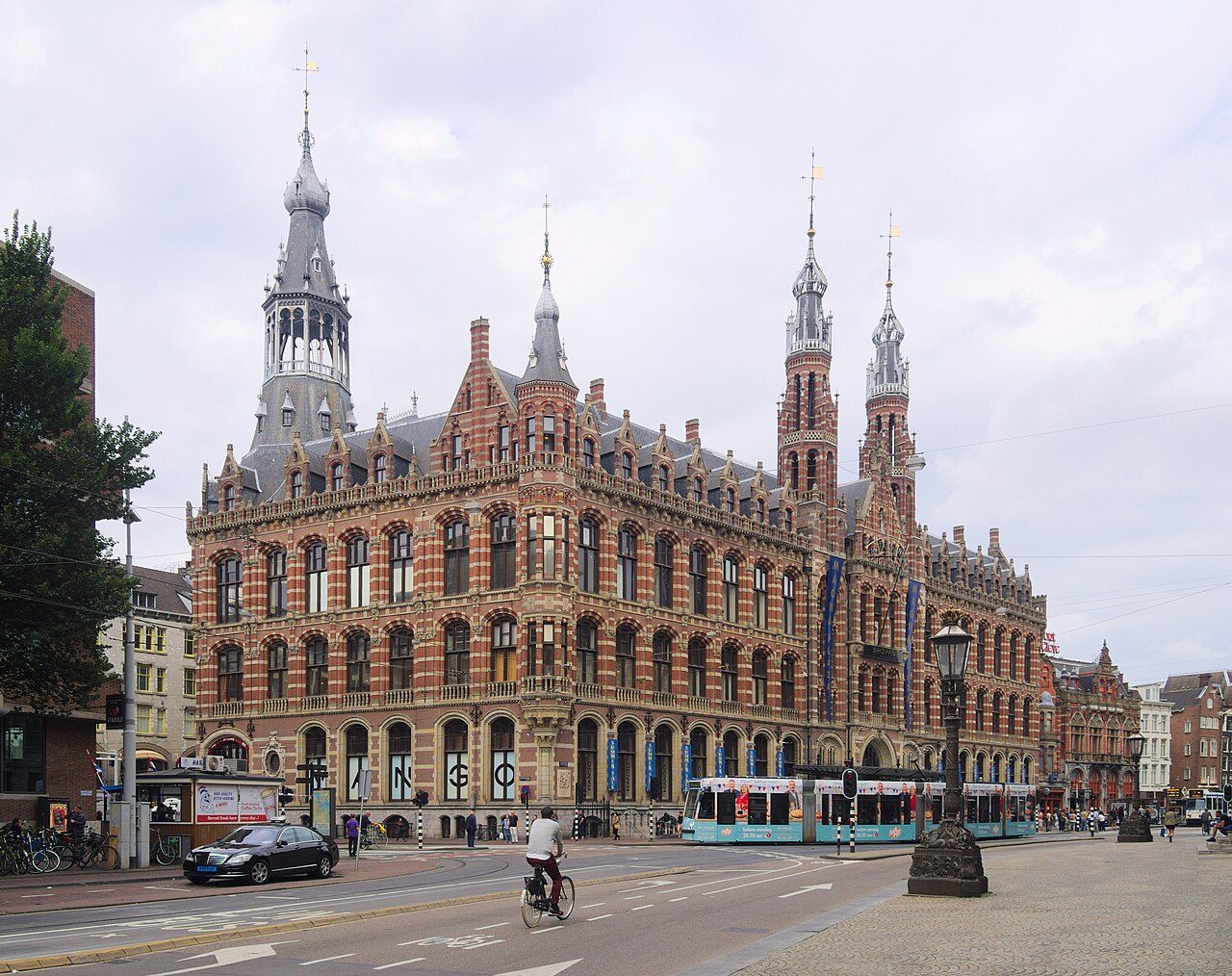
Magna Plaza
The former main post office behind the palace, a neo-Gothic shopping hall.
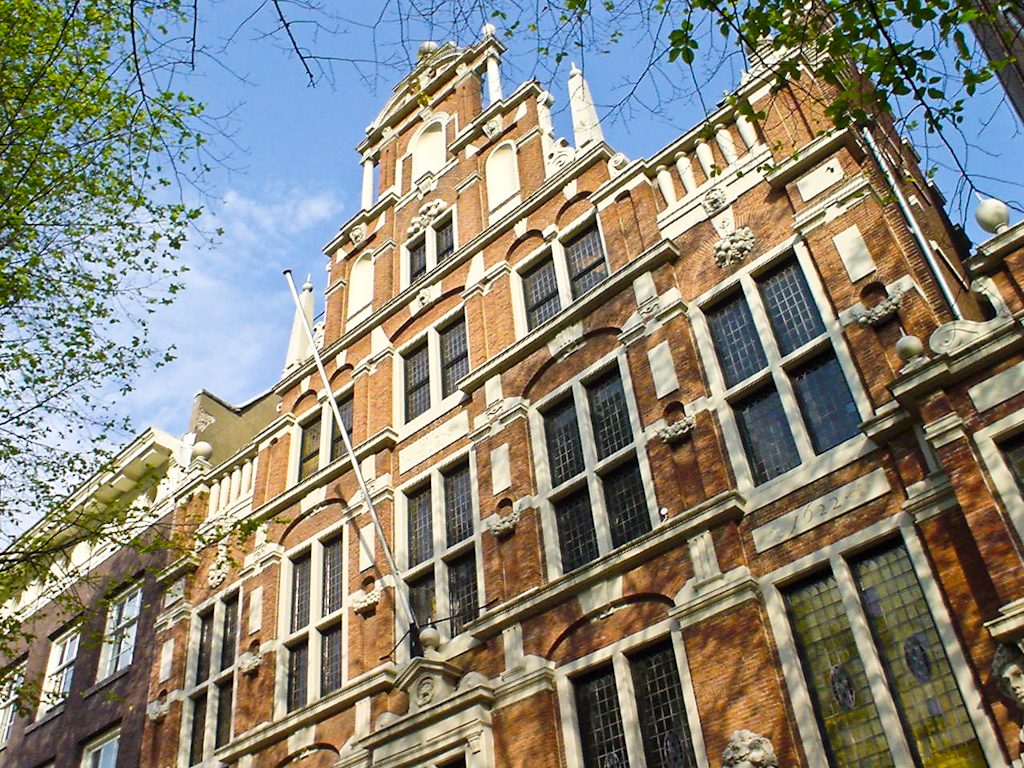
Huis met de Hoofden
A 1622 canal house with six stone heads on the facade, and a story about a maid and six burglars.
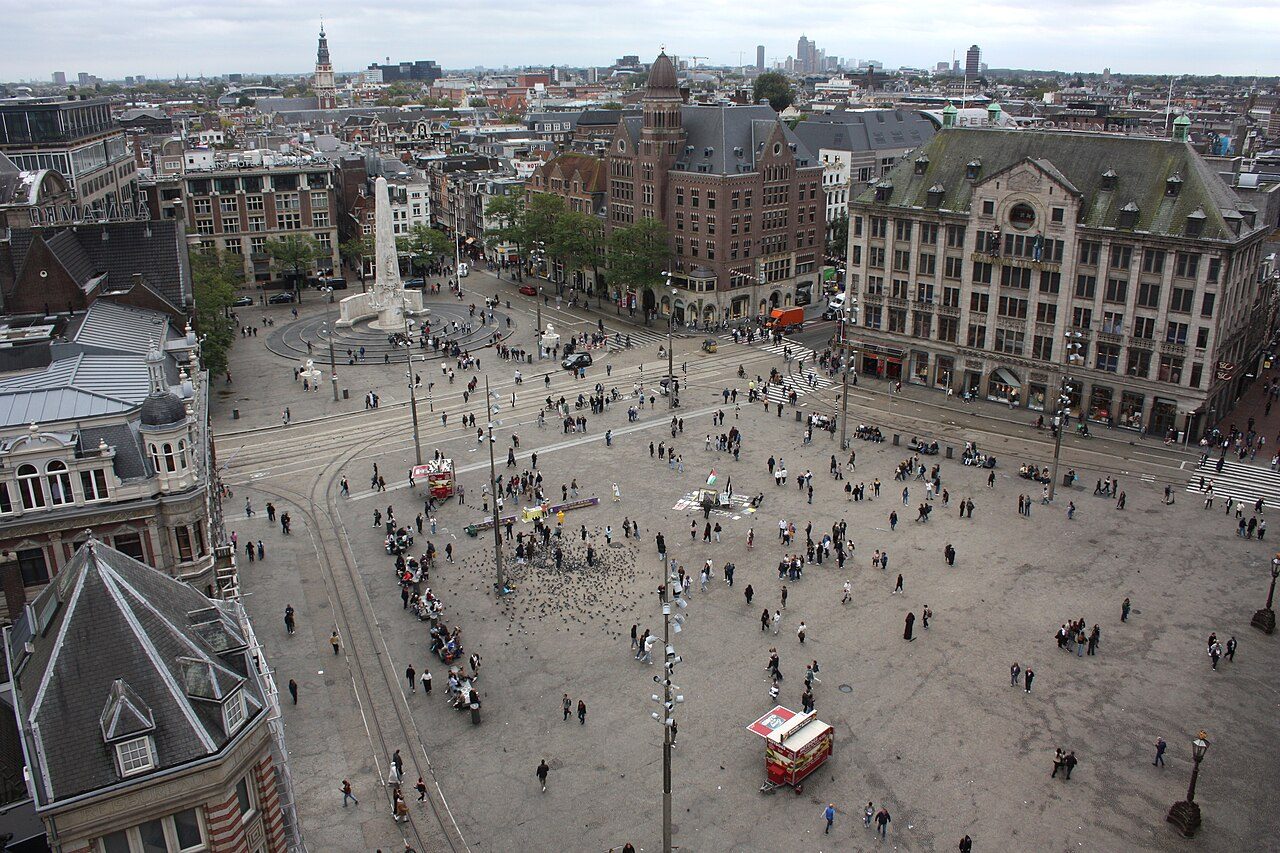
Dam Square
The square where Amsterdam began: Royal Palace, Nieuwe Kerk and the National Monument.
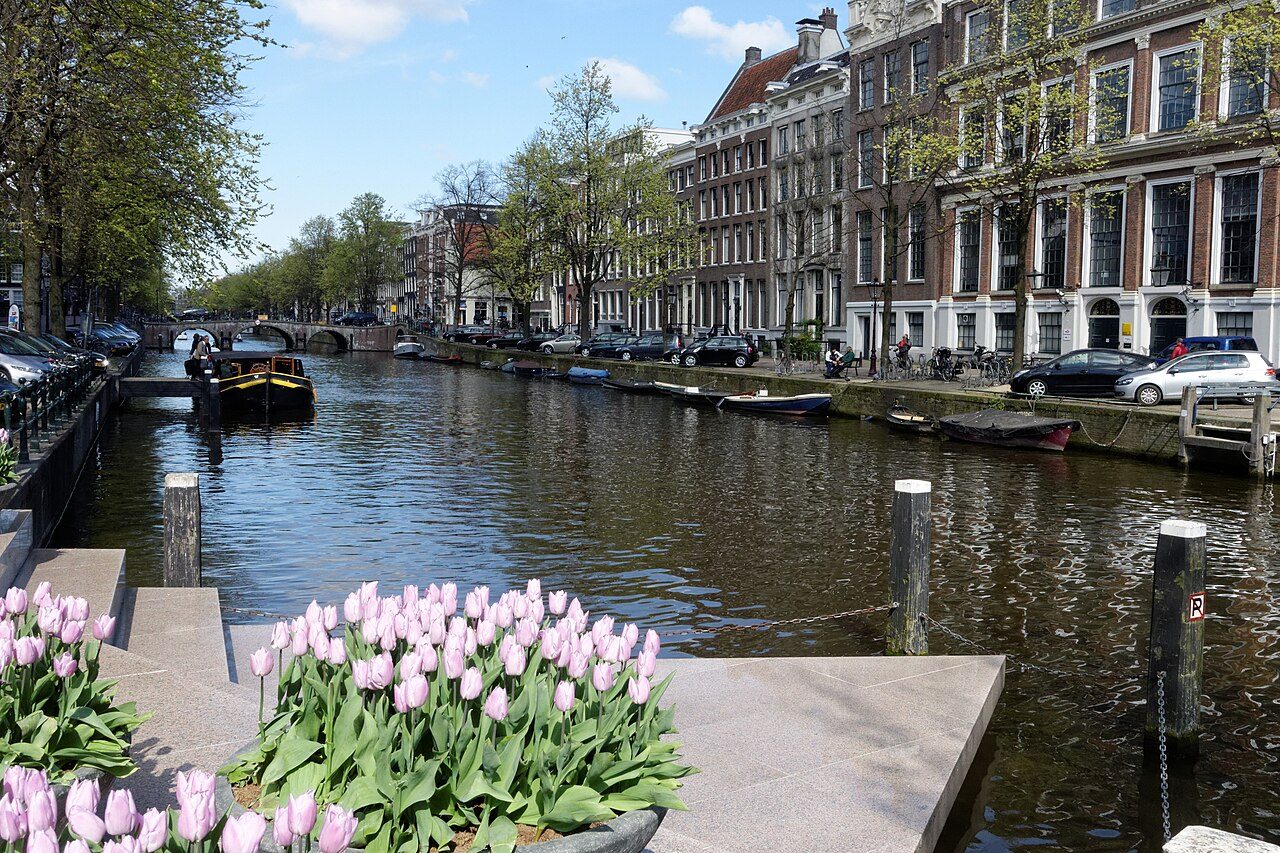
Homomonument
Three pink granite triangles by the Westerkerk, the world's first memorial to persecuted gay people.
Tours and quests that pass here
These walks have a stop a few minutes from Torensluis. Free, on your phone, start any time.
 FREE AUDIO TOUR
Amsterdam Ghost Tour
Amsterdam’s ghost stories belong to real streets, where crowds waited for spirits and families went out to look at hanging bodies. You can stand in those places today, with canal water beside you and old church towers overhead.
 FREE AUDIO TOUR
Amsterdam in a Day: Highlights Walk
Amsterdam’s canals and grand houses tell you how a trading city grew rich, but that is only half the story. If you have one day in Amsterdam, spend it on the streets where merchants, workers and people in hiding lived within walking distance of each other.
 FREE AUDIO TOUR
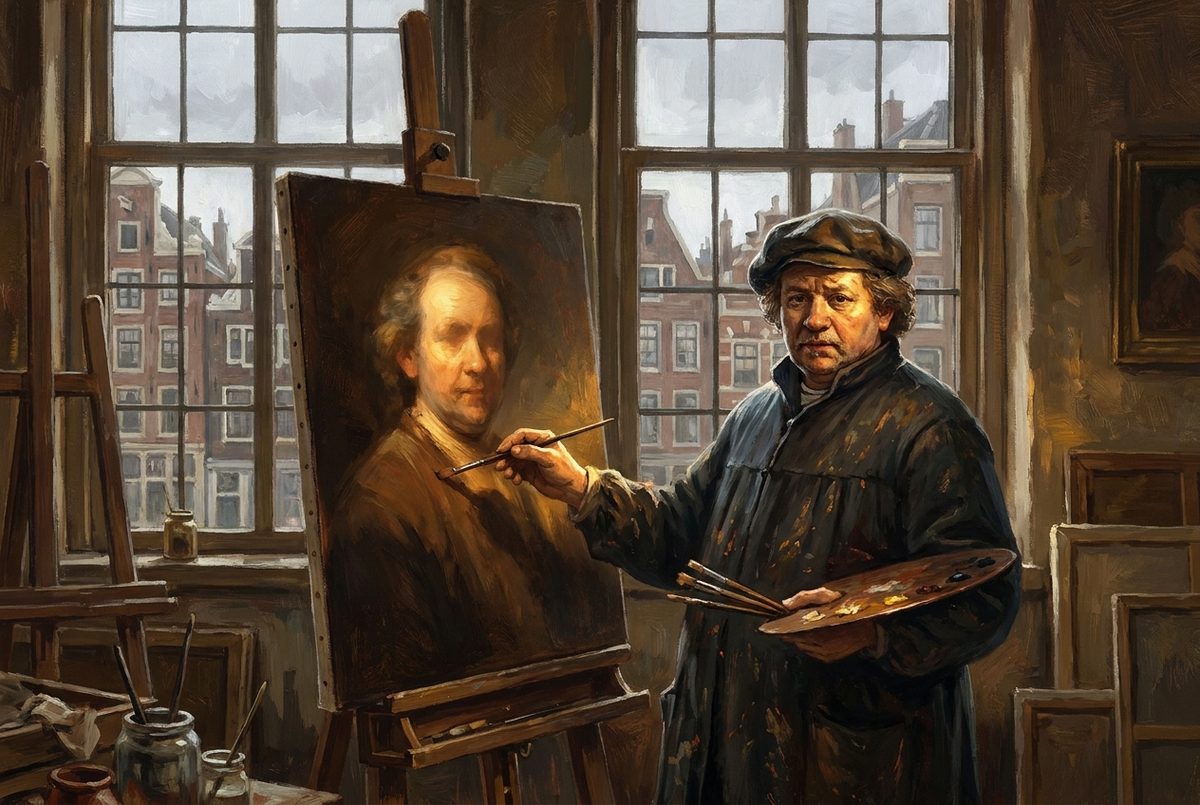
In Rembrandt's Footsteps
The painter of The Night Watch lived and worked in Amsterdam, and his house is still standing. From the early 1630s until his death in 1669, Rembrandt made his life in streets you can walk today.