
LANDMARK
Anne Frank statue (Westermarkt)
Mari Andriessen's small statue of Anne Frank beside the Westerkerk, a few doors from the Secret Annex.
A small figure beside the church
Mari Andriessen first modelled Anne Frank sitting down. He then chose the standing figure he made in 1975, the small statue you come to see on Westermarkt. The work meant something unusual to him: he wrote that he would rather have kept the finished sculpture than let it go.
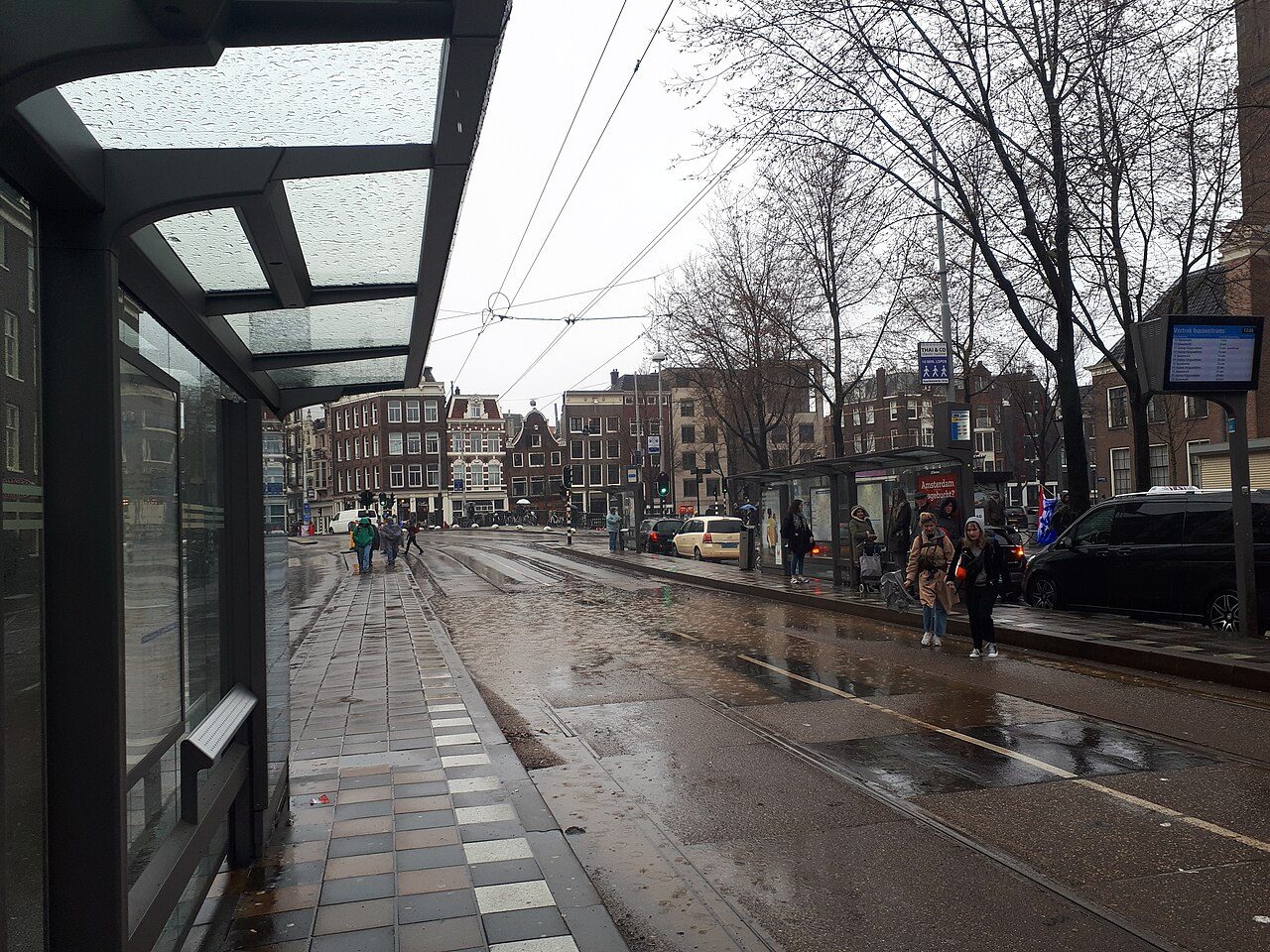
It stands beside the Westerkerk, a short walk from the Anne Frank House and the Secret Annex. That closeness gives the stop its weight. You are looking at a public portrait of Anne only a few doors from the place where she hid and wrote. Allow yourself a few quiet minutes rather than treating it simply as a photograph on the way to the museum.
An unveiling with an anxious organiser
When the statue was unveiled in 1977, Anne’s father, Otto Frank, stood near it. Publisher Chris Blom also gave places of honour to Miep Gies, who had saved the diary, and Werner Cahn, who had helped bring it to publication. The gathering brought together people whose actions had allowed Anne’s words to reach readers.
There had been trouble before the ceremony. Writer Heere Heeresma threatened to disrupt the unveiling because he believed a younger sculptor should have received the commission. Blom took the threat seriously enough to decide against inviting Princess Beatrix. It is a striking contrast to the modest figure you see now: this small memorial arrived amid an argument over who should be chosen to make it.
Flowers through the fences
The statue remains a place where people respond to events in the present. During the 2024 Remembrance Day weekend, it had been temporarily relocated. As a precaution during events, it was wrapped in bubble wrap and screened by construction fences. Visitors still came. They left a sea of flowers in the fencing and across the pavement, turning the barrier itself into a place of remembrance.
In November 2024, a delegation of French imams laid white roses at the statue. A Jewish Holocaust survivor and a rabbi accompanied them. They had come to Amsterdam to condemn antisemitic attacks on Israeli football supporters. Their visit was a specific act of solidarity, made here at Anne’s statue rather than only expressed in a statement.
Give the figure your attention
Start by looking at the standing figure itself. Remember that this pose was a choice, not Andriessen’s first idea. Then step back enough to take in its small scale beside the church and its place in an ordinary city street.
The statue is not the Secret Annex, and it cannot tell the whole story of Anne’s life. What it offers is a public place to pause with her name and image. The people at its unveiling, and those who later brought flowers, have each added to that role. Before you leave, give the figure a moment without the camera.
Things to know
- Find the statue on Westermarkt, beside the Westerkerk.
- It is about two minutes on foot from the Anne Frank House.
- Visit in daylight to look closely at the figure.
- The outdoor statue is free to visit and always open.
- Allow a little space for anyone pausing or leaving flowers.
What people say
Related spots
More things to do in Amsterdam ›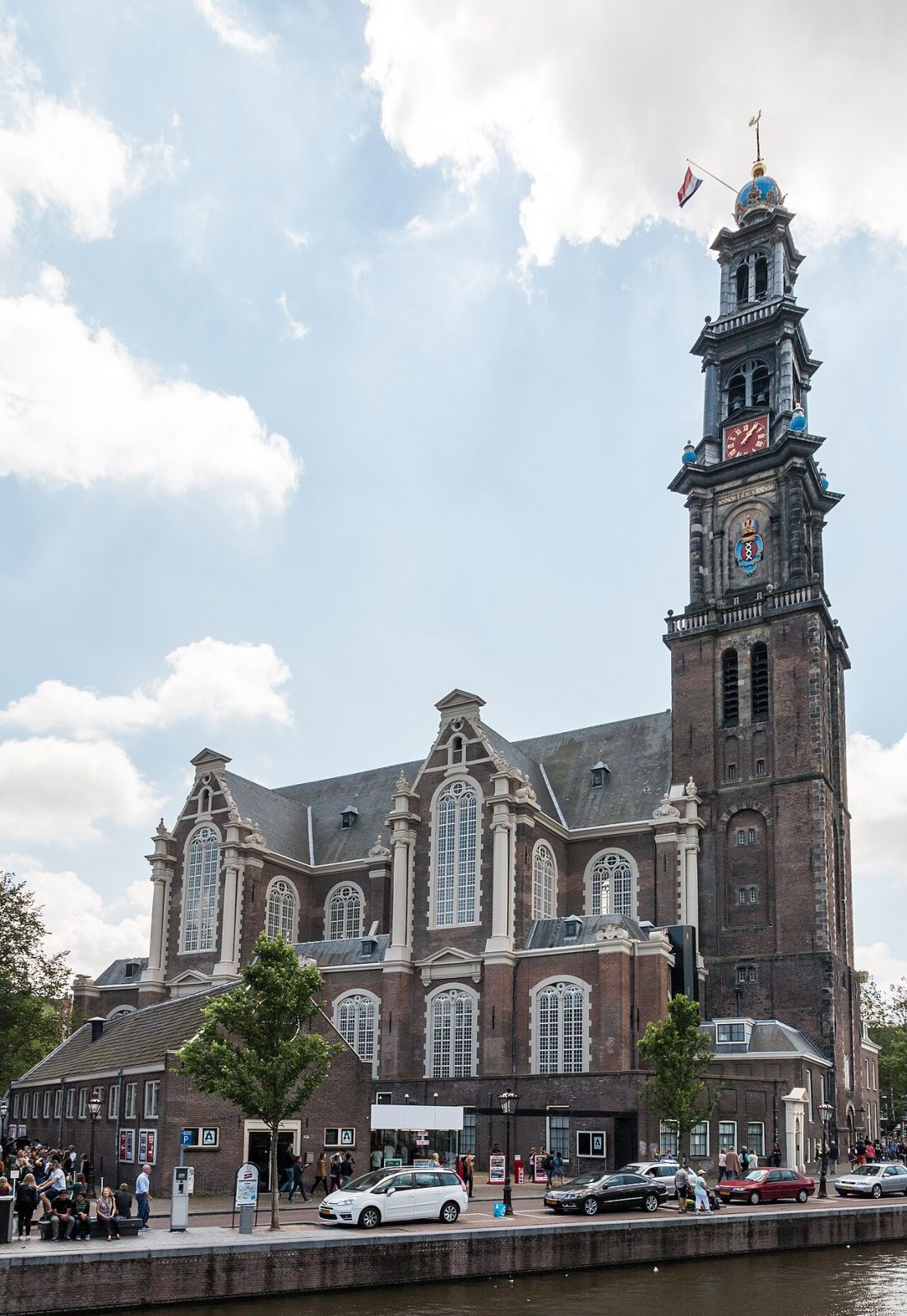
Westerkerk
A living 17th-century church beneath Amsterdam’s tallest church tower, with Rembrandt’s memorial and bells that shaped Anne Frank’s days.
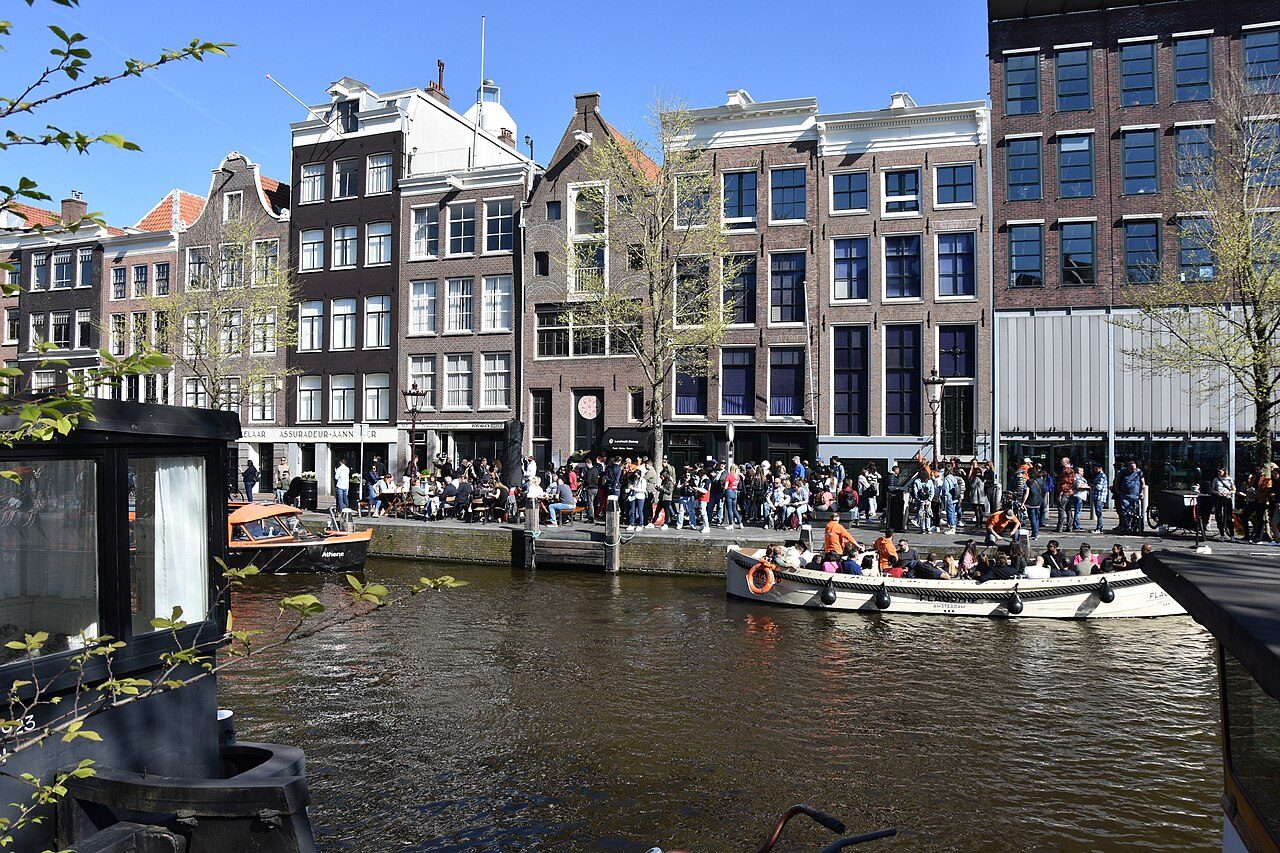
Anne Frank House
Walk through the Secret Annex and see Anne Frank's diary, picture walls and the traces her family left behind.
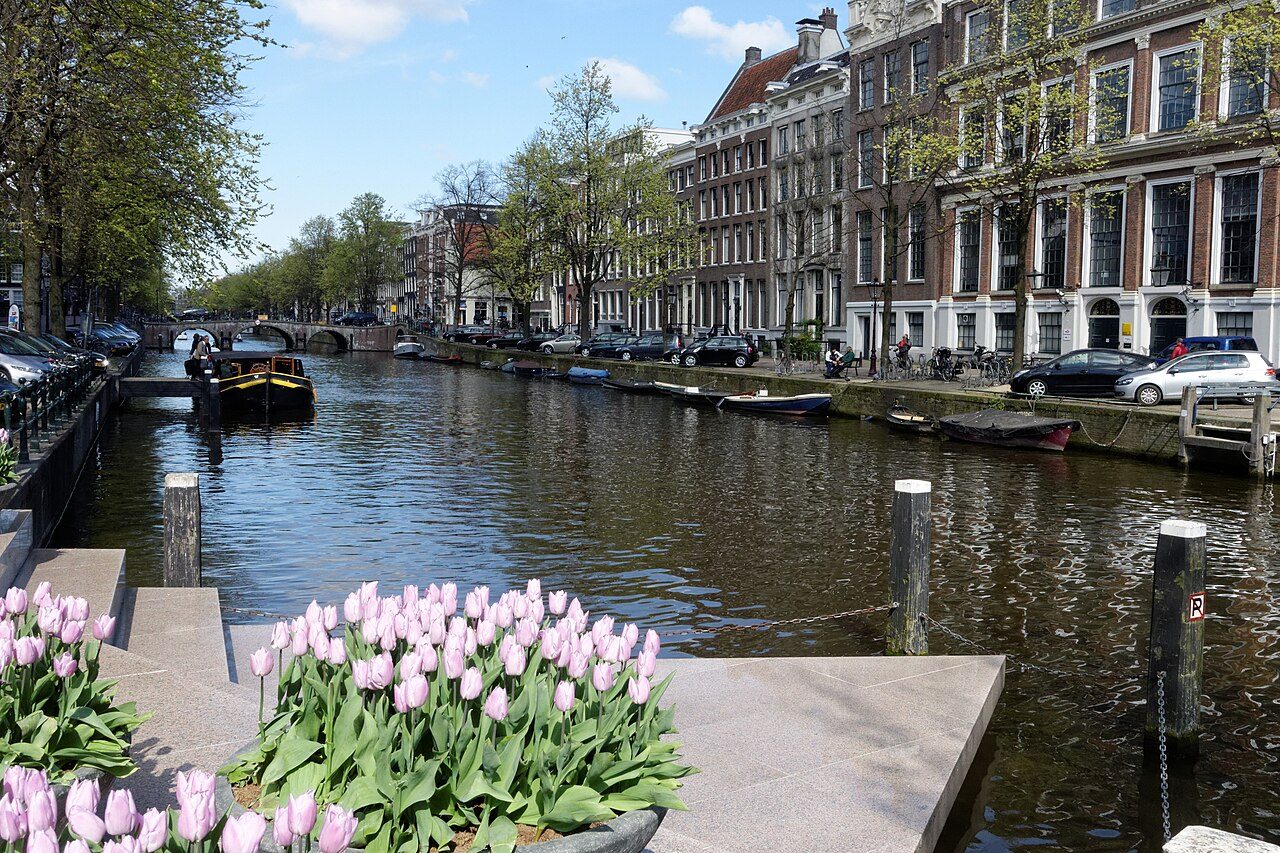
Homomonument
Three pink granite triangles by the Westerkerk, the world's first memorial to persecuted gay people.
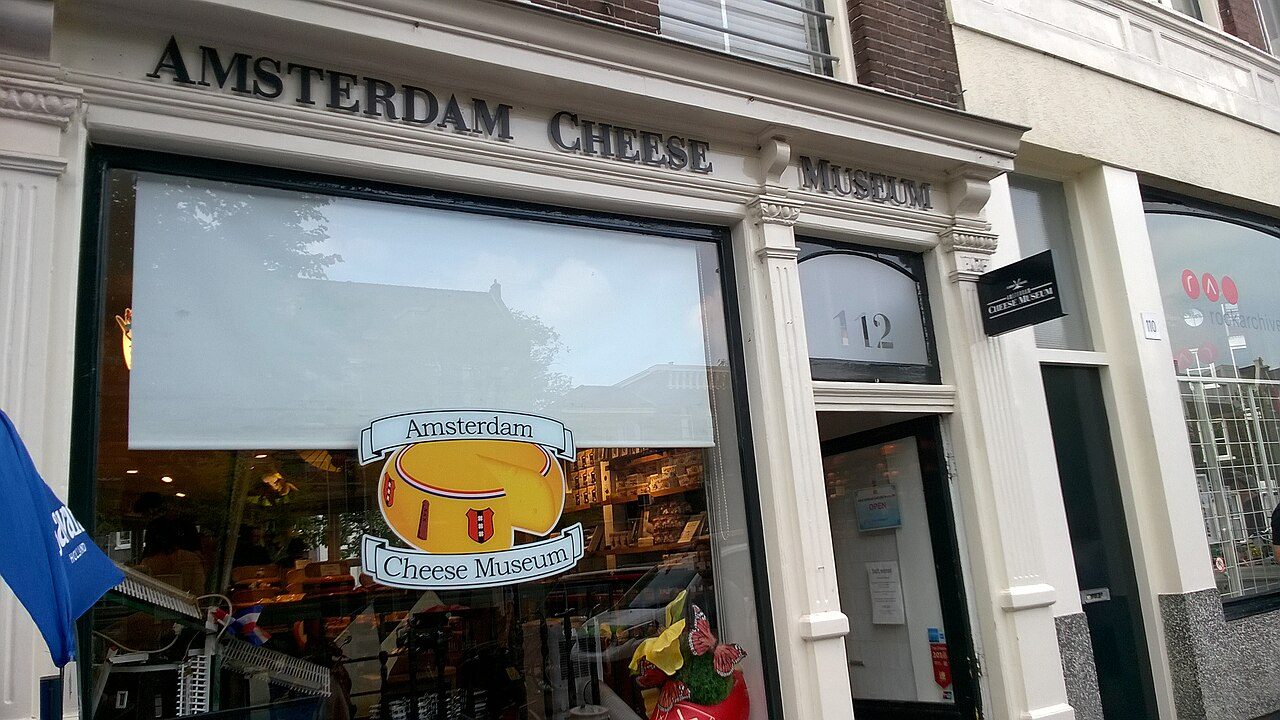
Cheese Museum (Henri Willig)
Free cheese tasting and a small museum on the Prinsengracht, opposite the Anne Frank House area.
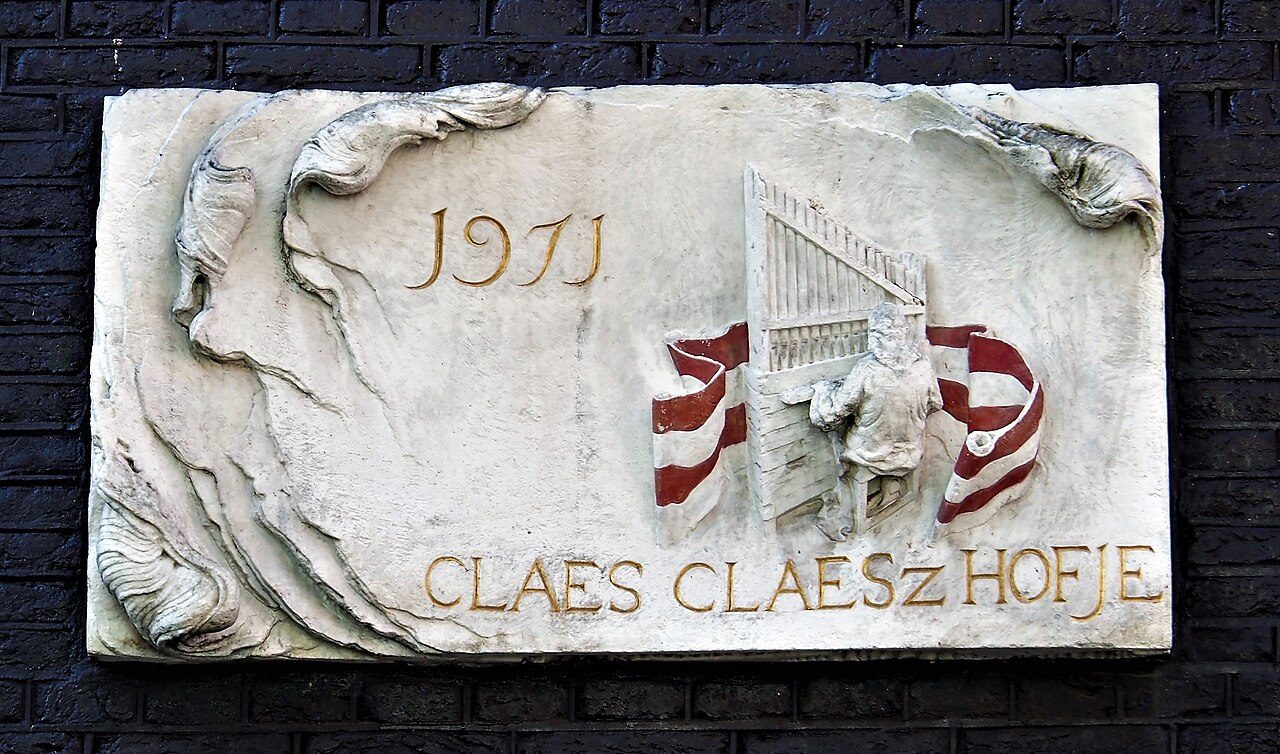
Claes Claesz Hofje
A cluster of small courtyards in the Jordaan, now student housing, quietly open in the day.
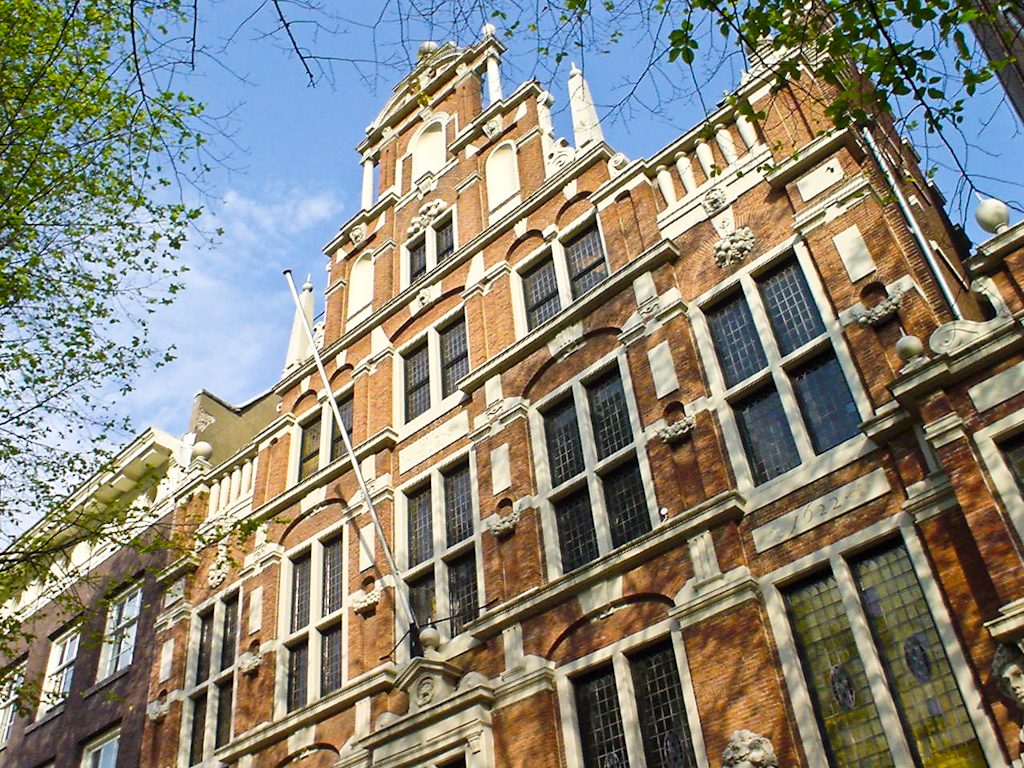
Huis met de Hoofden
A 1622 canal house with six stone heads on the facade, and a story about a maid and six burglars.
Tours and quests that pass here
These walks have a stop a few minutes from Anne Frank statue (Westermarkt). Free, on your phone, start any time.
 CITYQUEST
The Canal Cipher
A merchant’s missing fortune is waiting to be traced through Amsterdam’s canals in The Canal Cipher. Follow his coded will, gather clues and work out a final answer to claim the treasure.
 FREE AUDIO TOUR
Amsterdam Ghost Tour
Amsterdam’s ghost stories belong to real streets, where crowds waited for spirits and families went out to look at hanging bodies. You can stand in those places today, with canal water beside you and old church towers overhead.
 FREE AUDIO TOUR
In Rembrandt's Footsteps
The painter of The Night Watch lived and worked in Amsterdam, and his house is still standing. From the early 1630s until his death in 1669, Rembrandt made his life in streets you can walk today.