
LANDMARK
St Eusebius' Church
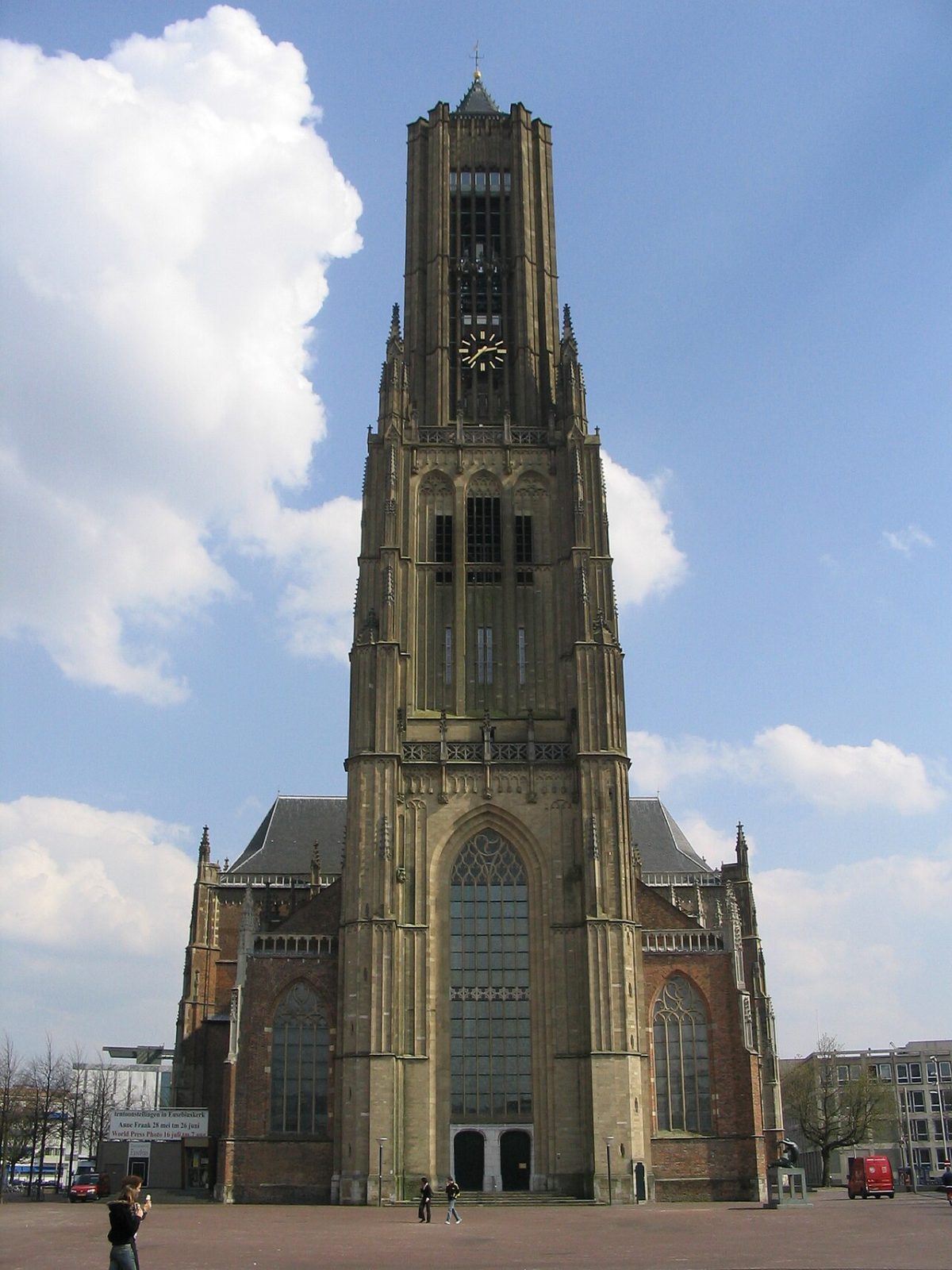
Arnhem’s largest church, rebuilt after the war, with ducal tombs, a dimly lit crypt and a tower lift to glass balconies overlooking the city and the Rhine.
A church with an irreverent tower
St Eusebius’ Church is Arnhem’s largest church, but some of its smallest figures tell the least solemn story. In 1962, sculptor Henk Vreeling put Disney and Dutch comic-strip characters on the rebuilt tower. Reverend G. C. Foeken objected. Vreeling’s response was to give one of the seven dwarfs the minister’s face. Keep that disagreement in mind as you look up: this is not a tower populated only by saints.
Also called the Eusebiuskerk or Grote Kerk, the church stands next door to the Duivelshuis, another building with unusual carved faces. The church rewards a longer look, inside and out. There are ducal tombs below, glass balconies above, and a building whose reconstruction is inseparable from Arnhem’s wartime history.
Burials that did not go to plan
An earlier church here was dedicated to St Martinus. After relics of St Eusebius reached Arnhem in the early fifteenth century, the town decided to replace it. Arnold, Duke of Egmond, laid the first stone in 1452. Construction gradually displaced the older building over the following century.
Inside, look for the tomb of Duke Charles of Guelders. When he died in 1538, he had asked to be buried at Monnikenhuizen monastery. Arnhem’s officials put his tomb in the Eusebiuskerk instead. His heart went to another Arnhem church; the monastery received his entrails. The monument marks a burial arranged against his wishes.
Another burial came with an equally unsuccessful instruction. In 1702, Gelderland’s chancellor Georg Ripperda paid the church to ensure that his burial vault would never be opened. Centuries later, it was discovered by chance. His copper coffin remains inside.
A service interrupted by battle
On 17 September 1944, the Battle of Arnhem began during a church service. The congregation sang the Dutch national anthem to the old organ. Shelling and fire later destroyed that instrument and burnt out the church.
The fighting centred on the Rhine crossing now known as the John Frost Bridge, where British troops under Lieutenant-Colonel John Dutton Frost fought German forces. The damaged church also became a place of captivity. In September 1944, German forces held captured British soldiers here, including Major Freddie Gough. The prisoners waited without food or water while debris fell from the roof and walls.
The fire-weakened tower subsequently collapsed. Architect Berend Tobia Boeyinga guided the church’s restoration between 1946 and 1961. What you see today is therefore both a medieval church and the result of a substantial post-war rebuilding.
Above the roofs, below the floor
The tower lift, added in 1994, takes visitors upwards past the bells towards views across Arnhem and the Rhine. Two glass observation balconies were added in 2018. Step onto them if you are comfortable with heights; the transparent surfaces make the drop part of the view.
Back below, the crypt offers a very different encounter with the building. Light is dim, and human remains are visible in burial areas. Take your time rather than expecting a brightly lit display. Between the tombs, the rebuilt tower and Vreeling’s comic figures, the church preserves several very different ways Arnhem has treated its past.
Things to know
- The church is next door to the Duivelshuis.
- Choose clear weather for the tower views.
- Allow time for both the tower and crypt.
- Expect dim light and visible human remains in the crypt.
- The glass balconies may be uncomfortable if you dislike heights.
- Opening hours and prices can change. Check the official website before you go. Official website
What people say
Related spots
More things to do in Arnhem ›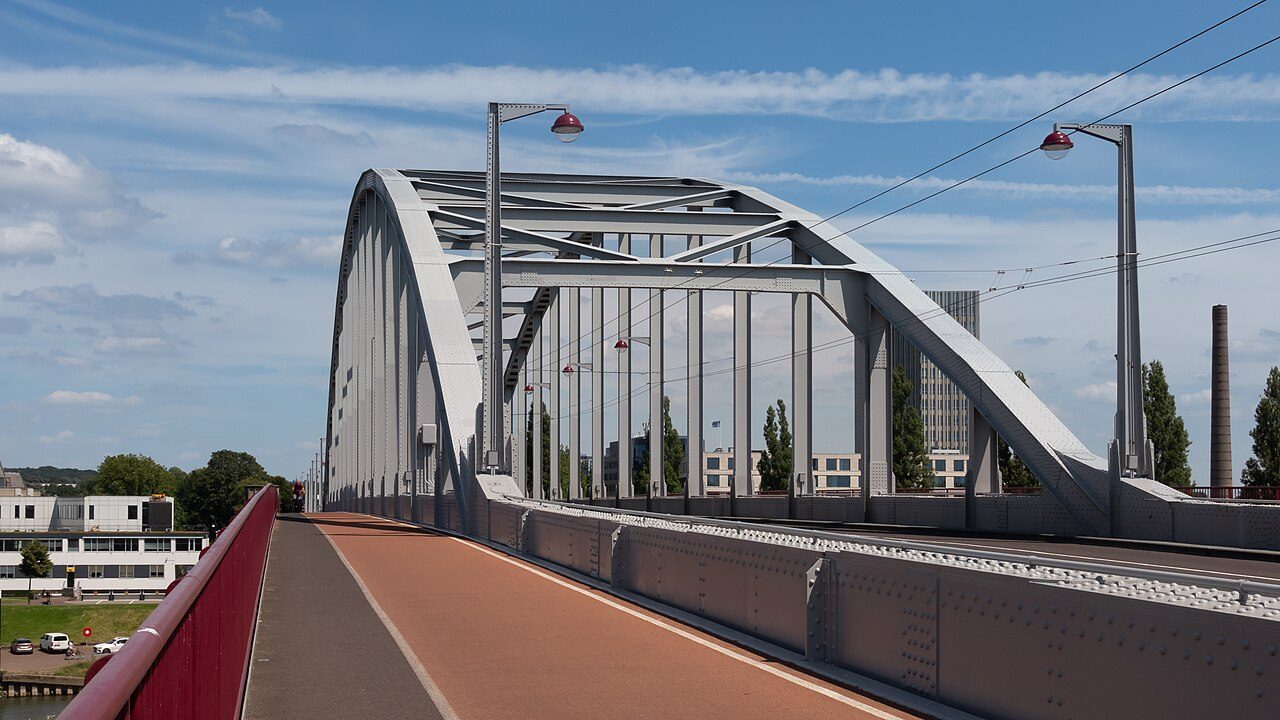
John Frost Bridge
A rebuilt steel-arch bridge over the Lower Rhine, with a pedestrian path and a memorial plaque where John Frost’s men held the northern end for roughly four days in 1944.
Duivelshuis
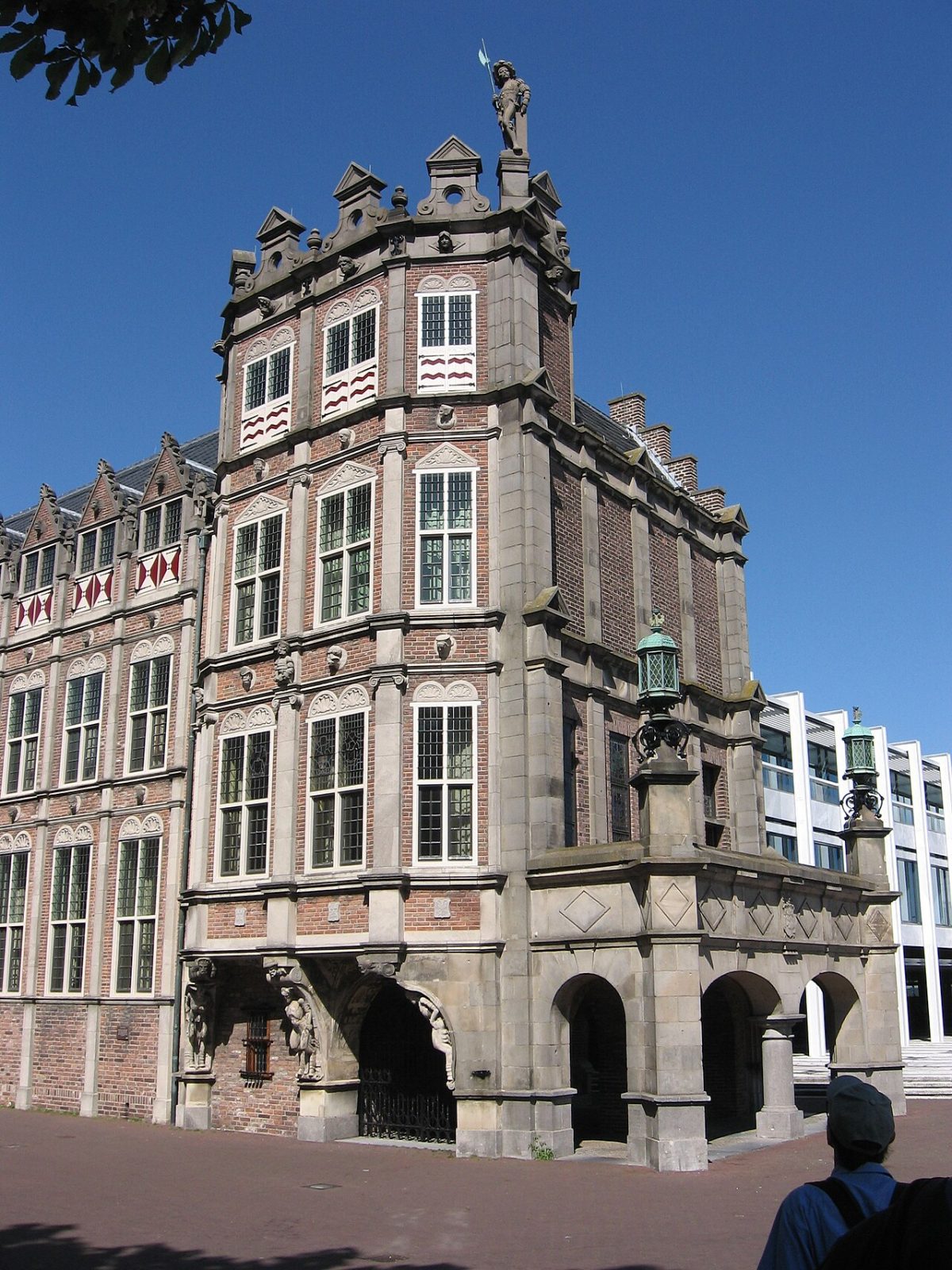
A sixteenth-century town castle on Koningstraat, with satyrs carved into its ornate façade and a row of rulers that includes its former owner, the commander Maarten van Rossum.
Sabelspoort
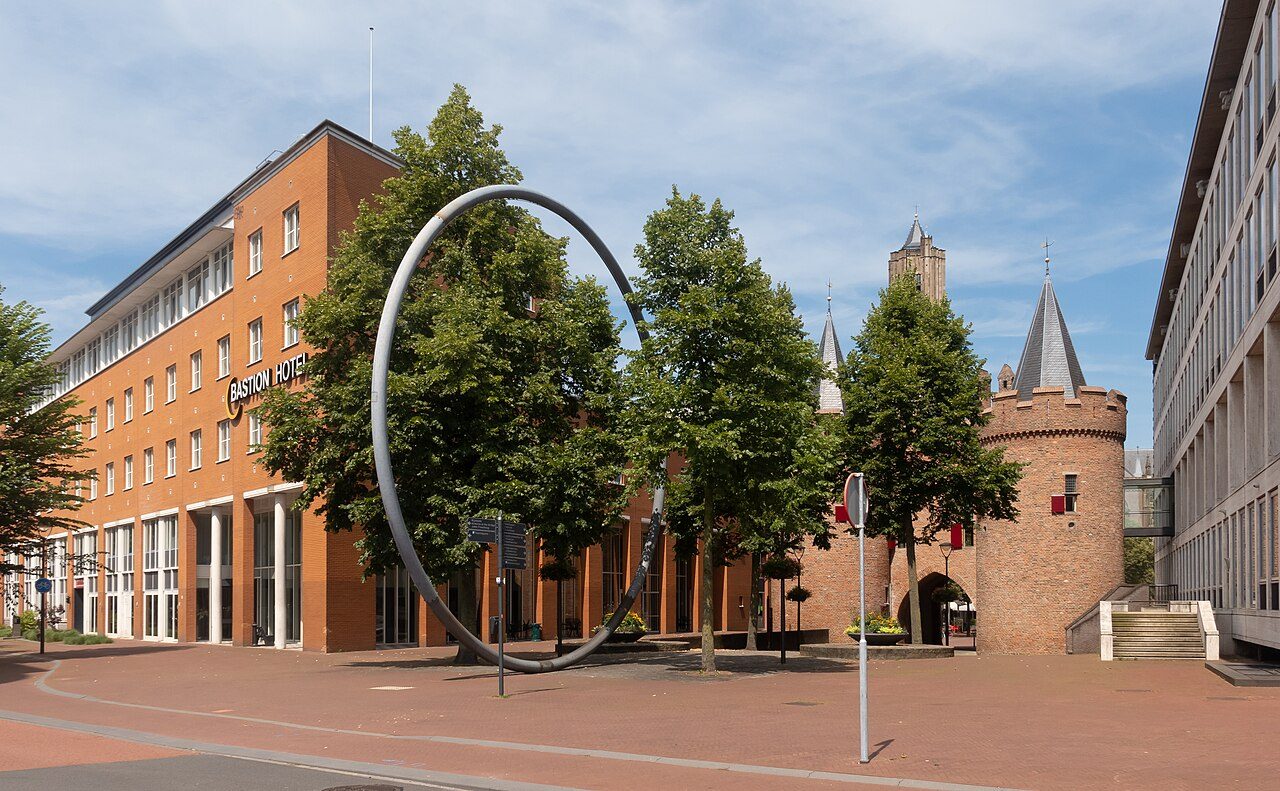
A medieval city gate in Arnhem with a Renaissance façade from 1642 and circles in the paving tracing its vanished defences.
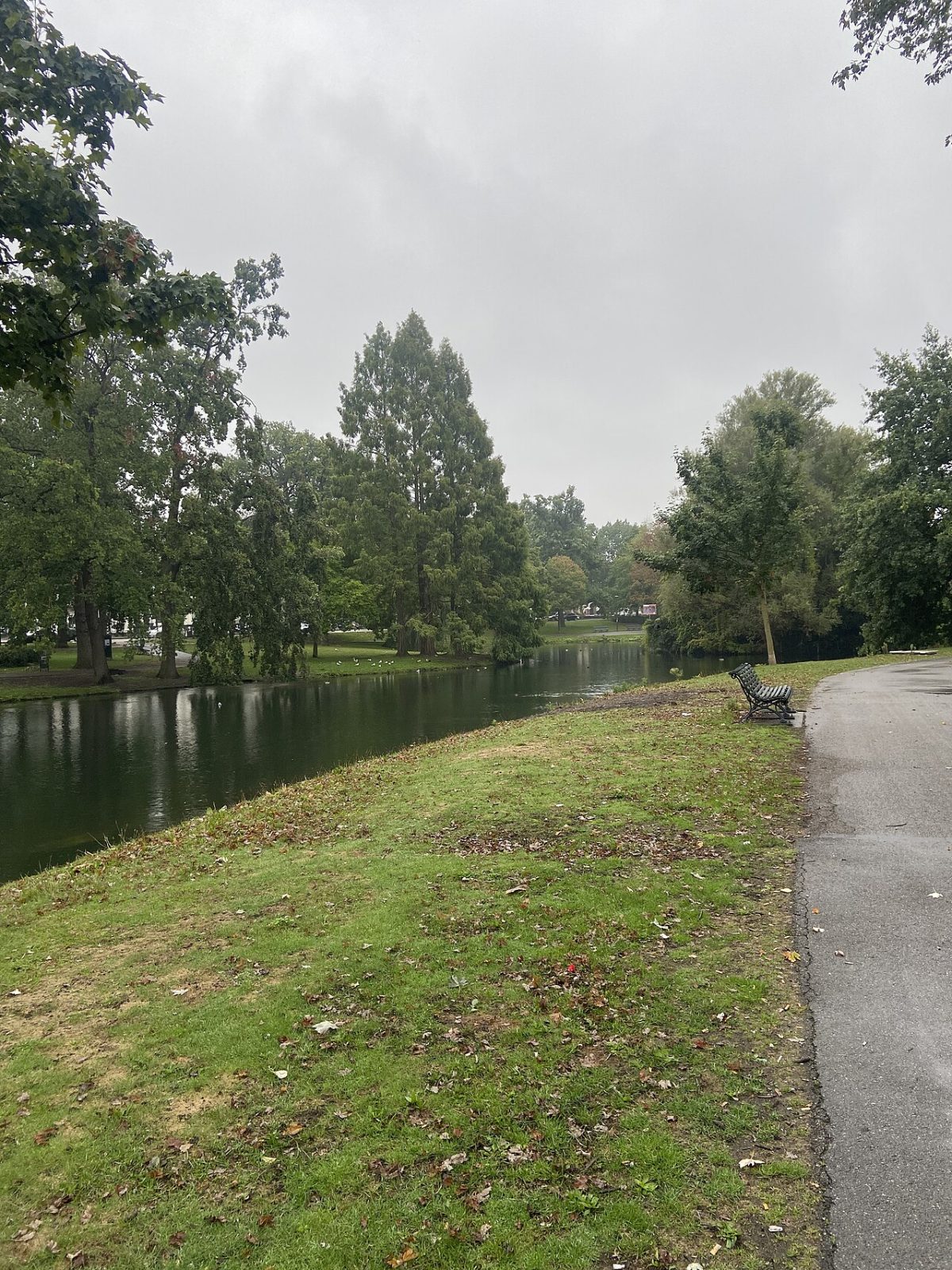
Musispark
A waterside park beside Arnhem’s Musis Sacrum, where a circuit takes in the Lauwersgracht, a bell in the water, a nineteenth-century poplar and a statue of Pluto with a two-headed Cerberus.
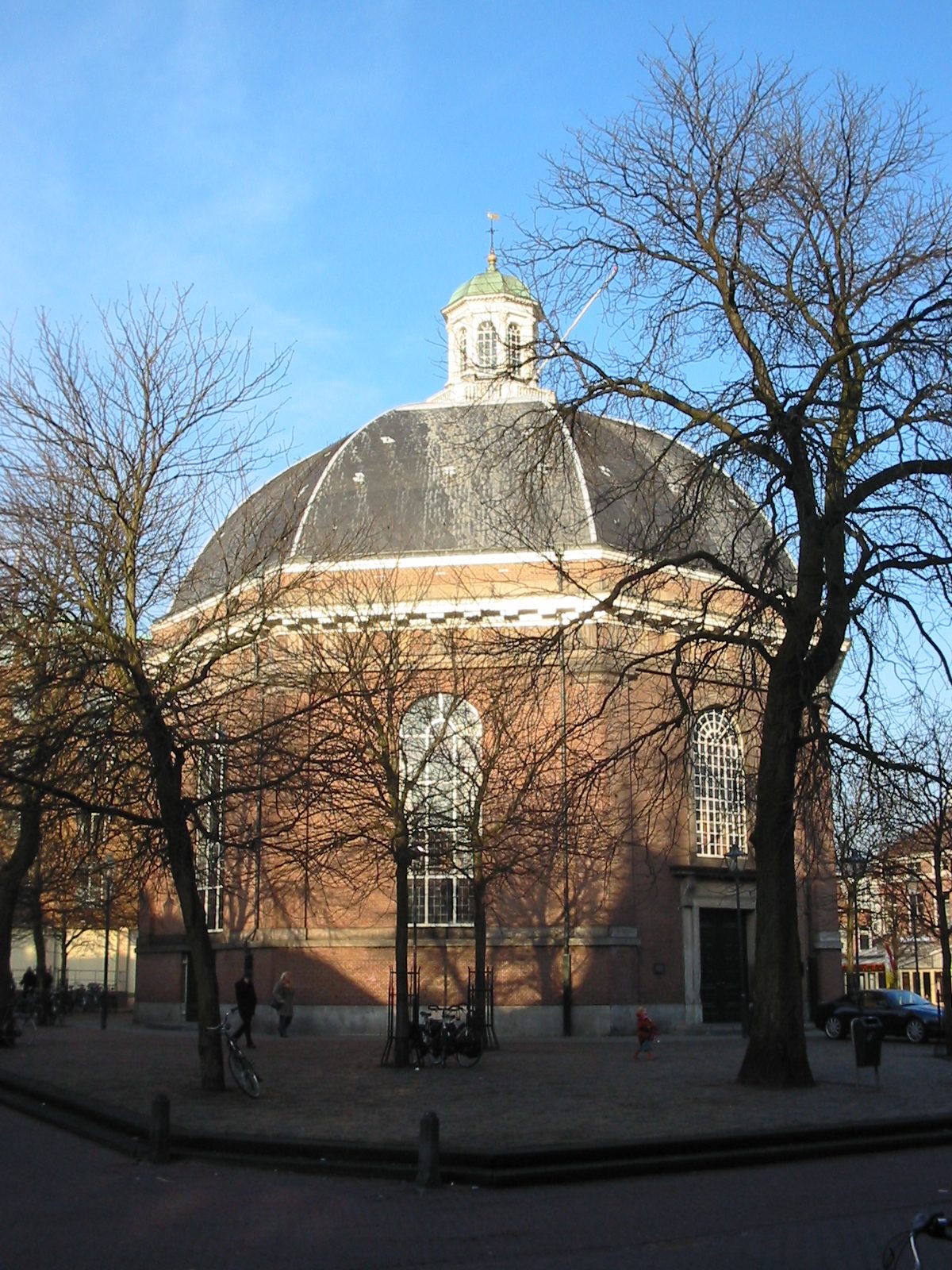
Koepelkerk
An eight-sided church on Arnhem’s Jansplein, with columns and galleries beneath its dome and an organ case adorned with King David and trumpet-playing angels.
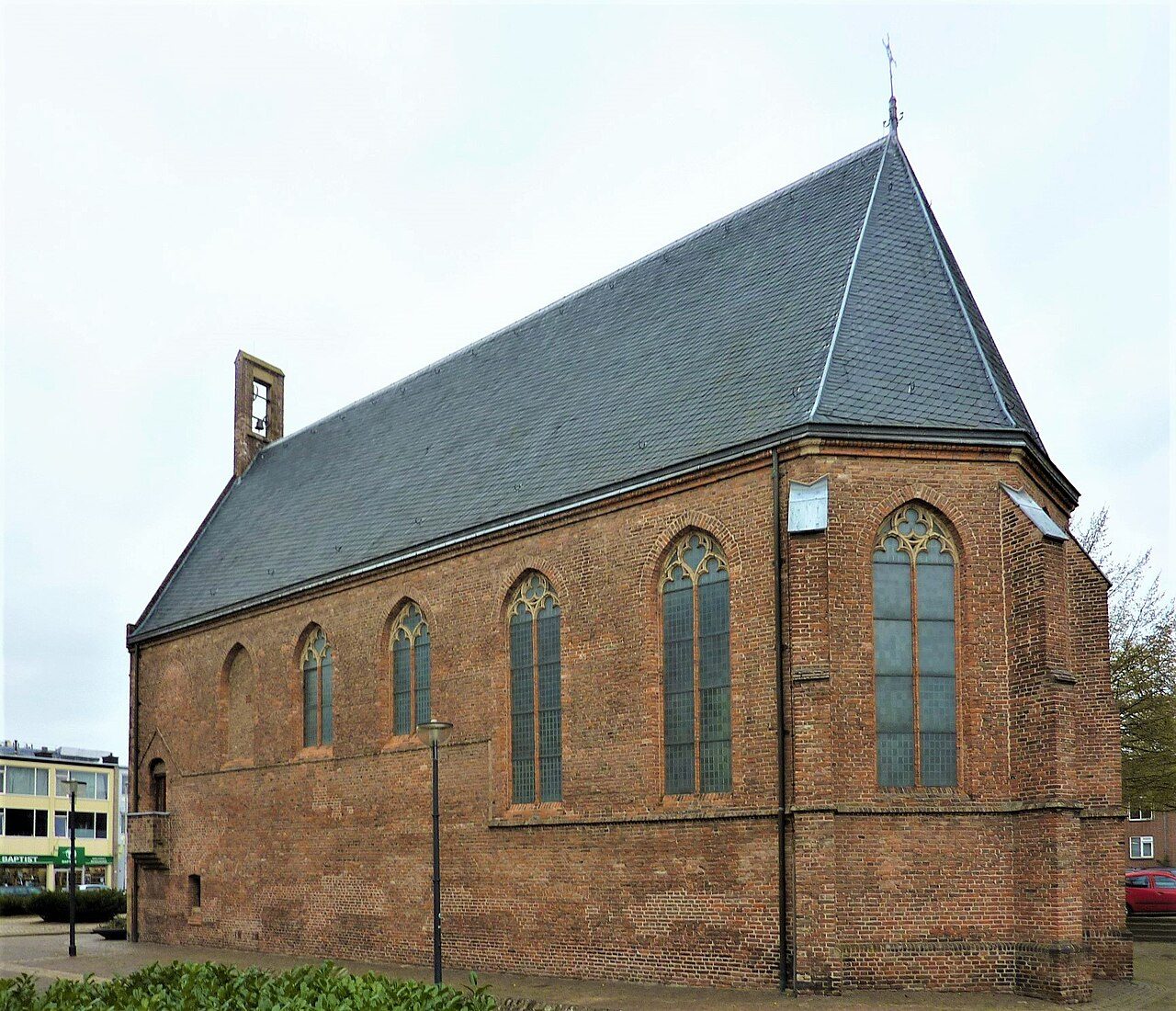
Agnietenkapel
A former convent chapel near Arnhem’s centre, with a 1777 König organ brought from Nijmegen and a rescued weathercock now kept inside.
Tours and quests that pass here
These walks have a stop a few minutes from St Eusebius' Church. Free, on your phone, start any time.
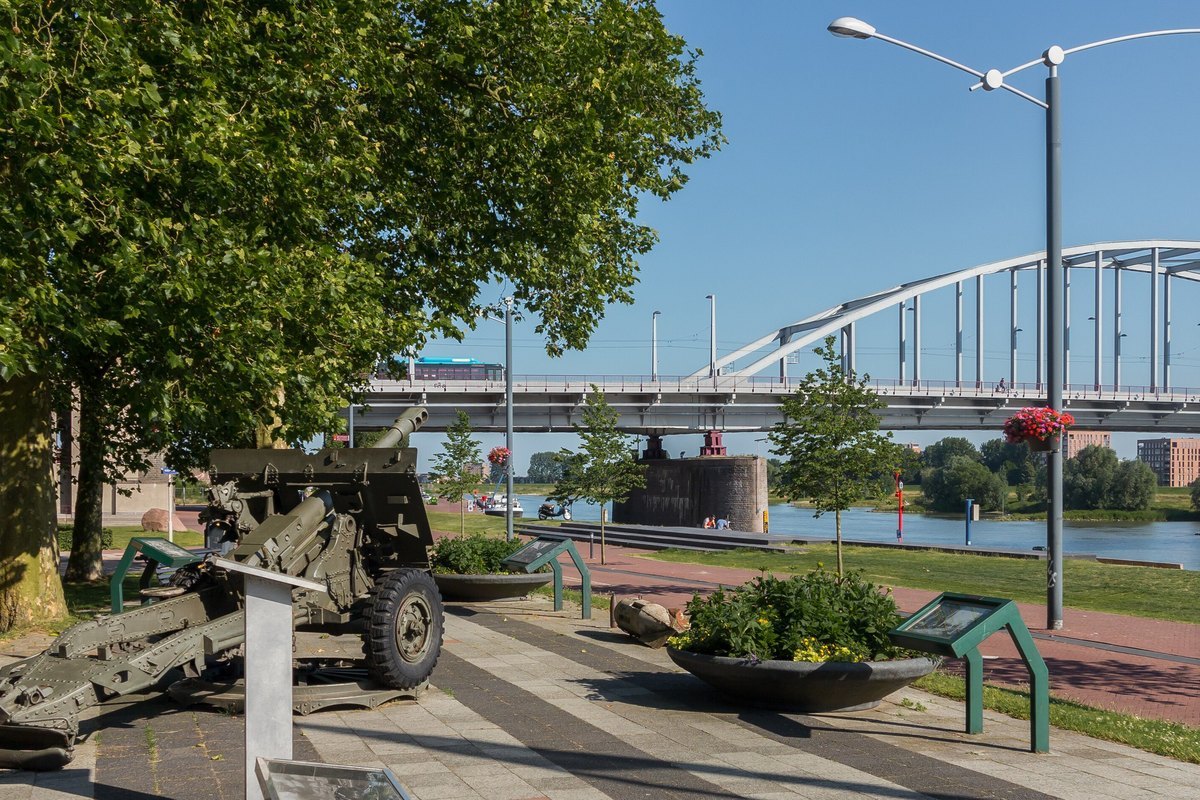 FREE AUDIO TOUR
Four Days at the Bridge
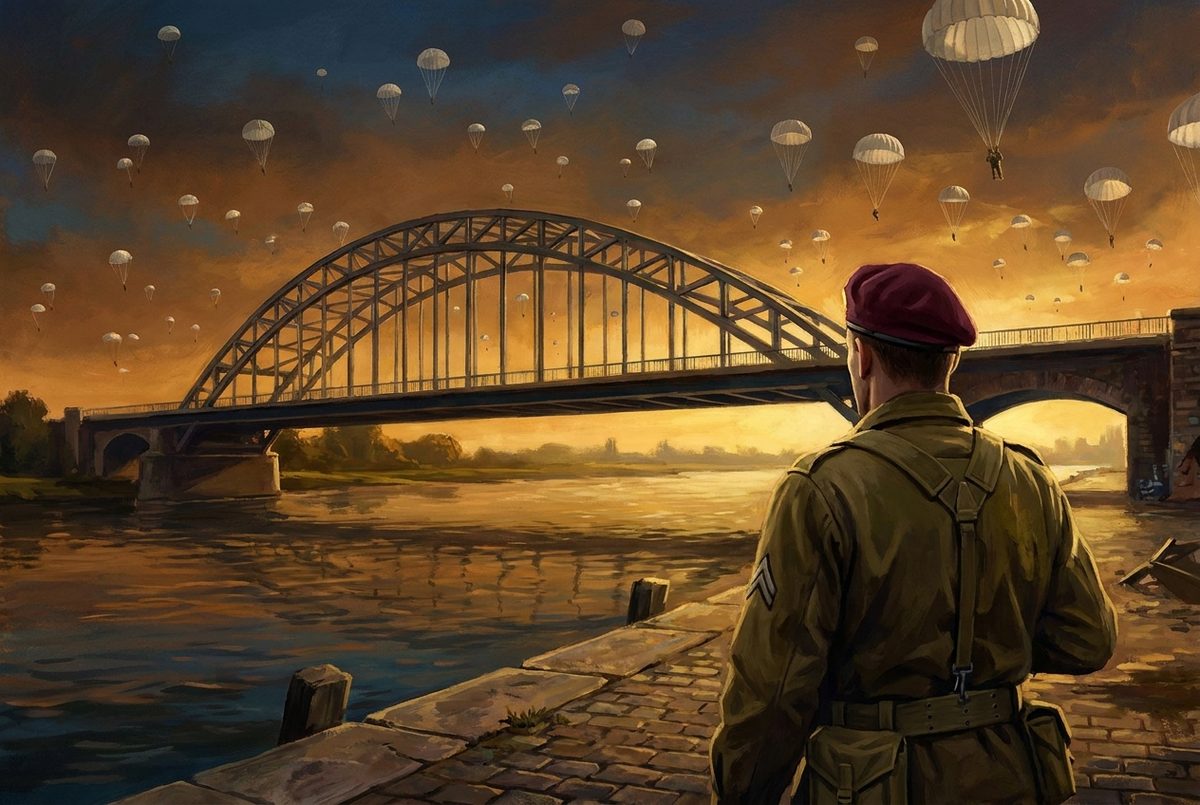
At Arnhem’s John Frost Bridge, British soldiers fought to hold a river crossing while families tried to escape through the same streets. You can stand beneath the approach where people sheltered from gunfire, then look towards the far bank the defenders could not capture.
 CITYQUEST
Arnhem After the Battle
Hunt for traces of Arnhem’s wartime destruction in streets rebuilt after the battle. Real stone memorials and bronze figures hold the clues as you gather letters for a final answer.
 CITYQUEST
The Stone Creature Keeper
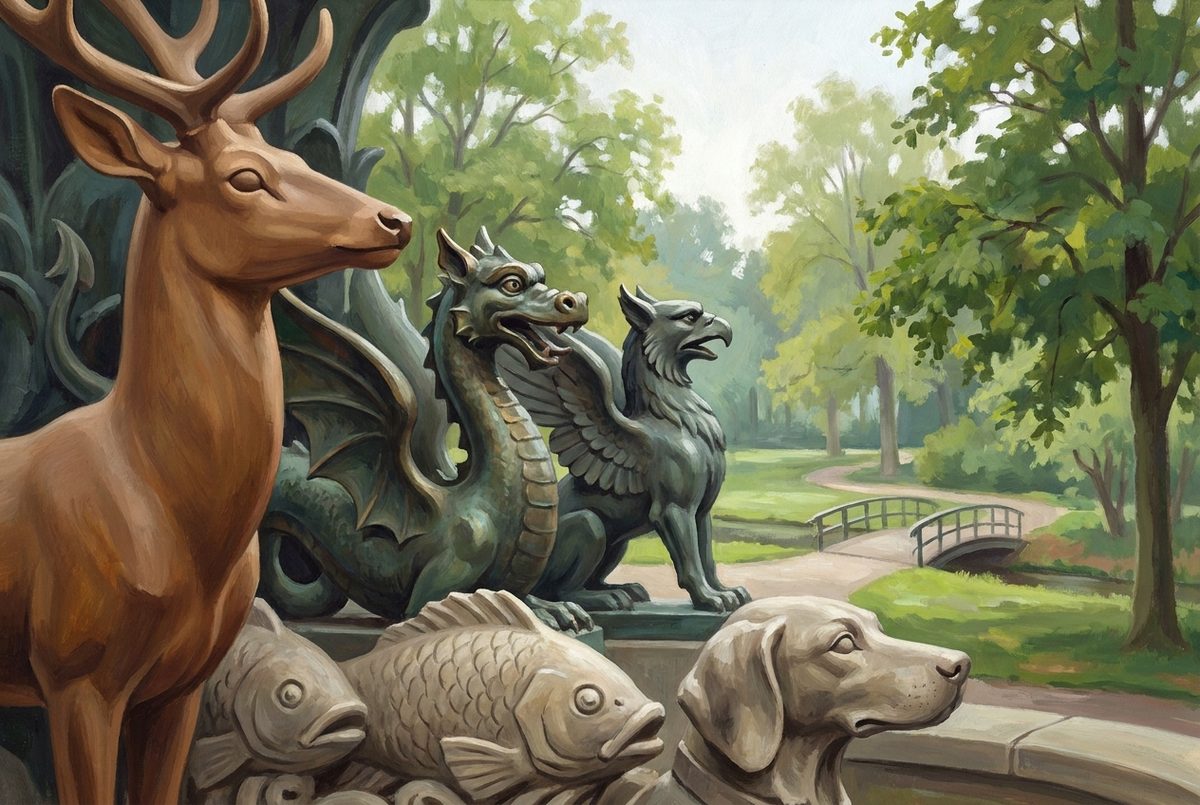
Your creature collection is scattered across Arnhem, waiting for you to spot real animals and monsters among the city’s statues and fountains. Hunt for them in the street, fill the keeper’s catalogue and work towards a final answer.