
HIDDEN GEM
Duivelshuis
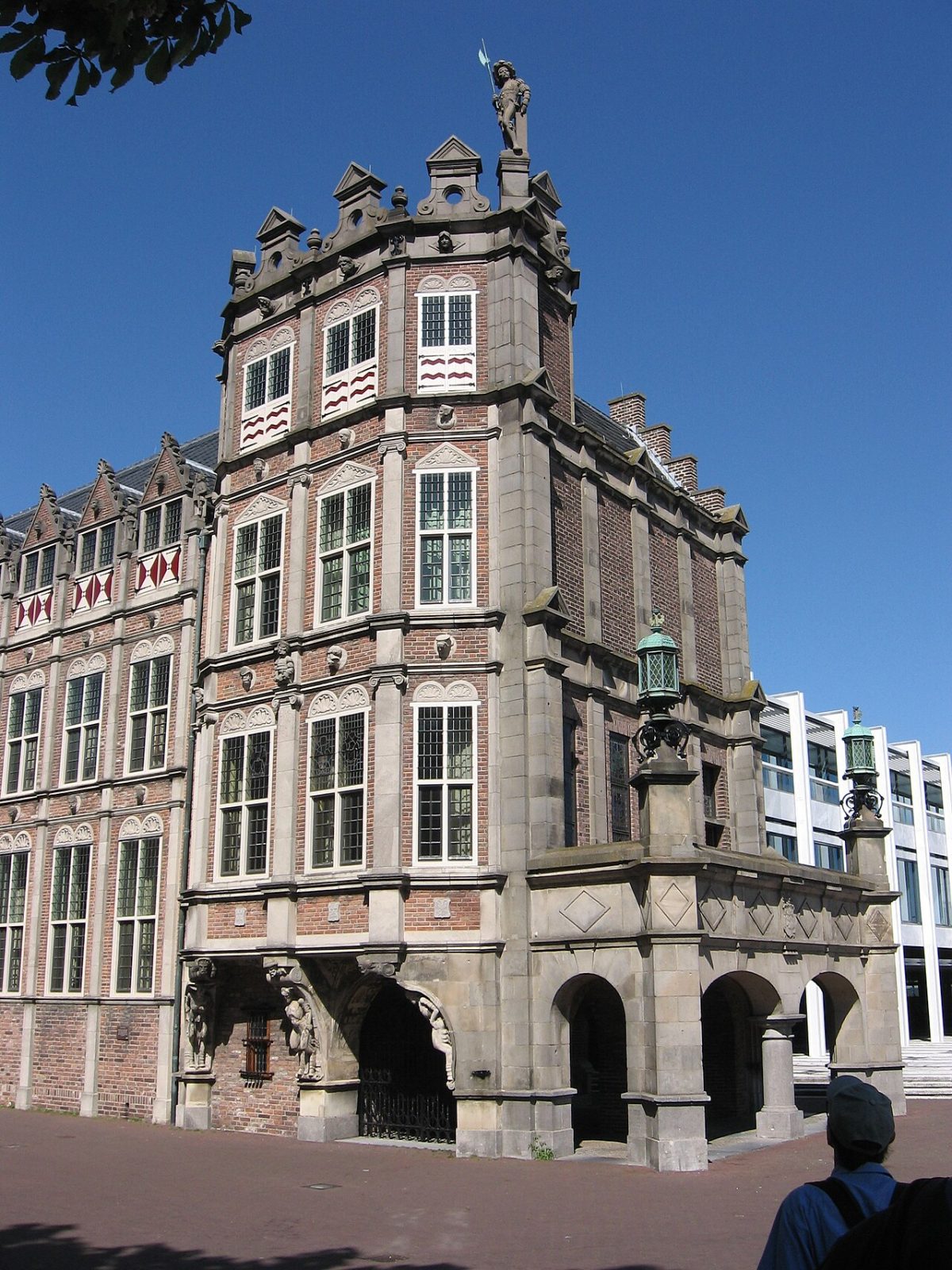
A sixteenth-century town castle on Koningstraat, with satyrs carved into its ornate façade and a row of rulers that includes its former owner, the commander Maarten van Rossum.
Why the devils are here
Look up at the Duivelshuis on Koningstraat and you will find the creatures that gave this sixteenth-century town castle its name. They are satyrs, though local storytelling turned them into devils. One legend says that Maarten van Rossum, who had the house remodelled in 1543, wanted to pave the street outside with silver coins. Arnhem’s council forbade it. In revenge, he supposedly put devilish figures on his house to frighten councillors and townspeople.
That is a legend, not an explanation proved by the stonework. But it gives you a good reason to stop beside St Eusebius’ Church and study a building whose façade still makes people look twice. Its other name, Maarten van Rossumhuis, remembers the military commander who made it his home.
Read the faces from left to right
Van Rossum bought the house in 1539, after the death of its previous owner, Duke Karel of Guelders. Accounts differ on the rebuilding dates: the general history gives 1543, while Mijn Gelderland’s account of the façade gives 1545–1546.
Above the windows, look beyond the satyrs to the six figures between the dormers. From left to right, they represent Maximilian of Austria, Philip the Handsome, Charles V, Karel of Egmond, Willem of Jülich and, at the far right, Van Rossum himself. It is a display of rulers and power, with the commander included in their company.
Mijn Gelderland also points out a smaller likeness of Van Rossum above the principal floor. It matches an original figure found inside the building. Take a moment to pick out both versions rather than stopping after the first few carved faces.
A cellar during the battle
In September 1944, during the Battle of Arnhem, SS corporal Horst Weber and his men occupied the Duivelshuis. Below them, a captured British doctor treated wounded German soldiers and British prisoners in the cellar. He worked with the soldiers’ first-aid kits.
Captured British parachutists were held in those cellars during Operation Market Garden. The fighting destroyed much of central Arnhem, but the Duivelshuis survived almost intact. After the war, its cellars became a place of remembrance for veterans, relatives and others concerned with the battle.
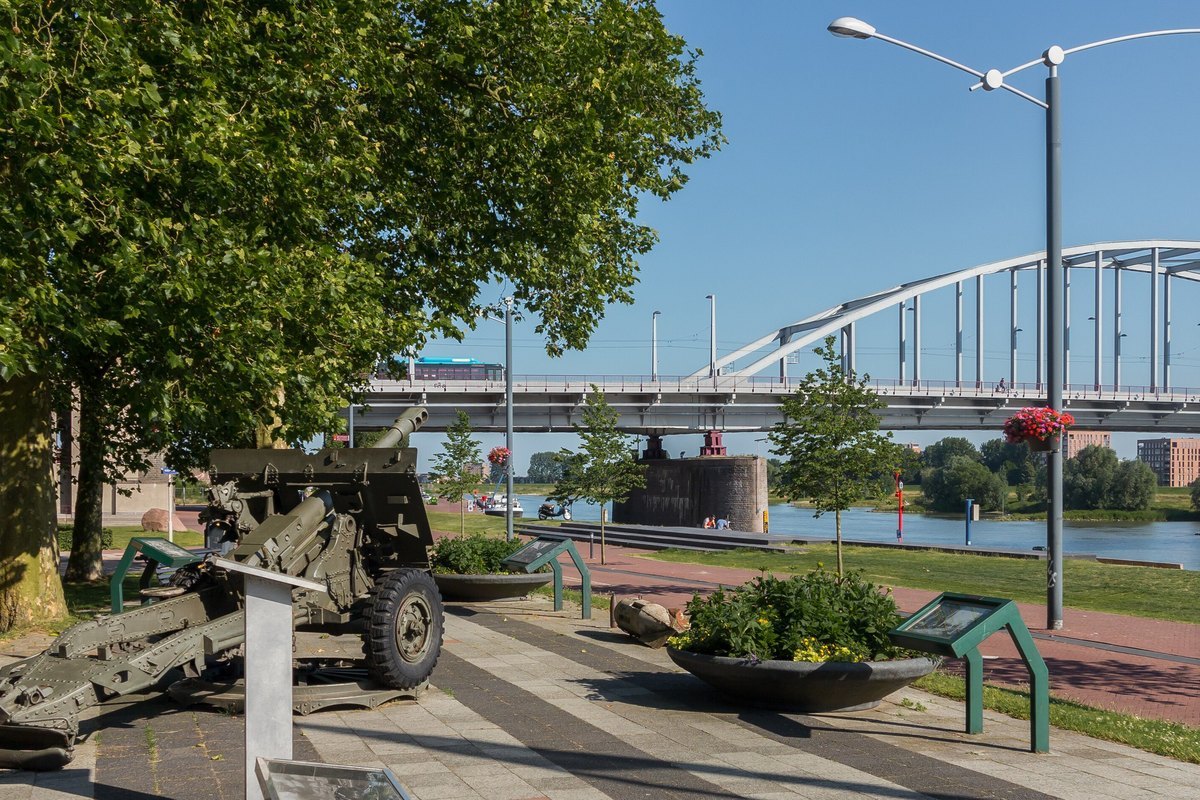
The story connects this ornate civic building with the fighting around what is now John Frost Bridge. Standing outside, remember that behind the carved frontage was a makeshift place of captivity and medical care.
The mayor’s house
Arnhem bought the building in 1828 and brought it into use as its town hall in 1830. The mayor’s office remains here. Since 1830, departing mayors have traditionally been honoured with a specially made stained-glass window in that room.
One window commemorates François Pels Rijcken, mayor from 1872 to 1884. Installed between 1900 and 1905, it includes his family coat of arms with two Black figures. Research published by Erfgoed Gelderland in 2024 has not established why the family chose that imagery. The uncertainty matters: the image is documented, but its intended meaning should not be guessed.
Outside, the façade is your focus. Look once more from the satyrs to Van Rossum at the far right: this is both a commander’s statement in stone and a building still used to govern Arnhem.
Things to know
- Find the façade on Koningstraat, beside St Eusebius’ Church.
- Come in daylight to make out the carved figures.
- Look between the dormers, then above the principal floor.
- These tips are for viewing the exterior; the mayor’s room and cellars are inside.
What people say
Related spots
More things to do in Arnhem ›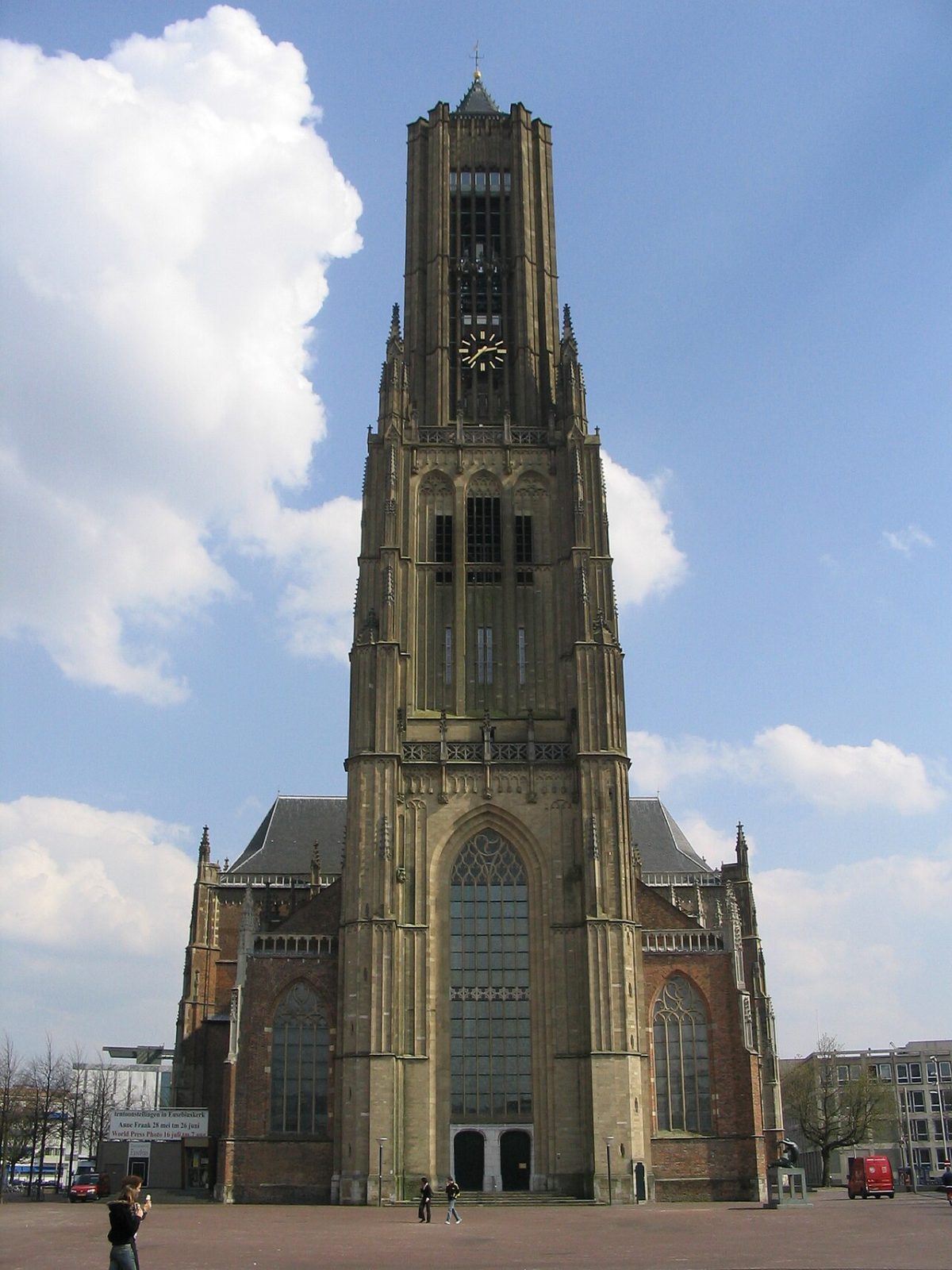
St Eusebius' Church
Arnhem’s largest church, rebuilt after the war, with ducal tombs, a dimly lit crypt and a tower lift to glass balconies overlooking the city and the Rhine.
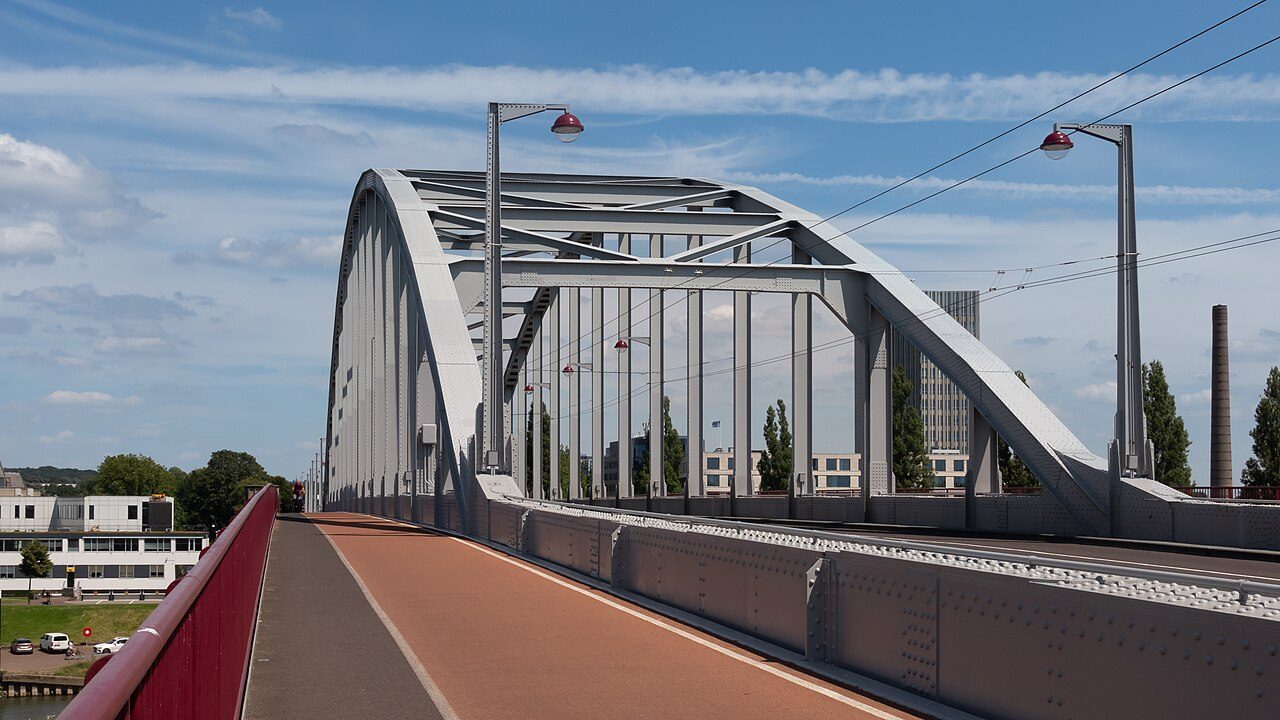
John Frost Bridge
A rebuilt steel-arch bridge over the Lower Rhine, with a pedestrian path and a memorial plaque where John Frost’s men held the northern end for roughly four days in 1944.
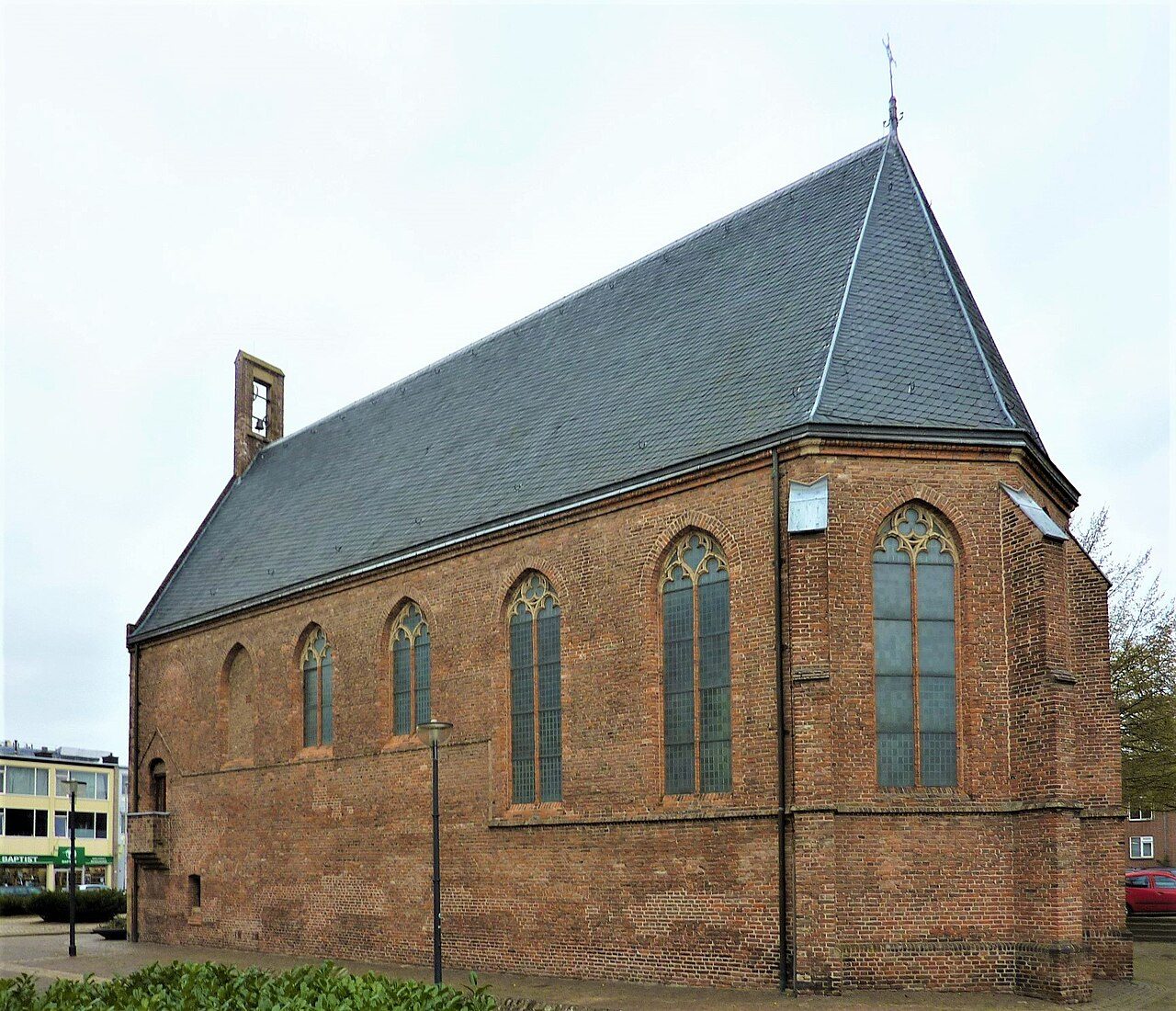
Agnietenkapel
A former convent chapel near Arnhem’s centre, with a 1777 König organ brought from Nijmegen and a rescued weathercock now kept inside.
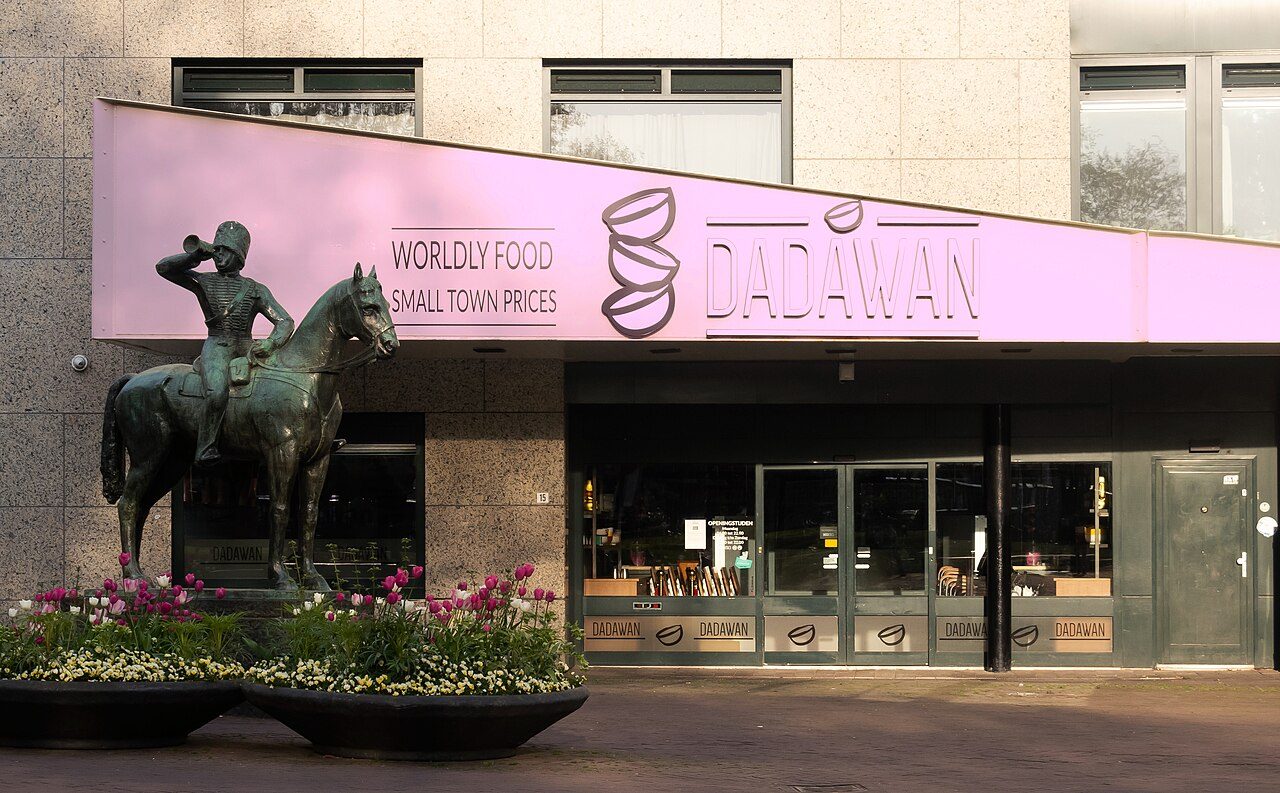
De Gele Rijder
A bronze horseman by Gijs Jacobs van den Hof on Arnhem’s Gele Rijdersplein, where the Yellow Riders’ barracks once stood, with horse and rider to view from every angle.
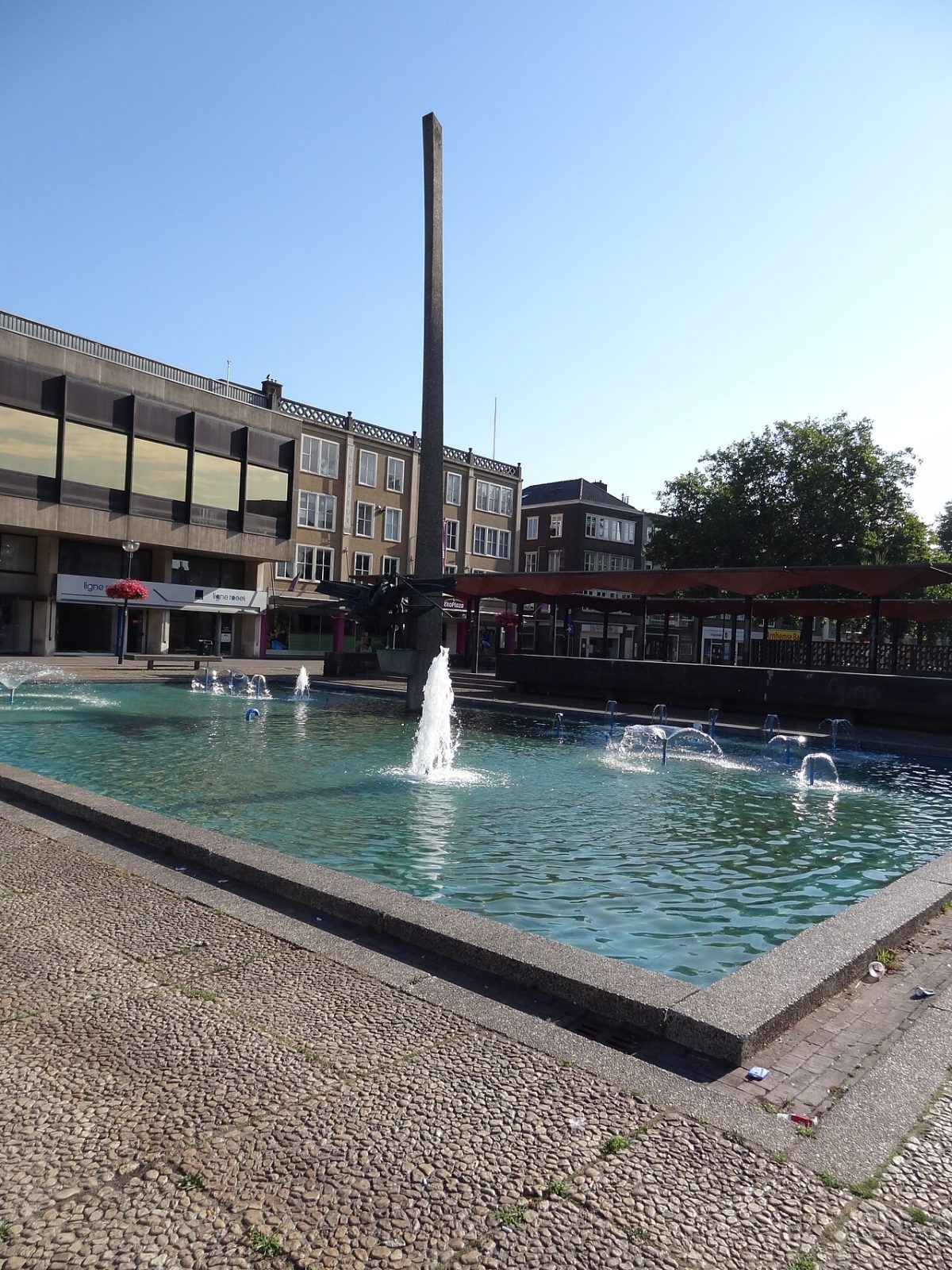
AKU Fountain
A fountain on Arnhem’s Velperplein, with Shinkichi Tajiri’s dragonfly-like sculpture hovering above the water and a pergola framing the setting.
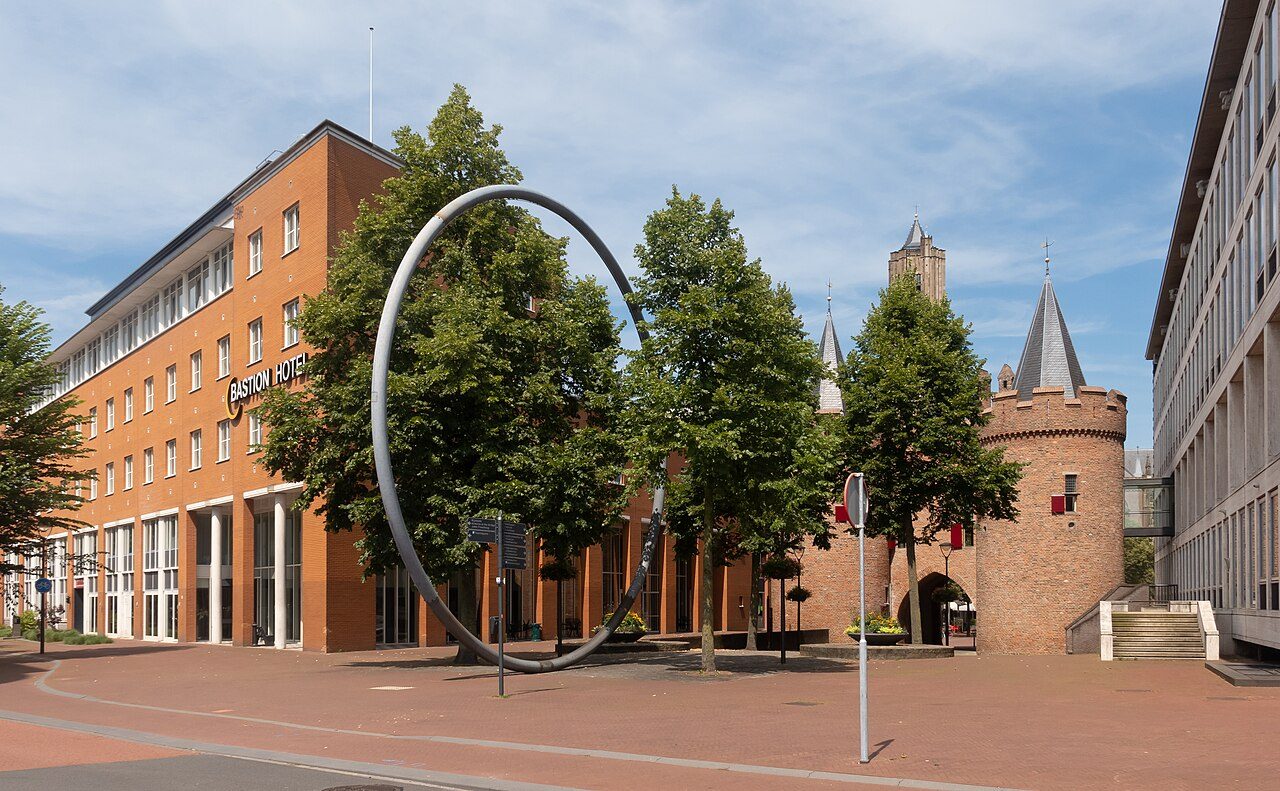
Sabelspoort
A medieval city gate in Arnhem with a Renaissance façade from 1642 and circles in the paving tracing its vanished defences.
Tours and quests that pass here
These walks have a stop a few minutes from Duivelshuis. Free, on your phone, start any time.
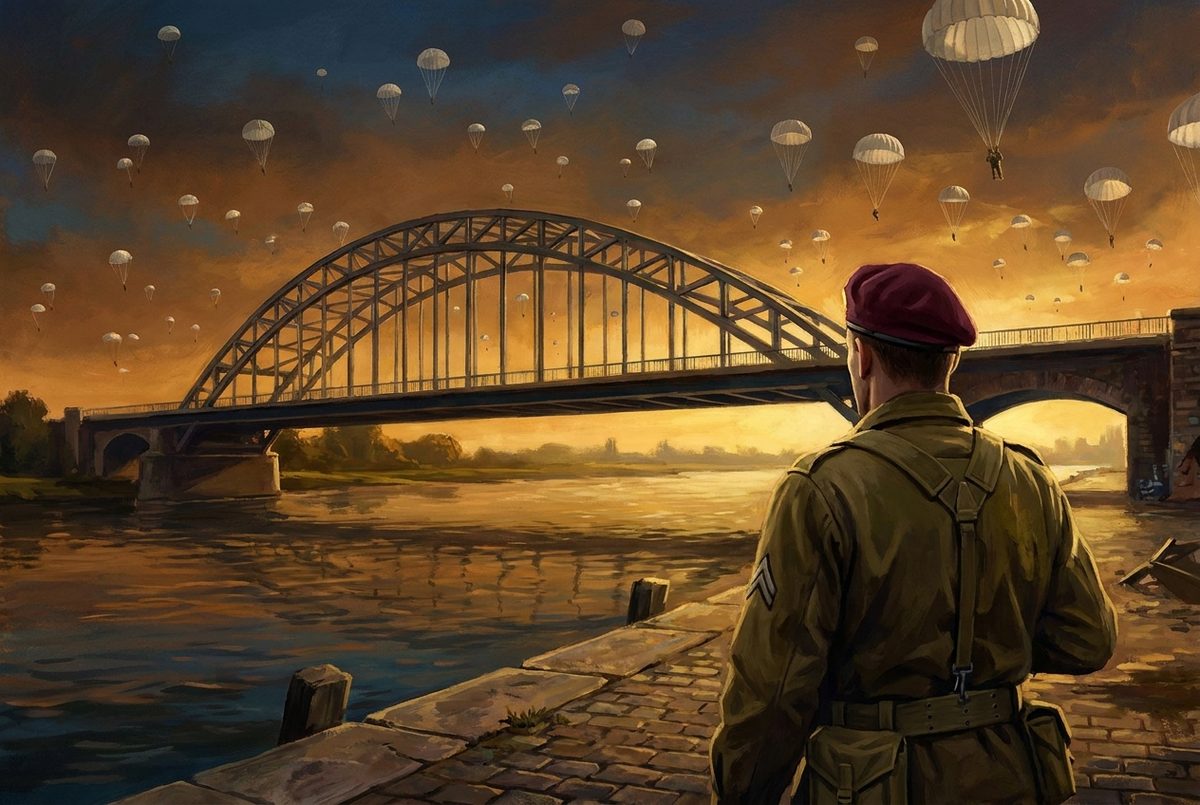 CITYQUEST
Arnhem After the Battle
Hunt for traces of Arnhem’s wartime destruction in streets rebuilt after the battle. Real stone memorials and bronze figures hold the clues as you gather letters for a final answer.
 FREE AUDIO TOUR
Four Days at the Bridge
At Arnhem’s John Frost Bridge, British soldiers fought to hold a river crossing while families tried to escape through the same streets. You can stand beneath the approach where people sheltered from gunfire, then look towards the far bank the defenders could not capture.
 CITYQUEST
The Stone Creature Keeper
Your creature collection is scattered across Arnhem, waiting for you to spot real animals and monsters among the city’s statues and fountains. Hunt for them in the street, fill the keeper’s catalogue and work towards a final answer.