
HIDDEN GEM
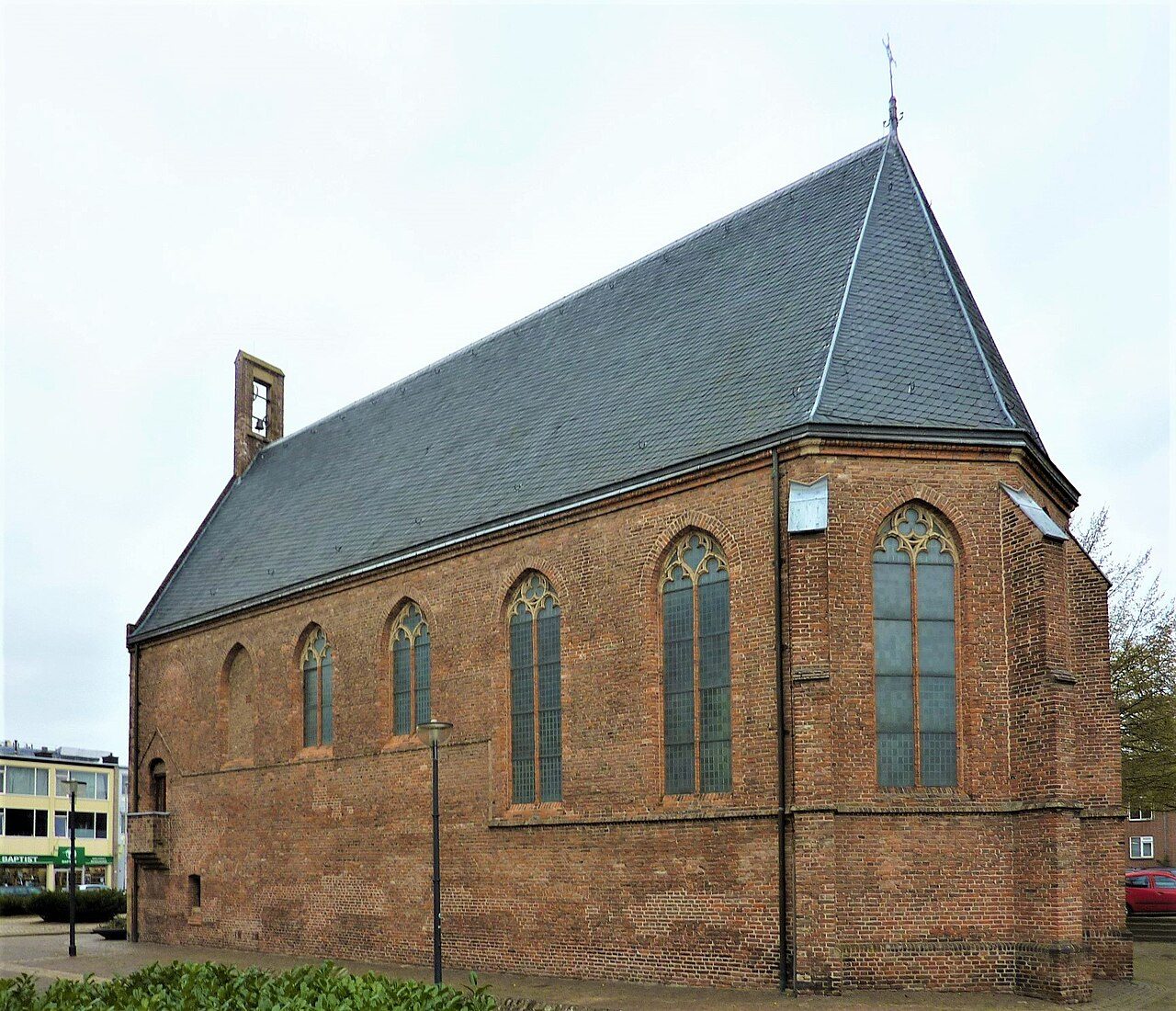
Agnietenkapel
A former convent chapel near Arnhem’s centre, with a 1777 König organ brought from Nijmegen and a rescued weathercock now kept inside.
The rooster that came home
The Agnietenkapel is the old chapel of Arnhem’s Agnieten convent, just off the centre. One of its most unusual survivors spent decades in someone’s home. After the bombing in 1944, a passerby found children playing near the church with its fallen weathercock. He took it home. Following an appeal in 1983, he came forward and returned it. The rooster did not go back onto the tower: it was kept inside the church instead.
That is a good reason to look beyond the outside of this former convent chapel. Its history survives in objects that were rescued, concealed or carried here from somewhere else. The rooster is the most literal example: something made to stand above the building became a witness to its destruction.
You are only a two-minute walk from Musispark, and about three minutes on foot from St Eusebius’ Church. Here, give your attention to the smaller objects and the people behind them.
The sisters and their possessions
The convent’s history comes into focus through two named women. Between 1541 and 1570, Sister Alberta van Middachten copied a book for its infirmary. An inscription laid down a firm rule: nobody was to take the book away without the permission of the head of the infirmary. It is a small but telling record of daily convent life. This was a book made for a particular part of the community, with someone responsible for keeping it there.
A later document tells a more anxious story. In 1597, the mother superior, Sister Geertruydt, wrote to Sasbout Vosmeer about raids on the convent. She described how the sisters had hidden their holiest objects in an attic to stop reformers from destroying or taking them.
Keep those two accounts in mind as you look at the chapel. One concerns the careful use of possessions in ordinary life; the other concerns protecting them during religious upheaval. Neither needs a grand monument to make the sisters feel close. Their own written records supply the detail.
An organ with another home
The organ has a rescue story of its own. Carl Philipp König built it in 1777 for Nijmegen’s Walloon church. It was saved before that building was badly damaged in the war, and came to Arnhem in 1958.
Before its arrival, services here had been accompanied by a cinema organ from the Luxor theatre. That unexpected substitute is worth remembering when you look towards the present instrument. The music in this church continued with equipment from a very different setting before the older church organ arrived from Nijmegen.
If you go inside, ask about both the König organ and the returned weathercock. Do not assume the rooster you are looking for belongs on the roof. Its story ends indoors, while the organ’s story begins in another city. Together with the sisters’ accounts, these objects give the chapel a history of people deciding what to keep safe.
Things to know
- Walk here from Musispark in about two minutes.
- Allow time to look inside, rather than only passing the exterior.
- Ask about the returned weathercock and the König organ.
- If a service is taking place, keep conversation quiet.
What people say
Related spots
More things to do in Arnhem ›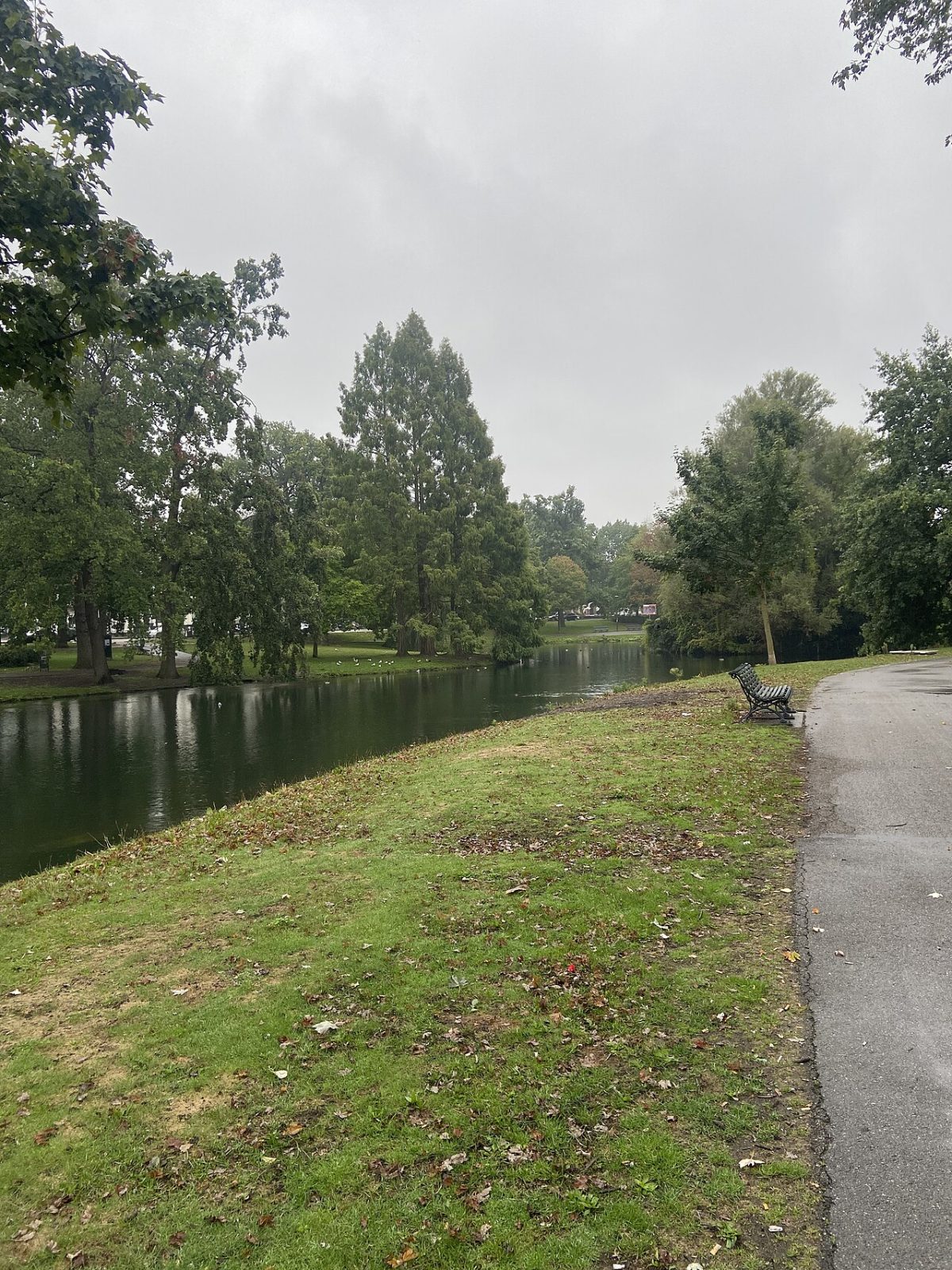
Musispark
A waterside park beside Arnhem’s Musis Sacrum, where a circuit takes in the Lauwersgracht, a bell in the water, a nineteenth-century poplar and a statue of Pluto with a two-headed Cerberus.
St Eusebius' Church
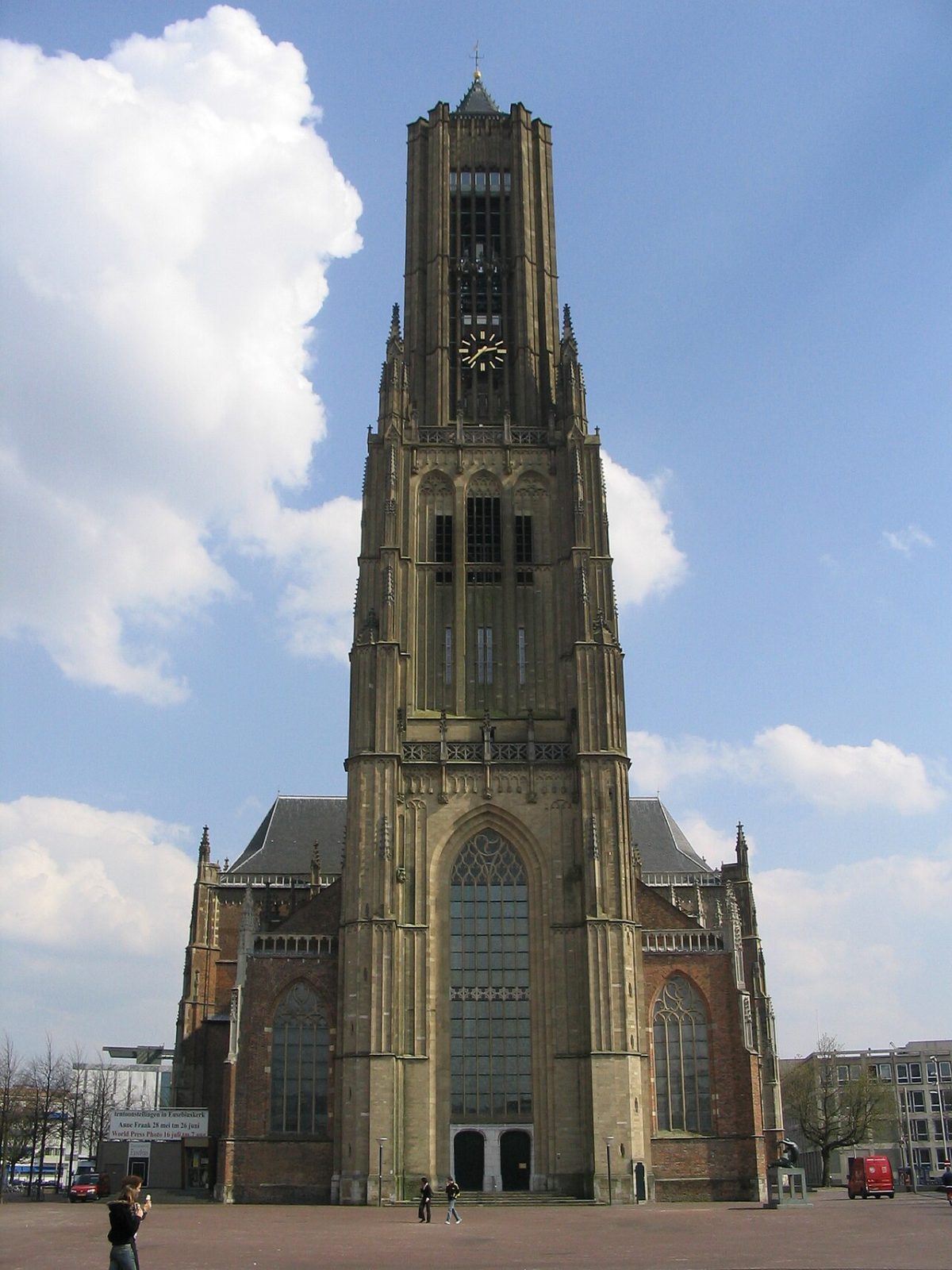
Arnhem’s largest church, rebuilt after the war, with ducal tombs, a dimly lit crypt and a tower lift to glass balconies overlooking the city and the Rhine.
Duivelshuis
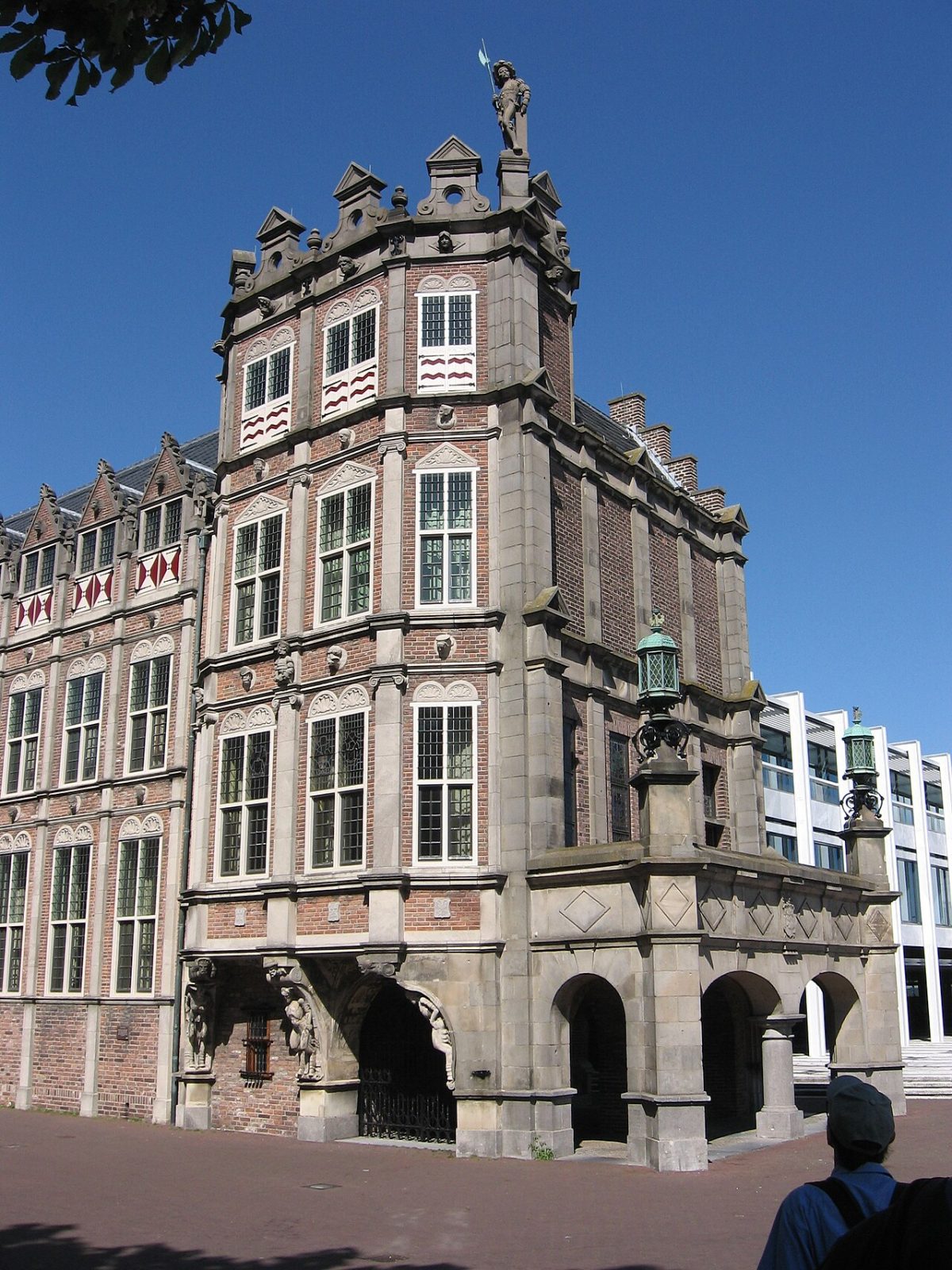
A sixteenth-century town castle on Koningstraat, with satyrs carved into its ornate façade and a row of rulers that includes its former owner, the commander Maarten van Rossum.
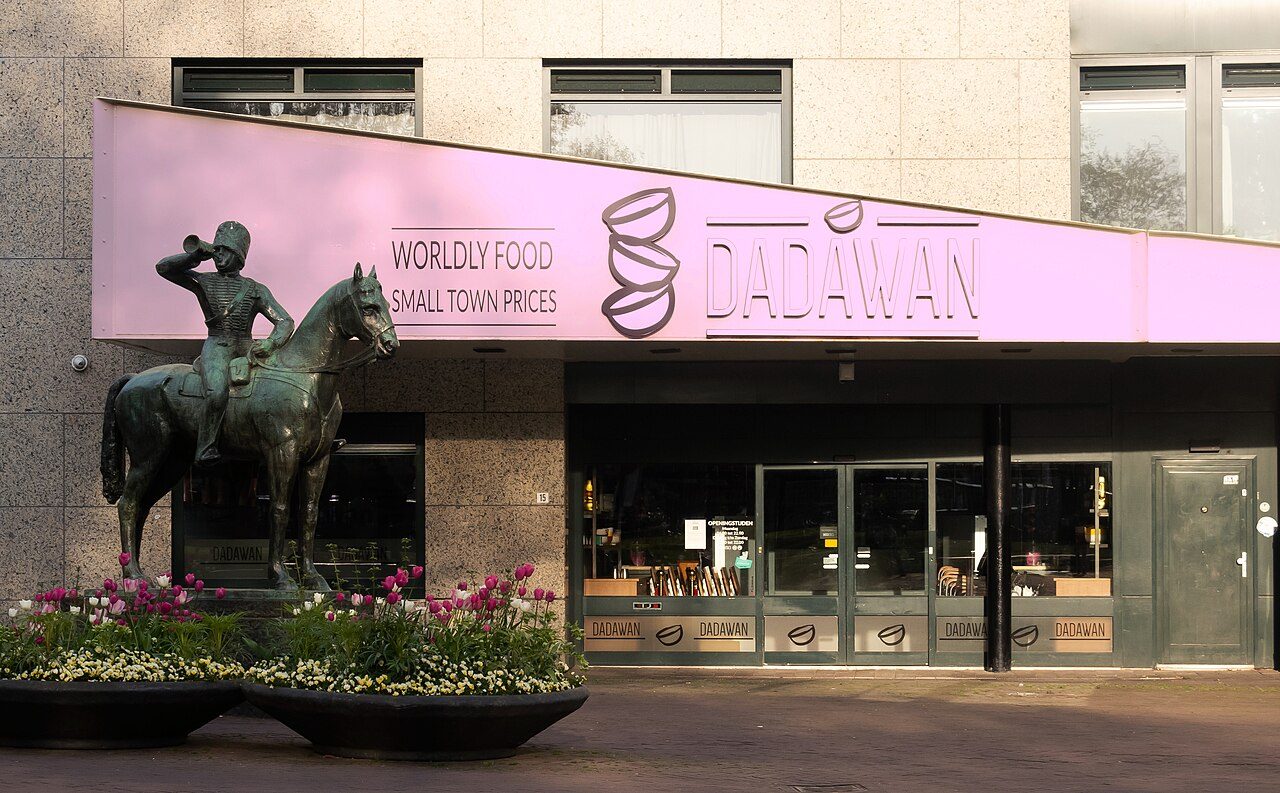
De Gele Rijder
A bronze horseman by Gijs Jacobs van den Hof on Arnhem’s Gele Rijdersplein, where the Yellow Riders’ barracks once stood, with horse and rider to view from every angle.
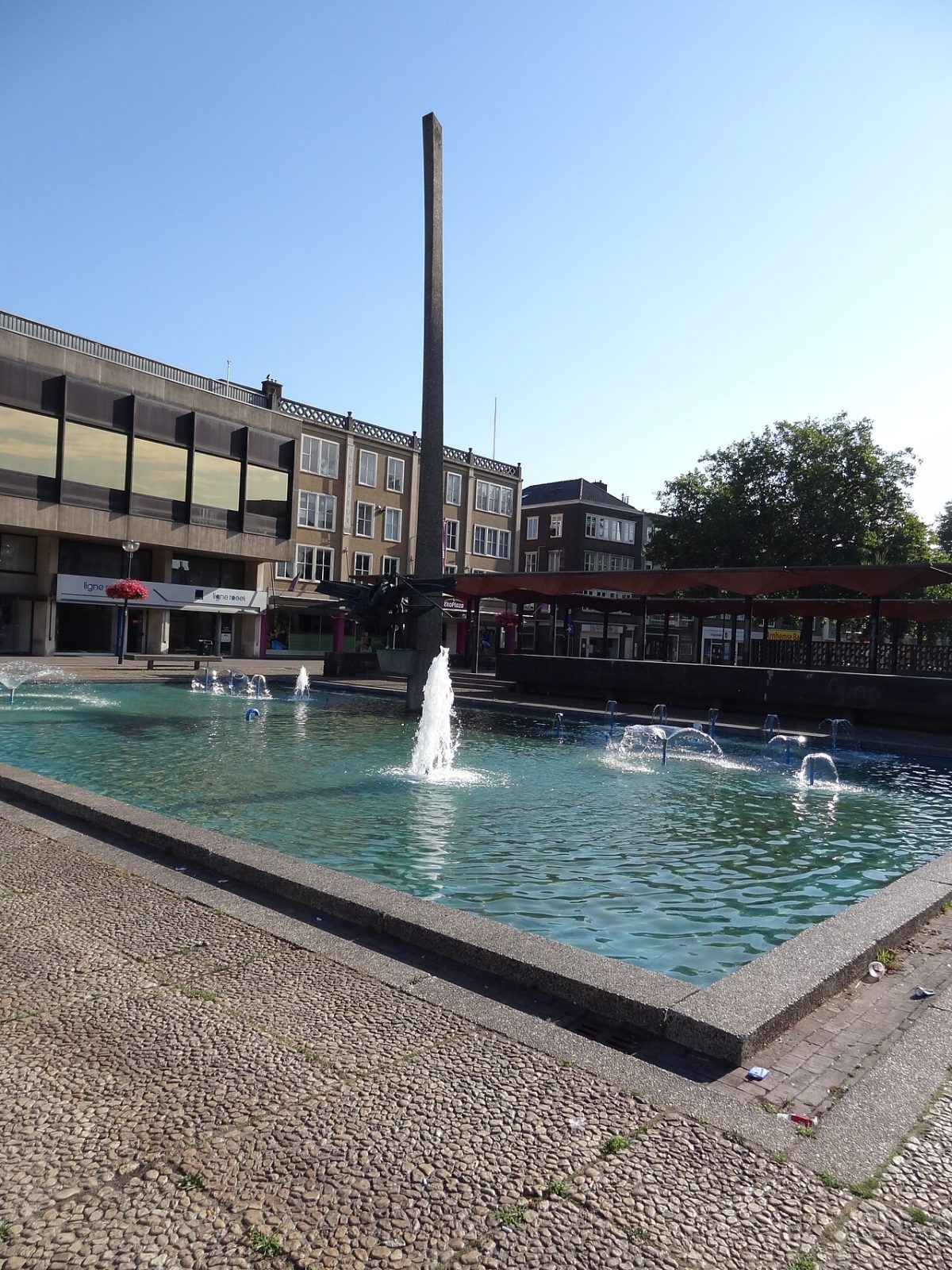
AKU Fountain
A fountain on Arnhem’s Velperplein, with Shinkichi Tajiri’s dragonfly-like sculpture hovering above the water and a pergola framing the setting.
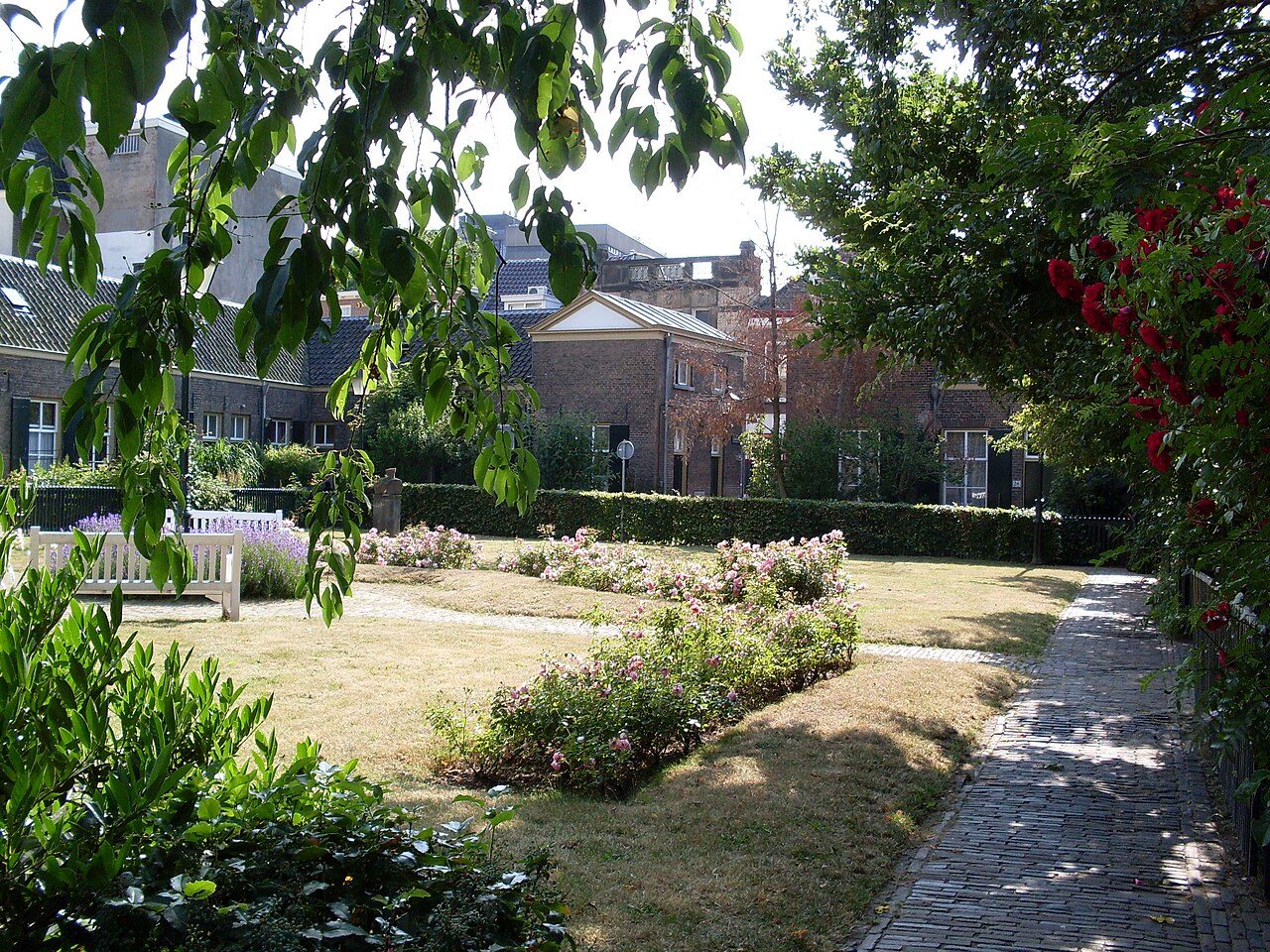
Luthers Hofje
A small courtyard of former almshouses in Klarendal, built around 1860 for older people, with modest homes and an entrance plaque recalling its Lutheran history.
Tours and quests that pass here
These walks have a stop a few minutes from Agnietenkapel. Free, on your phone, start any time.
 CITYQUEST
The Stone Creature Keeper
Your creature collection is scattered across Arnhem, waiting for you to spot real animals and monsters among the city’s statues and fountains. Hunt for them in the street, fill the keeper’s catalogue and work towards a final answer.
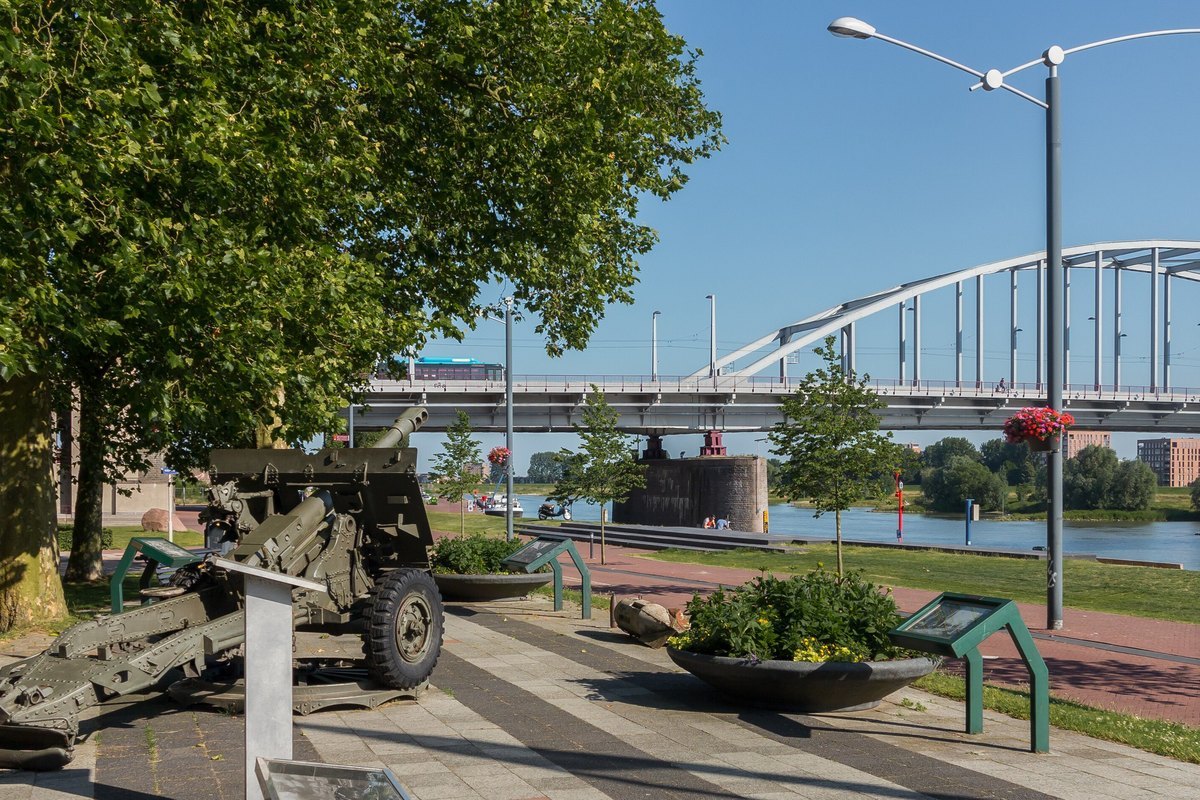 FREE AUDIO TOUR
Four Days at the Bridge
At Arnhem’s John Frost Bridge, British soldiers fought to hold a river crossing while families tried to escape through the same streets. You can stand beneath the approach where people sheltered from gunfire, then look towards the far bank the defenders could not capture.
 CITYQUEST
Arnhem After the Battle
Hunt for traces of Arnhem’s wartime destruction in streets rebuilt after the battle. Real stone memorials and bronze figures hold the clues as you gather letters for a final answer.