
LANDMARK
Musispark
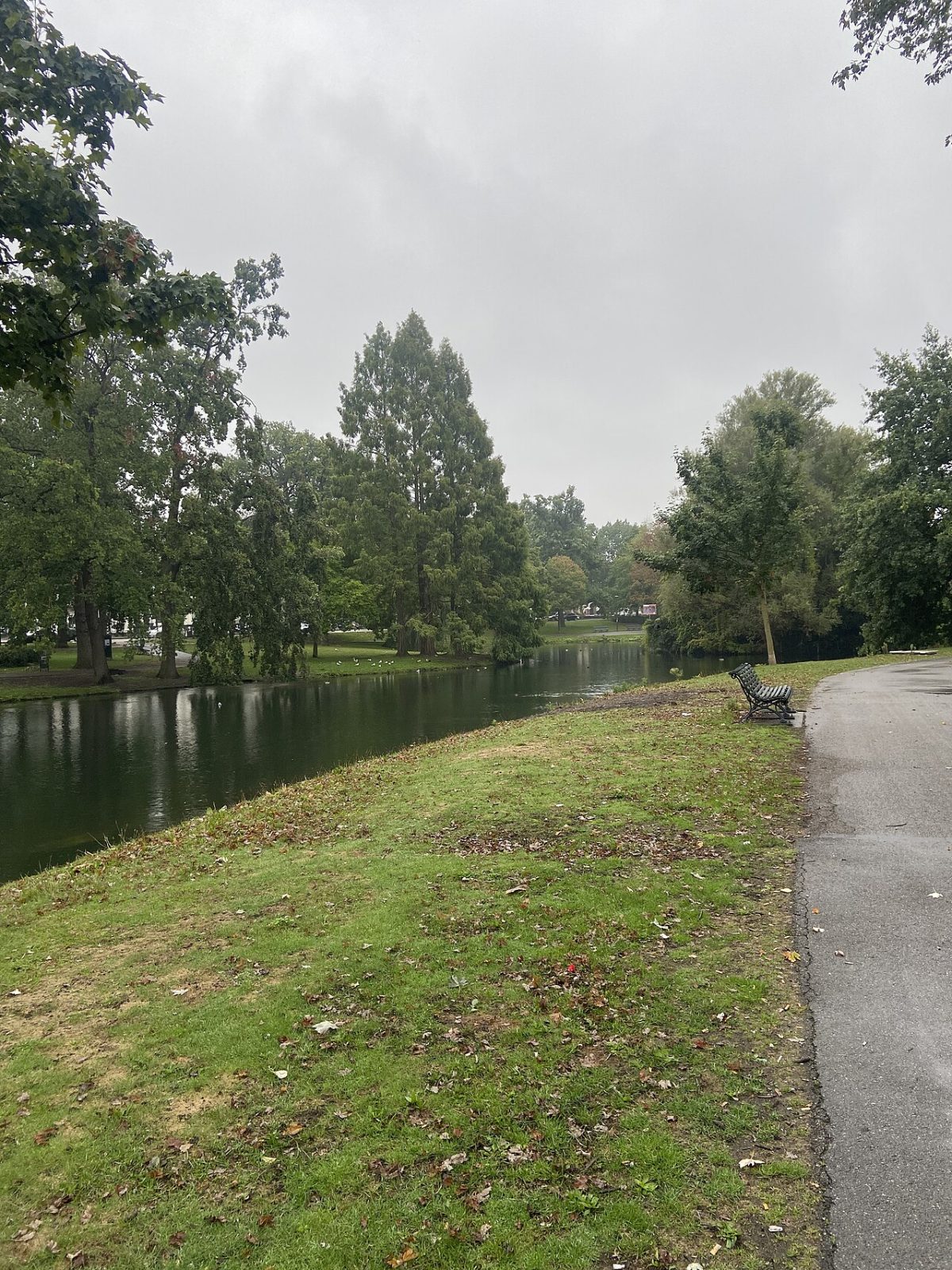
A waterside park beside Arnhem’s Musis Sacrum, where a circuit takes in the Lauwersgracht, a bell in the water, a nineteenth-century poplar and a statue of Pluto with a two-headed Cerberus.
A park shaped by concert traffic
Musispark is the park beside Musis Sacrum, just east of Arnhem’s centre. Its waterside setting has not always been quite so restful. Concertgoers once arrived in carriages in such numbers that they caused traffic jams around Musis. In 1881, the city council decided to move a fence and fill in part of the pond to make more room.
Keep that practical alteration in mind as you walk beside the Lauwersgracht. This is not simply a green backdrop to the concert building. Its water and boundaries have been adjusted to fit the life around it. Allow time for a circuit rather than just passing through: a bell, an old tree and a rather unusual stone dog each deserve a closer look.
A crash and a citizens’ bell
During the Battle of Arnhem in 1944, a German Messerschmitt trying to evade British fire clipped a tower of the Walburgiskerk. The aircraft crashed behind Musis Sacrum, and the church caught fire. The fighting reached this park’s immediate surroundings, not only the better-known positions at the John Frost Bridge. Standing beside Musis gives that account a clear physical setting: this was where the aircraft came down.
The Burgerklok in the Lauwersgracht tells a different part of the postwar story. In 1956, a citizens’ committee presented the bell to Arnhem’s council in thanks for its work after the war. It is rung each year on 17 September. Look for it in the water, and remember that it began as a gift from residents to the people rebuilding and running their city.
A tree given extra time
Among the park’s trees is a veteran Canadian poplar. In 2023, municipal tree specialist Judith Schuring pointed it out and said it dated from before 1890. The city gives it extra care to help it remain standing for as long as possible.
That makes the poplar more than general park greenery. Its life reaches back towards the period when carriage traffic was reshaping the grounds around Musis. The source does not give an exact planting year, so think of it as a survivor from the nineteenth century rather than attaching a precise birthday to it.
Pluto and the two-headed dog
East of the Lauwersgracht, look for Ignatius van Logteren’s eighteenth-century statue of Pluto. The god rests one foot on a chained Cerberus. Look carefully at the animal: this version has two heads, rather than the three usually associated with the guardian of the underworld.
If the carved faces at the Duivelshuis have already caught your attention, this is another reason to slow down over Arnhem’s sculpted creatures. Here, the chain, the planted foot and the number of heads are the details to pick out. Finish your look at the park with the statue itself, where an old myth takes an unexpectedly specific form.
Things to know
- Walk east from Arnhem’s centre towards Musis Sacrum.
- Allow time to look on both sides of the Lauwersgracht.
- Visit on 17 September to catch the annual Burgerklok ringing; check locally for the time.
- Bring a camera with a zoom for the statue’s smaller details.
What people say
Related spots
More things to do in Arnhem ›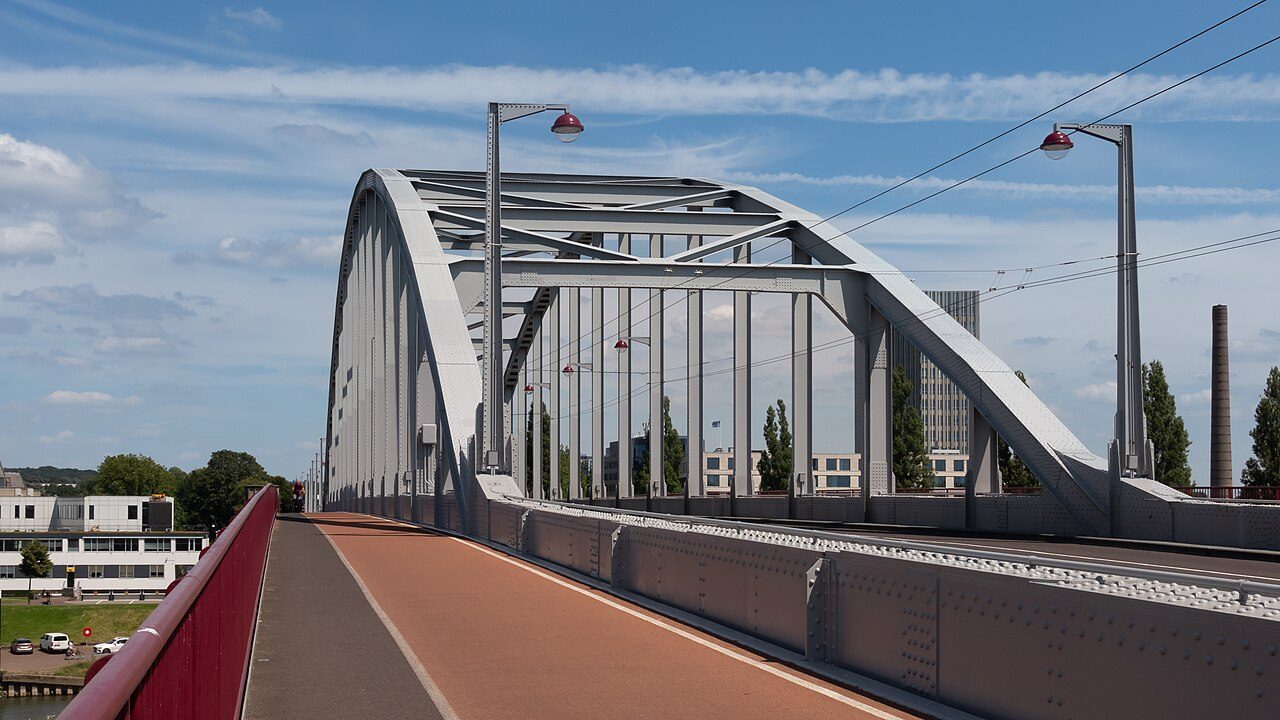
John Frost Bridge
A rebuilt steel-arch bridge over the Lower Rhine, with a pedestrian path and a memorial plaque where John Frost’s men held the northern end for roughly four days in 1944.
Duivelshuis
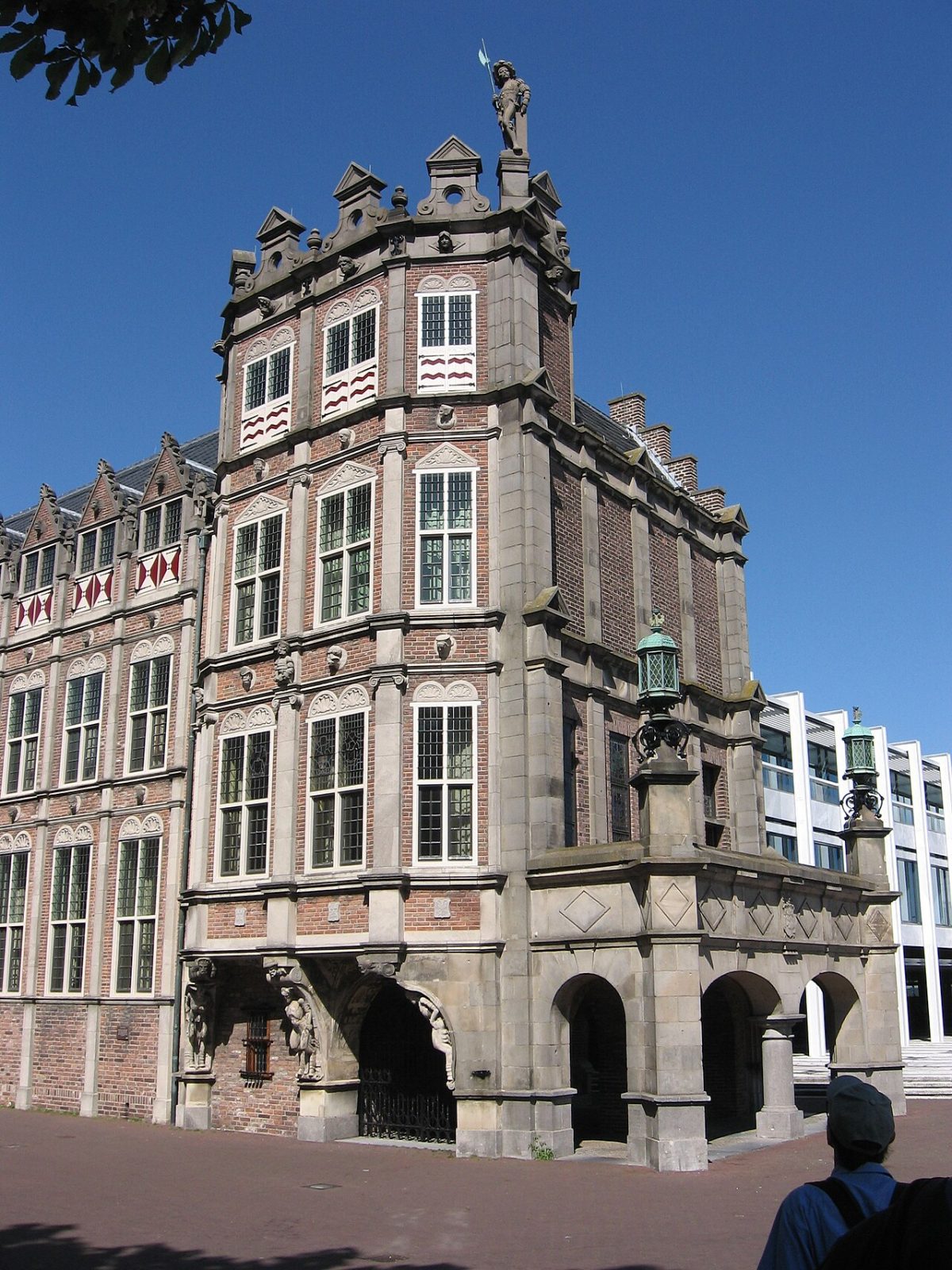
A sixteenth-century town castle on Koningstraat, with satyrs carved into its ornate façade and a row of rulers that includes its former owner, the commander Maarten van Rossum.
St Eusebius' Church
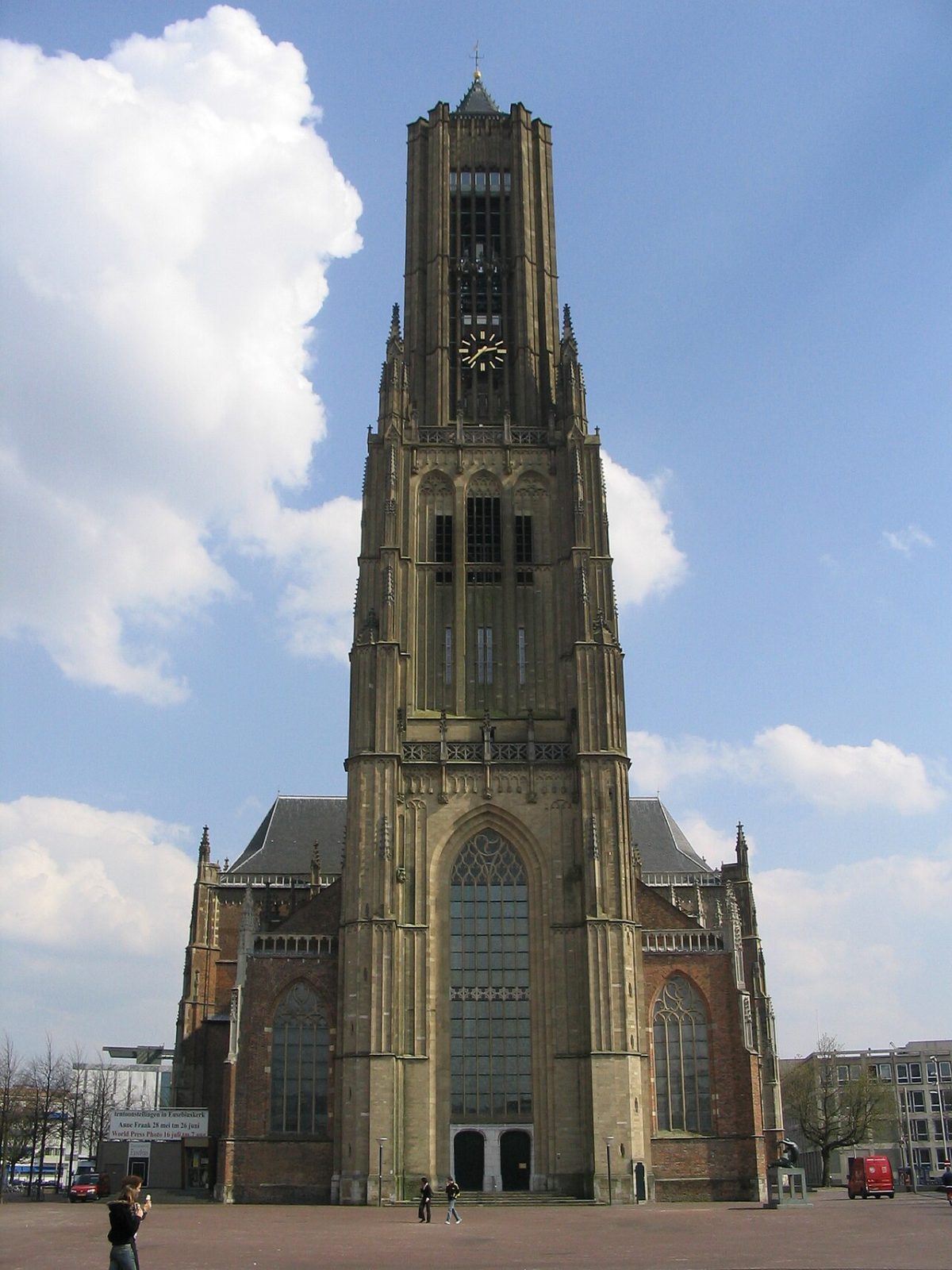
Arnhem’s largest church, rebuilt after the war, with ducal tombs, a dimly lit crypt and a tower lift to glass balconies overlooking the city and the Rhine.
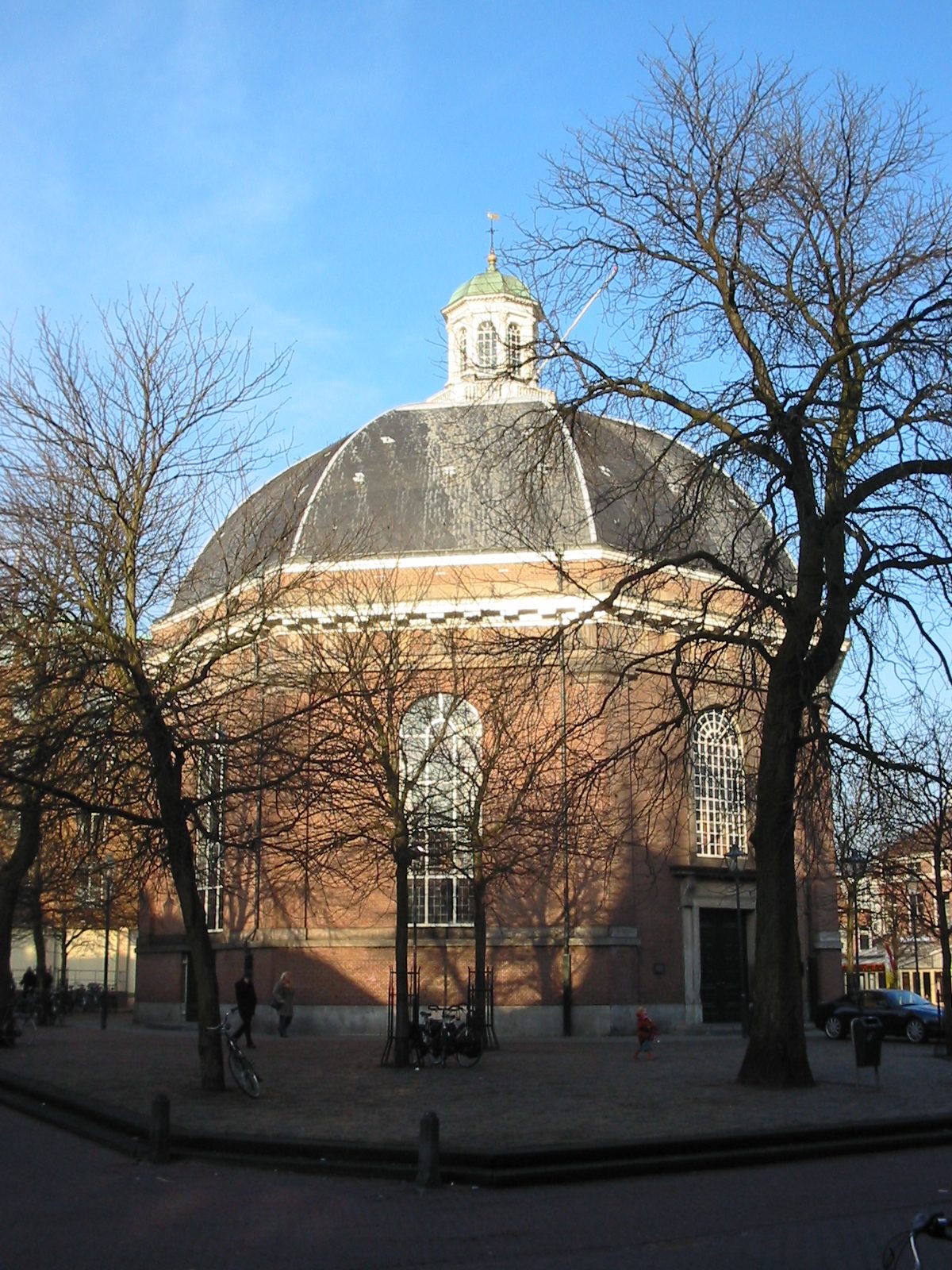
Koepelkerk
An eight-sided church on Arnhem’s Jansplein, with columns and galleries beneath its dome and an organ case adorned with King David and trumpet-playing angels.
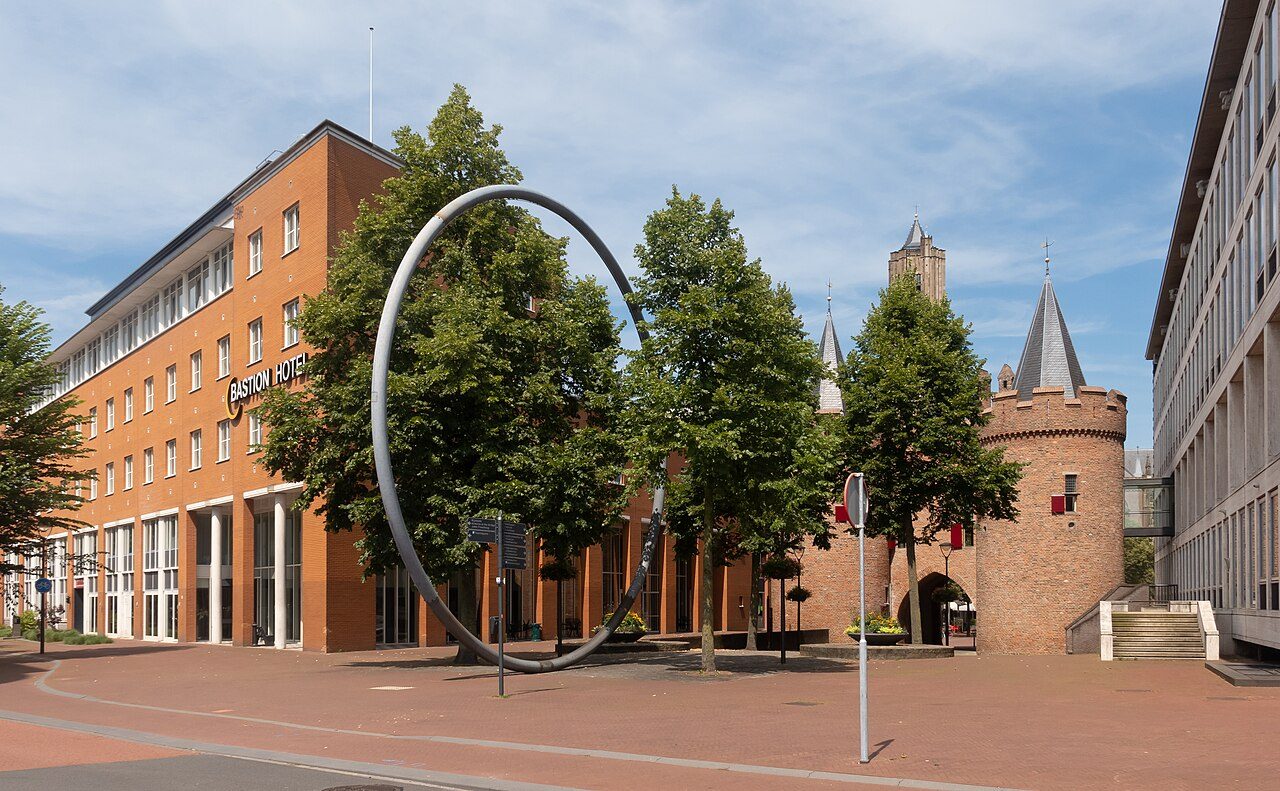
Sabelspoort
A medieval city gate in Arnhem with a Renaissance façade from 1642 and circles in the paving tracing its vanished defences.
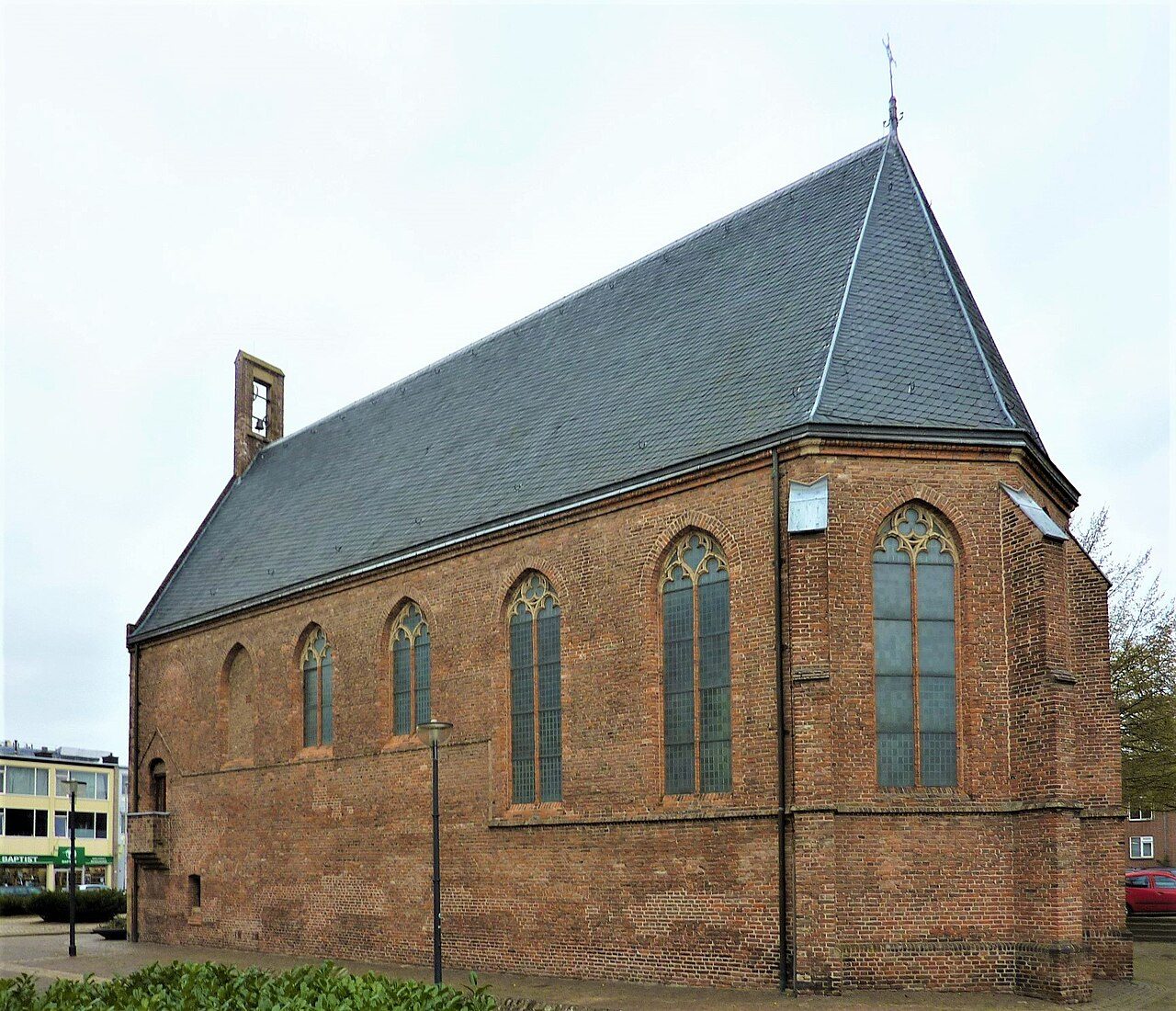
Agnietenkapel
A former convent chapel near Arnhem’s centre, with a 1777 König organ brought from Nijmegen and a rescued weathercock now kept inside.
Tours and quests that pass here
These walks have a stop a few minutes from Musispark. Free, on your phone, start any time.
 CITYQUEST
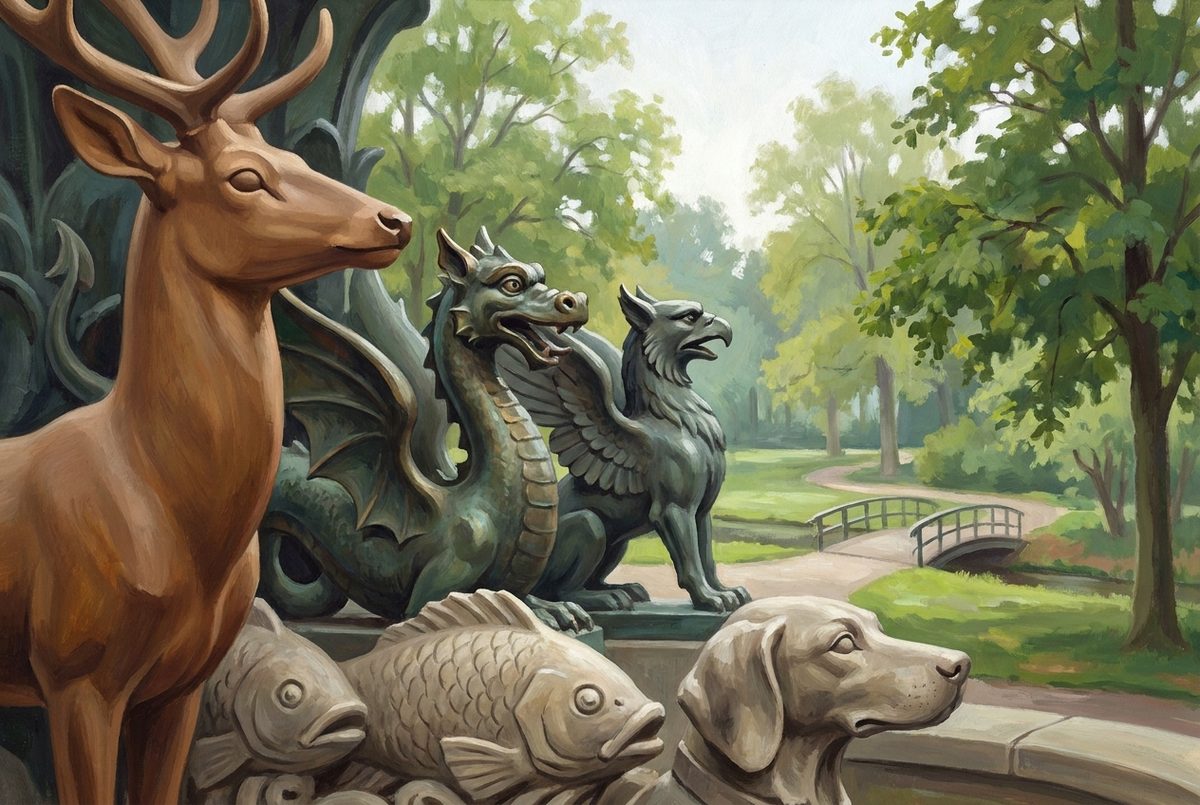
The Stone Creature Keeper
Your creature collection is scattered across Arnhem, waiting for you to spot real animals and monsters among the city’s statues and fountains. Hunt for them in the street, fill the keeper’s catalogue and work towards a final answer.
 FREE AUDIO TOUR
Four Days at the Bridge
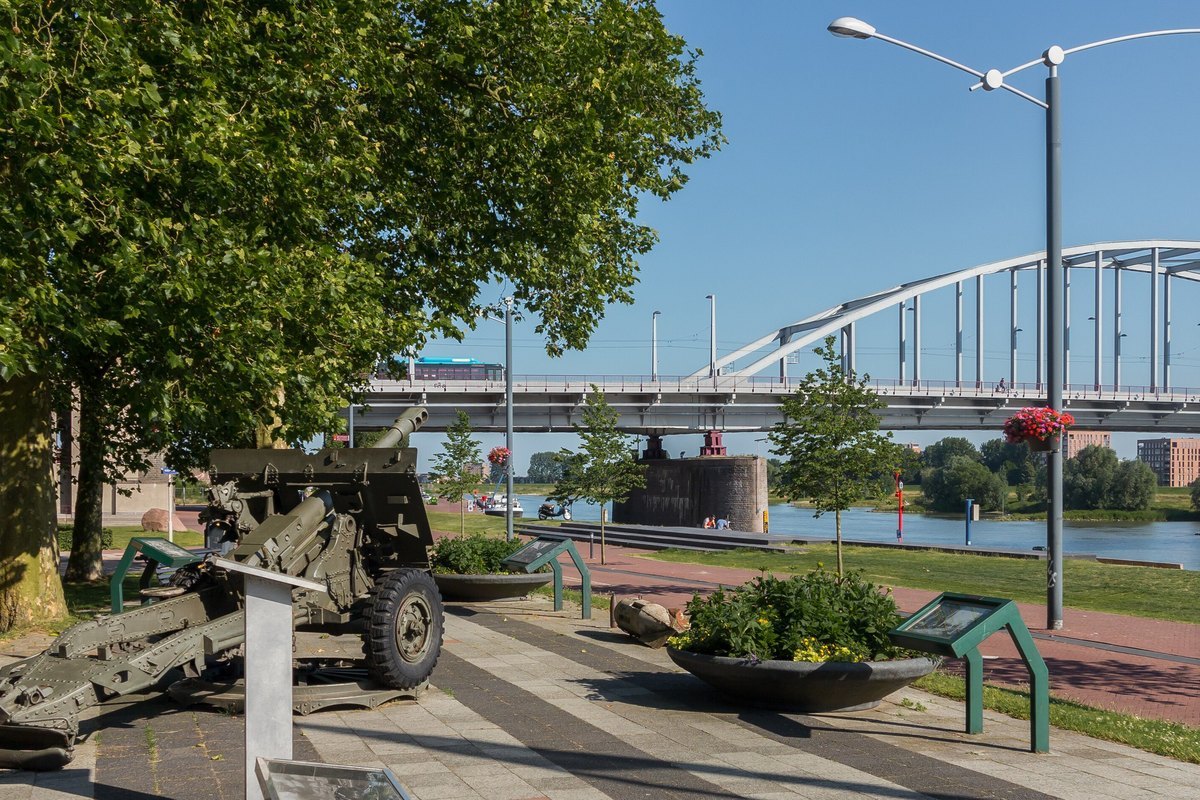
At Arnhem’s John Frost Bridge, British soldiers fought to hold a river crossing while families tried to escape through the same streets. You can stand beneath the approach where people sheltered from gunfire, then look towards the far bank the defenders could not capture.
 CITYQUEST
Arnhem After the Battle
Hunt for traces of Arnhem’s wartime destruction in streets rebuilt after the battle. Real stone memorials and bronze figures hold the clues as you gather letters for a final answer.