
LANDMARK
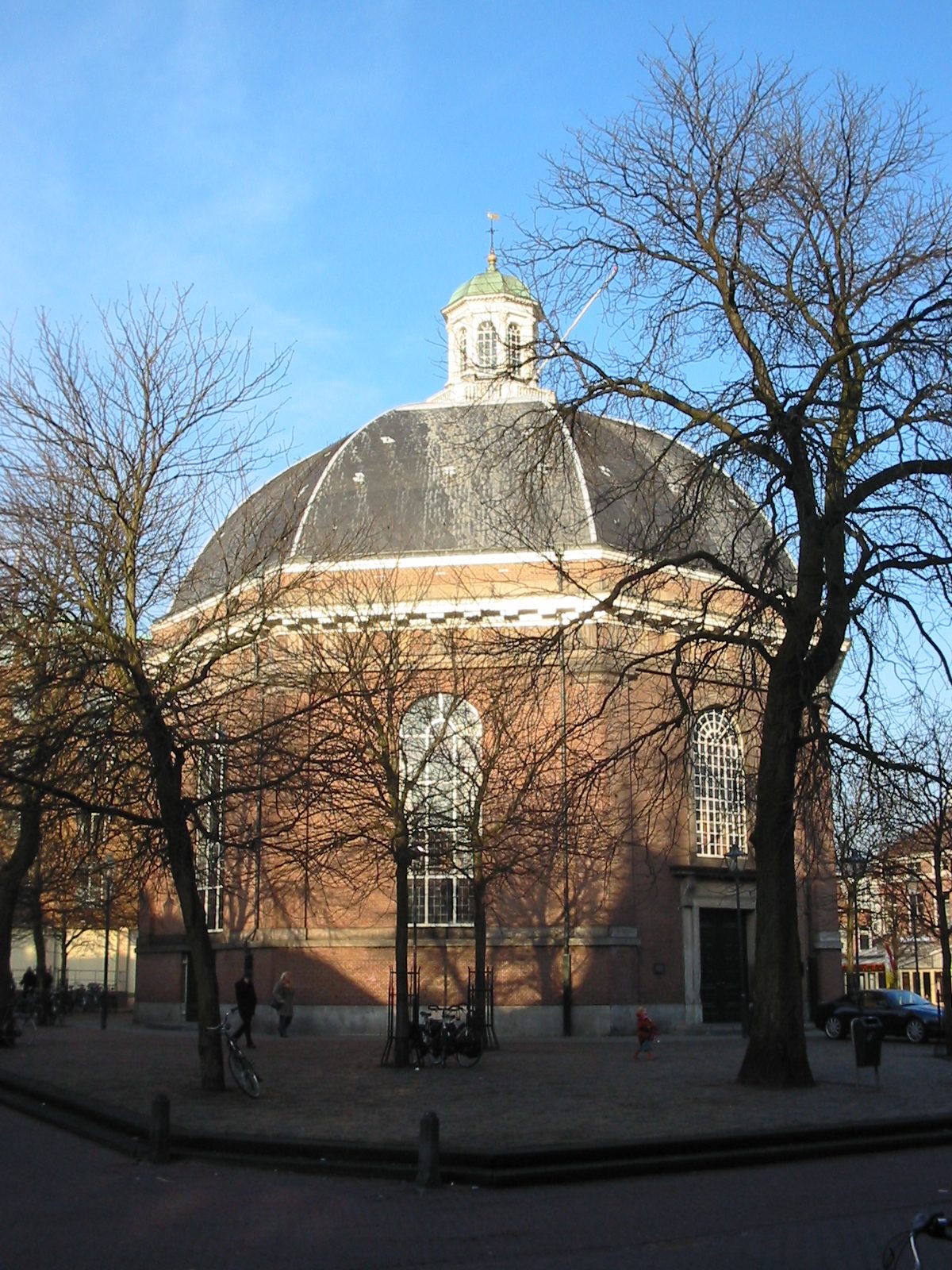
Koepelkerk
An eight-sided church on Arnhem’s Jansplein, with columns and galleries beneath its dome and an organ case adorned with King David and trumpet-playing angels.
A dome with eight sides
The Koepelkerk looks round at first glance, but walk around it on Jansplein and you will find eight sides. In 1837, King Willem I visited while it was being built, during the same week that the first stone was laid. A foundation stone in the entrance hall records his visit. It is a small detail to look for inside a church whose broad dome is much easier to spot from the square.
This is a good place to pause and look at how a domed church is put together. Its architect, Anthony Aytink van Falkenstein, probably took inspiration from Amsterdam’s Ronde Lutherse Kerk. Construction began in 1837 and finished at the end of 1838. Beneath the roof are two wooden domes: the outer one rests on the walls, while the inner one rests on columns.
A church for townspeople and soldiers
The medieval St Jan stood on this site until it was demolished in 1817 because of its poor condition. The Dutch Reformed congregation received permission to build a replacement here to relieve pressure on St Eusebius’ Church. The new building opened for worship on 6 January 1839, with Hendrik Herman Donker Curtius leading the service.
From that opening year, soldiers of the horse artillery known as the Gele Rijders attended services here. They came from the nearby Willemskazerne barracks. That military connection gives another meaning to the name of De Gele Rijder, the horseman statue on Jansplein. These were soldiers who formed part of the church’s congregation, not simply a name borrowed for a monument.
Although officially intended to be called St Jans-Kerk, the building was known as the Nieuwe Kerk until the 1930s. Koepelkerk means “dome church”, the name that describes what you see.
The organ that survived a direct hit
Look for the organ case, made in the late Empire style, with figures of King David and trumpet-playing angels. The instrument was built in 1841–1842 by Carl Friedrich August Naber.
During the Battle of Arnhem in 1944, the church took a direct hit just above the organ. The damaged building stood exposed to wind and rain for months. Utrecht organ builder Sanders carried out provisional repairs, and the organ returned to use in 1948.
That was not the end of its recovery. Volunteers worked on it between 1973 and 1978, restoring it towards Naber’s original intentions. Further repairs and improvements followed in 2014, carried out by Gebr. Van Vulpen of Utrecht. Regular organ concerts continue its life beyond Sunday worship.
Look up, then look around
The interior you see today also reflects major alterations. In 1976, the church floor was raised and the space beneath it excavated to create a large meeting basement. The second gallery, removed in 1944 because of war damage, was reinstated.
During the 2012–2013 renovation, smaller meeting rooms around the hall were removed to make a surrounding foyer. Original interior colours were brought back, and a glass draught lobby was installed behind the main entrance. Look between the columns, galleries and central space: the church’s apparently simple outline contains several layers of rebuilding.
Things to know
- Head for Jansplein in central Arnhem; the dome marks the church.
- Walk around the exterior to make out its eight sides.
- Inside, look for the foundation stone recording Willem I’s visit.
- Check the church’s programme if you want to hear the organ.
- Opening hours and prices can change. Check the official website before you go. Official website
What people say
Related spots
More things to do in Arnhem ›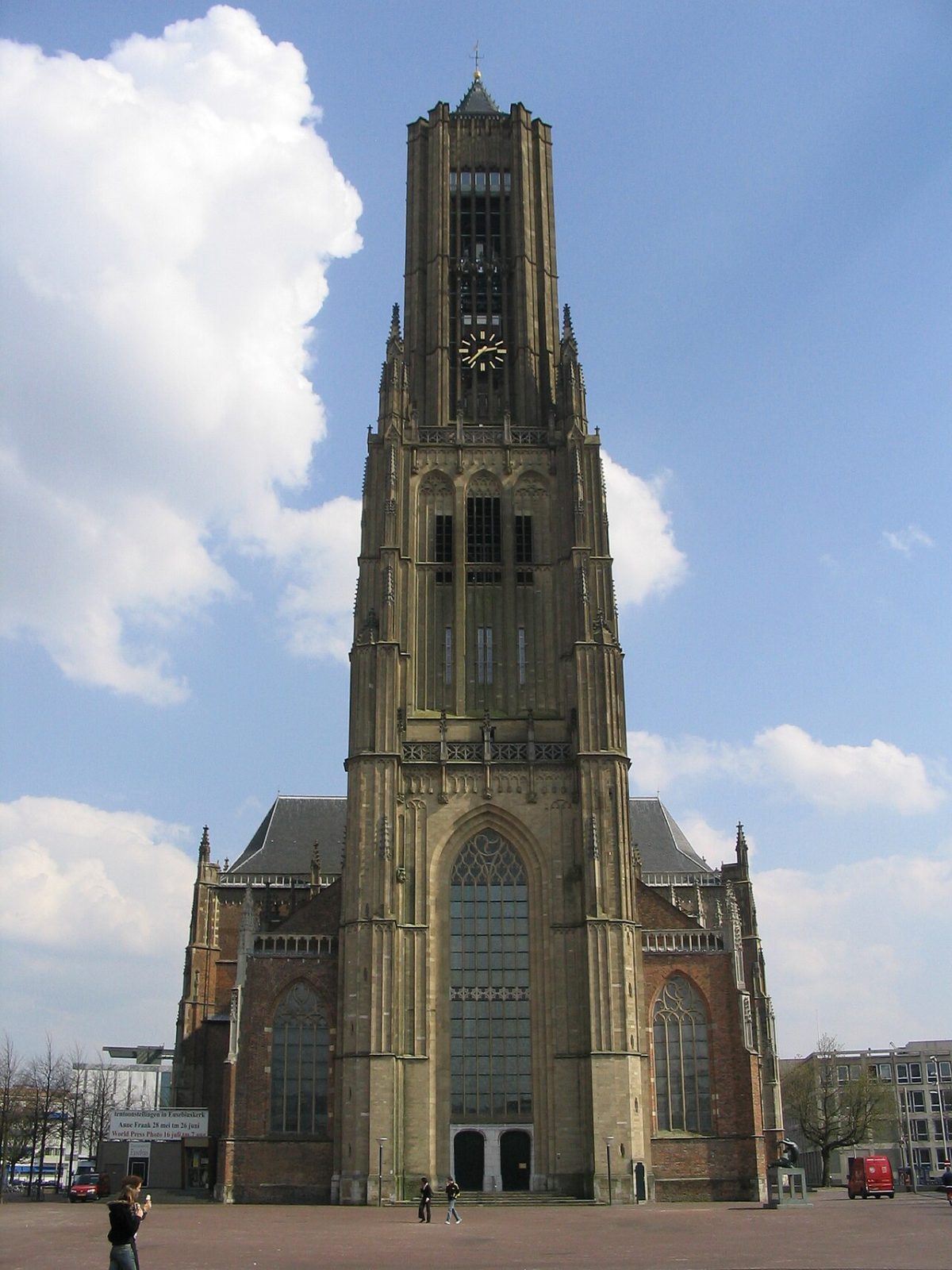
St Eusebius' Church
Arnhem’s largest church, rebuilt after the war, with ducal tombs, a dimly lit crypt and a tower lift to glass balconies overlooking the city and the Rhine.
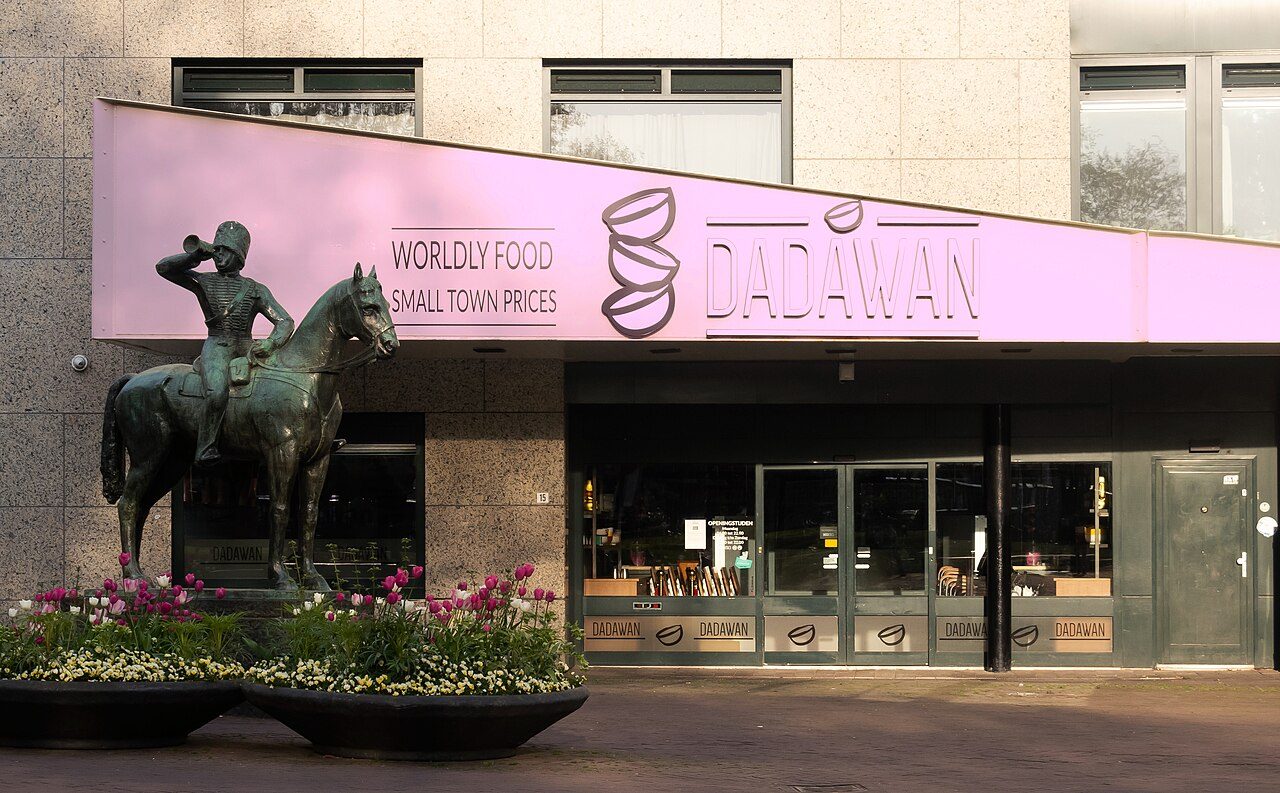
De Gele Rijder
A bronze horseman by Gijs Jacobs van den Hof on Arnhem’s Gele Rijdersplein, where the Yellow Riders’ barracks once stood, with horse and rider to view from every angle.
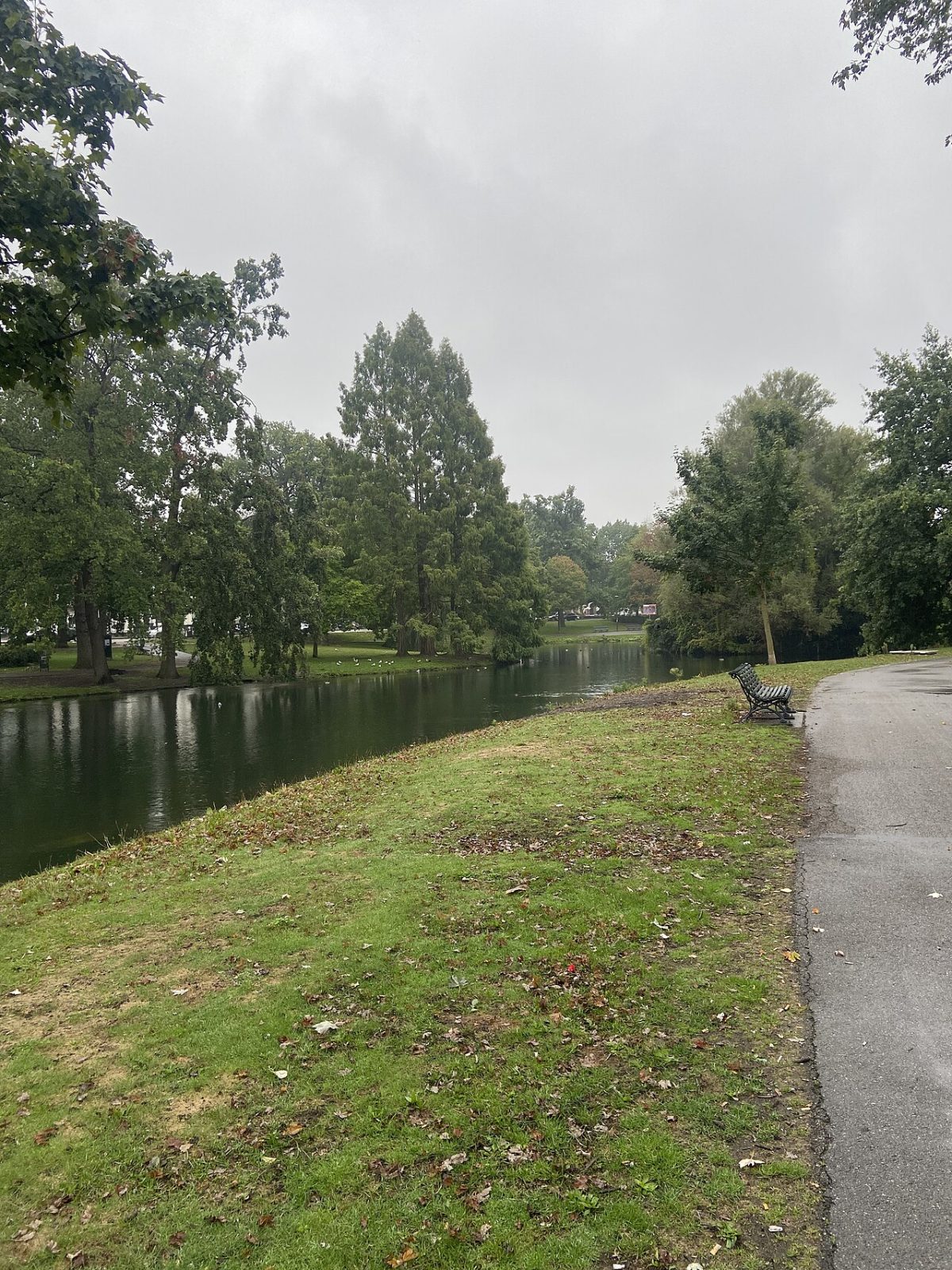
Musispark
A waterside park beside Arnhem’s Musis Sacrum, where a circuit takes in the Lauwersgracht, a bell in the water, a nineteenth-century poplar and a statue of Pluto with a two-headed Cerberus.
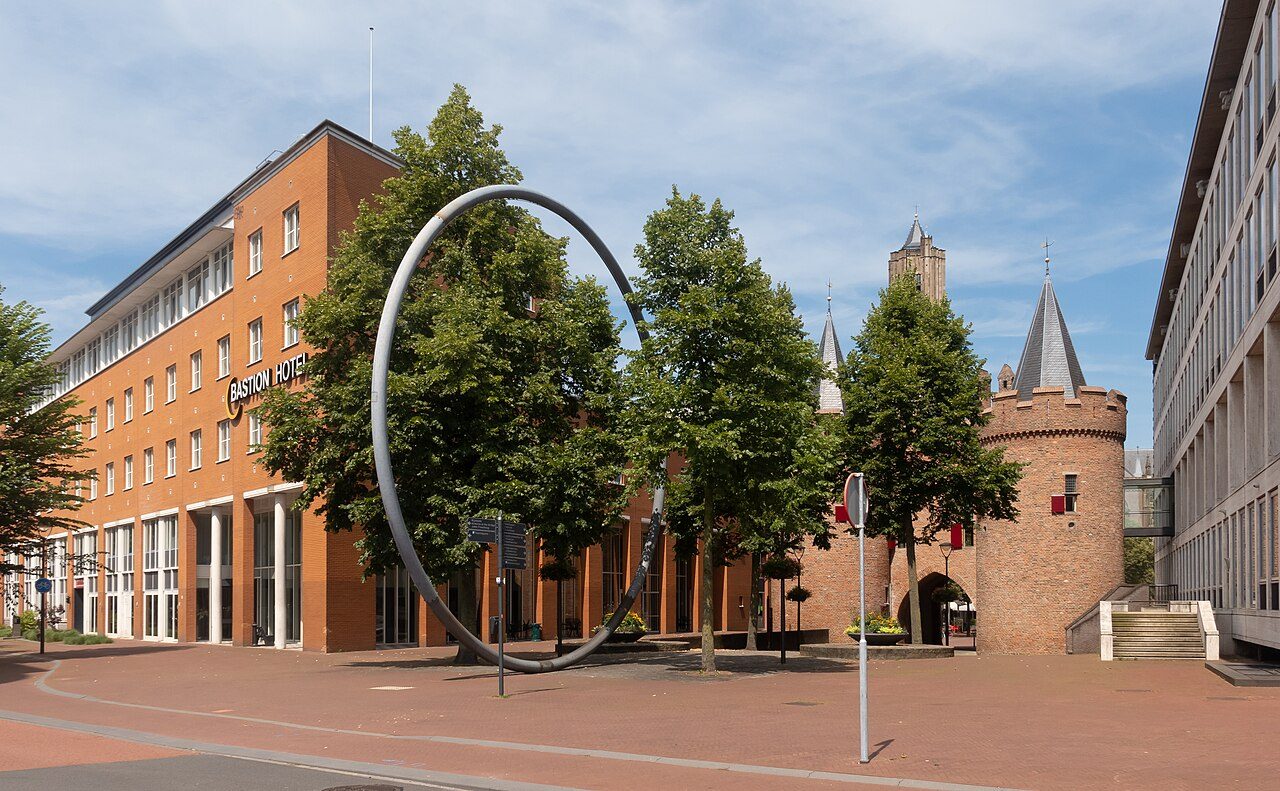
Sabelspoort
A medieval city gate in Arnhem with a Renaissance façade from 1642 and circles in the paving tracing its vanished defences.
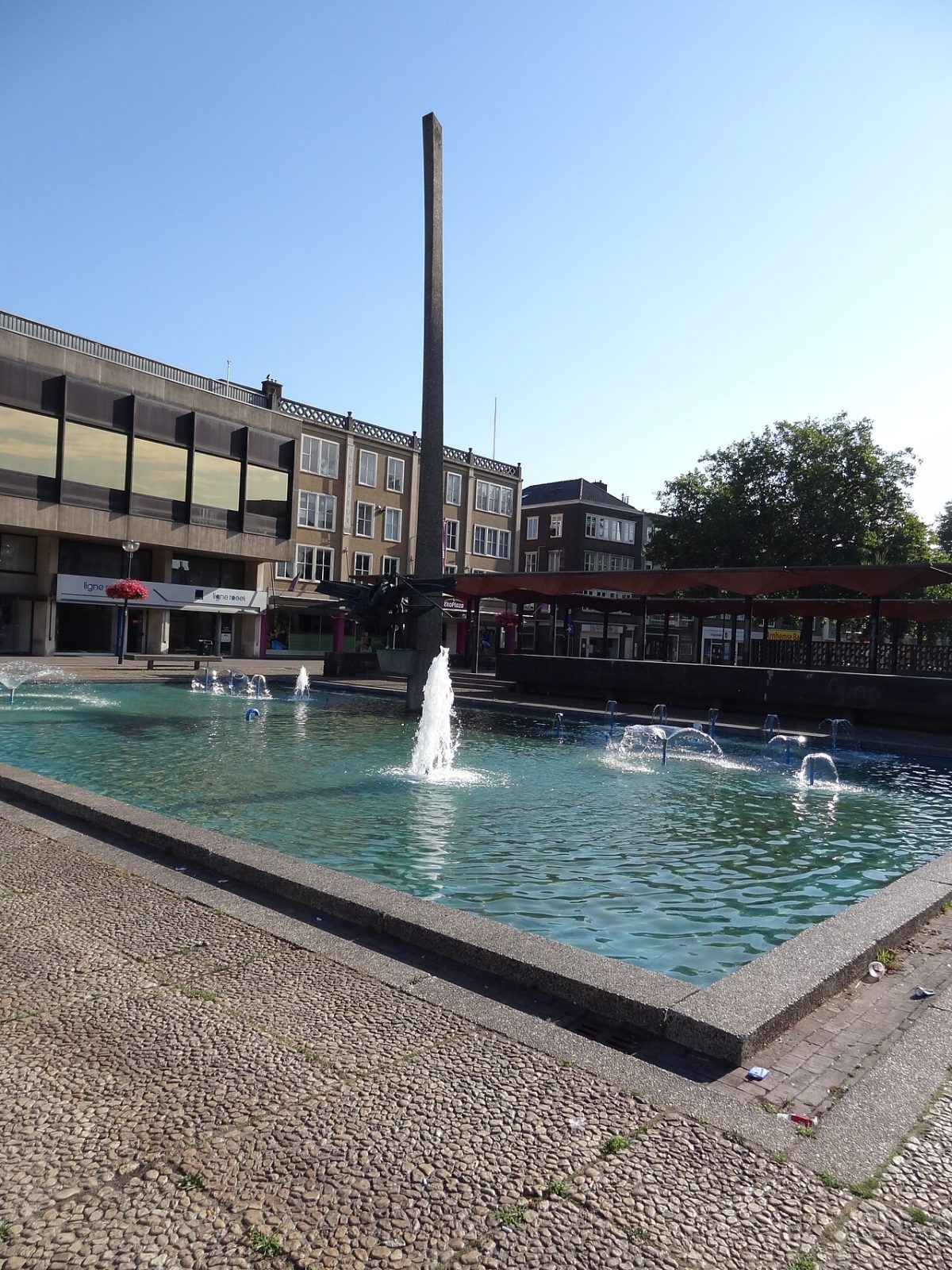
AKU Fountain
A fountain on Arnhem’s Velperplein, with Shinkichi Tajiri’s dragonfly-like sculpture hovering above the water and a pergola framing the setting.
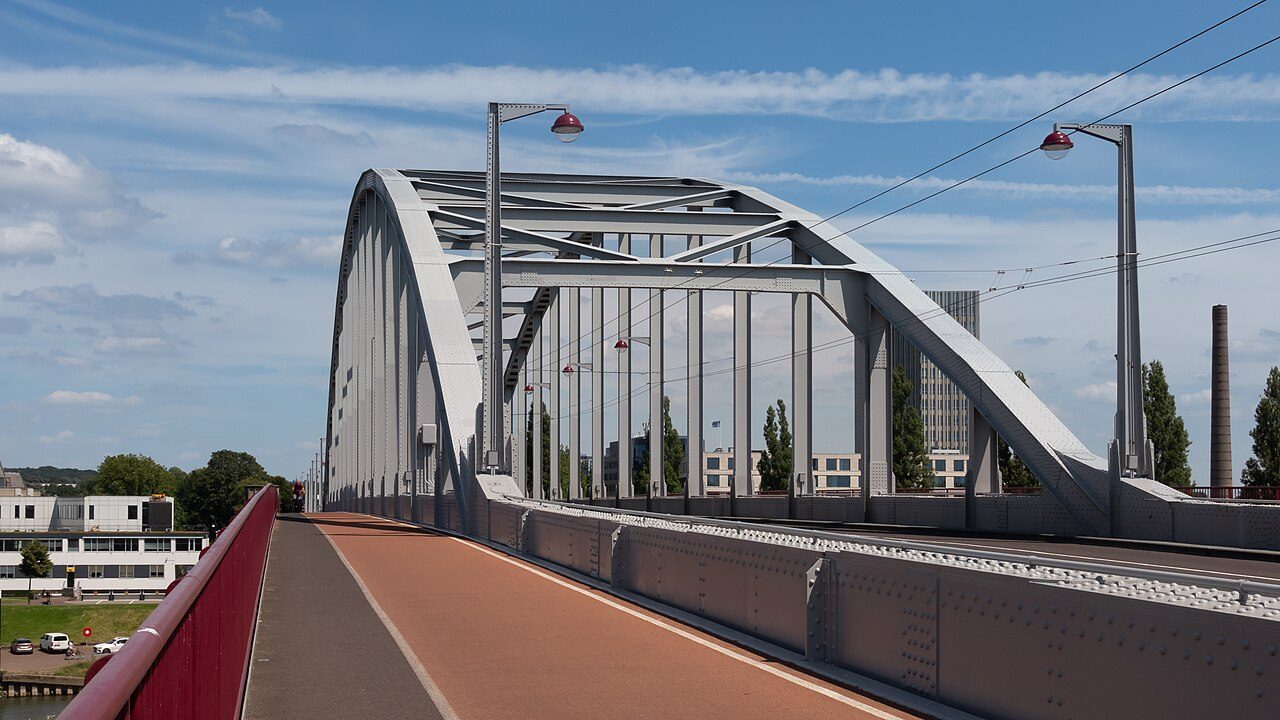
John Frost Bridge
A rebuilt steel-arch bridge over the Lower Rhine, with a pedestrian path and a memorial plaque where John Frost’s men held the northern end for roughly four days in 1944.
Tours and quests that pass here
These walks have a stop a few minutes from Koepelkerk. Free, on your phone, start any time.
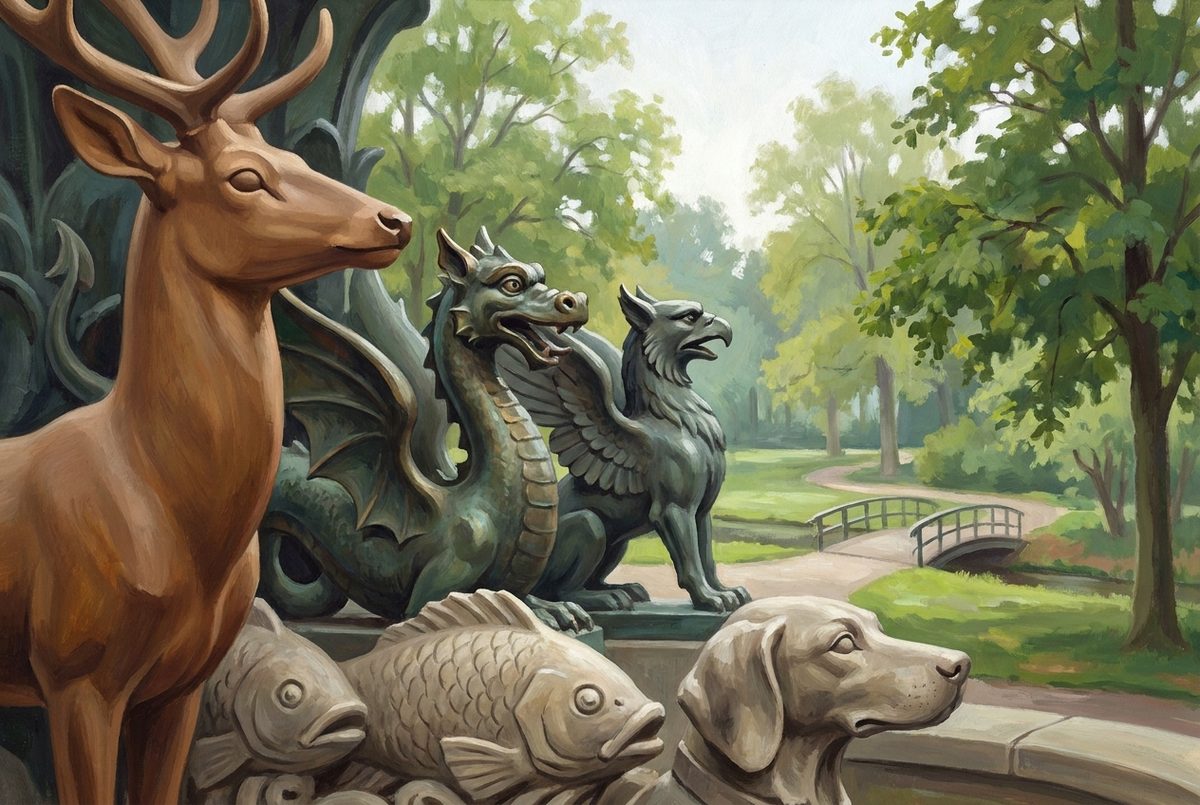 CITYQUEST
The Stone Creature Keeper
Your creature collection is scattered across Arnhem, waiting for you to spot real animals and monsters among the city’s statues and fountains. Hunt for them in the street, fill the keeper’s catalogue and work towards a final answer.
 CITYQUEST
Arnhem After the Battle
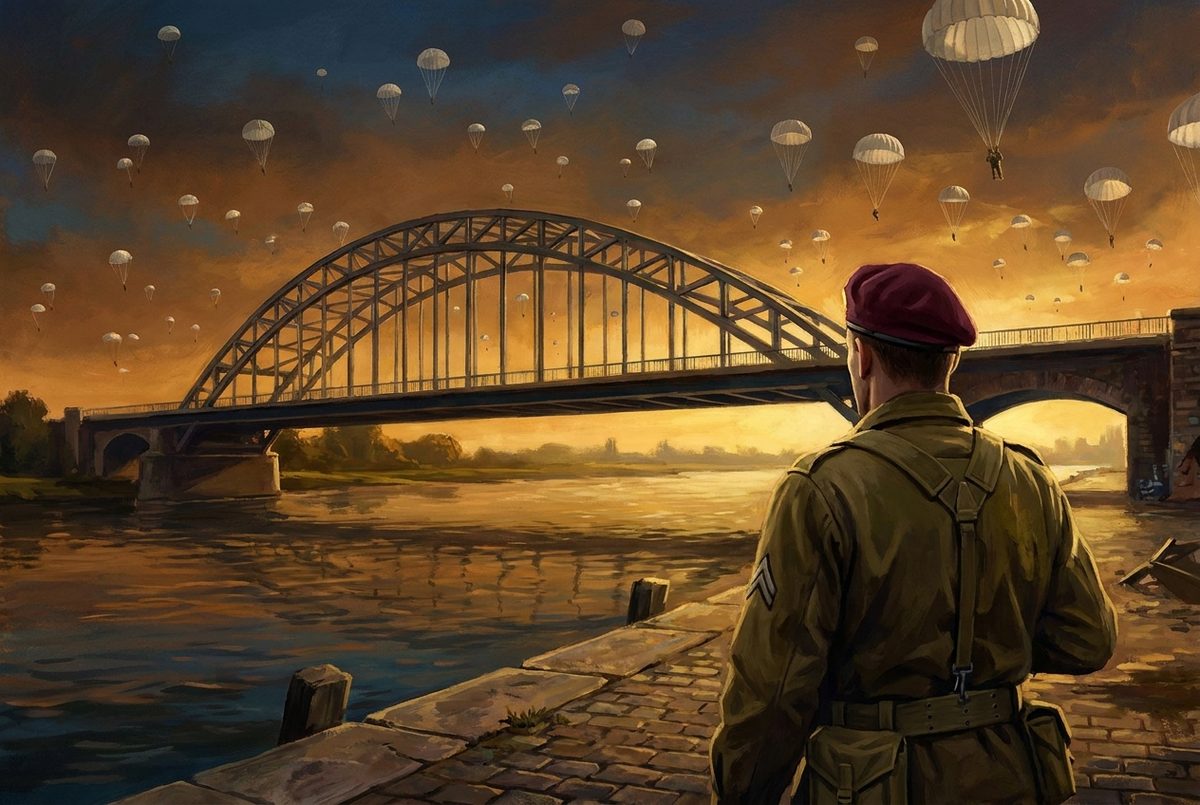
Hunt for traces of Arnhem’s wartime destruction in streets rebuilt after the battle. Real stone memorials and bronze figures hold the clues as you gather letters for a final answer.
 FREE AUDIO TOUR
Four Days at the Bridge
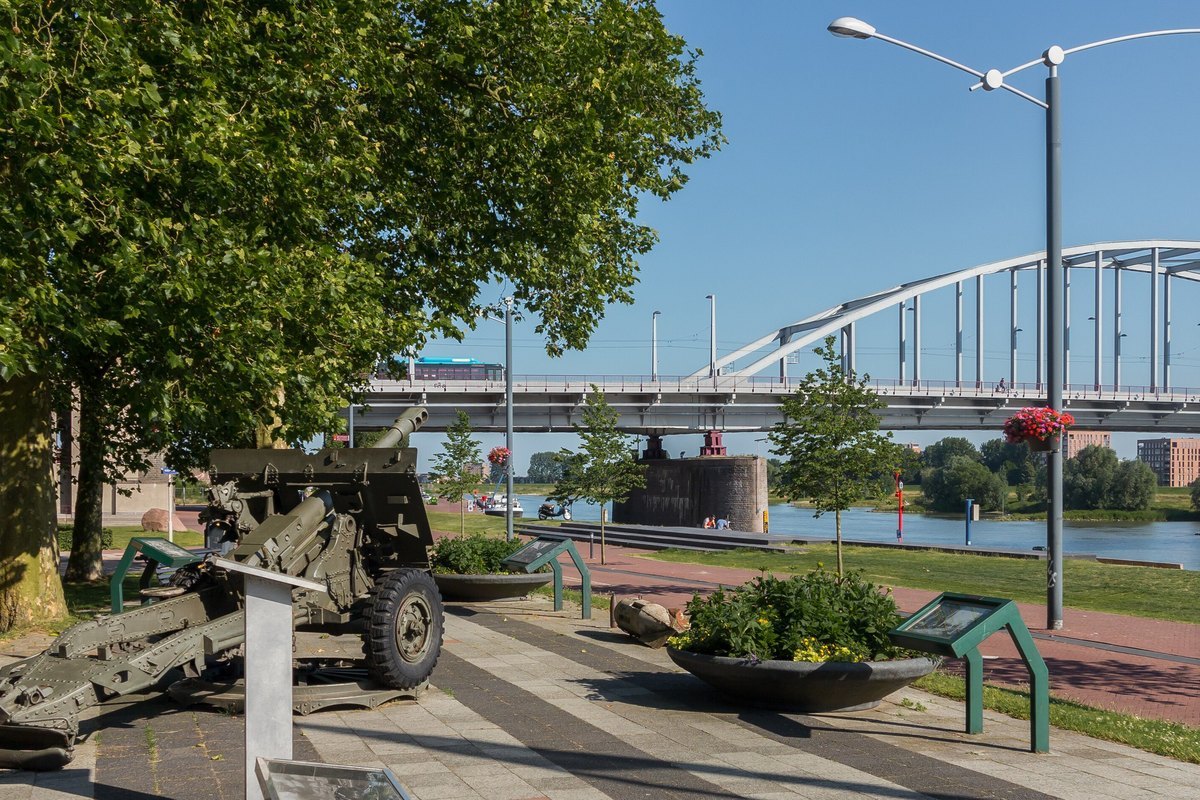
At Arnhem’s John Frost Bridge, British soldiers fought to hold a river crossing while families tried to escape through the same streets. You can stand beneath the approach where people sheltered from gunfire, then look towards the far bank the defenders could not capture.