
LANDMARK
Sabelspoort
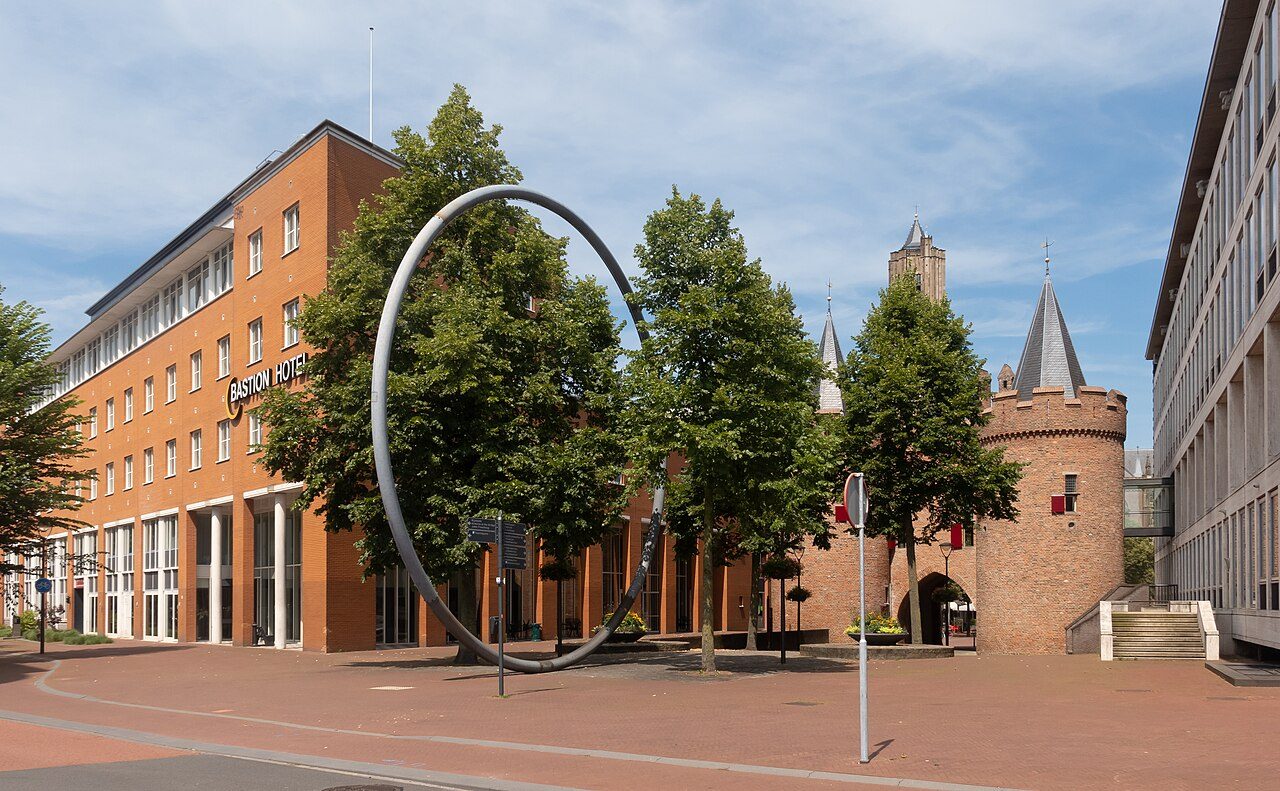
A medieval city gate in Arnhem with a Renaissance façade from 1642 and circles in the paving tracing its vanished defences.
A gate with missing defences
Sabelspoort is the only one of Arnhem’s four city gates still standing. Start on the Rhine side and look down: two circles in the paving trace the outlines of its vanished defences. The gate once belonged to a small fortress with an outer gate and a drawbridge. Those outer works were demolished in the early 1800s, leaving these marks to help you picture what has gone.
First mentioned in 1357, Sabelspoort is also called Eusebiuspoort. It stands beside Gelderland’s provincial government building, about a two-minute walk from St Eusebius’ Church. Give it more than a glance. The paving, the city-facing façade and the space around the building each explain a different part of its history.
Trade, fish and punishment
The fortress originally had a high surrounding wall with firing openings. Later, the gate held prisoners and people described at the time as insane. That use earned it the name “Geckenpoort”, roughly “Fools’ Gate”. Its role was not simply to control who entered Arnhem; it also helped the authorities control people already inside.
In 1691, Arnhem banned begging for Christmas bread. Anyone who broke that rule could be locked in the dungeon beneath this gate or put on display in a rotating cage. Standing outside, it is worth remembering that this familiar civic landmark was also a place of confinement and public humiliation.
Outside the gate, herring and other sea fish were sold and smoked. Neighbours complained about the smell, and in 1735 Arnhem’s council banned fish-smoking at the market. The river-facing approach was a working place, with food, trade and unwelcome smoke, rather than just a formal entrance.
Read the city-facing side
Walk round to the city side and look for “Anno 1642” on the cornice. That date records more than a restoration. In 1642, city architect Arien Verhoeff enlarged the entrance for trade, acting on the orders of burgomasters R. van Arnhem and A. Tulleken. The gate also received its Renaissance façade that year.
There is a quieter artistic story upstairs. In 1917, the young M. C. Escher visited artist Gert Stegeman’s first-floor studio here. Stegeman let Escher and his friend Bas Kist use his printing press and encouraged Escher to try etching. Think of that working studio above a gate better known for defence and imprisonment.
Why it stands apart
Houses eventually crowded around Sabelspoort. During the Second World War, especially the Battle of Arnhem, those buildings suffered such severe damage that they were demolished after liberation. The gate itself was badly damaged too. Its open setting today is therefore partly a consequence of the destruction associated with the nearby John Frost Bridge and the fighting around it.
Sabelspoort was rebuilt in 1952 and has since formed part of the neighbouring provincial government building. Step back far enough to take in that relationship, then return to the details: the trade entrance, the dated cornice and the circles underfoot. This is a surviving medieval gateway, but what you see also carries the marks of rebuilding and loss.
Things to know
- Walk from St Eusebius’ Church in about two minutes.
- Visit in daylight to read the cornice and paving marks.
- Look at both the city-facing and Rhine-facing sides.
- Allow time to find the two circles in the paving.
What people say
Related spots
More things to do in Arnhem ›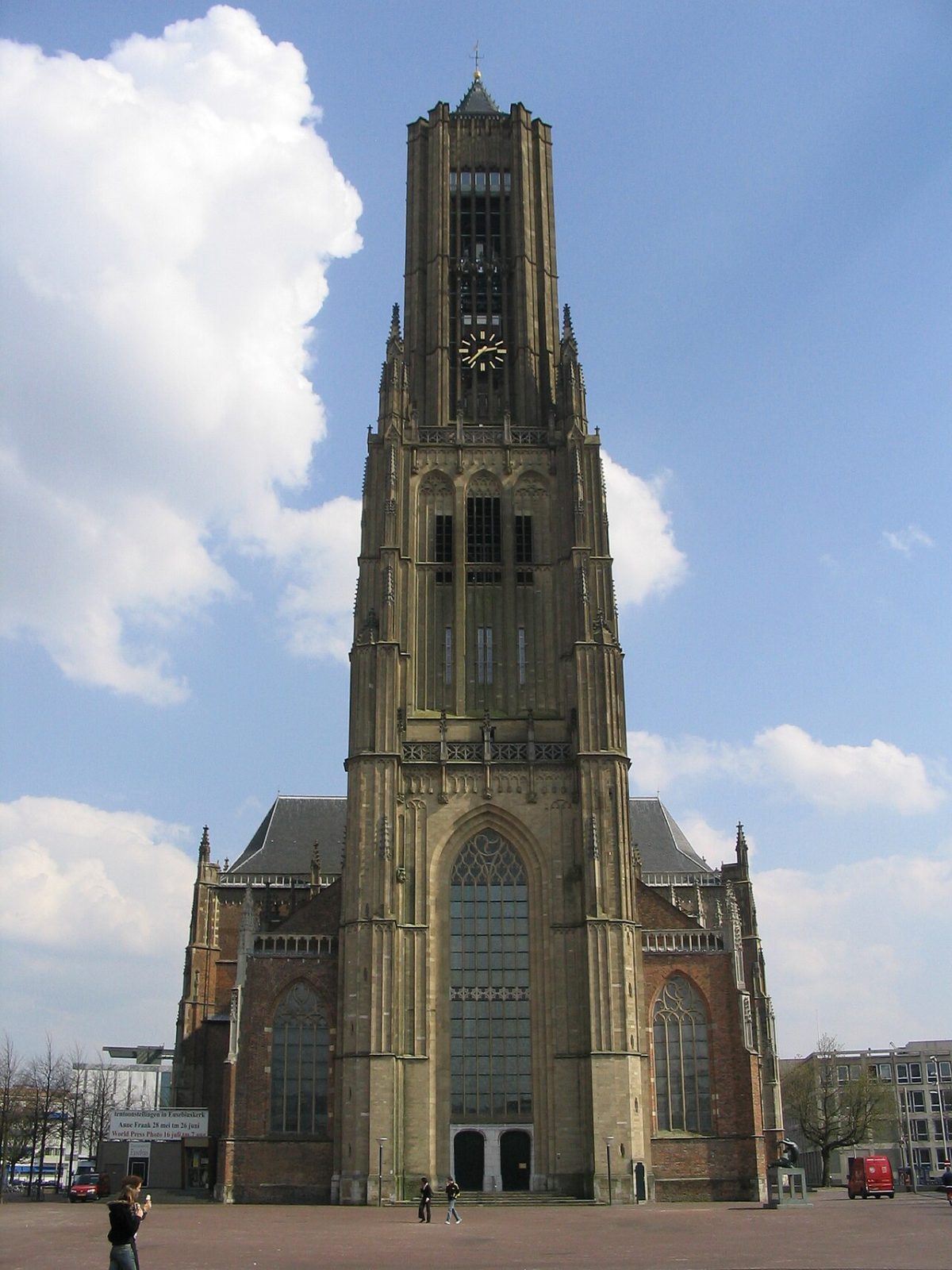
St Eusebius' Church
Arnhem’s largest church, rebuilt after the war, with ducal tombs, a dimly lit crypt and a tower lift to glass balconies overlooking the city and the Rhine.
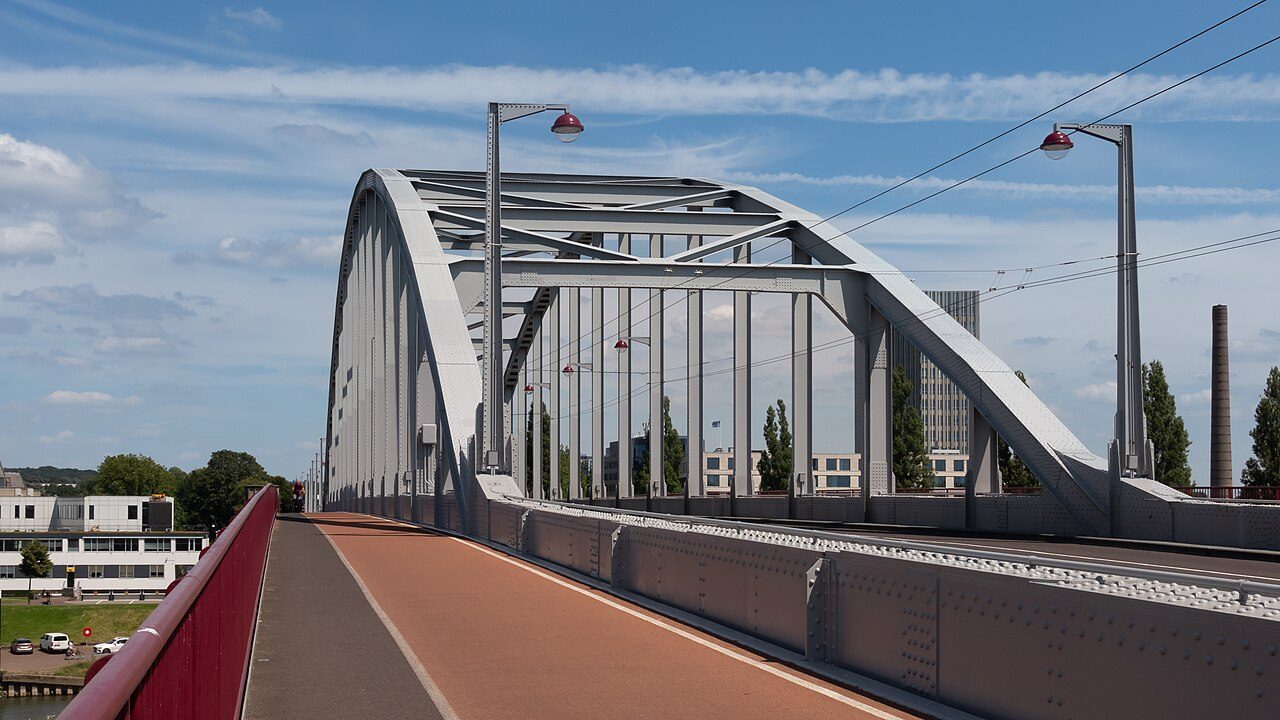
John Frost Bridge
A rebuilt steel-arch bridge over the Lower Rhine, with a pedestrian path and a memorial plaque where John Frost’s men held the northern end for roughly four days in 1944.
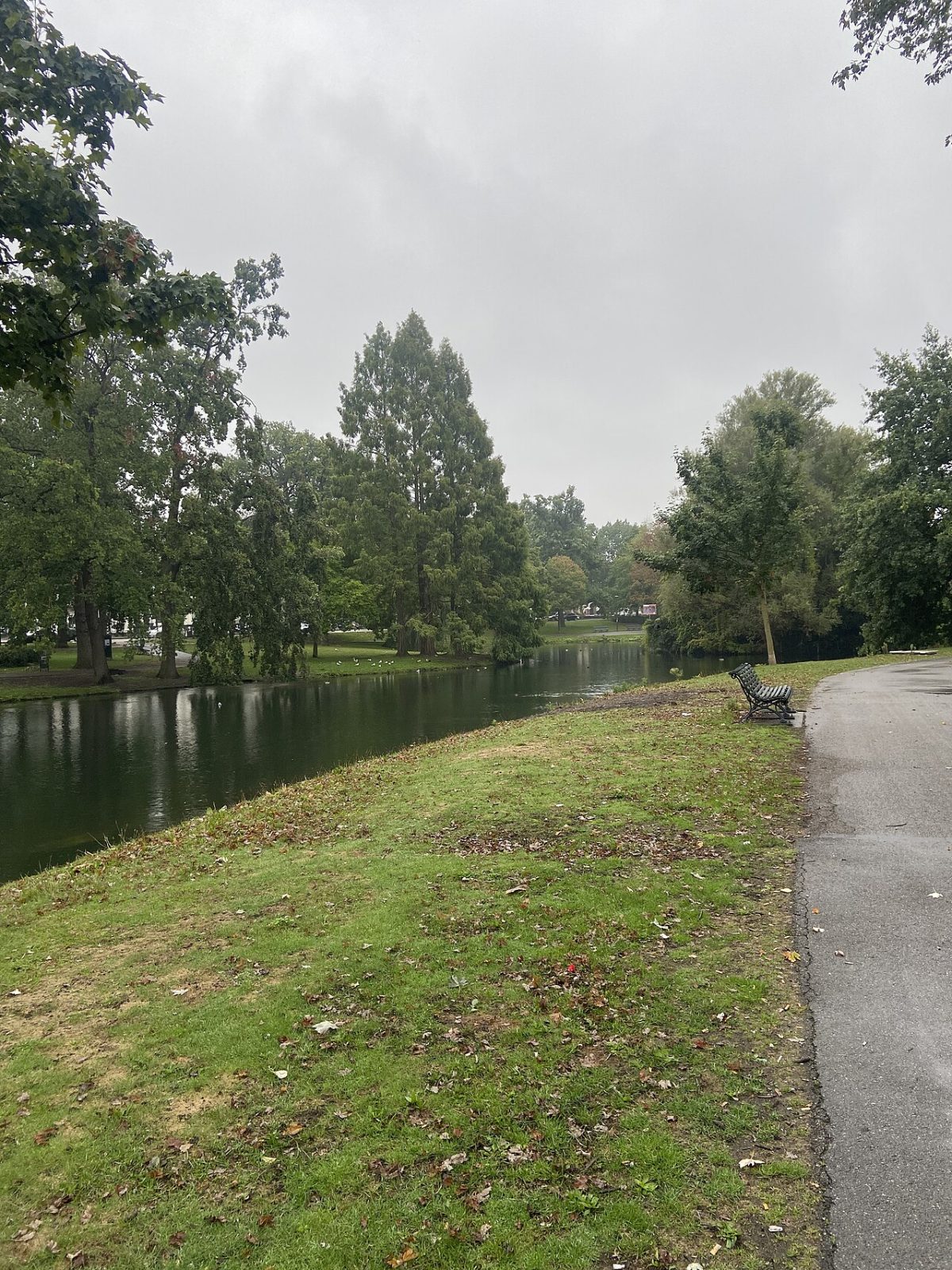
Musispark
A waterside park beside Arnhem’s Musis Sacrum, where a circuit takes in the Lauwersgracht, a bell in the water, a nineteenth-century poplar and a statue of Pluto with a two-headed Cerberus.
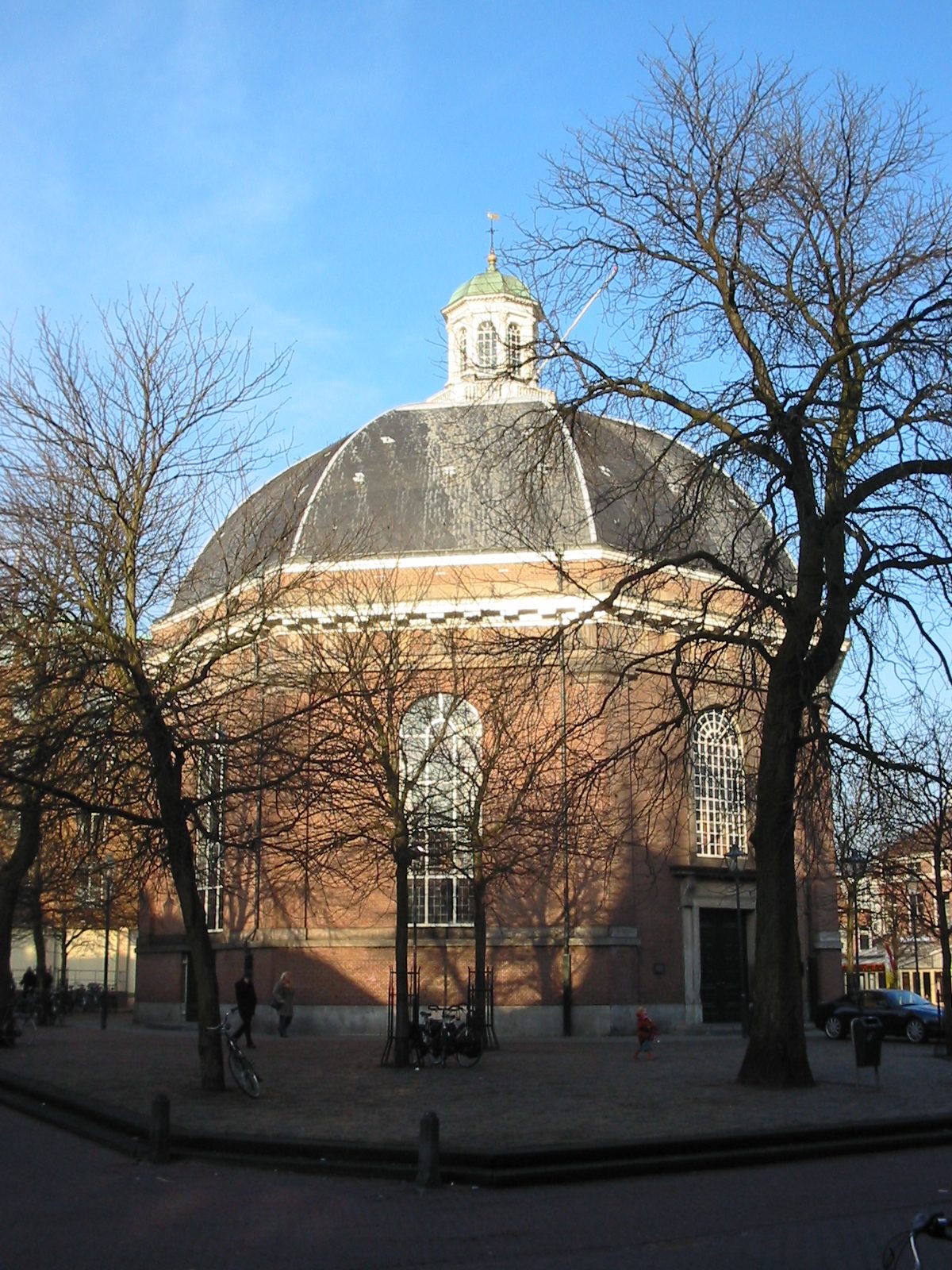
Koepelkerk
An eight-sided church on Arnhem’s Jansplein, with columns and galleries beneath its dome and an organ case adorned with King David and trumpet-playing angels.
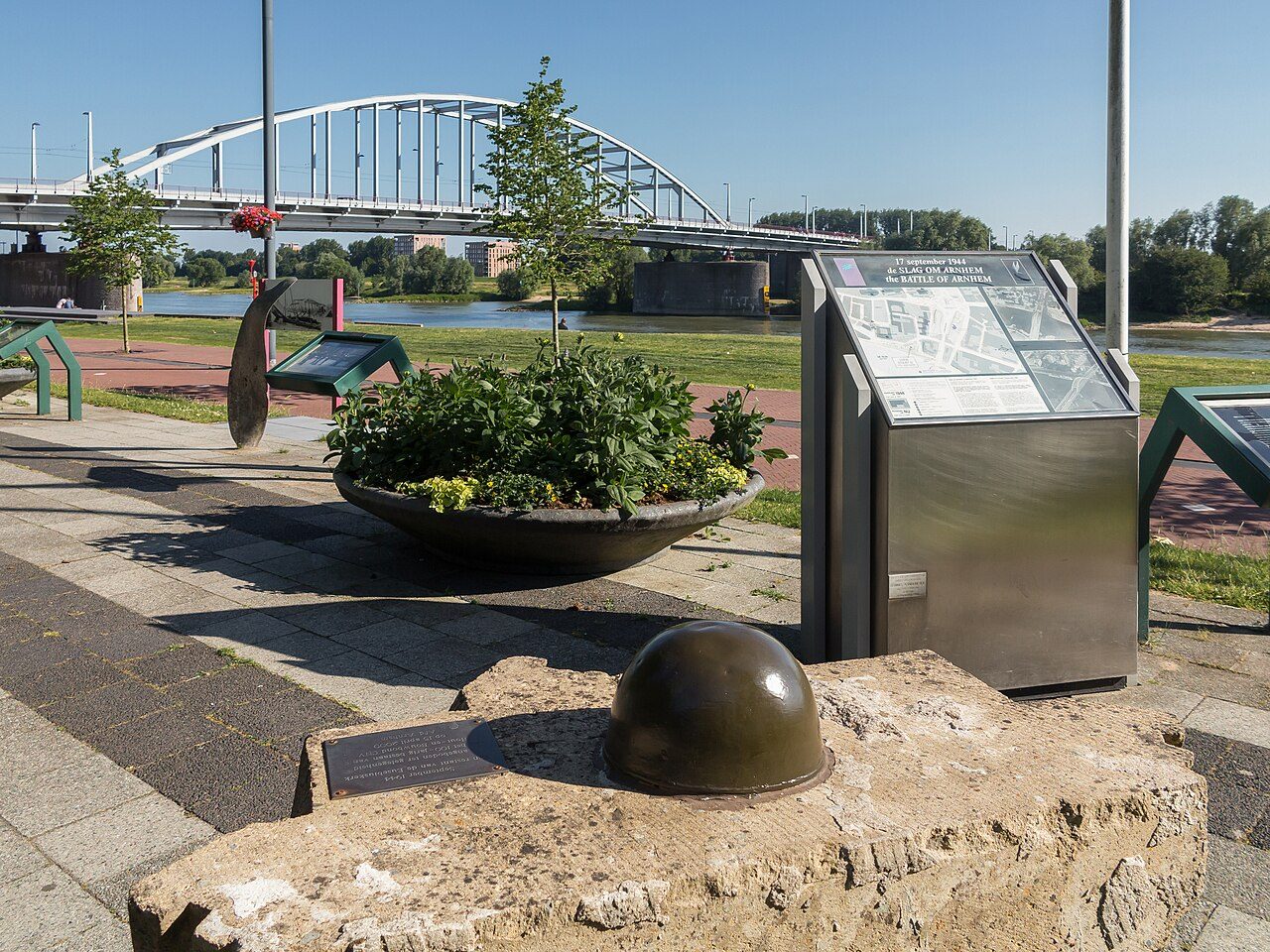
Airborne at the Bridge
A small museum overlooking Arnhem’s Rhine bridge, telling the story of the September 1944 fighting through three soldiers’ accounts, a 3D film and windows facing the crossing.
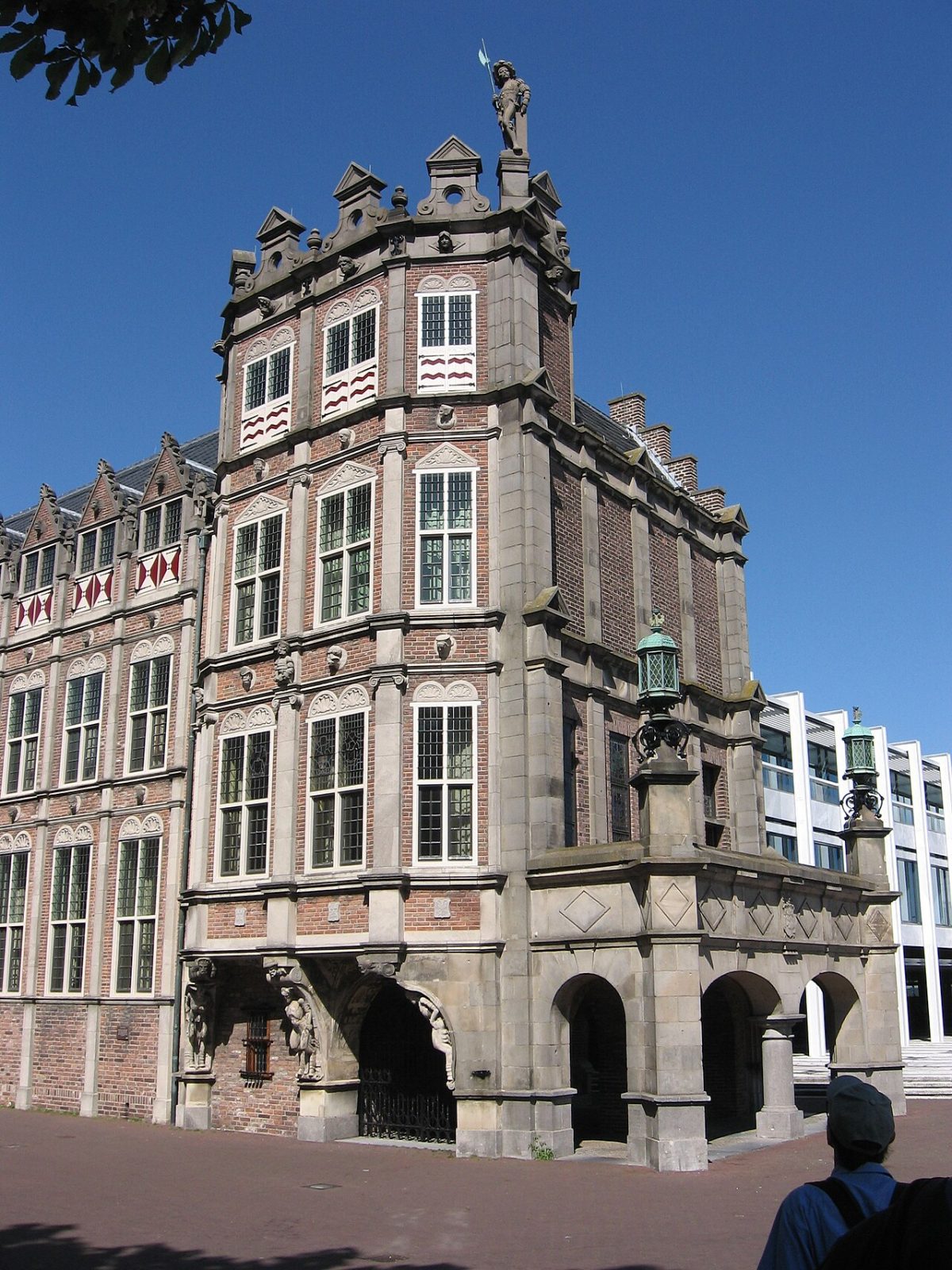
Duivelshuis
A sixteenth-century town castle on Koningstraat, with satyrs carved into its ornate façade and a row of rulers that includes its former owner, the commander Maarten van Rossum.
Tours and quests that pass here
These walks have a stop a few minutes from Sabelspoort. Free, on your phone, start any time.
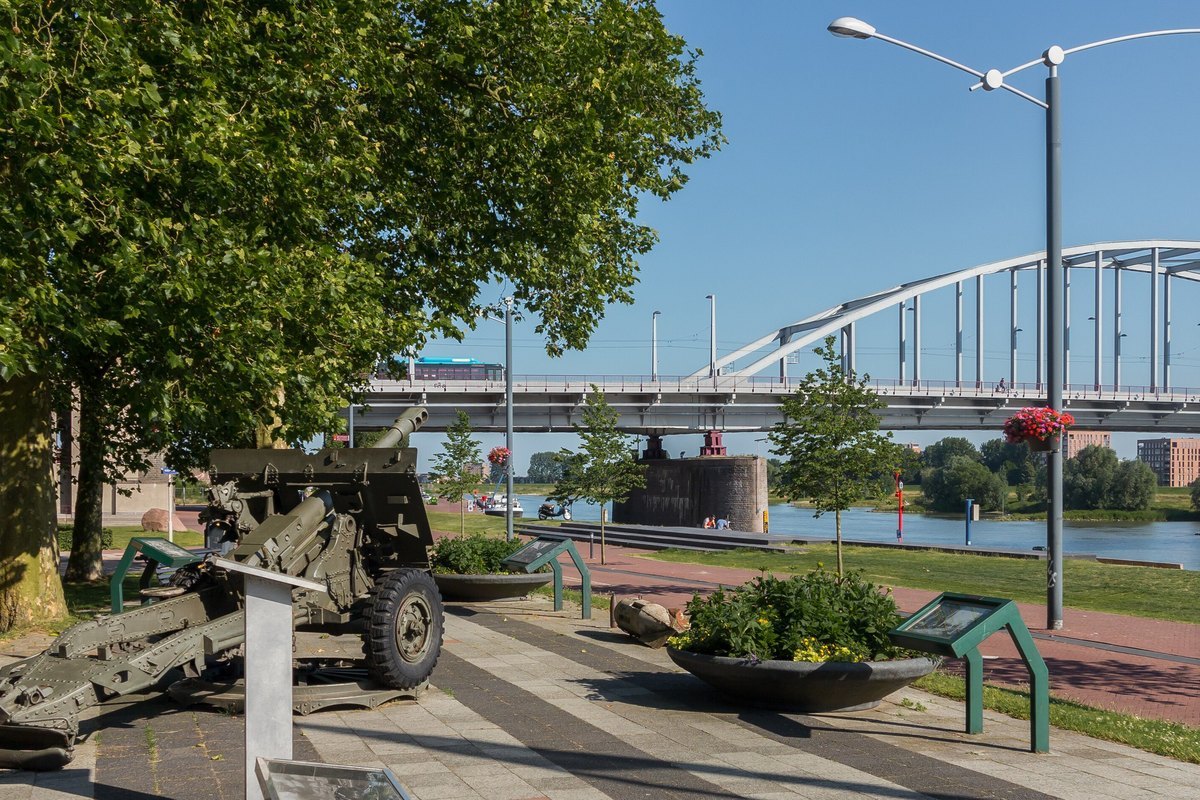 FREE AUDIO TOUR
Four Days at the Bridge
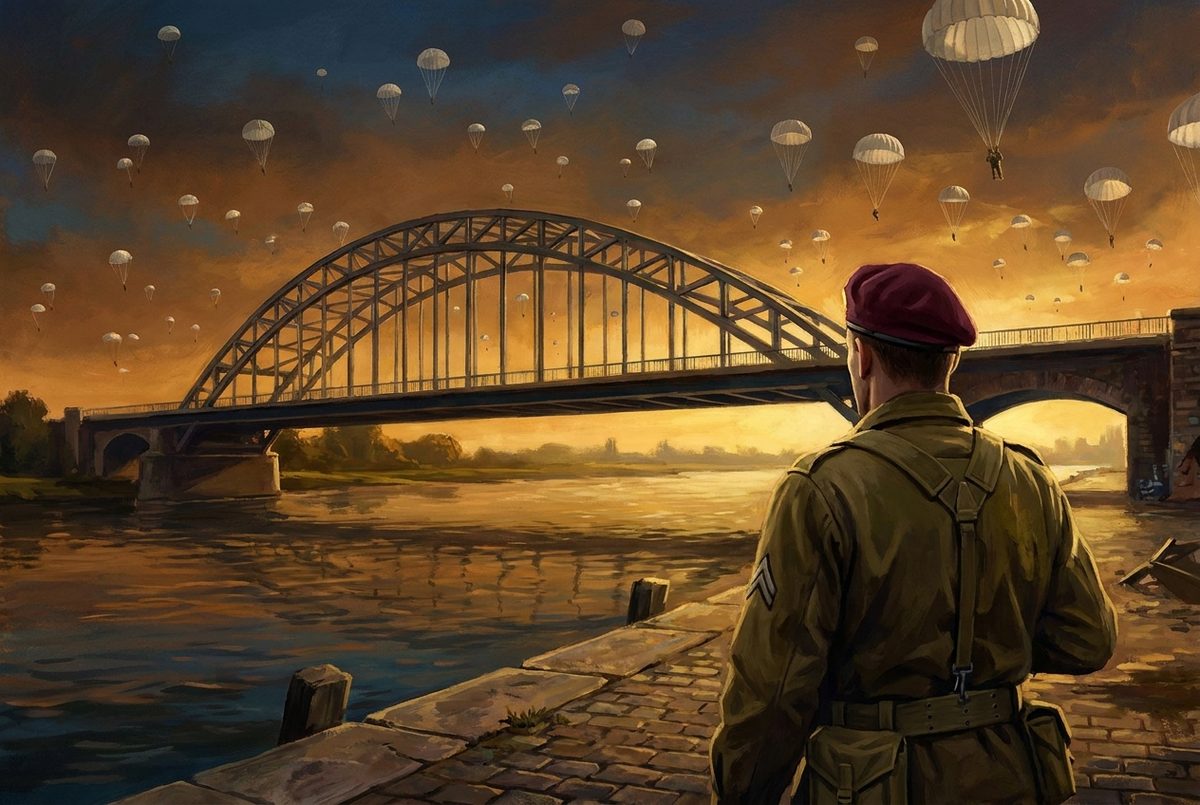
At Arnhem’s John Frost Bridge, British soldiers fought to hold a river crossing while families tried to escape through the same streets. You can stand beneath the approach where people sheltered from gunfire, then look towards the far bank the defenders could not capture.
 CITYQUEST
Arnhem After the Battle
Hunt for traces of Arnhem’s wartime destruction in streets rebuilt after the battle. Real stone memorials and bronze figures hold the clues as you gather letters for a final answer.
 CITYQUEST
The Stone Creature Keeper
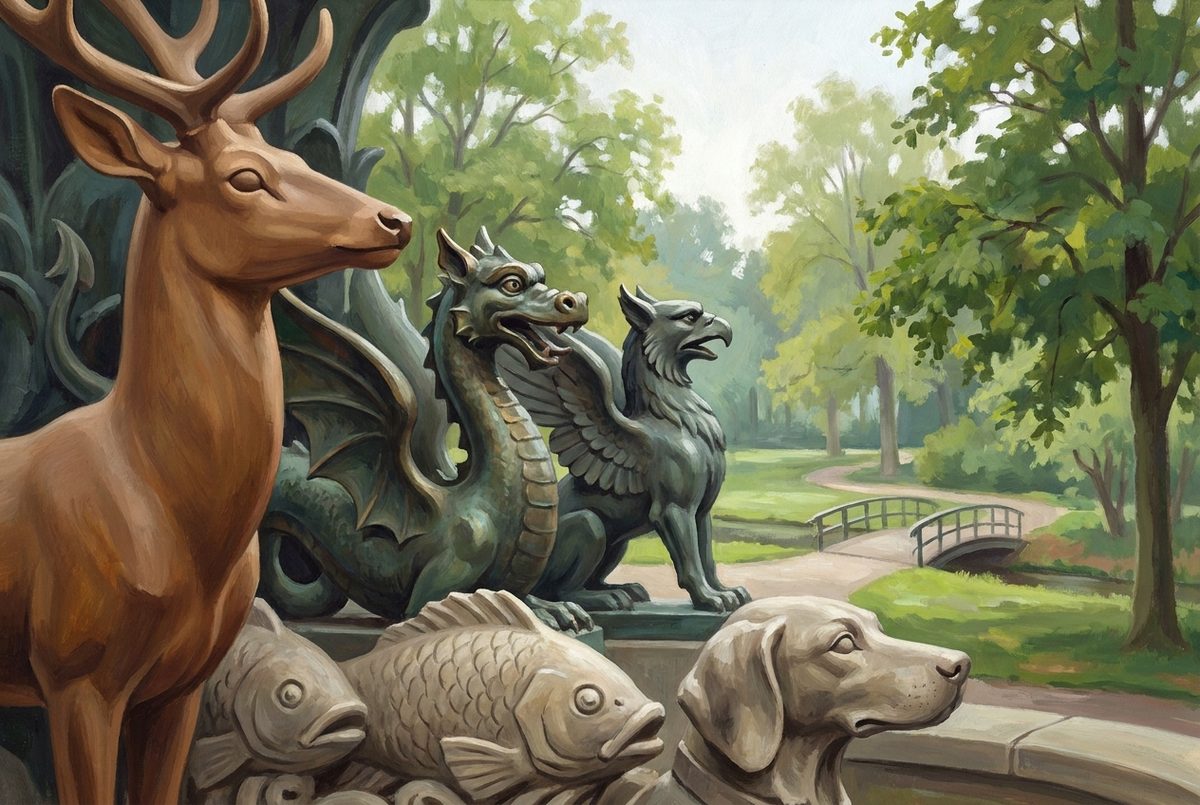
Your creature collection is scattered across Arnhem, waiting for you to spot real animals and monsters among the city’s statues and fountains. Hunt for them in the street, fill the keeper’s catalogue and work towards a final answer.