
LANDMARK
Airborne at the Bridge
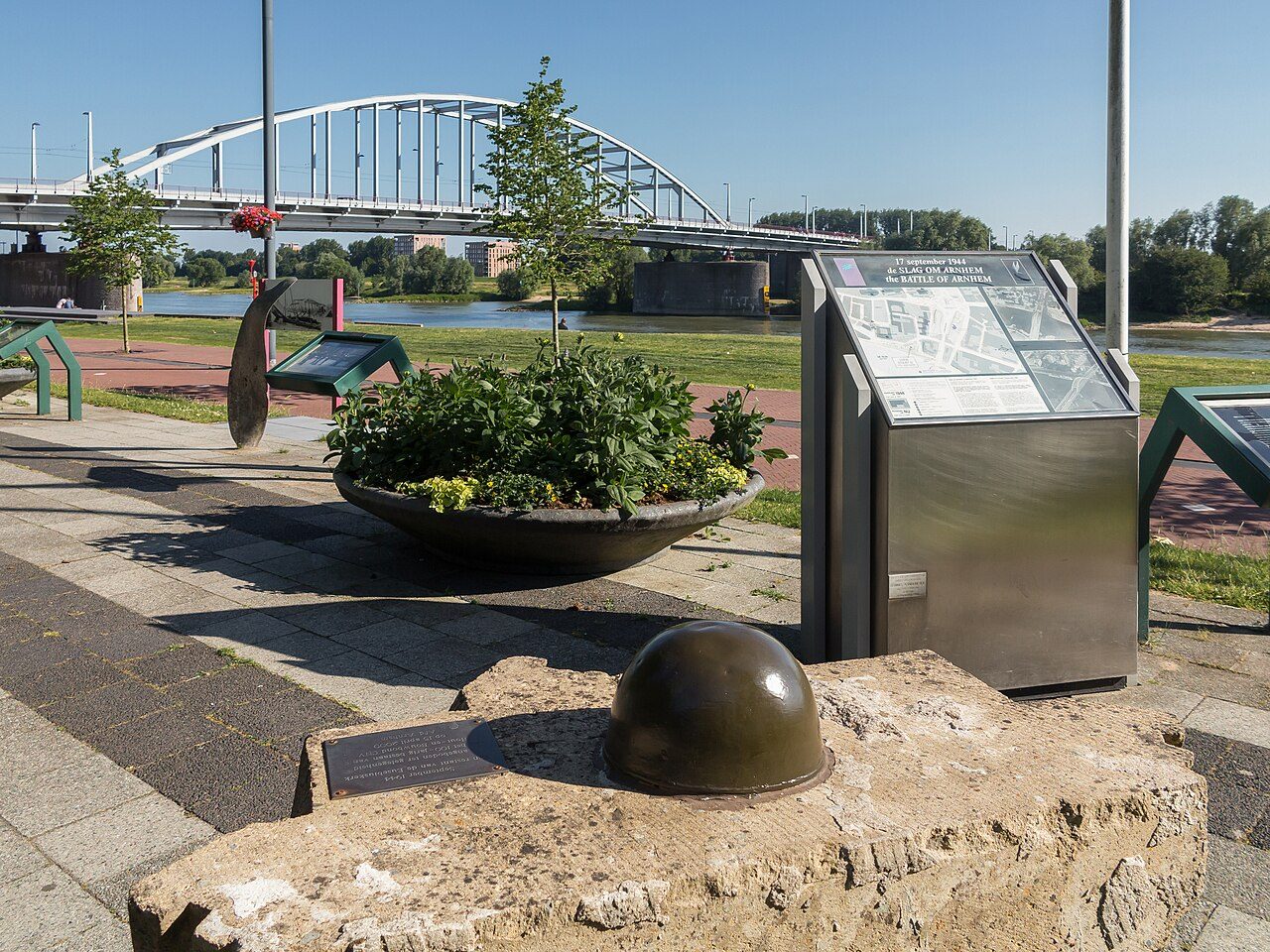
A small museum overlooking Arnhem’s Rhine bridge, telling the story of the September 1944 fighting through three soldiers’ accounts, a 3D film and windows facing the crossing.
The bridge beyond the glass
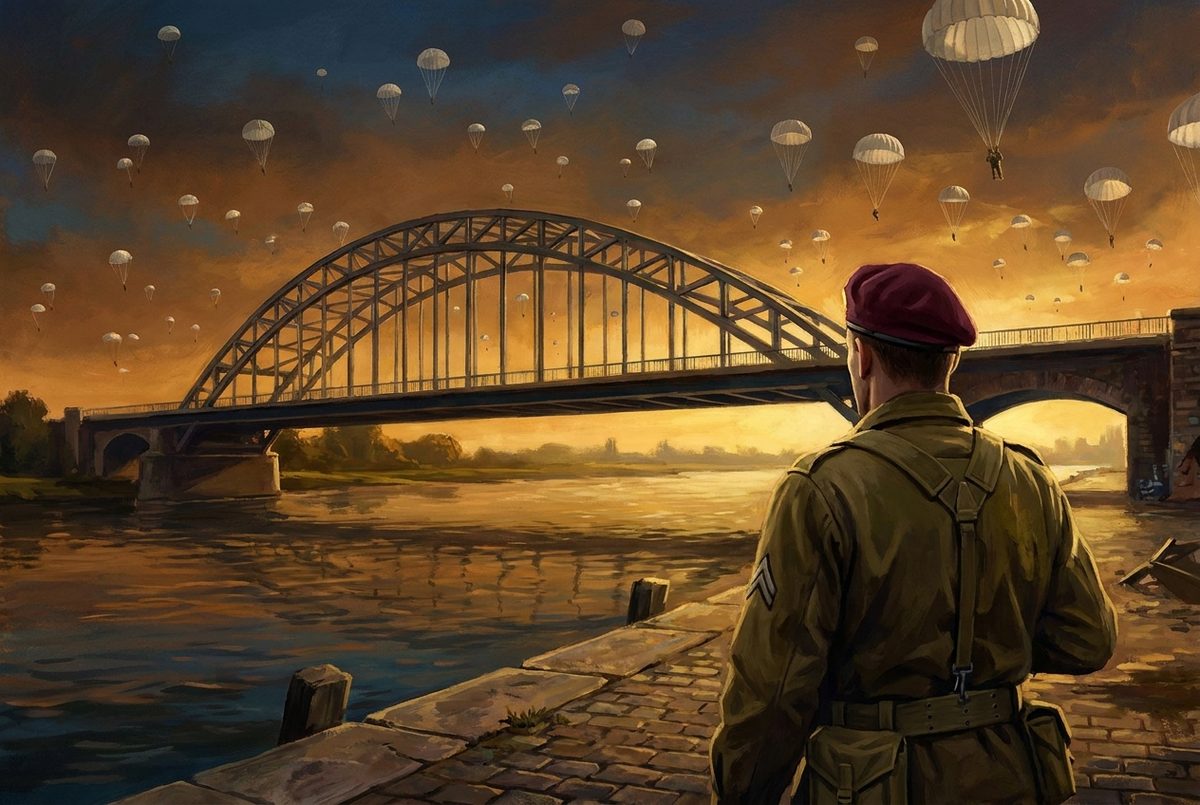
Airborne at the Bridge is a small museum with a direct view of the place its story concerns. In September 1944, John Frost’s battalion captured the northern approach to Arnhem’s Rhine bridge. They held it for days, waiting for reinforcements that never arrived. Here, you can look towards that crossing while learning what happened to the people fighting around it.
The museum is about a minute’s walk from Sabelspoort, Arnhem’s surviving city gate. Inside, make the bridge-facing windows part of your visit rather than treating them as a backdrop. The John Frost Bridge outside gives the accounts a fixed point in the landscape. This is not simply a display about a distant battlefield. The crossing at the centre of the fighting is right in front of you.
Two soldiers at the same crossing
The museum approaches the battle through three soldiers’ stories. Two of them show how differently men came into the same fight.
German SS officer Viktor Gräbner was at a celebratory lunch when he learned of the Allied landings in September 1944. He left the lunch. The following day, he was killed trying to cross the Rhine bridge with a column of vehicles. That abrupt change, from celebration to a fatal crossing, is worth remembering as you look towards the bridge.
British lieutenant John Grayburn’s story is told beneath the bridge-facing windows. Wounded during the fighting in 1944, he continued to fight and twice put explosives out of action before he was fatally wounded. Give these individual accounts time. They turn the military language of holding an approach or crossing a bridge into decisions made by particular people.
A name in the garden
The garden beside the museum is named for Jacob Groenewoud. In 1944, wounded men at the bridge needed help. Groenewoud tried to get through German lines to reach a doctor’s telephone so that he could arrange assistance. He was killed in the attempt.
Knowing that story changes what the garden’s name means. It remembers someone trying to establish contact and obtain care during the battle, rather than someone attempting to take the bridge. Keep Groenewoud in mind alongside the soldiers presented inside. His story brings the wounded, and the difficulty of helping them, into the same small stretch of Arnhem.
When the veterans returned
At the museum’s opening in 2017, Arthur Letchford returned to the bridge’s story in a different role: as a visitor. He had fought here with Frost’s battalion. That morning, he and two fellow veterans had travelled to the Netherlands by boat. Together, the three watched the museum’s 3D film.
It is a useful scene to hold in mind while you visit. The battle presented here was still within the living memory of men sitting in the museum at its opening. Before leaving, take another look through the windows. The bridge view connects their testimony, the soldiers’ accounts and Groenewoud’s attempt to help the wounded to the ground where it happened.
Things to know
- The museum is about a minute on foot from Sabelspoort.
- Allow time for the soldiers’ accounts as well as the bridge view.
- Look through the bridge-facing windows while reading the stories.
- Include the garden beside the museum, named for Jacob Groenewoud.
- Opening hours and prices can change. Check the official website before you go. Official website
What people say
Related spots
More things to do in Arnhem ›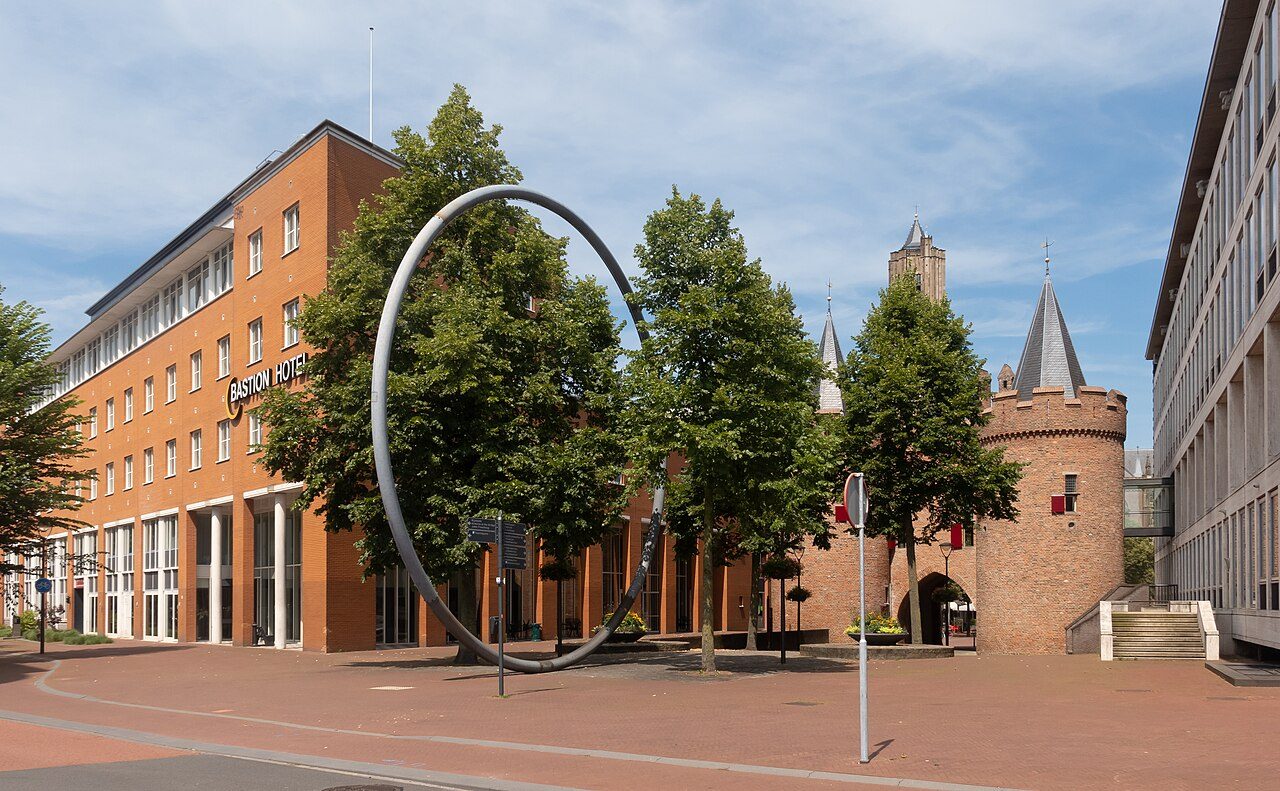
Sabelspoort
A medieval city gate in Arnhem with a Renaissance façade from 1642 and circles in the paving tracing its vanished defences.
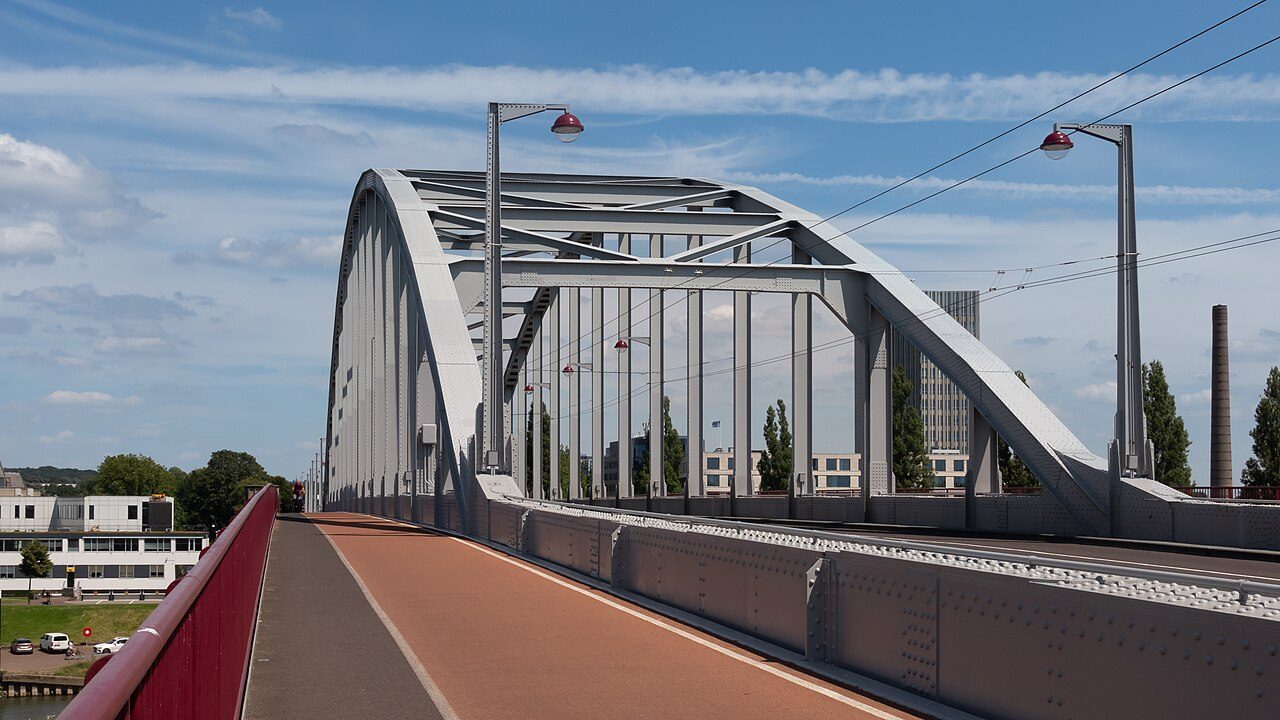
John Frost Bridge
A rebuilt steel-arch bridge over the Lower Rhine, with a pedestrian path and a memorial plaque where John Frost’s men held the northern end for roughly four days in 1944.
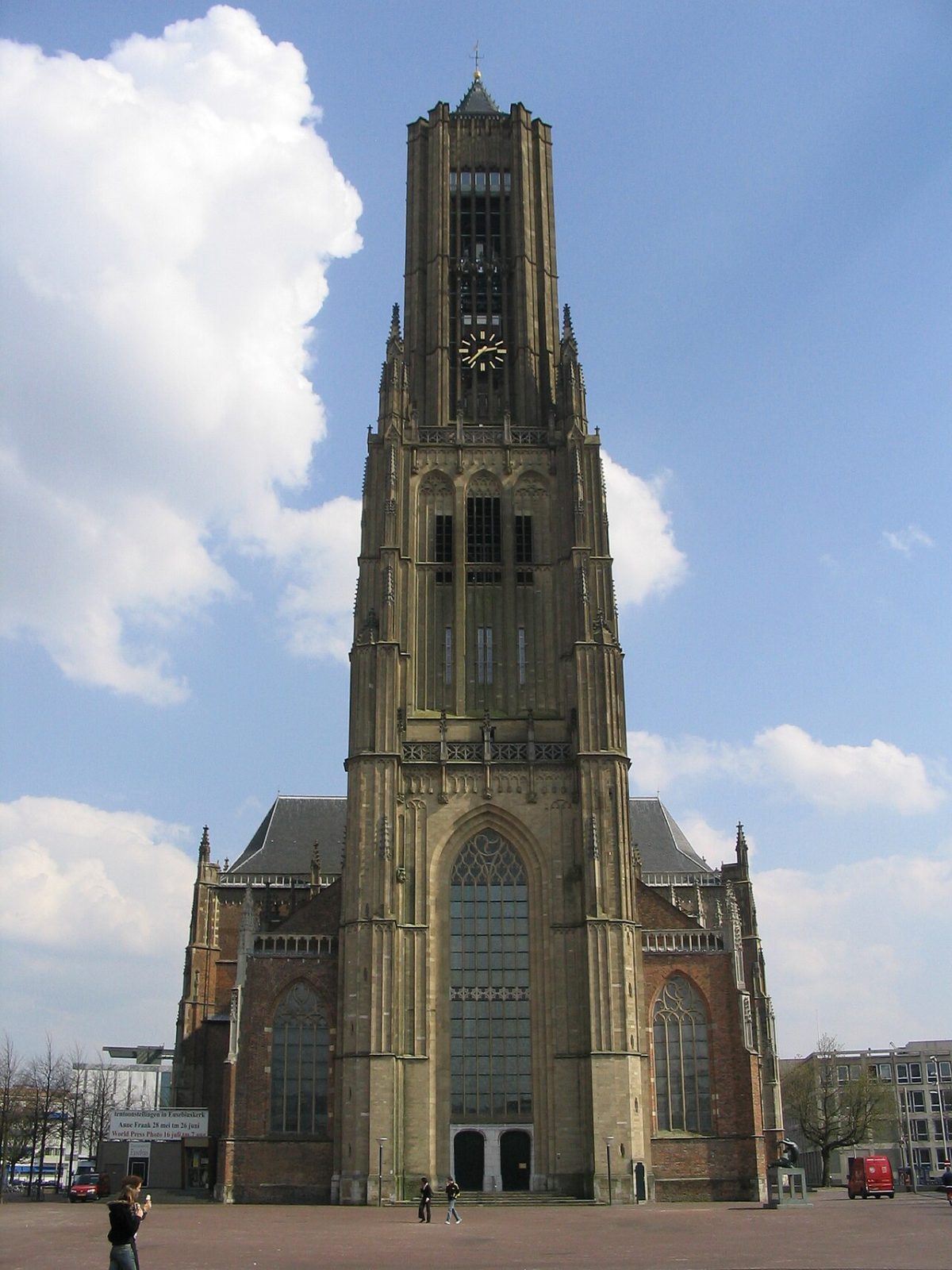
St Eusebius' Church
Arnhem’s largest church, rebuilt after the war, with ducal tombs, a dimly lit crypt and a tower lift to glass balconies overlooking the city and the Rhine.
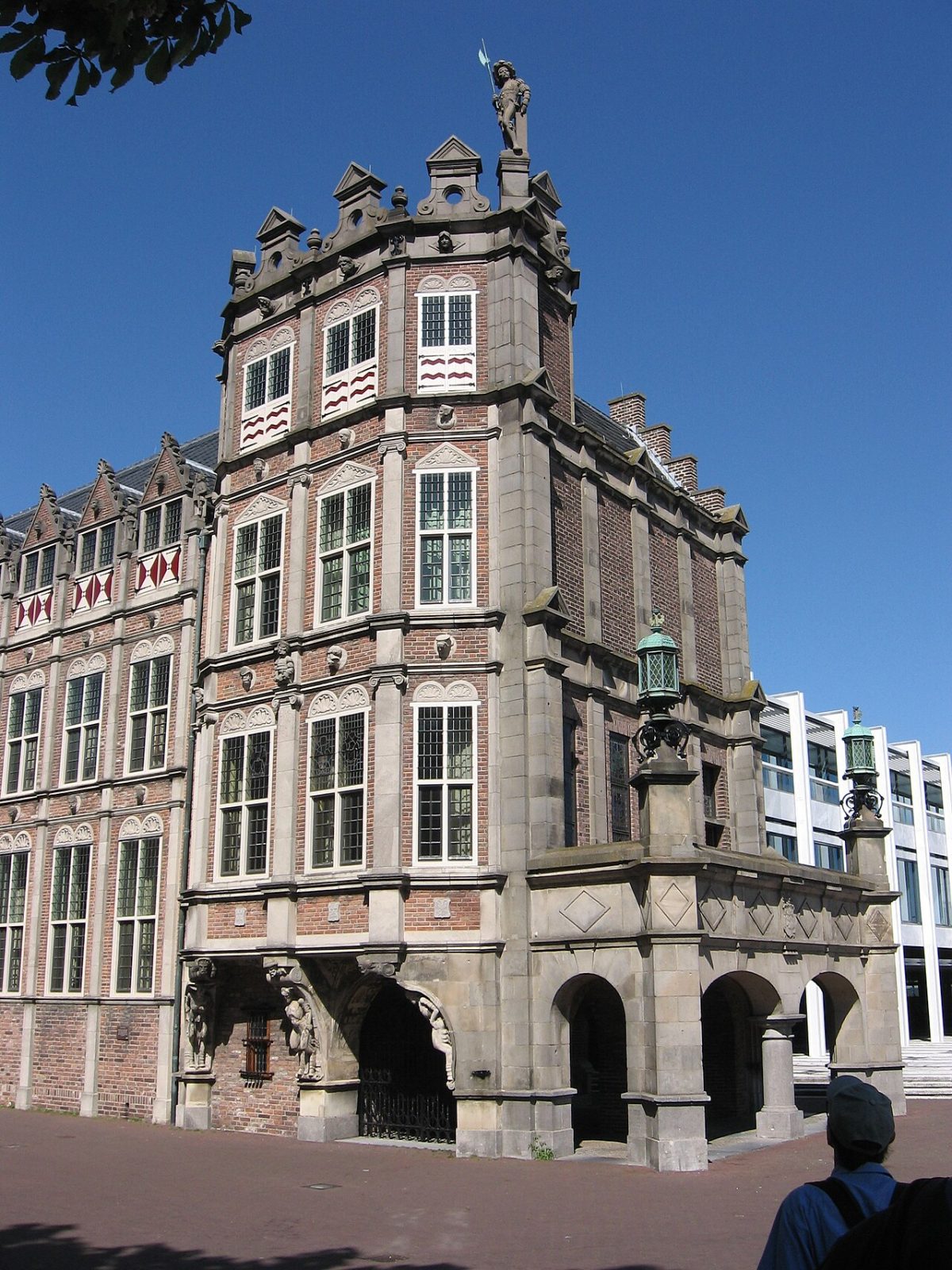
Duivelshuis
A sixteenth-century town castle on Koningstraat, with satyrs carved into its ornate façade and a row of rulers that includes its former owner, the commander Maarten van Rossum.
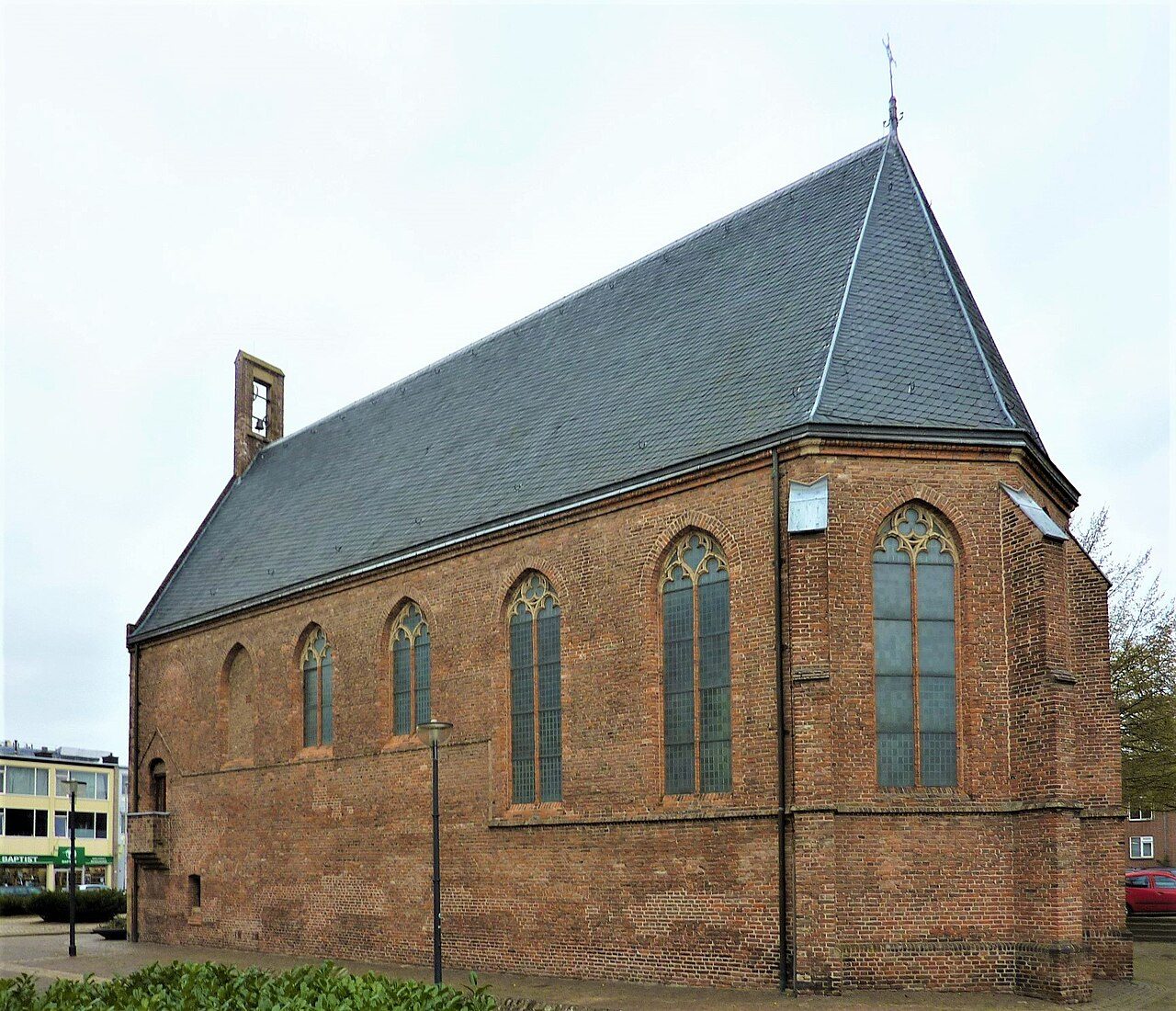
Agnietenkapel
A former convent chapel near Arnhem’s centre, with a 1777 König organ brought from Nijmegen and a rescued weathercock now kept inside.
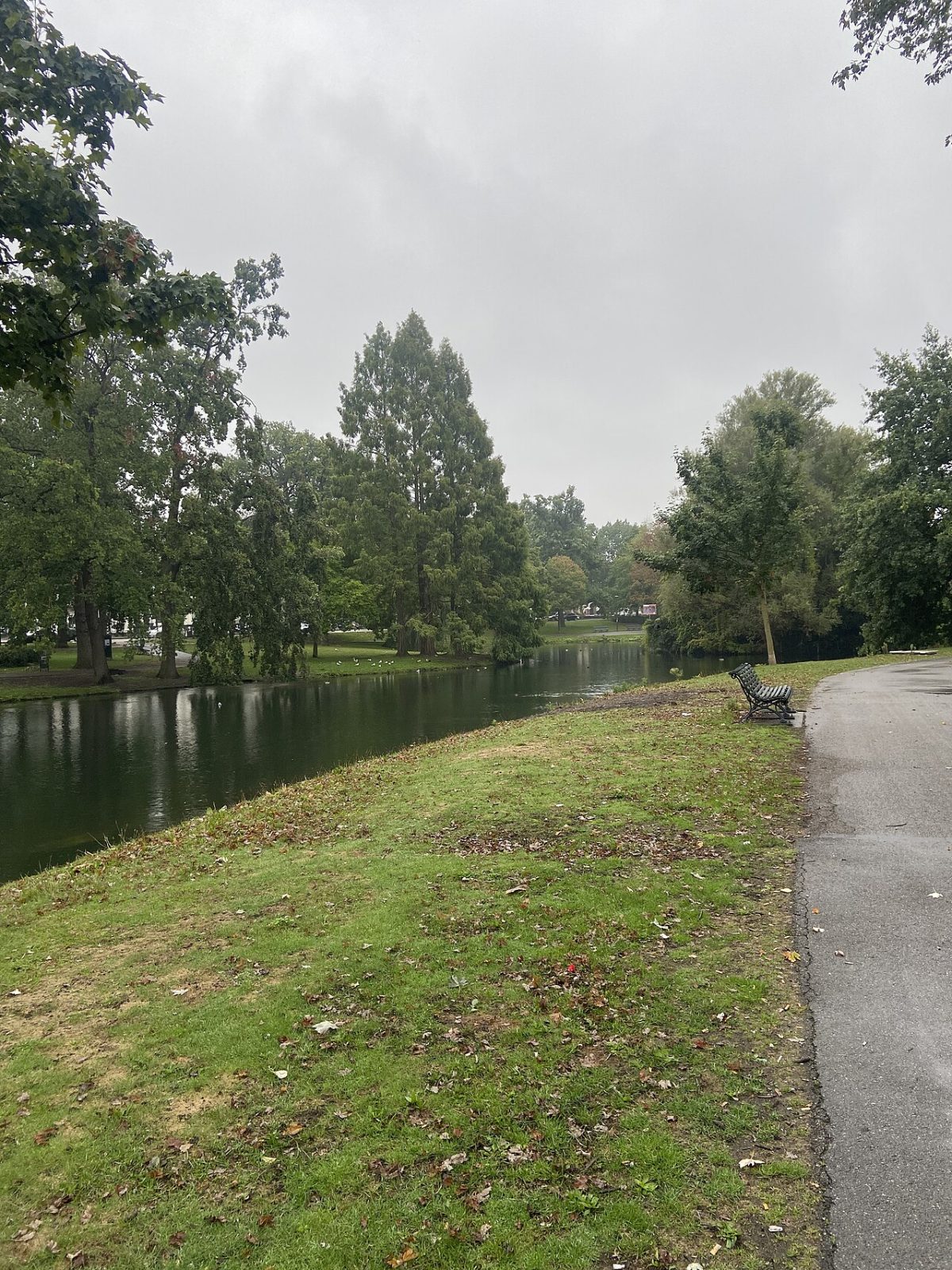
Musispark
A waterside park beside Arnhem’s Musis Sacrum, where a circuit takes in the Lauwersgracht, a bell in the water, a nineteenth-century poplar and a statue of Pluto with a two-headed Cerberus.
Tours and quests that pass here
These walks have a stop a few minutes from Airborne at the Bridge. Free, on your phone, start any time.
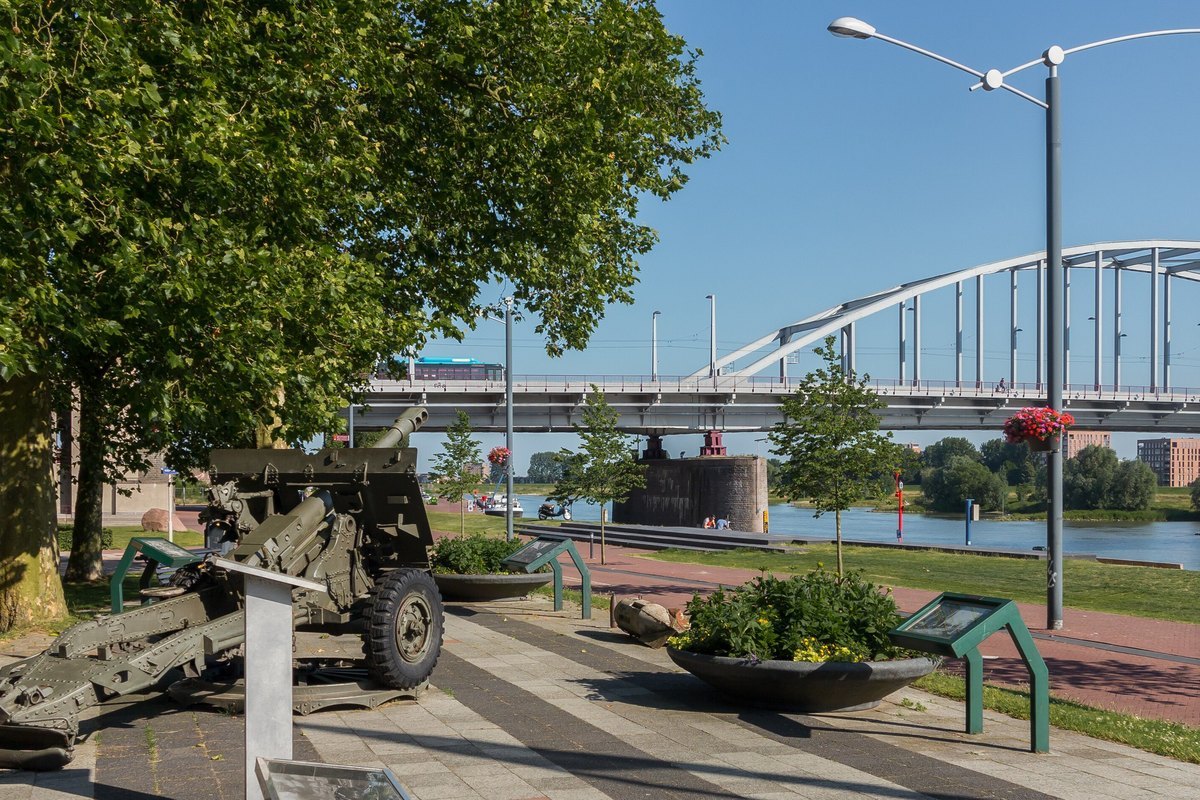 FREE AUDIO TOUR
Four Days at the Bridge
At Arnhem’s John Frost Bridge, British soldiers fought to hold a river crossing while families tried to escape through the same streets. You can stand beneath the approach where people sheltered from gunfire, then look towards the far bank the defenders could not capture.
 CITYQUEST
Arnhem After the Battle
Hunt for traces of Arnhem’s wartime destruction in streets rebuilt after the battle. Real stone memorials and bronze figures hold the clues as you gather letters for a final answer.