
HIDDEN GEM
Luthers Hofje
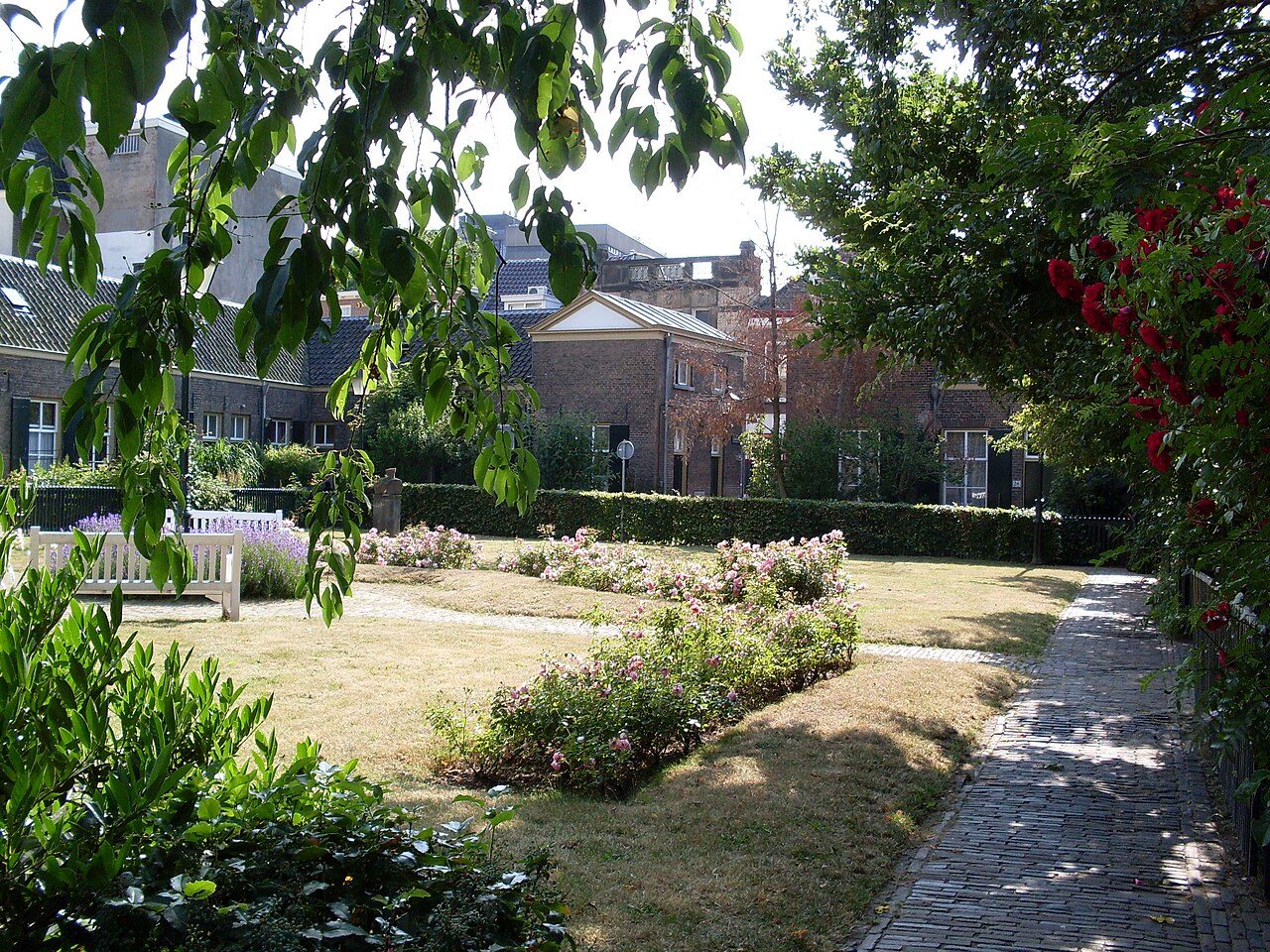
A small courtyard of former almshouses in Klarendal, built around 1860 for older people, with modest homes and an entrance plaque recalling its Lutheran history.
A courtyard with a long memory
On 20 June 2010, Luthers Hofje celebrated its 150th birthday with old music, storytelling and unexpected visits from former residents. Pastor Klaas Touwen unveiled a history plaque at the entrance. It marked a connection across a century and a half: Pastor Schröder had laid the first stone in 1860. Start with that plaque. This small courtyard has a history told not just through buildings, but through people returning to somewhere they once called home.
You are in Klarendal, just north of the Arnhem–Leeuwarden railway, rather than among the central shopping streets. From the horseman on Jansplein, it is about six minutes on foot; from the AKU Fountain on Velperplein, about eight. The walk brings you to a modest group of former almshouses, built to provide housing for older people.
Built by members of the congregation
The Evangelical Lutheran Church established the hofje around 1860, the date recorded on its foundation stone. The land had belonged to the civic orphanage. Money became available when church property near the Rijnpoort was compulsorily purchased. That transaction helped turn property elsewhere in Arnhem into homes here.
The designers were not simply names brought in from outside. Traanboer was a blacksmith and Beijer a carpenter, and both belonged to the Lutheran congregation. They designed the houses in consultation with city architect Hendrik Jan Heuvelink. Knowing their trades gives these small homes a more personal history: members of the congregation helped shape the housing their church was providing.
There were originally 22 dwellings. Over time, that number was reduced to 13 addresses. As you look around, keep that earlier, more densely occupied courtyard in mind rather than assuming every present address represents an original home.
A pump, a porter and washing on the grass
When the congregation built the courtyard in 1860, a porter lived on site. Part of his role was to keep an eye on cleanliness. There was also a shared water pump and a patch of grass used for bleaching laundry.
Those details help you picture the hofje as a working domestic space. Water had to be fetched, washing needed somewhere to go, and cleanliness was supervised. The open space between the houses was part of everyday household life, not just a pleasant view from the windows.
Look towards the back
By 1890, other buildings had grown up around the courtyard. That year, outdoor privies were added at the back. They can still be seen there, a tangible reminder of arrangements that have disappeared from most homes.
If you can look towards them without intruding, give these small structures a moment of attention. Alongside the entrance plaque and the houses, they tell an unusually complete story: who provided the homes, who lived under shared rules, and how the practical business of daily life fitted into this small courtyard.
Things to know
- Head into Klarendal, just north of the railway.
- Allow about eight minutes on foot from Velperplein.
- Visit in daylight to read the entrance plaque.
- Keep voices low and respect residents’ windows and doorways.
- Look towards the old privies only without intruding.
- Opening hours and prices can change. Check the official website before you go. Official website
What people say
Related spots
More things to do in Arnhem ›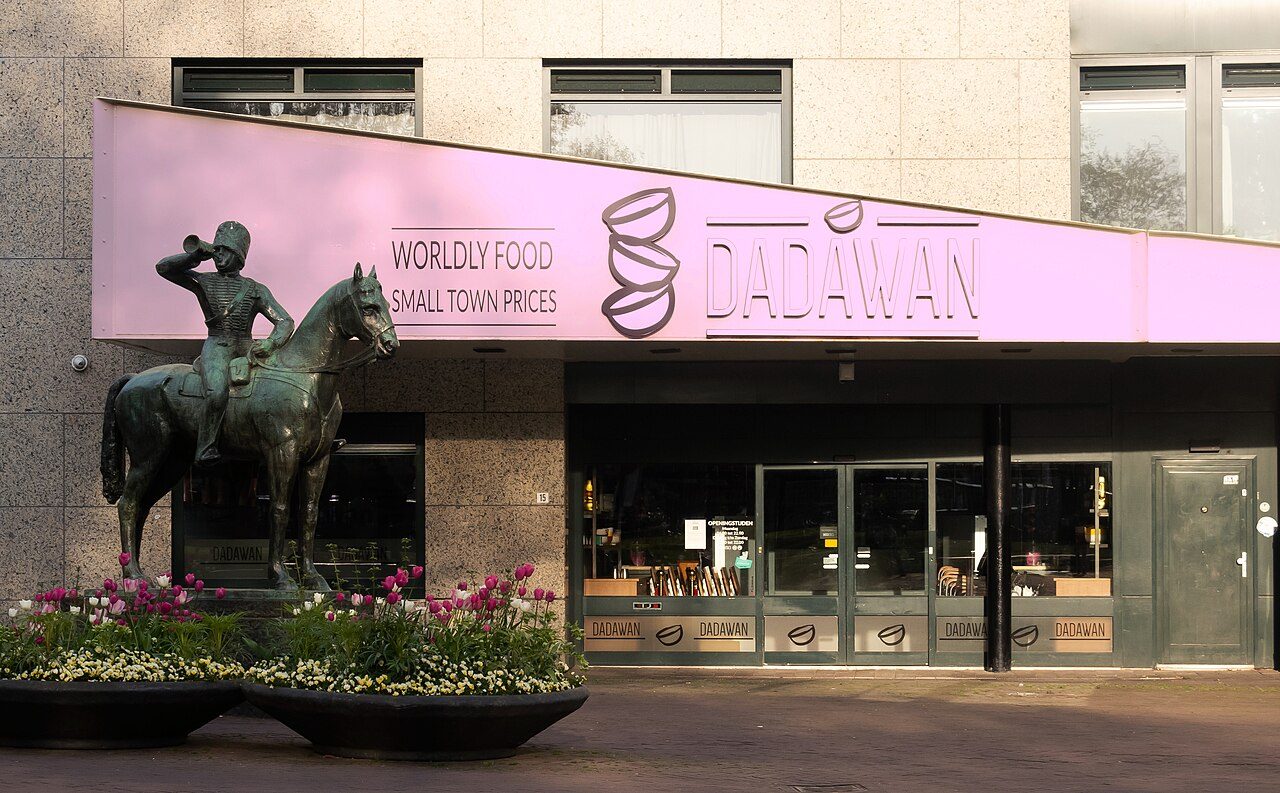
De Gele Rijder
A bronze horseman by Gijs Jacobs van den Hof on Arnhem’s Gele Rijdersplein, where the Yellow Riders’ barracks once stood, with horse and rider to view from every angle.
AKU Fountain
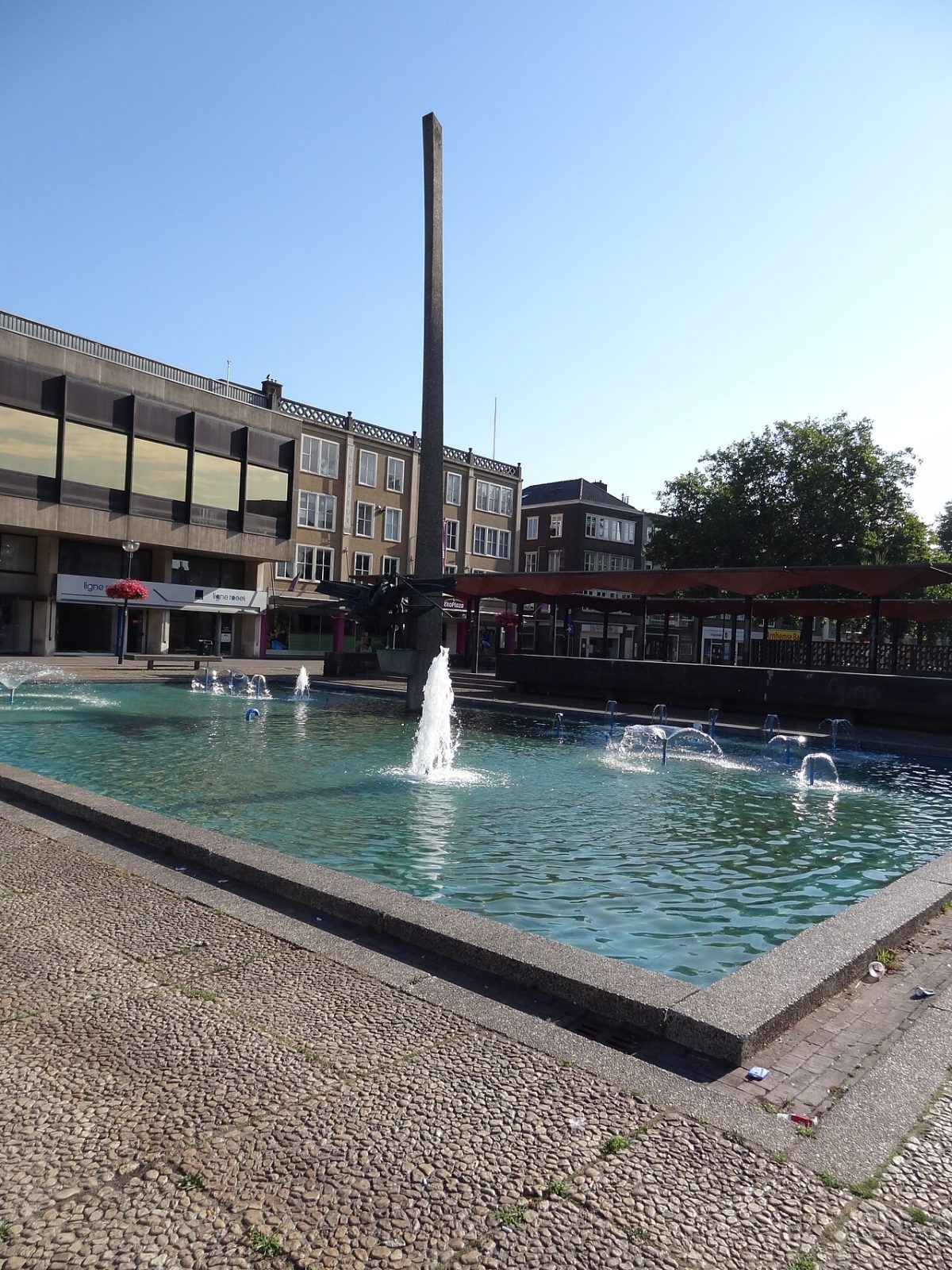
A fountain on Arnhem’s Velperplein, with Shinkichi Tajiri’s dragonfly-like sculpture hovering above the water and a pergola framing the setting.
Agnietenkapel
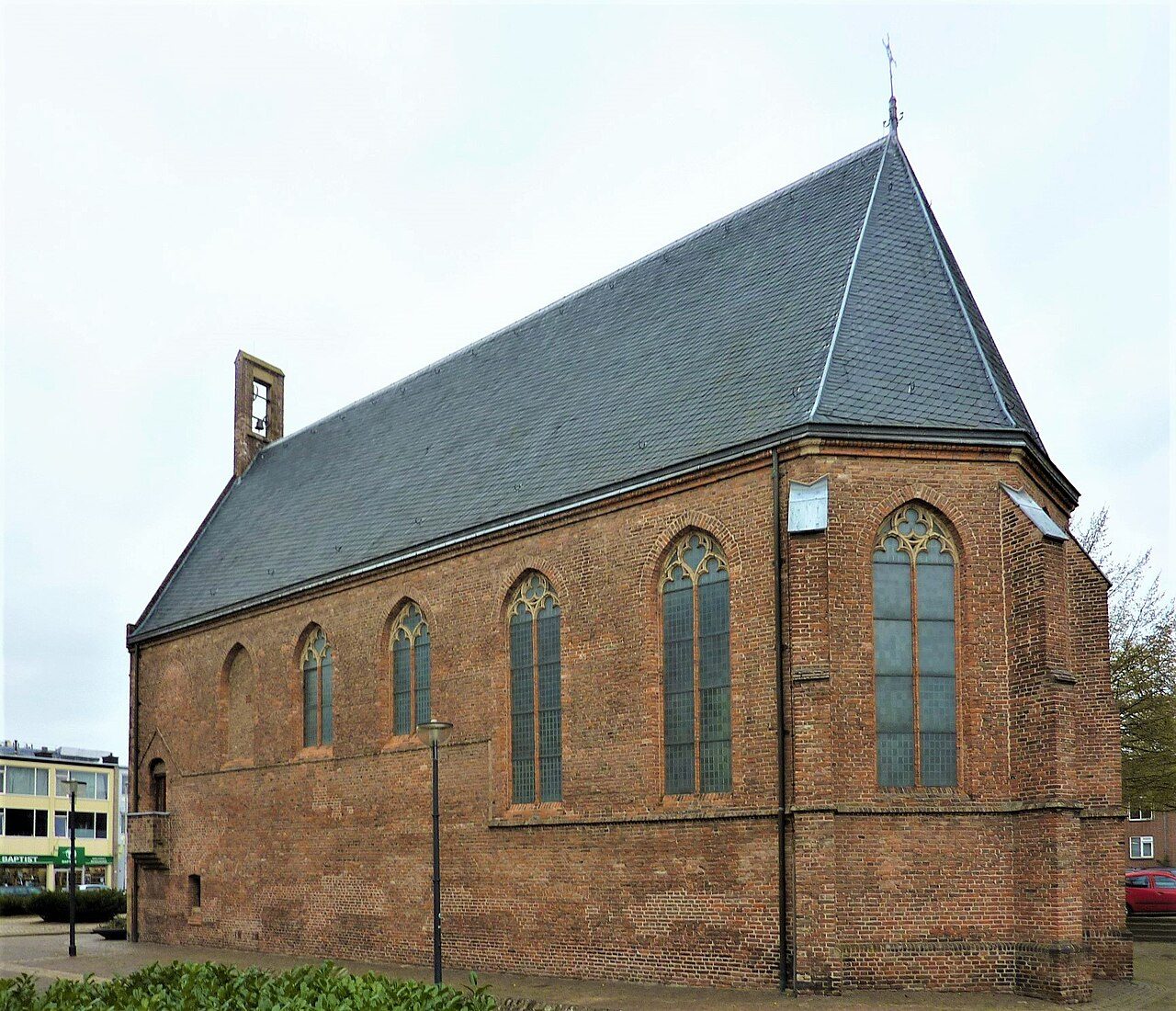
A former convent chapel near Arnhem’s centre, with a 1777 König organ brought from Nijmegen and a rescued weathercock now kept inside.
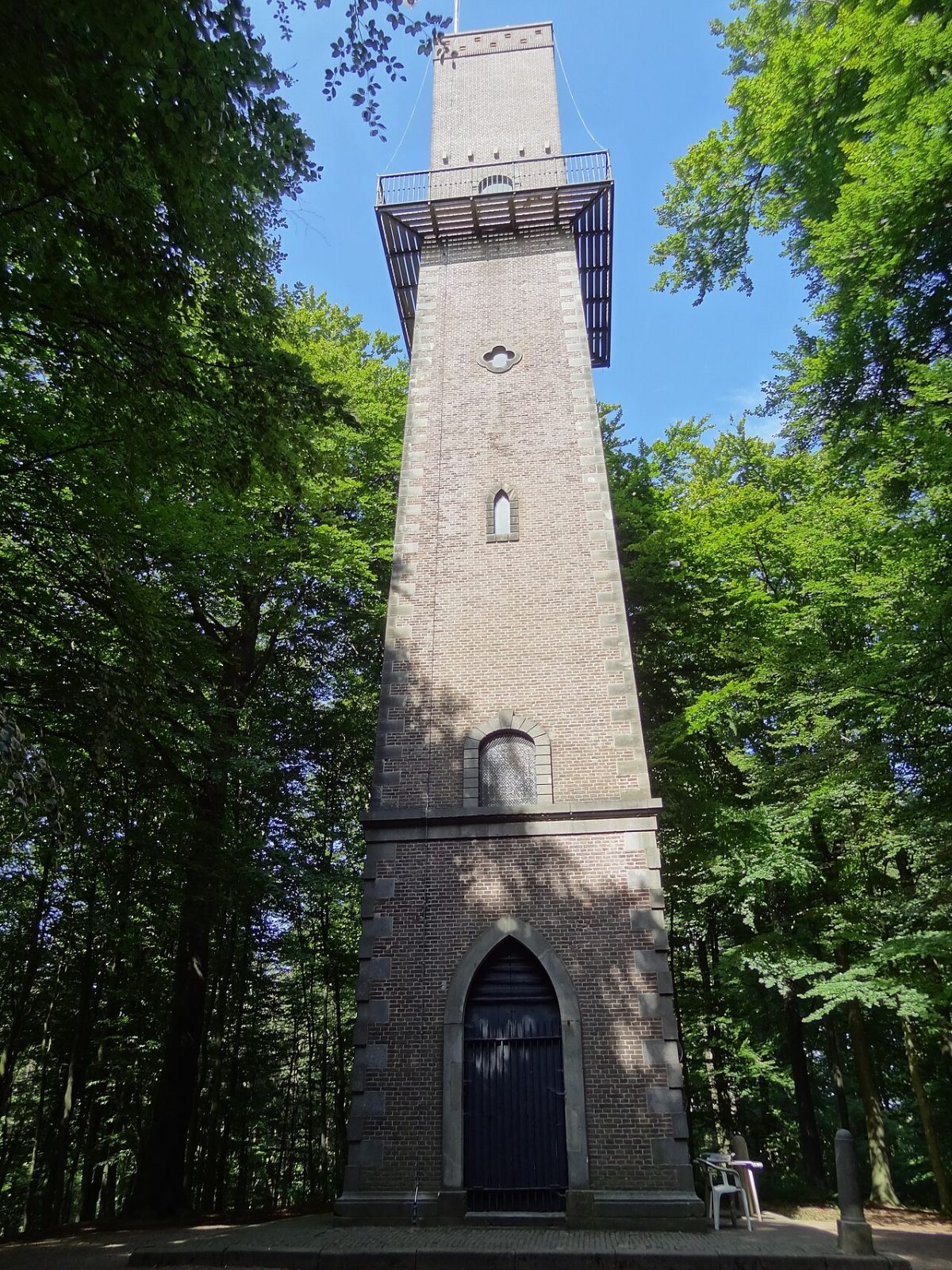
Belvédère
A nineteenth-century lookout tower in Sonsbeek Park, with a 140-step spiral staircase and a panorama partly screened by trees. In clear weather, views reach Tiel, Nijmegen and Emmerich.
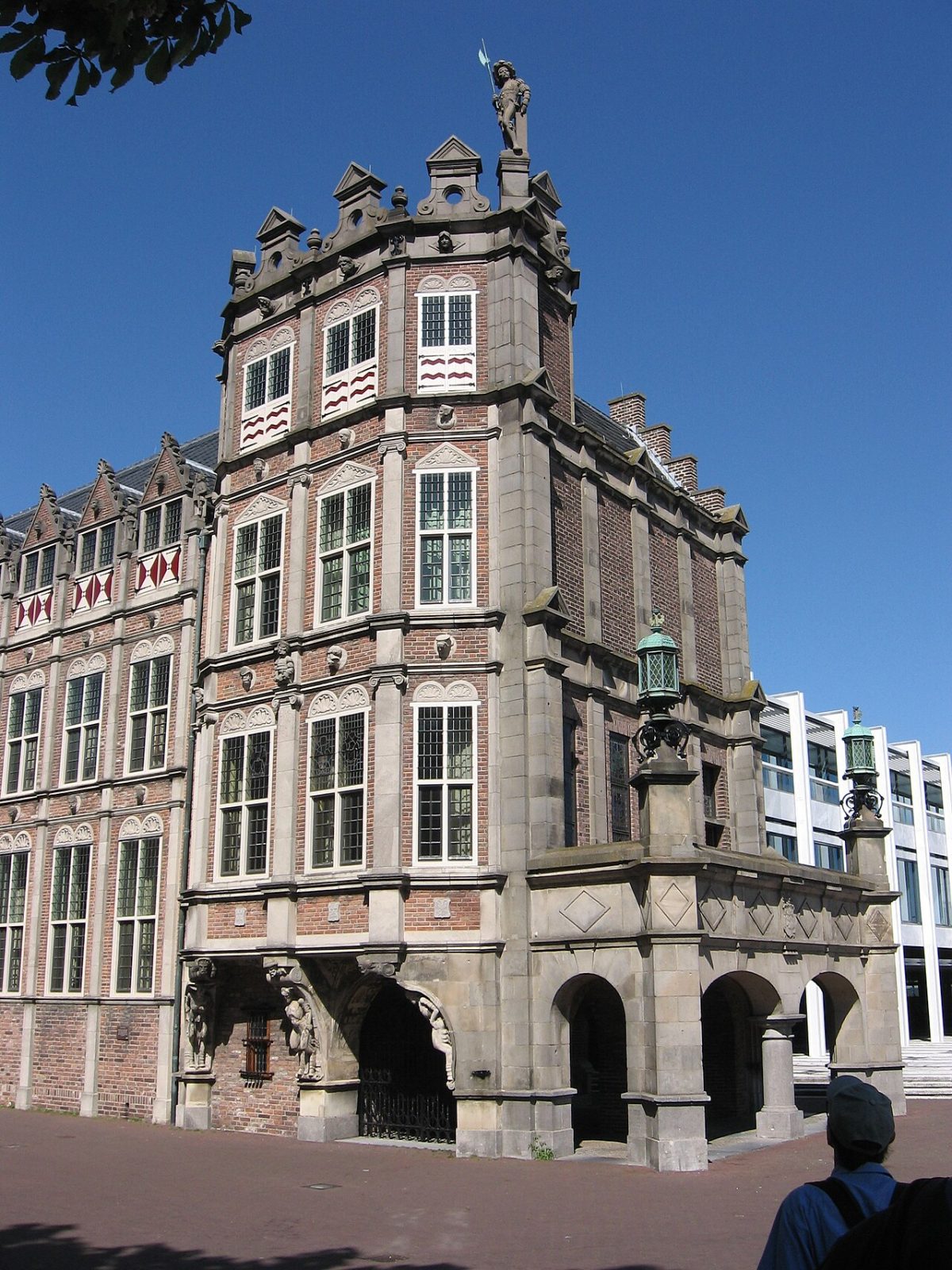
Duivelshuis
A sixteenth-century town castle on Koningstraat, with satyrs carved into its ornate façade and a row of rulers that includes its former owner, the commander Maarten van Rossum.
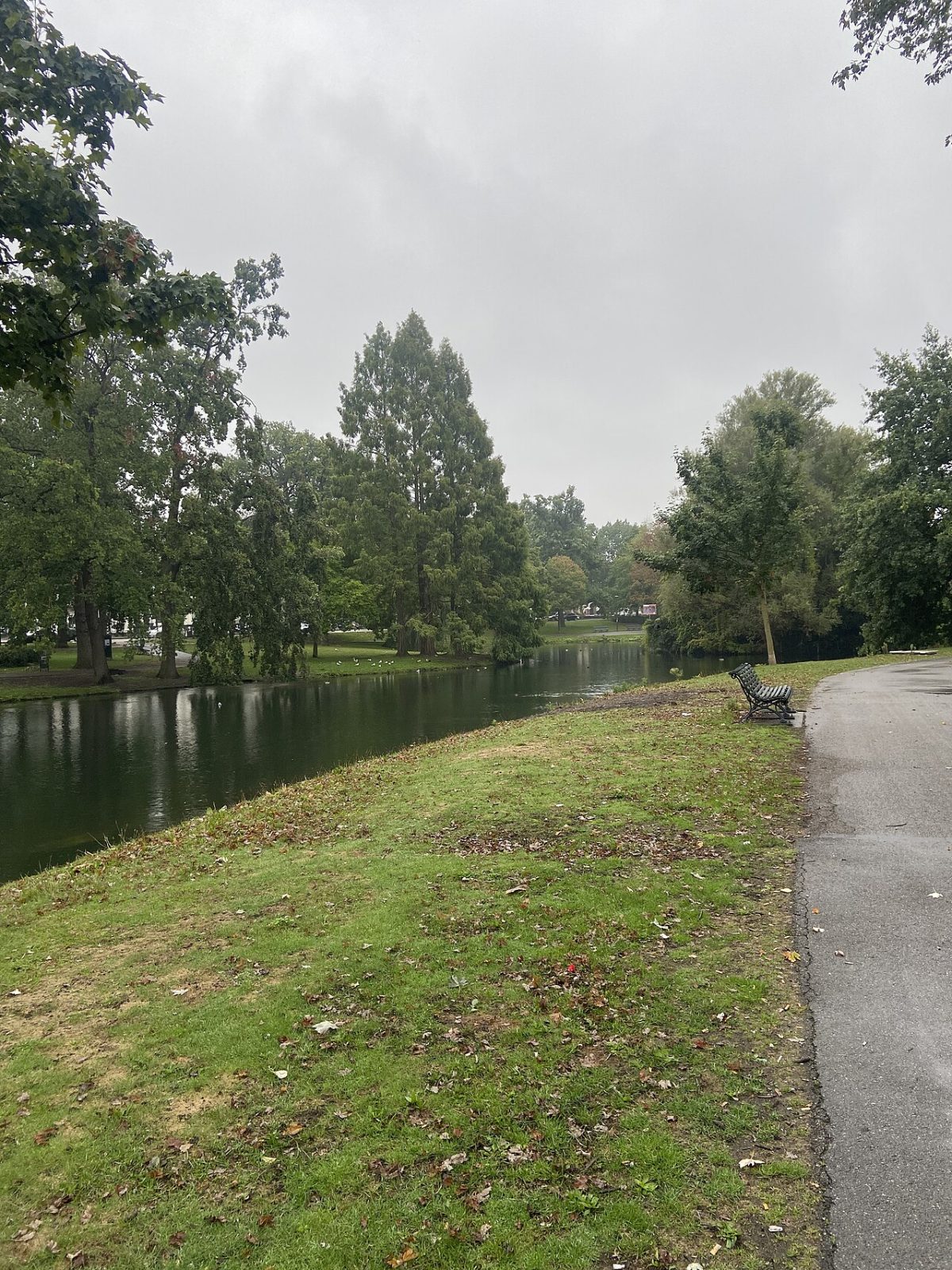
Musispark
A waterside park beside Arnhem’s Musis Sacrum, where a circuit takes in the Lauwersgracht, a bell in the water, a nineteenth-century poplar and a statue of Pluto with a two-headed Cerberus.
Tours and quests that pass here
These walks have a stop a few minutes from Luthers Hofje. Free, on your phone, start any time.
 CITYQUEST
Arnhem After the Battle
Hunt for traces of Arnhem’s wartime destruction in streets rebuilt after the battle. Real stone memorials and bronze figures hold the clues as you gather letters for a final answer.
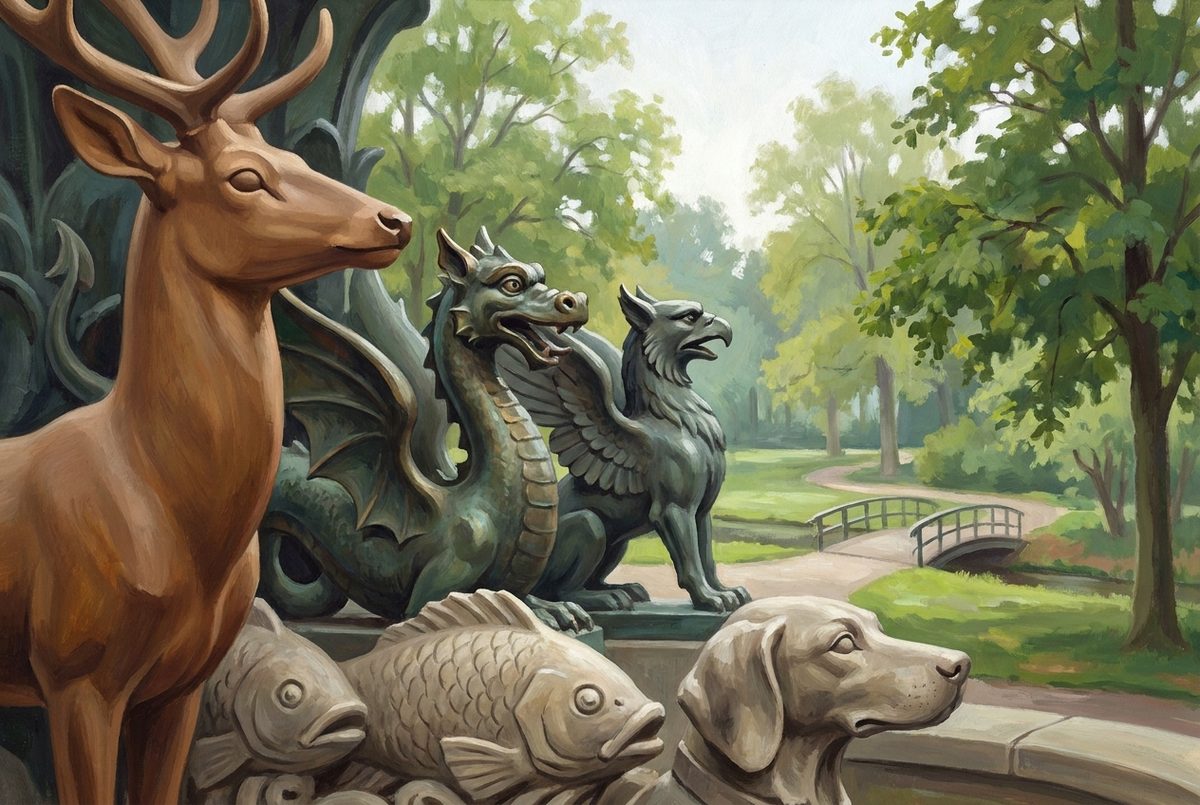 CITYQUEST
The Stone Creature Keeper
Your creature collection is scattered across Arnhem, waiting for you to spot real animals and monsters among the city’s statues and fountains. Hunt for them in the street, fill the keeper’s catalogue and work towards a final answer.