
LANDMARK
Groenburgwal
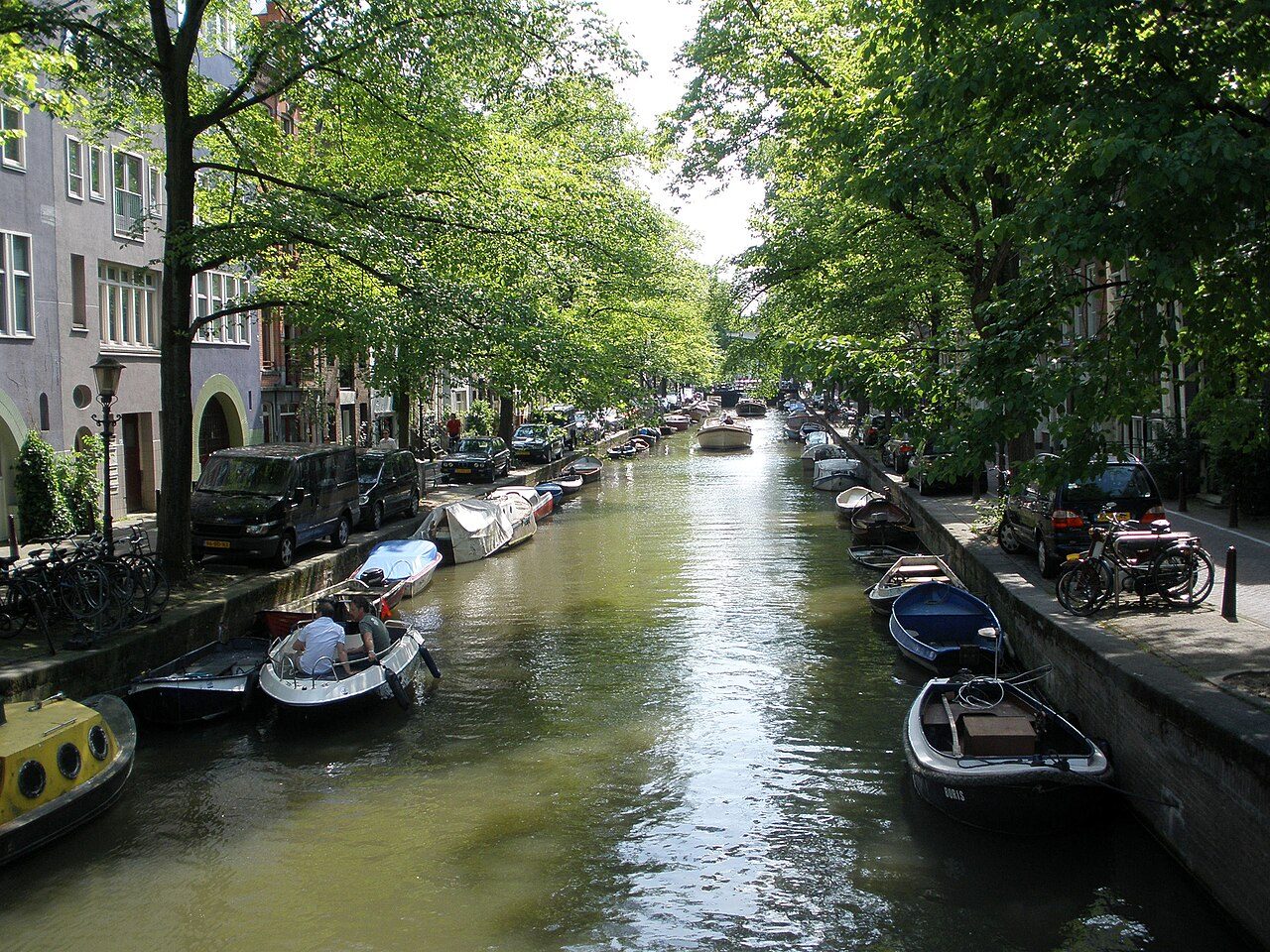
The quiet canal Monet painted, with the Zuiderkerk tower at the end.
A canal with a tower at the end
The Groenburgwal is a short, calm canal that links the Raamgracht to the Amstel. It runs parallel to the Kloveniersburgwal and the Zwanenburgwal, and the tower of the Zuiderkerk stands over it. Most people walk past on the busier streets either side. Come here and you get water, old brick, a wooden drawbridge and one of the best-framed views in the centre.
The canal is free to walk along at any hour. Give it a quarter of an hour, more if you like reading facades.
Cloth, dye and a painter
Until late in the 16th century this was open ground outside the fortress by the Amstel. In 1593 the city took it in. Cloth weavers moved in. They washed, carded and spun wool, wove it, then fulled and dyed it and stretched the cloth on wooden frames to dry. The nearby Raamgracht and Verversstraat are named after that work.
In the early 17th century parts of the Amstel here were filled in, and the name Groenburgwal appeared. Green dyers were established on this stretch. The Dutch sources add that the west side, with its trees, was for living only, while the east side, the Verversgracht, was home to the blue dyers.
Around 1874 Claude Monet painted the view up the canal to the Zuiderkerk. The painting hangs in the Philadelphia Museum of Art, so you will not find it here. But the view is still there, and it is easy to see why he chose it.
What to look for
Start with the bridges. The wooden drawbridge at the Staalstraat is the Staalmeestersbrug, bridge 227. At the Raamgracht end is an 18th-century stone arch, bridge 226. Together they give the canal its shape.
Then read the houses. At number 30, tile panels on the facade record the St. Vincentius Tusschenschool. Number 42 is Christ Church, one of the first neo-Gothic churches in the country. In 1829 part of the old cloth hall 't Staalhoff was rebuilt in that style for it, which ties the church back to the weavers.
Number 44 was built around 1650 by the silk weavers' guild as an inspection hall. In 1857 the University of Amsterdam made it a chemistry laboratory. Jacobus van 't Hoff, the first winner of the Nobel Prize in Chemistry, taught and researched here from 1878 to 1891. In 2021 the building was declared National Chemical Heritage.
Number 56 dates from 1720 and is built in Louis XIV style. Four generations of the Serné family ran a costume hire business in it for about a century and a half. The Hendrik de Keyser society restored it in this century. Number 61 had painted ceilings from 1633 found inside. On the far side of the canal, the modern youth hostel wing at numbers 32 to 34 dates from 1956.
A film set for two days
In 1987 part of the canal was turned into a version of the Red Light District for two days. The film Amsterdamned needed a scene there, and filming was not allowed in the real Wallen. So the quiet Groenburgwal stood in for it. Look at it now and it is hard to imagine, which is part of its charm.
Stand where the water bends and look toward the Zuiderkerk. Brick, trees, reflections and the tower: the picture Monet painted is still here to walk into. If you want a second canal corner afterwards, the Huis aan de Drie Grachten is a three-minute walk away.
Before you go
- The canal runs between the Amstel and the Raamgracht. It is free and open to walk at any hour.
- Go early in the morning or in soft evening light. The water is calmest then and the tower reflects best.
- Stand near the Staalstraat drawbridge for the view Monet painted, with the Zuiderkerk tower at the end.
- Look up as well as ahead: the facades, tile panels and bridge numbers are the story here.
- Wear comfortable shoes. The quayside is uneven brick, and the street beside the water is narrow.
What people say
Related spots
More things to do in Amsterdam ›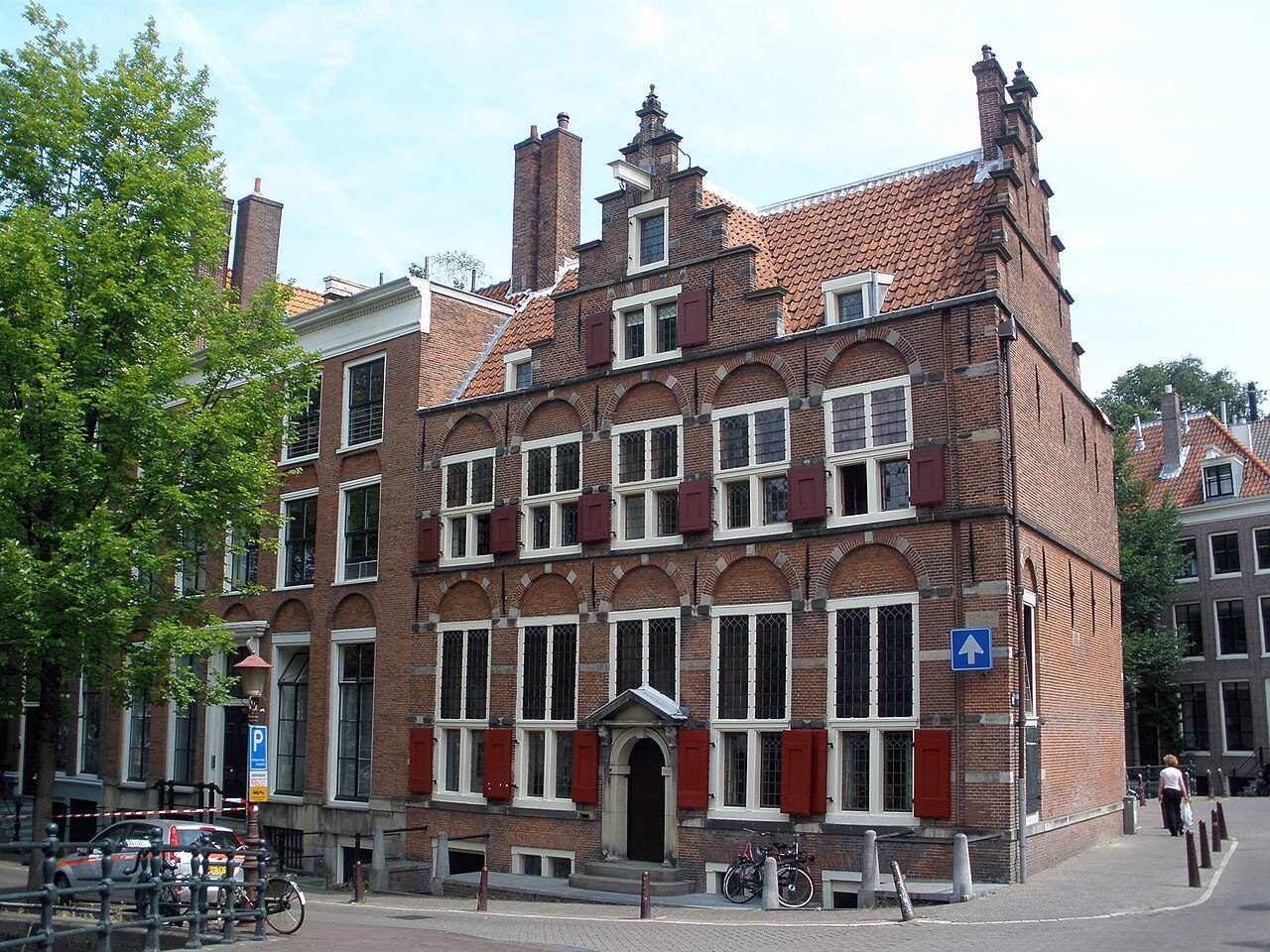 ODD FIND
Huis aan de Drie Grachten
A 1610 house with a canal on three sides, one of the most photographed corners nobody can name.
 LANDMARK
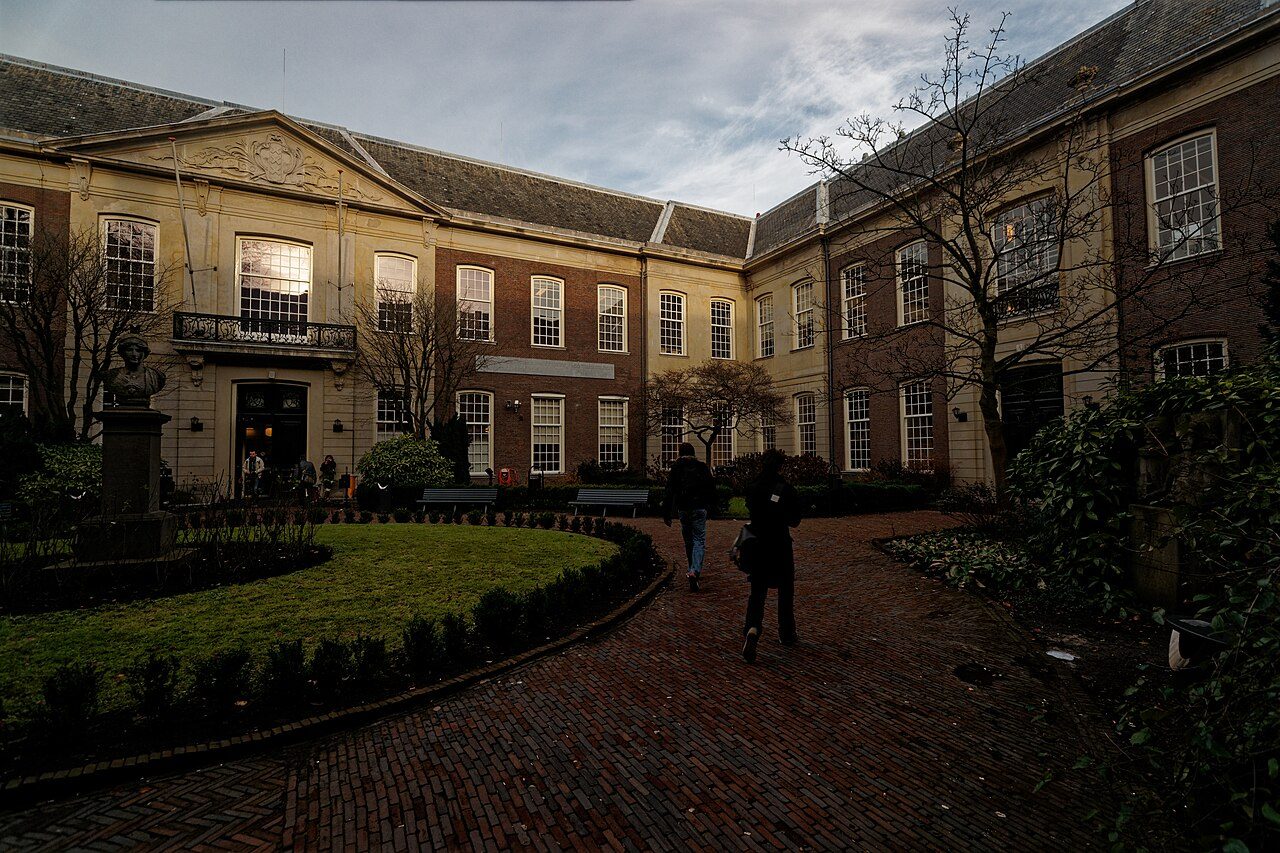
Oudemanhuispoort book market
A covered passage through the university with second-hand book stalls since 1757.
 CHURCH
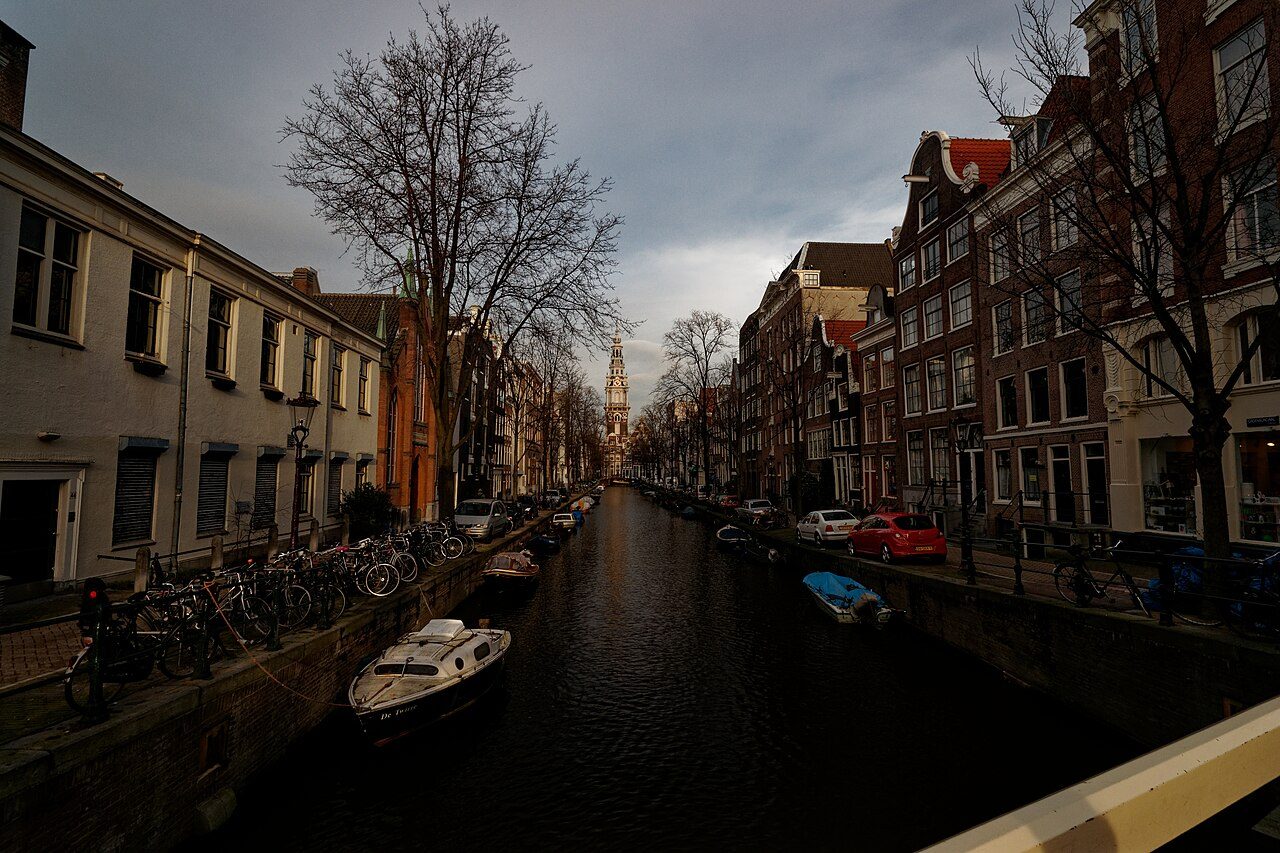
Zuiderkerk
The first Protestant church of Amsterdam, painted by Monet; the skull gate to its graveyard is around the corner.
 LANDMARK
Waterlooplein flea market
The city's oldest flea market, next to the Stopera.
 LANDMARK
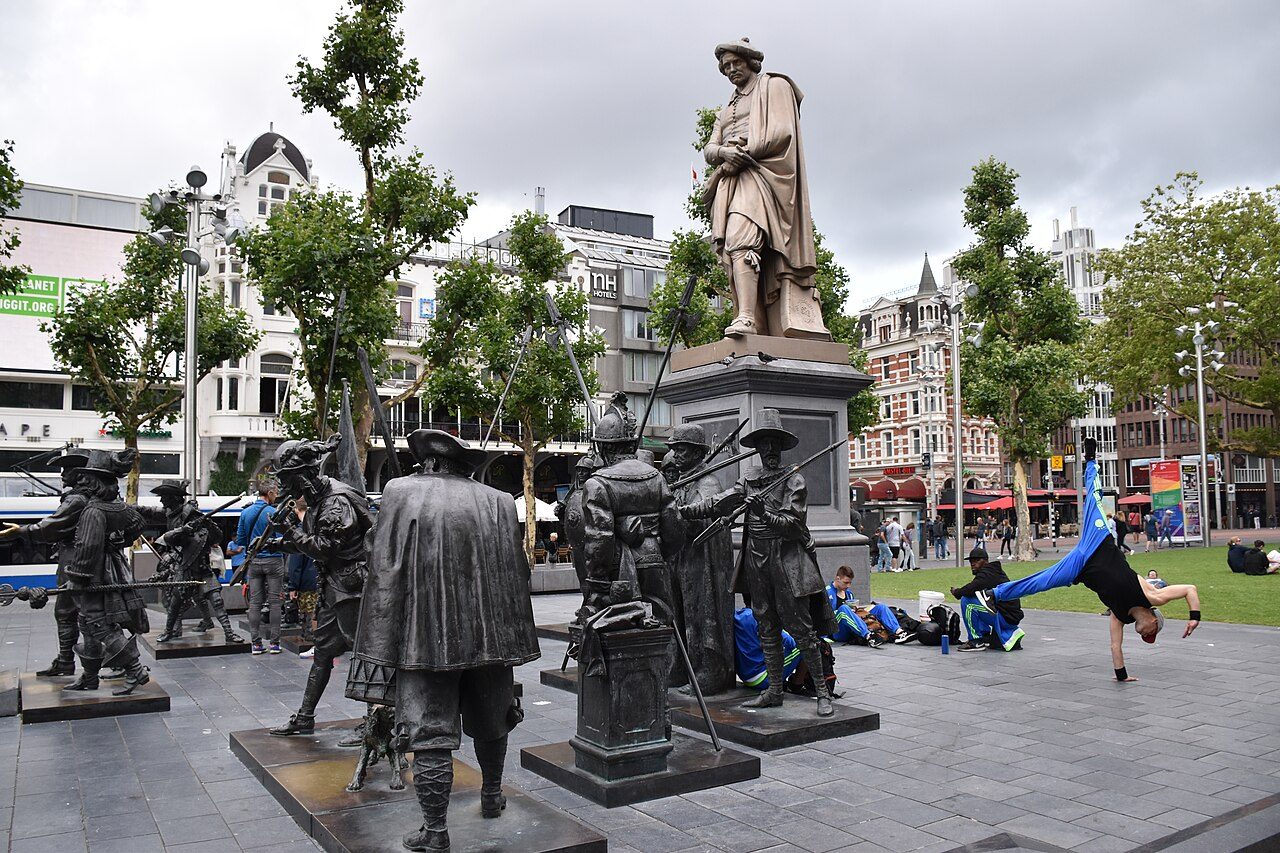
Rembrandtplein & Night Watch statues
Rembrandt's statue with a life-size bronze version of The Night Watch around him.
 LANDMARK
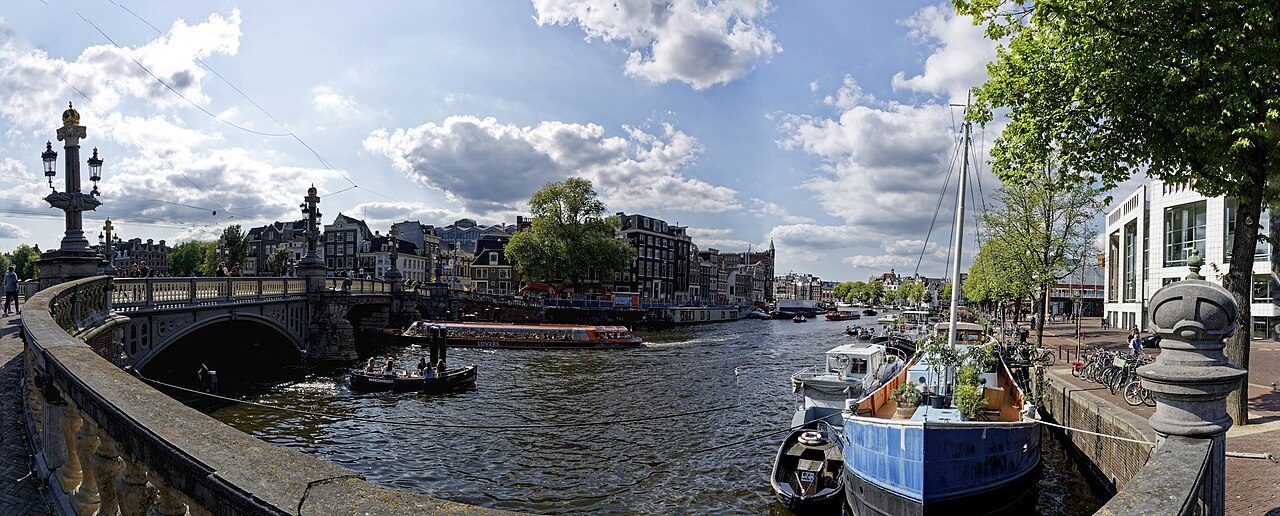
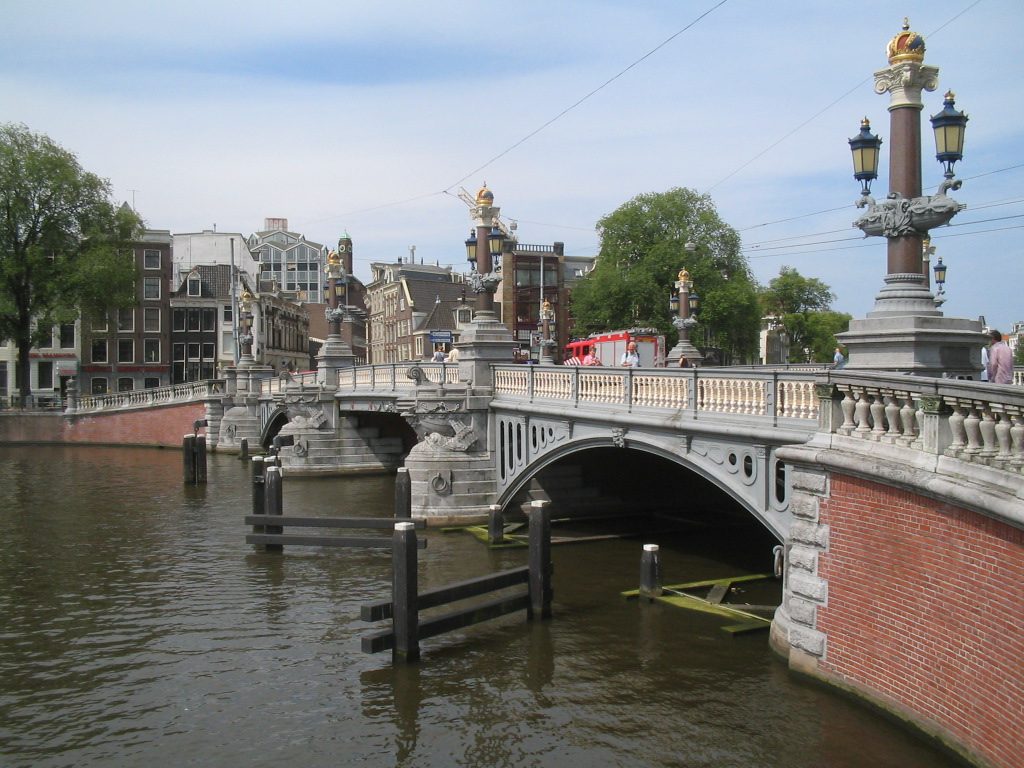
Blauwbrug
The ornate stone bridge over the Amstel, modelled on the Pont Alexandre III in Paris.
Tours and quests that pass here
These walks have a stop a few minutes from Groenburgwal. Free, on your phone, start any time.
 AUDIO TOUR
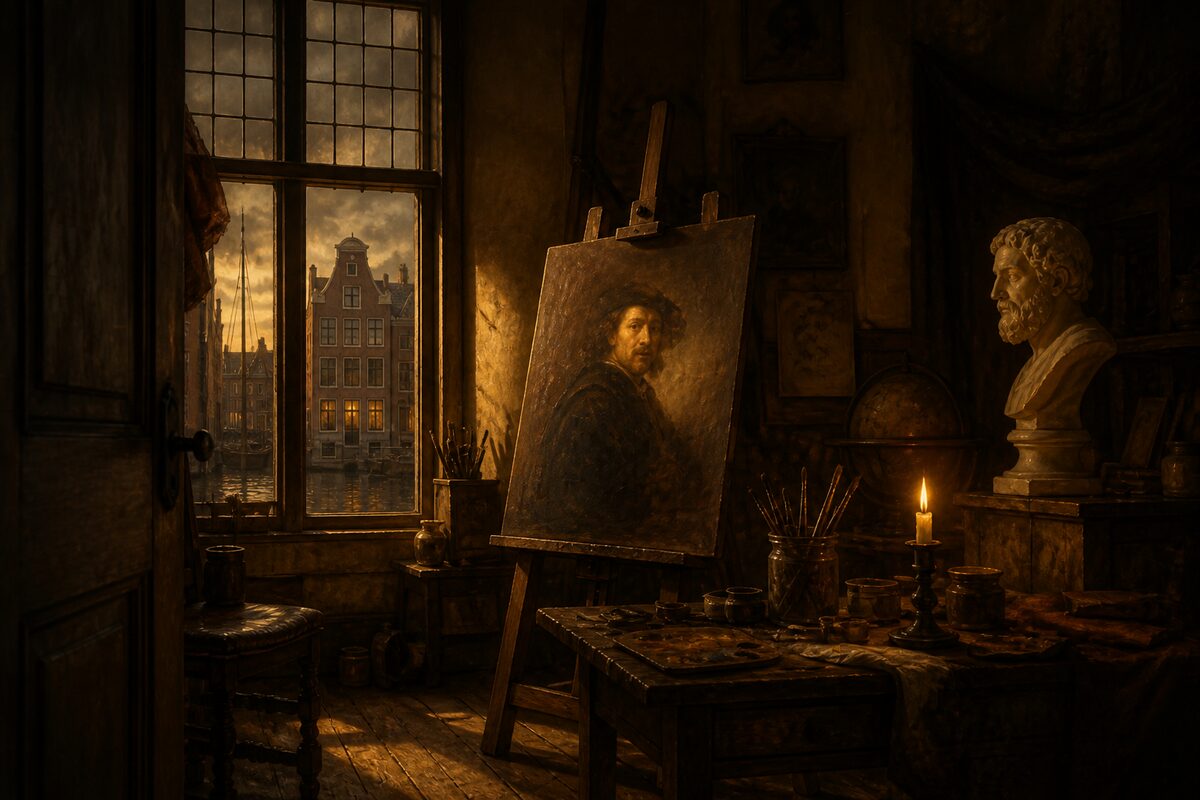
In Rembrandt's Footsteps
From the biggest house on the street to bankruptcy and an unmarked grave. His Amsterdam, in the order he lived it.
 AUDIO TOUR
Amsterdam Ghost Tour
Plague pits, public executions and the canal that swallowed people. The city's grim side, told without the cheap scares.
 CITY QUEST
Rembrandt's Missing Panel
Count steps, columns and a missing piece of skyline. Rembrandt's city, looking closely.