
CHURCH
Zuiderkerk
The first Protestant church of Amsterdam, painted by Monet; the skull gate to its graveyard is around the corner.
A church that started something
The Zuiderkerk, the "southern church", stands on the Zuiderkerkhof square in the Nieuwmarkt area. It was the first church in Amsterdam built from the start for Protestant services. Before it, the Reformed congregation had used older buildings. This one was designed for them.
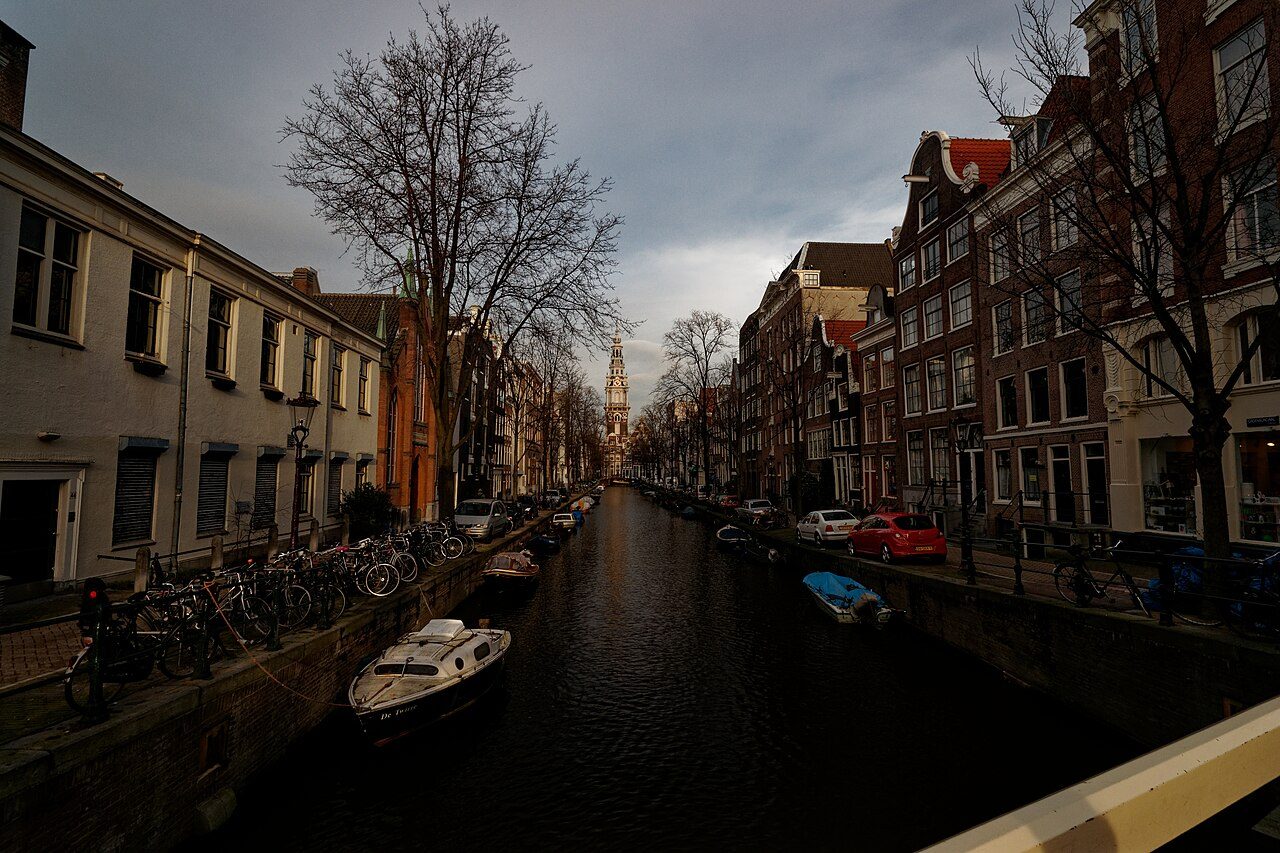
The tower is the part you notice first. It rises over the roofs of the neighbourhood, and since a repaint in 2017 its upper section is dark grey again, which is said to be its original colour.
Hendrick de Keyser's building
Hendrick de Keyser, the city architect, drew the design in 1603. The first stone was laid that August. Money ran short and work stopped for almost four years. The church was taken into use at Pentecost 1611, and the tower and churchyard were finished in 1614. Bricks from the demolished city wall went into the walls.
De Keyser planned a pseudo-basilica in the Amsterdam Renaissance style: a central nave, two lower aisles, six bays, Tuscan columns and timber barrel vaults. The tower is a square stone base with an octagonal sandstone stage above it, free-standing columns at the corners, and a lead-covered wooden spire on top. A carillon by the Hemony brothers was installed in 1656.
De Keyser died in 1621 and was buried in the church. His gravestone is still there. The churchyard once had two sandstone gates, also his work. The one on the Sint Antoniesbreestraat survives, and it is the skull gate just around the corner.
Rembrandt, Monet and the hunger winter
The church is tied to Rembrandt's family. His son Titus was baptised here on 22 September 1641. Five years earlier, in 1636, the couple's first son, Rombertus, had been buried here, only three months old. Three of Rembrandt's children in all were buried in the Zuiderkerk. The family home is a short stroll away, now the Rembrandt House Museum. His pupil Ferdinand Bol was buried here in 1680.
Claude Monet painted the spire in 1874, probably during his stay in Amsterdam. He put the Groenburgwal canal in the foreground and rendered the reflections of the houses in loose yellow strokes, with no detail. The painting now hangs in the Philadelphia Museum of Art.
The church held services until 1929. In the last winter of the Second World War, the hongerwinter of 1944 to 1945, people were dying faster than they could be buried. From February to August 1945 the church was used to keep the dead until burial. It was closed around 1970 because it was close to collapse, then restored between 1976 and 1979.
What to look for
Start at the Groenburgwal and look along the canal to the tower, the same angle Monet chose. The water, the narrow houses and the spire still line up. Then walk round to the Zuiderkerkhof side and look at how the sandstone octagon sits on its brick base, and how light the columns at the corners seem against the heavy stone below.
Look for the carillon level too. Those Hemony bells have been in the tower for almost four hundred years. If you want the older story of the quarter, the Pintohuis shows how the well-off lived around here in the same century. The walk called In Rembrandt's Footsteps also passes close by.
Before you go
- Walk from Nieuwmarkt square. It is a short stroll along the Sint Antoniesbreestraat, and the church is on the Zuiderkerkhof, address Zandstraat 17.
- Go early in the morning or late in the afternoon for softer light on the tower and the Groenburgwal.
- Stand on the Groenburgwal and look up the canal for the view Monet painted in 1874.
- Wear comfortable shoes. The streets and bridges around here are cobbled and uneven.
- Look up. The dark grey top of the tower is the original colour, restored in 2017.
What people say
Related spots
More things to do in Amsterdam ›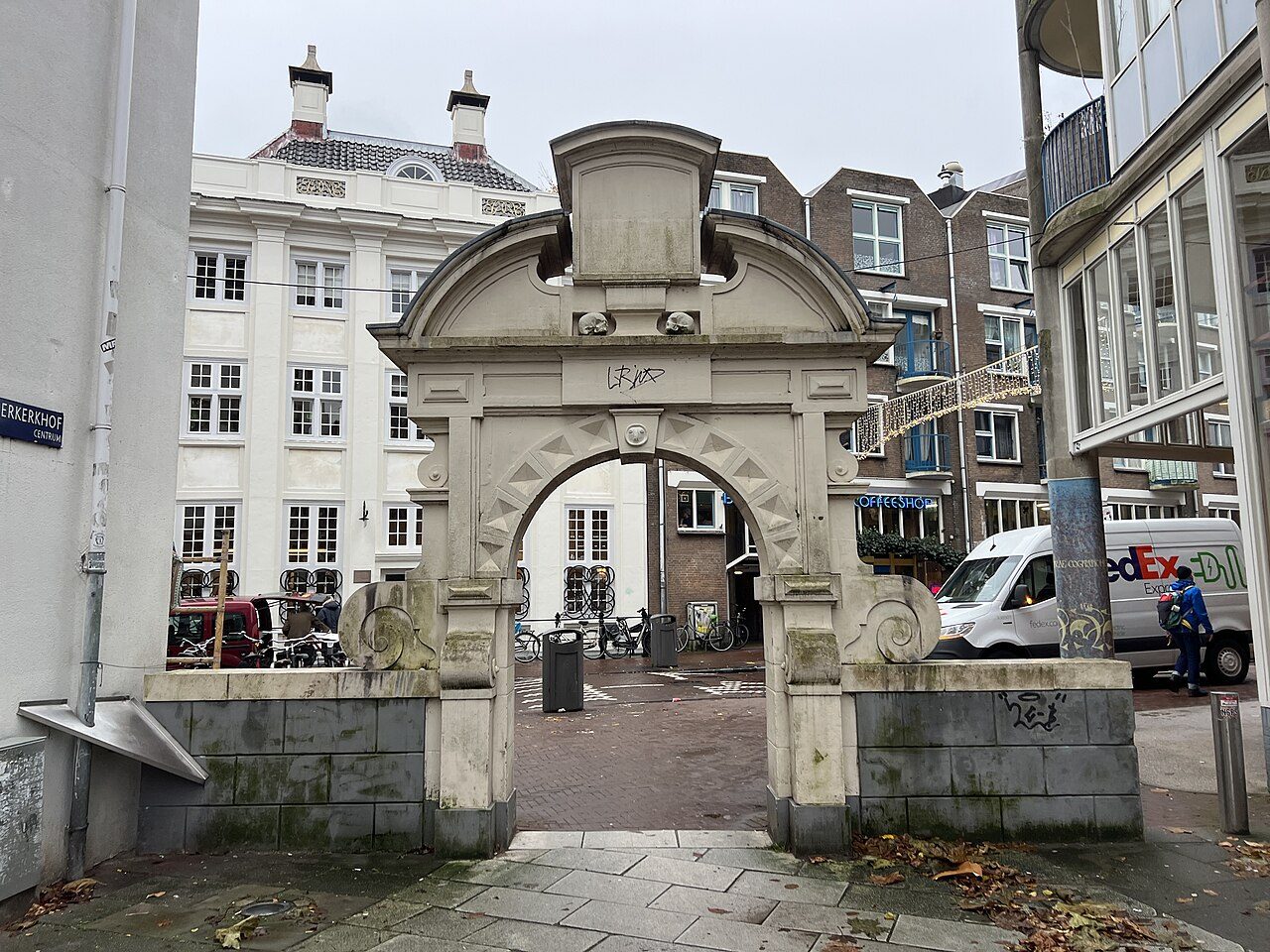 ODD FIND
Skull gate of the Zuiderkerkhof
The old graveyard gate on the Sint Antoniesbreestraat, crowned with skulls.
 ODD FIND
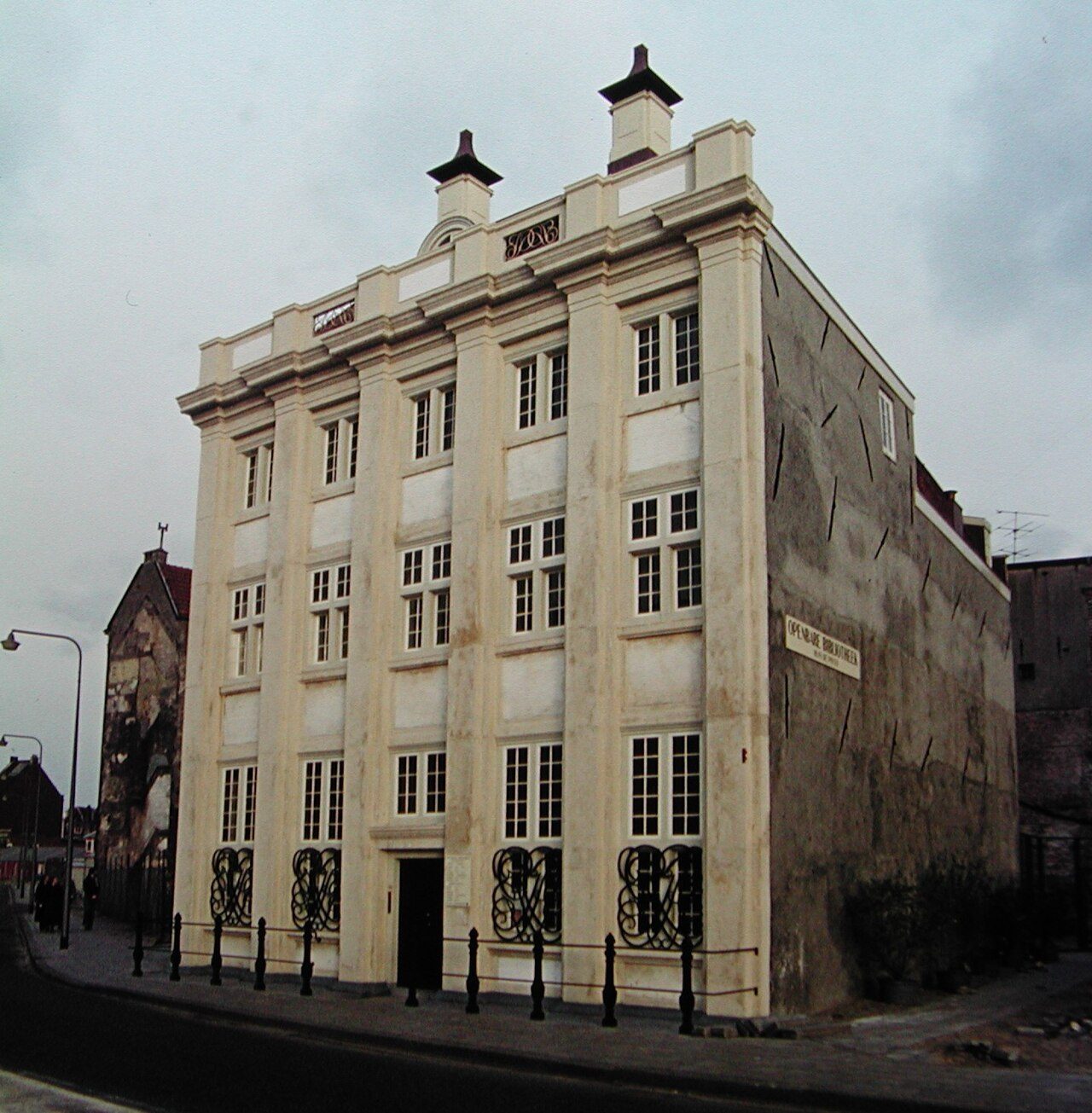
Pintohuis
A 17th-century merchant's mansion with painted ceilings, now a free reading room and café.
 MUSEUM
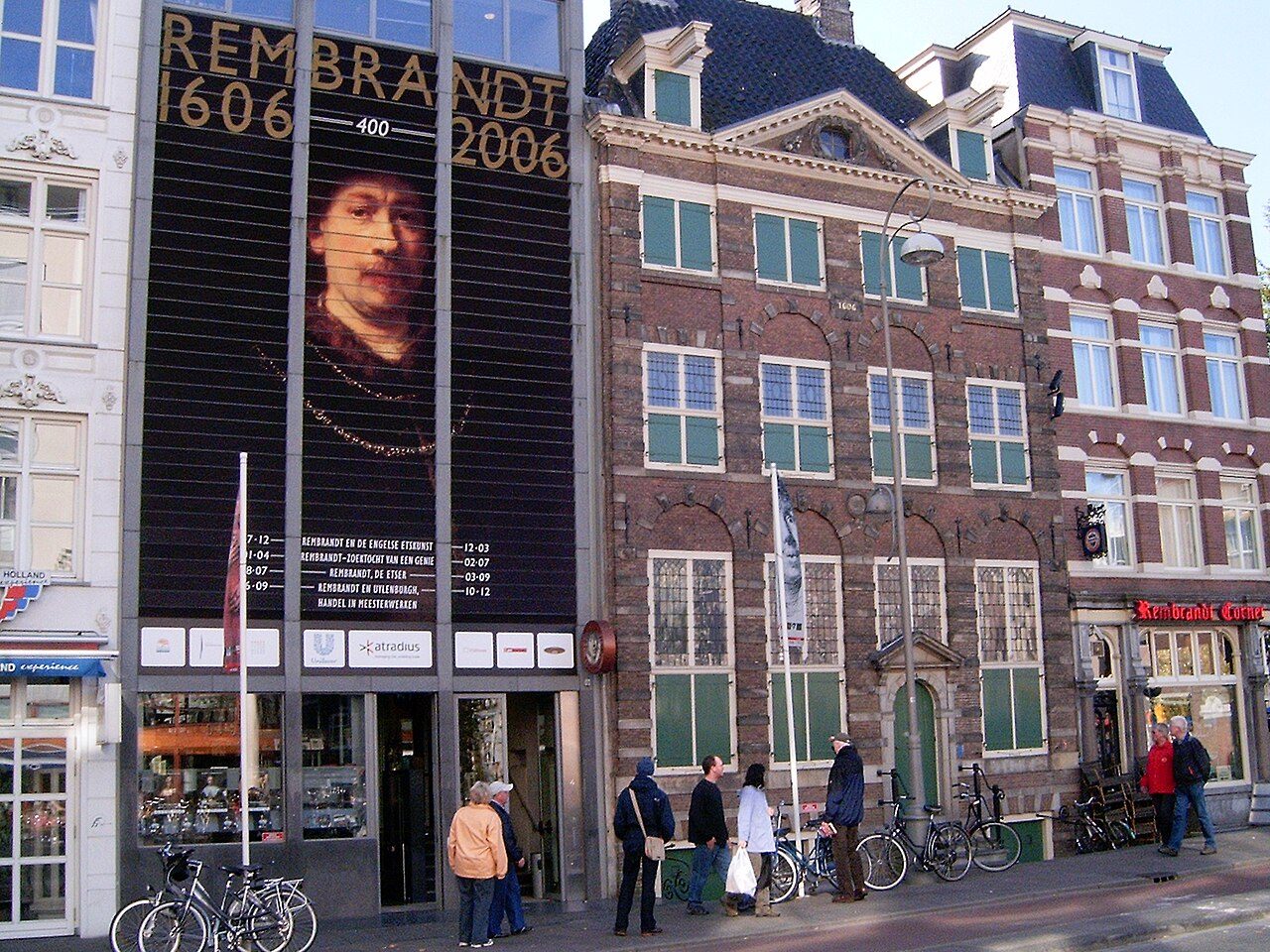
Rembrandt House Museum
The house where Rembrandt lived and painted for twenty years, with his studio rebuilt.
 LANDMARK
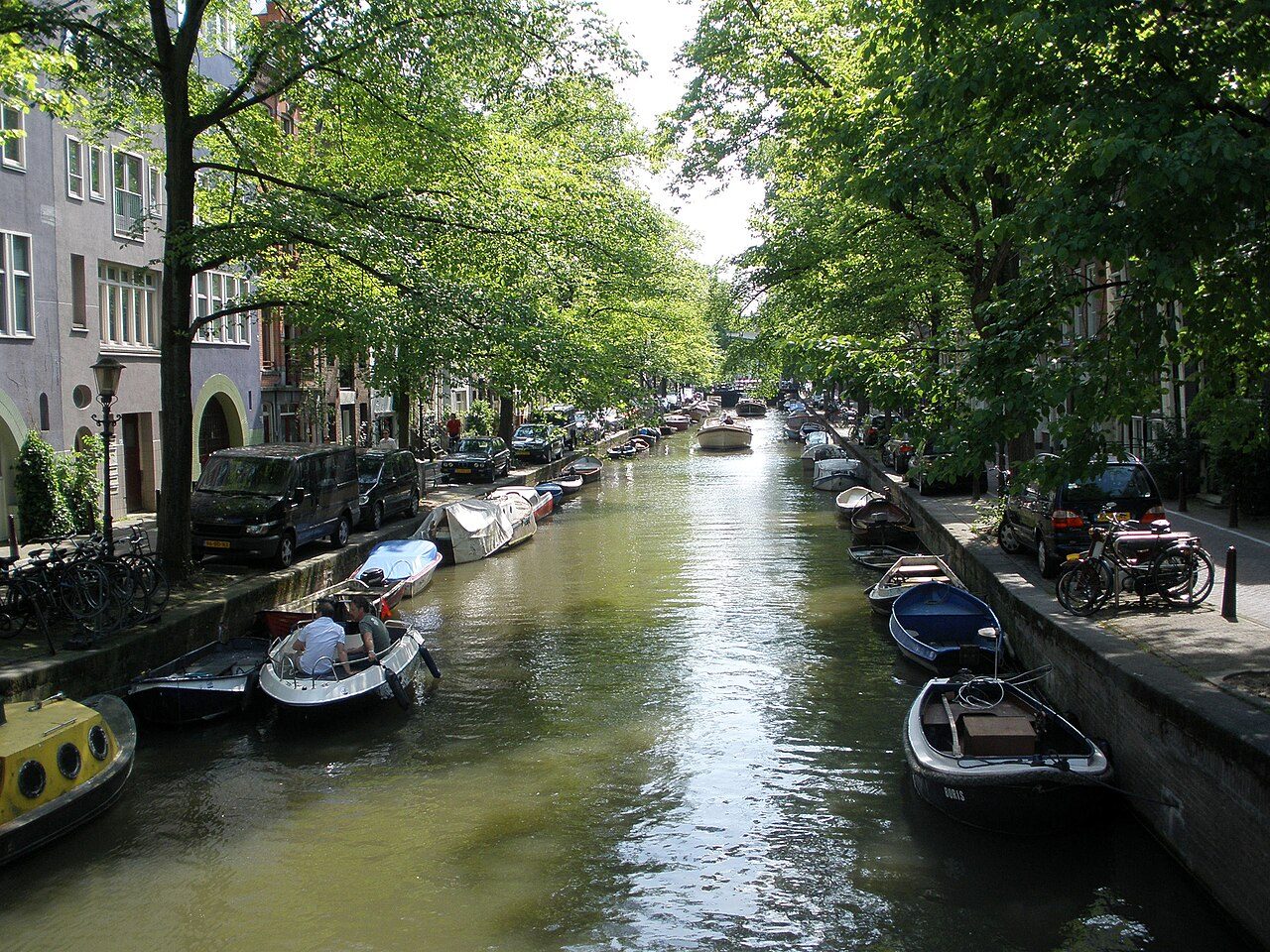
Groenburgwal
The quiet canal Monet painted, with the Zuiderkerk tower at the end.
 LANDMARK
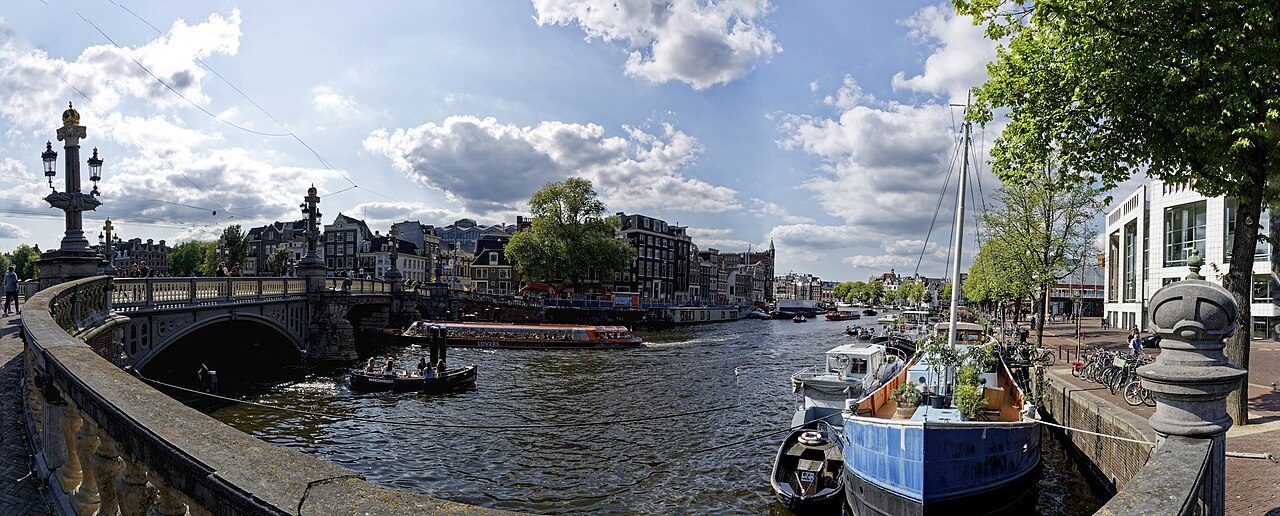
Waterlooplein flea market
The city's oldest flea market, next to the Stopera.
 LANDMARK
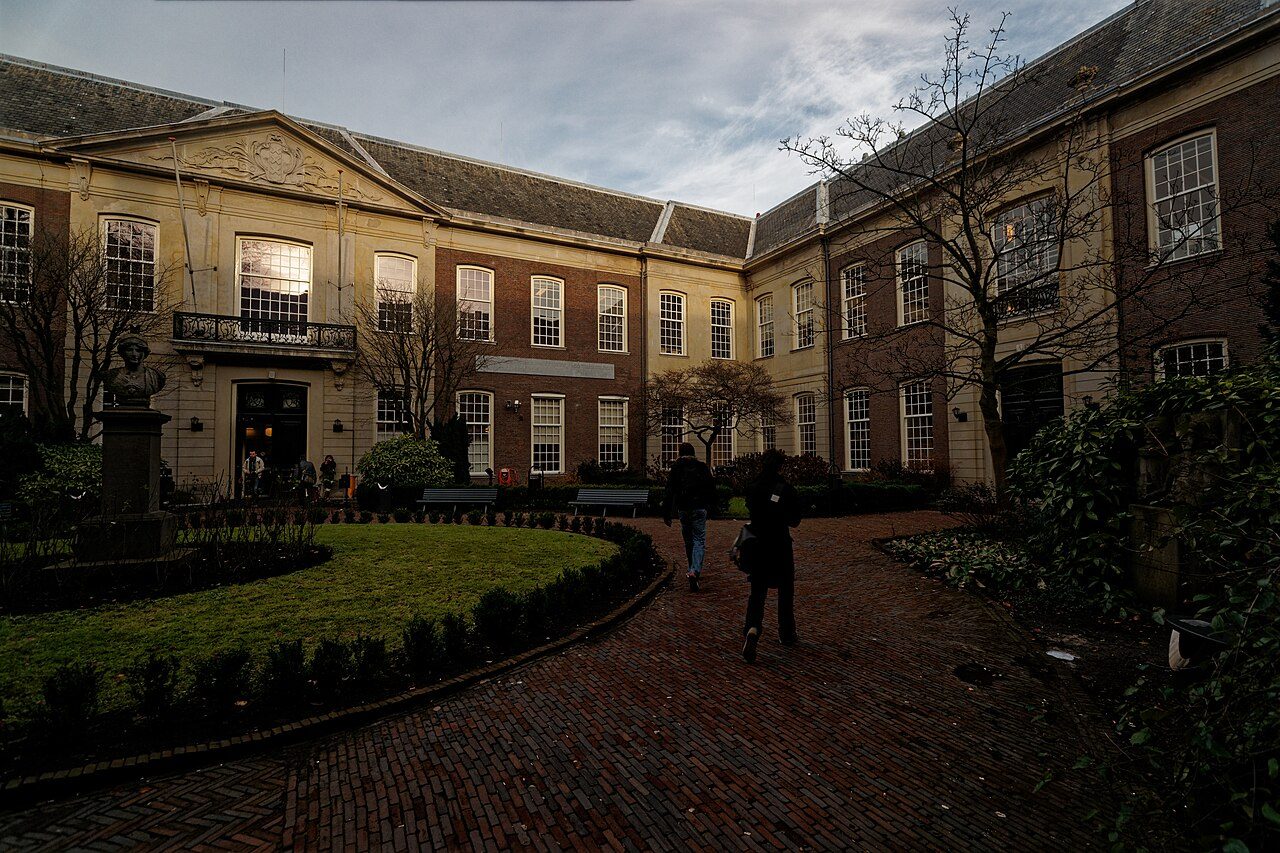
Oudemanhuispoort book market
A covered passage through the university with second-hand book stalls since 1757.
Tours and quests that pass here
These walks have a stop a few minutes from Zuiderkerk. Free, on your phone, start any time.
 AUDIO TOUR
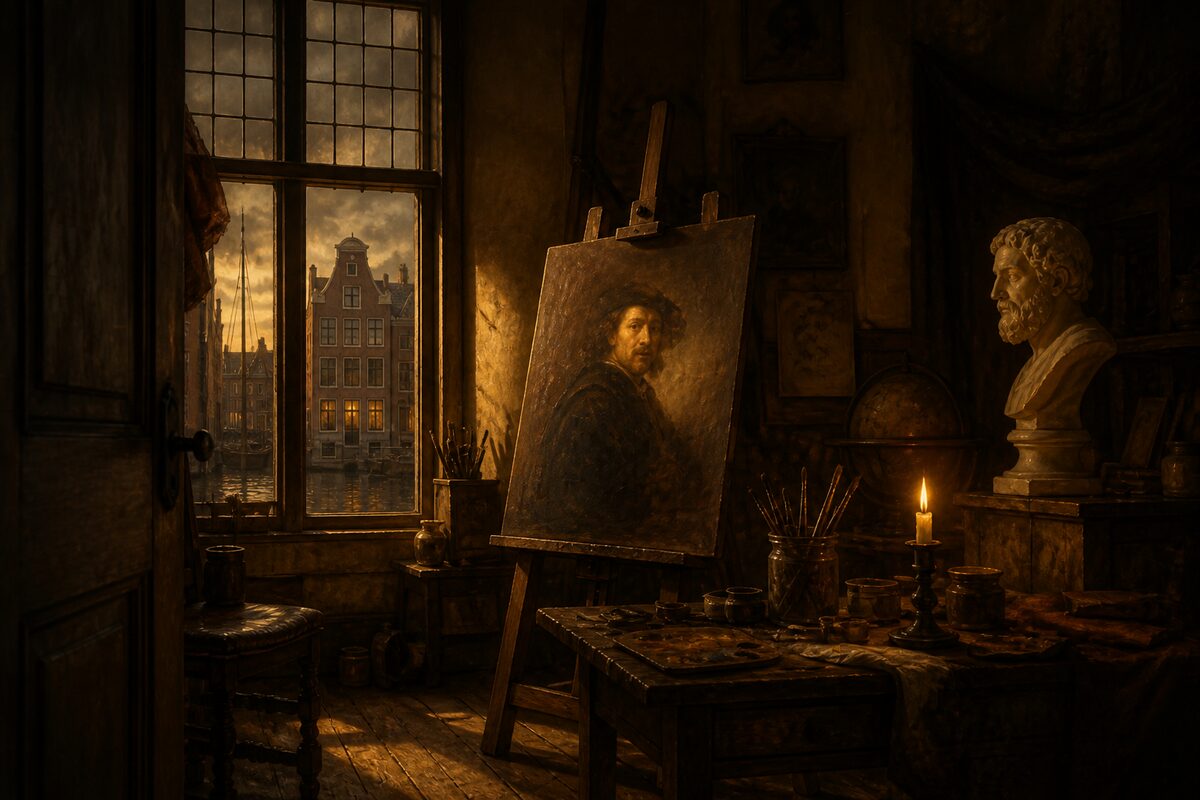
In Rembrandt's Footsteps
From the biggest house on the street to bankruptcy and an unmarked grave. His Amsterdam, in the order he lived it.
 CITY QUEST
Rembrandt's Missing Panel
Count steps, columns and a missing piece of skyline. Rembrandt's city, looking closely.
 AUDIO TOUR
Van Gogh's Amsterdam
The years before the fame: a failed bookshop clerk walking these same streets. Ends at the museum door.